




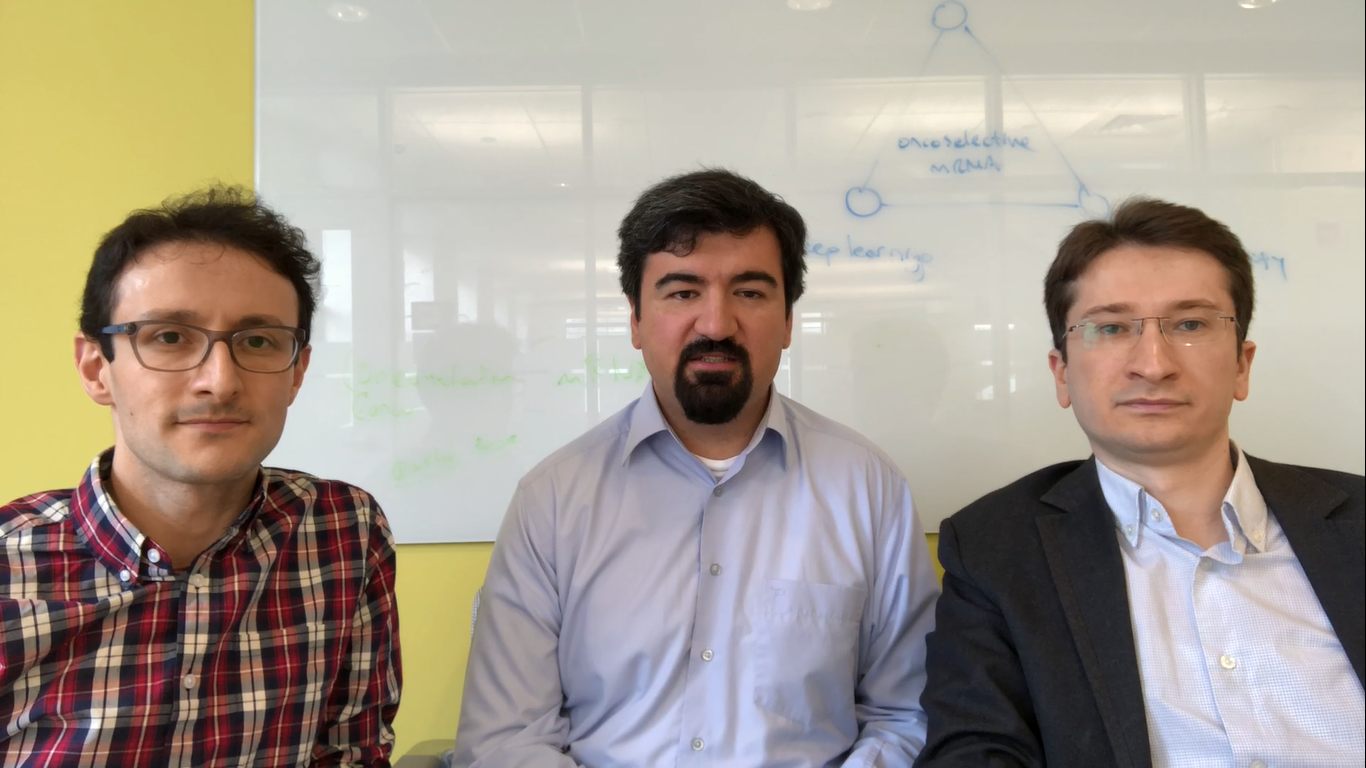
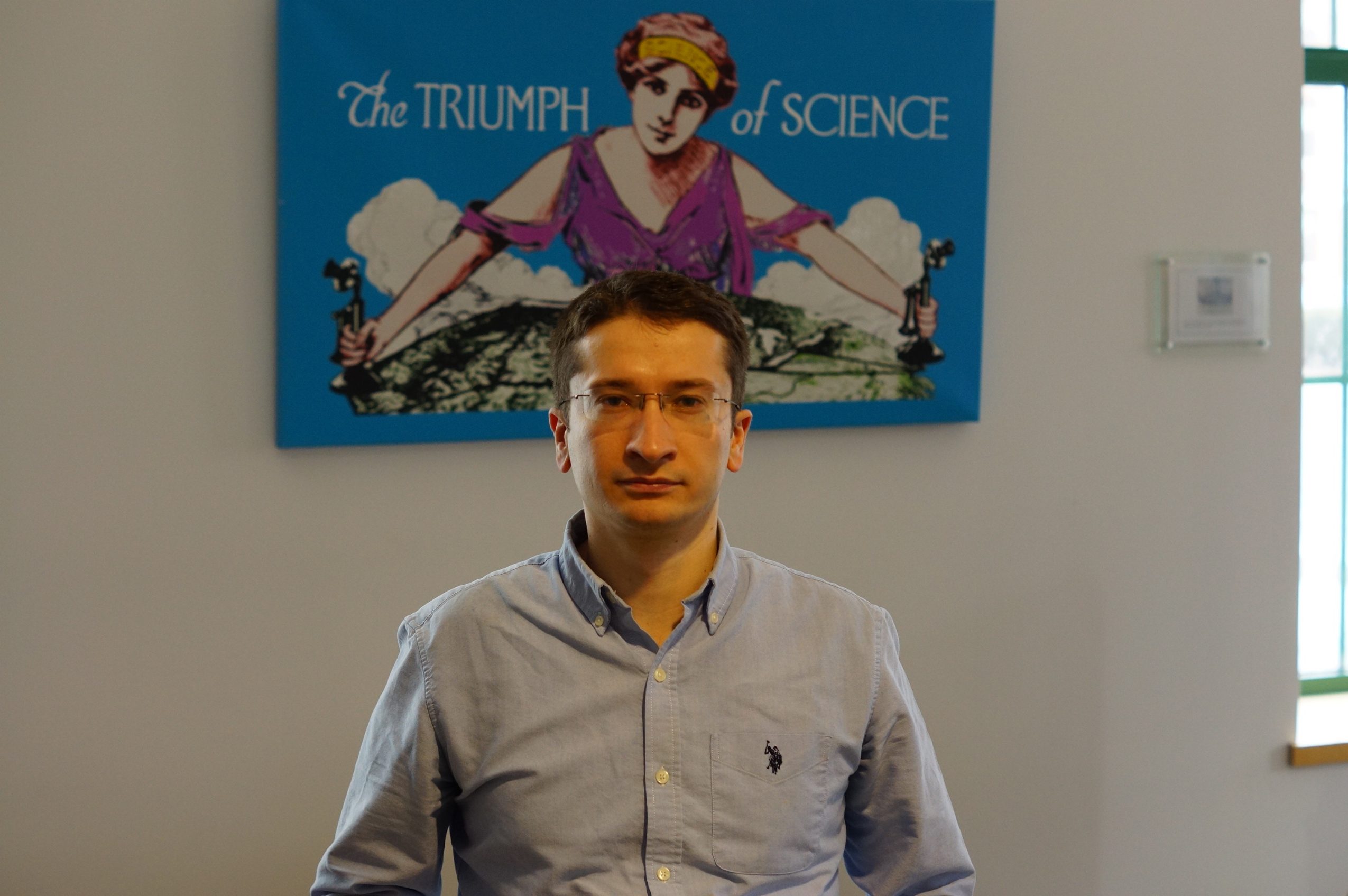
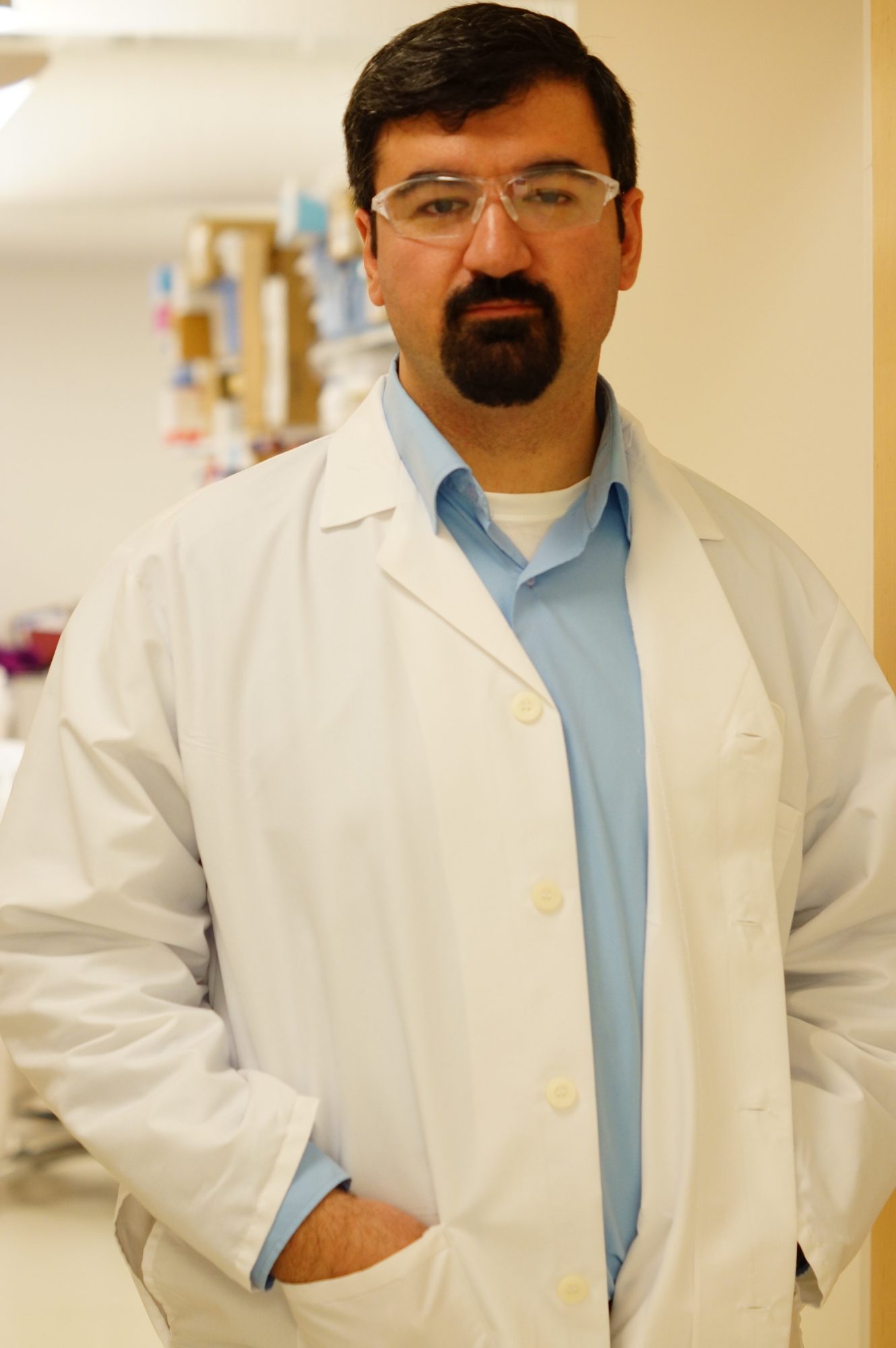
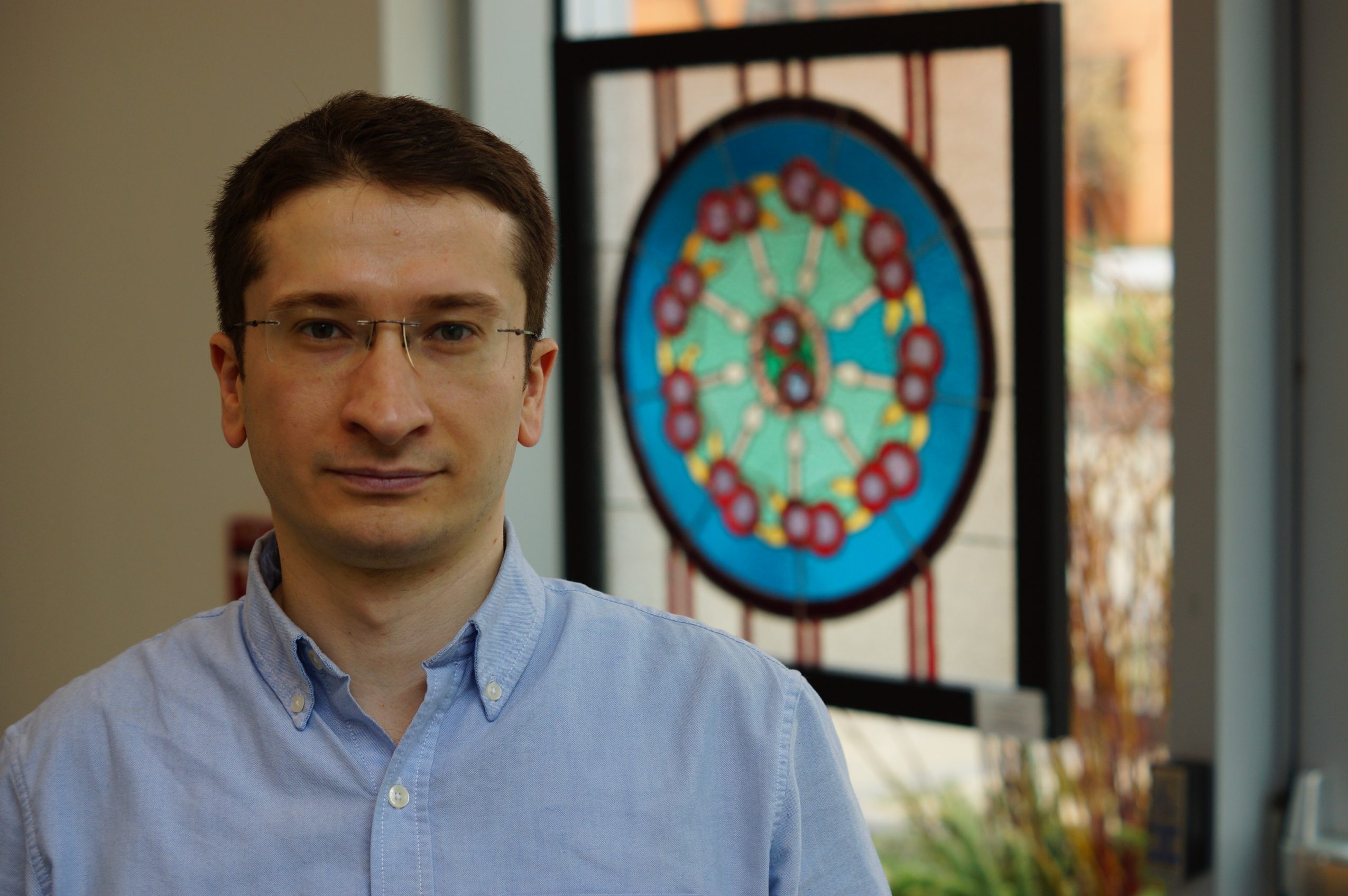
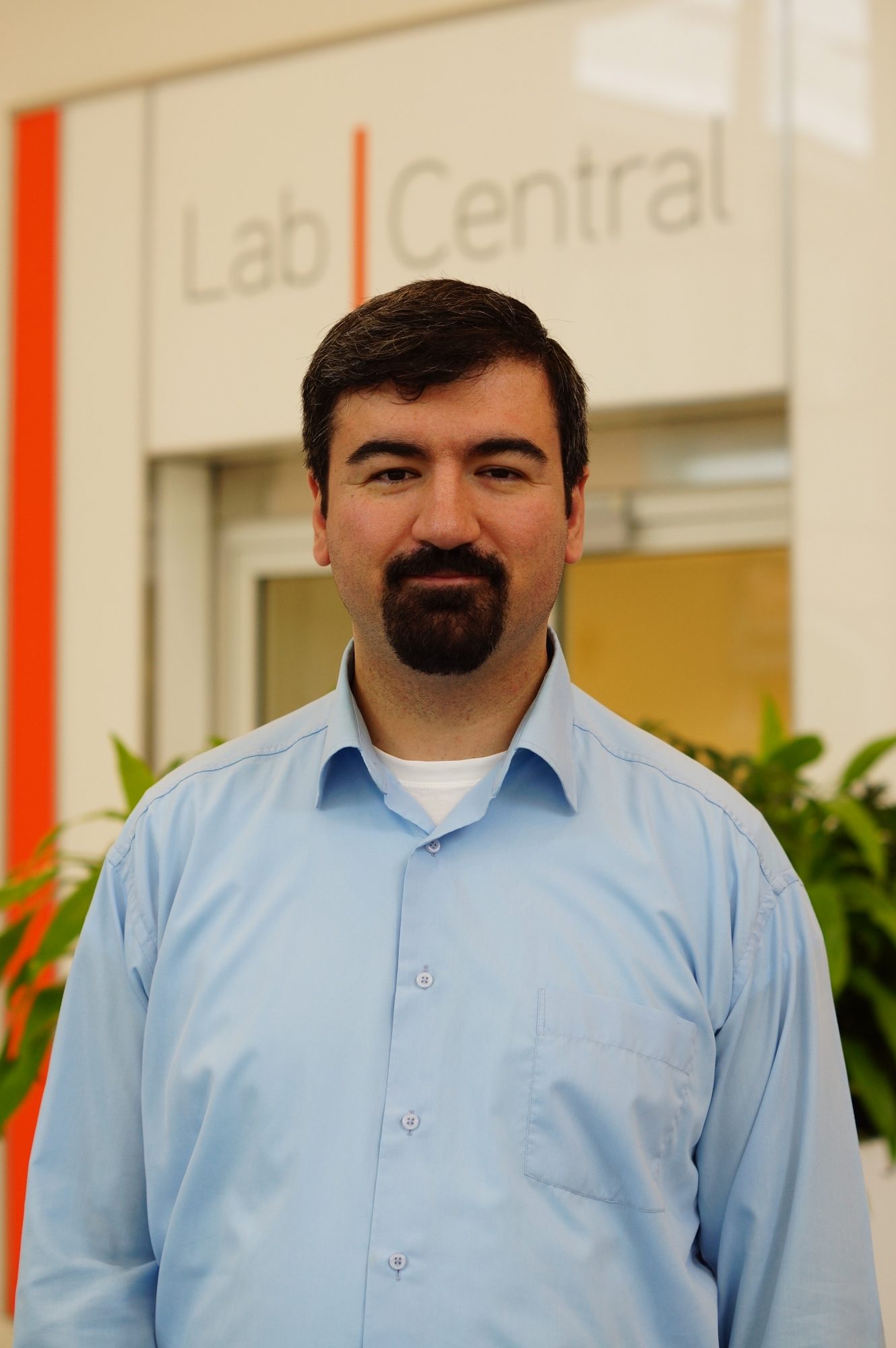
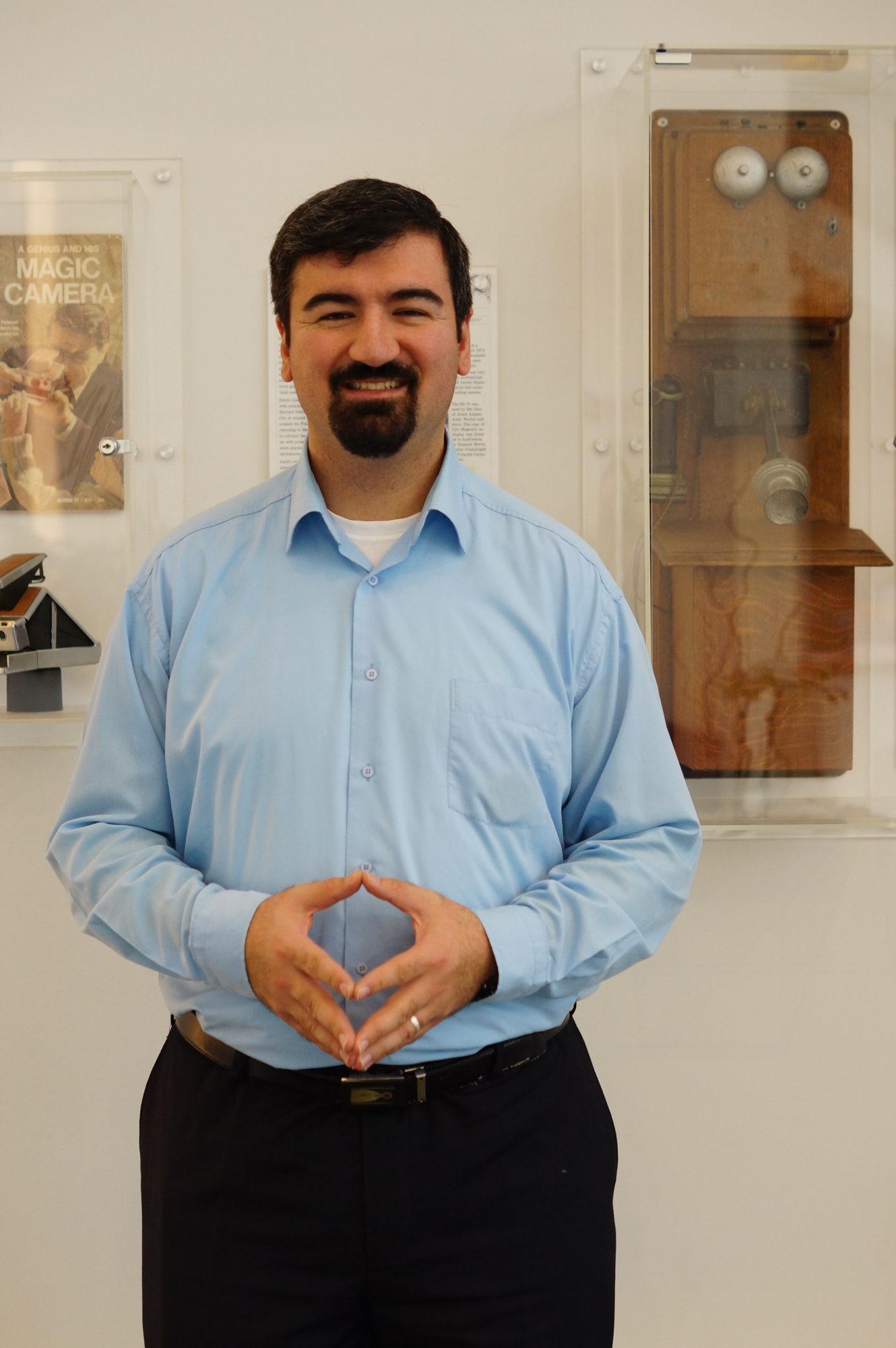
Today we’d like to introduce you to Yusuf Erkul.
So, before we jump into specific questions about the business, why don’t you give us some details about you and your story.
Since early childhood, I have been interested in science. At age 11, I earned a scholarship to a prep school in Turkey that had a great track record in international science olympiads. There, I focused on biology intensively and won a silver medal in the I.B.O. (International Biology Olympiad). I first got into Hacettepe Medical School, but then switched to MIT to study biology, where I learned how to think critically, how to break, how to build, how to troubleshoot, how to discover new things (new gene variants, new biomarkers, new ways to analyze biomaterials).
During my undergraduate years, I carried out cancer research in the lab of Dr. Leona Samson (MIT), where I studied molecular mechanisms of DNA damage and cancer formation in cells and mice. I then worked at Sandra Gaston’s lab at BIDMC (Harvard Medical School), where we studied prostate cancer biomarkers. We had medical meetings with pathologists, medical oncologists, urologists, and radiologists which helped me appreciate how each discipline brings a unique perspective and provides valuable input for patient care in oncology.
Then, I joined Merck & Co.’s oncology department in Boston initially as an intern, and then as a full-time associate scientist. Within a year, I was promoted to research biologist, a position that was normally occupied by scientists with more than 5 years of industry experience. I worked at Merck for 3 years primarily on small molecule and siRNA based drug discovery efforts using transgenic mouse models of leukemia and breast, pancreatic, and lung cancer and twice received Merck’s Award of Excellence. Before I went back to medical school to become a physician, we completed several leukemia studies, one of which was published.
When I was an intern doctor last year, I kept becoming extremely frustrated because we had to say “unfortunately, there are no effective treatment options left for you” to chemo-resistant cancer patients, particularly in AML and pancreatic cancer. I once had to very closely follow a terminal lung cancer patient in ICU, who hadn’t responded to any of the treatments, and I have never felt so remorseful and helpless as a human being. That’s when I decided that I had to put my scientific and medical training to good use in improving therapeutic options in oncology. I knew that I wouldn’t be doing my patients a service if I didn’t work hard to develop effective cancer medicine.
Today, synthetic biology and artificial intelligence (AI) have advanced to such an advanced stage that it is a shame that we do not offer AI-based biologic medicine. We have smart gadgets (more powerful than IBM’s Deep Blue supercomputer) squeezed into our pockets, we have reusable space shuttles, we even have self-driving cars! Yet, for too many cancer patients, we do not have any effective treatments and, as a physician, this is deeply upsetting to me. I believe we can and should address “the emperor of all maladies” much more effectively today by applying synthetic biology and AI (deep learning algorithms to be more specific) to the design of messenger RNA medicine, and that is precisely what we are working on.
Overall, has it been relatively smooth? If not, what were some of the struggles along the way?
It is almost always a bumpy road. In fact, that’s how you can tell you’re on a worthwhile journey. If there are no bumps, perhaps your goals were set a little too low. That being said, we have had some instances where we felt stuck and somewhat hopeless.
Sometimes, the experimental results did not come out as expected. Other times, we fell short on budget, which prevented us from running the big experiments we had designed. We realize that there are likely many more bumps on our road. Whatever the challenge is, in those difficult times, we remind ourselves about our previous experiences where we eventually overcame those challenges, and other groups’ similar experiences where they went through difficult times, persevered and eventually triumphed. We also keep in mind the patients that we will one day deliver life-saving therapies.
Alright – so let’s talk business. Tell us about Kernal Biologics – what should we know?
Kernal is a messenger RNA (mRNA) company that is developing cancer therapeutics. We had been following the mRNA field closely and foresaw the upcoming mRNA revolution in medicine, and in 2016, we decided to establish a new venture in Cambridge, MA to focus on mRNA therapeutics. We have developed a novel, proprietary mRNA technology and are now working on using this powerful technology for therapeutic purposes in oncology. The onco-selective mRNA medicine we are developing with synthetic biology and deep learning is designed to hack cancer cells’ own biologic machinery to induce cell death and do so in a particular fashion to also bring about a robust immune response against these cancer cells.
We are initially going after acute myeloid leukemia (AML) which is associated with the lowest survival rates among all hematologic malignancies, and we plan to expand into other cancer types with significant unmet medical need in the future. We are in early stages of development and we believe onco-selective mRNA has a great potential to dramatically improve efficacy in AML, similar to that seen with CAR-Ts and BiTEs in B cell malignancies, and with checkpoint inhibitors and oncolytic viruses in melanoma. There are several other mRNA companies in the field, such as Moderna and BioNTech.
Based on their publications and patent filings, we can say that Kernal is unique in its onco-selective mRNA approach. We have benefited greatly from these established players and their experiences, and they have made us feel welcome in the mRNA field and shared their business expertise. That is why we would like to partner with them in the future.
Any shoutouts? Who else deserves credit in this story – who has played a meaningful role?
My co-founder Burak Yilmaz. I first met him when he was carrying out research as a visiting student at MIT. He is a very bright and very enthusiastic scientist. He founded Sentegen Biotech, which manufactures synthetic genes, oligonucleotides, and diagnostic probes. I joined his company to direct the therapeutic R&D efforts, and in 2016, we decided to establish Kernal together. He is a synthetic biology guru (holds a gold medal in MIT’s iGEM competition) and is a very talented entrepreneur. He has two key attributes that make him a great business partner.
One, he is persistent. Normally he is a reserved person and it isn’t trivial to get him excited. But, once he starts going, no matter how harsh the conditions or how bad the prospects may look, there’s no stopping this man. Second, he is very creative. I think this is a common theme among synthetic biologists. But Burak really stands out in his innovative capabilities. Sometimes, he will call me late at night, excited to discuss a novel scientific idea. Or when business prospects look dim, he’ll come up with a genius plan to continue the momentum. While ideas are considered easy in business circles, I think for a startup this innovative attitude is extremely helpful to survive under tough conditions and then thrive under growth conditions.
There are many more people who deserve credit, including our other co-founders, Catherine Moroski (Intellia) and Cafer Ozdemir (MIT), who worked very hard and sacrificed a lot for Kernal. Our advisors Prof. Shohba Vasudevan of Harvard Medical School/MGH Cancer Center, Prof Nikholai Slavov of NEU/Broad Institute, Prof. Meltem Avci-Adali of Univ. Of Tuebingen (Germany), and Dr. Chandni Valiathan (formerly of Merck & Co.). They all have provided great guidance and counseling and made this journey possible.
On a personal level, Prof. Leona Samson (MIT) and Prof. Michael Yaffe (MIT) and Manfred Kraus (Pfizer/Merck) have been great mentors, advisors, and role models to me. Leona is a great scientist, a true perfectionist, and a pioneer in the fields of DNA repair and carcinogenesis. I learned basic laboratory skills as well as mechanisms of DNA repair and cancer development in her laboratory. Michael was my advisor and is a tenured biochemistry professor at M.I.T with a large cancer research group at the Koch Institute, and also practices as a general surgeon at BIDMC. Both Leona and Michael have been very inspiring and supportive in my career.
Finally, Manfred taught me how to approach drug development, how to design and execute preclinical experiments in immunology and oncology with great discipline, and how to enjoy doing all these with a cool attitude.
Contact Info:
- Address: 700 Main St. North Cambridge, MA 02139
- Website: https://www.kernalbio.com/
- Phone: 857-600-0762
- Email: kernal@kernalbio.com
- Twitter: https://twitter.com/kernalbio

Getting in touch: BostonVoyager is built on recommendations from the community; it’s how we uncover hidden gems, so if you know someone who deserves recognition please let us know here.