




Today we’d like to introduce you to Caroline Sanford.
Caroline, please share your story with us. How did you get to where you are today?
I’m sure you sat next to someone like me in middle school. You know, the quirky, “always been naturally creative,” aloof girl who stared longingly out of the dusty classroom window and fantasized about her future career at NASA? Yes — the same shy, yet outspoken one who was constantly getting in herself trouble for doodling illustrations on her math homework instead of paying attention to the long-division problem being scrawled on the chalkboard? Well, if we haven’t met yet, allow me to introduce myself: I have since blossomed from that awkward tween into a 26-year-old graphic designer who now calls Boston, Massachusetts her home. I’m just about as creative as they come (and I probably just rolled my eyes at my cheesy alliteration…).
It was clear from infancy that I was to produce the soundtrack to my own life. In fact, I’m pretty positive, I came marching out of the womb to the beat of my own drum. Even my first introductions to food began to reveal a (forever) hungry human who was intrinsically musically inclined, as I hummed in contentment while nursing. From then on, it was my way or the highway (I skipped bottles and insisted I drink straight from a cup). There was always “tomorrow” when it came time to finally use the big girl potty, and my sudden bursts of mischievous energy always seemed to occur whenever I overheard hushed whispers of nap time. I was infamous for dressing myself for annual picture days, draping myself in my mother’s gaudy costume jewelry, fuchsia lipstick, pig tails, and a pilled polka-dot sweater (and anyone who even considered suggesting an outfit change quickly learned that any ounce of disapproval would only guarantee the addition of even more glitter to my face). From an early age, it was evident that my life mission would be to express myself in a way that was uniquely me, a trait that has since inspired and shaped the woman am today.
Nevertheless, I accepted early on that math and science would never be my “thing” academically (this revelation quickly helped me cross astronaut and doctor off my list of future professions). Rave reviews from my mixed-media instructor (that were always peppered with many colorful comments from others educators) on my report cards proved that art class seemed to be the only place where I truly flourished. Overhearing “Get that girl on an instrument!” from one of my elementary art teachers was all it took for me to find a passion for learning the cello (and though I regretfully don’t pick up my bow as often as I’d like anymore, being able to read music is a skill I will forever cherish). So, how did I end up a graphic designer and not the next Yo Yo Ma, you ask?
I don’t think of becoming a designer as something I chose to do as much as a profession that chose me. I like to think I became a designer the day I realized that I had been already been doing it effortlessly for most of my life. My growing love for design has always been obvious to any one who has ever spent time in any of the rooms that I have called my own. I have always considered a bedroom as a sanctuary, a true reflection of one’s unique and individual aesthetic. Scientists say you spend a third of your life soundly asleep in bed, and I will probably break records with the number of hours I have already spent (and will continue to spend) daydreaming life away from the comfort of my own personal lair. My bedroom has always been an oxymoron in itself, and boarding school room-away-from-home was no exception. Sporadic mountains of dirty clothes littered the floor, yet the once dreary, white walls always displayed a collection of pristinely placed collages scattered with magazine ads and posters that I loved. My happy place. Visitors could expect to be warmly welcomed by a complete disaster, a perfectly placed clutter of all my belongings that often left them wondering how I was ever able to be productive in such a messy environment. These silent judgments soon turned into frustrated, authoritative pleas to tidy up (and naturally, these willfully ignored requests eventually led to many a detention, crowning me the first student in the history of Westover School to receive a detention for consistently living like a slob.) Having no clean underwear for a week was one thing, but the crumpled edge of a poster would drive me into a complete tizzy — go figure. As long as my bedroom decor was top-of-the-line, life didn’t seem so bad.
Another telling fact about me is my love for lions. My babbling baby cousin coined my beloved nickname “Caro-lion!” (the result of a triumphant toddler determined to get my attention one 4th of July family pool party) as he repeatedly shrieked my name all the way from the shallow end. The title stuck as family members couldn’t help but notice how fitting the epithet was, given my innate lion-like attributes: strength, power, and fierceness. To this day, the lion remains a comforting symbol for me when I feel the need to remind myself of who truly I am.
In 2010, no longer a lion cub, I pulled a page from Simba’s book and ran as far away as I could from the life as I had known as a child. With the hopes of finding a path that was radically different from the confines I felt the entirety of my all-girls high school experience, I went on to study at Northeastern University where I was randomly placed into NUin, a program that gives freshman students the opportunity spend their first semester abroad. Living in Thessaloniki, Greece, at just eighteen-years-old afforded me the luxury to travel across Europe each weekend and allowed me to soak in the rich history and culture that I had learned about in my high school Art History textbooks. Though much to my dismay, my carefree semester in abroad (mostly spent sunning myself on the Aegean Sea) suddenly turned sour at the start of 2011 when I returned to Boston an unprepared, undecided undergrad student.
While I had previously considered a major in Art History, I often found myself imagining my future as a museum curator and shuddering at the thought of pursuing what I considered to be a rather slow-paced career. I scowled at being categorized as a traditional “artist” for materialistic reasons (and frankly, the sun illustration I drew on the corner of every elementary school test was about the extent of my fine art skills). Thankfully, NU requires freshman students without a decided major to attend a variety of seminars to introduce the colleges offered at the university, a tasting-course of selected majors, if you will. My fate fell into my hands that overcast morning when I learned about Northeastern’s College of Arts Media and Design (CAMD). Graphic Design, a completely foreign subject to me when I woke up that very same day, piqued my creative interests as I heard testimonials from other blissful and successful design students. This particular major revealed itself as a potential puzzle piece that could fit perfectly into my jumbled, jigsaw of a life. It was at that exact moment that I understood that art and design had always followed me, and I began to see how it all it ever wanted to do was embrace my eccentricity, rather than challenge it. It wasn’t shocking when the transition from felt-tip markers to Photoshop felt physiological to me. Art loved me for my true, authentic self, and I finally realized that the love was more than mutual. After one of my first CAMD classes, I remember walking out of the design building in complete disbelief, a huge smile plastered across my face as I thought, “I can wake up every day blessed with the freedom to create—and I get to do this for the rest of my life.” Game-changer!
In my opinion, possessing the technological knowledge & skills along with an artistic eye to that allow me to create is a result of being taught by talented instructors as well as being able to learn from and work with other professional designers and real clients. School will certainly teach you the fundamentals: vital information like how to use cutting-edge software and why Swiss design is ultimately the grandfather of all design. However, it simply wouldn’t be right to talk about my career up until this point without recognizing the importance of Northeastern’s COOP program. Working in tandem with many experienced designers throughout opened my eyes to a world of design I never knew existed. Before becoming an intern, I had never considered that there were hundreds of product decisions (i.e. how would the consumer feel when he/she held the product in hand? Would he/she download and use the product mobile app?) that had been meticulously planned and discussed by a team of Branding, Marketing, & User Experience experts months or even years before the world would hear whisperings of its release. Speaking from my own experience, I firmly believe that the most beneficial way to receive unparalleled design experience and grow your skill set is by venturing into the real world and getting your hands dirty.
COOP afforded me the opportunity to embark on various six-month work internships during my undergraduate years, and I will forever be grateful for those experiences that helped steer my career path. My experiences could not have been more different, and I’m actually thankful for that because it very clearly revealed what I did and did not want to do when it came time to start adulting after college. In 2012, I dipped my toe into the shallow waters of the Boston design pool when I accepted my first internship at State Street Global Advisors. I’ll be honest, my future design career seemed bleak as I spent my first six months as a (very frustrated, entry-level) graphic design intern with only a few designs 101 courses under her belt. My skill set was less than minimal, which meant most of my day was spent desperately trying to maneuver my way around the Adobe Creative Suite (and by 5 pm, I was lucky if I could figure out how to change a period to a comma while editing White Papers in inDesign). While I did enjoy the cleanliness and quiet work environment that this highly-esteemed financial organization provided, I would be lying if I said it didn’t pain me to put on dress pants each morning. It became crystal clear after my first week that I was not your average corporate kind of gal.
Fast forward to 2013: now with two more grueling years of school behind me, I was able to be slightly more selective about my second coop and take my time to consider which company would be the best fit for ME and not vice-versa. I finally accepted (after much deliberation) a position at Dunnhumby, a company in the South End of Boston known for the outstanding customer-centric and data-driven solutions they provide to clients. The days seemed shorter and the months flew by as my team realized my talent; I was finally trusted with more design tasks and was able to accept more creative response than I ever had from past employers. My favorite part about working at Dunnhumby was that the eclectic decor represented the employees themselves (if you weren’t a cat person you were the black sheep). I left my second internship a more confident and skillful designer. And for the first time in my life, I knew I had found my people. I was all start-up, no corporate.
After graduating from Northeastern (grateful to add two six-month internships to my résumé once filled with summers spent at camp), I began my career as a graphic designer for EMBARC Studio, an architecture, and design firm in Southie. My day-to-day workload ranged anywhere from naming, branding, and marketing new construction buildings to creating interior elevations to present to clients, and I truly loved it. One of the only designers, I was hungry to climb to the top of the ladder. I worked tirelessly for over a year and a half before earning the title of Lead Graphic Designer, though I felt in my heart it was time for a change when I finally hit my two-year mark. Which brings us to today, where I am similarly enjoying being a Lead Creative Designer for Tawk Media. We are a small, Boston-based design agency that specializes in developing innovative digital and print media, custom apparel design, and engaging social and web services for clients in broad range of industries. One of my favorite things about being a graphic designer is the versatility it provides my ADHD mind. Being creative is such a large part of who I am and have always been, and I carry that with me whether I’m involved in a personal project, making gifts for friends or family or working with my team at Tawk.
We’re always bombarded by how great it is to pursue your passion, etc. – but we’ve spoken with enough people to know that it’s not always easy. Overall, would you say things have been easy for you?
As graphic designers, what most fail to realize is that our mission is evoking emotion through beautiful aesthetics while simultaneously conveying powerful messages to the world… so, I guess you could say that we are pretty much as important and impactful as doctors, lawyers or teachers, no? It took me a long time to truly understand what a talented designer is worth, but with hundreds of thousands of hours of work and experience behind me, I’ll refuse to ever accept less than what I deserve.
During the months leading up to my college graduation, I felt consumed with fears of what big fish would bite the tiny BFA in Graphic Design I was dangling from my hook in a pond oversaturated with exotic species. Despite my COOP background and solid internship experience, continued worries of becoming the stereotype of the “starving artist” were all I could imagine when thinking of a future for myself — and let’s face it, I did NOT want to be starving. My quiet thoughts screamed at me for my rashness in choosing a career path that did not seem like it would yield a good return on investment on a pricey college education.
My early 20s were filled with dark days, to say the least (after all, uncertainty, sleepless nights, and general panic are the fundamental building blocks of the post-graduate years!), but the torrential downpour of disappointment cleared when I allowed myself to see the glimmers of sunshine that were peaking through my overcast skies. At a mere 26 years-old, I stand here as proof that one can successfully make it through the inevitable quarter-life crisis (which is very, very real, might I add). What I’ve found is that Graphic Design is just as practical as any other career choice if you have the right mindset and work ethic.
But as rewarding as this profession is, there are still plenty of setbacks that I face daily. Let’s start by jumping back into that oversaturated pond I mentioned. If you are considering a career in design, I can’t promise you a stress-free life of rainbows and pots of gold (though I wish I could). Your parents weren’t lying when they said there would always be “plenty of fish in the sea,” but they weren’t telling the entire truth when they said an abundance of options was always a good thing. Especially when it comes to landing your first job. As a fresh, young designer on the scene, it is imperative that you capitalize on what sets you and your aesthetic apart from your peers. I can’t tell you how frustrating it was to go on COOP interviews and proudly present my school work only to hear “Oh, I remember this/that project! I saw your classmates yesterday” (this again reiterates my point that having real-world experience means you’ll be able to create REAL projects that will build your portfolio and help you stand out).
The best advice I can give you is to learn about the market and always sell your services on value and not on price. Learn how to leverage these things to your advantage, instead of directly competing with them. Furthermore, style and aesthetic change are inevitable in our impatient American culture, so the continuous shifts and evolution in technology are a given. There are and always will be intimidating new technologies and trends to digest, and you must be hungry enough to not only learn them but also be the best at them if you want to have a leg up on the competition. If you plan to stay relevant, it’s essential to keep up with the ever-changing times. I’ve found that having a constantly curious mind and a humble, teachable spirit will take you a long way in this profession.
Being a talent among many isn’t the only problem we face as designers today. Everybody and their brother thinks that they can be a designer too (I mean, who really cares about years of school and training anymore if it’ll save a few bucks?). As a result, it is becoming increasingly difficult to make those signing the checks understand the importance of working with established designers for a premium product versus the lack of quality they’ll receive working with those with who have little to no design experience. It is the sad truth that the value of talented designers and the expected cost has become diluted; I can tell you a few of the most horrifyingly honest responses to project proposals I have received from clients: “That costs too much.” or “I can get that same service for $100 from some kid on the internet.”
People will always expect you to work for free, but you must know your worth and stick to it if you plan to survive. It can be encouraging when your and the client’s expectations are clear from the get go, but I urge you not to let potential contract ambiguity to rob you of your work and time. Always have a signed proposal before starting work! Another practice that has worked well for me and may be a good tip for all is to always receive a deposit before starting work on a project to ensure payment. That being said, the entire process becomes a lot easier when clients understand the importance of good design (and what it really costs) and how having a strong brand identity, as a result, can send ripples of success into every aspect of their business. So never be afraid to ask what you deserve, because the worst you’ll get is a no.
Finally, I’d say my most important piece of advice is to network, network, network! I’ve gotten 90% of the work I have because of word of mouth or recommendation. Do not underestimate the power of who you know. And always write a hand written thank you note to anyone who extends a helping hand. In a digital world, sending a few words of gratitude via snail mail will never go unnoticed.
We’d love to hear more about Tawk Media.
I am now a Lead Creative Designer for Tawk Media. We are a small, Boston-based design agency that specializes in developing innovative digital & print media, custom apparel design, and engaging social & web services for clients in broad range of industries. Each designer at Tawk possesses a certain set of fundamental design skills needed to meet the vast creative needs of our company. I bring over five years of experience to the table and I pride myself on being a team member who is highly adept at visual strategy, layout development, branding and marketing, and print and new media advertising.
Being part of a smaller agency and experiencing such a close-knit work environment (heavy emphasis on the “start-up” vibe) has allowed me to grow as a designer through constant peer reviews and collaboration. It has also pushed me to gain an in-depth understanding of aligning one brand’s vision with its goals in a way that a larger company could never allow me to do. In my experience, when a client lets us take the reins for the branding & marketing process and trusts our process from beginning to end, Tawk Media is able to build something lasting, with more of a long-term strategy in mind. This allows our team to fully understand the ins-and-outs of the organization’s brand, intended style, and their target audience demographics so that we can create the most effective design package for their overall success.
I feel so blessed to have one of the most rewarding professions in the world, it’s hard to even consider it work. The money is just the cherry on top for me. Despite my initial starving artist fears, I now find solace knowing that there will never be a shortage of people who need design services. No one can deny that nearly every company in the world (at least those who intend on being a massive success) needs to promote their brand, and this means that they will need a powerful logo, brand guidelines and a ton of other important visual materials to support it. This opportunity to work for clients across a variety of industries is one of my favorite parts of working at Tawk Media. My scattered mind is thankful to work in a fast-paced environment and for the freedom to switch from project to project as I please. I enjoy the spontaneity that comes with each morning workload meeting; I never know if I’ll spend the day whipping up custom jacket designs for an NFL team or brainstorming with the team on a logo for a healthcare company. I may start sketching designs for one client while waiting for materials to come in for a different project or I might have to follow-up with clients on certain days to update them on the progress and vision of a design.
But what really sets us apart, you ask? Another amazing benefit of working with Tawk Media is our ability to fabricate all complimentary marketing needs in-house. We consider ourselves a one-stop-design-shop: our fees not only include time spent designing actual collateral but also producing and printing it. Clients can relax through the process as they trust us to expertly handle and execute every aspect of design for their business (i.e. fabrication of interior/exterior signage, branded swag and apparel, print media, etc). We often sweeten the deal with door-to-door delivery as well.
We continue to place ourselves in a category all our own by staying on top of the growing market for web design and graphics. Being a part of an industry that changes like the weather in New England, I believe that widening our net of design services has helped us stay relevant as a smaller agency in a big city. Again, no matter the industry, a company must have a website and social media presence (and we consider both essential for developing a brand in our technology obsessed world) if they hope to reach their target audience effectively. We stress the importance of a consistent brand message across all platforms and we offer clients a range of social media packages with a proven strategy for marketing success. We need to anticipate technological change, adapt to it, master it, excel and then be open to new influences, all in a very short time. We do the things that no one wants to do (let alone has time to do — hello consistent targeted Instagram commenting to up your engagement?) but are vital to the succession plan.
In everything we do at Tawk, we are constantly trying different approaches and adapting to new problems that arise quickly and efficiently, all the while remaining true to our core conceptual ideas and keeping up with technology and customer engagement. We aren’t like other designers who tend to think like artists — we are true problem solvers.
We’re interested to hear your thoughts on female leadership – in particular, what do you feel are the biggest barriers or obstacles?
How many times have you found yourself looking at a beautiful work of art and you stop to wonder: will I ever be able to create like THAT? If you’ve asked yourself this question before, you’ve already got it all wrong… because the truth is that any work we appreciate today is merely a combination of inventiveness and technique. You might not consider yourself to be a born innovator, but that doesn’t mean you can’t always be striving to hone your technique by admiring the work of others. Looking at and being inspired by the work done by the artists that paved the way for us is how many of my own light bulbs get switched on. Always let the pros guide you when you feel creatively challenged.
And now, I’m obligated to pay homage to my favorite boss-lady-turned-art-director, Ruth Ansel, who was one of the first female voices to break boundaries in Graphic Design. I was drawn to her story when I realized her success was simply the product of a woman who has always found herself in the right place at the right time. She met the right people and charmed them with her undeniable talent. The blatant skepticism was thrown at her by a male-dominated world never stopped her grind; when she was only 24 years-old, she and fellow female designer Bea Feitler became co-art directors of Harper’s Bazaar. A remarkable woman, Ansel dominated the decades as she went on to become the art director of The New York Times Magazine in the 70’s and then Vanity Fair in the 80s. My all-time favorite Ansel-directed issue was her collaboration with photographer Richard Avedon that produced the now iconic Harper’s Bazaar April 1965 cover of model Jean Shrimpton (shot as a psychedelic astronaut with a winking eye and a bright pink “helmet”). Her cut and paste technique reminded me of my love for collage-making at an early age. Bottom line, at 70 years old, Ansel can proudly say that she was the first woman to hold each position she had throughout her life, and that’s totally badass.
Chances are good that, if you are a designer like I am, someone in your inner circle will eventually need a logo, website, or some other outlandish design venture that you will be asked to assist with at some point in your lifetime. Thanks to those grueling years of school that molded your design skills, you will automatically become the go-to “Renaissance Woman” for family and friends, friends of friends, and so on and so forth. The daily workload can immense, but so are the lifetime connections you make as a result. There are a few women in my life who deserve my utmost respect and recognition: some for their consistent support and guidance, others for their superhero ability to inspire me to think outside the confines of my own head. I feel the need, of course, to start by apologizing to my mother for all the loud door slams and temper tantrums that came from upstairs bedroom, because without those formative years of tormented teenage solitude, I wouldn’t be able to create with the same passion and emotion that I pour into anything I touch today (and I’m really glad she never took the hinges off my door like she promised she would…). Today, we now have that kind of mother-daughter relationship in which you both understand each other so well that you are able to collaborate on opening a family-operated business… and you end up crushing it together!
Quaintly located on the shores of Rowayton, CT, “Chou Chou” (pronounced shoe-shoe) has become the go-to retail store for the latest women’s fashion and footwear trends. This Sanford-run boutique shop has made a name for itself as the first of its kind in the area since opening its doors in early March 2018. Truly a family-operated business, Chou Chou is living proof of the success that was found when the talents of each Sanford involved was not only encouraged but celebrated. My knowledge of marketing and development of the brand identity, in combination with my mother’s eye for merchandising and my sister Katie’s knack for buying, has been a home-run, to say the least! I can’t tell you how rewarding it has been to finally see all of the months of my hard work (which includes any and everything from the look-and-feel of the interior and exterior signage to the responsive website and social media presence) come to fruition. But it takes a village to raise a child and it certainly takes more than a family to open a business… which is brings me to my next female force, Nicole Farkas: interior designer extraordinaire and the talented woman responsible for the innovative store layout for Chou Chou.
I met Nicole when she became my “pod-mate” during my time at EMBARC. One look at her pristinely organized workspace (along with the few judgmental glances I caught as she noticed my ripped jeans and the collection of half-empty iced coffees that lay like forgotten wounded soldiers under my desk) was all it took to see that this girl presented herself on a radically different level than I. It was hard for me to admit that I was grossly intimidated by her arrival as I saw her eight-plus years of experience working on luxury real estate developments, high-end residential interiors, and brownstone renovations first-hand. My admiration for her professionalism, time-management and impeccable work outfits were disguised as eye-rolls from afar. It wasn’t until one fateful evening when we both found ourselves alone at the office, working till the wee hours of the morning, that we realized and bonded over our similar work ethic. I really didn’t want to like her, but she sealed the friendship deal when she offered me a celebratory glass of rosé for those grueling after-hours. Though she is an interior designer and I am a graphic designer, we both hold great admiration each other’s irrefutable talents. Nicole was one of the first coworkers I had the pleasure of working with whose opinion I truly valued. Those initial judgments I misread were actually her way of acknowledging and appreciating my uniqueness. Nicole and I quickly became the EMBARC dream-team as we began to use each other as resources for our individual projects (I found myself asking her thoughts on a logo and she would often ask my opinion on a floor tile selection). And in only one year’s time, Nicole and I have collaborated on some of my most prized projects to-date: The Aberdeen, a multi-family residential building, and of course my beloved Chou Chou. I will always thank her for pushing me to love (and to never ever apologize for being) the woman I am.
Who run the world?!
Contact Info:
- Address: 152 Old Colony Ave #10
Boston, MA 02127 - Website: www.tawkmedia.com
- Phone: 203-856-3622
- Email: caroline@sosponsored.com
- Instagram: instagram.com/carolinetrippe
- Facebook: facebook.com/caroline.sanford
- Other: linkedin.com/in/carolinesanford/
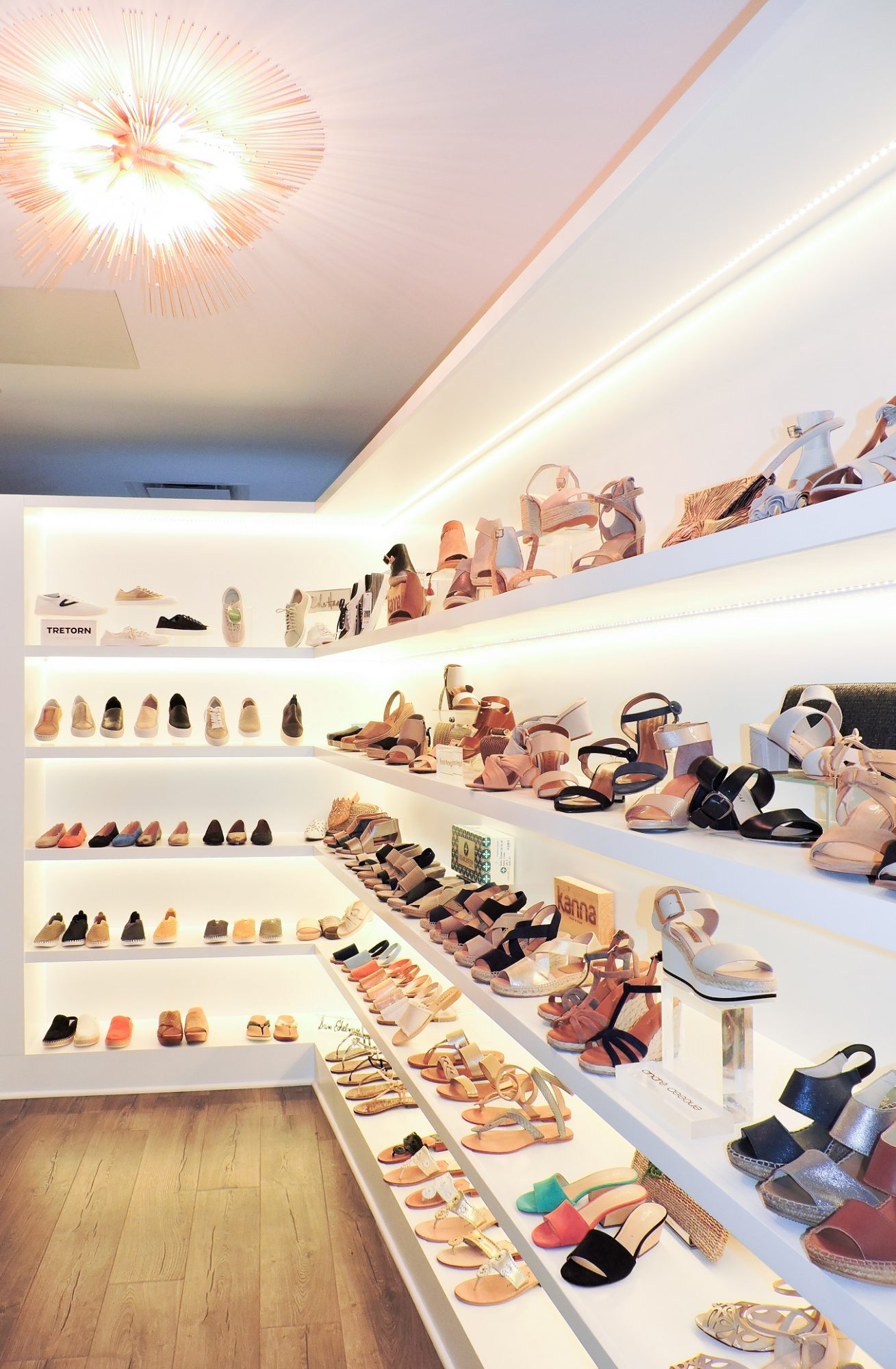
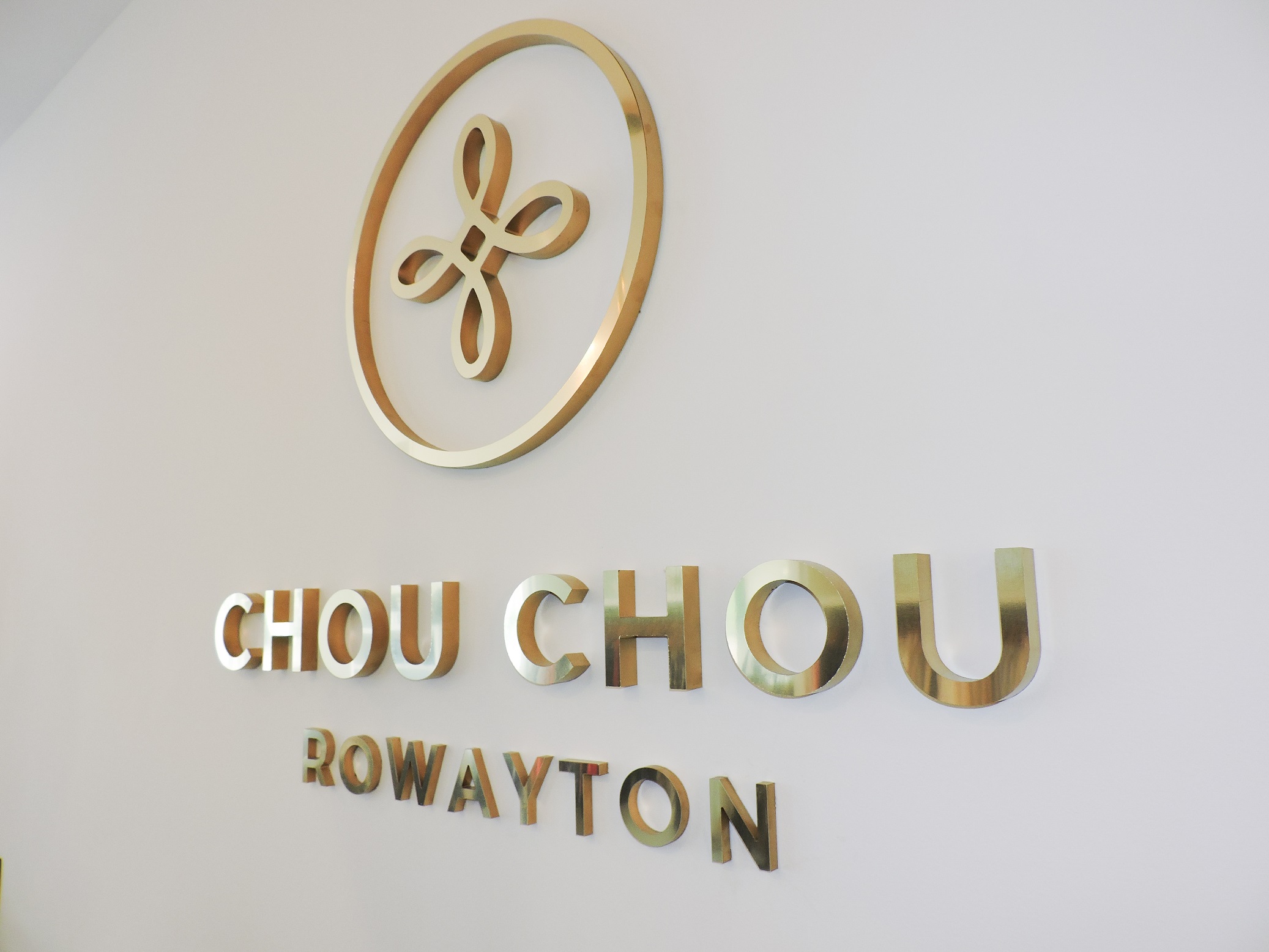
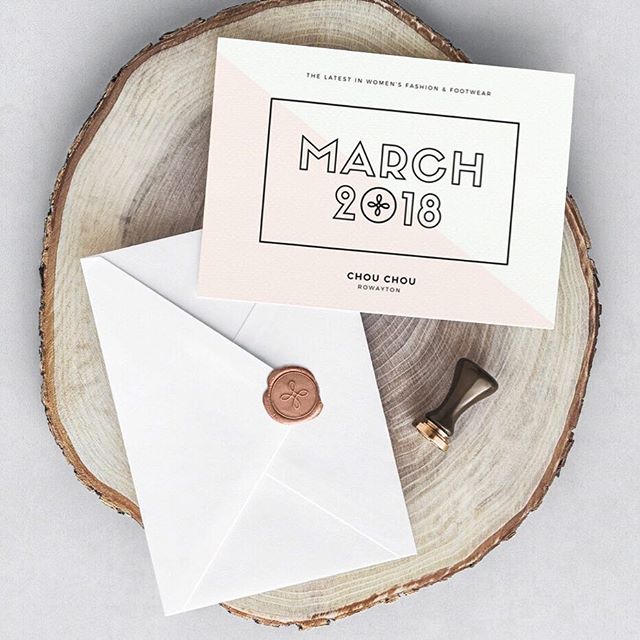
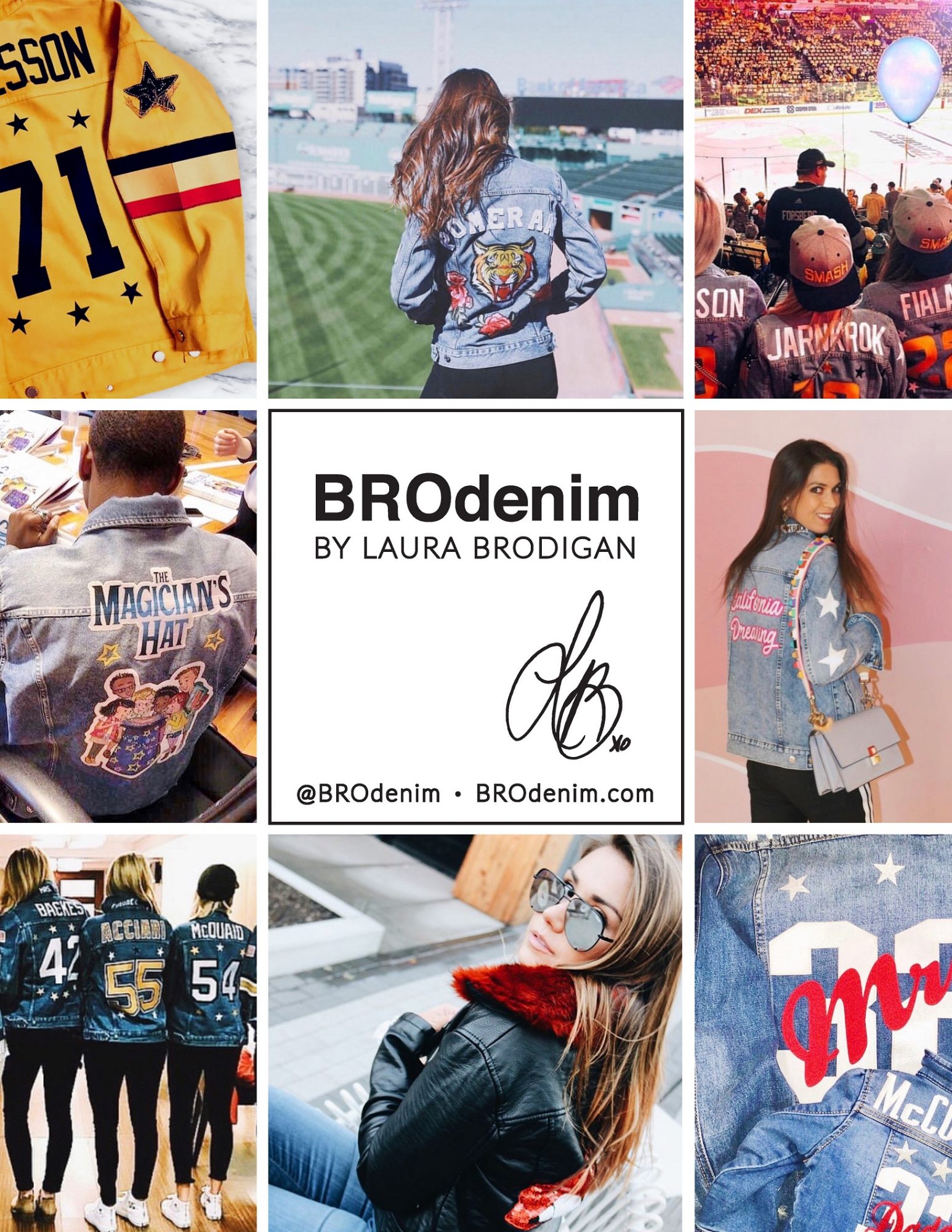
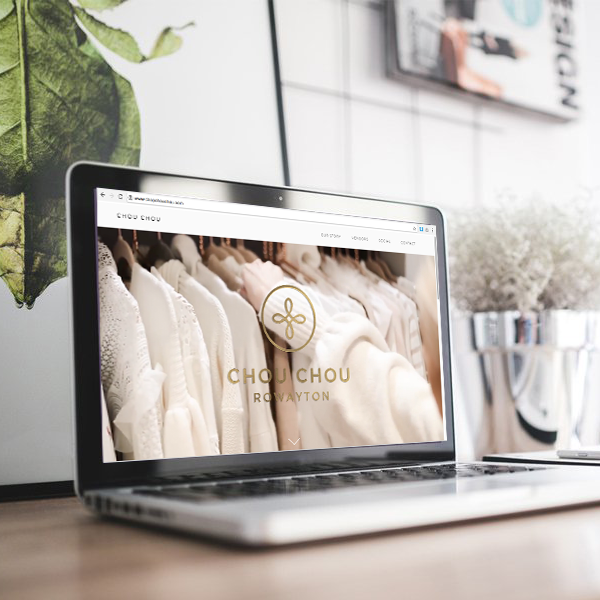
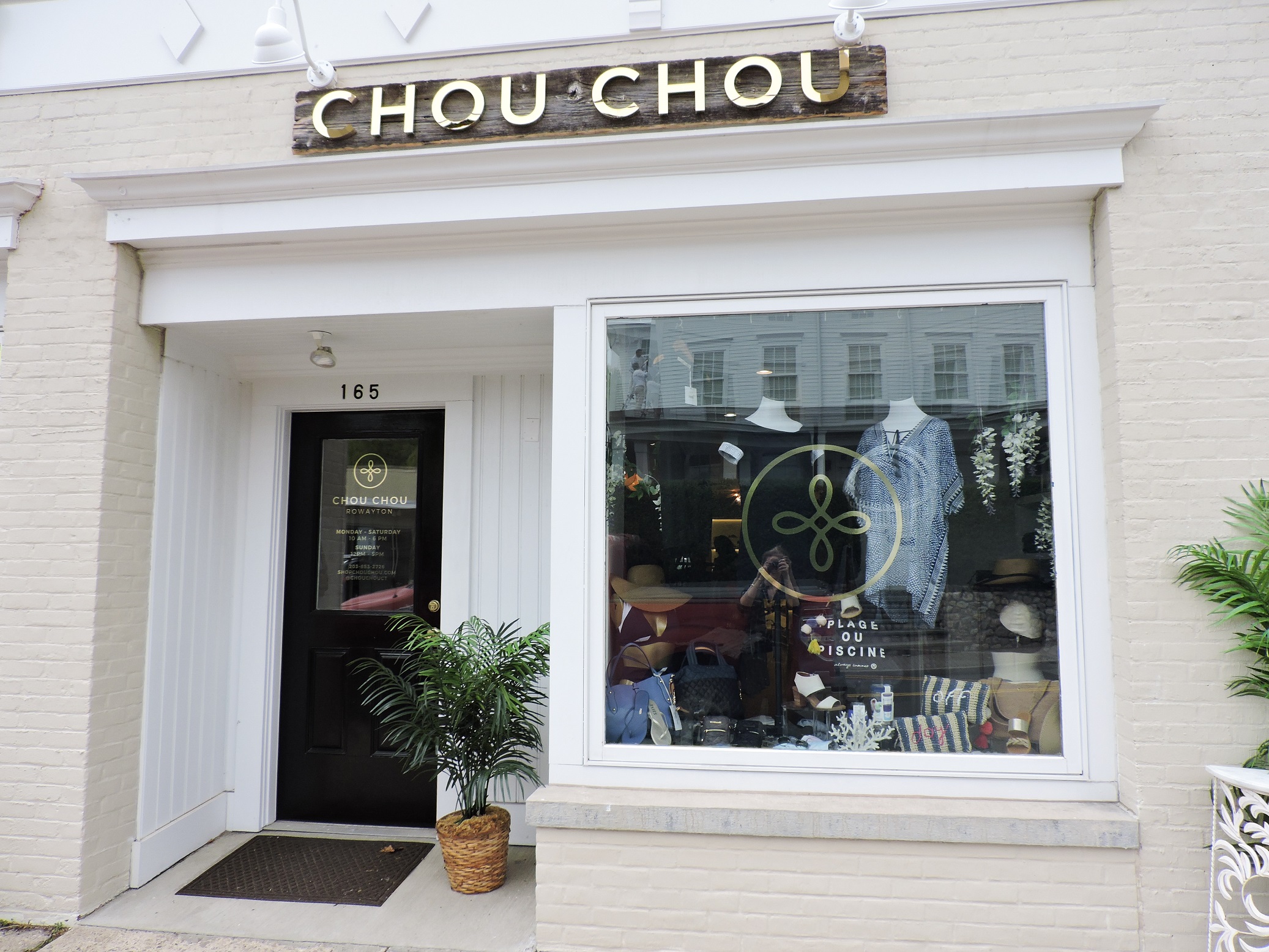
Image Credit:
Caroline Sanford
Getting in touch: BostonVoyager is built on recommendations from the community; it’s how we uncover hidden gems, so if you know someone who deserves recognition please let us know here.