


Today we’d like to introduce you to Susan Jane Belton.
Every artist has a unique story. Can you briefly walk us through yours?
I feel lucky to have grown up in a suburb of Chicago and to have spent time at the magnificent Art Institute there. It was an interesting time, the late 60’s, early 70’s. Civil rights and the war were tearing up parts of the city while at the same time Chicago was doing exciting things with art in public spaces. The outcry when the Picasso sculpture was installed at City Hall was heated and the memories of that have stayed with me to this day. I think the message was that art is powerful. It’s important. I remember a sense of calm and absolute awe while standing in front of iconic images at the Art Institute. I’m interested in a museum directors’ theory that talks about how we tend to feel possessive about art museums we’ve grown up with, that the images there feel as familiar as home and that is certainly true for me and certain images from the Art Institute. Other pieces of art that I came to take possession of, which I then added to my pantheon of painting relatives, come from the Colby College Art Museum. I studied liberal arts at Colby College which had a remarkable art collection and though I studied other things I was drawn like a magnet to looking at paintings and sculpture and listening to the way artists talked about their work. I was also fascinated by the power of images. that a painting can be transporting and can define a place or an event in as powerful a way as music or poetry. This was important stuff.
When I began making my own art, it became clear that I would have to try to make it my life’s work, not knowing exactly how that could practically work out. I was prepared to work through obstacles and discouragements and if need be, to do something else, with the satisfaction that I had at least made an honest try. It is working. I have maintained a studio and had exhibitions for decades. It wasn’t very clear at that time that women could be successful, ambitious artists and also have a domestic life and a family. I’m still not clear about that. It naturally makes you something of a feminist. I feel quite fortunate to have been part of group of impressive and generous women artists who have been a source of strength and inspiration over many years. I am also grateful to have been on the faculty of a unique and exciting art school for decades in a stimulating and lively art community in Boston. And an essential component is that my family is steadfastly supportive of this life choice.
Balancing studio and teaching and family time has been well worth the effort. My work is about all of this, its subject matter has circled around sometimes more personal narrative and sometimes seen from some remove. And never far from one’s origins, my most recent work probably has something to do with the fact that I grew up in a Chicago suburb and my father worked for a big ad agency in the 60’s, the time of the huge growth of advertising and the explosion of television.
Please tell us about your art.
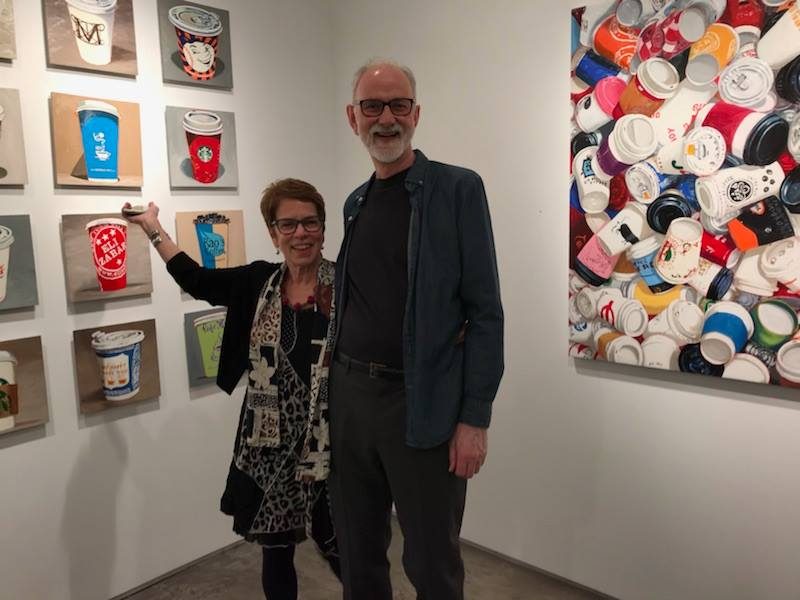
I paint oil portraits of disposable, logo emblazoned, take-out coffee cups. I have been collecting cups for years, it began as a record of my own consumption and kept developing. I painted them posed in the center of a square, arranged in a grid like a page of a school yearbook. People recognized their favorite brands like they were relatives. We drink coffee. We drink a lot of coffee. It’s a constant. We drink it to think, drink it to comfort, drink it to celebrate, drink it to socialize, drink it to transition from one thing to another, drink it to kill time. I wonder about connections between global issues and our private, automatic behaviors like drinking coffee.
I am fascinated by takeout coffee cups, these contemporary icons of a timeless social ritual, “having coffee”. I appreciate the advertising aplomb of the logos, the industrial design of the plastic lids, and the phenomena of the experience economy that they document. Coffee becomes personal. We accessorize with the brands we carry. I have rendered the vessels posed in isolation, arranged in a grid, and recently the cups are massed in spreading mounds and untethered swarms without horizon or orientation. They present a babel of logos shouting for attention, a lovely chaotic chorus as well as a testament of accumulation. Most recently, in the cut-out paintings, the figure is literally removed from the ground and they occupy the space of an object again. They speak to me of time, motion, commodity, class, recognition, discovery, memory. Perhaps the things we own, collect and discard reveal something about us.
As an artist, how do you define success and what quality or characteristic do you feel is essential to success as an artist?
Perseverance and confidence are essential characteristics to being successful. Both of these qualities can be boosted a lot by association with other like-minded artists, and that has been crucial in my experience. Success for me is being able to exhibit work, having other artists and professionals respond to the work, earning enough to be able to continue making work, and while juggling all the demands and needs of living as an artist, Success is being able to maintain excitement, interest and joy in making the art.
How or where can people see your work? How can people support your work?
I exhibit regularly with the Howard Yezerski Gallery in Boston and the George Billis Gallery in New York. I am often included in other exhibits, most recently at Southern New Hampshire University and upcoming at Tufts University.
I always contribute work to the Artcetera Auction and the fundraising art sale at the School of the Museum of Fine Arts at Tufts University. I’ve maintained my studio in Boston’s South End for many years.
Because we don’t participate in SOWA First Friday and other regular open studios events in the South End, we do something special on our own. Every other year or so, I along with the other artists in our building, host an open house party and open our doors to the public. It’s a fun celebration and exhibition and also a way to celebrate our association and gratitude for being able to be there with all the changes taking place around us. People should come and enjoy that on November 2 this year and make an appointment to visit the studio any other time of the year.
Contact Info:
- Address: 535 Albany Street, 2nd Floor
Boston, MA 02118 - Website: susanjanebelton.com
- Phone: 6176999797
- Email: susanjanebelton@gmail.com
- Facebook: SusanJaneBelton-Artist
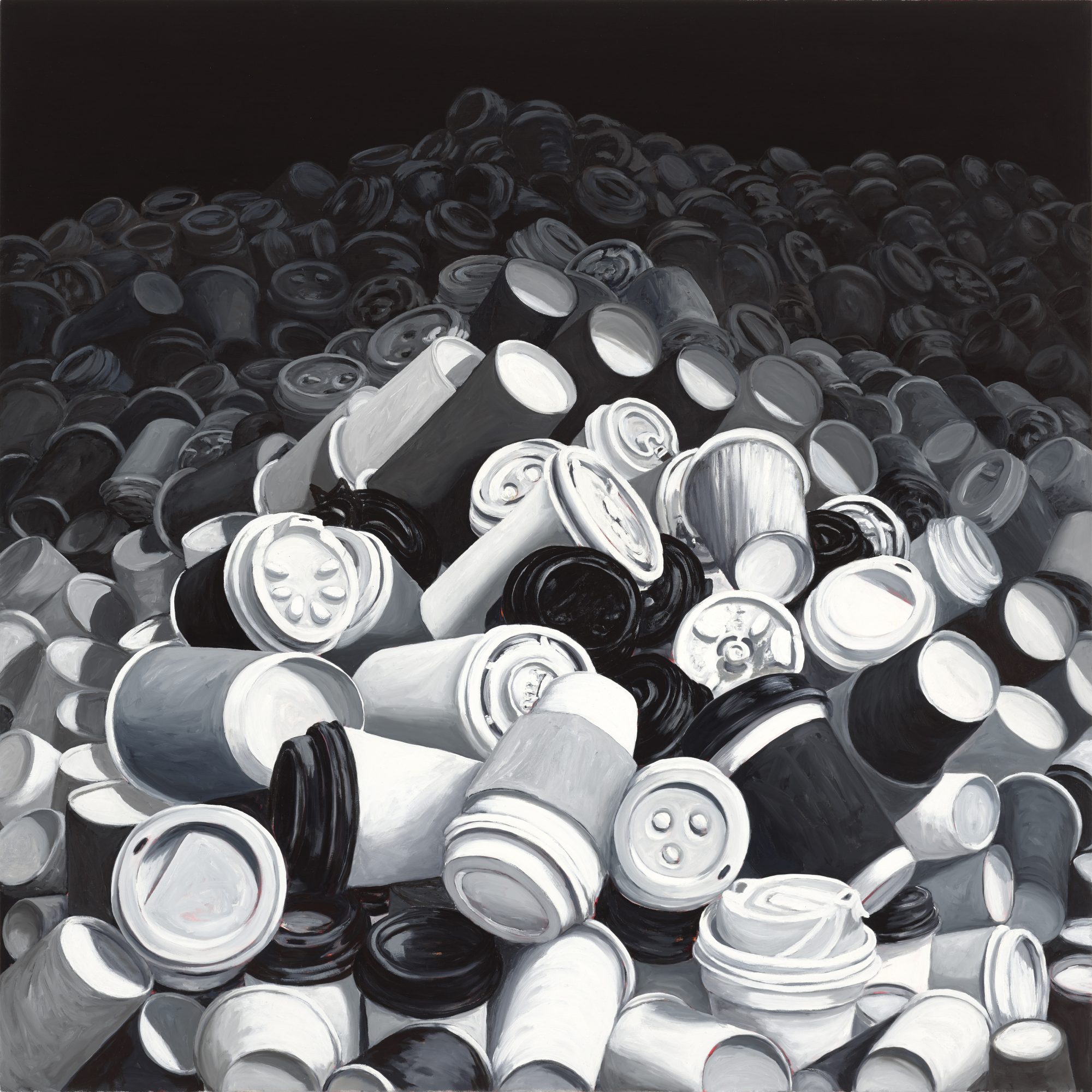
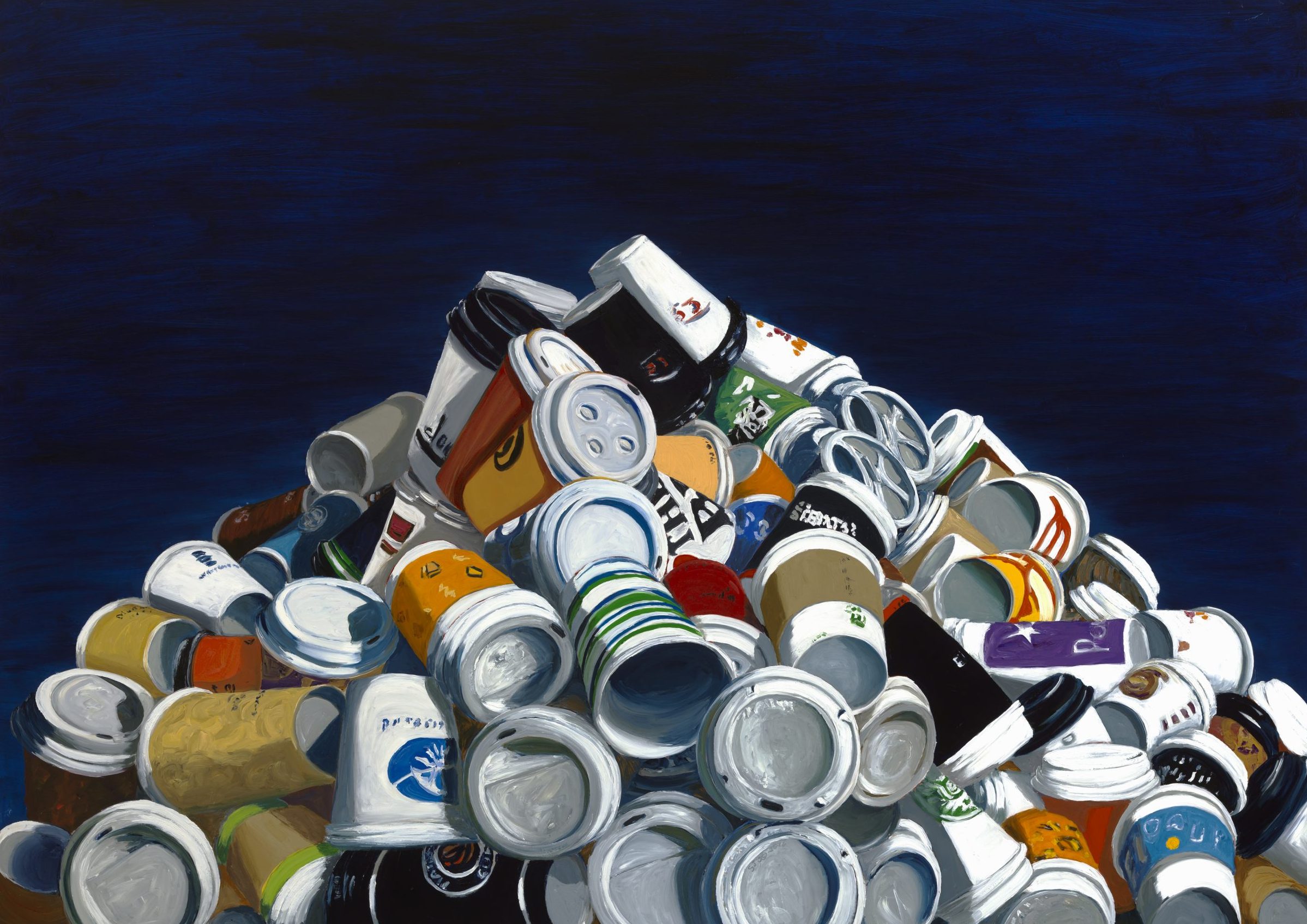
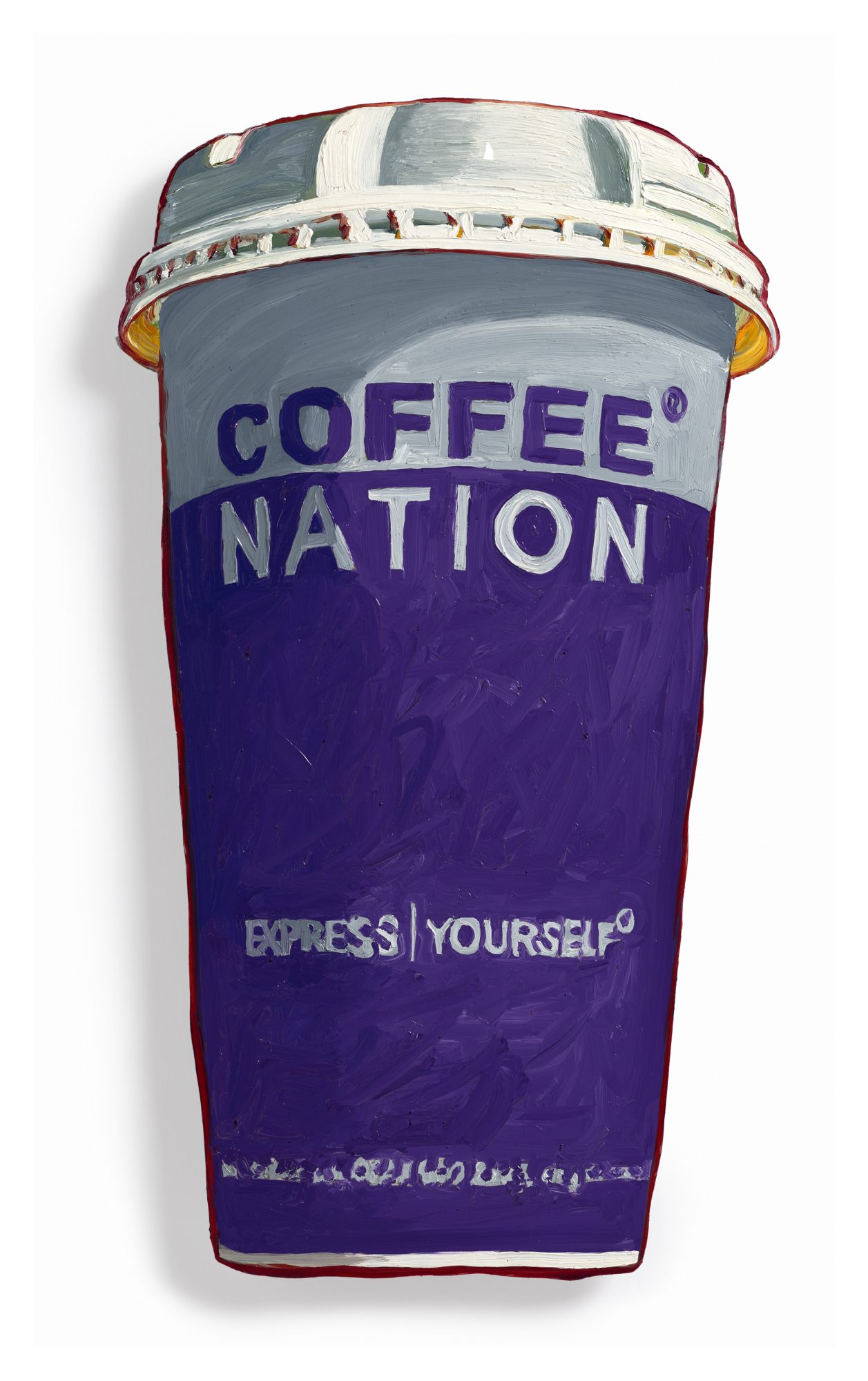
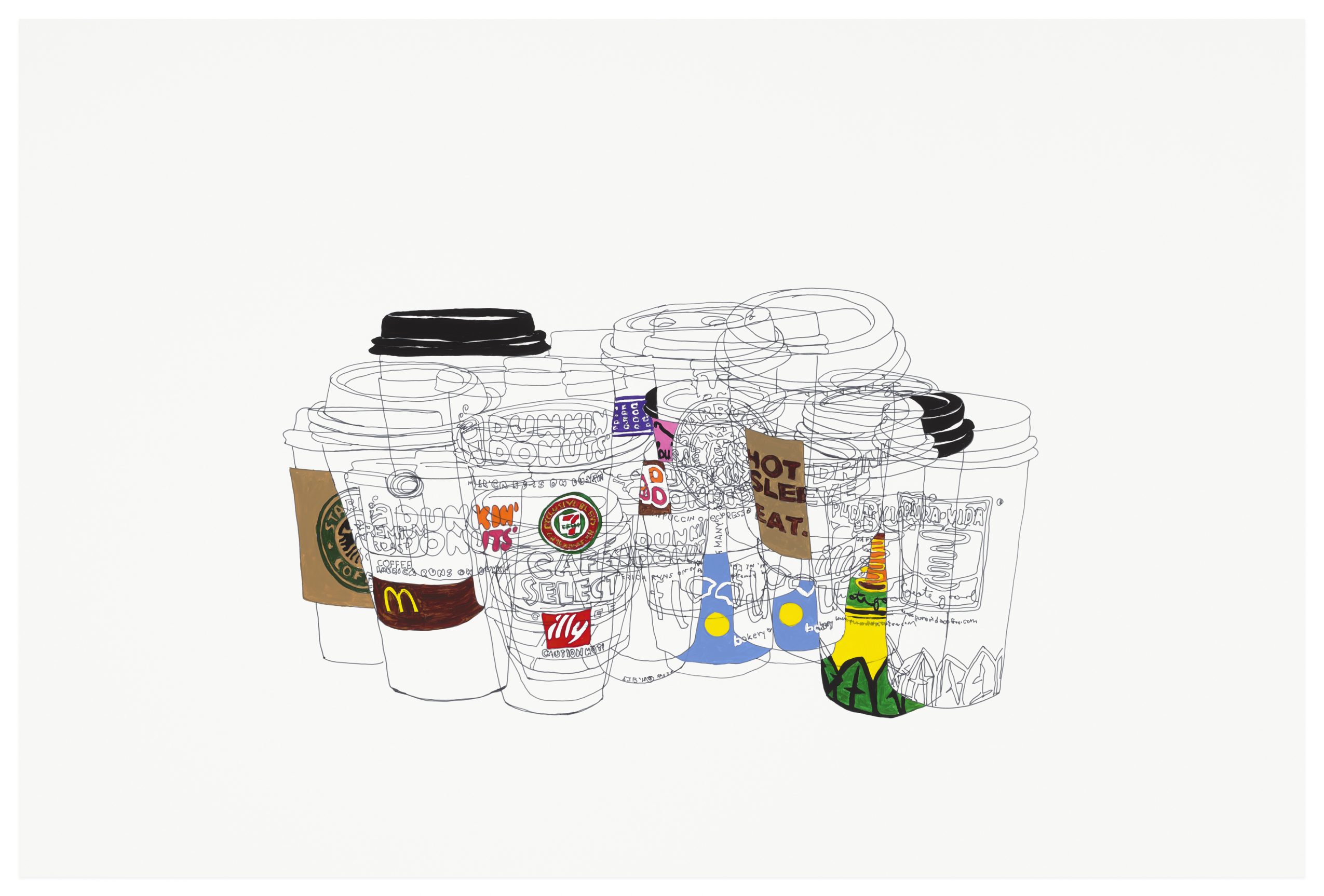
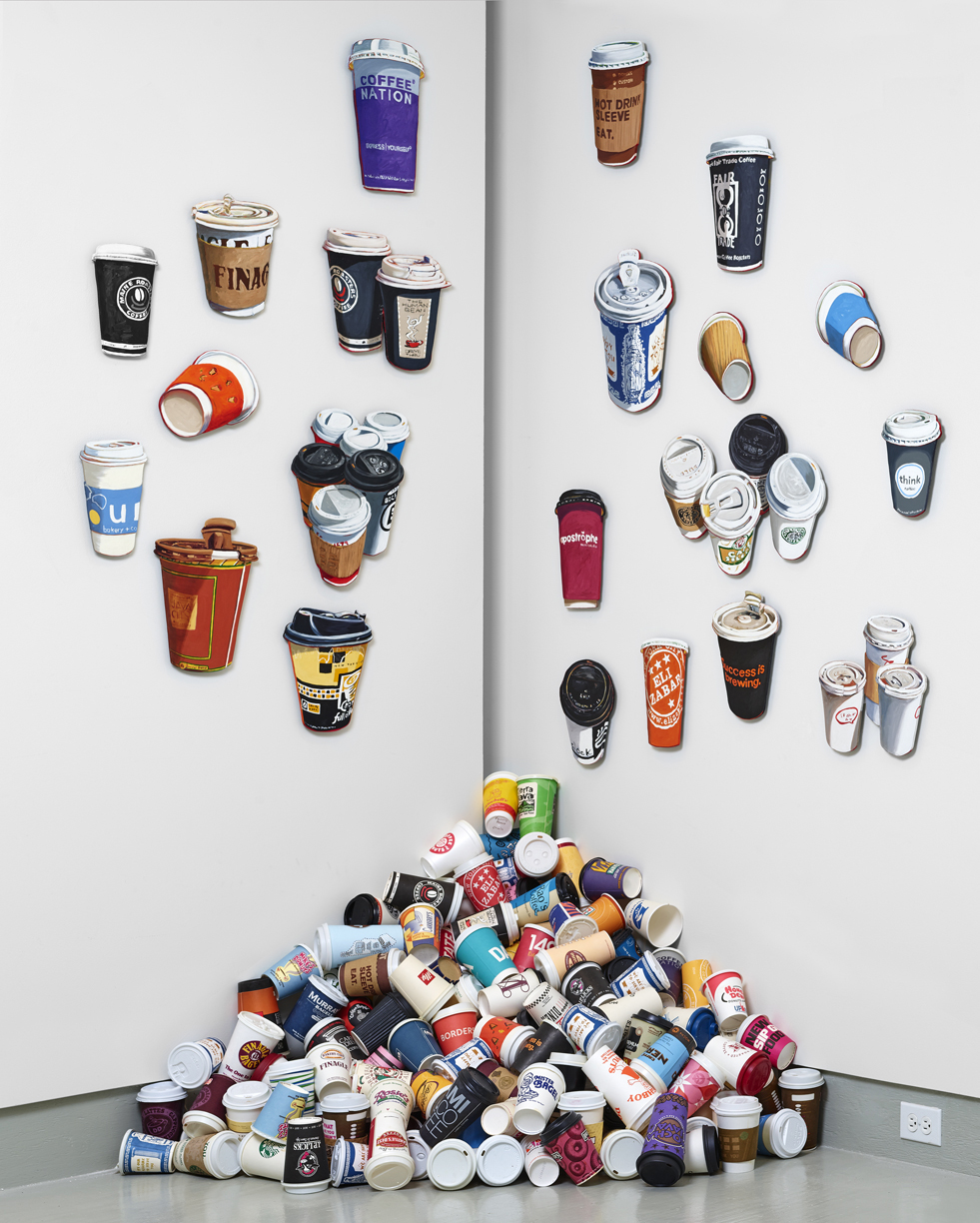 Image Credit:
Stewart Clements
David Swardlick
Getting in touch: BostonVoyager is built on recommendations from the community; it’s how we uncover hidden gems, so if you know someone who deserves recognition please let us know here.