






Today we’d like to introduce you to Joe Fisher.
Joe, can you briefly walk us through your story – how you started and how you got to where you are today.
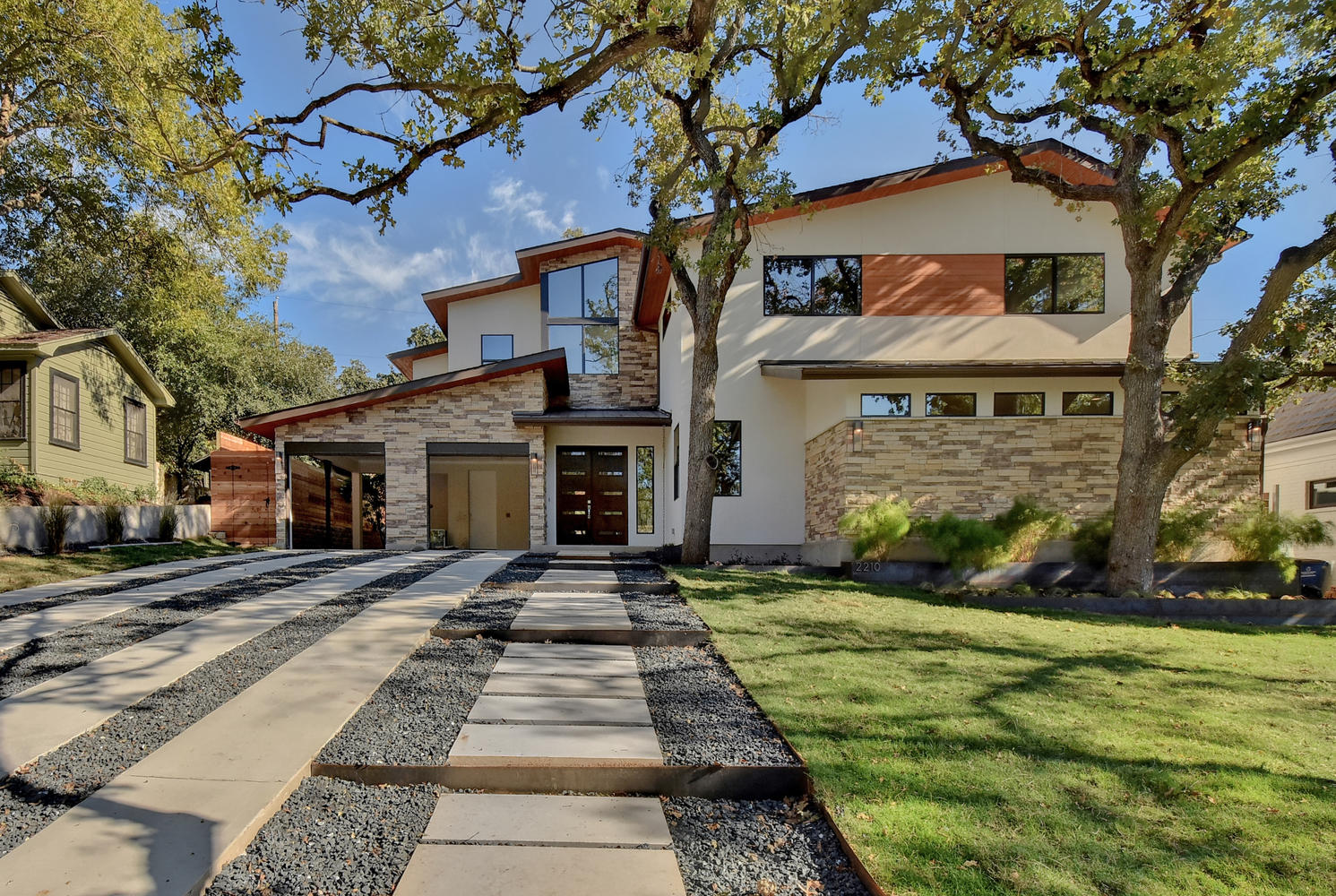
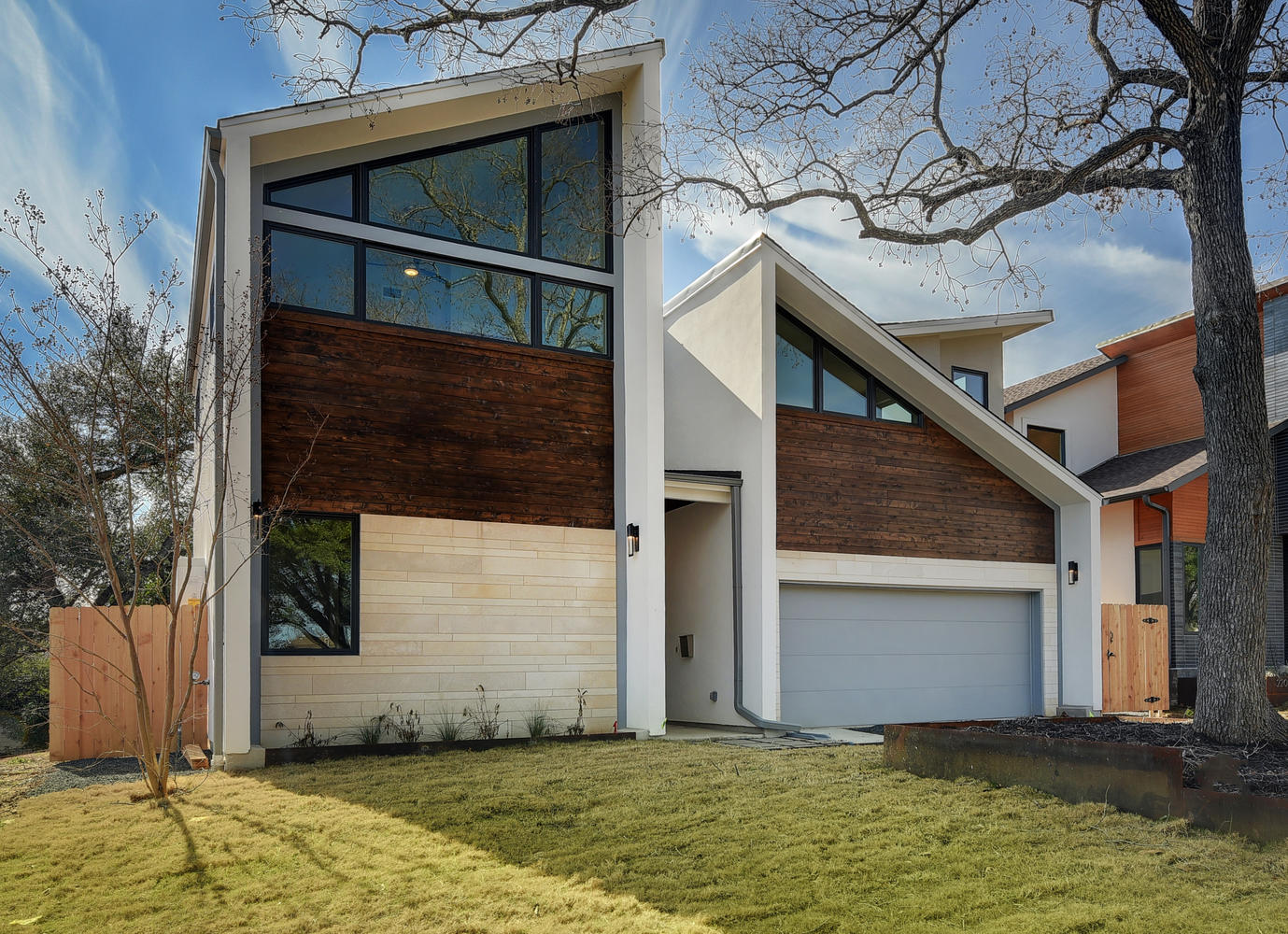
I’m a native Vermonter. I grew up there, went to college there and worked there for four years after graduation. Soon after I passed my architect’s exams in 2014, I moved to Austin, TX and started my own architecture firm. We focus on small-scale and high-performance houses with an eye towards sustainability and long-term health. We also collaborate with various firms here in Austin to help design and manage some of their projects.
While I’ve lived in Texas for almost three years now, I’ve always retained a soft spot for New England, and make a point to visit either Boston, where I have family and many friends from my time in school or Vermont. In early 2017, I decided to expand Studio 355 from being solely an Austin operation and reach out to the market in the Northeast, based out of Boston.
Has it been a smooth road?
Architecture isn’t an easy career, especially if you’re managing your own firm. You have to be prepared to put your work ahead of everything at times, and this is multiplied if you’re managing your own firm. When we first started in 2014, there was a period of adjustment to managing workflow and balancing work and recreation. However, since then I’ve set up Studio 355 to be optimized to take advantage of new technologies in the design field, allowing us to shed much of the old “starving artist” stigma of architects.
So let’s switch gears a bit and go into the Studio 355 Architecture story. Tell us more about the business.
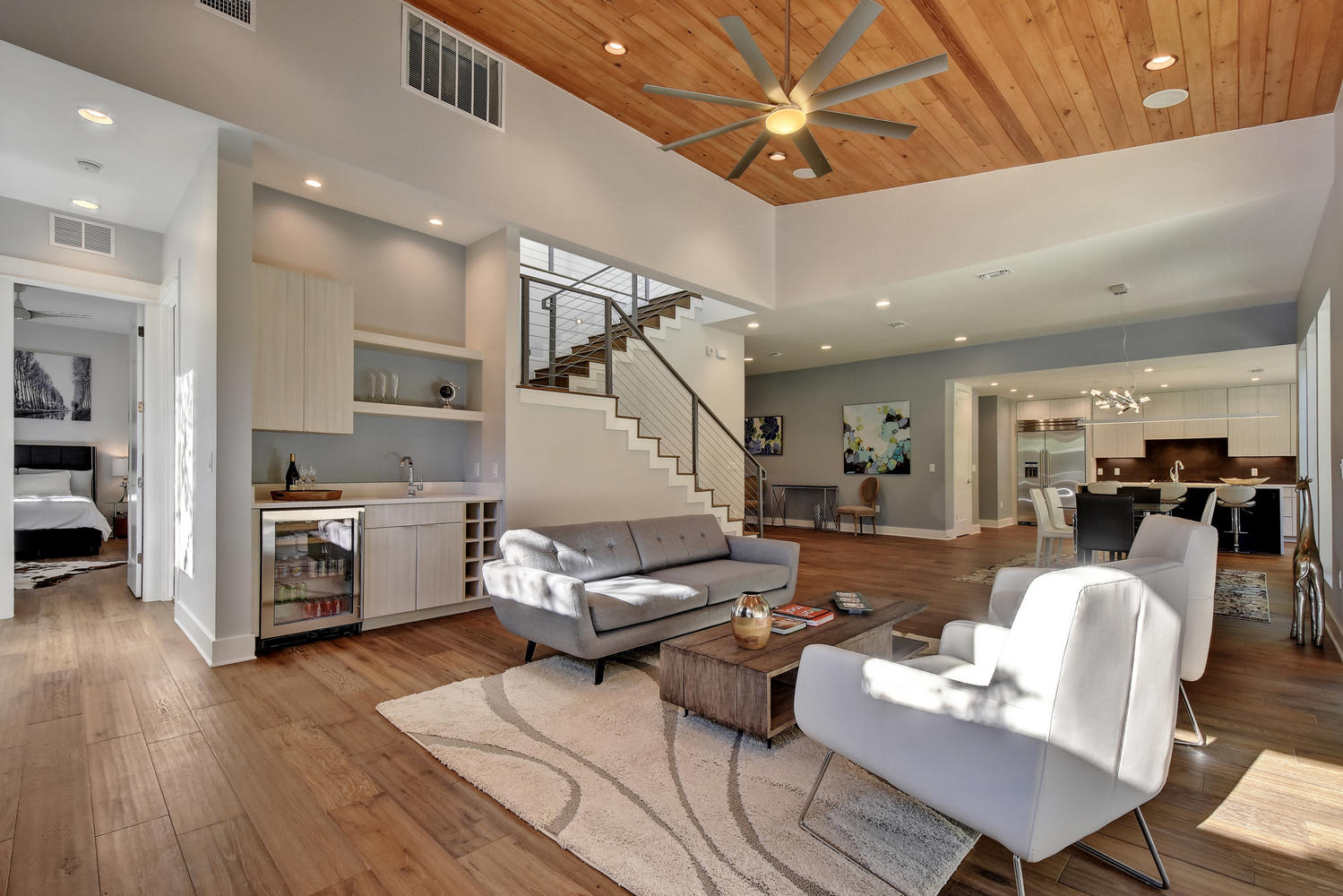
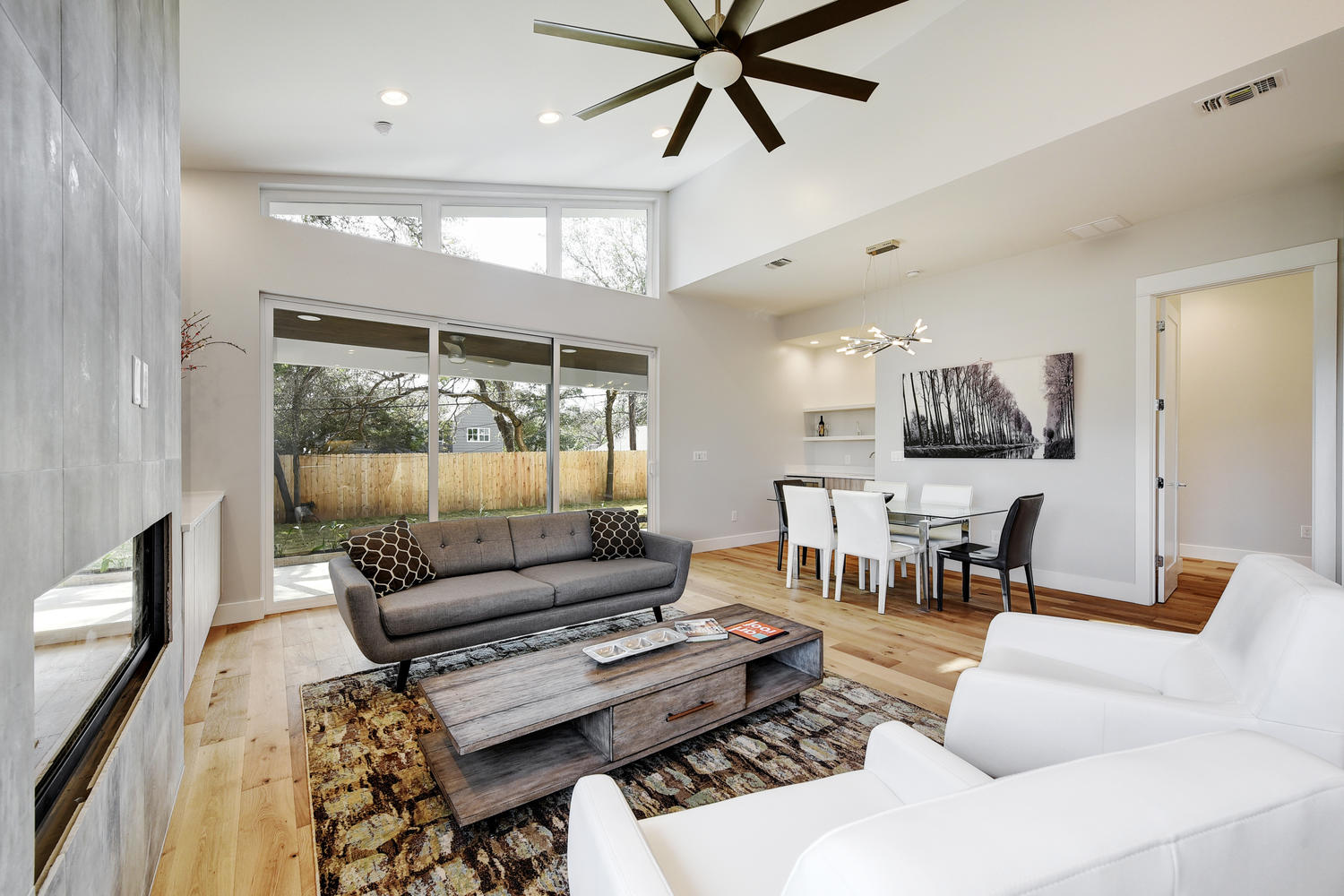
Studio 355 specializes in small-scale and high-performance residential design. Our focus is on creating lasting, beautiful designs that foster a sustainable future and provide a healthy environment for the occupants of the home. We design our houses to take full advantage of natural elements in both passive and active design systems.
I run my firm as a virtual practice. We have no brick and mortar office in either Austin or Boston. My team is spread out in various locations across the country, such as New Hampshire, Alabama, and Massachusetts. We use technology to meet remotely and collaborate on our various projects while still maintaining productivity. Our business model is new to the field of architecture – I know of only one other firm doing this right now – but it offers us the flexibility to take advantage of the efficiency offered by new design technology and provide better services to our clients.
How do you think the industry will change over the next decade?
I see architecture moving towards a higher emphasis on sustainability and maximization of space. With development increasing and energy only getting more expensive, design must take better advantage of making the most of smaller spaces and designing houses that are as efficient as they are beautiful. I think the growing popularity of solar and wind power, as well as things like the tiny house movement are indicative of this.
I also think architecture will move further from the existing business model that has essentially remained unchanged since the middle ages. We’ve seen this in other industries like transportation and lodging with companies like Uber and AirBnB, and I think that more architects will move towards a virtual office. Winn Wittman, of Winn Wittman Architecture, a collaborator and mentor of mine in Austin, is pioneering this with a program called the Self Built Architect, it’s definitely worth a look for anybody looking to break the mold in design.
Contact Info:
- Website: www.355.archi


Getting in touch: BostonVoyager is built on recommendations from the community; it’s how we uncover hidden gems, so if you know someone who deserves recognition please let us know here.











Wendy Cox
November 28, 2017 at 9:30 pm
Joe, So fantastic! Work is fabulous and love your ethics.