





Today we’d like to introduce you to Jeff Bell.
Jeff, can you briefly walk us through your story – how you started and how you got to where you are today.
I grew up in Australia. My father was an entrepreneur who founded and grew two businesses during my childhood. Therefore, I had lots of insight into what it was like to be an entrepreneur and, maybe for that reason, it wasn’t something I ever envisioned for myself.
In fact, for much of high school, I thought I was destined for university and a career in accounting. I experienced a lot of distractions and a lack of application on my part during my senior year. I didn’t get the grades required to get into an accounting course at university. I found myself at the end of the senior year with no plan for what to do next.
I eventually found a job with a small accounting firm. A year later, I re-applied to university and was accepted to take the courses at night school. I ended up being with that small accounting firm for over ten years. At one point, I really thought I’d be in the accounting and financial world forever. I eventually found my way into the medical device industry and stumbled upon an idea for a medical waste disposal device that would change the course of my life forever.
The idea for the Sterilis device initially came to me as I had become familiar with the dangers of hospital-acquired infections (HAI) – both on a professional and personal level. Professionally, while working for a medical device company based in Boston in 2005, I first came across the grim statistics surrounding hospital infections: some 1.7 million HAIs occur in U.S. hospitals each year, resulting in nearly 300 deaths per day – an astounding number. The HAI issue is a pressing global healthcare crisis that is not talked about nearly enough. HAIs affected my family and me personally, as three of my grandparents passed away from infections they acquired while in the hospital.
As my time with the device company wound down, I began researching HAIs. I discovered how inefficient and potentially dangerous the “haul and burn” approach most commonly used for disposal of regulated medical waste (RMW) is, and the hazards it presents to both patients and hospital workers. I also learned how environmentally harmful the process of waste incineration used by most hospitals and clinics today is.
Learning all of this, I knew there had to be a better, safer and more efficient way to treat and dispose of medical waste. I spent about 18 months conducting research on the RMW industry, the intellectual property positions of the big players, the existing and developmental technologies in the space, as well as the regulatory requirements for treating RMW.
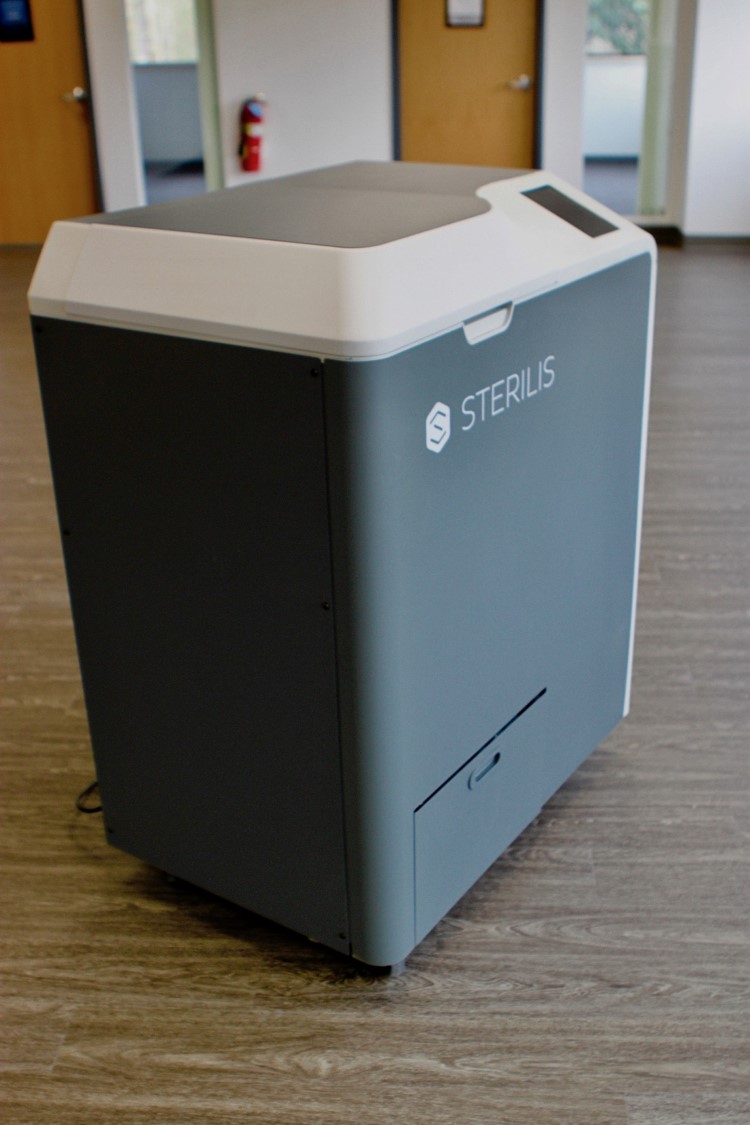
What I discovered was the idea that had been brewing in my mind – to combine a steam sterilizer with industrial grinding technology in a single moveable unit that doesn’t require anything more than an electrical connection to treat hazardous medical waste – was possible from a technological, IP and business perspective. I sketched out my concept on a piece of lined notebook paper and that initial design is very similar to the final product we sell today.
Great, so let’s dig a little deeper into the story – has it been an easy path overall and if not, what were the challenges you’ve had to overcome?
There were challenging aspects both to designing and marketing the device.
For device design, the most challenging aspect was making the device portable. This included making improvements for device size to noise level as well as odor mitigation. To design the device, we neatly and efficiently combined well-known technologies – i.e. steam sterilization in an autoclave and a grinding mechanism – into a small and portable device.
However, because of the diverse waste streams hospitals and clinics must remediate, we had to make the device completely reliable no matter the waste, from rubber gloves to scalpel blades and to fabrics to syringes. It took a significant amount of innovation and engineering to adapt these existing technologies so that they work together seamlessly in a functional and resilient device.
I worked with a great team of product development specialists at Continuum Advanced Systems, a product development firm based in Boston. This partnership helped us move from initial concept to the release of beta prototypes ready for validation trials. In conjunction with the team at Continuum, a research team at Boston University tested the early design of the steam system to validate proof-of-concept on the sterilization aspects of the design.
Massachusetts-based Masy BioServices also performed validation tests and qualification on the beta systems by. After the beta prototypes were released, we brought development activities in-house and made significant investments in the Sterilis team. This enabled us to refine the design and improve the reliability and quality of the system to a point where it could be released commercially.
Marketing and educating various stakeholders is a continuous challenge. As an early stage company, we’re taking on an industry dominated by a monopoly, which is not easy. Most healthcare facilities don’t know that there is a better way to handle RMW. They’ve been using the haul and burn method of disposal for decades, and aren’t looking to make changes to something they don’t realize is “broken.”
The device delivers many tangible benefits; reducing the spread of highly infectious diseases, significantly cutting RMW disposal costs, improving safety and reducing hospital liability, as well as environmental and sustainability benefits. We’ve seen that once hospitals and other healthcare facilities that frequently generate regulated medical waste know the device exists, they’re very interested in learning more about how it could potentially help their organization.
We’ve also received a few award wins which have further validated our product and helped raise awareness. Massachusetts Technology Leadership Council recognized Sterilis with its “Technology for a Better Tomorrow” award and Environmental Leader recognized Sterilis with the 2017 Product of the Year.
Alright – so let’s talk business. Tell us about Sterilis – what should we know?
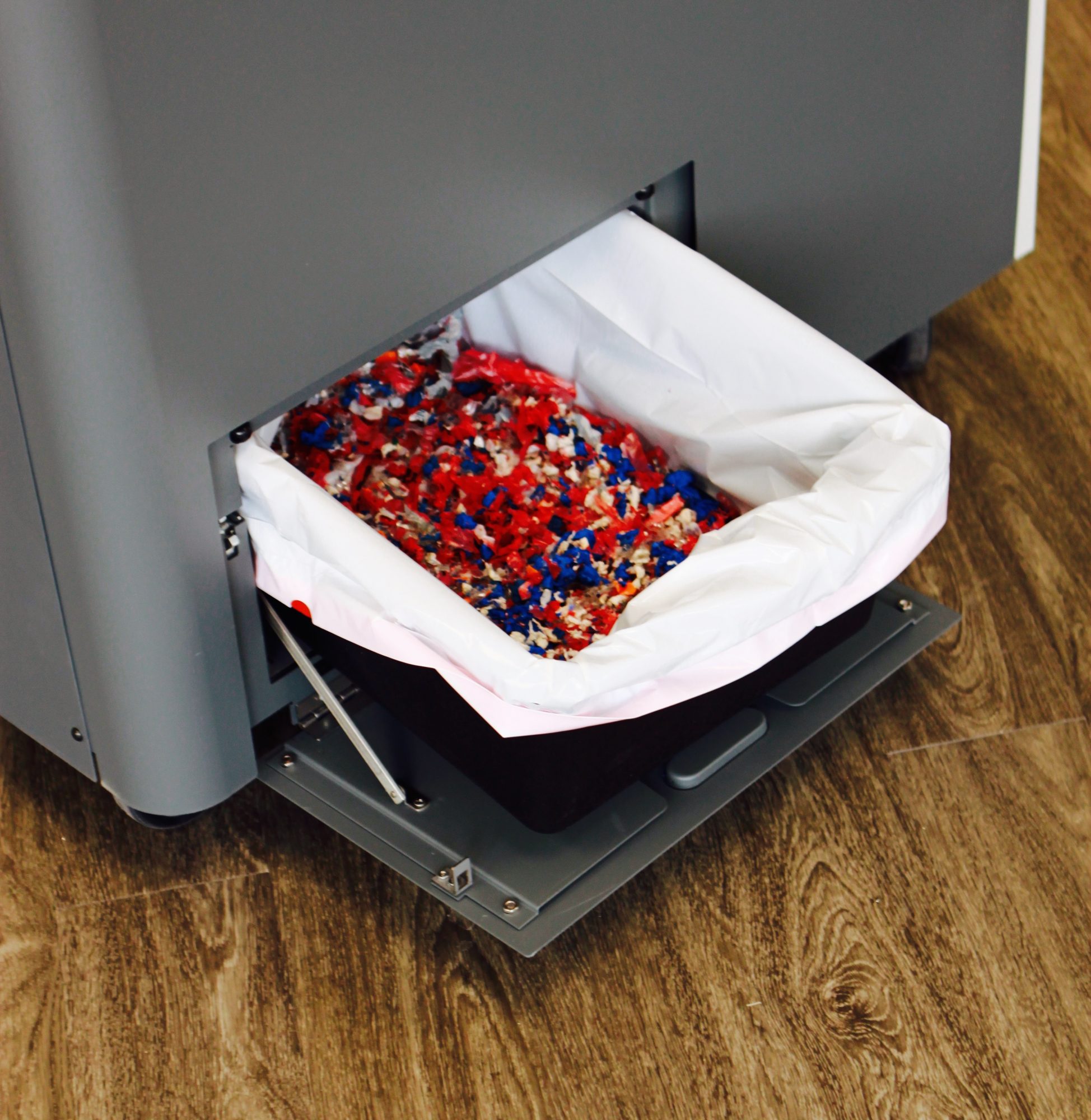
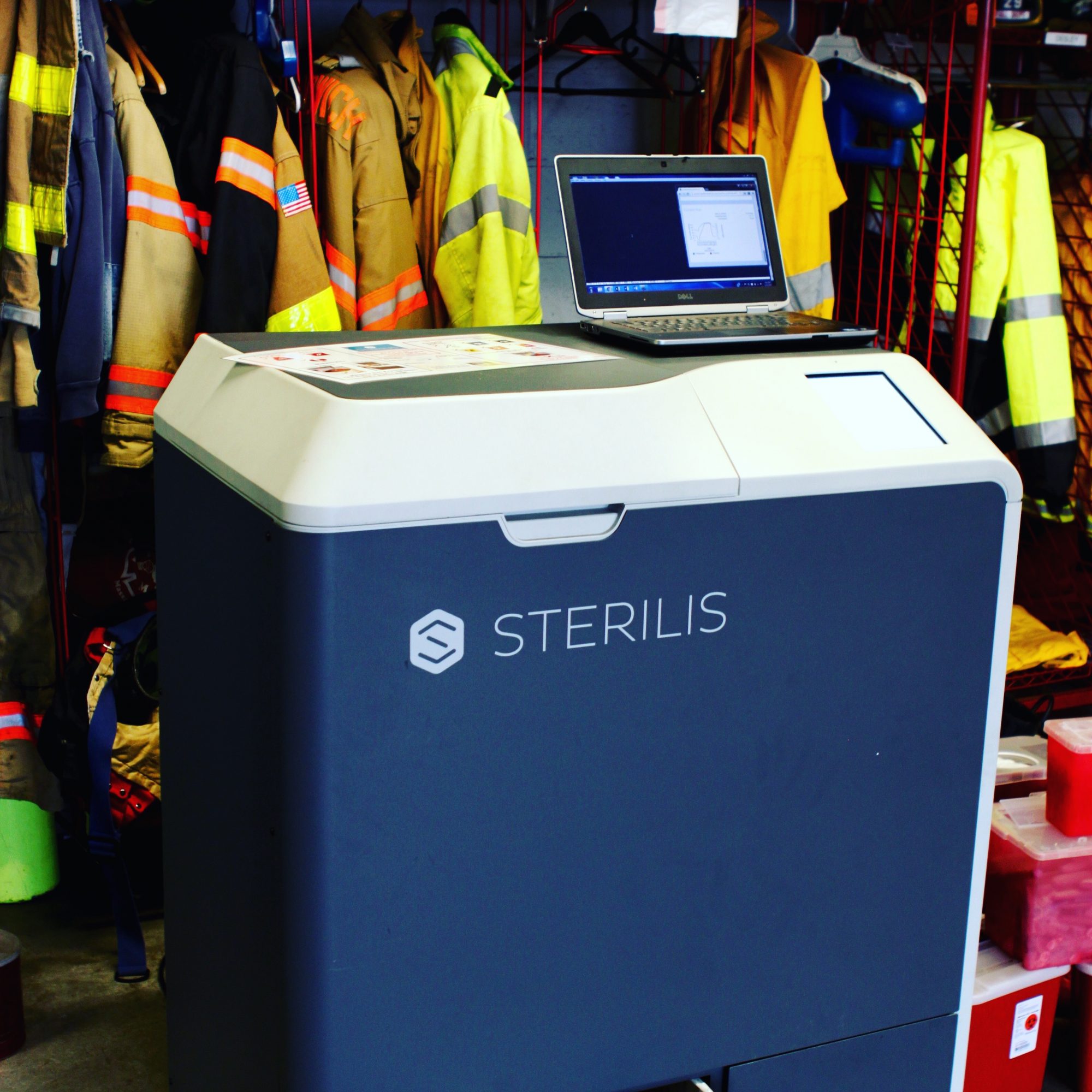
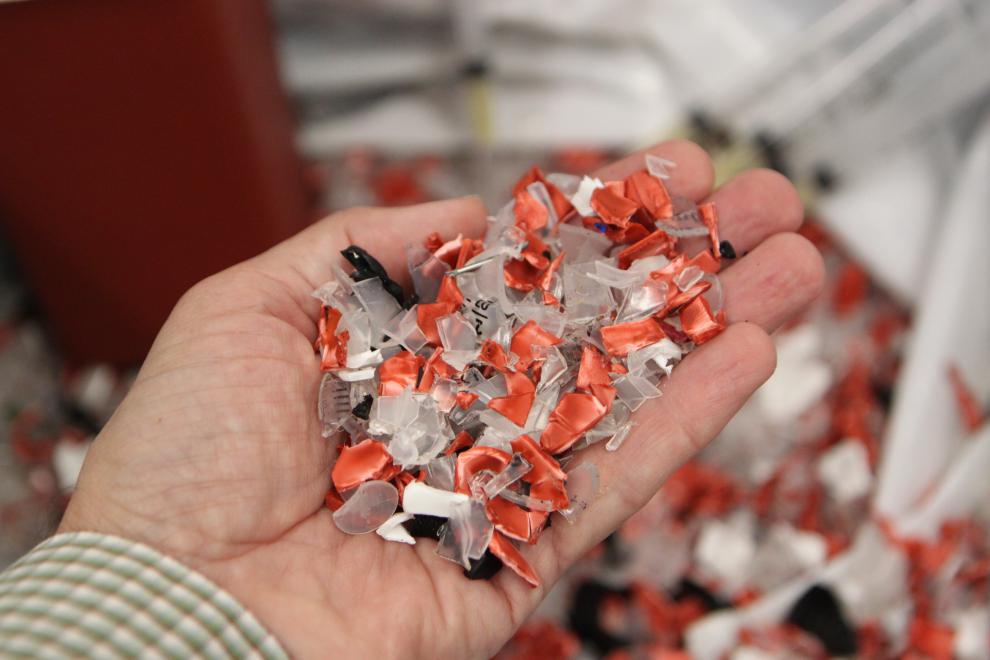
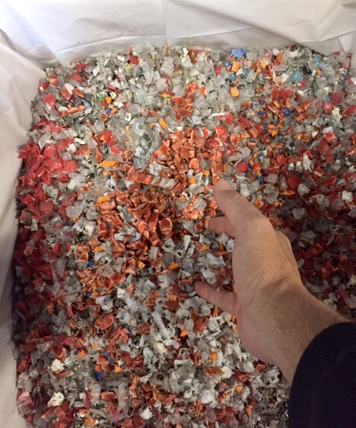
The Sterilis device is the first of its kind. It is an internet-of-things-enabled, proven alternative to the decades-old method of hauling and incinerating infectious medical waste. The patented system steam sterilizes waste at 280 degrees Fahrenheit, after which it is ground up into a confetti-like material that can be thrown away in the regular trash. The entire process takes about 60 minutes. The device also tracks and stores all performance and regulatory data in the cloud, where it can be accessed and monitored at any time, eliminating the unnecessary paper documents currently needed with the current “haul and burn” approach.
Every day, we’re helping to make healthcare safer and to make the world a less dangerous place. The benefits of the device are threefold. First, when using the device to remediate medical waste, healthcare facilities can reduce their environmental footprint by significantly lessening the amount of regulated medical waste that is incinerated.
Second, the Sterilis device enables needle drop centers and safe injection sites to more safely and efficiently treat and dispose of potentially infectious needles. We’ve received considerable interest from fire and police stations looking to establish needle drop centers in their communities. Thirdly, the device also improves waste and hospital worker safety by limiting the number of touch-points required before medical waste is sterilized and disposed of. This helps to reduce the number of HAIs, many of which are contracted through the improper handling of medical waste.
According to Pharmacy Times, less than five percent of the more than three billion needles that are sold in the U.S. annually are disposed of in a closed container. The majority of the remaining 95 percent is deposited, unprotected, into the household trash, posing a severe threat to sanitation workers. While it’s partly due to the nation’s current heroin epidemic, facilities using the Sterilis device have found that a surprising number of needles are brought in from users of at-home injection medications. These include injections for insulin, Vitamin B-12, pet medication injections, etc.
Needle disposal is a multi-faceted issue with no easy solution. In many communities across the country, including Boston, there are tough conversations taking place regarding whose responsibility it is to safely manage disposal. Should it be the pharmaceutical companies that manufactured the medication, the drug store that provides it, the community in which those patients live, or the government? While that larger conversation goes on, needle drop centers, such as the Sandwich, Massachusetts fire station and one of Sterilis’ first adopters, disposes of around 500 – 700 used needles and syringes per week. These needles could have ended up in the community. Other organizations using the device include Klingensmith’s Neighborly Drug Store, a pharmacy chain in Western Pennsylvania, as well as facilities throughout New York and in Las Vegas and West Virginia.
Another major initiative is helping facilities address their emergency preparedness plans for situations such as natural disasters, disease outbreaks, or terrorism. The Sterilis system can help protect doctors and caregivers from contracting dangerous and deadly diseases, such as Ebola when treating patients during outbreaks and pandemics. Traditional methods of storing hazardous waste include transporting it for incineration — which necessitates that quarantine be broken. Remediating waste on-site using the Sterilis device reduces the risk of clinician and caregiver exposure to potentially deadly bacteria and could help to drastically reduce the spread of disease during an outbreak.
Finally, we’re exploring ways to make the device more environmentally friendly by providing a way for facilities with a homogeneous waste stream to recycle materials passed through the device and repurposed into things like plastics, particle board, and other materials. By using the device, our goal is to eventually help some customers achieve a zero-waste stream.
Lessons Learned — If you had to start over, what would you have done differently?
If I had it all to do again, there are a few things I would have done differently from a business standpoint. The first would be to raise more capital earlier in the process to provide a longer runway for development and commercialization.
Invariably, development and commercialization takes twice as long and costs three times as much as your first estimate. Or, it takes three times as long and costs twice as much! Either way, the time and money needed for development and commercialization are hard to predict, and if I had it to do again, I would have aimed to have more of each.
Additionally, it has been a great pleasure to work with the design and research firms we teamed up with during the initial phases. However, looking back, I’d have relied less on external service providers and sought to bring resources in-house earlier in the process.
Pricing:
- Device rental: 1,000 a month
- Device purchase: 50,000
Contact Info:
- Address: 85 Swanson Road Suite 310
Boxborough, MA 01719 - Website: http://www.sterilismedical.com/
- Phone: 508-875-1070
- Email: sales@sterilismedical.com
Getting in touch: BostonVoyager is built on recommendations from the community; it’s how we uncover hidden gems, so if you know someone who deserves recognition please let us know here.