





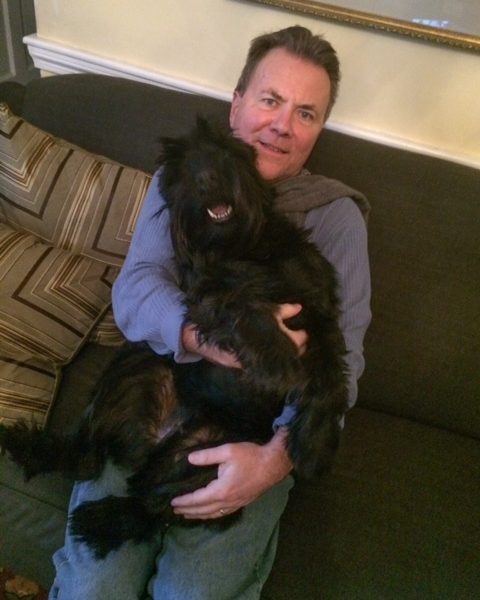
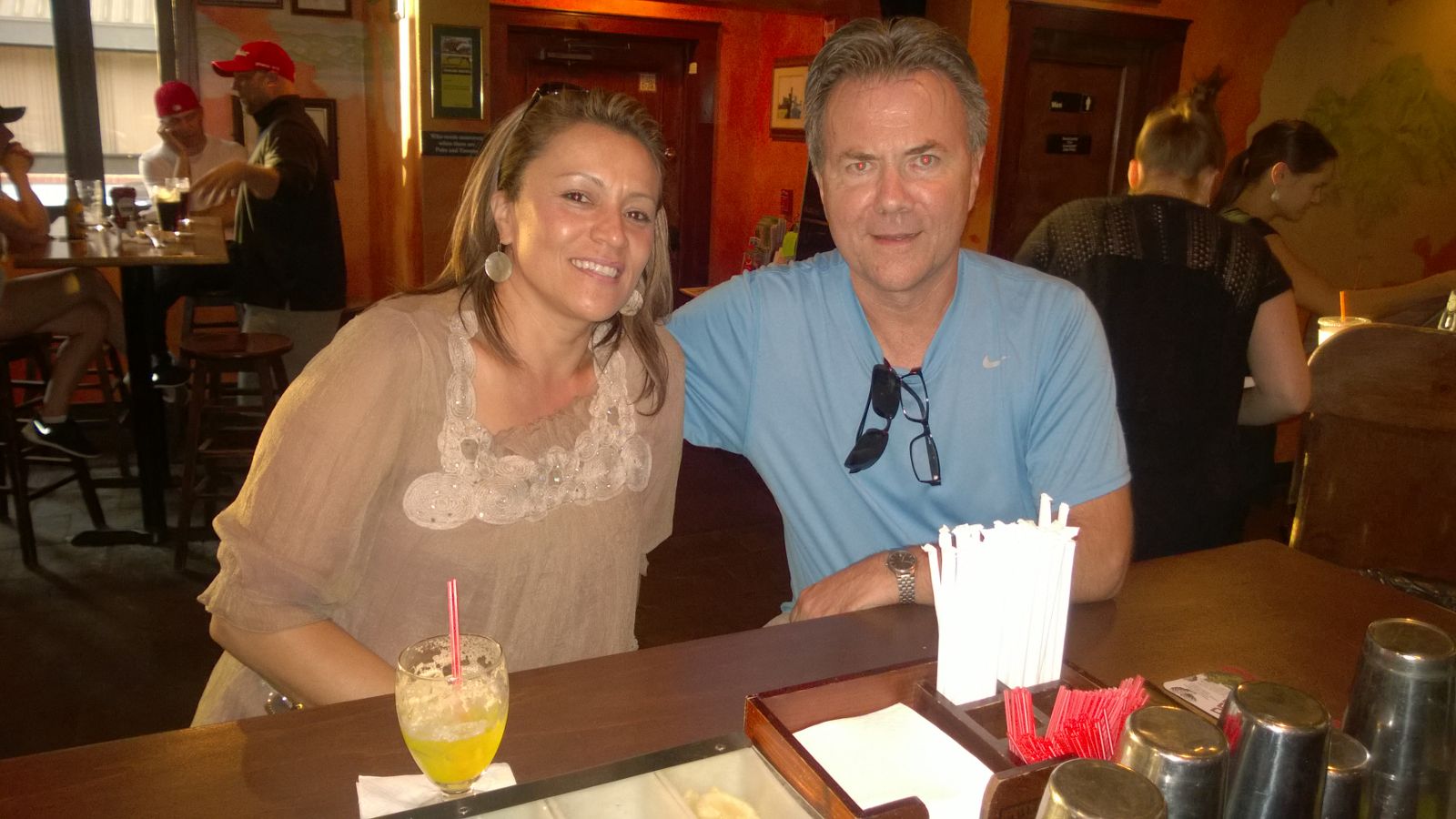
Today we’d like to introduce you to Stephen O’Connor.
Stephen, let’s start with your story. We’d love to hear how you got started and how the journey has been so far.
Having been raised in the days before electronic devices, big screen TV’s and personal computers, I and my friends, when we weren’t climbing trees, spent a lot of our time reading comic books, and passing around books, usually full of stories about ghosts, shipwrecks, life on the frontier, dogs, great escapes, Greek myths and bold adventures. My grandparents were from Ireland, so I got a hearty dose of poetry, song, and stories there. I don’t think it ever occurred to me in those days that I could be a writer of stories or books, but I imagine I absorbed a lot about language and stories in that milieu.
Later on, in school, I did a considerable amount of academic writing. It wasn’t until I was in my thirties that I set a goal to write a collection of stories, largely about the people I’ve known and the experiences I’ve had here in Lowell, or in Ireland, where I went to school, or with offshore fishermen. The first one I wrote, “The Hipster’s Hopper,” ended up in The Massachusetts Review and was nominated for a Pushcart Prize. I thought, “Oh, this is easy!” I didn’t realize I had been very lucky. Since then, I’ve had a lot of stories published, but I’ve had my share of rejections, too. It’s definitely not easy. If you can’t handle rejection, writing will be a difficult path for you.
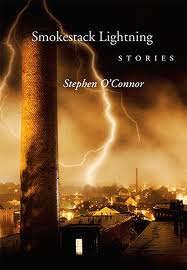
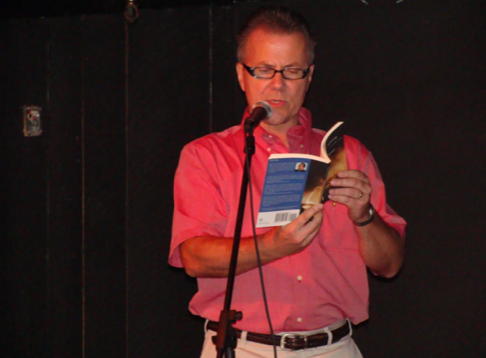
I published the collection of short stories, Smokestack Lightning, with Loom Press in 2010, great small press. I’ve published two novels since then, too, The Spy in the City of Books and The Witch at Rivermouth.
Great, so let’s dig a little deeper into the story – has it been an easy path overall and if not, what were the challenges you’ve had to overcome?
I think of the old Jethro Tull song, “Nothing is Easy.” It’s difficult to do anything well, and there’s a steep learning curve with writing. You have the words themselves, and you want the words to flow and at times, maybe even to be lyrical or poetic. And then you have the plot.
Style is certainly important, but the plot is generally what keeps the reader wanting to turn the page, especially of a novel. You need to write a lot just to find out what works. There’s point of view, transitions, mood, dialogue-a lot to consider. In a novel like The Spy in the City of Books, I had to do a lot of research on the OSS, and the French Resistance, and to interview a former OSS spy. I don’t mean to make this sound like drudgery. It’s work, but it’s challenging and engaging and ultimately, hopefully, rewarding as well.
The other struggle is the whole publishing and marketing aspect of the job, something I’m afraid I will never be very good at. I’ve published with small presses but finding an agent to go to bat for you with a larger press–very difficult. Especially, as in my case, if you’re not following a formula. One agent said to me, “A collection of stories, a spy novel, and a mystery? They don’t like that. They don’t know what shelf to put you on.”
Alright – so let’s talk business. Tell us about Stephen O’Connor, writer – what should we know?
I think as a writer, what I try to do is tell a story that will make you pause for a moment and think, or laugh, or even cry. I’m also interested in trying different kinds of writing, telling different kinds of stories. I read a couple of years ago that the comic novel was dead. I immediately set out to write a comic novel, which I’ve just completed, tentatively called, This Is No Time to Quit Drinking. So, I guess I’m a literary contrarian.
My wife is a big fan of Sue Grafton, and I think she was very good at what she did, but I have no interest in writing A is for this, B is for that and so on through the alphabet. I want to follow my inspiration wherever it leads, even if they don’t know what shelf to put me on!
Is there a characteristic or quality that you feel is essential to success?
You have to tell the story that only you can tell, or if you’re a painter, create the picture that you see. I don’t know if you’ll have success, but you’ll be happier than you would be if you had to fake it.
Contact Info:
- Email: oconnorsteve41@gmail.com
Getting in touch: BostonVoyager is built on recommendations from the community; it’s how we uncover hidden gems, so if you know someone who deserves recognition please let us know here.