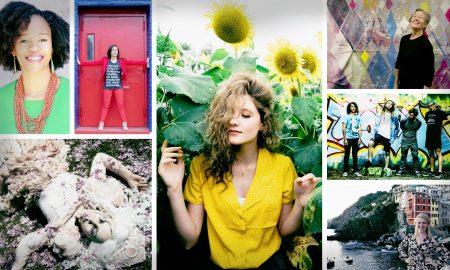





Today we’d like to introduce you to Stephanie Houten.
Thanks for sharing your story with us Stephanie. So, let’s start at the beginning, and we can move on from there.
I am an artist working in interdisciplinary, time-based and photographic media, and I have worked hard since I was a teenager to reach this amazing point in my life where I can utilize my creativity and knowledge to not only make a living but to also contribute to the growing people’s movement in Boston and beyond. I grew up in Melrose on the north shore of Boston, with my mother who came from a working-class Revere family.
When I was 12, she asked me if I wanted to sign up for cheerleading classes. I had just watched the movie Josie and the Pussycats, and I refused and demanded a guitar instead. That was when I became a musician, playing guitar almost every day in my room and listening to as much music as I could download off the internet.
Throughout high school, I struggled with my mental illness, identity, and not so stable home life. I continued to focus on art, finding solace in my high school art classes. I took a black and white photography class when I was 16, and I started experimenting with a cheap 35mm camera and in the darkroom. My art teacher told me that I should apply to Massachusetts College of Art & Design, and even connected me to an advisor there.
Though I felt a very strong connection to MassArt when I toured there at age 17, I did not feel mentally prepared for college. I needed time to grow emotionally, and make amends with troubled familial relationships and darker parts of my life. When I graduated, I spent some years continuing to be a service industry worker. During this time, I really noticed the treatment of women workers, especially women of color.
It was something that bothered me but not something I was sure of how to handle other than speaking up and standing up for myself and others. I finally reached a point where I realized I didn’t want to be waiting tables for the rest of my life. I sold the car I worked hard to purchase with my tips and applied to Bunker Hill Community College in 2012 when I was 23 years old. BHCC was a place of transformation for me. Here, people were a lot like me, coming from working-class backgrounds and starting school a little later than the average young person.
There were also a lot of amazing people that were much different than me; people from all over the world of all different ages, with completely different insights and views of the world. It was incredibly enriching and a blessing to be connecting and learning alongside so many intelligent people. At BHCC, I encountered this fascinating group of musicians that would hang out in the courtyards, smoking cigarettes and playing their favorite songs together on all kinds of instruments.
In this group, I found friends who really changed my life. The BHCC Music Club was an incredibly inclusive and supportive group of students who created a space for the art of music to transform lives. I learned how to break free from playing my guitar alone in my bedroom and became a performer on a stage, collaborating with other musicians and even teaching too.
When I graduated in 2014, with a 3.9 GPA and part of the Commonwealth Honors program, I had my hand in so many disciplines. I was writing, painting, drawing, making music, and though I hadn’t considered it art yet, creating productions through events and societies. I could see MassArt on the horizon, and I was so excited to learn I was accepted that year and would be starting in the fall.
MassArt felt like Hogwarts to me. There were all these departments that we sorted ourselves into, each with their own strengths and quirks. The buildings were all very old and hodgepodged together, and held all their own secrets. I absolutely loved it and was overwhelmed with deciding on a direction to go with. During my freshman year, I was experimenting with video for the first time, having access to video cameras and studios and the power of collaboration with other artists.
I decided to enter the Studio for Interrelated Media department and double major in Film/Video after making my first experimental film in 2015 so that I could continue to study film, but also embrace my tendency to have a hand in many different mediums. I spent my years at MassArt developing a craft in filmmaking but felt really limited by the traditional method of screening films. I began to move into experimental, interactive video installations in my junior year and created interactive, immersive video installations that were musical and user-generative.
For my senior thesis, I produced two immersive installations inside completely dark, black box studios. They were based on the same interactive, user-activated form, but completely different conceptually. The first, PlaySpace, incorporated video, sound bites, and LED lighting triggered by users pressing MIDI buttons, resulting in an audiovisual jam session between users.
The second one, speaking more to my political activism, used similar forms, but instead triggered video projections of writings on imperialism in Latin America by leftist writers like Eduardo Galeano and Noam Chomsky. The text would only reveal itself if users took the time to hold a button down for an extended period of time. It was designed to comment on how we, as Americans, choose whether to stay in the dark about what our country is doing to the rest of the world.
As I studied in college, I became very involved in political activism in Boston. The violence of police brutality prompted my involvement in local rallies and organizing meetings. As I studied more, I realized how interconnected oppressed peoples’ struggles are. Using skills I developed as a leader and a producer, I got involved with local coalitions and campaigns and helped lead meetings, rallies, protests, and campaigns.
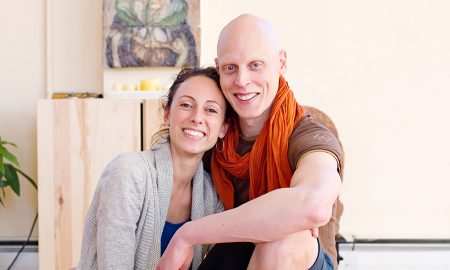
I also began to see how my artistry could contribute, and I began holding much art builds for protests, making banners and signs and started bringing my camera to actions so that I could document the resilience and hard work of organizers in this city. After graduating this past May, I took some time to travel and experience some creative and personal freedom alongside my mentor, collaborator, and friend Darren Cole.
This summer was a moment for me to catch up with myself and breathe for a moment, and I’m feeling rejuvenated and empowered as a result. Now that I’m home and refocused, I’ve gotten a job as an assistant to an amazing producer, Nerissa Williams-Scott, working for her company TCGT Entertainment, and am freelancing as a videographer and photographer.
Overall, has it been relatively smooth? If not, what were some of the struggles along the way?
I don’t believe that I would be the artist, activist, or empowered woman I am today without the struggles of my past. I’ve come to accept that my mental illness will be a lifelong struggle, and even though it makes some things difficult, it has given me a perspective on the world that I cannot take for granted.
A really big struggle was my childhood, growing up without my father, confused about my biracial identity, and around a lot of addiction in my family, especially alcoholism. I didn’t realize until I was an adult how much those things affected me, in all aspects of life.
Working towards healing and understanding these things has allowed for growth that I think many experiences when they are much younger. I’m proud of my journey, as non-traditional and unique as it is. My life has been blessed by these struggles, and though it took some time to really appreciate that, it’s something I think about every day.
Alright – so let’s talk business. Tell us about work – what should we know?
I’m known for productivity, organization, and management, especially for film productions and events. As a freelancer, it’s pretty essential to be a one-woman-band and have a mastery of a variety of skills, as I’m often either taking on one of many technical roles in a production, or I’m creating a piece completely on my own or with only a few people. Freelance work requires project management skills, but it also requires craft and technical skill with the camera.
My interdisciplinary practice has allowed me to develop all of these skills so that I can really deliver these kinds of works. My passion is being behind the camera and creating that high-quality image, but it’s also in leading teams to make that high-quality image actually happen, and make sure it’s used to make something even more amazing.
Any shoutouts? Who else deserves credit in this story – who has played a meaningful role?
There are so many people to thank for getting me here today.
I must thank the BHCC Music Club, for taking me under their wings and teaching me how to be a leader and helping me break free and become a true artist. At MassArt, I must thank every administrator who took the brunt of my demands for a better college.
My mentor, Darren Cole, must be thanked for teaching me so much through every conversation, every shoot, and every mistake, and being one of the most generous and accepting people I’ve ever met.
Most importantly, I must thank my mother for being my foundation, my strength, and my number one supporter. She is my one constant in life, and I learned everything about hard work and perseverance from her. I love you, mom!
Contact Info:
- Website: www.stephaniehouten.com
- Phone: 781-640-0129
- Email: sdhouten@gmail.com
- Instagram: @hoooten
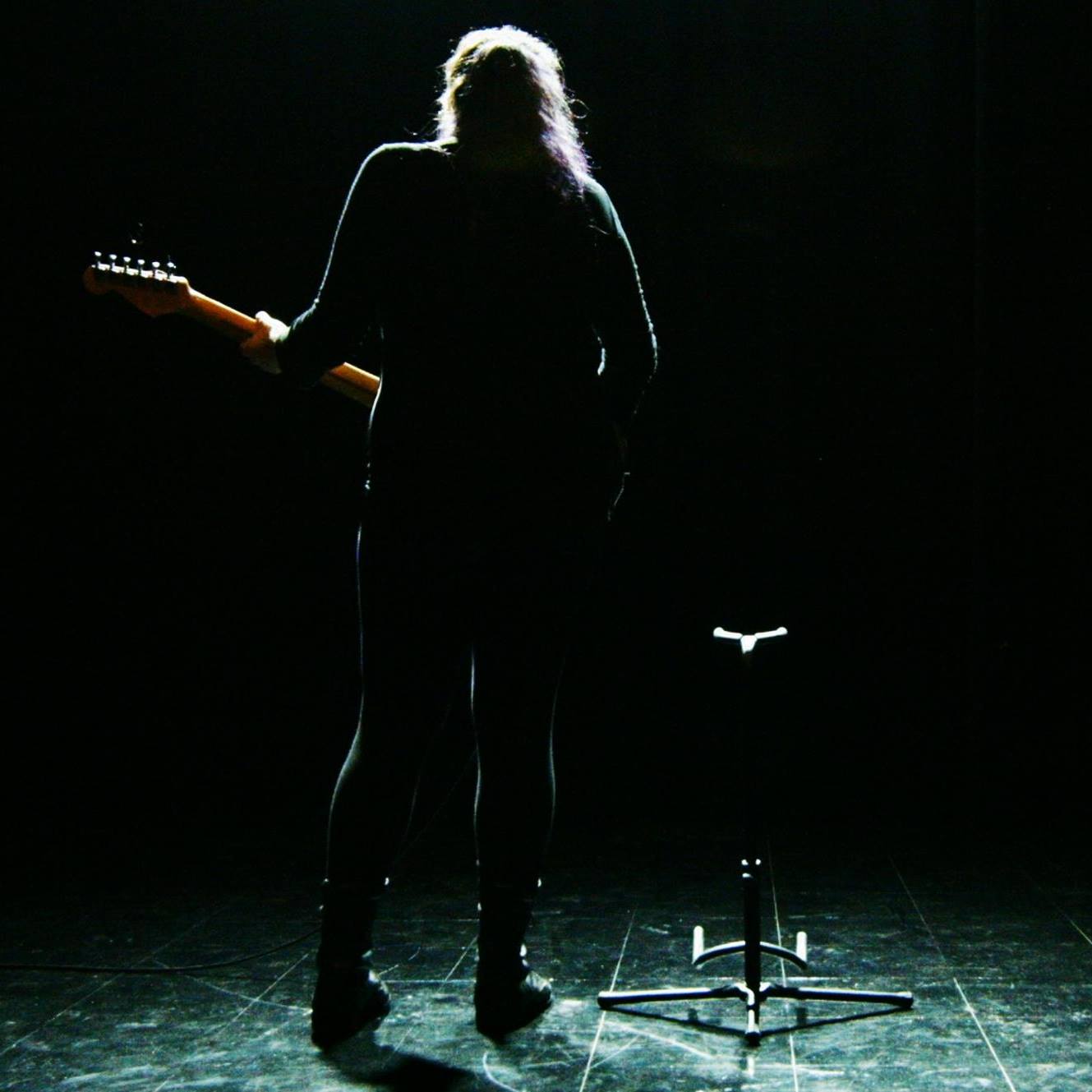
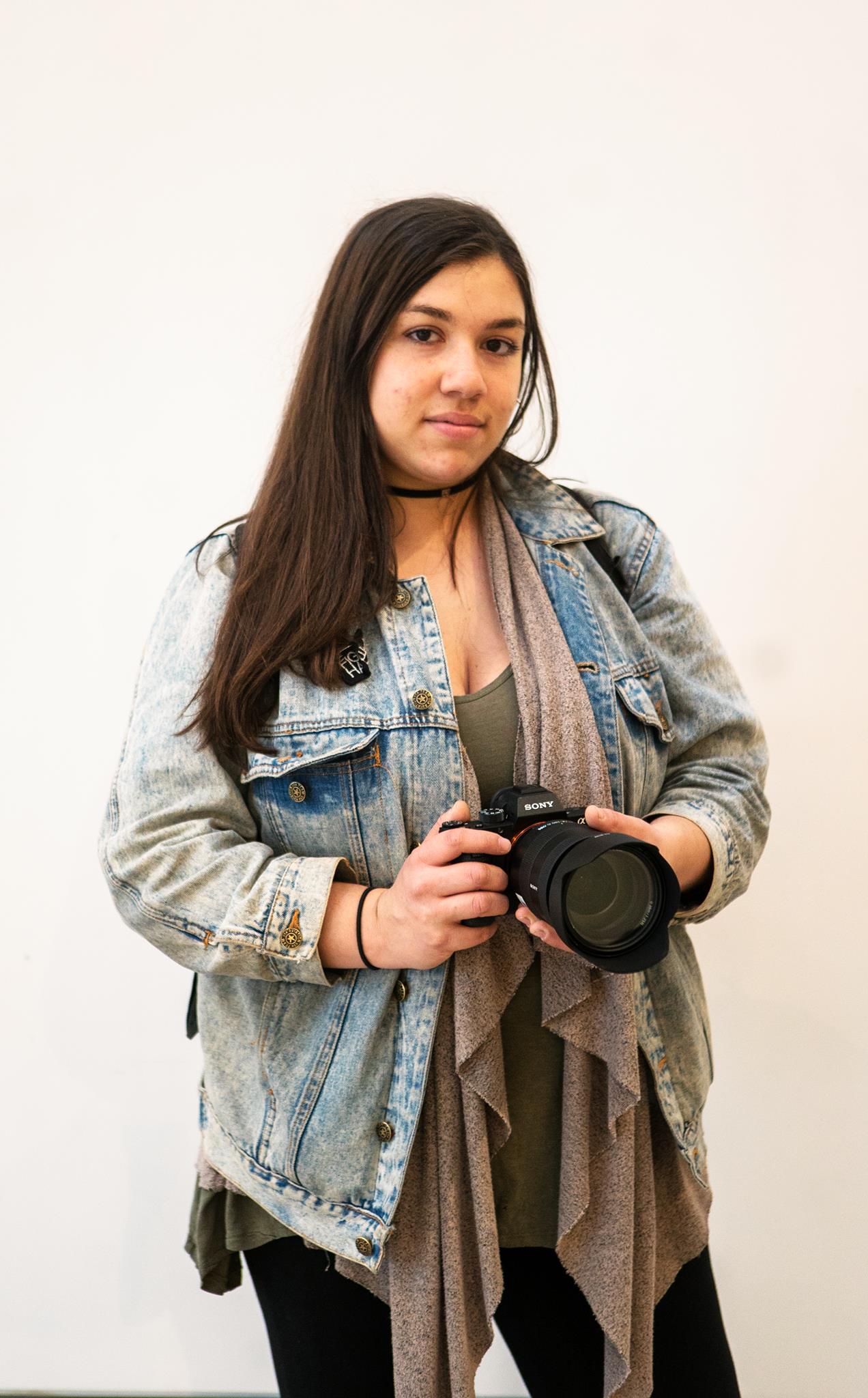
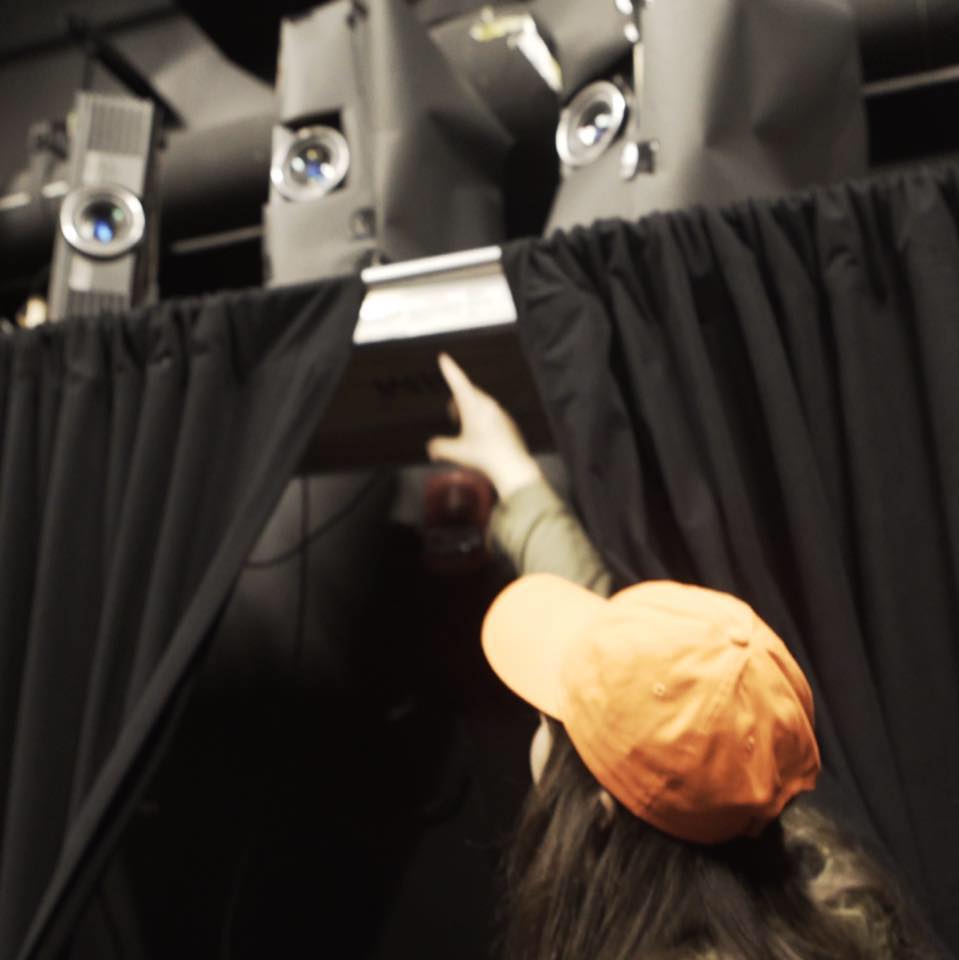
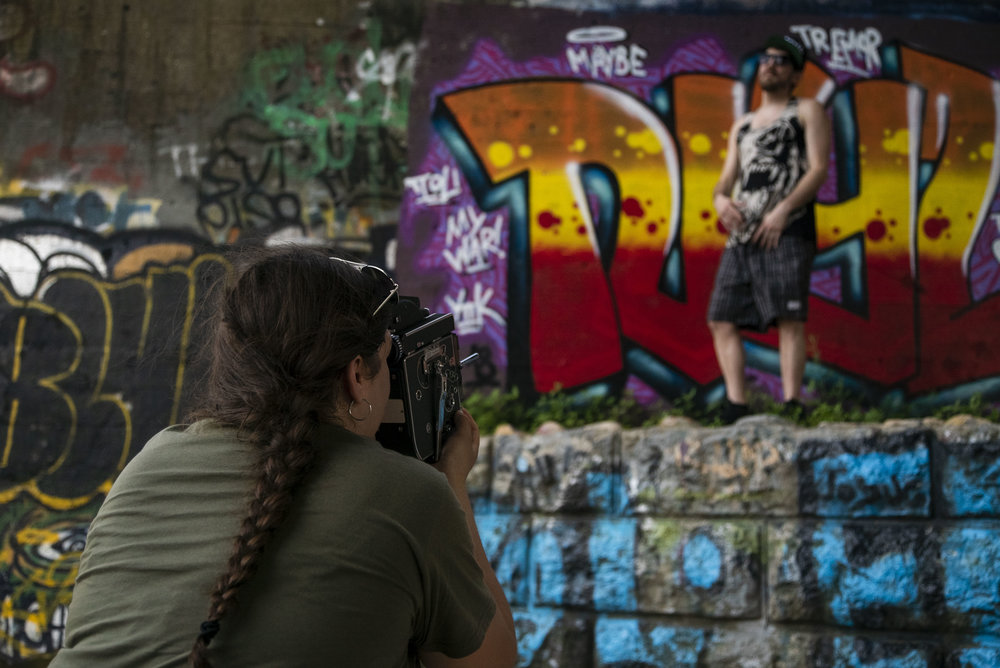
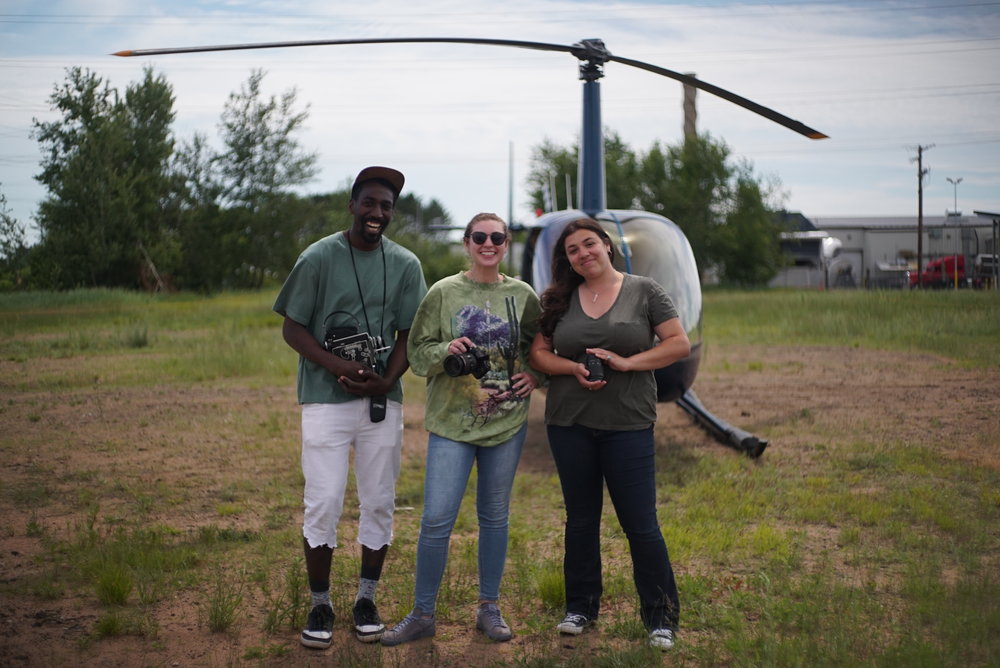 Image Credit:
Hira Sultana, Darby McLaughlin, Sopheak Sam, Ash Henry
Getting in touch: BostonVoyager is built on recommendations from the community; it’s how we uncover hidden gems, so if you know someone who deserves recognition please let us know here.