


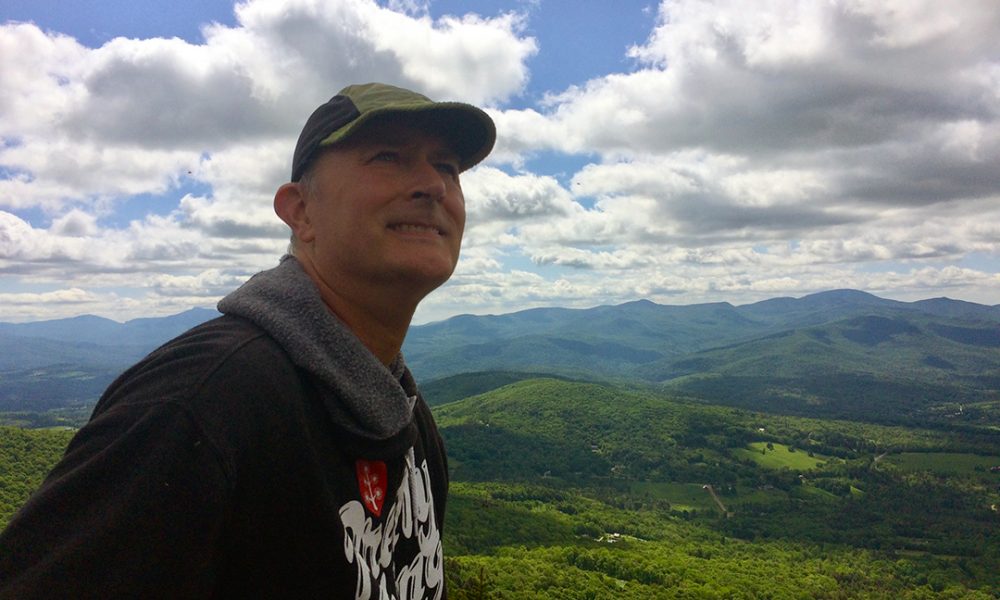
Today we’d like to introduce you to Stefan Cooke.
Thanks for sharing your story with us Stefan. So, let’s start at the beginning and we can move on from there.
For a long time I’ve been interested in my family’s history, and was surprised to hear Scott Simon talking about my aunt Barbara Follett on his NPR show one Saturday morning a few years ago. He was interviewing Paul Collins, NPR’s literary detective, about the essay he’d written about Barbara for Lapham’s Quarterly (https://www.laphamsquarterly.org/celebrity/vanishing-act).
Barbara Newhall Follett started writing stories on her typewriter when she was five and also struck up correspondence with a few adult friends. Her writing was remarkably mature for her age. In 1927, when she was 12, she published “The House Without Windows” with Alfred A. Knopf in New York and the newspapers hailed her as a literary sensation—a child prodigy.
She loved adventure and later that year persuaded her parents to let her sail as a cabin boy on a lumber schooner from her home in New Haven to Nova Scotia. She made friends with the crew and wrote about her travels in “The Voyage of the Norman D”, which was published by Knopf in 1928.
Just as she was turning 14, however, life imploded. Her father was having an affair with a young woman in New York and chose to abandon his wife and two daughters to live with his girlfriend—Margaret Whipple—who would become my grandmother. Barbara was heartbroken, but rather than stew she convinced her mother that travel was the best prescription. She and her mother sailed with their typewriters to the West Indies, explored many islands, then sailed through the Panama Canal to the South Seas and explored the islands there. They had very little money and lived as the natives lived. Helen wrote two good books about their adventure: “Magic Portholes” and “Stars to Steer By”.
Back on the mainland and not quite 16, Barbara was enrolled in a junior college (she had never had a day of formal education in her life, having been schooled by her mother at home), and her reaction was to run away to San Francisco. The police somehow found her in her hotel room and locked her up so she couldn’t escape again. The story was in newspapers all over the country—”Child Writer in Revolt”, etc.
In 1930 Barbara and Helen moved to Manhattan. Barbara found work writing for Fox Film Corporation and enrolled herself in Packard Business College. She got a job as a secretary and started writing her third book, “Lost Island”. She met a recent graduate of Dartmouth College—Nickerson Rogers—who shared her love for adventure, and in 1932 she quit her job and the pair began hiking the brand new Appalachian Trail from Maine to Georgia. They made it as far as Massachusetts before the weather got too cold, so they sailed to Spain and explored Europe for a year, pretending to be man and wife.
In 1934 they got married for real and settled down in Boston. But domesticity proved a challenge and Nick started seeing another woman. Barbara tried her best to save the marriage, but on December 7, 1939, she left the apartment in Brookline and was never seen or heard from again. She was 25.
Fortunately her mother collected as much of Barbara’s writing as she could, and deposited it all in the archives at Columbia University. In 2012 I spent several days there photographing thousands of the disintegrating pages. I transcribed much of the material and published a big book in 2015—”Barbara Newhall Follett: A Life in Letters”.
Great, so let’s dig a little deeper into the story – has it been an easy path overall and if not, what were the challenges you’ve had to overcome?
Transcribing, compiling, and editing my book took quite a while, as did teaching myself about self-publishing, but there weren’t really any struggles. I wrote quite a lot of explanatory material that accompanies the letters, and really enjoyed researching the names and places mentioned in them.
Please tell us about Farksolia.
Aside from editing and publishing under my Farksolia imprint, I’m a freelance web designer. I also manage several websites, including the Afghan Women’s Writing Project (http://awwproject.org) and the one for my extremely talented artist and wife, Resa Blatman (http://resablatman.com).
What do you like best about our city? What do you like least about our city?
There’s a lot to like about Boston. Having so many colleges keeps the area young, and we’re on the cutting edge of technology and life sciences. The horror of the Trump Regime is minimal in our Greater Boston bubble. We have four distinct seasons, and I like a cold winter.
The economy here is thriving, which has its pluses and minuses — wealth inequality is increasing, and gentrification, particularly in my small city of Somerville, is rampant. You have to have a pretty sizable income to rent here, and real estate prices are shockingly high. Somerville has for many years had a large community of artists, many of whom are now getting pushed out due to its unaffordability. Luckily for my wife and I, we bought our house about 20 years ago. There’s no way we could afford to live here now without it.
Contact Info:
- Website: http://farksolia.org
- Email: stefan@farksolia.org
- Instagram: https://www.instagram.com/stefancooke/
- Twitter: https://twitter.com/farksolia
- Other: https://www.publishersweekly.com/978-0-9962431-1-7
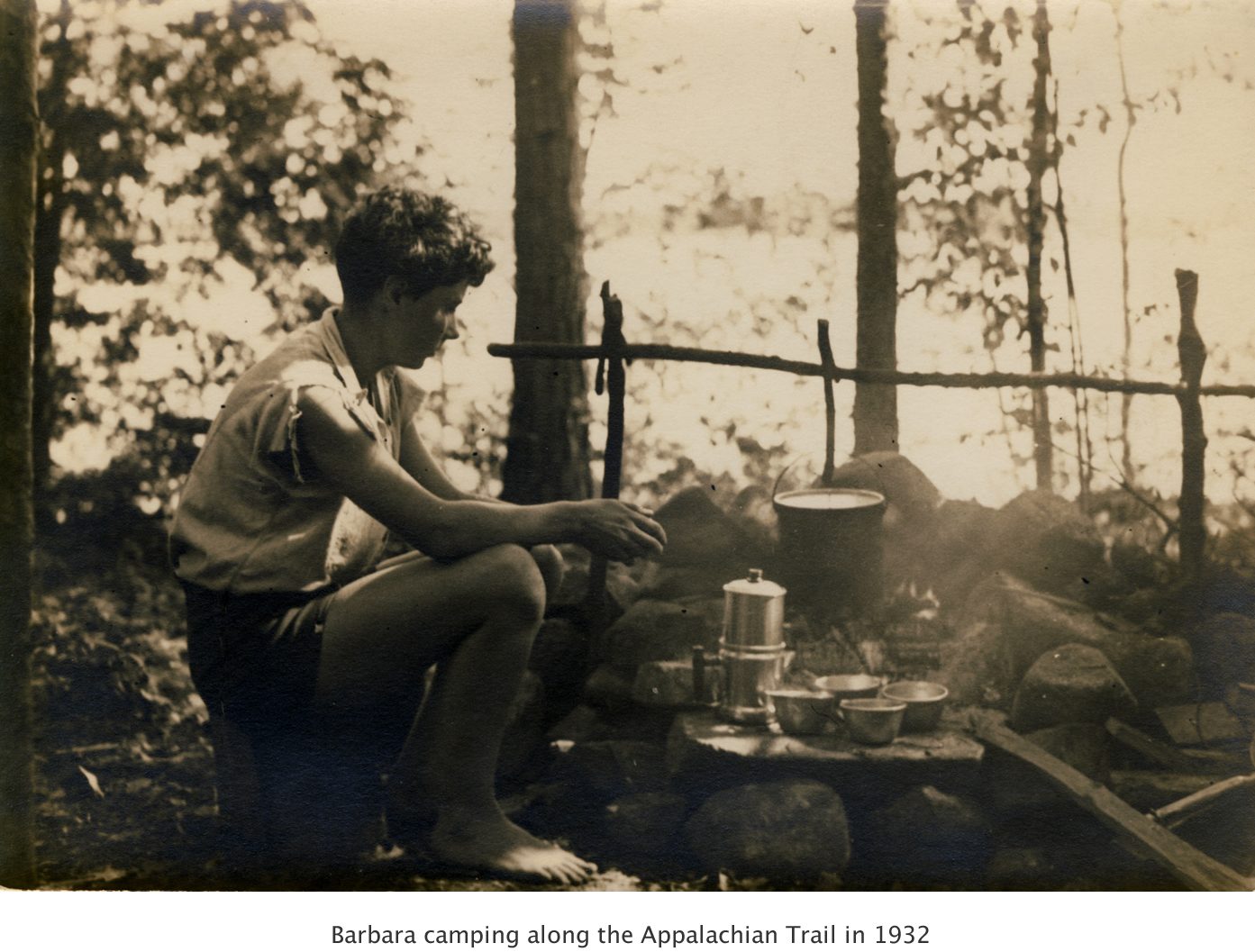
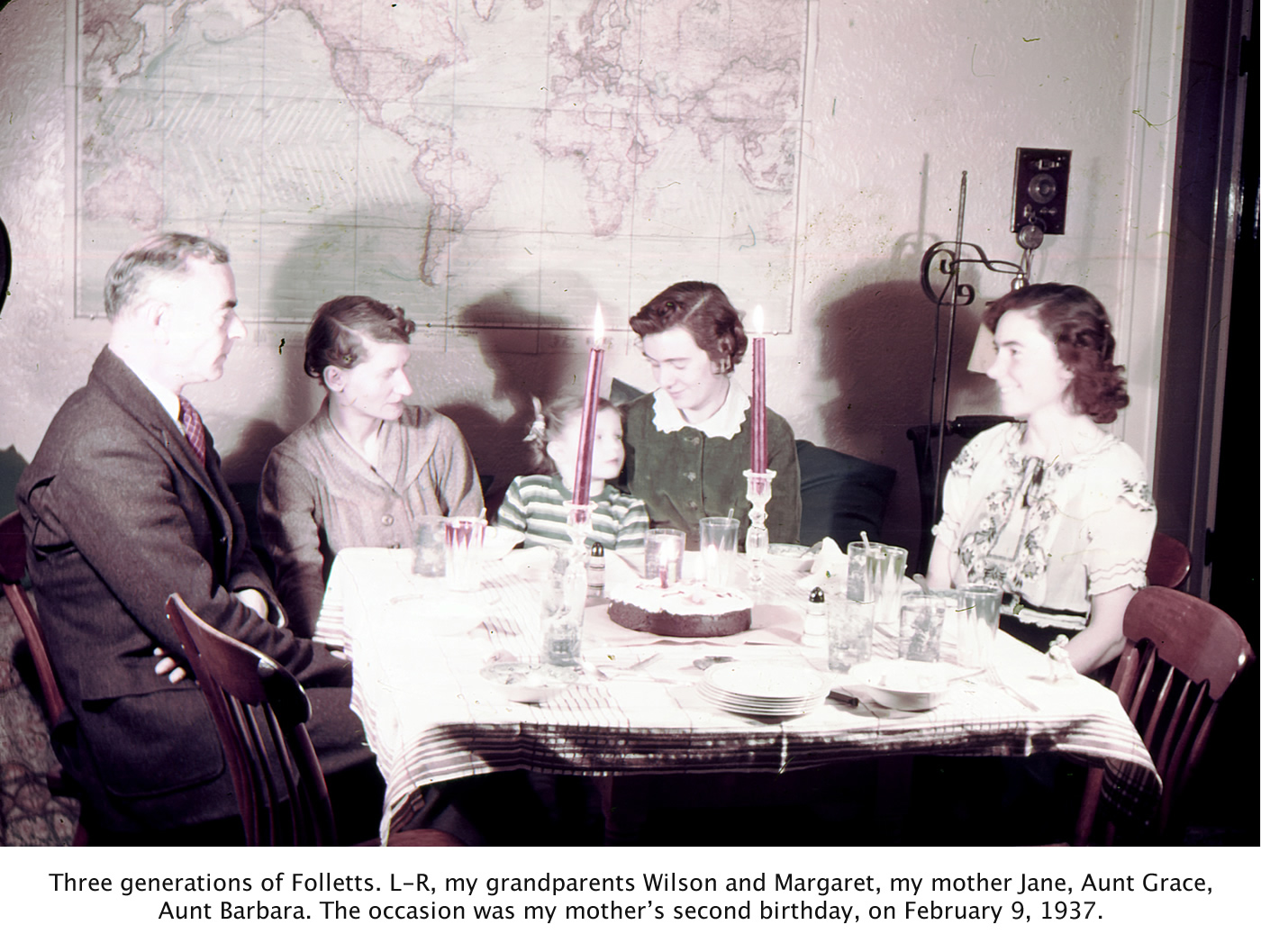
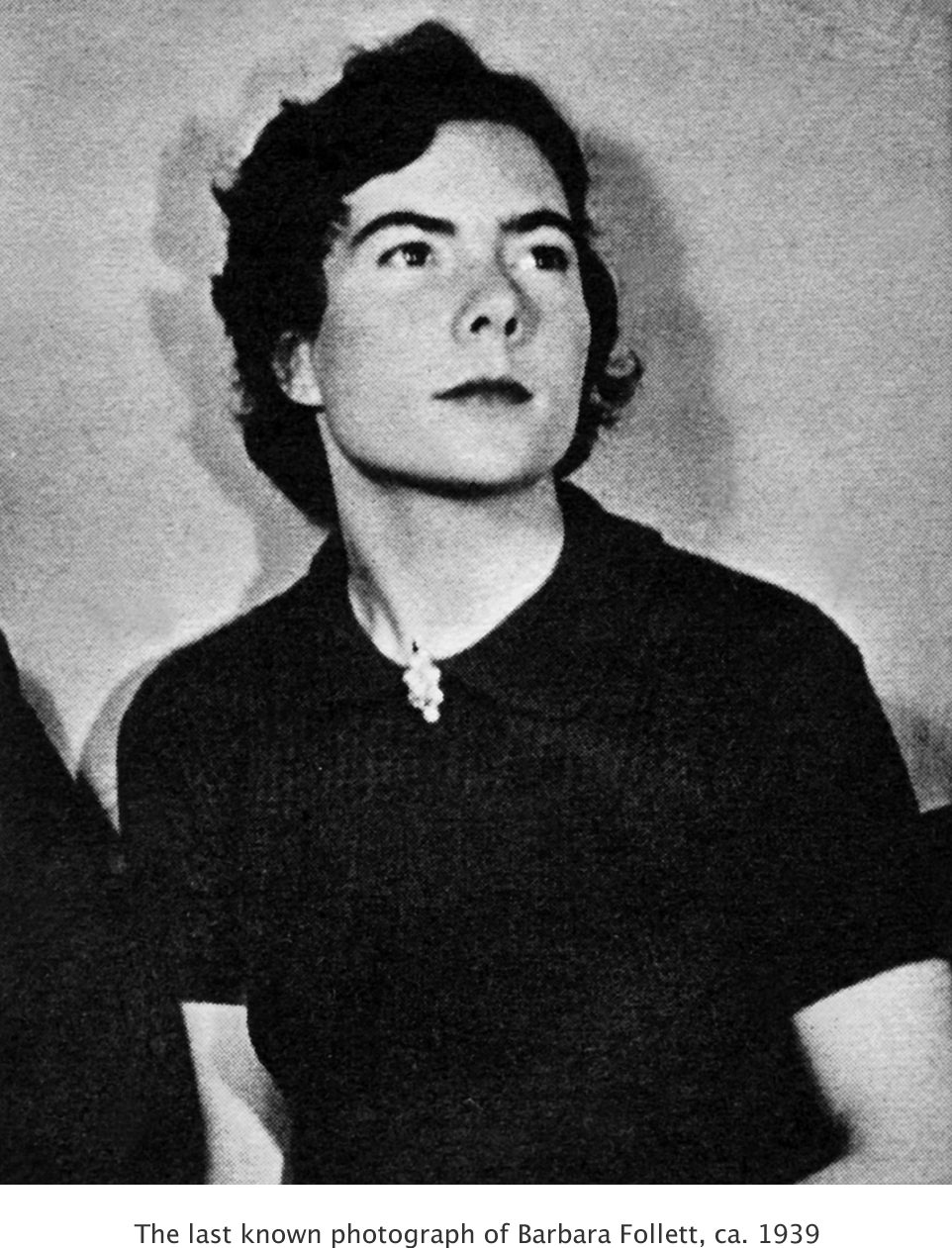
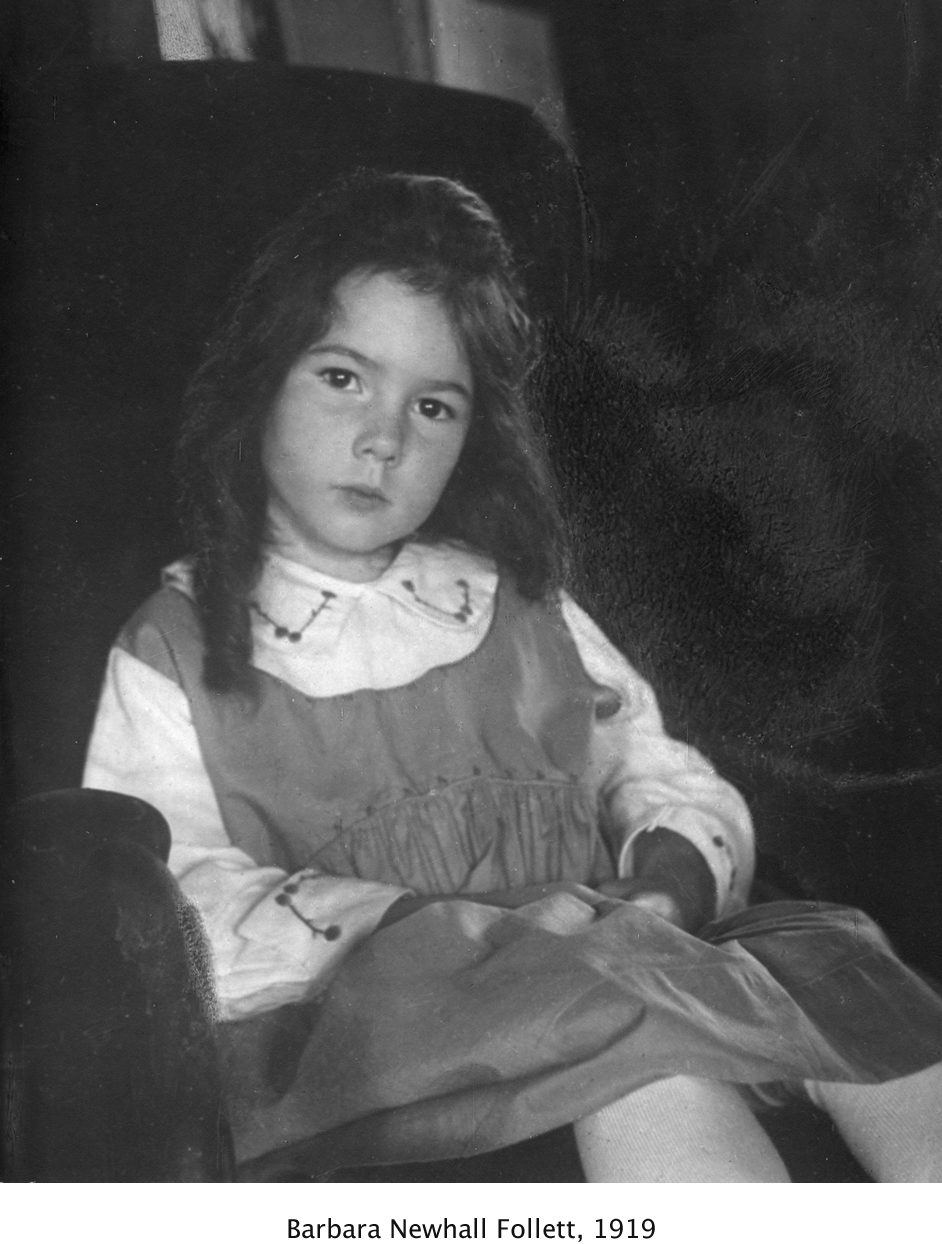
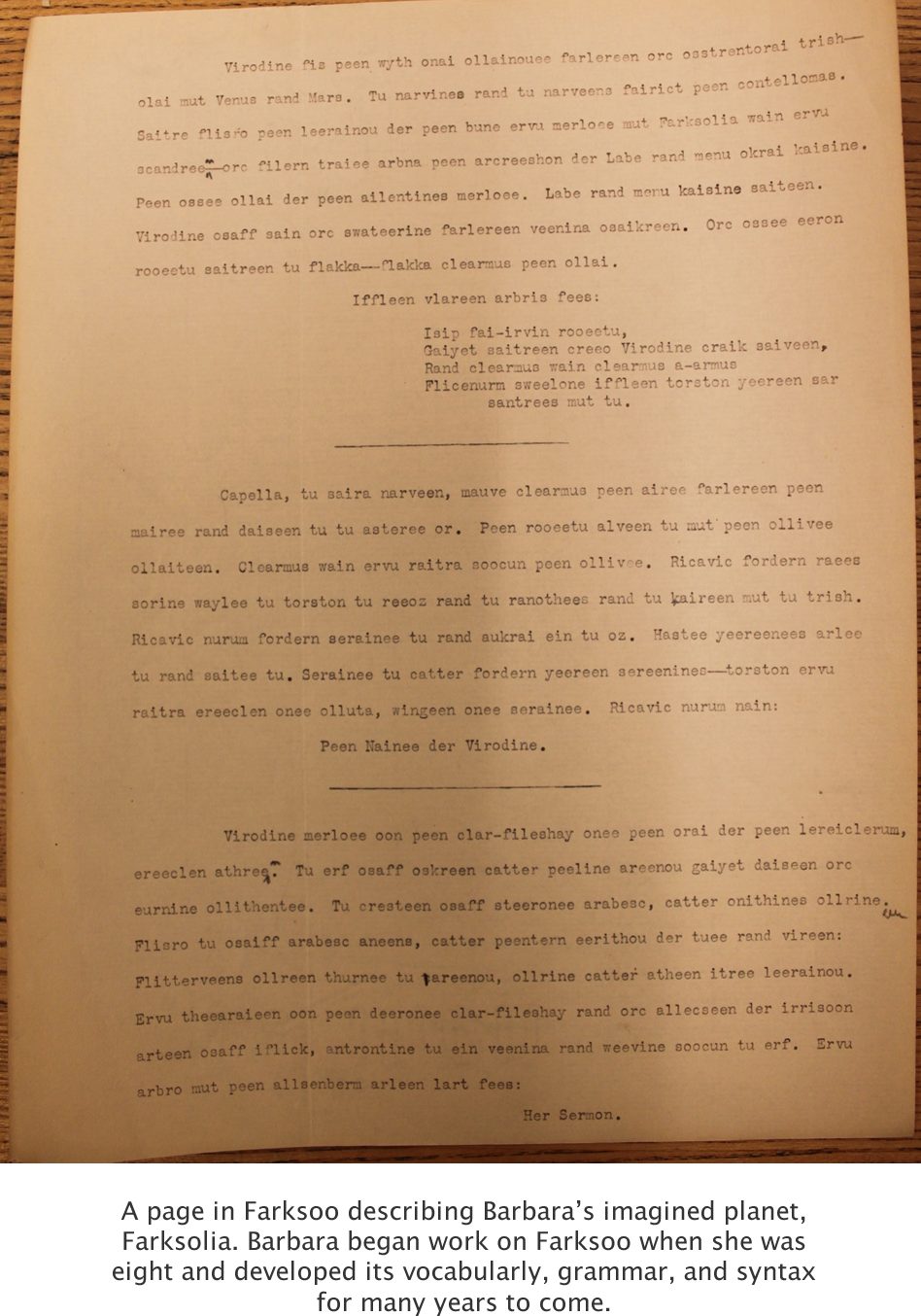
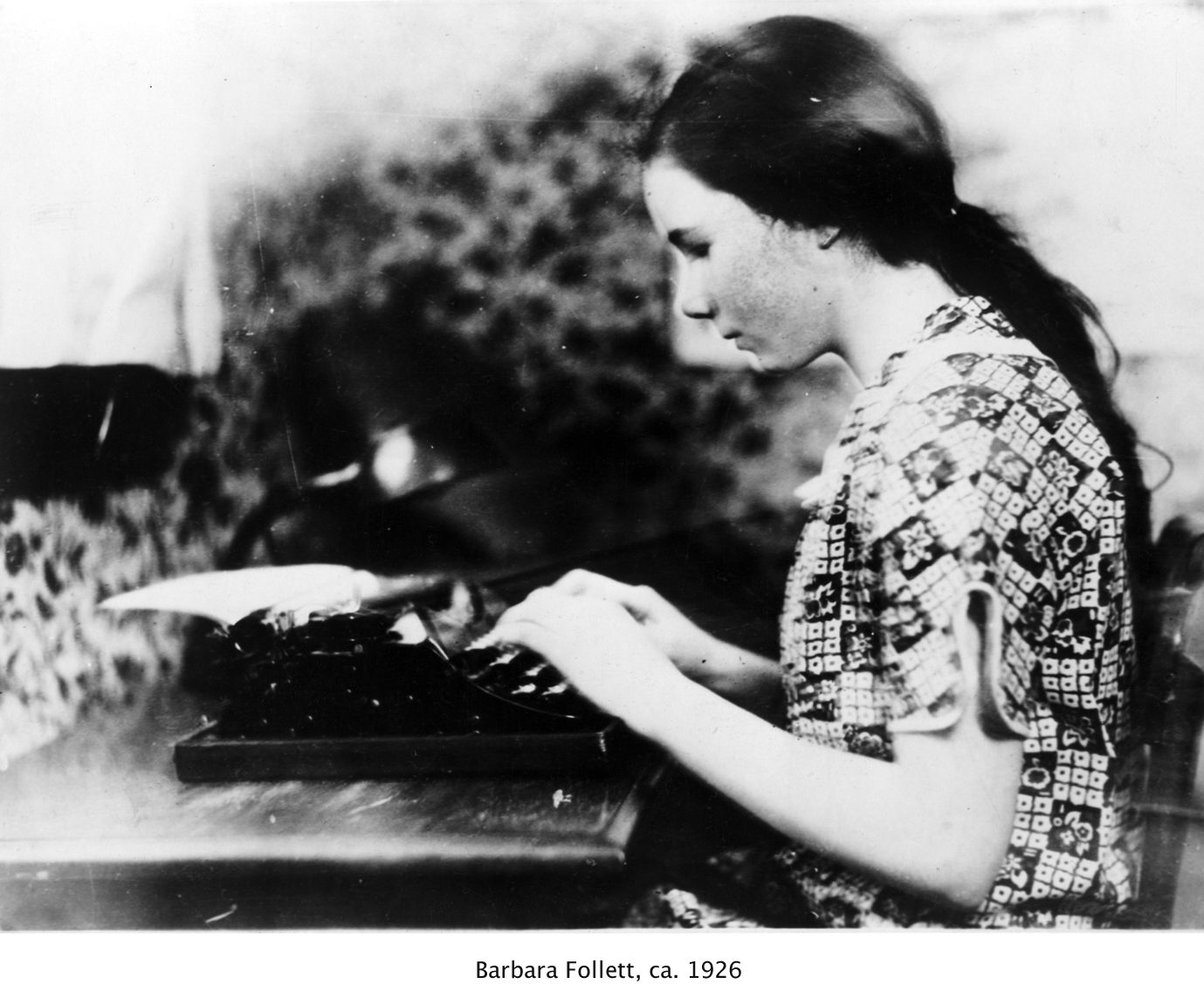
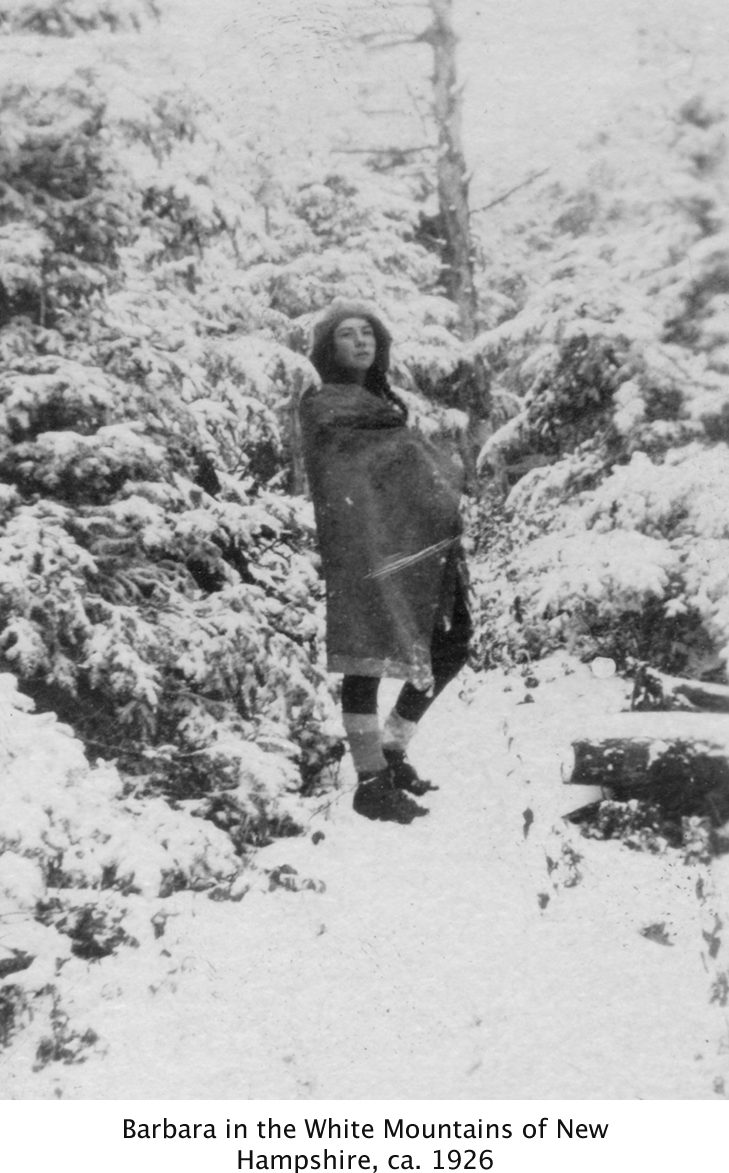
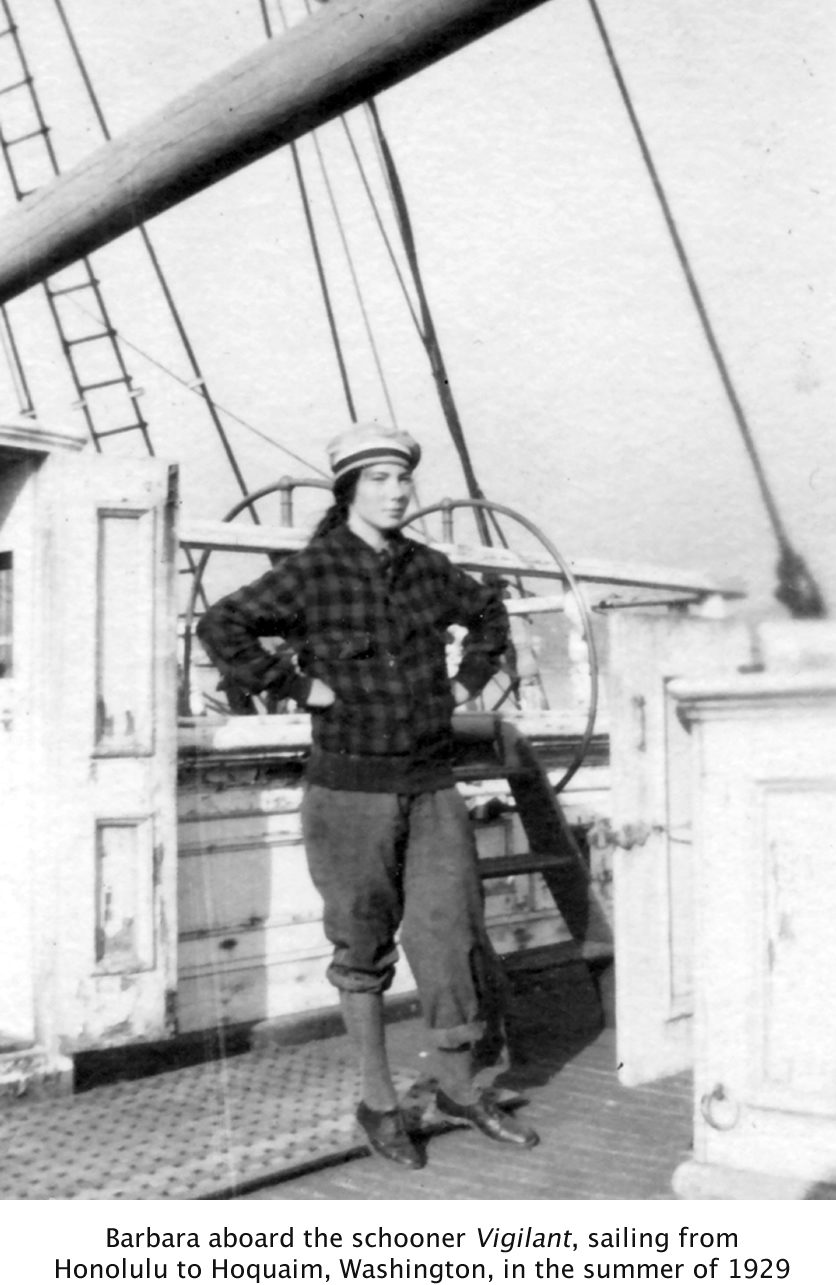
Image Credit:
farksolia.org
Getting in touch: BostonVoyager is built on recommendations from the community; it’s how we uncover hidden gems, so if you know someone who deserves recognition please let us know here.