





Today we’d like to introduce you to Shen Ning.
So, before we jump into specific questions about the business, why don’t you give us some details about you and your story.
Born in China and raised in the suburbs of Sacramento, I grew up watching Chinese historical dramas and loved the traditional dances and guzheng music in the shows. For years, I used the large window by the top of the stairs in my house as a mirror in order to dance to guzheng music during my study breaks. In college, I pursued this interest and joined Amber Dance Troupe, a Chinese dance troupe at Cornell. During my junior year, I was given the opportunity to study Human Sciences at Oxford University as a visiting student. There, I allowed myself to shape my identity and voice while defining my intrinsic motivations. It was also there that I began my journey as a ballroom dancer. After my first ballroom lesson at Oxford, I was immediately captivated by the energy and technique of the sport and began competing collegiately the following year after I returned to Cornell.
I came to Boston fall of 2015 to start my dual degree. I chose Boston not only because it is a hub for medicine and biotechnology, but also because of the large ballroom community throughout Boston and Cambridge. The tech-savy intellectual talents and entrepreneurial spirit in Boston and Cambridge make this place the perfect place for developing my academic and ballroom careers. I joined the Harvard Ballroom Team and hope to continue my passion for ballroom alongside my academic career.
Great, so let’s dig a little deeper into the story – has it been an easy path overall and if not, what were the challenges you’ve had to overcome?
As a child growing up in China, I was encouraged to be seen, but not heard. For over a decade, I struggled to find the right avenue to express myself. I have always been quiet and terrified of being in the spotlight. However, I knew I had to learn to get out of my comfort zone in order to be a performer and a future leader in medicine. I started small. I traveled to Budapest and Warsaw to work with disabled populations during my winter breaks at Cornell. I advocated for refugee Burmese refugee children in Ithaca by establishing an afterschool educational program taught through dance and the arts. Then in my senior year of college, I began to take ballroom more seriously and it changed my life. Initially, competitive ballroom dancing was a drastic step for me as it required me to truly express my personality through my dance and engage the audience and the judges through performance. During my first competition, I was a nervous wreck. I remember lining up next to the dance floor, terrified of messing up my routine and looking the judges in the eyes. My legs were shaking and my entire body was in fight or flight mode. For two years, I felt the same nervous energy as I lined up for every single round of my competitions. I forced myself to smile as I walked onto the dance floor and took deep breaths before getting into frame. Years later, I realized that a large portion of the sport is not just about the dance technique, it was also about the attitude. From the moment the dancer steps onto the dance floor, he or she needs to exhibit a confidence that captivates the audience. Each step is taken with intention and complete focus. It should look flawlessly easy, but concurrently, the intensity of each interaction with the partner or audience should be as if there was no one else in the room. I became more and confident with each competition and began to discover my own style, and in another sense, my expressive outlet. The confidence and focus I gained through ballroom has also translated to my career and personal life and completely changed how I view myself.
Alright – so let’s talk business. Tell us about Shen Ning – what should we know?
I am a MD/PhD candidate at Boston University and currently in my PhD studying neuroscience and completing my PhD dissertation research at the Genetics and Aging Unit at Massachusetts General Hospital. My research is focused on developing and applying nanotechnologies as therapeutic tools for Alzheimer’s disease. I am passionate about nanotechnology and its applications to medicine. My colleagues and I aspire to start a biotechnology startup to develop translational neurotechnologies to treat neurological and psychiatric diseases.
As a ballroom dancer, I spend most of my free time trying to understand body mechanics and body organization through ballroom technique. I enjoy learning about the elegant design of the human movement and how to use that knowledge to, essentially, create optical illusions on the dance floor. Human anatomy is incredibly complex and absolutely necessary for the fundamental understanding of how to produce efficient movement. Conveniently, ballroom is a dance style where my medical background is inextricably tied. Unsurprisingly, ballroom has become the language I use to express myself and the art form that has taught me as much about respect for others and effective communication as the dance techniques themselves.
One of the great things about ballroom is the opportunities to travel and meet incredible people at different competition venues across the country and internationally. The Harvard Ballroom Team was invited to attend the 20th China Ballroom Dance Federation Academy Cup Ballroom Dance Competition in Beijing, China. Nine members of the team represented the university at this event in Beijing this spring. It was an incredible opportunity to meet students from all over the world who share the same passion. Throughout the trip, I was very proud of the team work we exhibited as we navigated through a foreign country and the support we showed each other throughout the competition. It was a trip where the comradery of the team and dance partnerships shined, but this time it was not only on the dance floor, but also in real life.
Is there a characteristic or quality that you feel is essential to success?
Ballroom is both a competitive and serious sport. I spend, on average, 15 hours a week practicing and my weekends at competitions on top of a very rigorous MD/PhD degree. Outside the classroom and my lab, you can find me at a practice dance spaces or dance studios most evenings and on the weekends. My first time dancing as an open dancer was at a competition held by Brown University. My partner and I were running behind schedule and, needless to say, I was extremely frazzled. Upon arrival, I changed into my ballroom dressed and briefly warmed up with my partner before running to the lineup. The rest of the competition felt like a blur. I remember the cheering from the audience and the extremely sticky floor that prevented me from completing some of my pivots, but everything else passed so quickly. Then, there was the awards. We won second overall and first in Viennese Waltz. I was shocked, not only because it was my first time competing at a high level, but also because I had no expectations. That was the first of many moments where the hard work my partner and I put in had paid off. The four-hour long practices and endless debates about how all the new dance figures should work all contributed to our success at competitions. The dedication required of me to succeed in ballroom also made me a more dedicated and detail-oriented person, always pushing deeper beyond the base knowledge both in ballroom and in my academic pursuits. Balancing these two significant pursuits has been a major challenge and I had to learn to be more efficient and make sacrifices. However, it is an extremely satisfying journey and I have learned and hope to continue to learn a tremendous amount from these two avenues of my life.
Contact Info:
- Website: https://shenning358860579.wordpress.com/
- Email: sning@bu.edu
- Instagram: https://www.instagram.com/shennymoonnnn/
- Facebook: https://www.facebook.com/shen.ning.9?ref=bookmarks
- Other: http://www.harvardballroom.org/
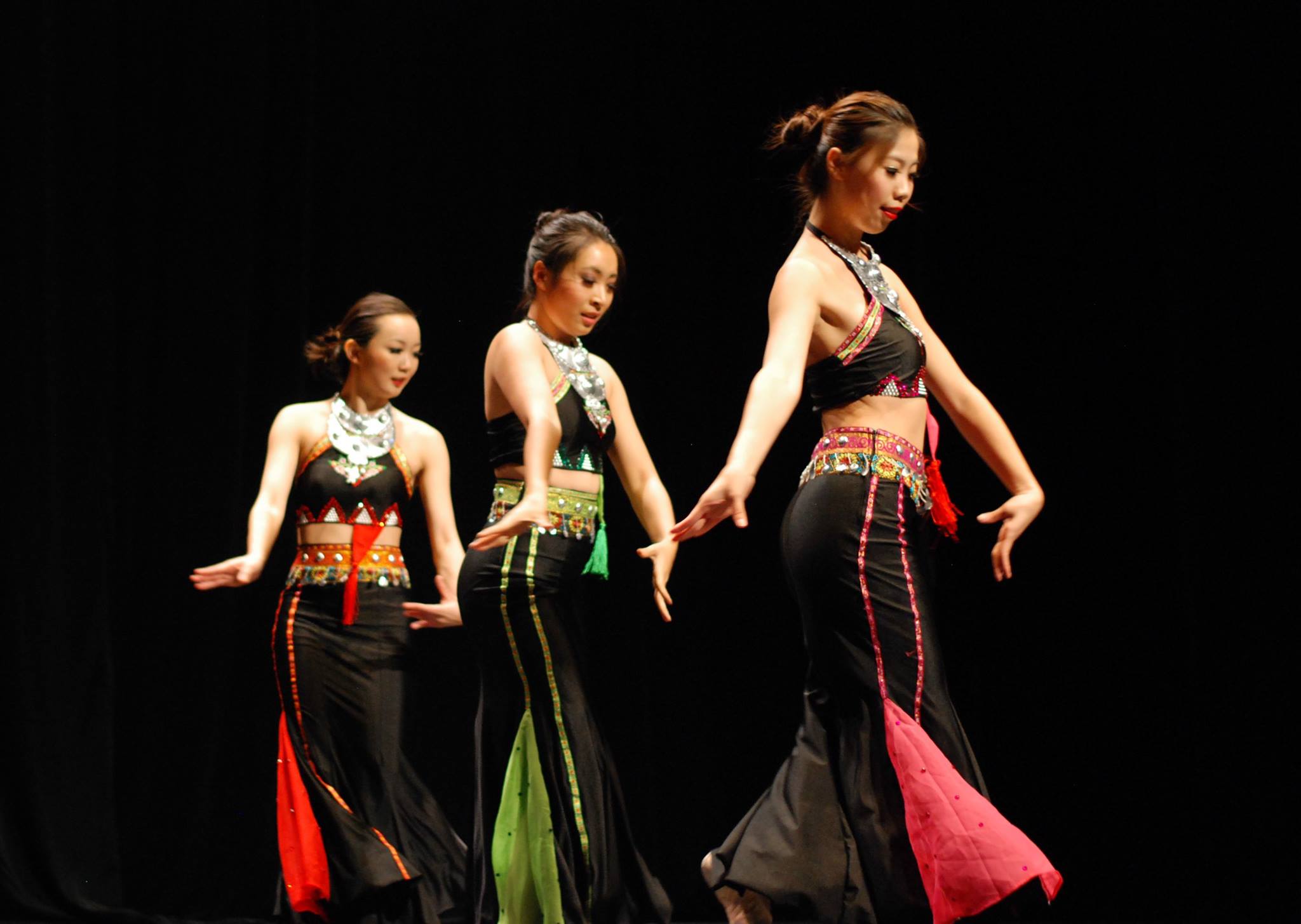
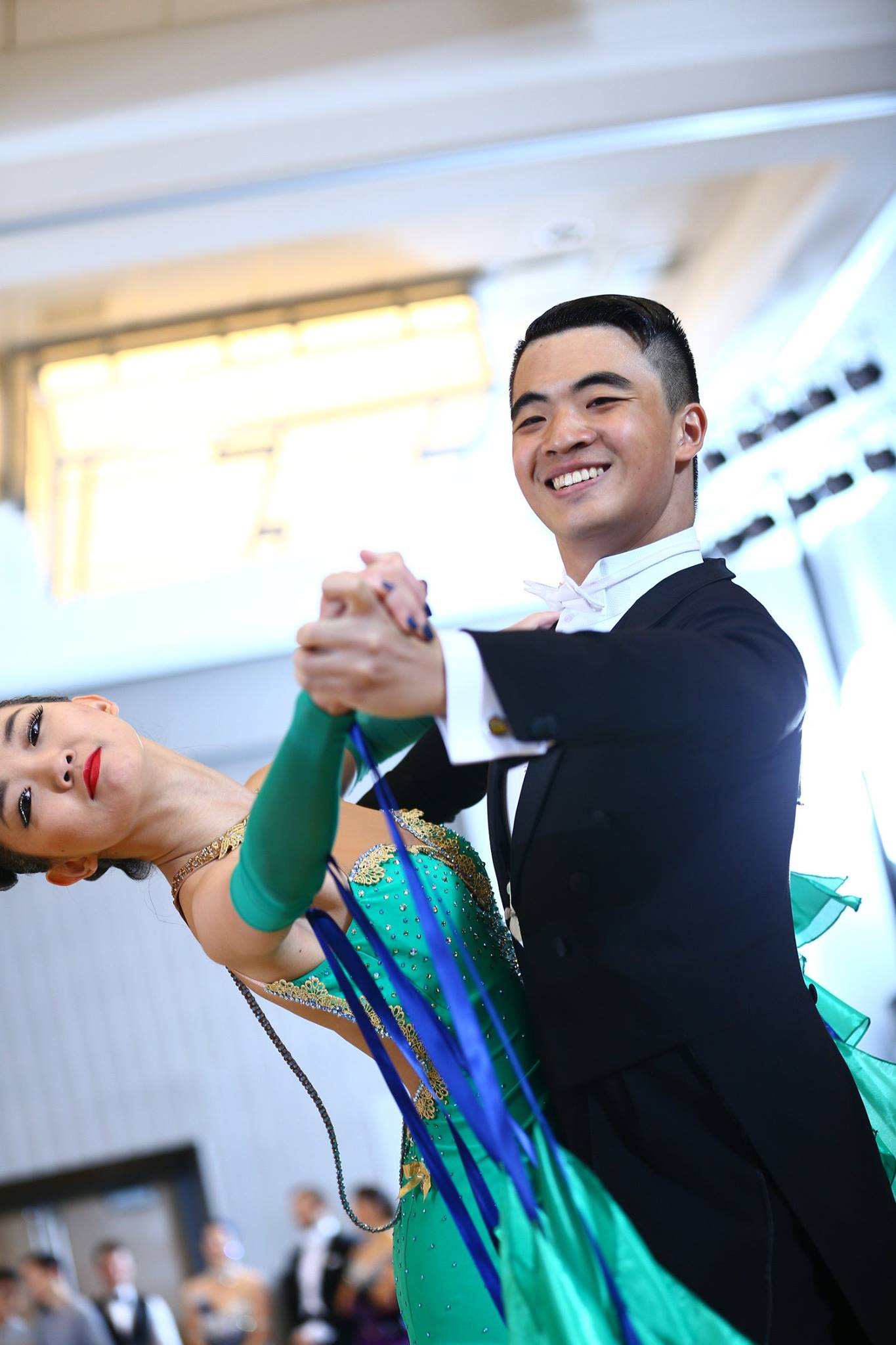
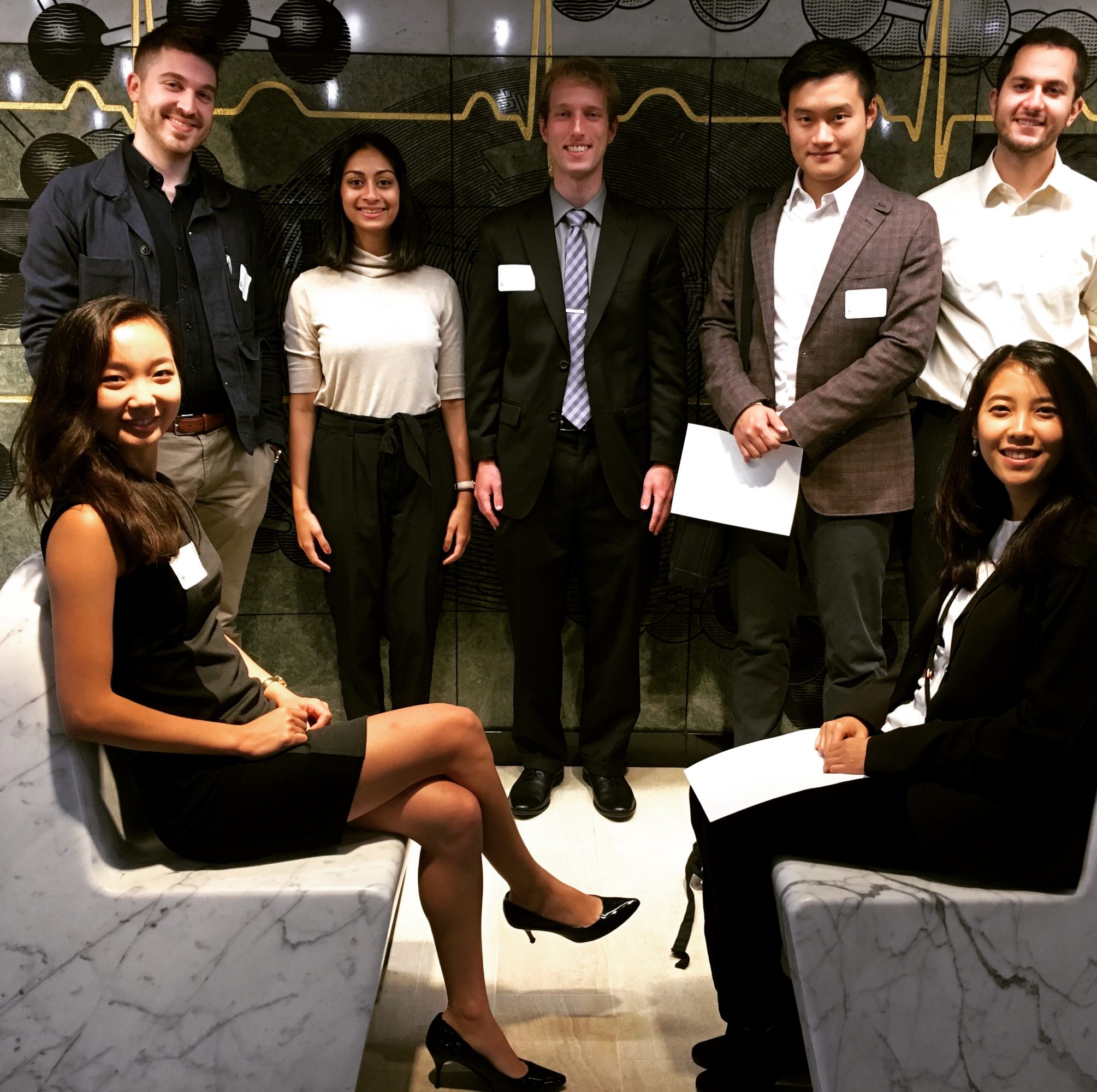
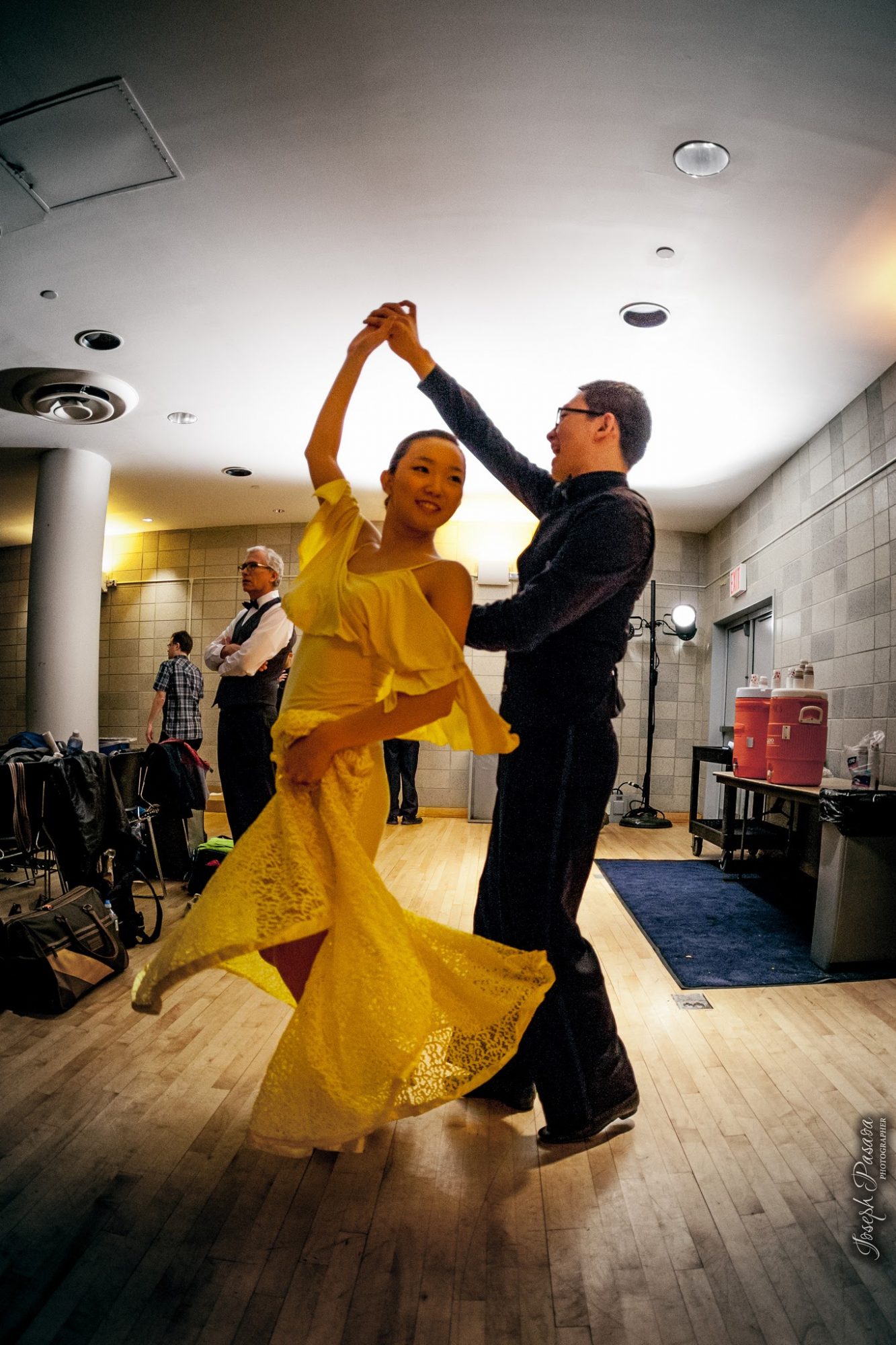
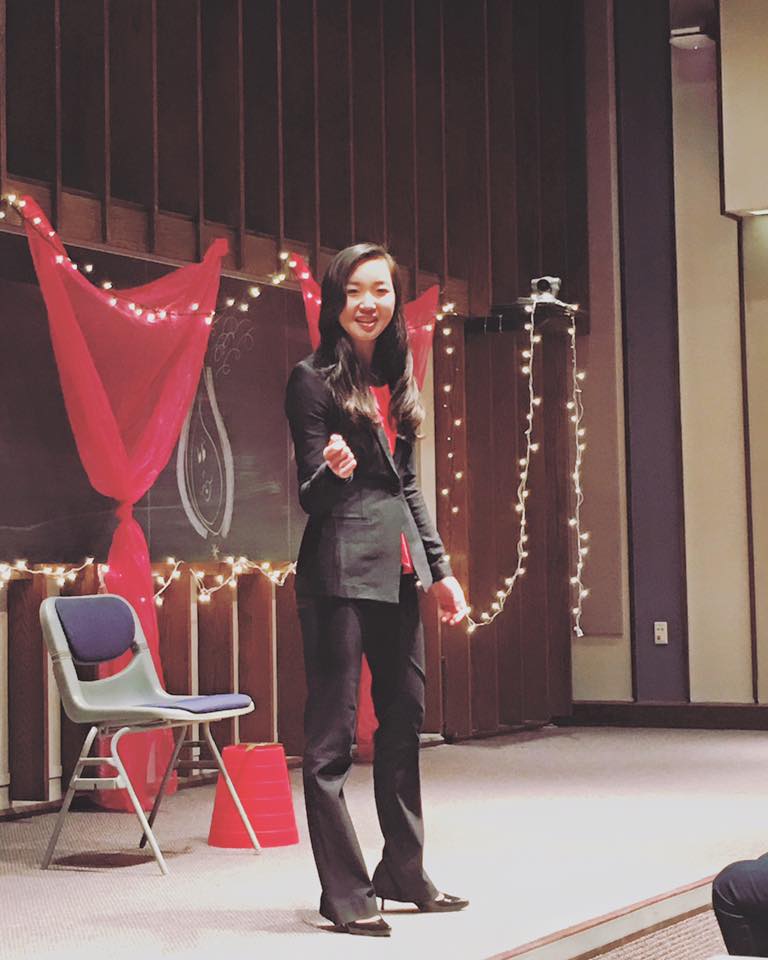
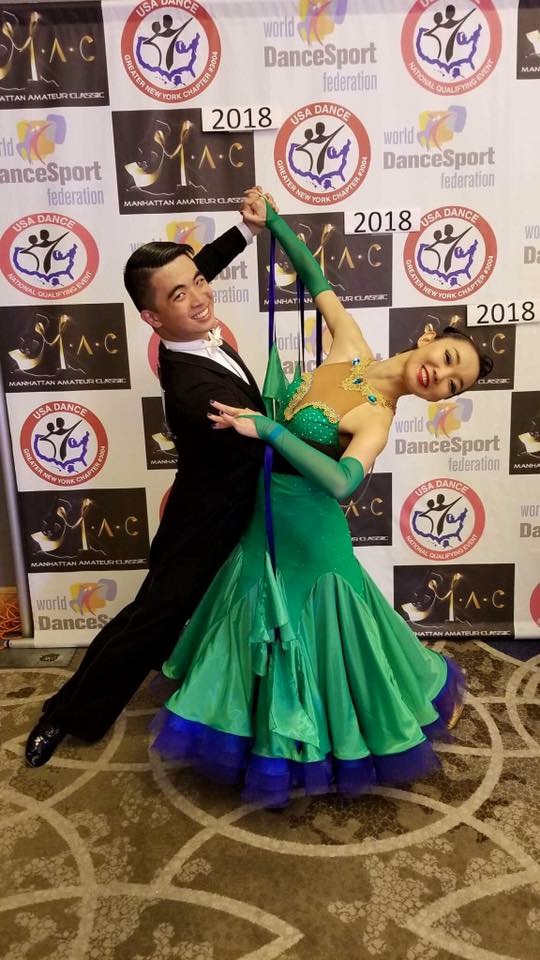
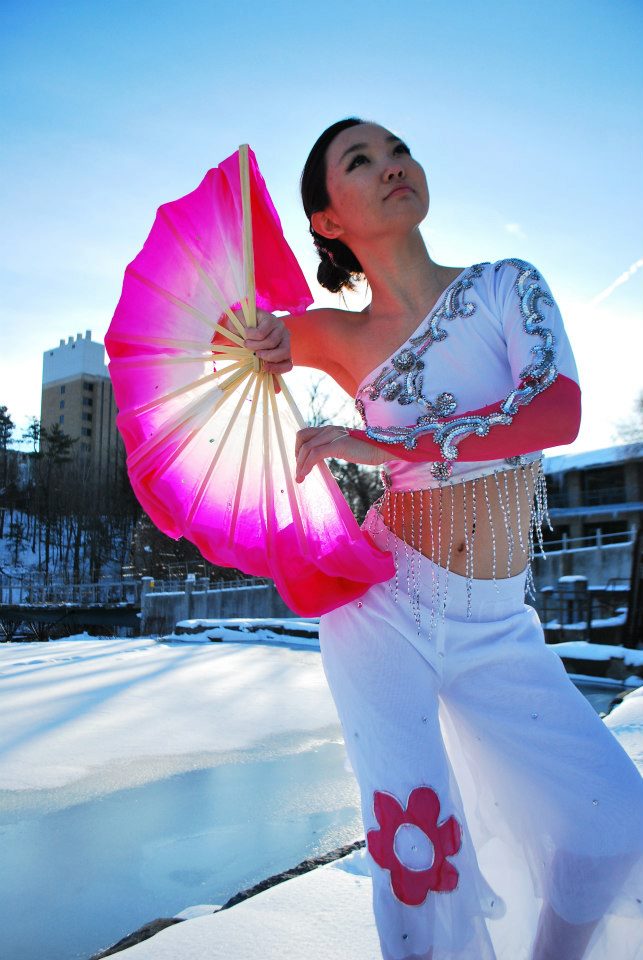
Image Credit:
Charles Chang
Kelly Yang
Getting in touch: BostonVoyager is built on recommendations from the community; it’s how we uncover hidden gems, so if you know someone who deserves recognition please let us know here.