



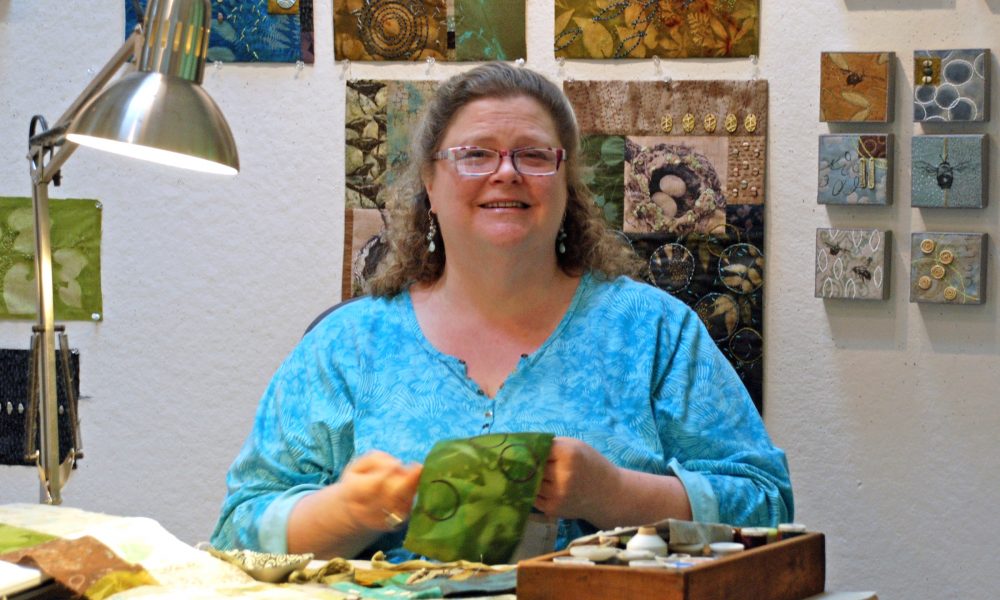
Today we’d like to introduce you to Sharon McCartney.
Sharon, can you briefly walk us through your story – how you started and how you got to where you are today.
When I was young, I had a daily and vivid connection to the natural world and my surroundings. I was aware of minute changes in growth and season, and was attuned to small details and discoveries by spending hours in the woods behind my western Pennsylvania home. I picked wildflowers, played in the creek and collected hundreds of feathers, stones, leaves and other natural objects. I was also fascinated with history, loved stories from earlier eras and objects that had been passed down or set aside. I loved antique stores and collected old linens, books, and other everyday objects with pasts alongside my nature treasures. I don’t remember a time when I didn’t draw, paint or stitch. I was the kid who had piles of projects in my very messy room, and I tried my hand at just about every art project or craft I could find.
Now I make textile constructions, paintings artist books, and small sculptures. These media are connected in my work as I often take an idea for a series and work on it in several disciplines at once, using some of the same drawings, found objects, and embellishments on different pieces. With languages of stitches, marks and patterns on hand printed textiles and papers, I connect to eras when people lived by the cadences of the earth, times when both subjects and symbolism had spiritual bonds with nature.
In the mid 80’s I came to Boston to attend grad school in Art History at BU. I loved living in the city, and my studies helped me to develop a critical eye and introduced me to a rich variety of approaches and ideas from all kinds of eras and cultures. I got my master’s degree and stayed in the city for a few years, first working in a gallery and then as an art consultant. I enjoyed working with other artists, putting together shows and selling art, but the lure of producing my own work was too strong, and I eventually turned to making my own art full time. Happily, this is what I’ve been able to do for the past 25 years.
From the city to the suburbs to the countryside is my story. I lived in Lexington for several years where my studio was in a still working pipe factory. My favorite sources of inspiration in these years were walks taken in the conservation lands in Lexington and Lincoln, and my favorite haunt, Garden in the Woods in Framingham. I continued to create work that was about Nature and pattern, and began to incorporate old textiles and ephemera in my work. That was also when I started making artist books, and I created and ran an organization called Boston Book Arts with another book artist, Marcia Ciro. The group continued to meet for several years, and we hosted lectures, workshops and other events throughout the Boston area. During this time I exhibited my work on Newbury Street, in Pittsburgh, along the coast of Maine and in other galleries throughout the country, and taught workshops in book arts, textile constructions and surface design.
In 2004 the factory closed and I was faced with finding a new studio space. I decided to make the move to Western Ma where I would have the opportunity to design and build my own studio in the woods, coming full circle to reconnect and immerse myself in woodlands once again. The Pioneer Valley is full of craft artists and painters and as a cultural community it is rich with events and opportunities to connect with all aspects of the arts. It took a while to get used to the quiet and slower pace of the western side of the state. I had to create new rhythms for working and thinking, but the peaceful surroundings have been enriching. At times it feels as if my work today is solely focused on returning to that pure state of attentiveness that I found in nature so long ago. The need to collect, to hold, to marvel and to preserve has always been there and continues to inform the pieces that I make.
Has it been a smooth road?
I can’t imagine any artist having a smooth road. Opportunities to show and attention for your work waxes and wanes with trends in the economy and in the art world. The times I identify as “struggles” have either been ones of circumstance or personal growth. I see the times when I lost my studio space, when a major gallery of mine closed, or an organization I was involved with had to shut down as times that pushed me to create something new for myself–a new studio, new opportunities to show, to give myself more time for my work. Difficult periods in the studio have usually signaled transitions in my work, forcing me to come up with new approaches and to find new solutions and challenge older ways of working.
So let’s switch gears a bit and go into the Sharon McCartney Art story. Tell us more about the business.
I am a mixed media artist. I create paintings, textile constructions, art quilts, artist books and mixed media sculptures. I begin by making a lot of the materials that I use, printing my own designs on fabric, cutting up and painting over old papers, For each new series I make, I spend a few weeks making up a palette of new fabrics and working up a set of drawings that will be transferred to my surfaces. I also collect found objects to incorporate into the pieces, collected from the natural world –stones, bits of wood, feathers, beach glass, and from the antique world–ephemera, old textiles and other oddities.
My work is about collecting and a life-long passion for objects found in the natural world, my source of sanctuary, wonder, and personal rhythm. Birds, wildflowers and insects rendered in extensive detail, are set within layered histories of surface pattern. They have become personal icons, representing themes of vulnerability, transformation, and survival.
Integral to my work is the use of layering and collage. Images are embellished with stitching and personal “text” markings. These elements reflect encounters with the natural world where with collected views and flashes of details pass through our senses and form our experiences.
How do you think the industry will change over the next decade?
In the art world trends do come and go, and while I take note of them and keep aware of them, I long ago decided that my art has to reflect my own concerns and interests. While conceptual art, particularly art with political themes, as well as art that addresses the digital world have been getting a lot of attention for some time, I am not part of that group.
My art is one of a smaller, more personal focus. I place a lot of emphasis on the evidence of the hand–hand stitching, hand printing of fabric, hand sewing book pages together, unique marks and painted surfaces. I believe that you just have to keep doing the kind of art that is most authentic to you and you will find an audience for it no matter what the trends. And I think there is a place for art that asks smaller questions that still lead to universal answers, art that provides respite from the cacophonies of the greater world and allows the viewer to focus inward.
Contact Info:
- Website: SharonMcCartneyart.com
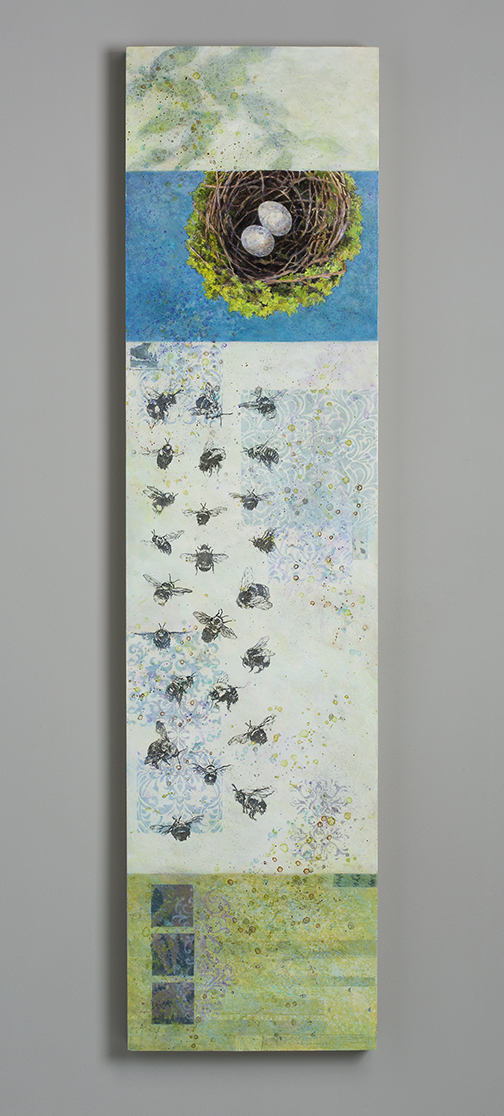
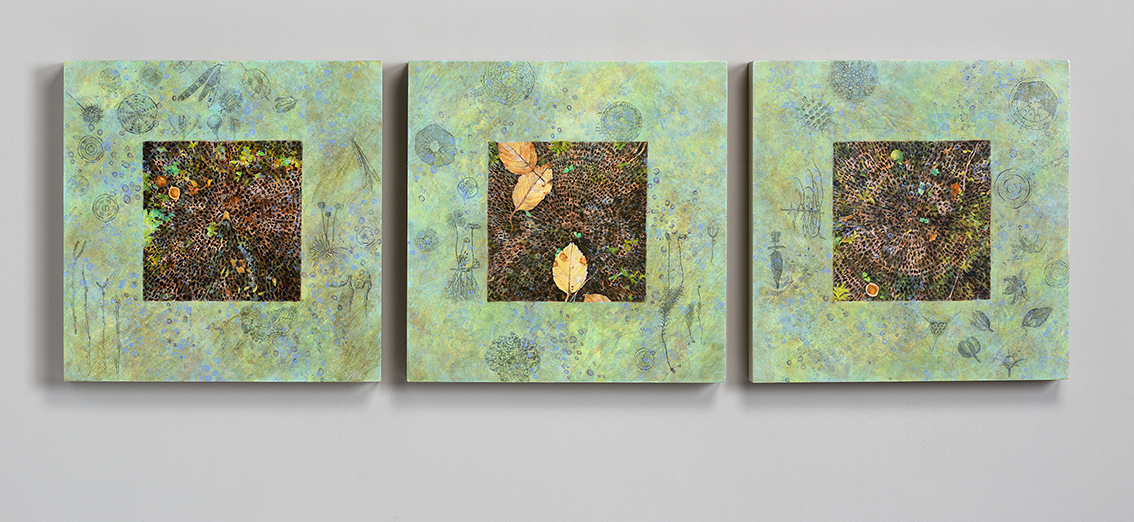
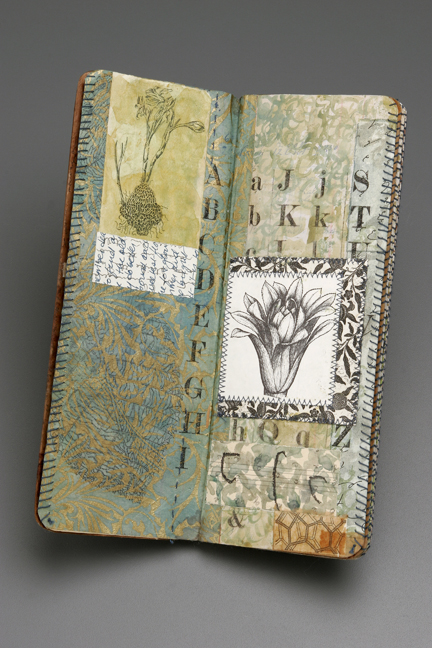
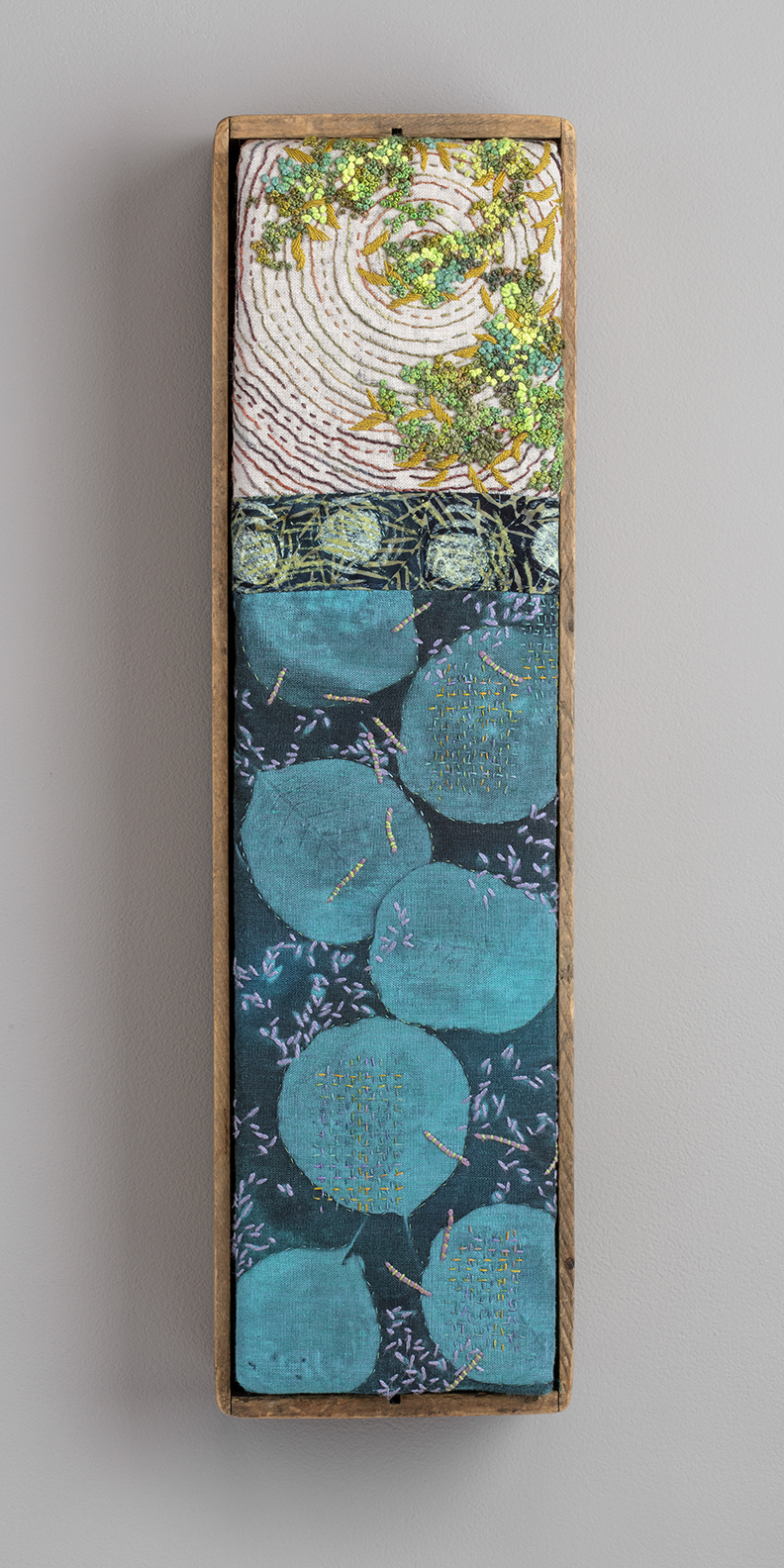
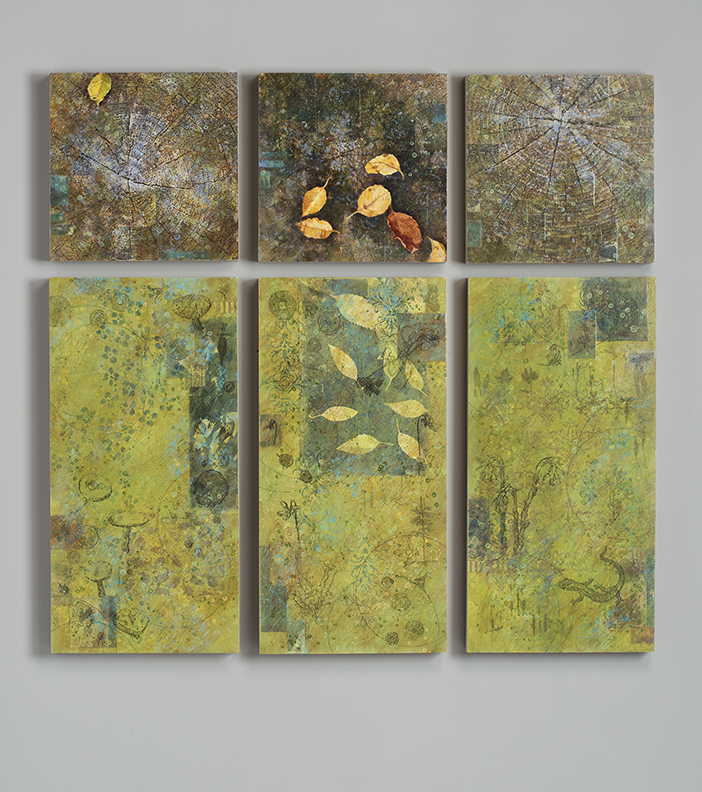
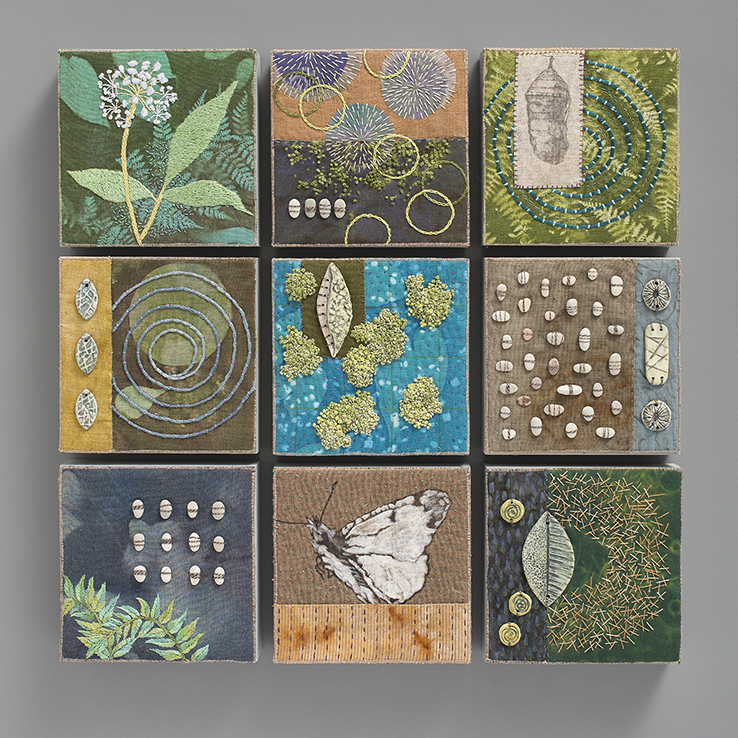
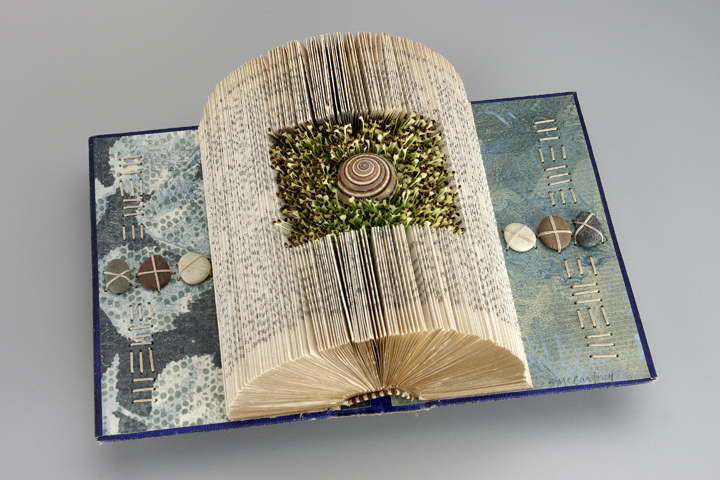
Image Credit:
All artwork photo by John Polak Photography
Getting in touch: BostonVoyager is built on recommendations from the community; it’s how we uncover hidden gems, so if you know someone who deserves recognition please let us know here.