




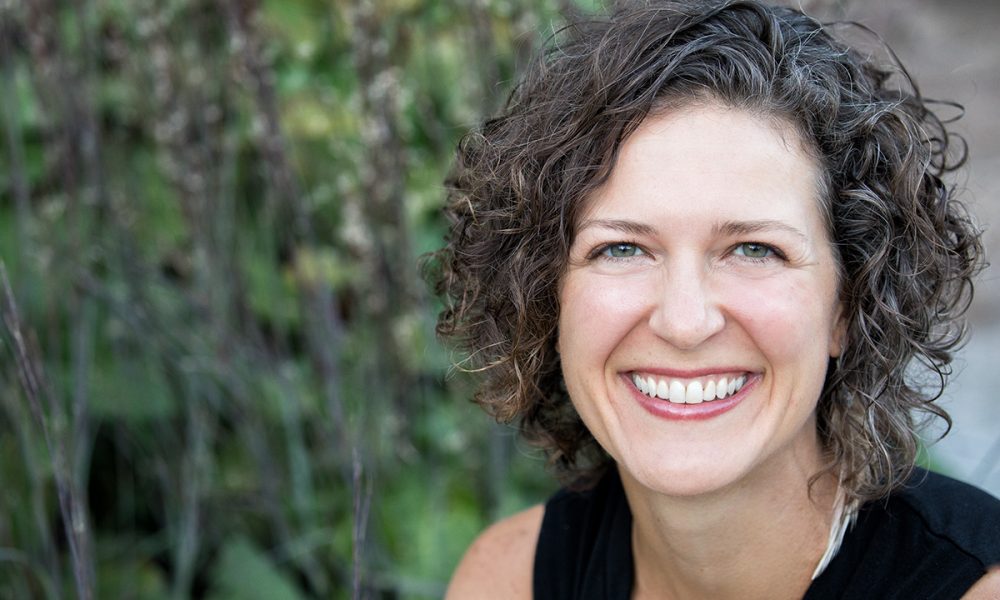
Today we’d like to introduce you to Natalie DeNormandie .
Natalie, can you briefly walk us through your story – how you started and how you got to where you are today.
I have always have had a connection with plants: when I was very young, I played underneath a massive juniper in our side yard in Utah; at age 9, I keyed out a rocky mountain columbine using a little book my mother tucked into my stocking; my first job was at a nursery planting pots; and at the University of Utah the world of plant preferences opened up with a course on botany that visited twelve different habitats. I started to understand some plants live very specifically, in close-cropped habitats, and some are generalists. I studied botanical illustration at the Red Butte Arboretum, where I learned to look closely at plants, then transferred to Utah State University for my first degree in landscape architecture. I worked for CRJA in Boston, and then returned to school for a Master’s degree in landscape architecture at the Harvard Graduate School of Design. I also took the full certificate course in native plant studies at New England Wild Flower Society (NEWFS) where they require ten local and varied field trips, so I got to know the rich and varied ecology of New England. I started my practice in 2005 and two years in, started to really focus on plantings that were both ornamental and edible or useful in building the soil or providing a nectary for beneficial insects and birds. I felt that my work needed to actively support my love of the environment, and that I needed to help educate clients – knowledge leads to deepening engagement with landscape and its sustaining plant palette. I want to help people access the delight plants bring. I encounter a lot of plant blindness; my work actively challenges people to see plants as functional, necessary, beautiful, and alive – part of the collective ‘we.’ I work with clients that love food, and want to grow interesting plants or show their growing children where certain foods come from, ground up. I work with people that love the environment and want to make maintenance and care decisions that work for the planet and the down-stream and long-term. I give classes on plants at Drumlin Farm and the Boston School of Herbal Studies to help raise awareness. I continue to be involved with NEWFS and native plant organizations as well as several farming groups (BFA, NOFA) that understand soils better than most of my design colleagues. Healthy plants grow from stellar soils – and vibrant plants make people really happy. In my work, healthy plants chosen for the right habitat equate to the best quality paints, skillfully applied.
Great, so let’s dig a little deeper into the story – has it been an easy path overall and if not, what were the challenges you’ve had to overcome?
My early work centered on the foodie boom in the Hudson River Valley. When I had my first child, I realized the three to four hour drives several times a week to get to my sites and clients weren’t going to be sustainable. I was very sad to leave my wonderful clients in that vibrant community and yet, over the past decade, the Boston area has embraced local, very fresh food. Many clients understand the importance and wonder of growing-your-own, especially ornamental gems like currants and elderberry. I sometimes struggle with the messaging – people think food gardens means vegetables in rows. What I do is more like polyculture forest gardening with 10-25% food production blended with a highly ornamental, seasonally dynamic, and richly bio-diverse planting that delights and feeds, wholly. I’ve had trouble finding help that has the background of plant breadth that I need. There are lots of landscape architects that know trees, but may not have the deeper ecological underpinnings of smaller non-woody plants, soils, and diverse fauna, as well as an understanding of the interrelationships and habitats in order to puzzle together the systems that we integrate onto sites. I had to find farmers to help with building soils. I work with small scale artisans for masonry and iron work, so they can install more sensitively and with fewer big compacting machines. I work with restoration companies to get a handle on the underlying habitat and to source seed with provenance so the germination rate and vigor is better. The architects I love to work with are doing net-zero energy homes and really care about integrating the structure to the site. The team building has taken over a decade. I treasure those relationships because it isn’t always easy to find people who what to do things in the most careful and thoughtful way. There is beauty inherent in a mindful of process.
Please tell us about SegoDesign.
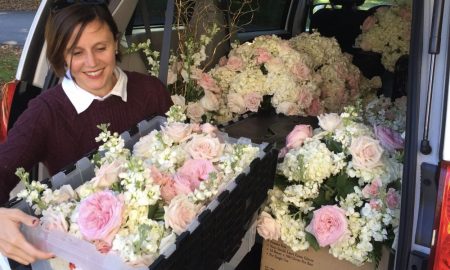
SegoDesign is a landscape architecture practice with a focus on artful plantings with edible species. I love working with people who love food. My favorite past public projects include the outdoor garden at Oleana Restaurant in collaboration with chef Ana Sortun; the edible South Boston planting with Utile at First & First, which attracts bees(!) in the middle of a concrete jungle; the sunflower and soil-building edible border installation on the Rose Kennedy Greenway; and the Cafe Courtyard at DeCordova Sculpture Park and Museum. I also do a lot of work with residences and have built orchards and forest gardens, tea borders, native New England ephemeral woodlands, and replaced lawns with colorful and ever changing plant tapestries. I love creating custom steel and/or wood designs for supporting plants, and I love educating clients about how to care for, harvest, and eat their landscapes. My dba company, FloraVerdura, houses my blog – a free resource for clients to deepen their knowledge of the plants we brought to their gardens. There are plant monographs, garden care tips, simple recipes and basic herbal information on the site. There is also a shop to give access to floral and herbal bouquets to plant lovers that don’t have the space or the budget for landscape design services. The bouquets come with a weekly newsletter of information about what is in the bundle for the week, what is edible, and how to use it.
Do you look back particularly fondly on any memories from childhood?
I loved sitting on the almost lateral arm (at least 22″ in diameter) of a giant silver maple in our front yard, reading. My other favorite perch was a huge black pine in the back yard which looked out across Cottonwood Creek to Mount Olympus in the Wasatch Range. I found out last year that my favorite nature author, Terry Tempest Williams, grew up in the same house and would gaze at that exact Mountain View as a child. It is a confluence that gives me so much strength in my desire to help reintegrate the human spirit to the environment. I’ve read everything she’s written over the past 20 years – to find out we shared that particular angle of those gorgeous, inspiring peaks.
Pricing:
- A typical small custom planting design averages around $5,000
- Master planning for a property averages between $8,000-$12,000 for a 2-6 acre site
Contact Info:
- Address: Stow Street
Concord, MA - Website: www.segodesign.com
- Phone: 617 335 8731
- Email: natalie@segodesign.com
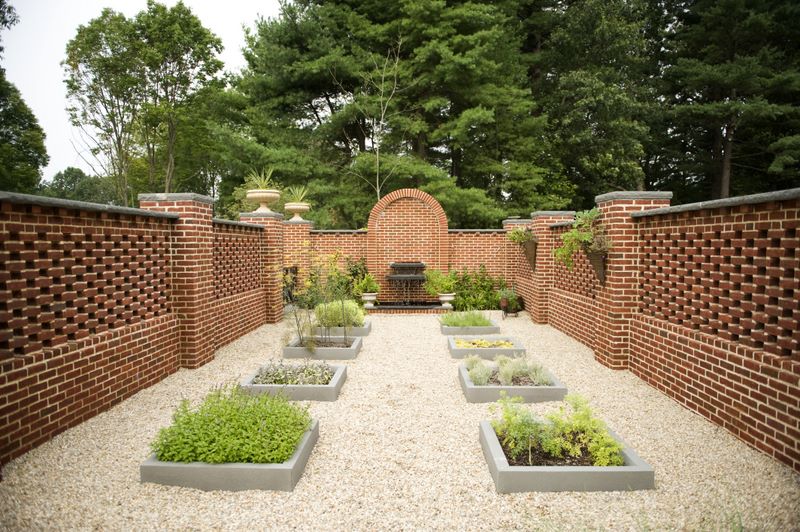
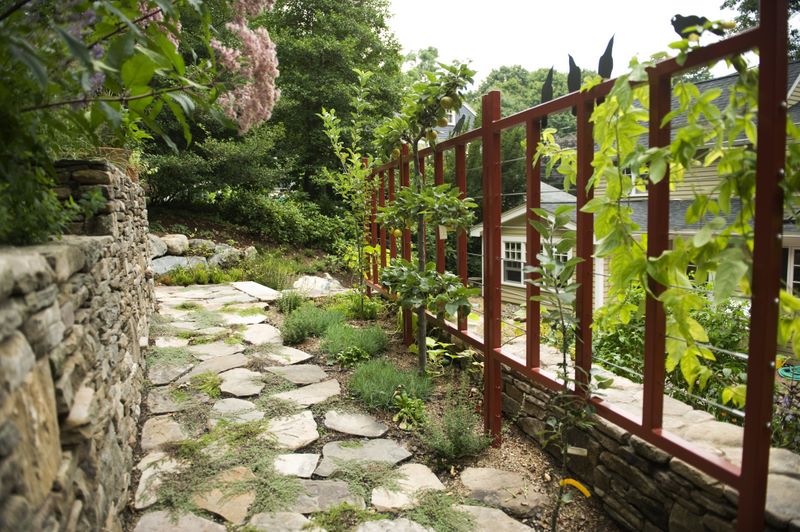
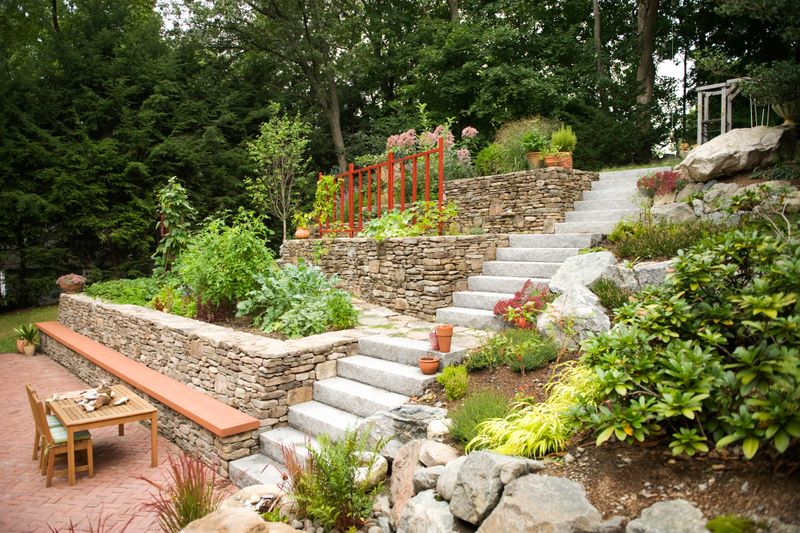
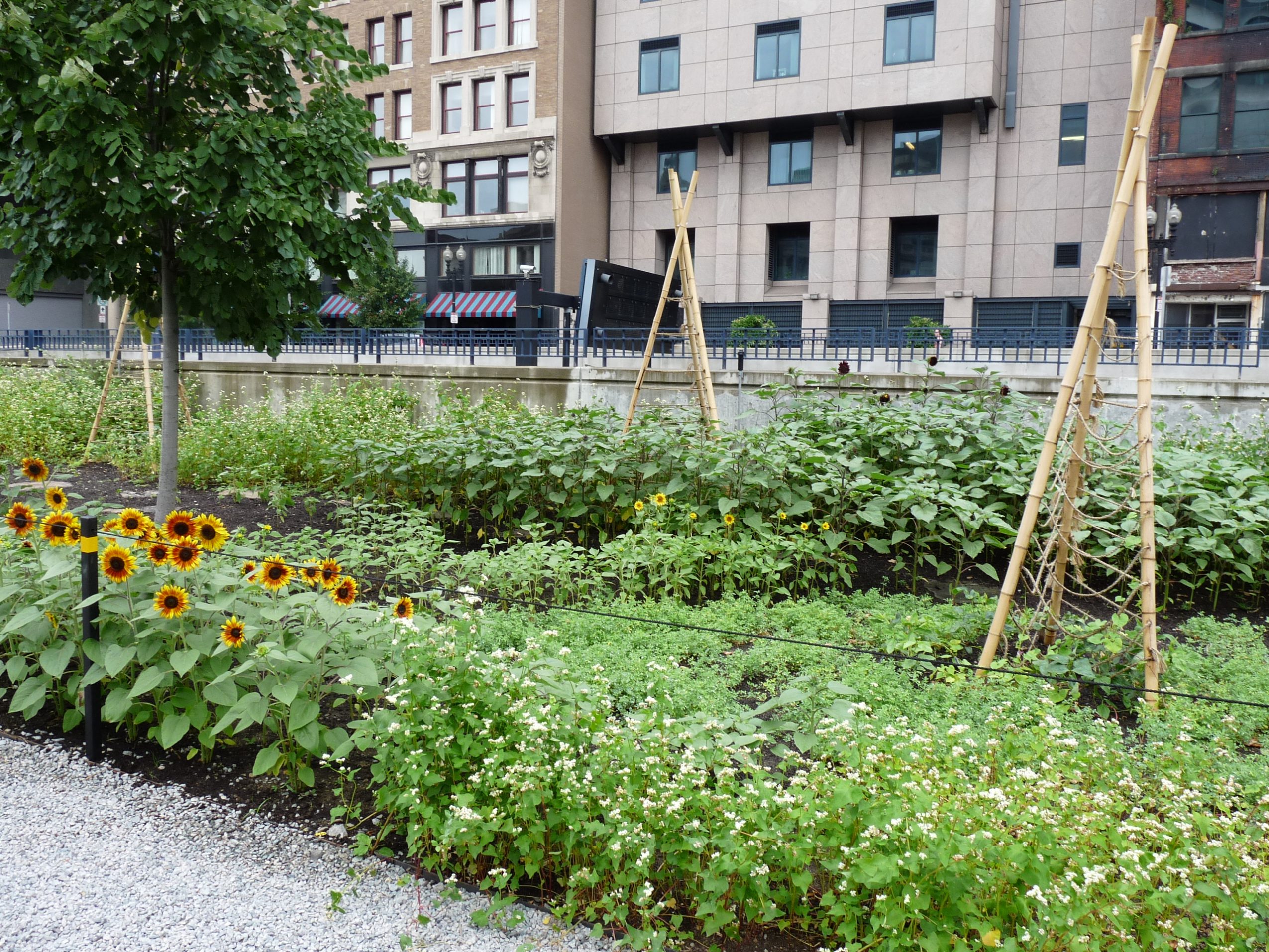
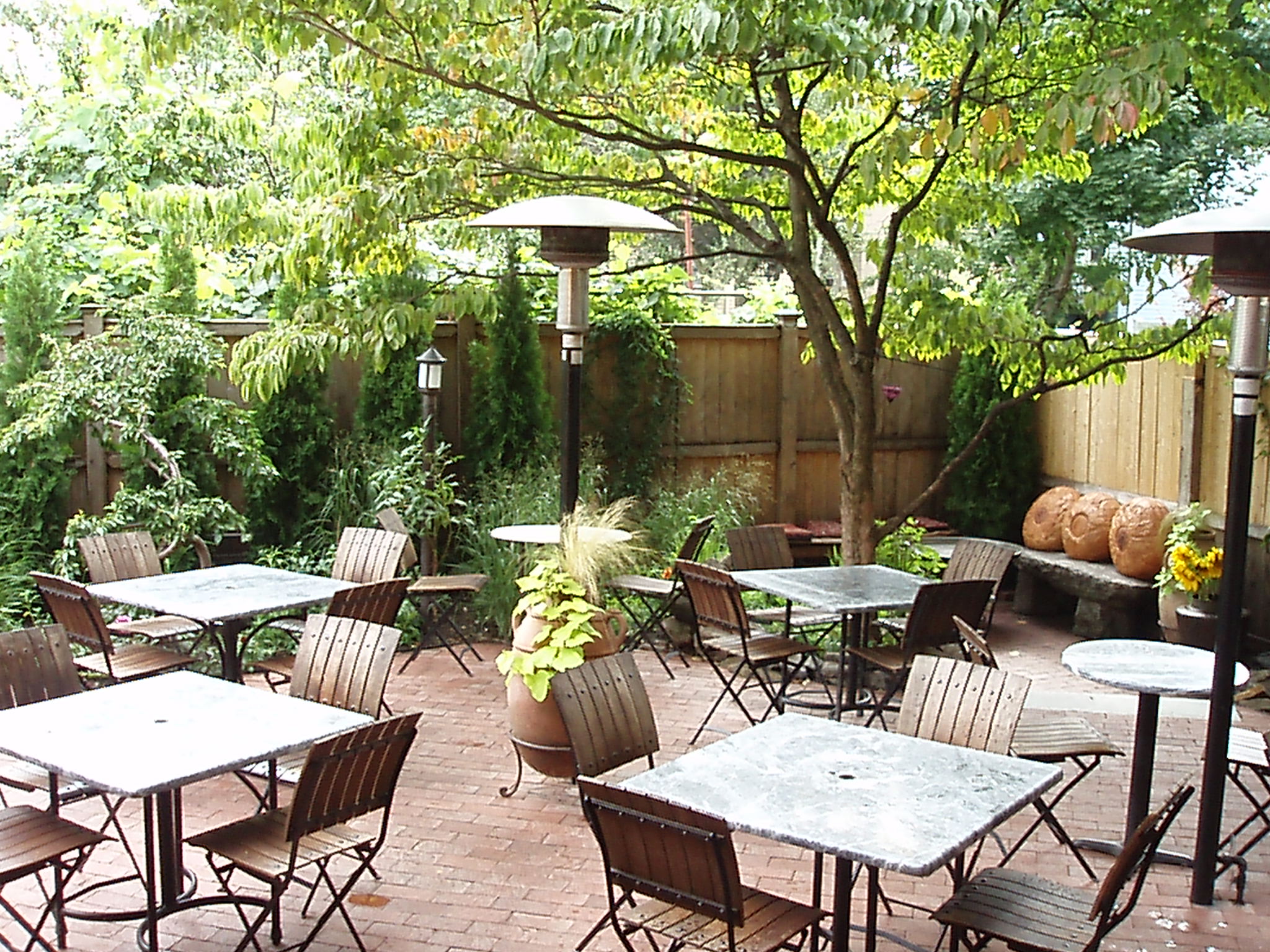
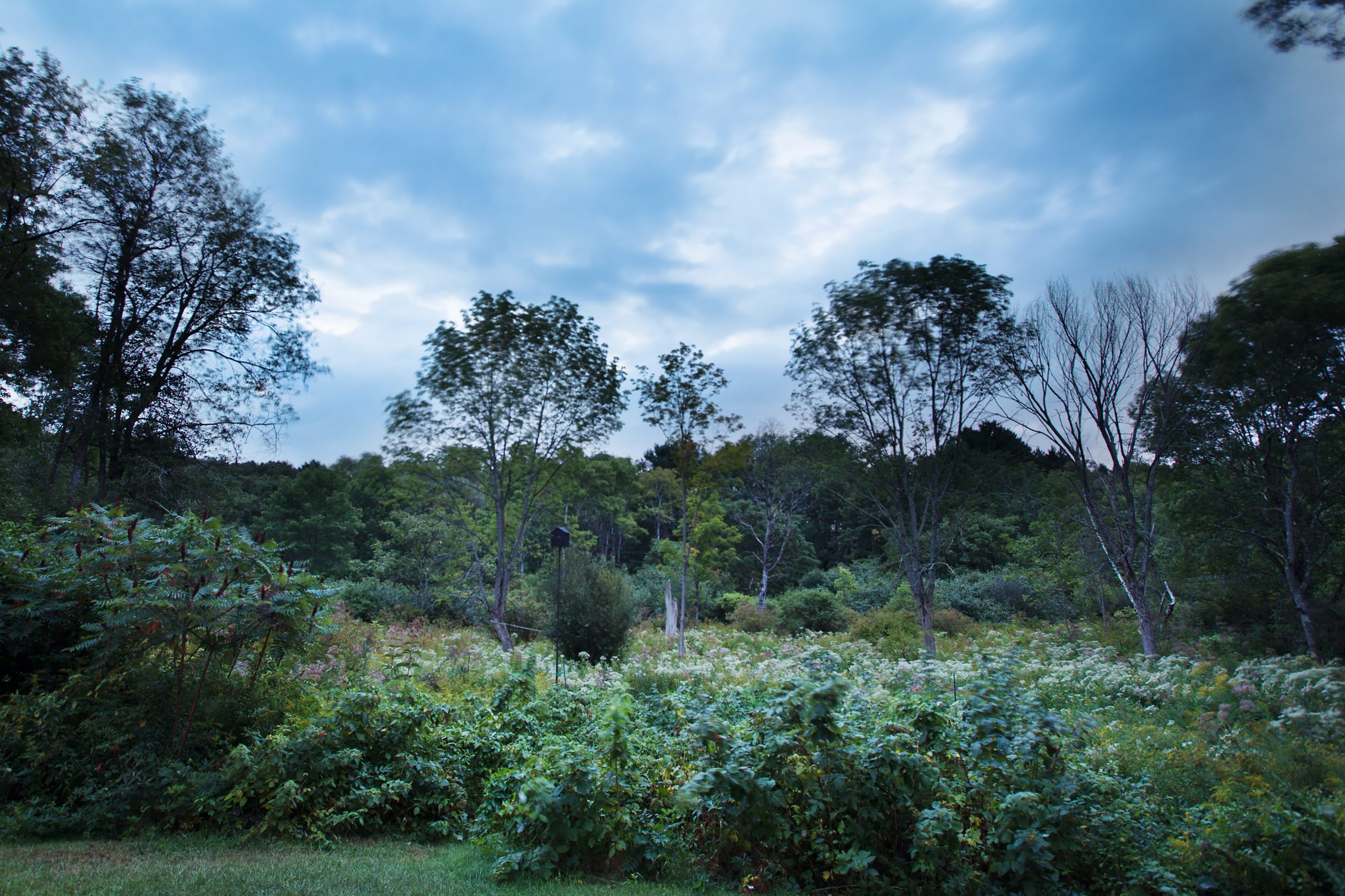
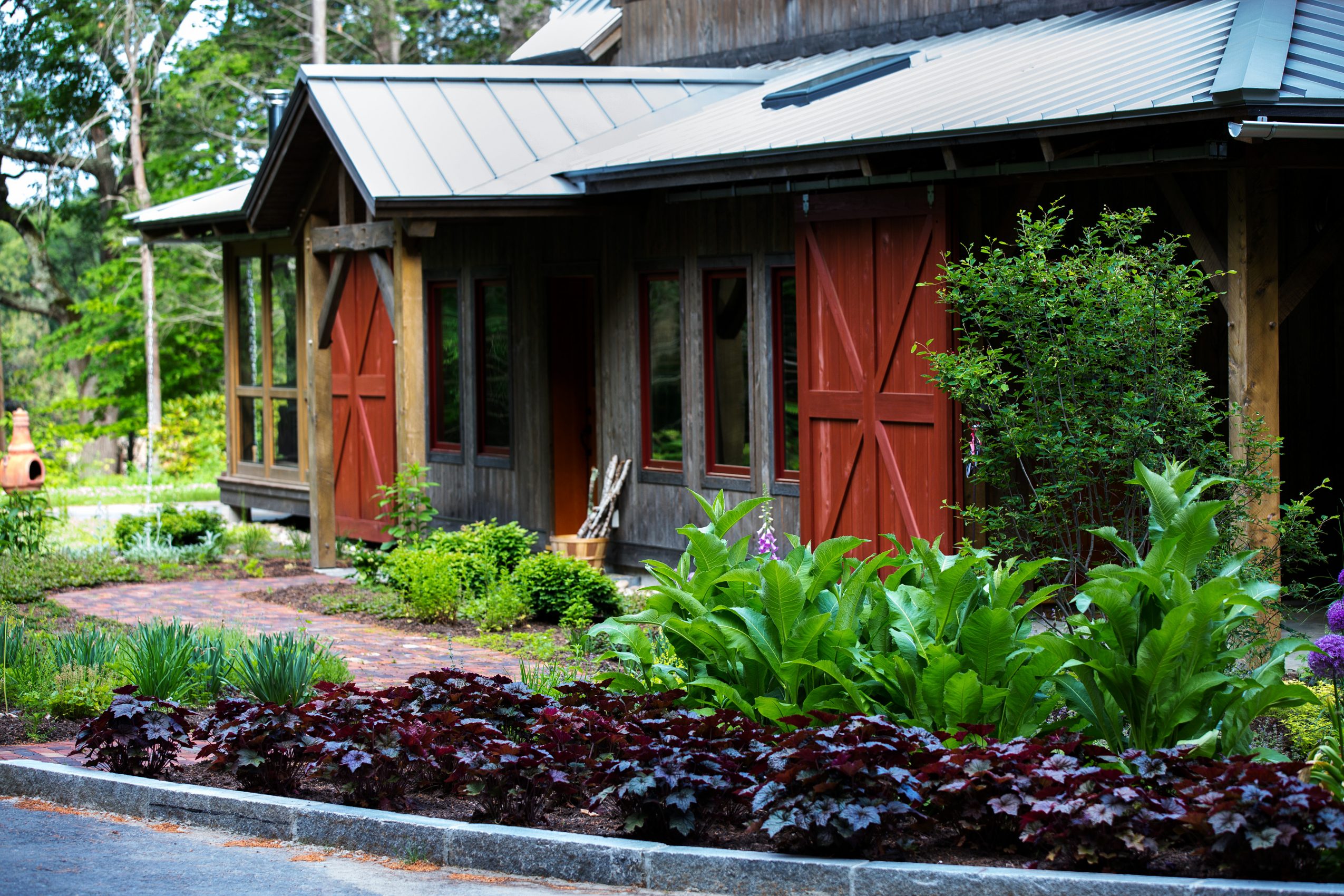
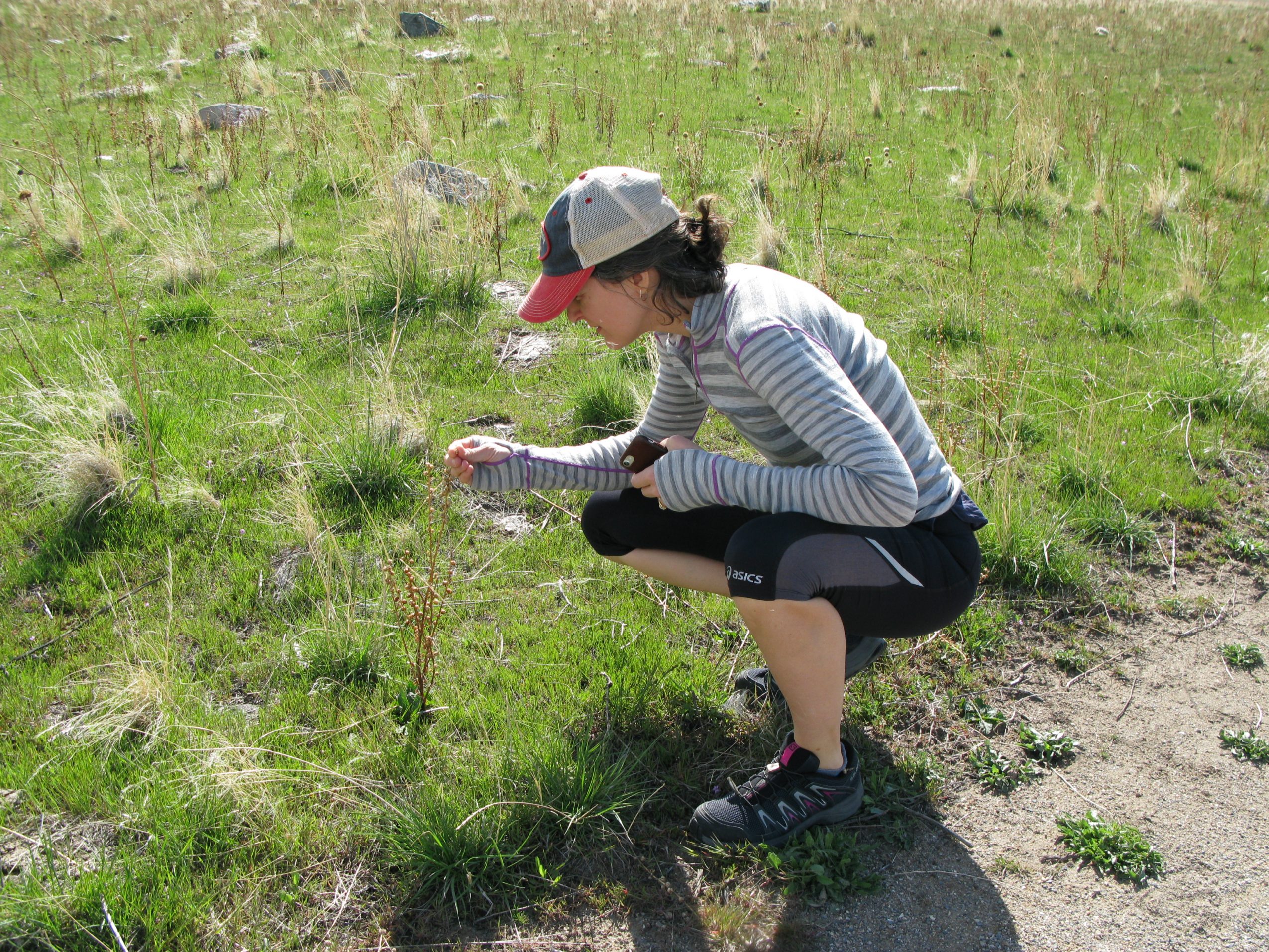
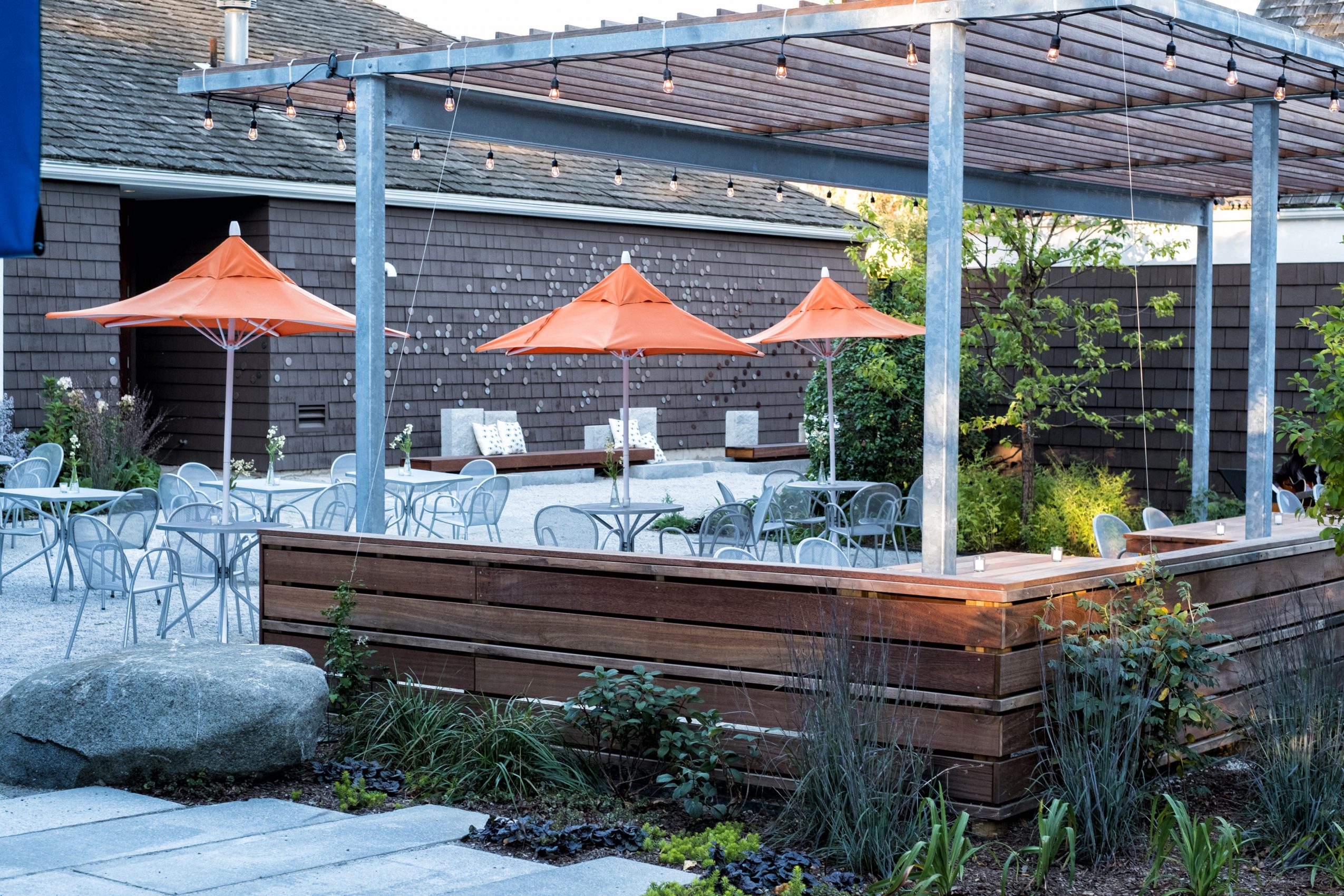 Image Credit:
Liz Linder and David Elmes
Getting in touch: BostonVoyager is built on recommendations from the community; it’s how we uncover hidden gems, so if you know someone who deserves recognition please let us know here.









Libby McCarthy
May 31, 2018 at 12:18 am
You’re awesome Natalie! It’s so great to see your brilliant work being recognized. Way to go!