

Today we’d like to introduce you to Samantha Markey.
Samantha, please share your story with us. How did you get to where you are today?
I grew up in a dysfunctional environment and, much like The Cable Guy, I gravitated toward TV and movies for comfort. Thankfully I think it turned out a little better for me than it did for him. For a long time I thought the way to get into the film industry was only through acting, even though I had always been a creative writer.
Then I took a theater class in college where I was asked to write a paper about a play as if I was directing it. I was challenged to think about what I would change about it and why. What would I bring to the table through my interpretation and perspective? That is when I realized I wanted to be behind the scenes and bring my vision to life. This shouldn’t have been such a surprise, since I was that kid in my friend group who always made everyone put on a show for the parents–and told my friends when they were “doing it wrong'”–much to my friends’ chagrin.
Even with this realization I still pursued my degrees in English and Psychology. I am fascinated by people–how they think, why they behave the way they do, and how society impacts our identity and interpersonal relationships. I took a seemingly innocuous class with Matt Dauphin about women in literature. He focused the class on female sci-fi and utopian/dystopian writers. It was in this class that I really learned how much gender construction shapes your sense of self and who you are within society before you are even born. It blew my mind! It seems so obvious but it constantly still blows my mind how deeply it permeates. I had to take whatever other class he was teaching! It happened to be Hollywood Cinema. If I believed in fate, this would have been it. We studied the male gaze, race and stereotypical characters, gender, etc. It was my last year of undergrad and I realized I had to drop my plans of pursing a PhD in psych and apply everything I knew about people and social constraints to filmmaking.
We need diversity in film. Sounds simple but we’re still fighting for it everyday. We need racial, and LGBTQ diversity, we need to see plus-size people who are not fat-shamed! We’ve normalized white, cis, hetero, thin storylines as our baseline and that doesn’t reflect the world we live in. My work focuses on representation and agency. I am a Cuban-American, queer-woman. My first film that I just finished as part of my MFA at Emerson College is a semi-autobiographical fiction that focuses on a Cuban-American, pop-punk, teenager’s experience as she deals with a toxic relationship with her mother and her first queer relationship.
Overall, has it been relatively smooth? If not, what were some of the struggles along the way?
It certainly has not been a smooth road. I was a great student in high school despite leaving my mom’s at 16, by child protective services, and moving in with my dad. I went to NYC for college and although I hadn’t grown up wealthy, I soon realized that struggling to make it on my own in NYC was not going to be the “fun struggle” you see in plays like Rent. I was 17 and naive. Working 3 jobs and trying to go to school took it out of me and my grades suffered.
I took a fresh start in Florida, went to a community college, got my grades back up and then transferred to FSU (go Noles!). I double majored, so I took a ridiculous amount of classes. I always felt like I was playing catch up unfortunately, a symptom of my anxiety. I was 24 when I graduated. But I think the positive thing to be taken from this is that it’s really never too late. Even if you feel like you’re trying to catch up–that will eventually go away. The time is going to pass whether you’re doing what you want to do or not–and you’re not getting any younger–so it’s okay to be afraid but start over anyway.
Samantha Markey Productions – what should we know? What do you guys do best? What sets you apart from the competition?
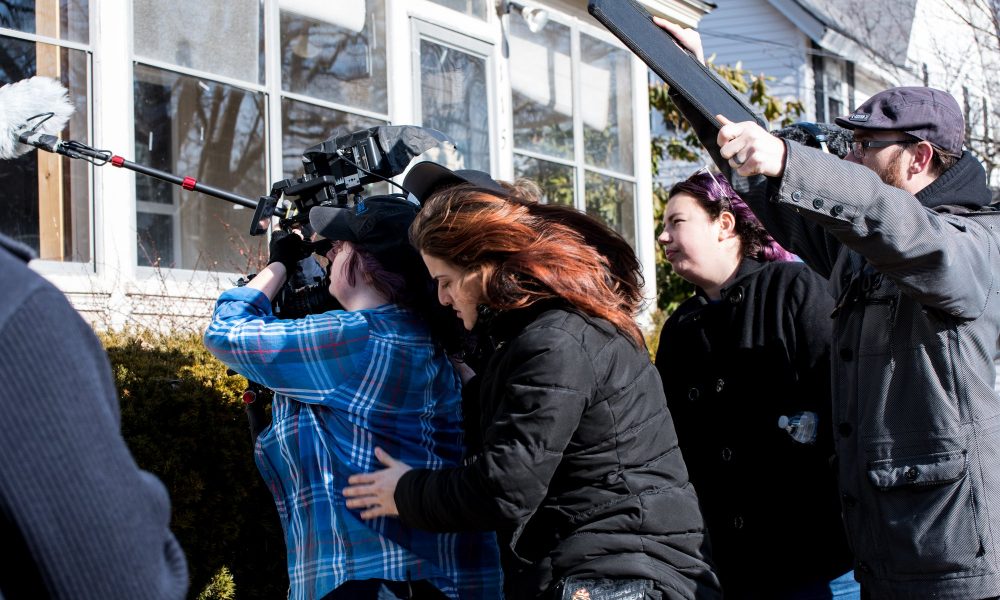
I pursued my MFA from Emerson in Film and Media Art so that I would enter the film industry well-rounded. It was important to me to have a basic understanding of all the tenants of filmmaking in pre-production, production and post. I fell in love with production design in undergrad when I took up the role in Film Club. I studied it further in grad school and now it is where I am putting my efforts in as a freelancer the most. Production design is a natural extension of writing. It allows you to visually enrich the characters, building off the foundation of their dialogue and behavior in the script.
My first love has always been writing. Well known writers often say that to be a writer, you must write everyday. Obviously that is good advice, you need to hone your craft. However as someone who struggles with debilitating anxiety–I think those who suffer with mental illness or other challenges also need to hear that it is OK to not write everyday. It does not make you less of an artist. You’re worth does not hinge on your productivity even when that is how you are measuring yourself.
It is also okay to not suffer for you art. I of course channel my past into my work, because I think it is important to represent real experiences and hopefully that will resonate with someone when they watch it–but this idea that artists have to be in pain or can’t seek help for their mental illness because it will stop them from being an artist–is just wrong. Rachel Bloom has spoken out about this and it was very inspiring to me. She obviously channels her struggles into Crazy Ex-Girlfriend, but she is also not suffering for her art.
I recently finished my first short film “I’m [Not] Okay.” Set in 2006, Selena Hernandez is a Cuban-American teen who takes solace in the pop-punk and emo music scene as she struggles to navigate a complex and often toxic relationship with her mother, Janis, who suffers from a debilitating disease and uses alcohol as a coping mechanism. When Selena’s girlfriend, Kylie, notices the abuse and reports the incident, Selena is forced to choose between her relationship with her mother and the possibility of a healthy environment.
We are currently submitting the film to festivals and I am so grateful to everyone who worked on it with me. All our actors playing queer parts, are in fact queer. It is an all-female cast with at least 50% being POC. We made a film we can be proud of and I hope it resonates with LGBTQ+ teens.
What is “success” or “successful” for you?
I want to create shows and films that build off the foundation of diverse work we currently have, both behind and in front of the camera. I don’t make anything without this purpose at the heart of it. Women, POC, and LGBTQ+ artists are working extremely hard to create content that shows characters from their communities in an authentic way–as opposed to the tropes or erasure we see too often.
It isn’t just about sharing my work, it is about changing who the gatekeepers are in film and television. My long-term goal is to become a show runner and a producer. The more we climb these ladders, the more we will be able to bring up our communities and the landscape will shift.
Contact Info:
- Email: smarkey08@gmail.com
- Instagram: https://www.instagram.com/imnotokayfilm/
- Facebook: https://www.facebook.com/imnotokaymovie/
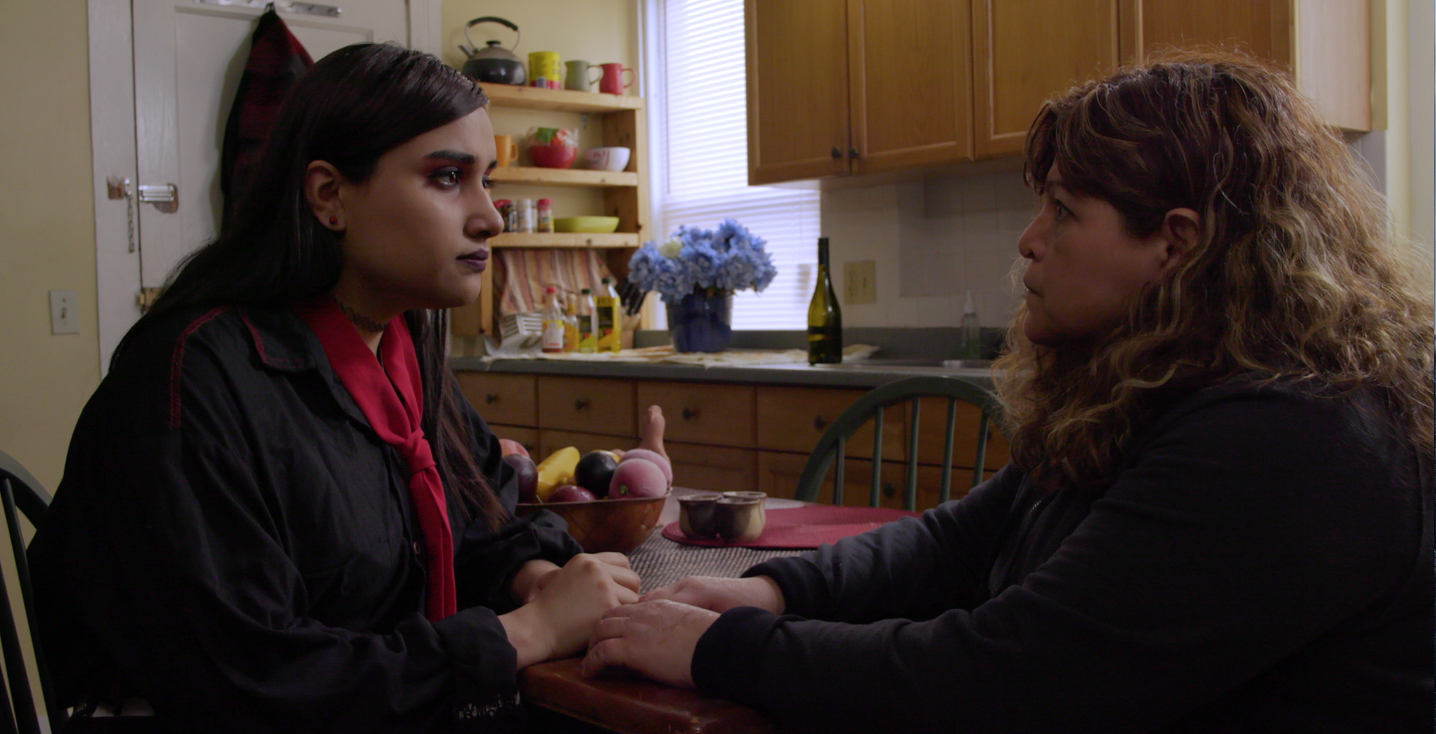
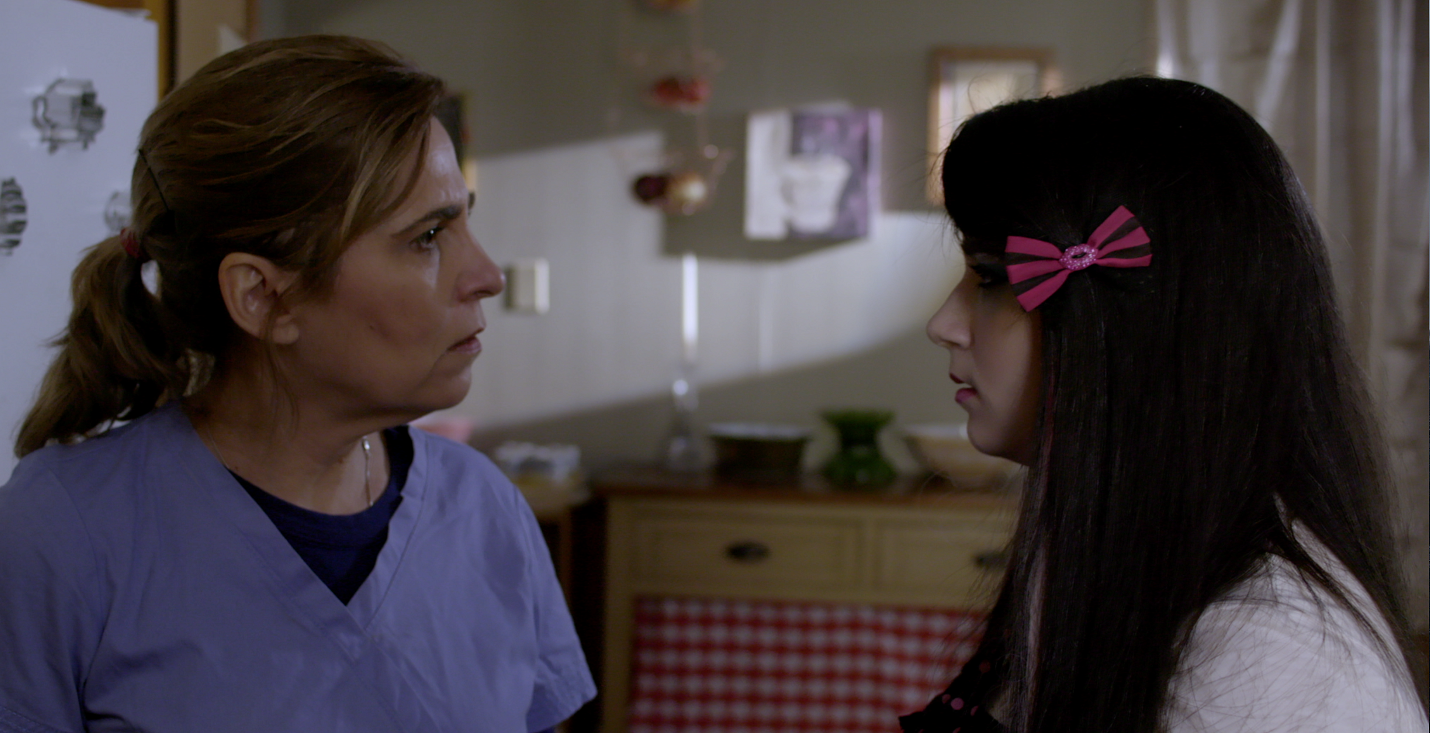
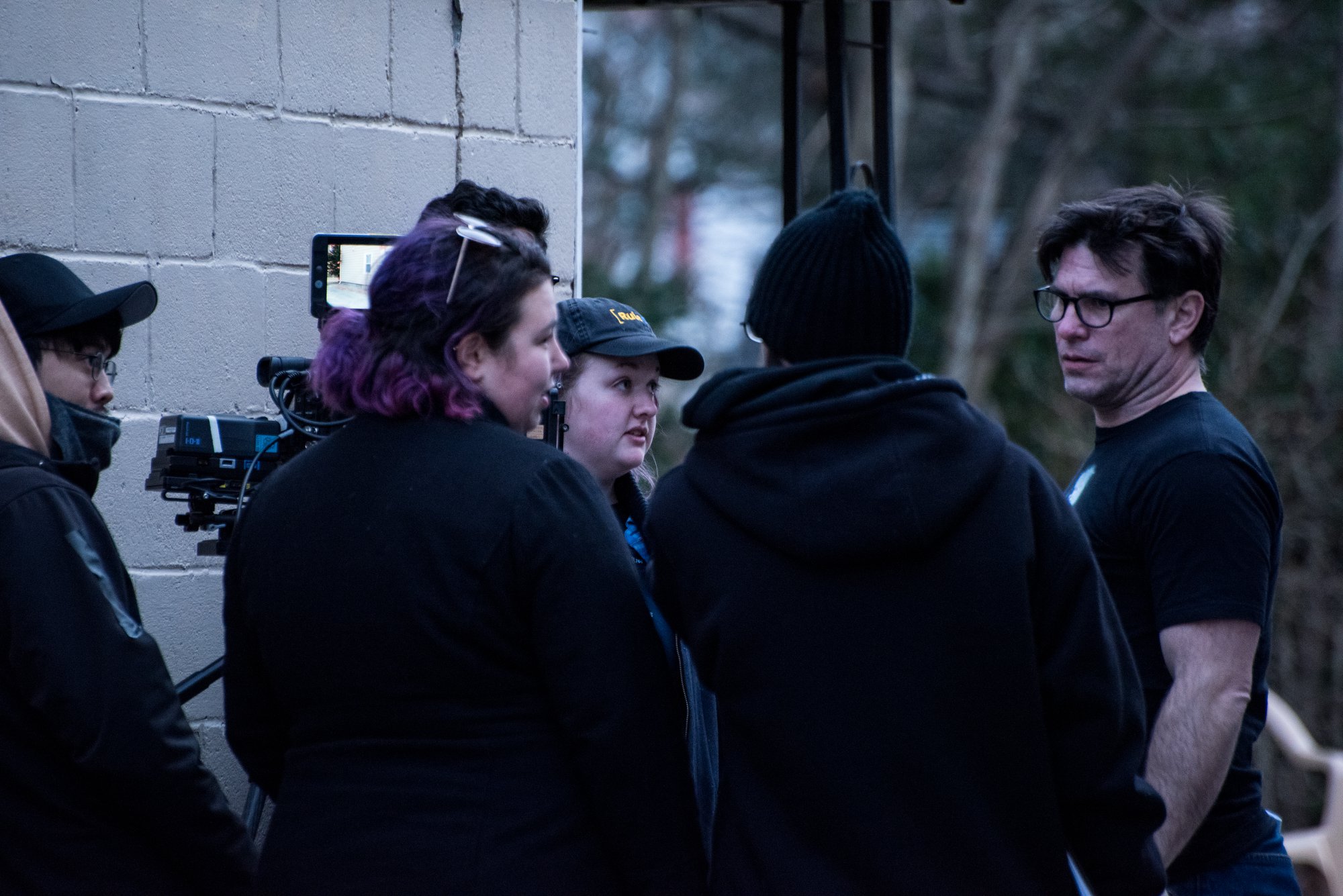
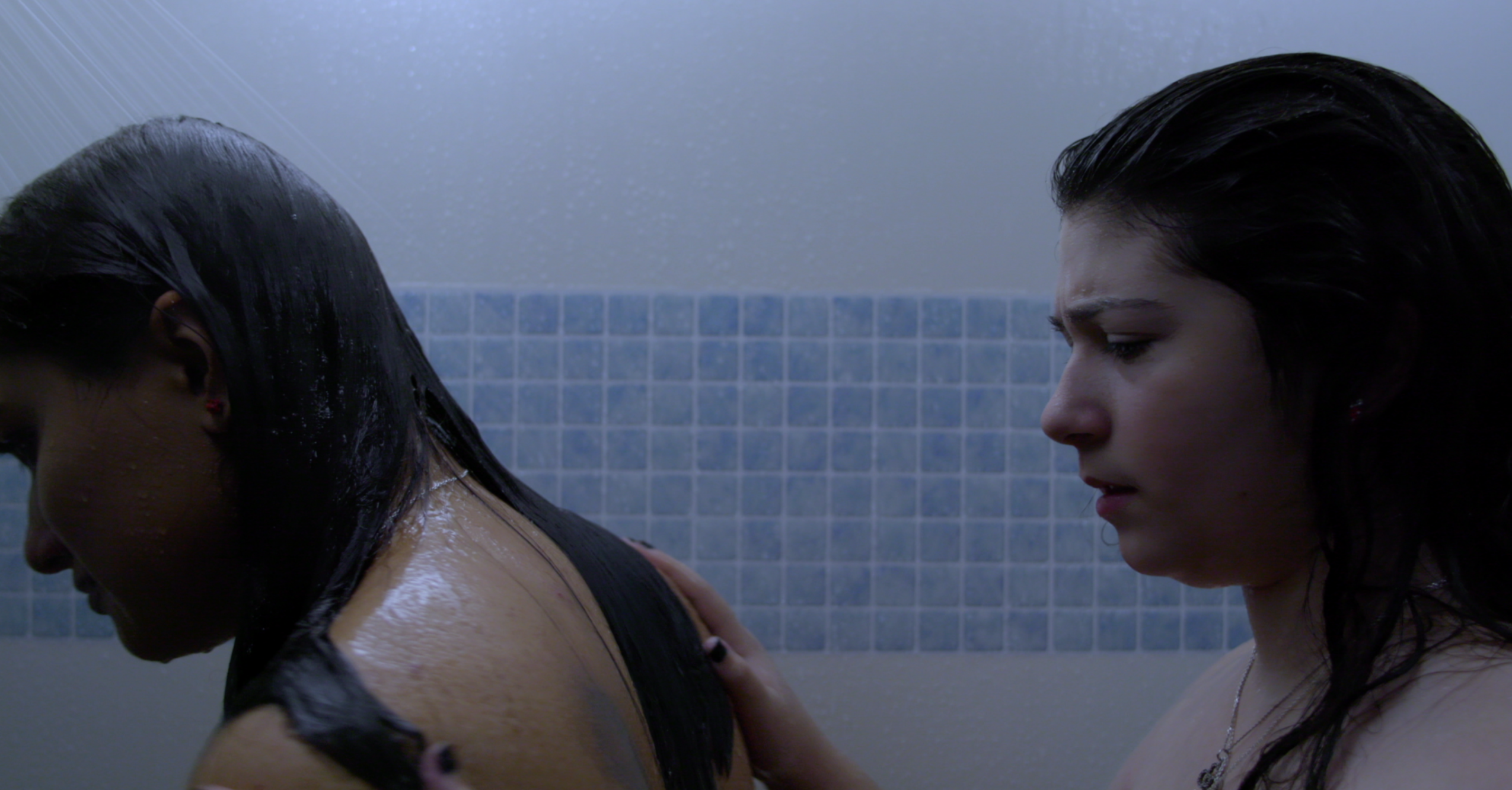
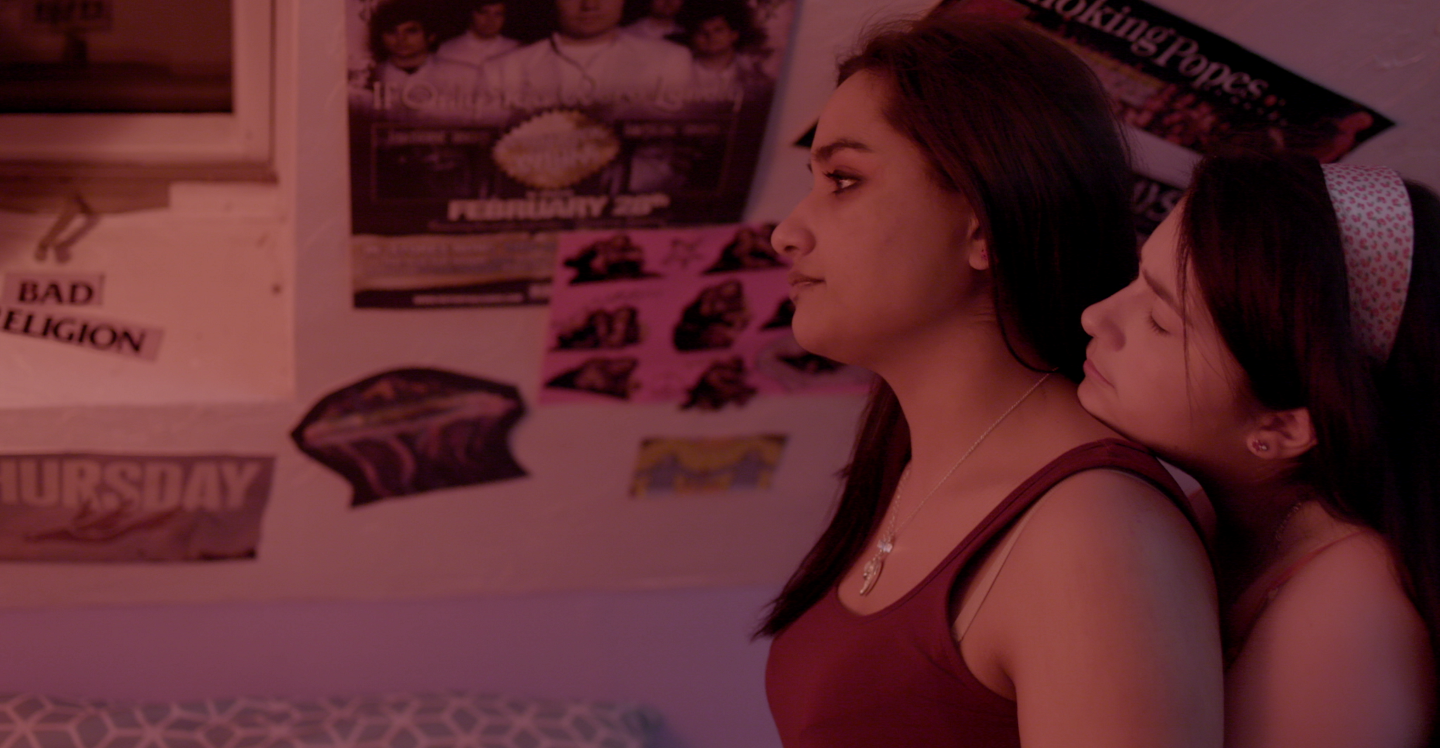
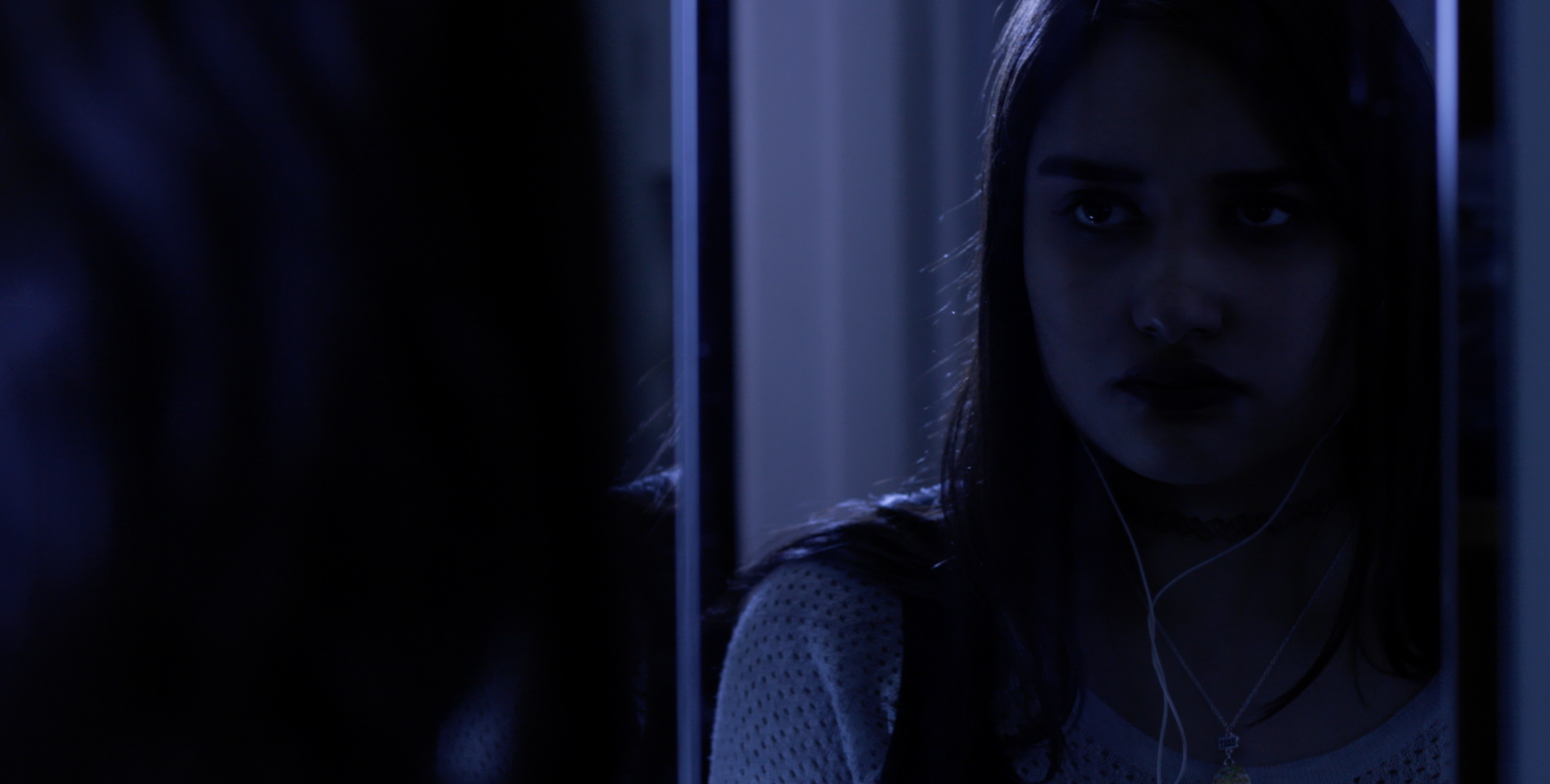
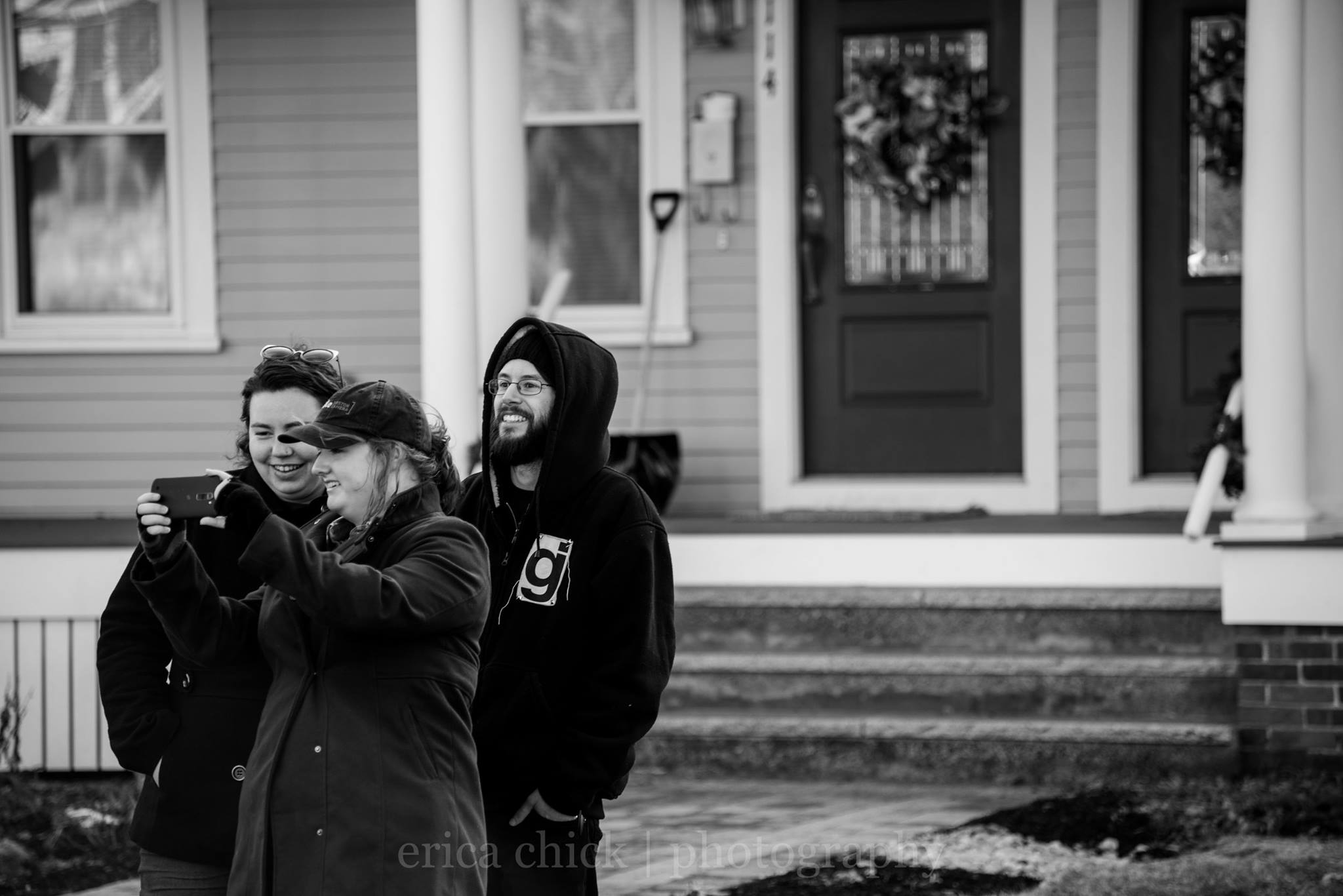
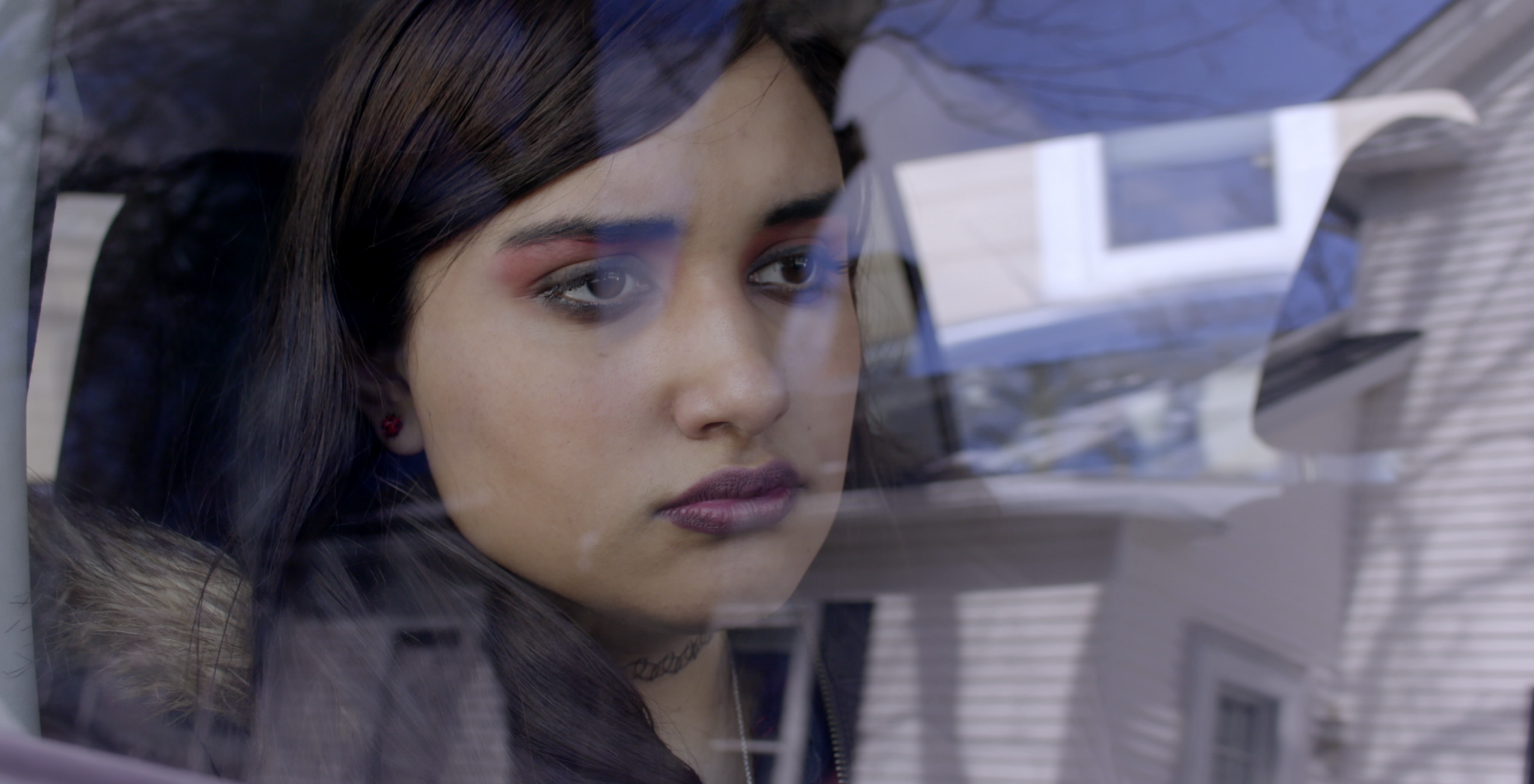
Image Credit:
Some photos by Erica Chick
Getting in touch: BostonVoyager is built on recommendations from the community; it’s how we uncover hidden gems, so if you know someone who deserves recognition please let us know here.