
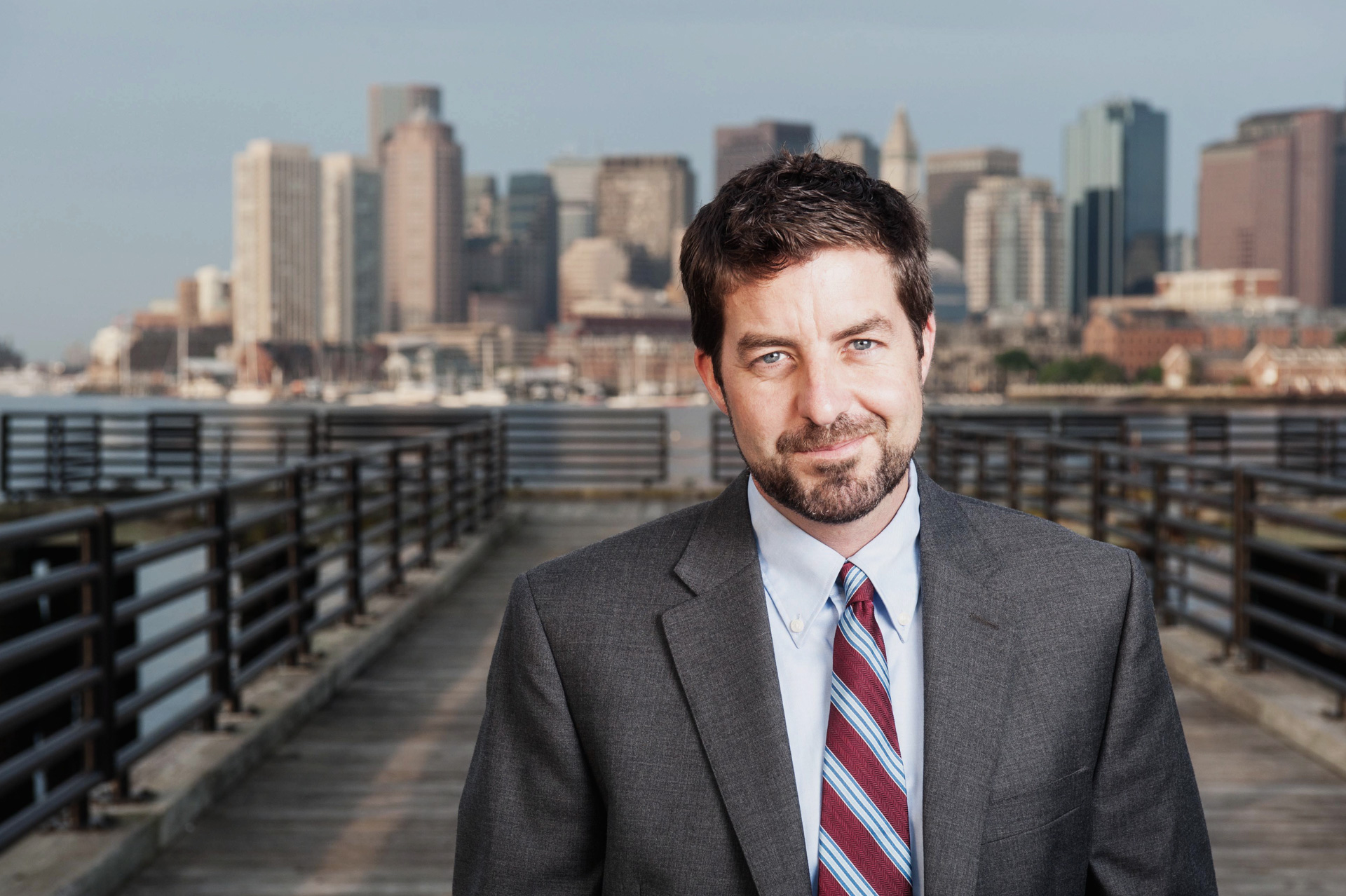
Today we’d like to introduce you to Mike Ritter.
So, before we jump into specific questions about the business, why don’t you give us some details about you and your story.
My dad gave me his old Minolta when I was in college so I learned on black and white film. I never had the often described experience of falling in love with photography while watching the image develop in the darkroom. Honestly, I didn’t enjoy the darkroom that much, but I enjoyed shooting. And, sure the image is what photography is all about, but I think I really fell more in love with the life I could lead through photography. With a camera, I learned I could get into situations and meet people I wouldn’t otherwise. The camera practically grants me permission to explore. With age, I’ve become more respectful of the craft and details although now the darkroom is on the computer.
I never made a conscious decision to be a photographer. I was a liberal arts major who dabbled in photography. I lost a job in 2005 and took an entrepreneurial training class through the Massachusetts Small Business Development Center and got involved in the ONEin3 networking group (back when I was still well under the cutoff age of 34). Since I was already freelancing on the side, I started freelancing full time while I had the unemployment payments coming in. That got me on my feet enough to never go back to a normal job. Since then, I was able to stay in business through hard-headed determination, some lucky breaks, and a loving wife who accepts the vagaries of my freelance life… and holds down a 9-5.
I would like to say that while New England / Boston have a rough and crusty reputation, it’s never been my experience. I’ve lived in Dorchester since 2005 and have fortunately met many people who helped me along with word of mouth work. This is how I ended up shooting for Elizabeth Warren’s Senate run from the beginning in 2012 and later Mayor Marty Walsh’s run in 2013. It’s how I got my first client, Citizen Schools, and expanded to others like the Martin Richard Foundation, Greater Ashmont Main Street, Mass Housing, Boston Book Festival and more.
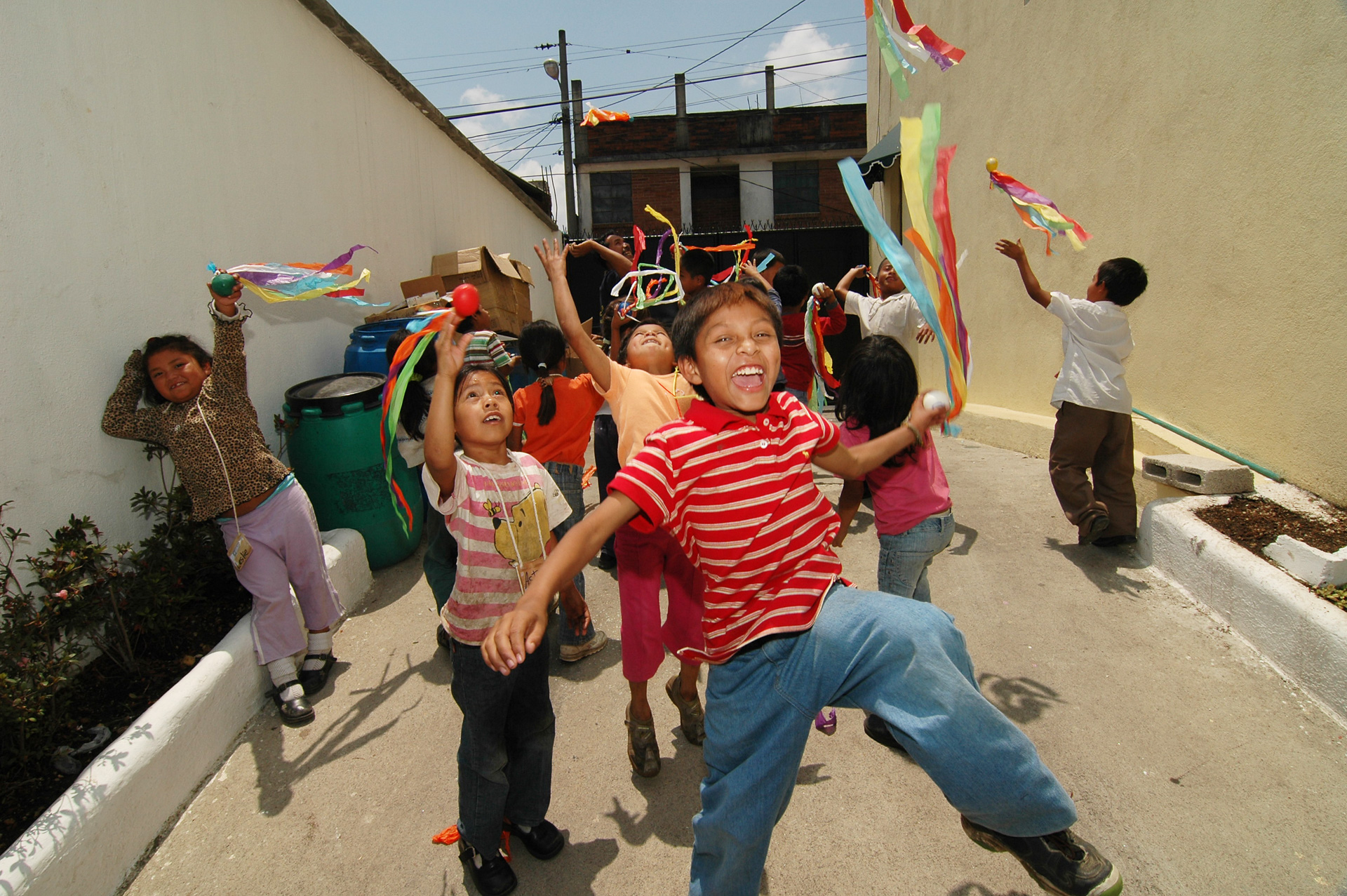
I’ve lived in other parts of the Greater Boston area, and nothing compares to the neighborhood feel of Dorchester. It doesn’t feel like a big city but a town where neighbors know and care for one another. In the first few years of running my business, I did travel and shoot in Peru, Guatemala, Mexico, and New Orleans after Katrina. If you’re a photographer, the best shots are somewhere far away, right? But, I don’t want to travel now because I don’t want to be away from my family. And, I’ve found Boston offers not only the majority of my clients but plenty to shoot in my personal work as well. I’ve become fascinated by Boston which sparked my ongoing personal project Boston Cornerstones (bostoncornerstones.com) documenting the city through its buildings’ cornerstones.
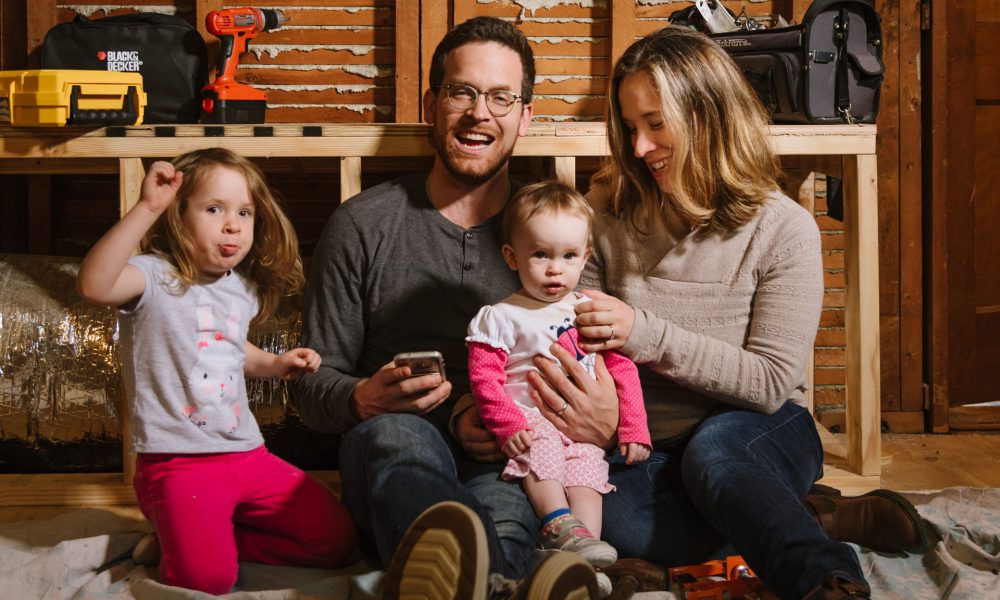
It’s felt like Boston has been in my corner from the beginning; and while I’ll never be a true Bostonian since I grew up in Pennsylvania, it is home now for my wife and my two Bostonian daughters. We moved into a new house in late 2016 along the Red Line which has room for my studio and office on the third floor. While I can never be too certain what I’ll be shooting next, I know Dorchester will be home.
Great, so let’s dig a little deeper into the story – has it been an easy path overall and if not, what were the challenges you’ve had to overcome?
Nope, no smooth road here, but let me know if you find one. It’s a tough learning curve for any creative trying to make their passion into a business that is financially successful and maintains their creative satisfaction. The business learning curve is tied into the ever-increasing pace of technological advancement. I must adapt to it to stay in business. I started to shoot videos a few years ago once the cameras could shoot video. I just got my first drone and am keeping an eye on virtual reality. Photography is becoming a skill set which, while it still makes the majority of my income, also serves as a framework for me to learn new skills. Most photographers are making the leap into multimedia rather than solely doing photography these days. Photographers must wear many more hats than they did a generation ago.
Fortunately, I got to the game late when digital was taking hold (got my first DSLR in 2003). So, I never got used to the fat budgets I’ve heard all too much about from just a few years before I got started. Photos, cameras, people who fashion themselves photographers, and clients willing to settle for quantity over quality are growing exponentially. Many people innocently have no understanding why they should even pay to use a photo (a license), and the internet provides infinite possibilities to use images. To stay in business as a photographer in this environment, you’ve got to continually prove your value and get clients to consider not only the bottom line. In the past, this was easier to do. Creatives have to have a decent left brain these days which isn’t necessarily our strong suit.
Please tell us about Ritterbin Photography.
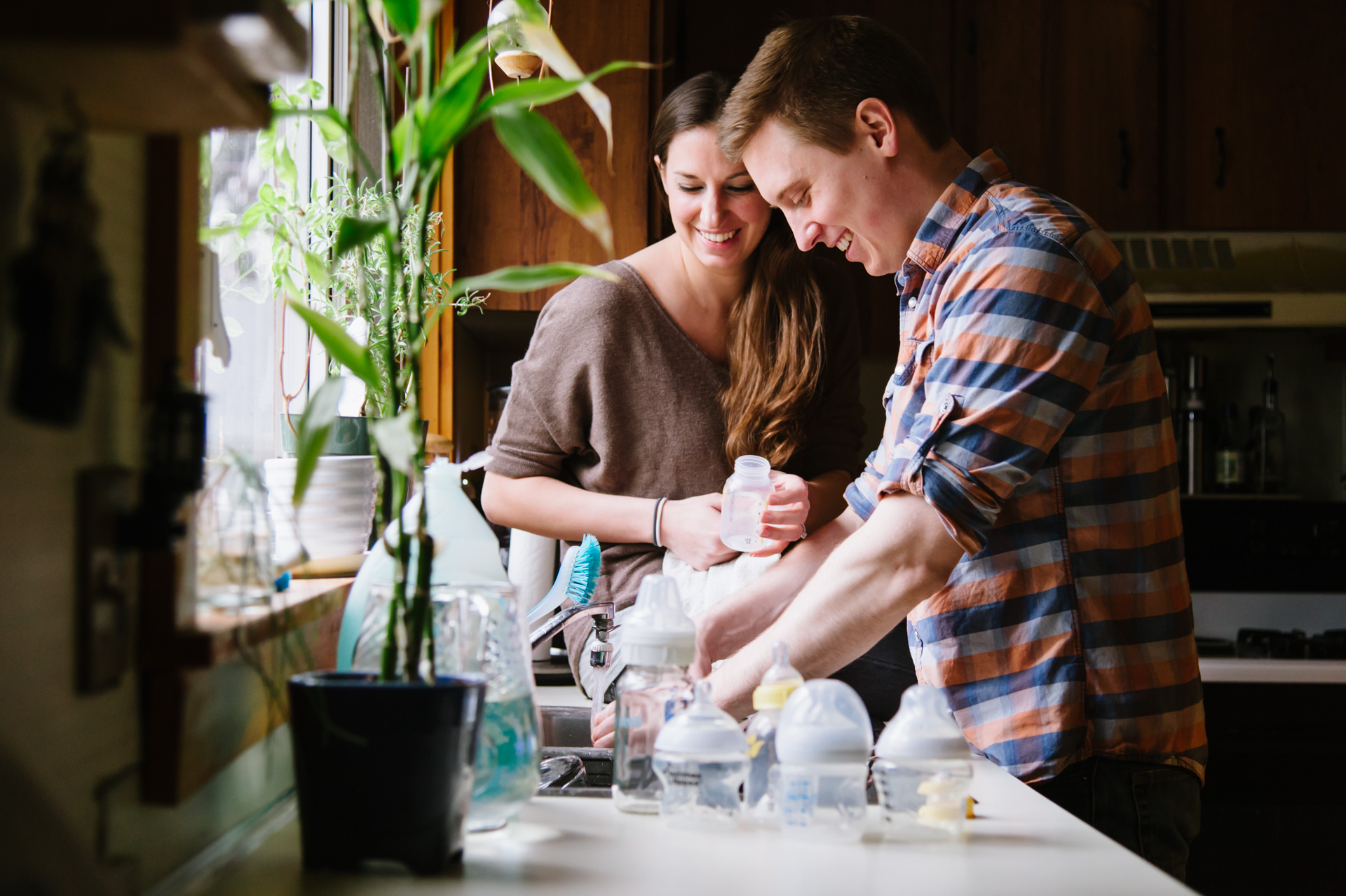
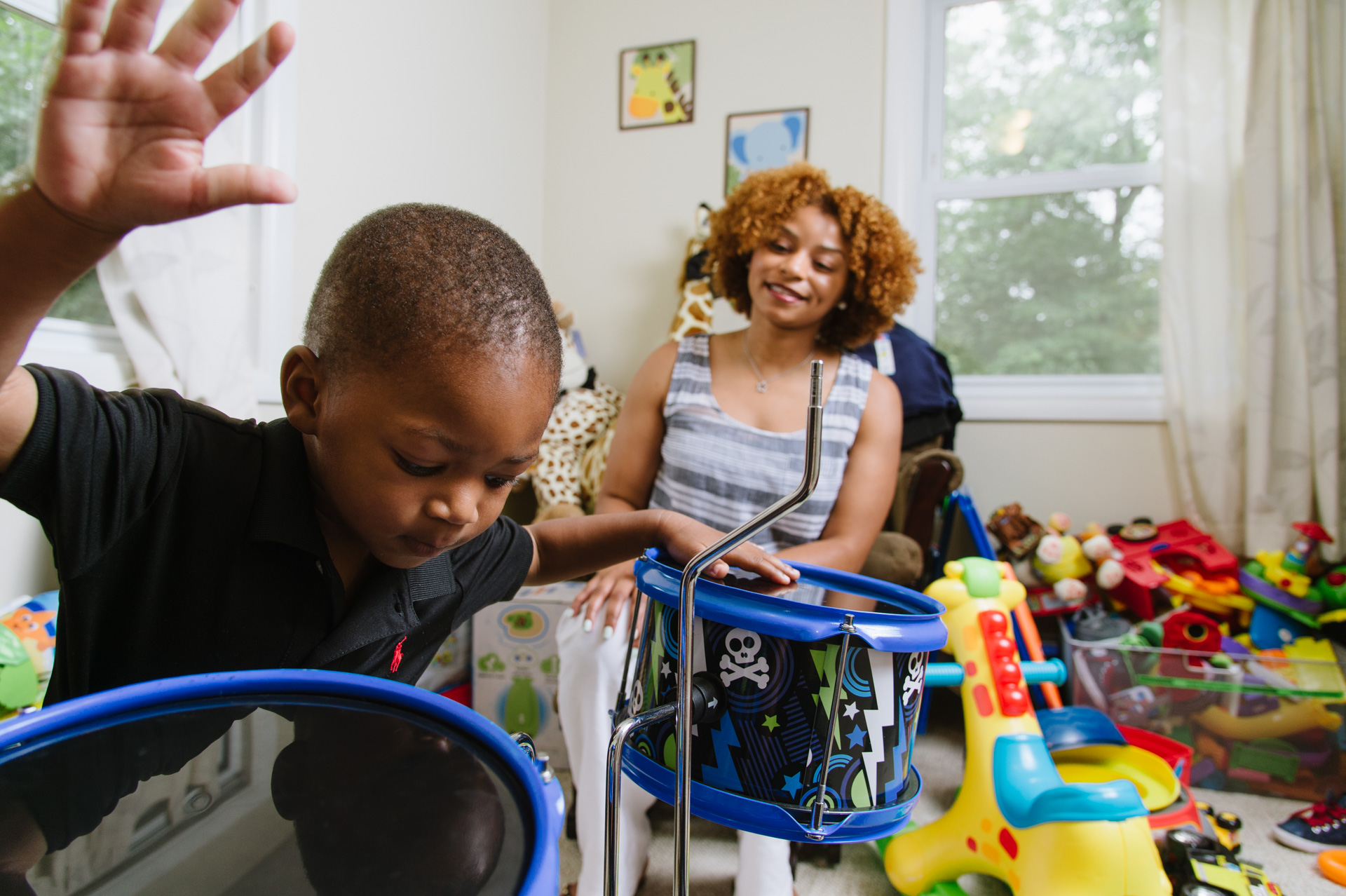
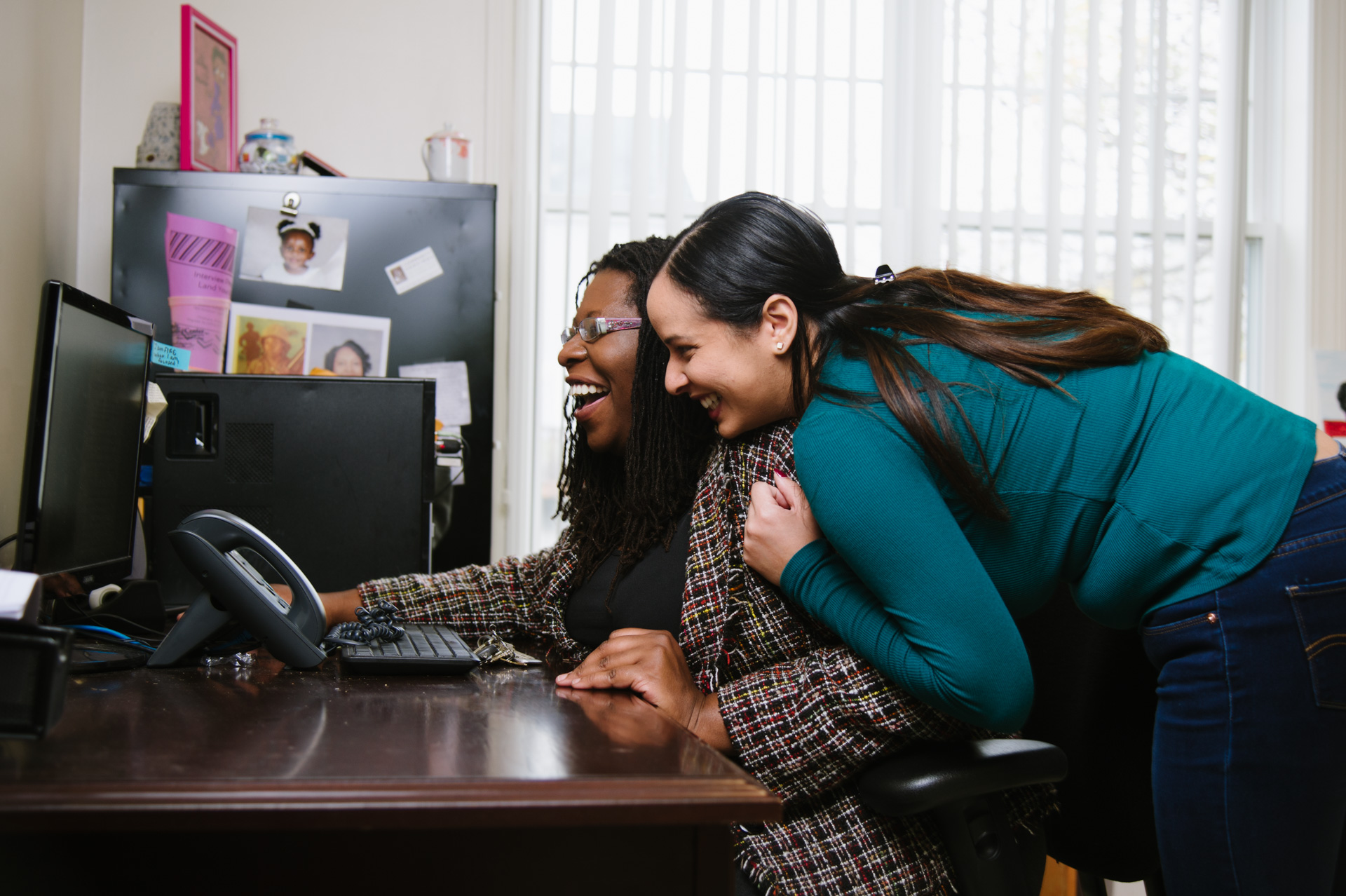
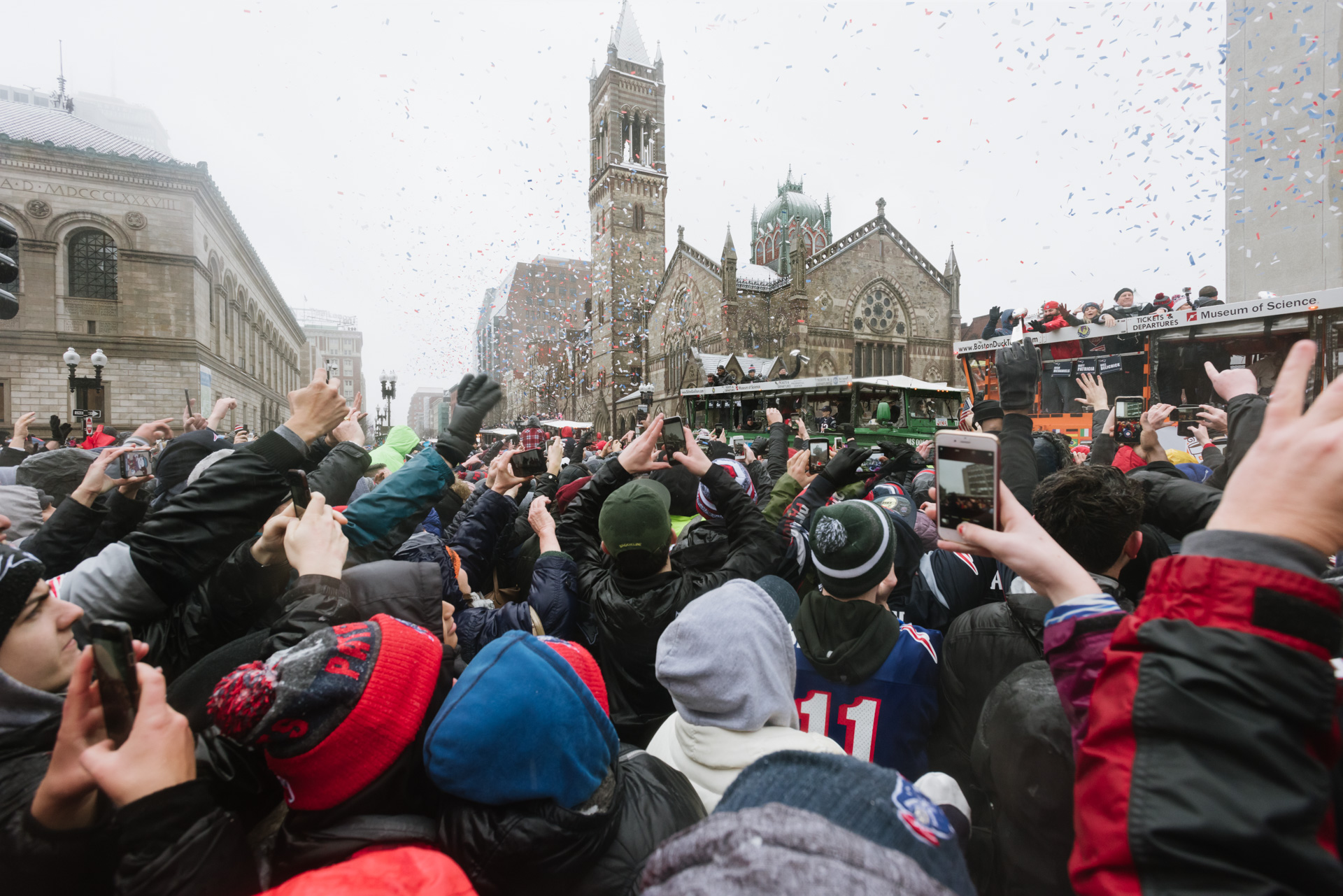
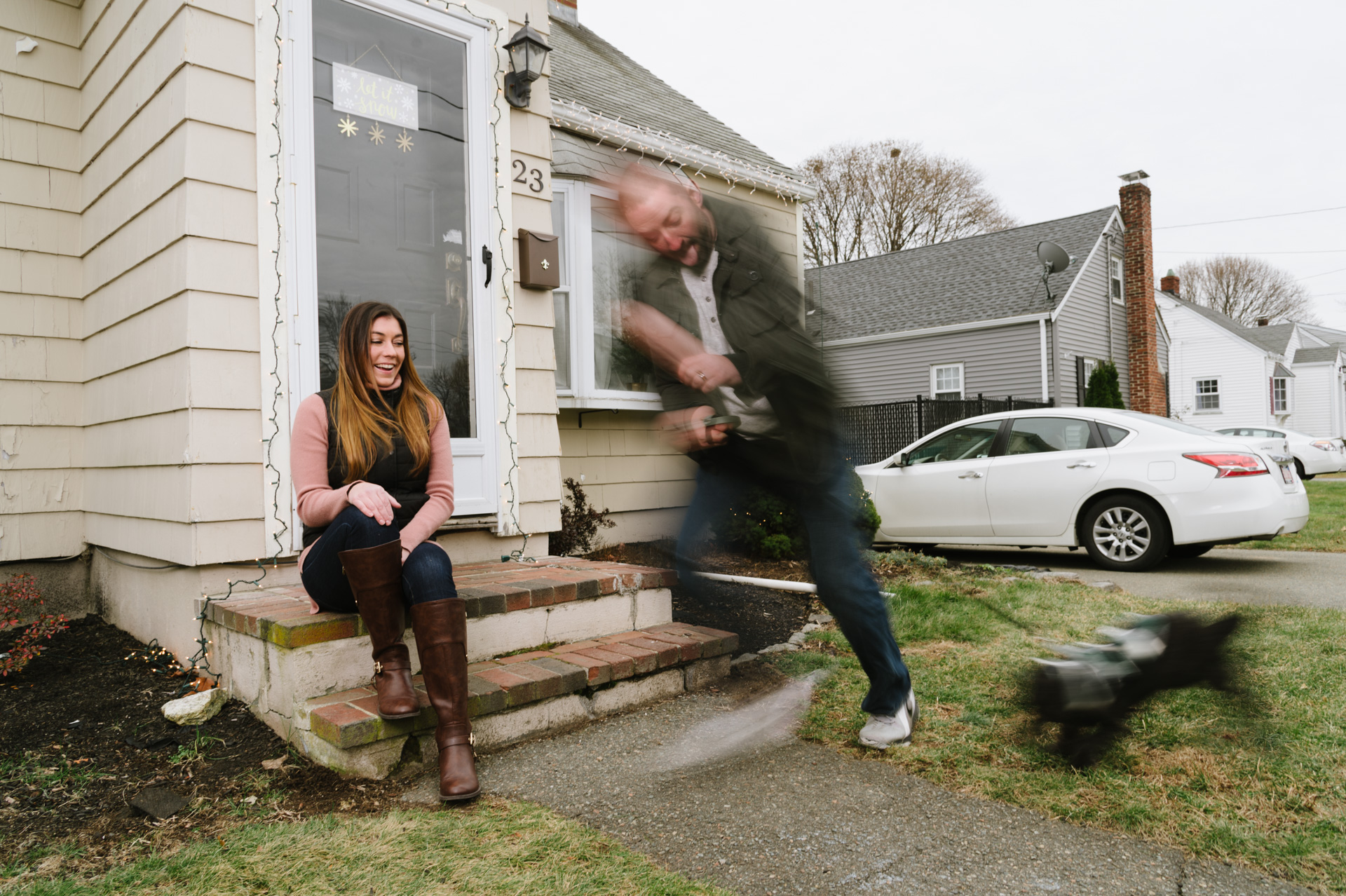
I’m known for my candid event photography and portraits and my focus on organizations located in Boston. I’m happy to say I make a decent living far as freelance photographers go and the majority of my clients are local non-profits. I’m not shooting things that are boring to me or telling stories that aren’t true with my photos.
Photographers can be a bit scatterbrained and not interested in the business side of things. I look to stand out by walking through each job with a client and making sure they will get what they need and hopefully more. I want clients to feel confident that they can leave the details to me. An old freelance friend said, “They’re hiring you to solve problems.” I also take running a business seriously. I communicate clearly and quickly and carry the proper insurances. The reassurance a client gets from knowing they’re dealing with a professional and not just someone who likes to shoot photos sets me apart from plenty of photographers. It also helps me get clients to consider factors other than solely the bottom line because competing only on price is a great way to burn out.
Each profession, provides opportunities to volunteer and give back. I’m proud to use my expertise when volunteering for Flashes of Hope making portraits of kids in hospitals with dire diseases and the Massachusetts Adoption Resource Exchange making portraits of foster kids to match with potential families. Through The Art Connection, I donate framed photos of mine to non-profits around Boston who want to decorate their offices but do not have the financial means to do so. I also have served as the President of the New England chapter of the American Society of Media Photographers for the past three years. In this capacity, I get to lead the board in producing programming that helps the local photographers get better at their craft whether that’s shooting or learning contract terms.
I also strengthen ties in the photography community – I’m particularly interested in getting ASMP more connected with schools and students so they don’t have to learn everything the hard way and can enter the industry knowing business basics. My dad was the president of his teacher’s union, and I think my work with ASMP is something similar. I must legally stress ASMP is not a union and does not set prices. It does help individuals form a group and have more leverage and skill than they ever could on their own. Knowing I’m giving a good deal back through my profession both to worthy subjects and to the photo industry as a whole is immensely satisfying.
Do you look back particularly fondly on any memories from childhood?
My family heated most of my childhood home with wood. And, my great-grandfather had built a cabin up in the Pocono mountains about an hour and a half away. On fall and winter weekends, Dad would get back from teaching at the local high school, gas up the truck, make some coffee, and we’d leave for the cabin.
It was fun driving up at night talking (Dad could keep a conversation going even if he was the only one talking) and listening to the radio. We’d get in late, have some pizza, maybe try and catch Letterman if the huge antenna allowed, and tuck in knowing lots of work was waiting for us.
The next day we were up early, had a big breakfast, dressed warmly and headed out to look for dead trees on the entrance road or back towards the swamp. My older brother, Seth, and I would sit on the tailgate letting our shoes drag on the road as Dad drove. In time, my younger brother, Zacc, would join us.
Out in the forest, Dad would pick the tree and the form a plan of attack. We’d stand far enough away to be safe as he cut it down. Then he’d section it up – the sections would grow as we did – and we’d carry them back to the truck and stack them in the bed. In time, Seth would be trusted with the chainsaw, but I was only really interested in the heavy lifting. Sometimes, I’d daydream – something I’m still good at – and be snapped out of it when a tree dropped near me which had a smiling Seth and Dad at the other end of it.
Dad would drive the loaded-up truck and tired kids back on Sunday. We all learned to chop wood with an ax and would set about chopping the wood into pieces for the fireplace. Mom liked to keep the house warm so we all had our work cut out for us each winter.
Dad died in 2013 which is maybe why I’m even fonder of these memories now. The cabin was and still is such a peaceful place. It feels like time slows down there. On these wood cutting trips, I think I was getting my first taste of adulthood. Hard work and responsibility form strong bonds and all the better if it’s with family.
Contact Info:
- Website: www.ritterbin.com
- Phone: 617-872-6479
- Email: mike@ritterbin.com

Getting in touch: BostonVoyager is built on recommendations from the community; it’s how we uncover hidden gems, so if you know someone who deserves recognition please let us know here.