

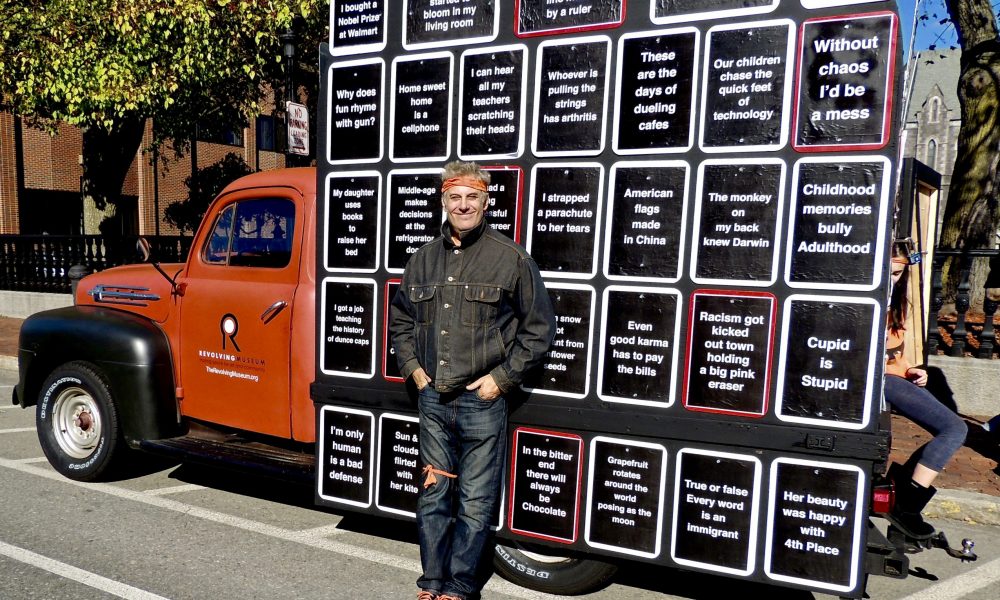
Today we’d like to introduce you to Jerry Beck.
Thanks for sharing your story with us Jerry. So, let’s start at the beginning and we can move on from there.
Hmmm….Well, my story began in Hollywood, Florida. I grew up next to a swampland where my friends and I would go on day-long explorations. During these adventures we discovered a Seminole Indian Reservation, an abandoned farm, nudist colony, and yes…lots of alligators. Luckily no one got hurt. Not long after, our wilderness got flattened out by bulldozers and all sorts of heavy machinery. Overnight came a barrage of sewer pipes, streets, homes, telephone poles, and shopping malls. We had to adjust to these harsh conditions, so on weekends and nights we made forts, tree houses, and skateboard parks in the empty swimming pools. My other childhood experiences that influenced my art-making was spending summers at my dad’s penny arcade on Hollywood Beach. To keep me busy, my dad would give me 25 free games on a pinball machine. Many people thought I was a wizard and wanted to be my friend. This was when my social life began to skyrocket. Our family would also travel to many of Florida’s legendary theme parks including Pirate’s World, Six Gun Territory, Lion Country Safari, and of course Disney World. These interactive environments definitely inspired me.
At Nova High School, my art teacher Mr. Ryan took me under his wing. He was a cult figure because he was once the Art Director of the Jackie Gleason Show. One day he took me to see an artist named John Cage at a jam-packed auditorium. Cage came out onto the stage and for about an hour all he did was wave his hands in the air as if conducting an orchestra. At first, I thought he was crazy and so did everyone else who soon began yelling and throwing stuff at him. I thought I was going to get caught up in a riot, but, Cage finally calmed everyone down. He explained how the audience’s noise and the sounds from outside was his music. This concept was mind boggling. He went on to say that his vision was trying to eliminate the boundary line between art and everyday life, between artist and audience, how one’s life could be a profound aesthetic, improvisational, and loving experience. Meeting him definitely made me want to become an artist.
In 1977, I arrived at Florida State University (FSU) in Tallahassee, Florida. I was lucky that my teachers were great artists and led me down the right path that explored Western and Eastern art as well as folk art, African, Native American art, and World cultures. During that time, I was fully engaged and energized by the rebellious spirit of punk rock. I decided to go to London on a work/study program. There, I founded an art and music magazine called SPIT (Student Paper For Interscholastic Tales). This rag got me back stage at dozens of punk shows. It was a peak moment with such awesome bands as Joy Division, Sex Pistols, Ramones, Blonde, The Clash, and Mission of Burma. That summer, I also got the chance to travel throughout Europe, saw dozens of art museums, churches, music shows, operas, and all sorts of alternative art forms. I even got to meet patti smith in Florence, Italy, where we exchanged gifts. Getting involved with this political youth movement both in England and America gave me an identity as an artist. When I got back to FSU, I immediately got involved with student politics and became the Student Director of Cultural Affairs where I organized art projects both on and off campus.
My next stop was Graduate School at the School of the Boston Museum of Fine Arts in partnership with Tufts University. During my first semester, I opened the Basement Art Gallery in downtown Boston. There I installed my first exhibition of interactive artworks made out of bones, bird wings, found objects, and plants, all of which were inspired by my interest in Native American culture. The exhibition got featured in Art In America Magazine which got gallery owners and museum curators interested in my vision. This led to an exhibition at the Rose Art Museum and after that at the Institute of Contemporary Art in Boston.
In 1984, I decided to take a train ride cross country to meet Rolling Thunder, a Creek Indian who, for forty plus years, built a visionary folk art environment in the Nevada desert called Thunder Mountain Museum. It was during my stay there that I had a life altering experience. When I got back to Boston I founded The Revolving Museum with the “Little Train That Could…Show,” a public artwork that transformed and revitalized 12 abandoned railroad cars involving dozens of artists, art students, the homeless, and the public.
Has it been a smooth road?
Being an artist and running an art museum is more like driving on a bumpy dirt road at night during a thunderstorm. It certainly gets your adrenaline going and can be extremely treacherous. However, in the end, the sun always shines, especially when you have the privilege of collaborating with thousands of talented artists, youth, and community members. The tough times usually comes from banging heads with a circus of personalities that get involved in projects. These painful experiences helped me to better learn how to navigate and support artists. Another difficult aspect of The Revolving Museum projects is we never say no to anyone who wants to participate. Sometime the projects involve thousands of people which is its hard to manage. Sure, there can be order in chaos, but you have to learn your limitations. This has been quite humbling. However, our main rules have always been freedom of expression and safety is first. With experience, I have realized that there is something better than ambition and that is balance, like Yin and Yang philosophy. Listen, I have failed plenty and sometimes I’m my worst enemy, but, in the end, what’s important is learning from your successes and failures and being courageous to follow your vision no matter what the critics tell you and work hard. Your art-making should always challenge you to move past your fears and towards making all your dreams come true. One of the most amazing things I learned is how many people have a strong desire to be creative, to offer their talents, skills, and or contribute their generous in-kind and financial support. When people come together towards shared goals miracles can happen!
So, as you know, we’re impressed with The Revolving Museum – tell our readers more, for example what you’re most proud of as a company and what sets you apart from others.
Thanks! I really appreciate that. Well, here is the elevator speech…in a building that is 120 floors up…The Revolving Museum is a nomadic cultural organization that mostly revitalizes abandoned and or underutilized public spaces with community art projects, exhibits, festivals, and events. Past projects have happened at such unusual sites as a haunted civil war fort on an island in the Boston Harbor, a 200 year old rum cellar, a landfill, baseball field, movie theater, alleyways, textile mills, smokestacks, silo structures, and the largest mica mine in the US. In addition, we reached out into underserved communities by renovating vehicles of travel including 6 airline baggage carts, a vintage ice cream truck, housekeeping pushcarts, bookmobile, boats, and school buses. This past month, we built the World’s Largest Paper Airplane public artwork that involved the participation of over 5000 people.
Our signature phrase “Making Space for Art and Community,” suggests our passionate belief that a community can be strengthened through collaborative art especially when you mix the visual, musical, literary, and theatrical. The creative process is without prejudice. It is more about curiosity, self awareness, and open-mindedness. The arts have an uncanny ability to provide people a boundless forum for questioning and sharing the experience of being human. One of my teachers once told me…art is mysterious entertainment. Finally, there is no doubt in my mind that the power of art can be a catalyst for personal, social, environmental, economic, political, and spiritual transformation.
One of our proudest accomplishments was receiving the 2007 Massachusetts Cultural Council’s Commonwealth Award in the category of “Community,” the State’s highest honor in the Arts, Humanities, and Sciences. We have received multiple National Endowment for the Arts and Massachusetts Cultural Council Grants, and was a Finalist for The President’s Committee on the Arts and the Humanities. Another is making friends wherever we go.
Let’s touch on your thoughts about our city – what do you like the most and least?
I like Boston’s revolutionary history, its diverse neighborhoods, its connection to water, its legendary sport teams and players, its clam chowder, its museums, its schools, its parks, its festivals, its unpredictable weather (this could also be a dislike), its cobblestone streets, its international appeal, its brown-stone architecture, its music scene, the Boston Marathon, First Night New Years Celebration, Fort Point Channel Arts Community, alleyways, my friends and colleagues that live there.
What I like least is missing living in Boston and playing more of a role in its booming renaissance.
Contact Info:
- Address:Jerry Beck The Revolving Museum
- Website: http://therevolvingmuseum.org
- Phone: 978-590-3759
- Email: Jerrybeckrevolvingmuseum@gmail.com
- Facebook: https://www.facebook.com/revolvingmuseum/
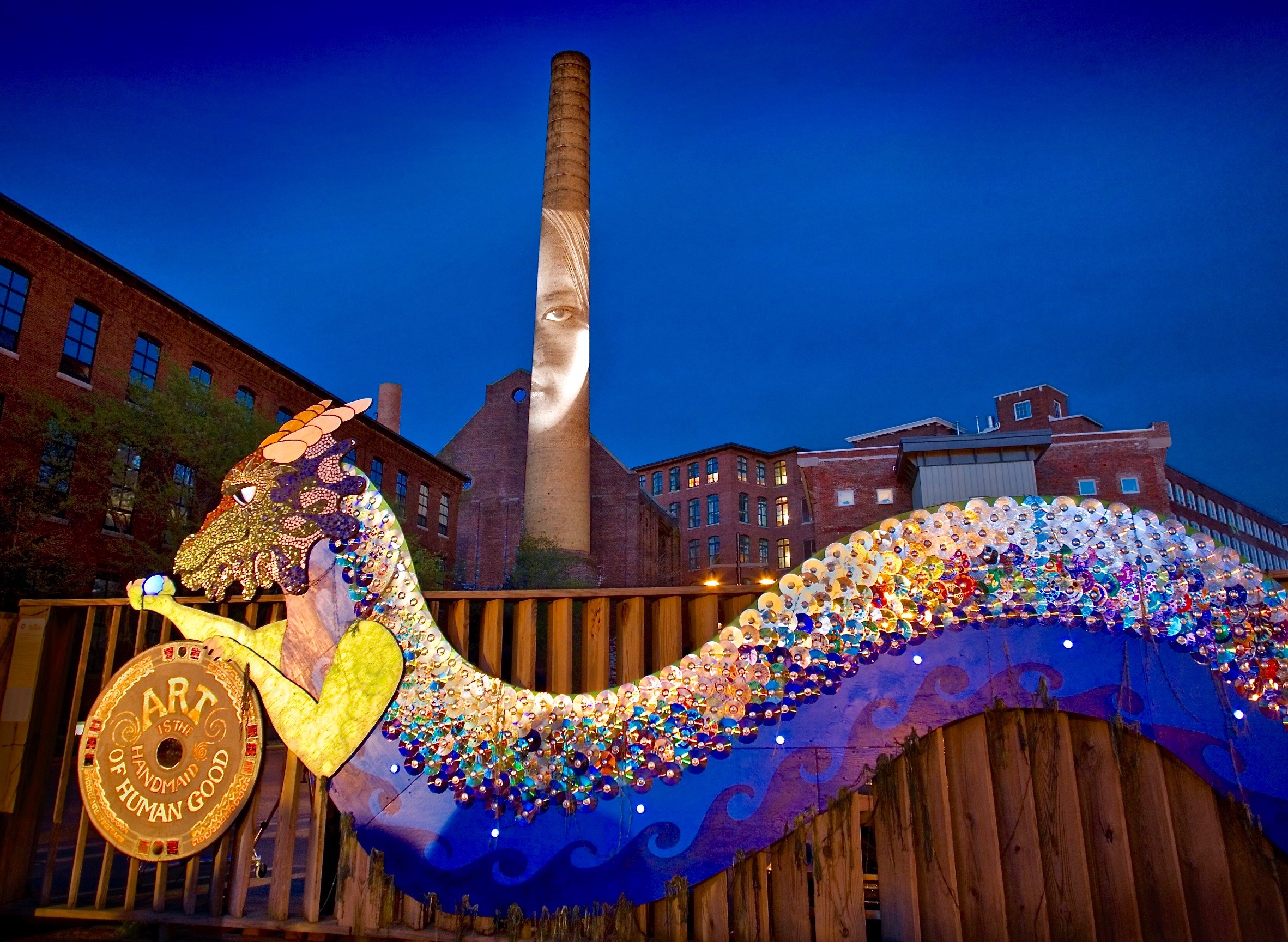
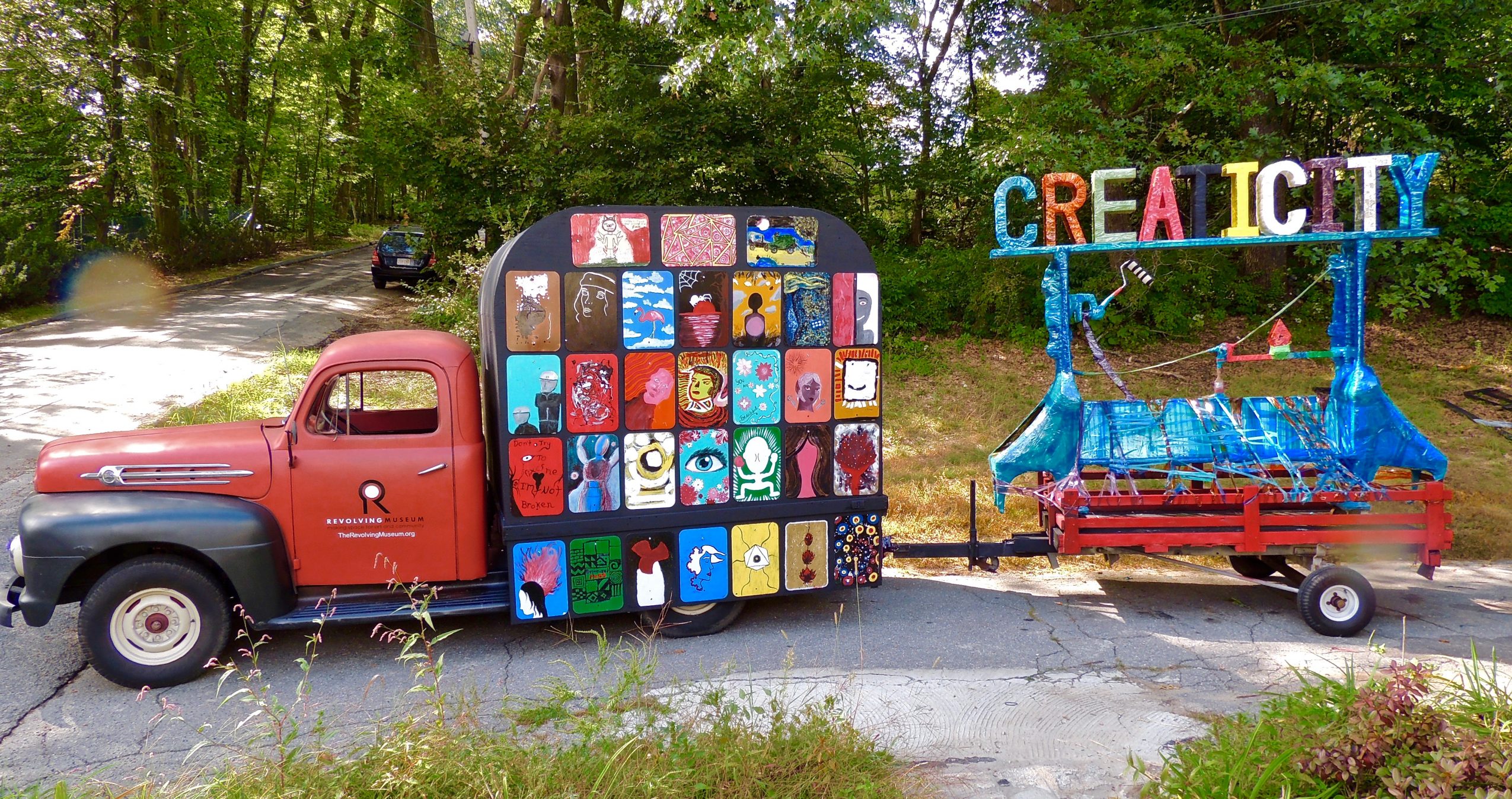
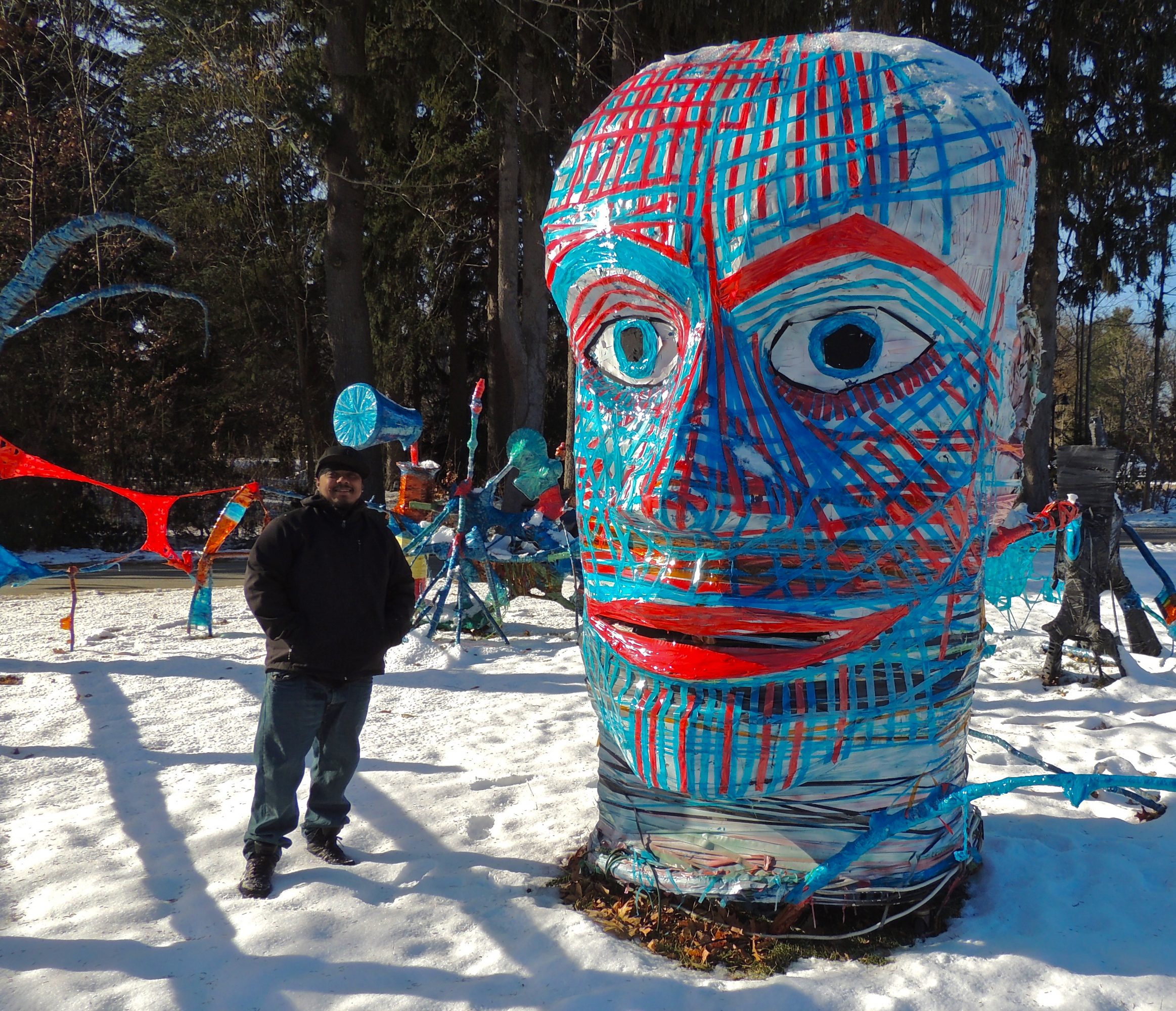
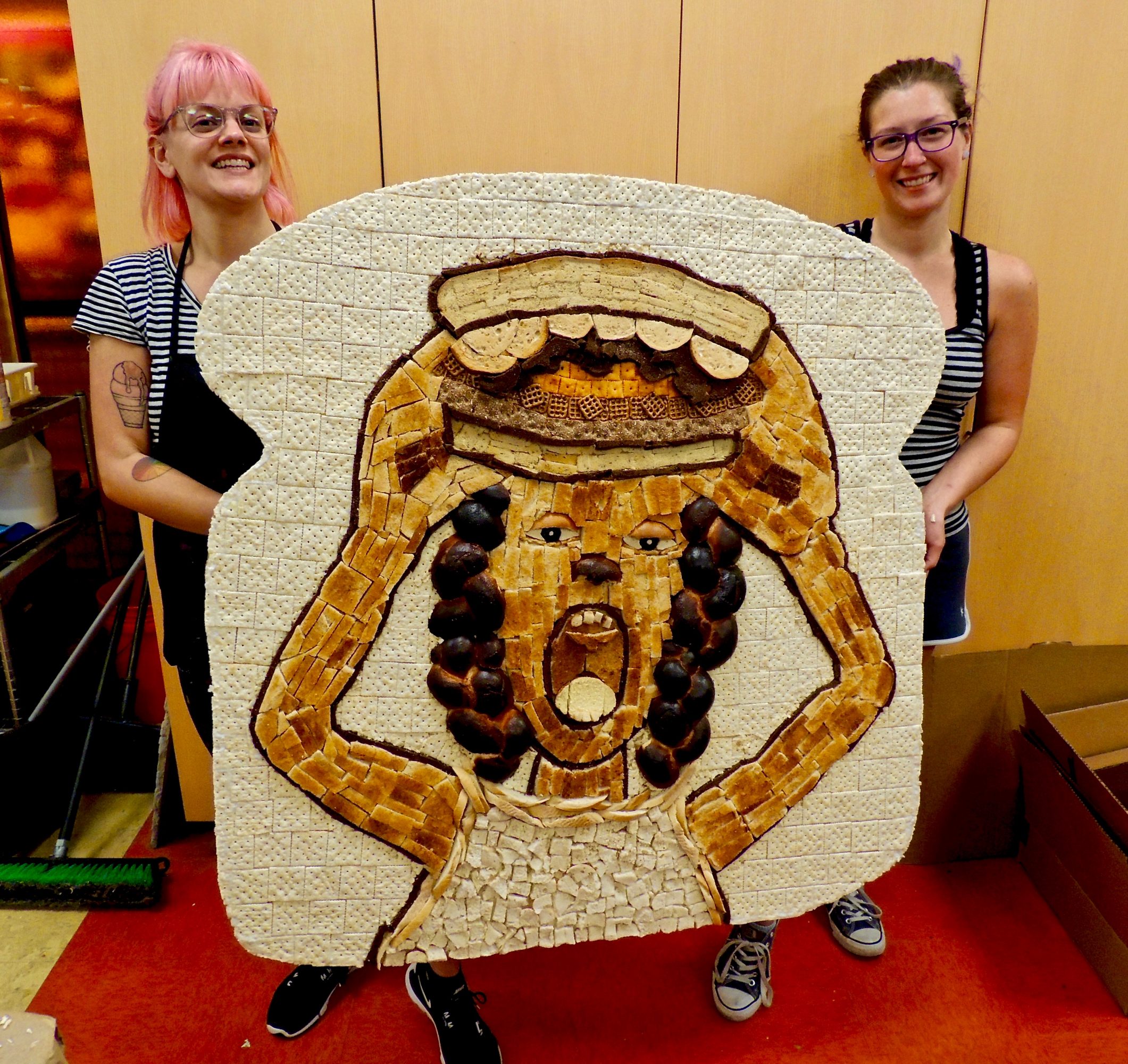
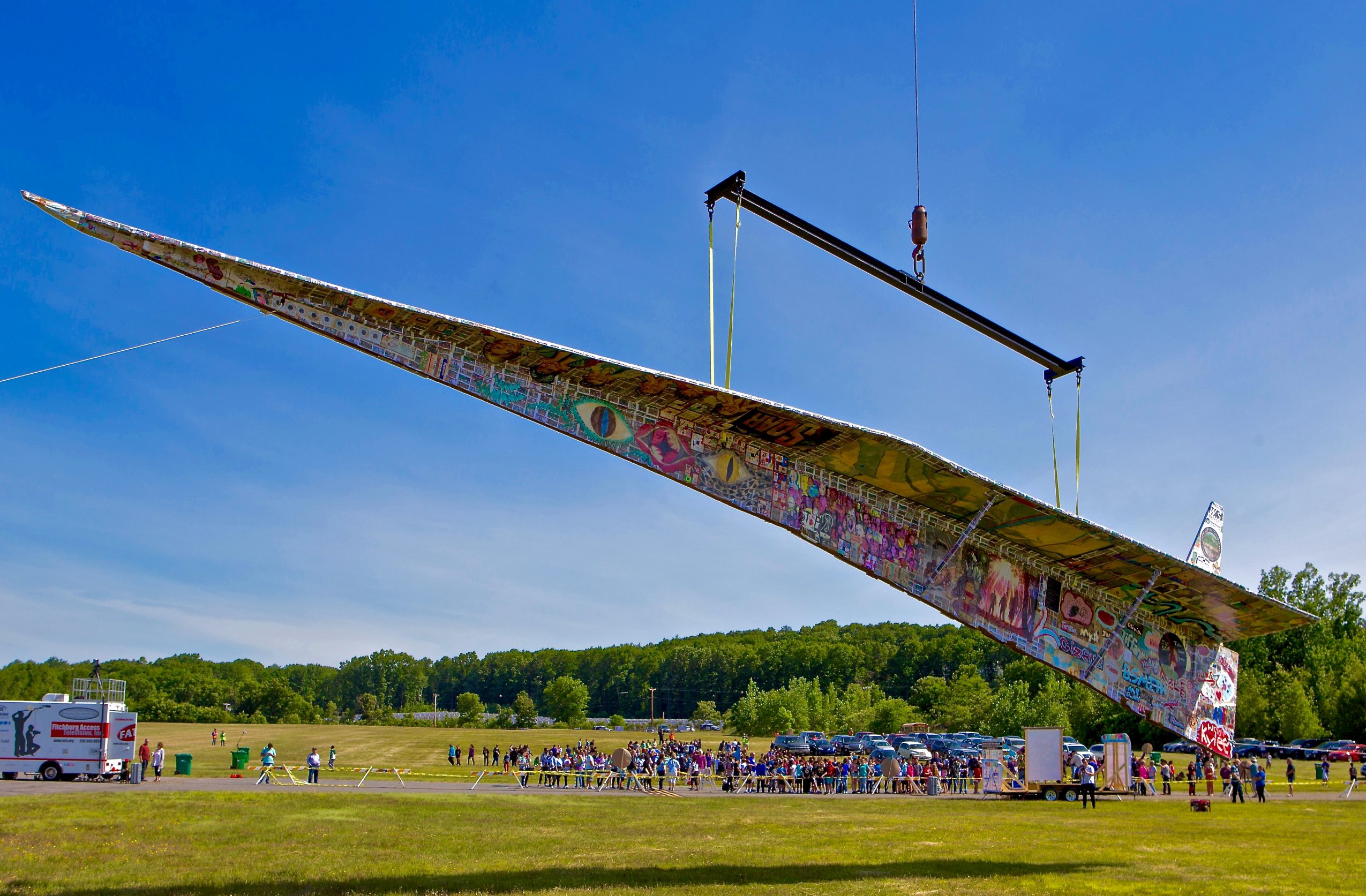
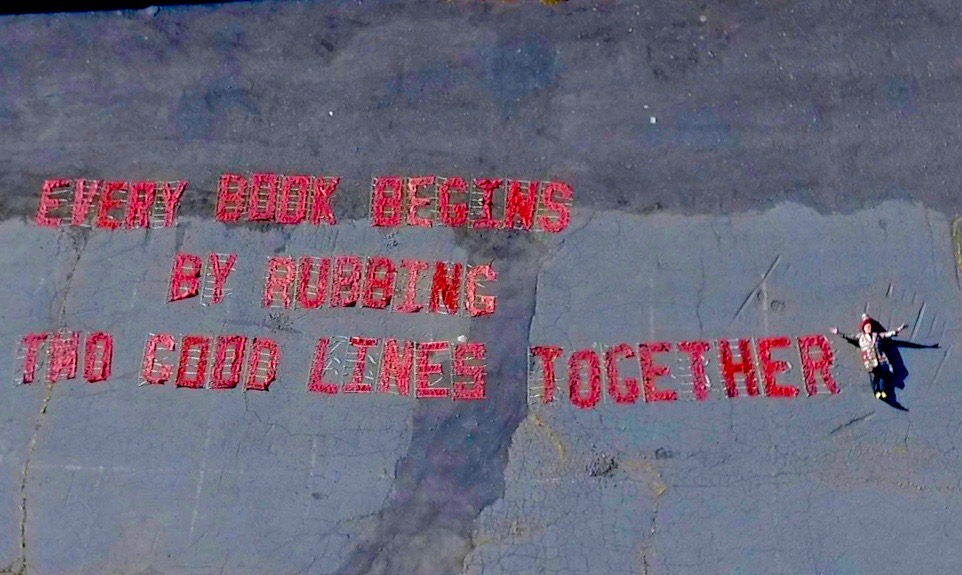
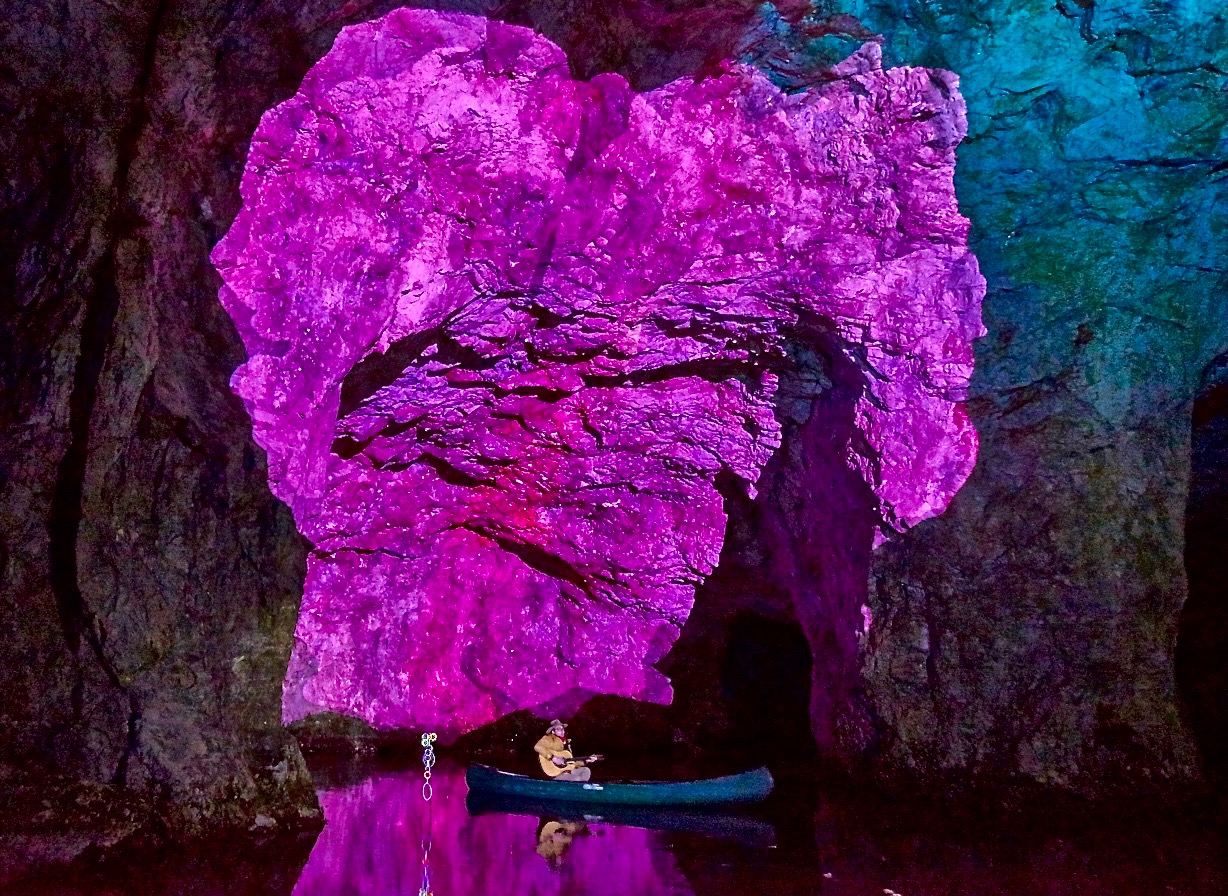
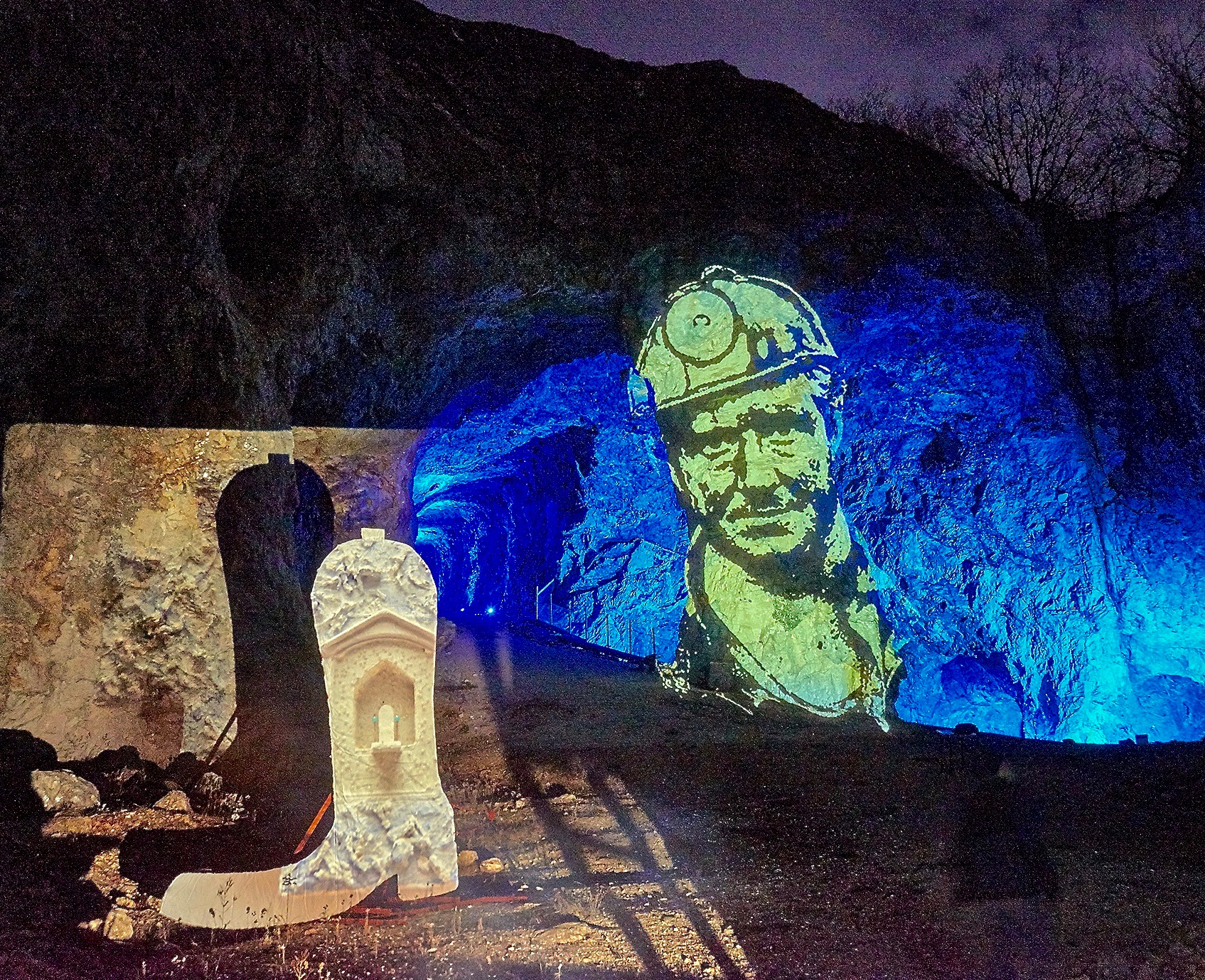 Image Credit:
Charles Mayer, Jim Higgins, Lawrence Libby
Getting in touch: BostonVoyager is built on recommendations from the community; it’s how we uncover hidden gems, so if you know someone who deserves recognition please let us know here.