





Today we’d like to introduce you to Sandra Theodorou.
Sandra, please share your story with us. How did you get to where you are today?
As a young girl, I stood on a mountainside in the village of Mavronoros in the province of Epiros, Greece. Through the night, villagers and returning diaspora of all ages danced in a circle to the pentatonic sounds of the clarinet, violin, laouto, and defi, characteristic of this region. The mountains themselves echoed the struggles, love, and courage of the people. These became known to me when my own grandmother whispered her stories of survival against poverty, war, and foreign occupation, pouring homemade wine and breaking into a song or lament.
I had similar formative experiences with my maternal grandmother on the island of Kefalonia, though the music of this island is characterized by the mandolin, Kantades (serenades), and clever humor.
Each of my parents fled their villages to the port city of Pireas, where they met and then immigrated to the United States when I was 2 years old. Their endless hours of work, along with mantras to treat every person with dignity and love, and to value education, supported my becoming a School Psychologist, a profession I continue to practice and love. I have also raised an amazing daughter. The Greek ethics of philotimia (honor, hospitality, humility), meraki (passion, quality), resilience, and the raw appreciation for the fragile essentials of life, expressed most poignantly in music and dance, grounded and guided me.
Performing with Greek folk dance groups provided the opportunity to learn about music and dance from regions all over Greece. The recorded music for these performances hinted at its depth, but left the listener thirsty for live authentic traditional music. I knew the music was thriving in Greece, and I knew that a few musicians were playing it here. I decided I wanted to play this incredible music. I began with the instrument I had grown up playing, the accordion. My first laouto was made by Dimitris Rapakousios, and Panayiotis League taught me to play. I am lucky to have a second laouto made by Christos Tofas, and to have spent some time with the great laouto player Christos Zotos. This instrument allowed me to expand the repertoire possibilities. I have had the honor to play with and learn from several bands and musicians which honor the traditional sound. Beth Bahia Cohen, (world renowned violinist), Joseph Graziosi (dance instructor), Kosma Vrouvlianis (musician) are among our local treasures. Several trips to Greece gave me firsthand experience with masters of music and dance from several regions. I continue to learn about lyrical melodies and the “springing” dances of the Aegean, Dodekanese, and Ionian islands, mesmerizing pentatonic and polyphonic laments and celebrations from the mountains of Epiros, powerful odd-metered Macedonian and Thracian rhythms, and the delicate modal tones of urban Smyrnaika and Rebetika (“Greek blues”).
Currently, I lead the band REVMA, which plays traditional village and urban music, and I am a member of the bands Rebetoparea, (rebetika / urban blues), and Oinos (laika, more modern music). I am also chair of the Traditional Music Department of the Boston Lykeion Ellinidon (BLE). The BLE is a chapter of the international Lykeion headquartered in Athens, which celebrates the diversity of Greece’s distinctive regional cultures, and strives to enrich, educate, and entertain through a rich program of dance performances, classes, workshops, lectures and special events.
Has it been a smooth road?
The richness of traditional Greek music can easily become lost in the experience of the diaspora. Fortunately, some important elements of traditional music are still prominent, such as the modal scales and the odd rhythms. However, the sounds of violin, clarinet, defi, daouli, tsambouna, laouto, baghlama, tsoura, are often drowned out by keyboard synthesizer and drum set. Songs with lyrics rich in meaning and message are abandoned to a few crowd pleasers. Resurrecting the rich and authentic sounds of the traditional instrumentation and the diversity of songs is my goal. When the traditional sound is heard, it strikes a deep chord.
So, as you know, we’re impressed with REVMA – tell our readers more, for example what you’re most proud of as a company and what sets you apart from others.
REVMA plays for music and dance events of all kinds: concerts, festivals, dances, weddings, celebrations, memorials. We lead jam sessions and workshops to demonstrate and teach the music. We accompany dance groups for performances and competitions. We have core musicians but also work with musicians who play instruments or styles that highlight specific regions or styles. We play for audiences looking for more commonly known music, and we play for audiences looking for a particular specialization.
Let’s touch on your thoughts about our city – what do you like the most and least?
Diversity. Music! It is a mecca for world music. The level of musicianship is incredible. There are so many people who appreciate excellent music.
Contact Info:
- Website: www.matoulamusic.com
- Phone: 978-764-4810
- Email: sandy@matoulamusic.com
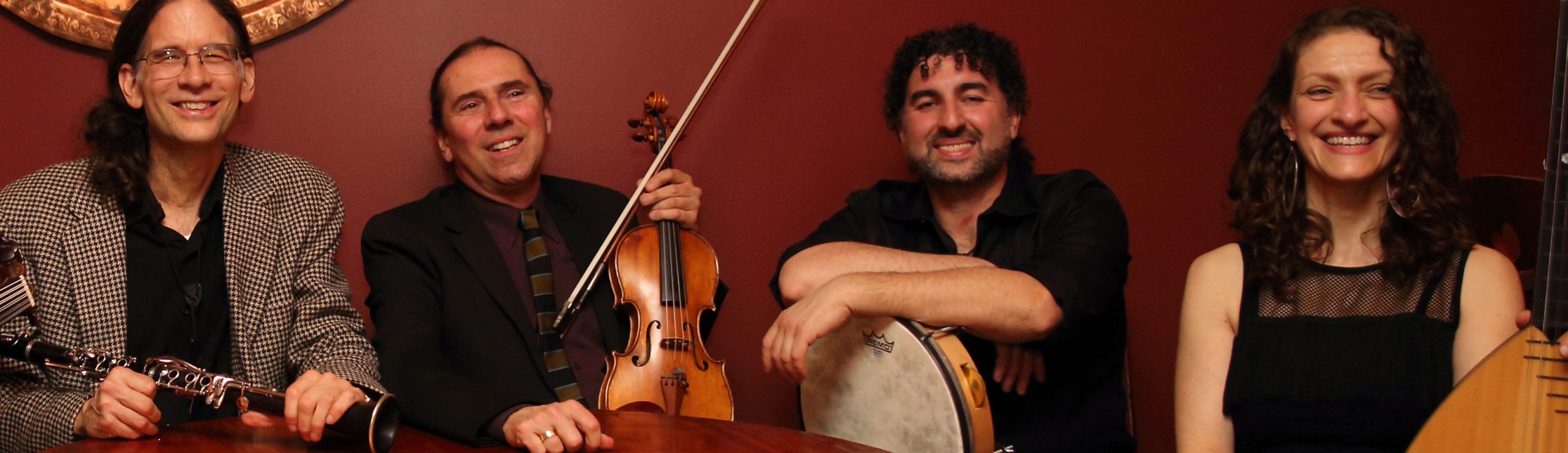
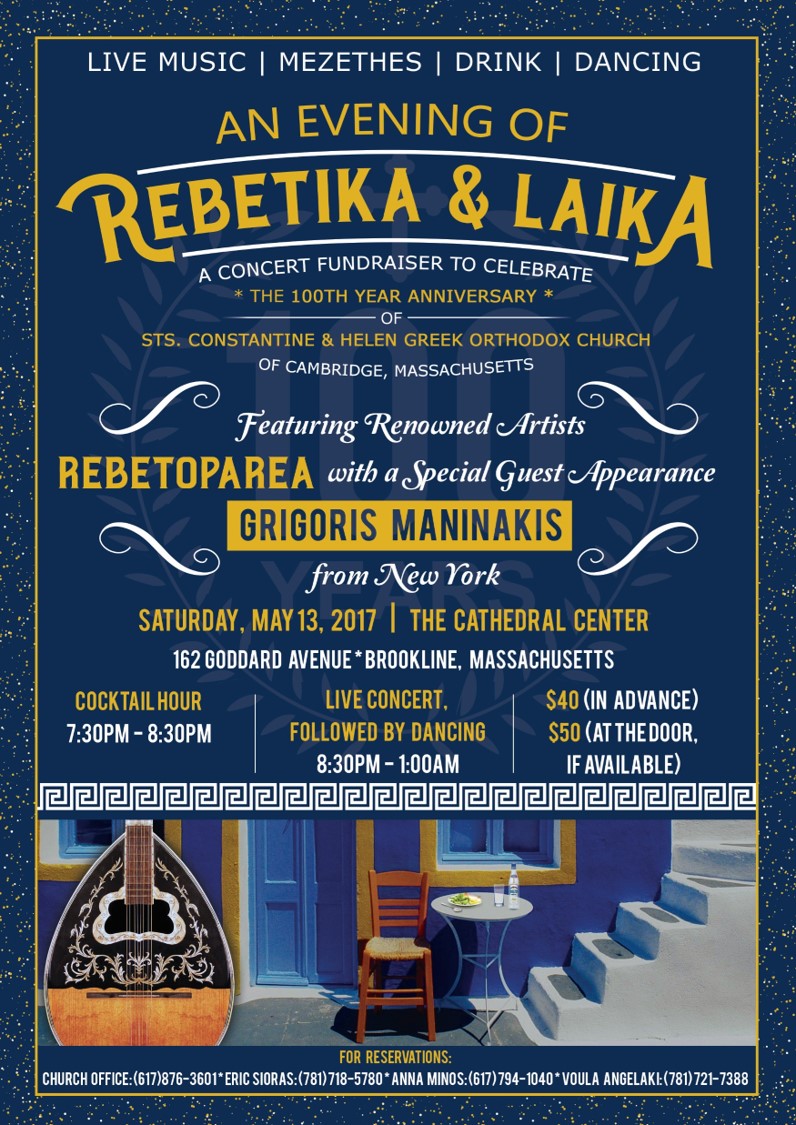
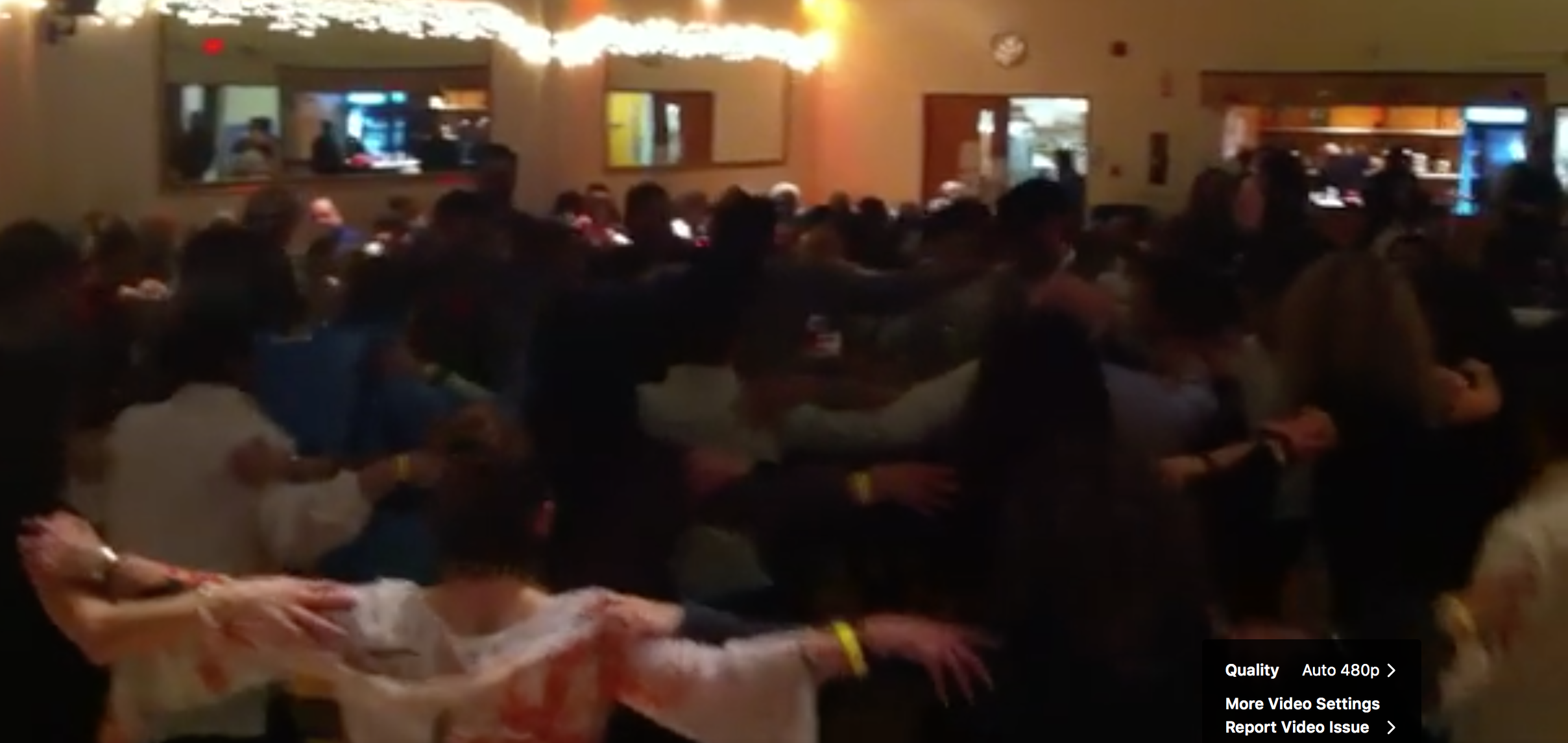
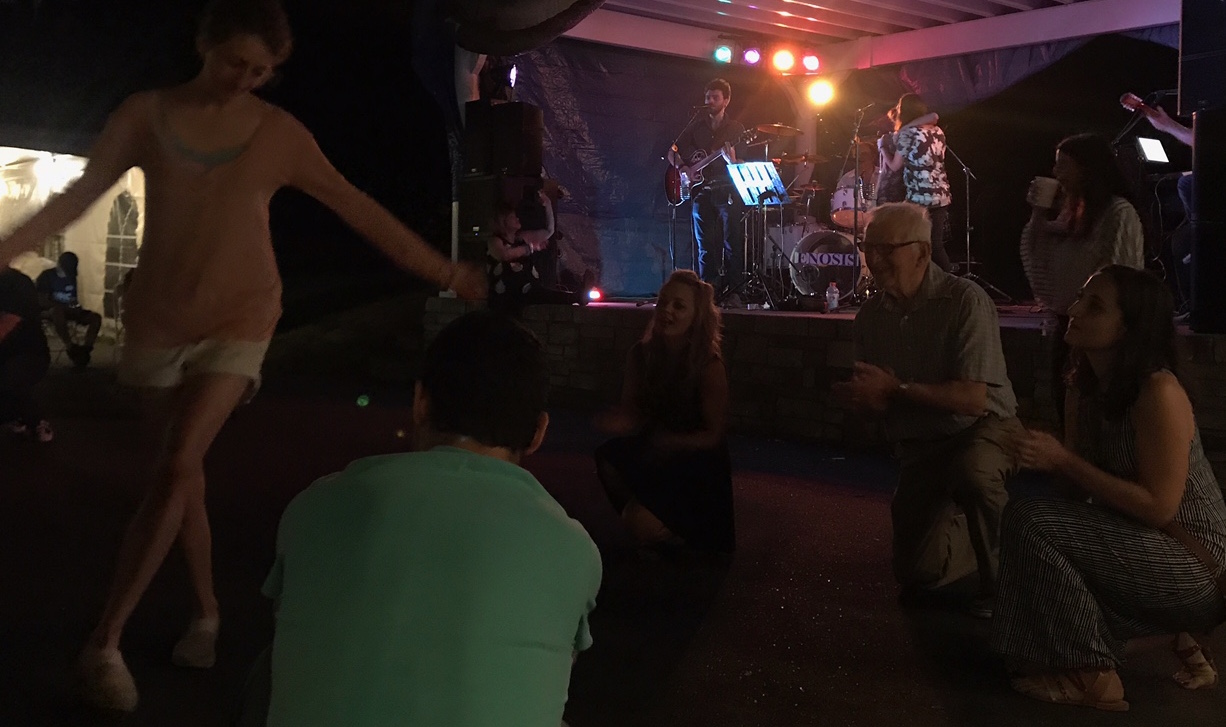
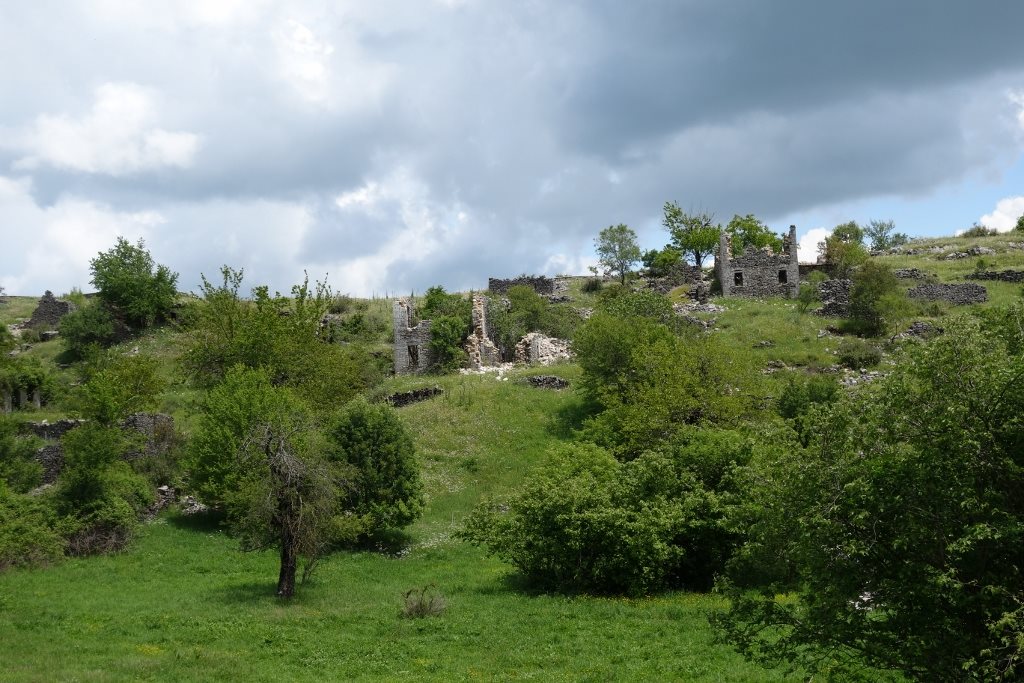
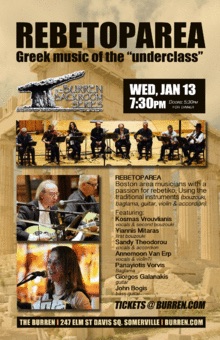
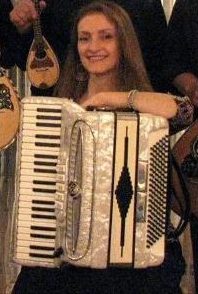

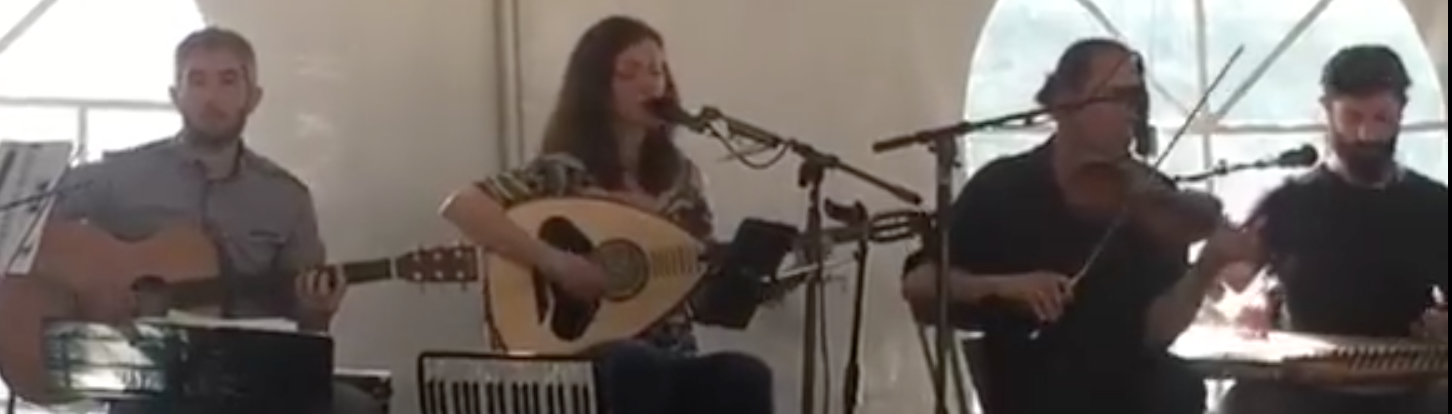
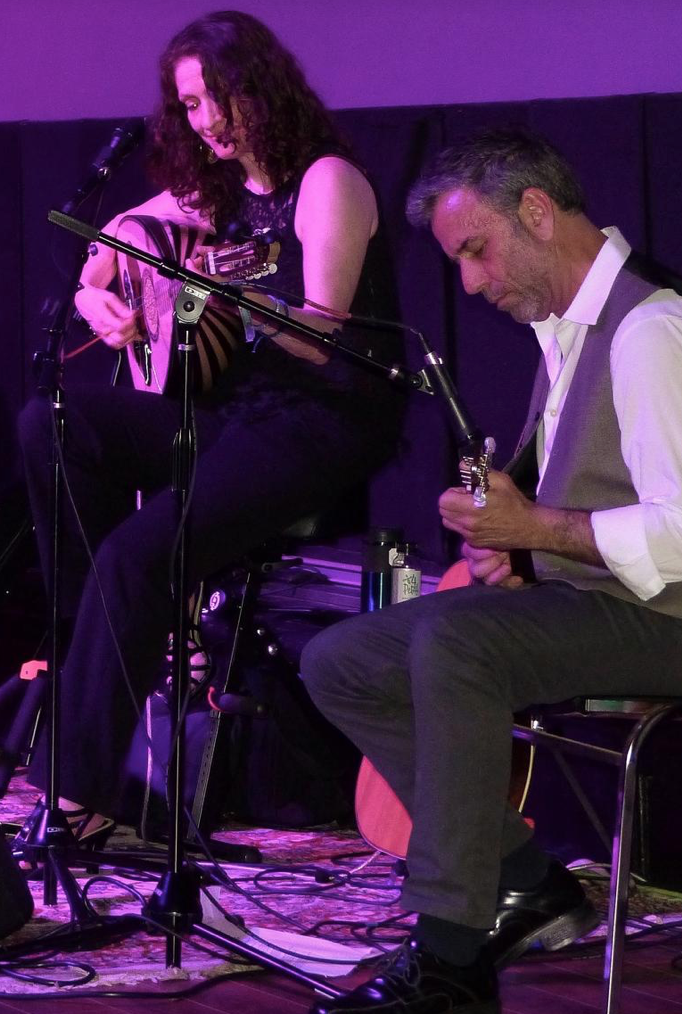
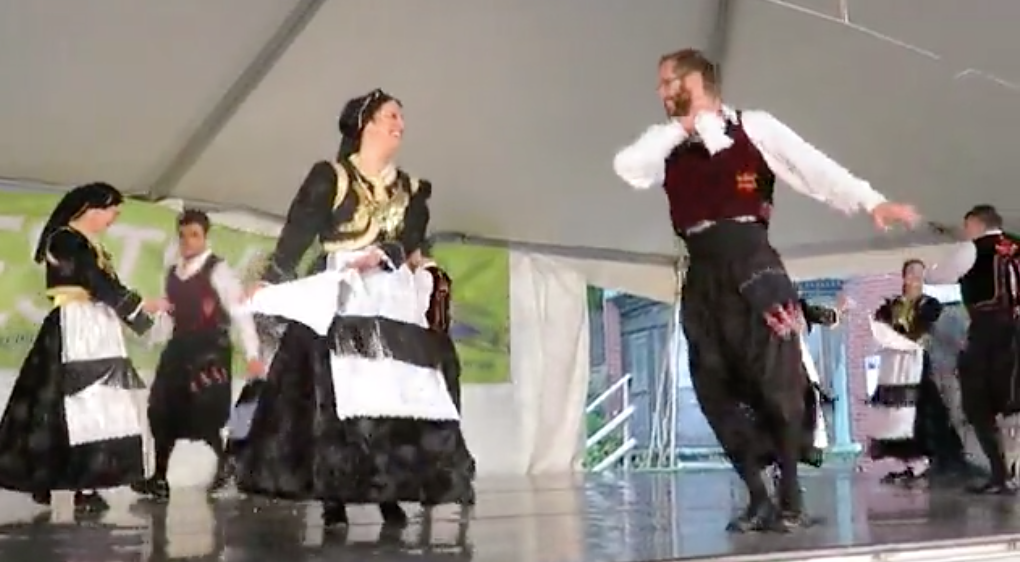
Image credit:
Boston Lykeion Ellinidon
Getting in touch: BostonVoyager is built on recommendations from the community; it’s how we uncover hidden gems, so if you know someone who deserves recognition please let us know here.