


Today we’d like to introduce you to Rachel Hellmann.
Every artist has a unique story. Can you briefly walk us through yours?
As a young child I made dolls by tearing and knotting discarded dryer sheets. I think that relationship to art-making has stayed with me as an adult. I am interested in art as an object and love to make things with my hands. I grew up in a family where my mother sewed and my father was always working on one construction project or another. On a regular basis, I observed a natural commitment to craft and love of tools.
I began my artist career as a painter. About seven years ago, I began to feel the limitations of the rectangular canvas and made my first paintings that flirted with three dimension – one rolled onto the ground and another was installed in the corner. With those pieces I began my experimentation with how I could create paintings that communicated more as an object. At that time, I was living in Boston, was teaching full-time and didn’t have access to space and the equipment needed to make a leap into the sculpture I was envisioning. However, I did begin making models and started collecting ideas of what I would build when I had the opportunity.
About five years ago, I moved away from Boston and returned to my childhood town in Indiana to work full-time in the studio. Because of this move, options and resources began to fall into place to push my work to the sculptural place that I had been leaning. I began working with my father who taught me how to translate my foam core models into sculpted wooden forms. I also gained access to a full wood shop – the same wood shop that my grandfather worked in as a furniture maker fifty years ago. Moving back to Indiana, allowed me to come full circle – connecting my artistic vision with that of a family history laced with carpentry and craft. I now complete the majority of the woodworking on my own, however, my father continues to work with me every now and then on the larger, more complicated pieces.
Please tell us about your art.
I work both two and three dimensionally — I’m primarily interested in how form can defy gravity and challenge the understanding of actual and perceptive space. Drawing has always been the backbone of my studio practice. It is the place where ideas are generated, space and shape are explored and color relationships are introduced. My approach to the works on paper is fluid, immediate and exploratory. When working on a new body of work, I hang the pieces in close proximately and frequently change their location on the wall. I am equally interested in the conversation that happens between pieces as I am with the conversation that happens within a piece. Some of the painting moments will seep into future sculptural pieces and others will be happy to remain in the two-dimensional world.
In my sculptural pieces, I really focus on merging the worlds of painting and sculpture. In these pieces, I use light, shadow and dimension to defy the weight of the solid wood construction. I think of them as being in constant flux – always reading slightly differently depending on angle of view and lighting of the piece. This shift calls for the person looking to move around the piece for closer inspection so that the viewer becomes connected to the piece in an active way.
My process for the sculptural pieces is similar to that of fitting together a puzzle. I cut and fold shapes with cardboard and paper to test their different configurations and then recreate these forms with poplar wood. The wood pieces are cut, sanded and joined together with dowels, screws, and adhesives. After final sanding and priming, I paint bright, geometric fields of color on all sides, both adjacent and intersecting with the lines and shadows formed by the irregular surface. The combination of the built form and the painted surface creates a conversation between the actual dimensionality of the piece and the perceived dimensionality.
Given everything that is going on in the world today, do you think the role of artists has changed? How do local, national or international events and issues affect your art?
Artists have always played a critical role in society -I think that most artwork is a response to what is going on in the world. Sometimes it is a response to life on a micro, personal level and other times it reflects something much larger. My work is slow and labor intensive. I love working in a way that at times feels at odds to what is happening outside of the studio which often feels fast paced, efficient and based in technology. It feels liberating to be able to create something slowly, over time with simple materials with the hope of coming up with something new, engaging and optimistic.
How or where can people see your work? How can people support your work?
At the moment, I’m busy preparing for a solo exhibit that I have at the Swope Art Museum (Terre Haute, IN) The exhibit opens at the beginning of November and a selection of the show will then move on to Elizabeth Houston Gallery (NY, NY) for a solo exhibit that opens in January 2019. In addition to Elizabeth Houston Gallery, I am also represented by Ellen Miller Gallery (Boston) and Galleri Urbane (Dallas).
Contact Info:
- Website: www.rachelhellmann.com
- Email: rachel@rachelhellmann.com
- Instagram: https://www.instagram.com/rachelhellmann/
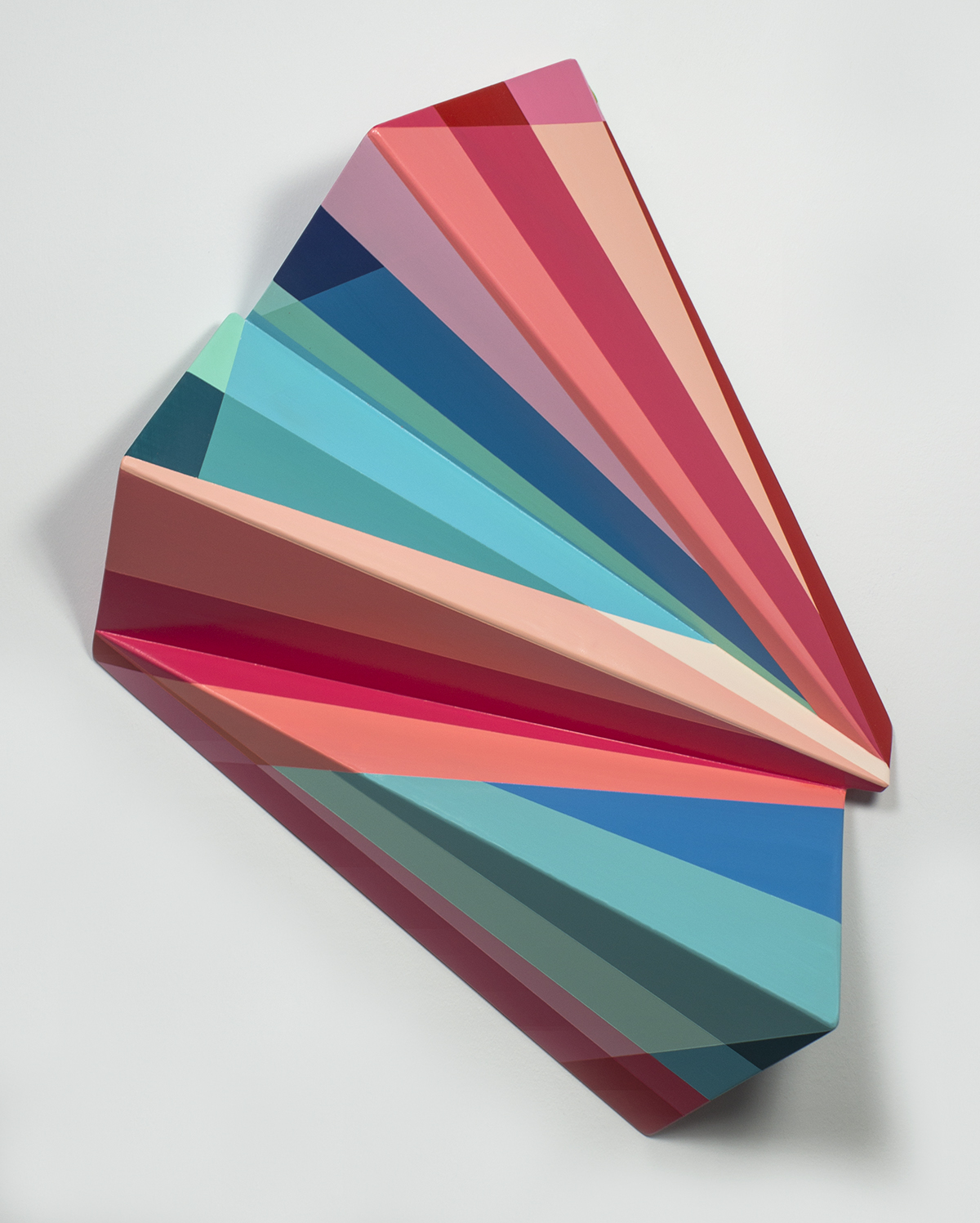
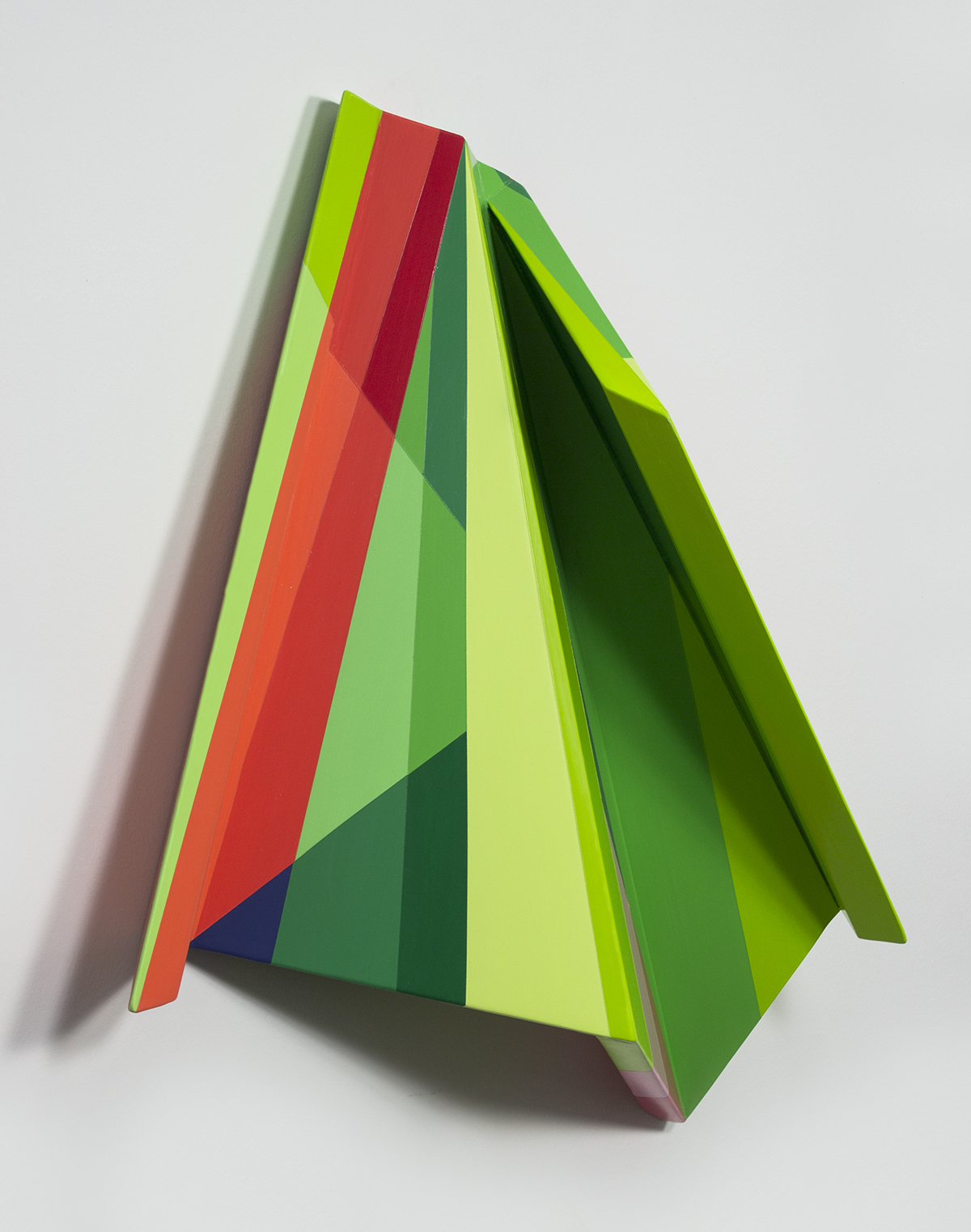
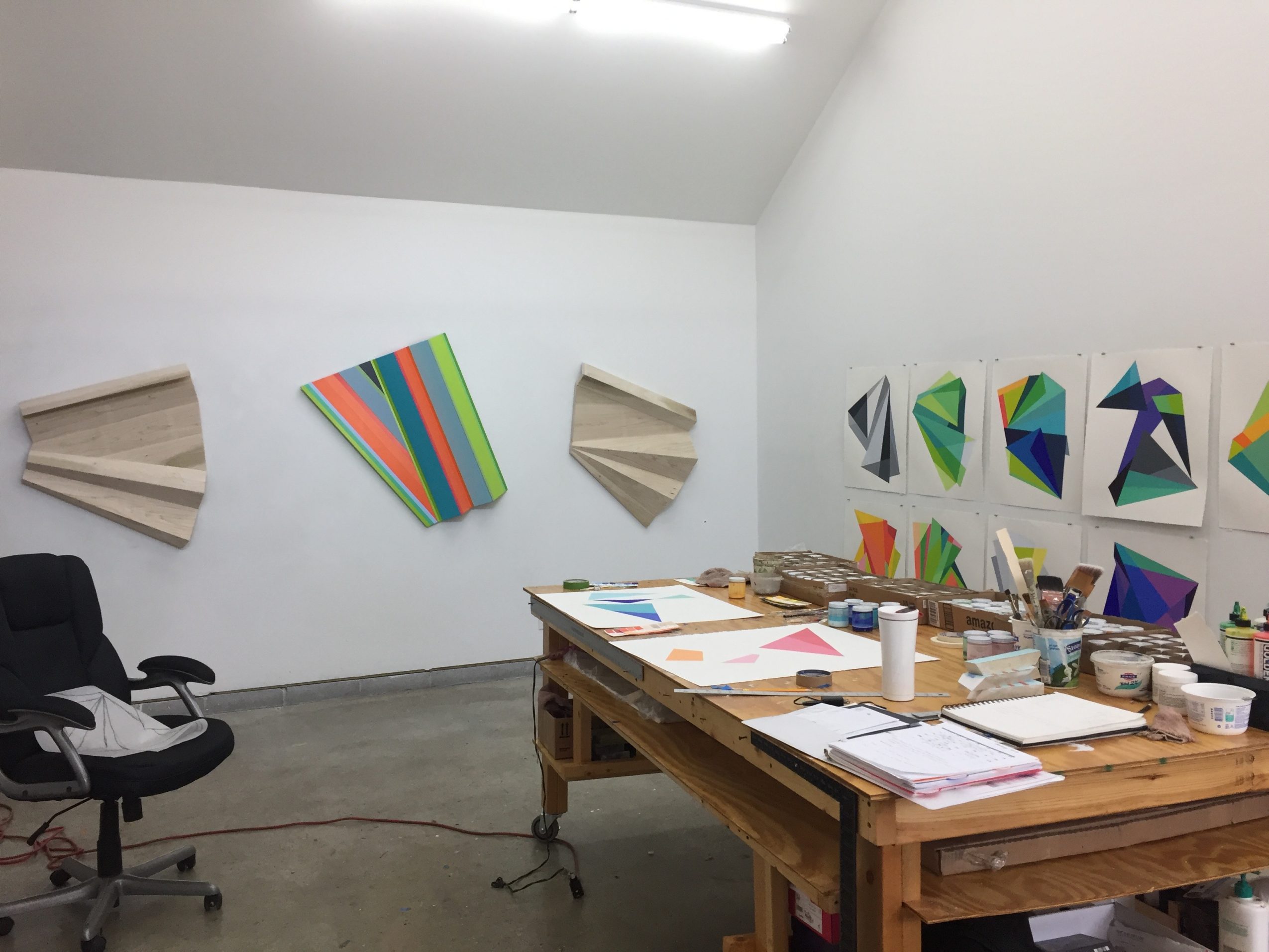
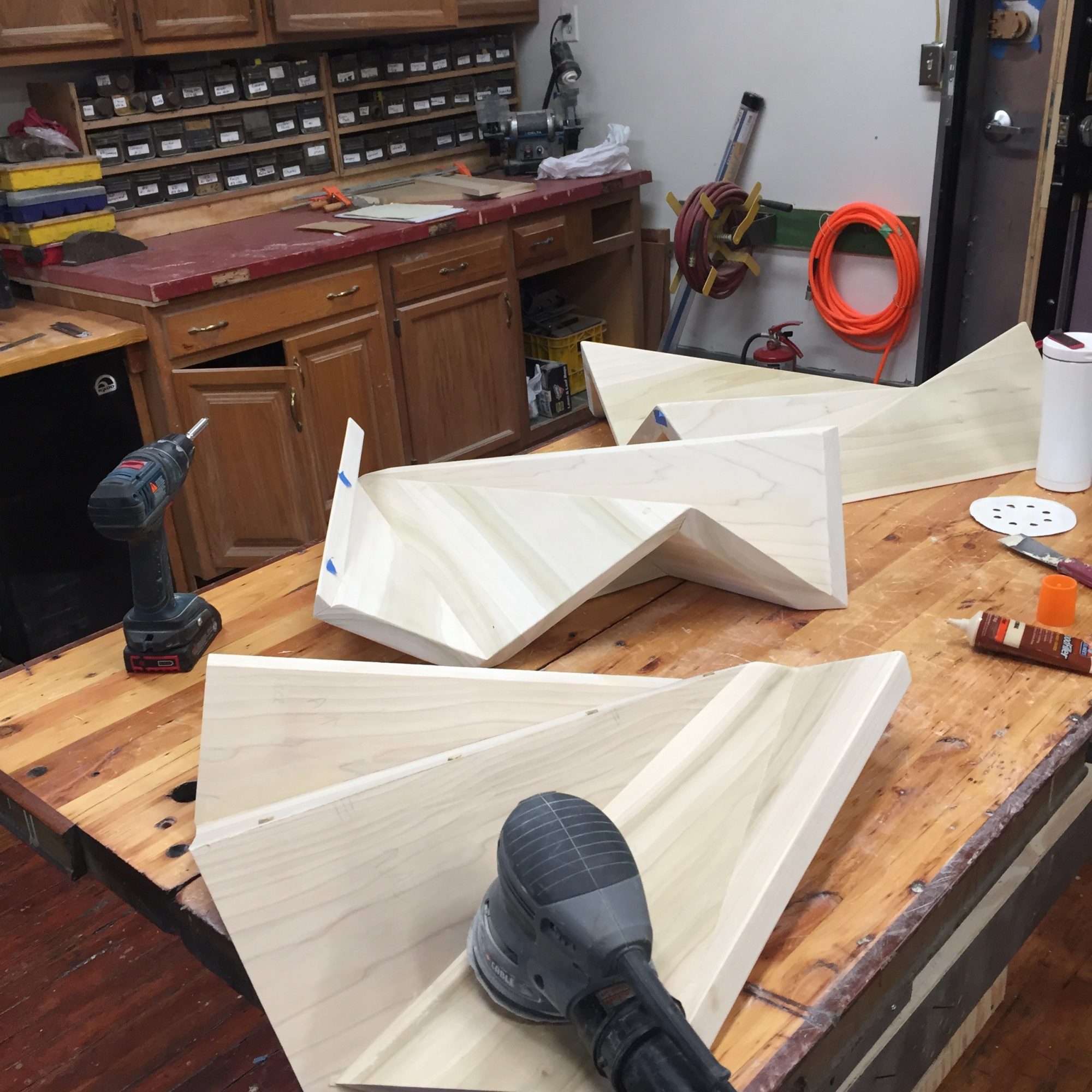
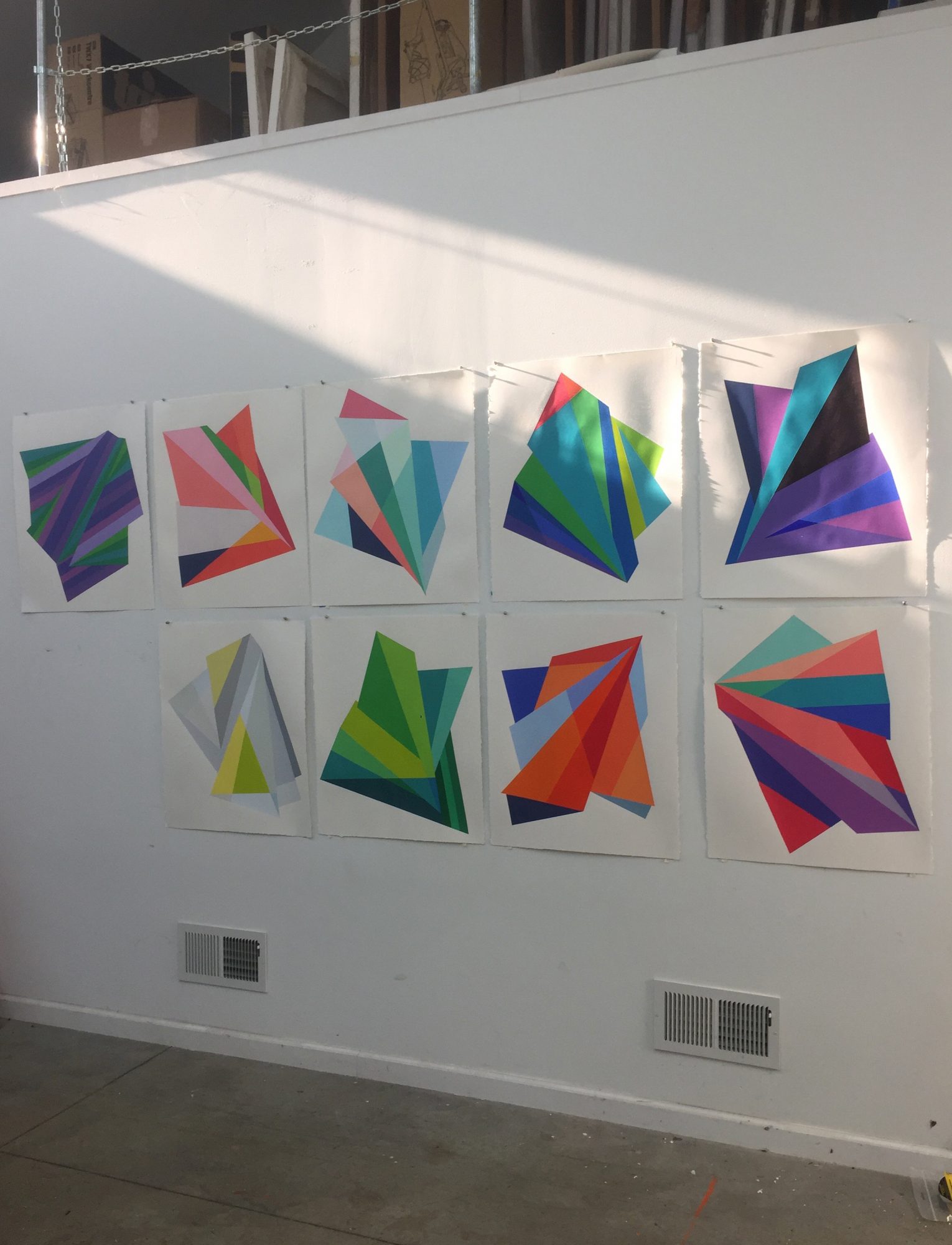
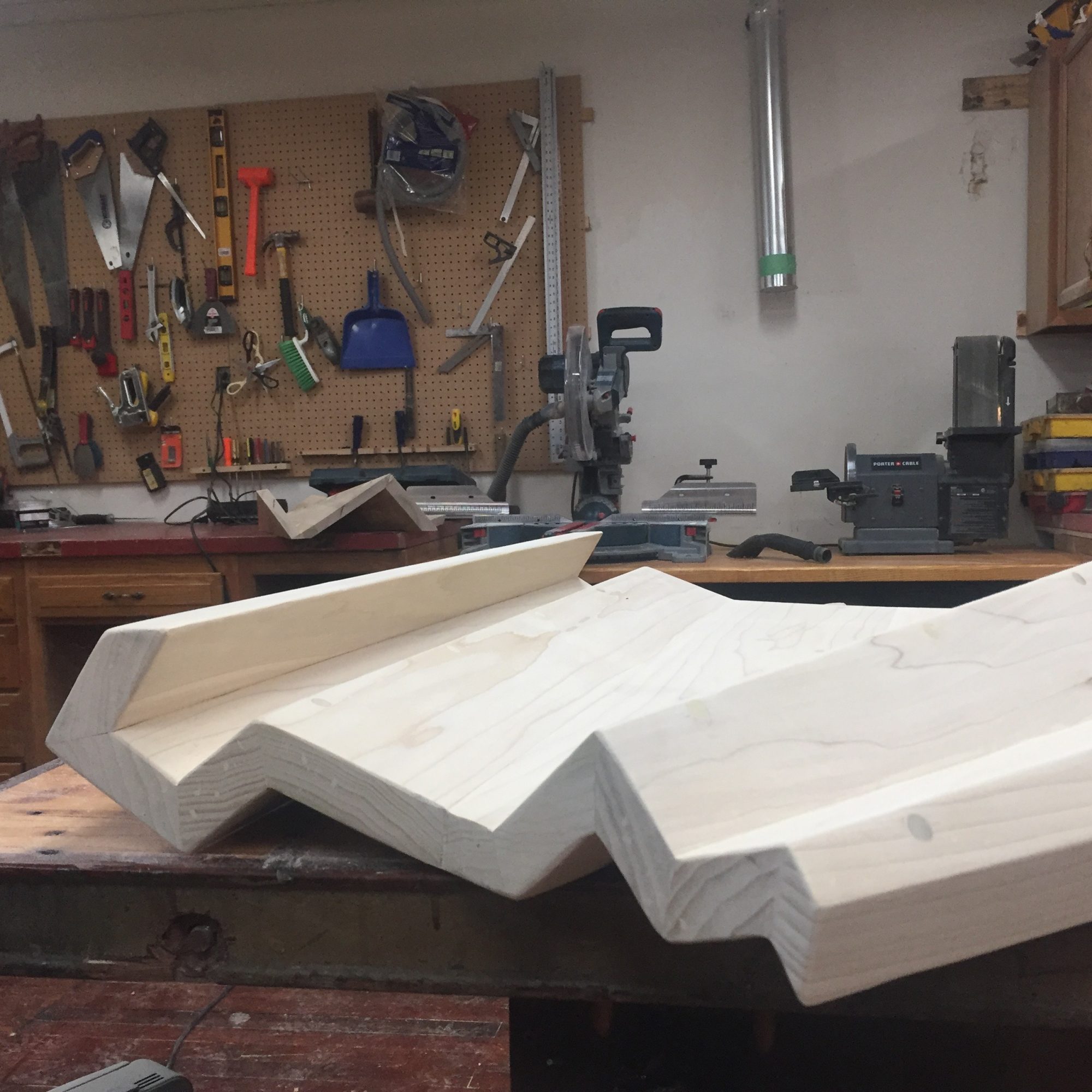
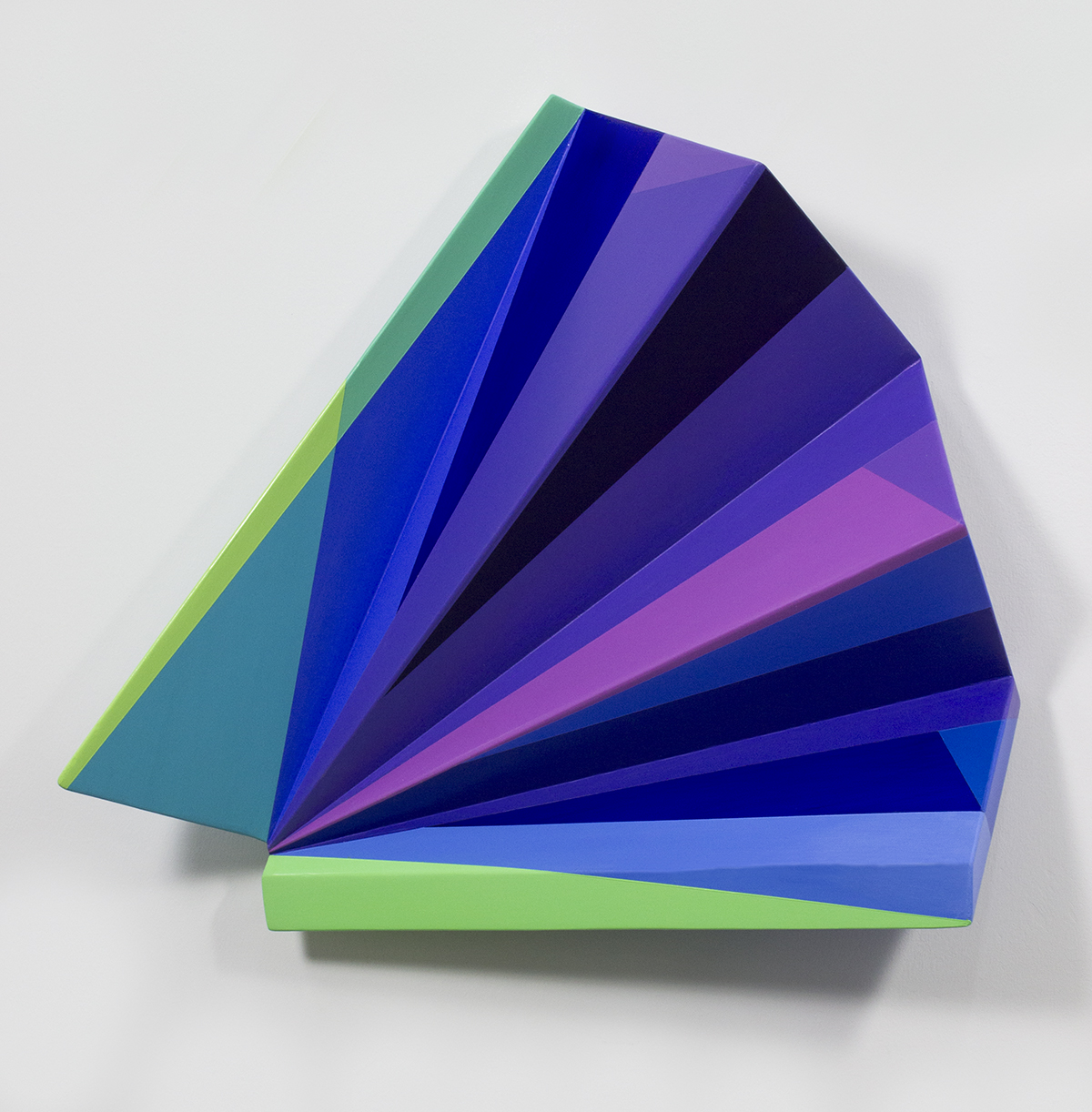
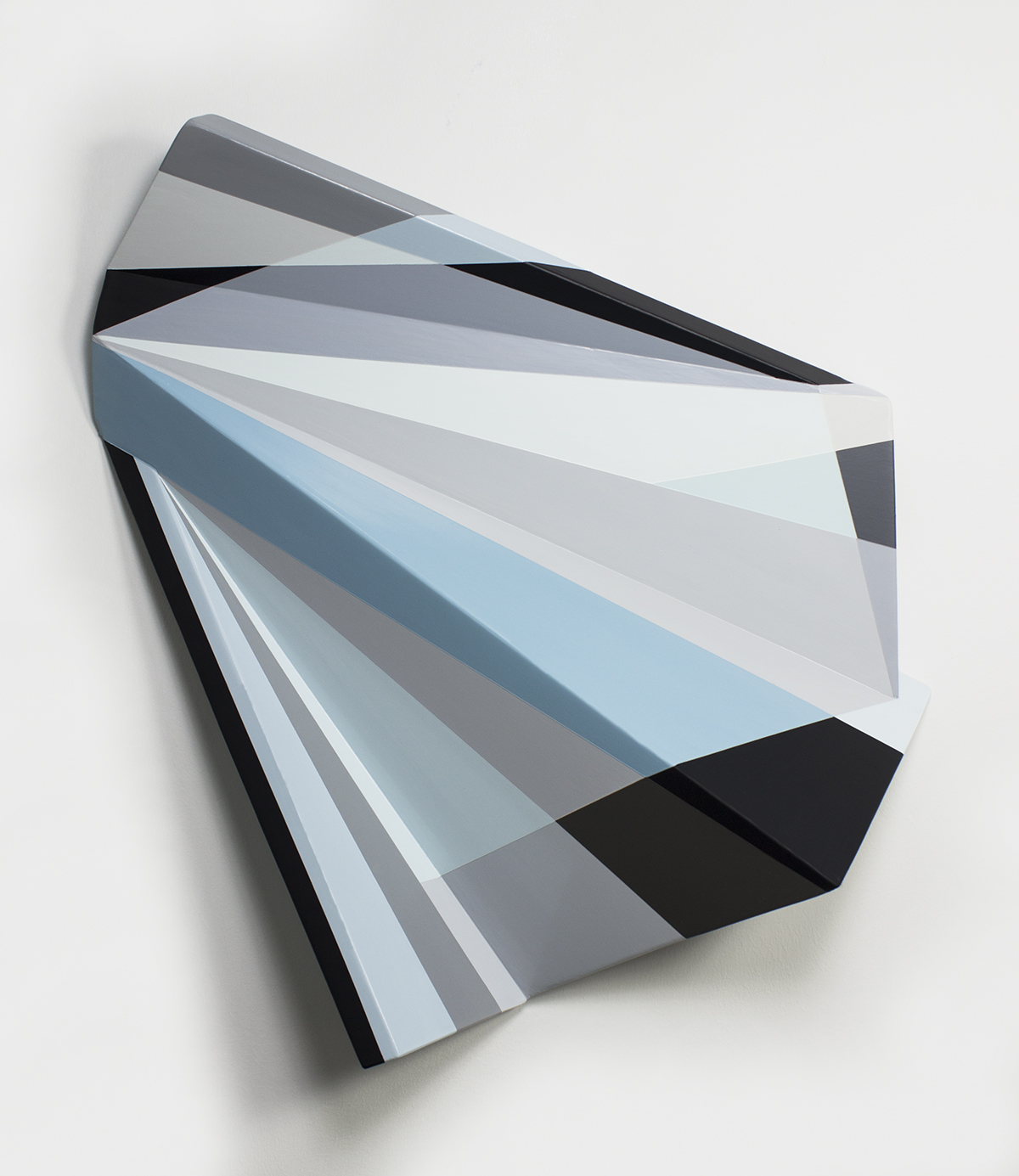
Image Credit:
Rachel Hellmann (all images except one of myself)
TJ Hellmann (image of myself)
Getting in touch: BostonVoyager is built on recommendations from the community; it’s how we uncover hidden gems, so if you know someone who deserves recognition please let us know here.