




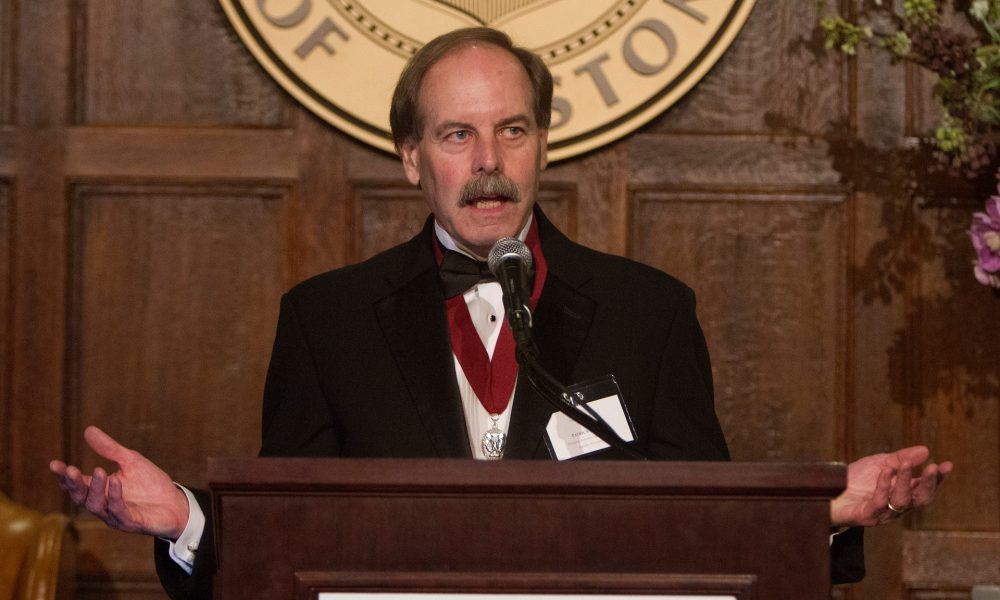
Today we’d like to introduce you to Patrick Ahearn.
Patrick, please share your story with us. How did you get to where you are today?
When I started the firm in 1978, I focused on the kind of work I had been doing for other large firms which included Hotels and resort planning in Abu Dhabi, Al Ain, and Cairo Egypt in the Middle East. The last major project I worked on before I went on my own was with The Architects Collaborative as a lead urban designer for a new 62 sq. mi petrochemical city to be built in Jubail, Saudi Arabia.
I had developed relationships in the hotel industry from working with other firms so, for the first 10 years of my practice, I was designing a combination of hotel architecture and interiors and many historic restoration projects. In the Back Bay neighborhood of Boston, I completed over 400 residential, retail, and commercial projects combining the utilization of human scale, a sense of history, and infusion of vitality. I designed some of the first condominium conversions in this neighborhood in 1974, which led to the block-by-block renaissance of the residential component of this historic environment. Prior to 1974, there were no sidewalk cafes or outdoor seating along the major pedestrian streetscapes. My vision and mental fortitude served as catalysts to change the regulations of the Architectural Commission and Back Bay neighborhood association to usher in a new human-scaled vital streetscape.
As the years went on, the work took me all across the country doing hotels and living on airplanes. I realized I was just managing people and wasn’t doing any design work and the staff had grown to 45 people and multiple offices. I woke up one day and decided that wasn’t what I wanted to do for the rest of my professional life. I spun off those types of projects to a partner and focused on high-end residential work and opened the Martha’s Vineyard office and continued to grow the firm in that direction and adjusted the staff accordingly. That is what I have been doing over the last 25 years.
So, as you know, we’re impressed with Patrick Ahearn Architect – tell our readers more, for example what you’re most proud of as a company and what sets you apart from others.
Patrick Ahearn’s historically motivated, human-scaled designs have advanced the art of place-making in some of America’s most affluent and storied destinations. Whether carefully restoring century-old landmarked townhouses in Boston’s Back Bay or creating new homes that reimagine the local vernacular of Martha’s Vineyard, Ahearn demonstrates an unparalleled ability to combine the romance of traditional architecture with the ideals of modernism. In his work, he sensitively balances preservation with innovation to make buildings that feel truly timeless.
Ahearn adapts and applies philosophy’s “greater good theory,” to each of his projects. The idea of the greater good encapsulates his profound belief that architecture has the power to improve lives, to increase happiness and to encourage friendly and familiar interactions. It serves as a guiding principle for all of his work. To achieve the goals of this theory, Ahearn designs buildings that are human-scaled and sensitively sited, paying as much attention to the spaces between structures as to the structures themselves. The greater good theory allows Ahearn to create what he calls “non-ego-driven architecture”: He measures the success of his designs not on their ability to embellish the reputation of his clients or himself, but instead on their capacity to enhance the public realm.
A master of vernacular architecture styles, Ahearn develops his schemes based on decades of careful study and extensive knowledge of historic and regional context. Through the practice of what he refers to as “narrative-driven architecture,” he creates a storyline for every home he restores, renovates or builds from the ground up. This scripting gives his buildings a sense of implied history, and at the same time lets them expand in scope and plan to contain the various needs of 21st-century living. It also helps his houses comfort their residents and guests with a nostalgic sense of familiarity and a reassuring link to the past. Ahearn uses rich materials, artisanal craftsmanship, and pitch-perfect period details to create buildings that look just right in their locations as if they could have been built three centuries ago or just last year.
Aesthetically, his buildings are clearly and authentically connected to the character and history of a locale, but, at the same time, their programs, plans, and integration of technology celebrate the way we live now.
Let’s touch on your thoughts about our city – what do you like the most and least?
Like
– The walkability
– The scale
– The unique neighborhoods
Dislike
– Driving
– Parking
– The street pattern
Contact Info:
- Address: Patrick Ahearn Architect LLC
160 Commonwealth Ave Ste L3
Boston, MA 02116 - Website: www.patrickahearn.com
- Phone: 617-266-1710
- Email: info@patrickahearn.com
- Instagram: https://www.instagram.com/patrickahearnarchitect
- Facebook: https://www.facebook.com/patrickahearnarchitect/
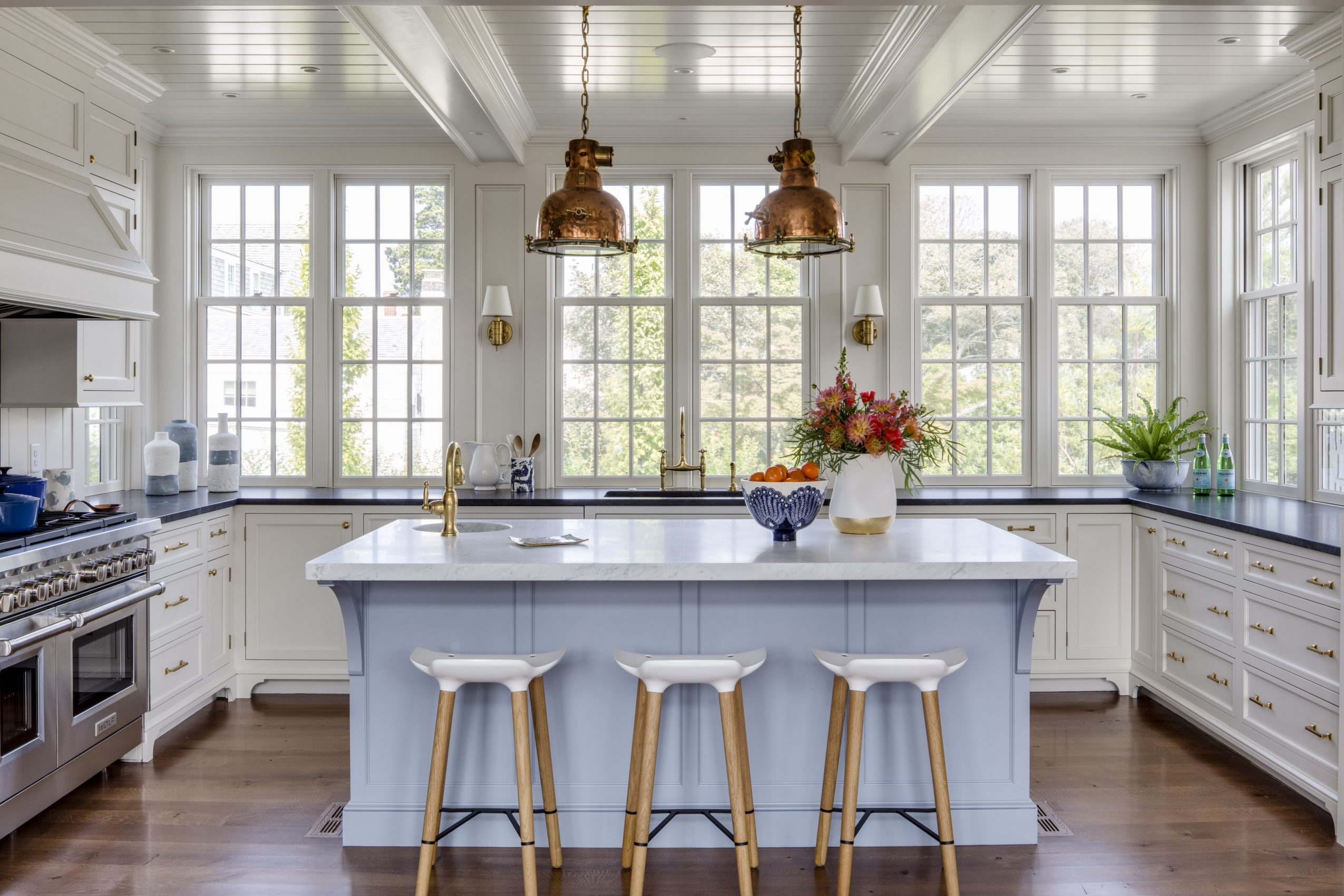
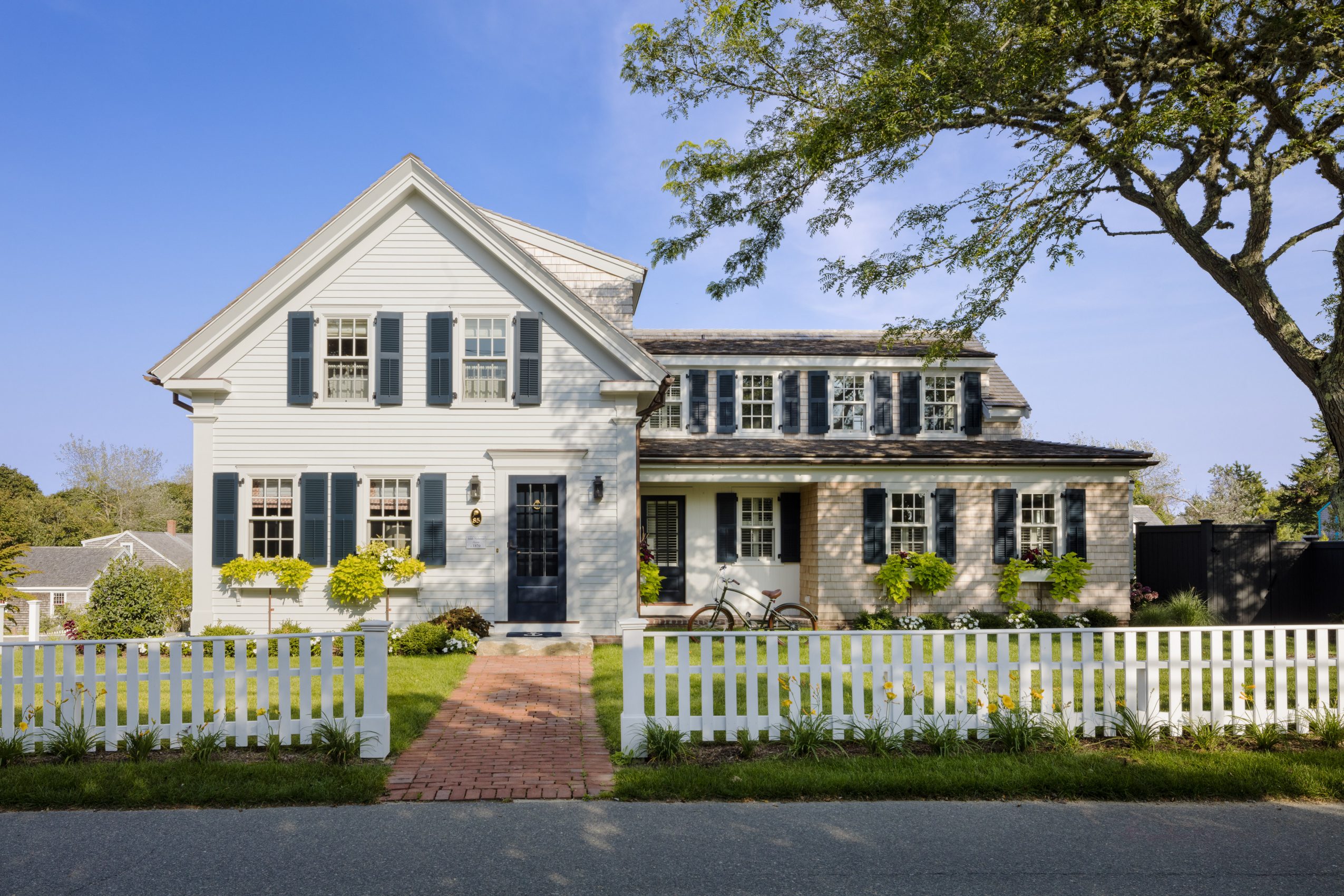
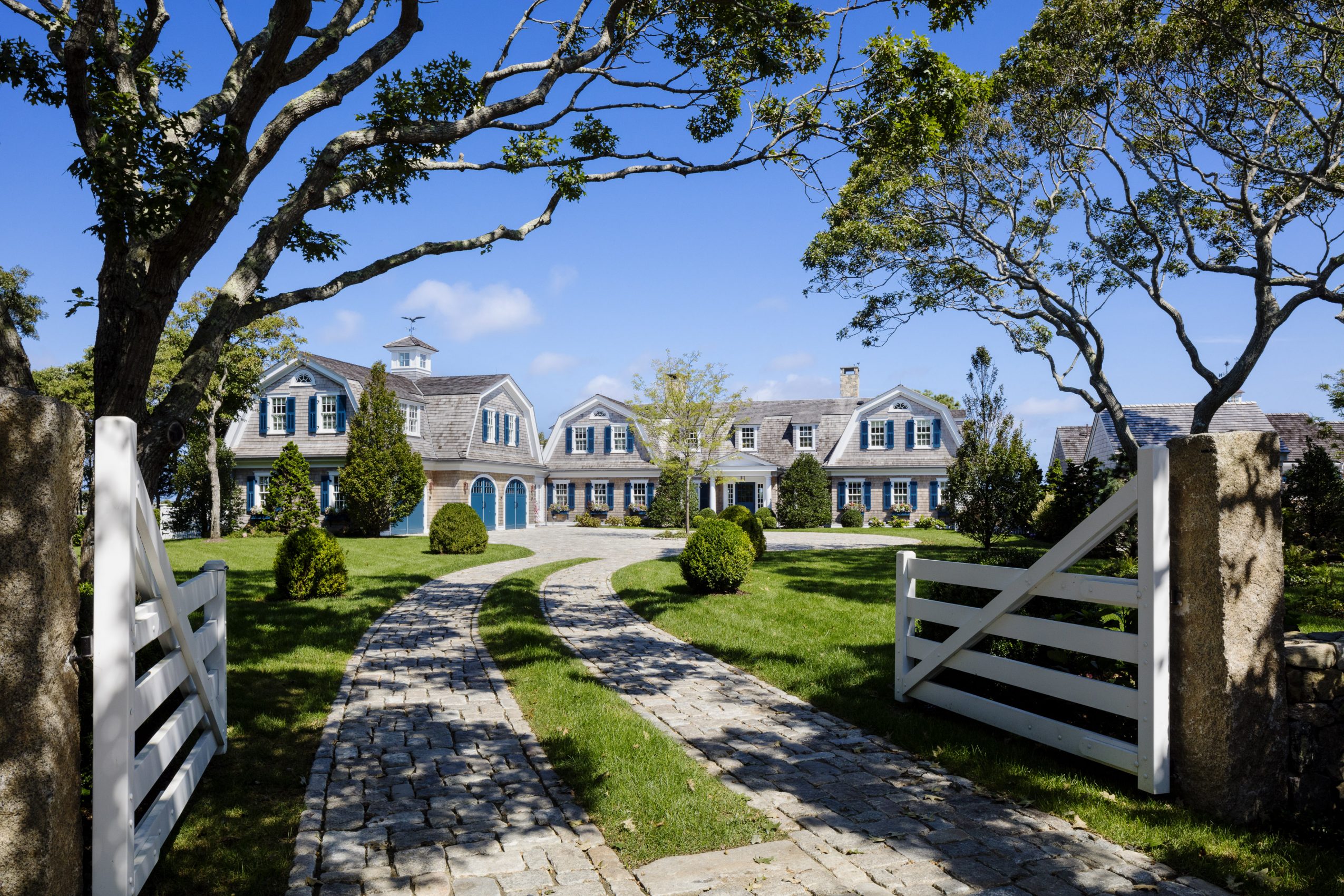


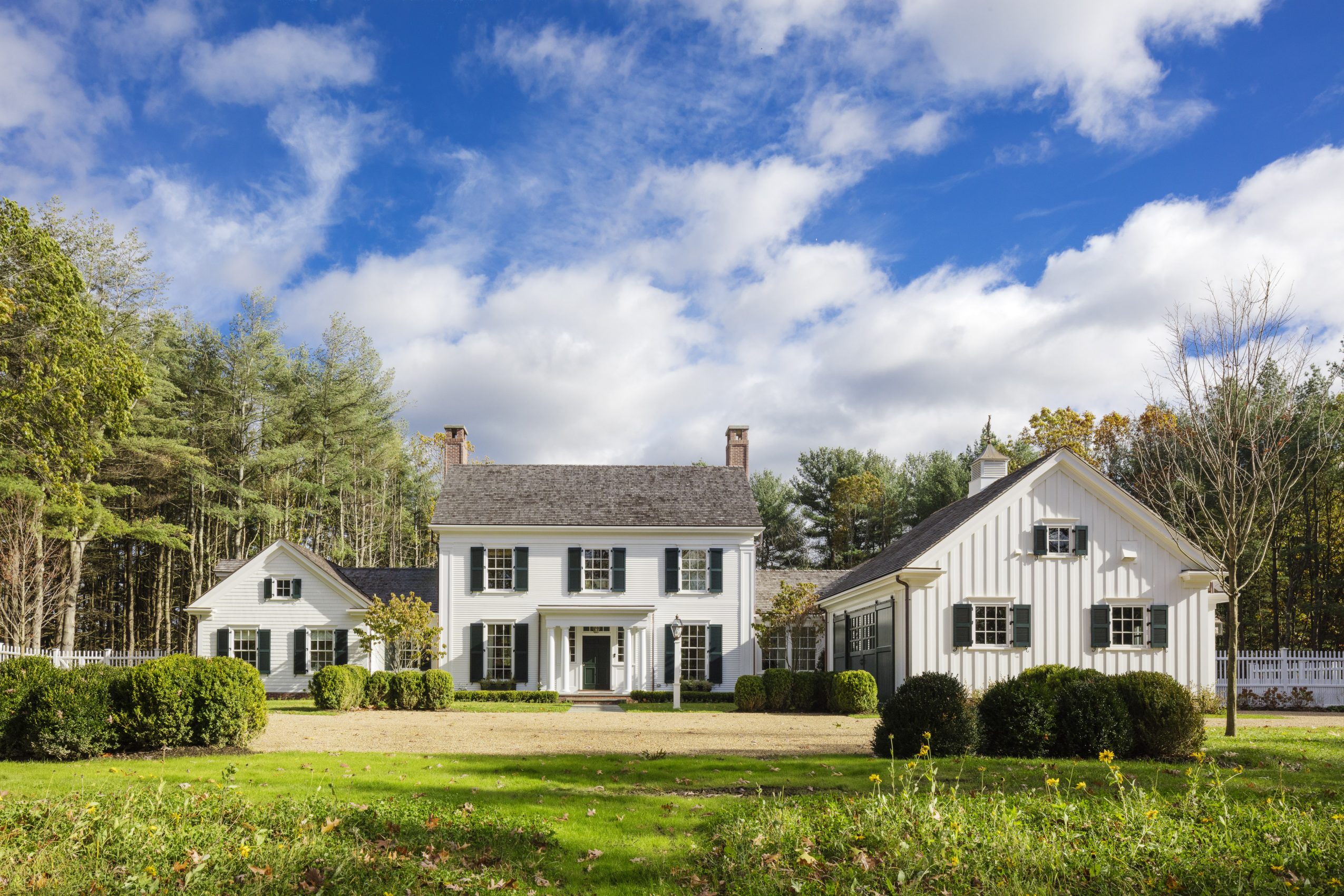

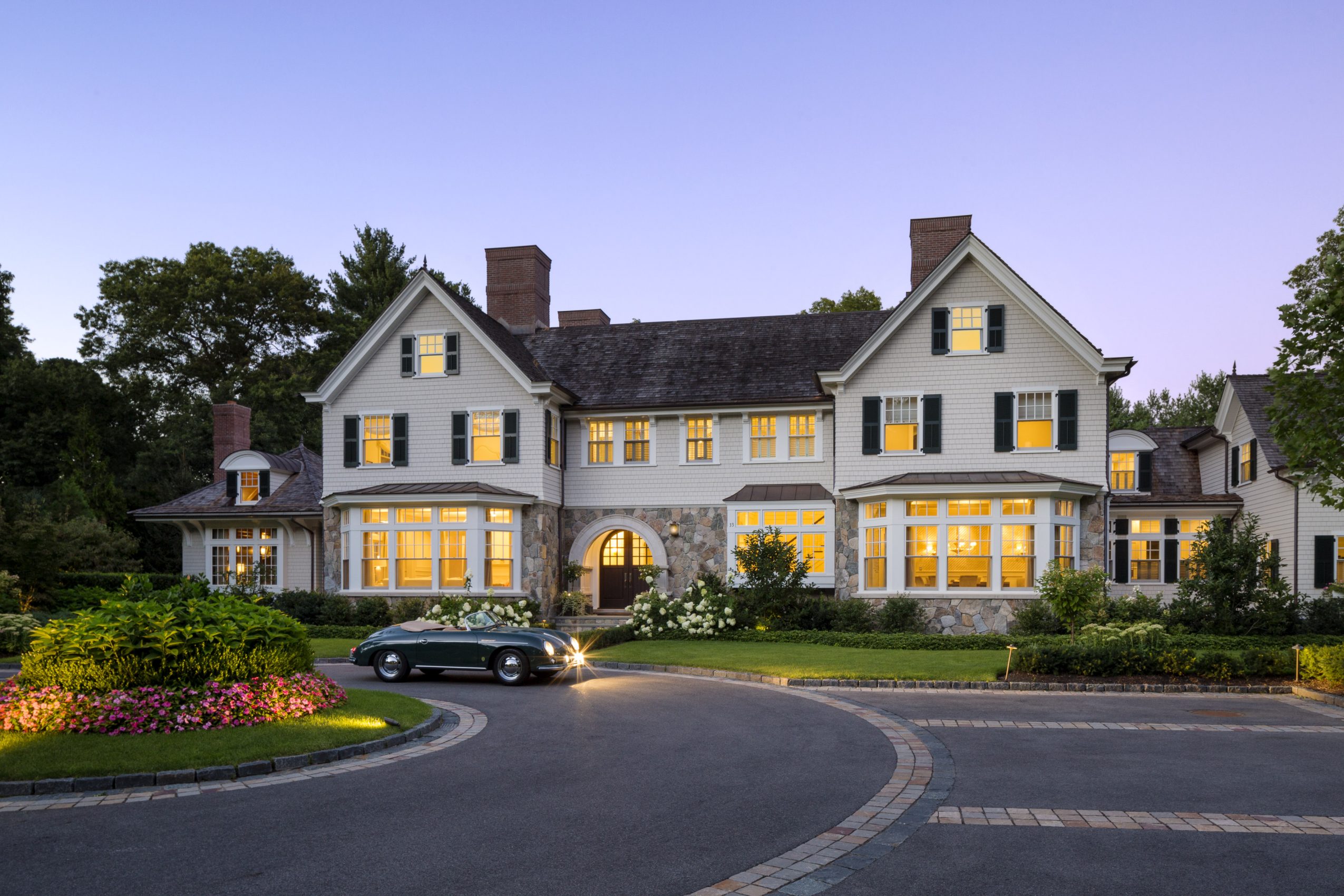 Image Credit:
Greg Premru
Getting in touch: BostonVoyager is built on recommendations from the community; it’s how we uncover hidden gems, so if you know someone who deserves recognition please let us know here.