





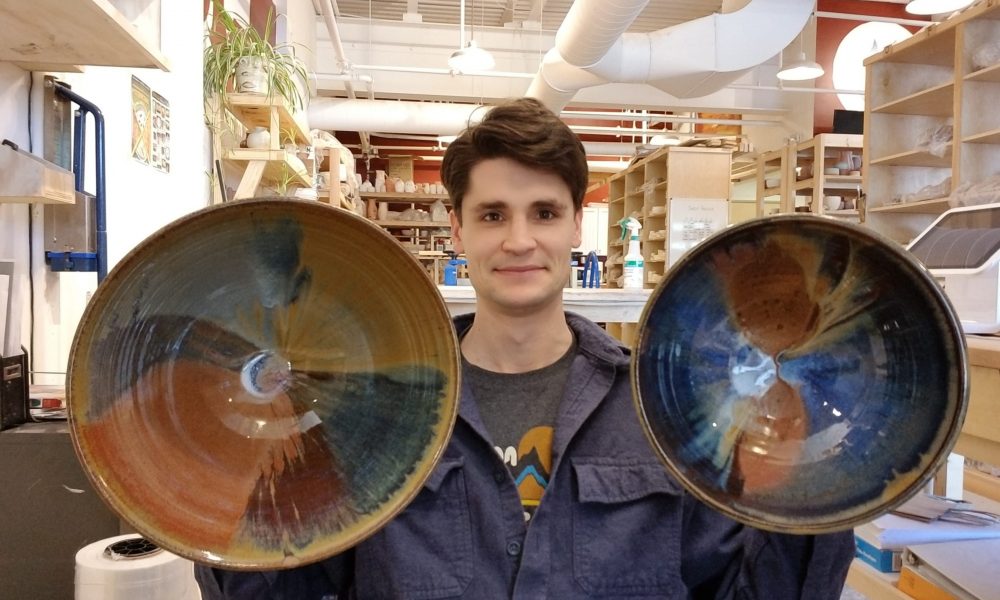
Today we’d like to introduce you to Ned Levering.
Ned, let’s start with your story. We’d love to hear how you got started and how the journey has been so far.
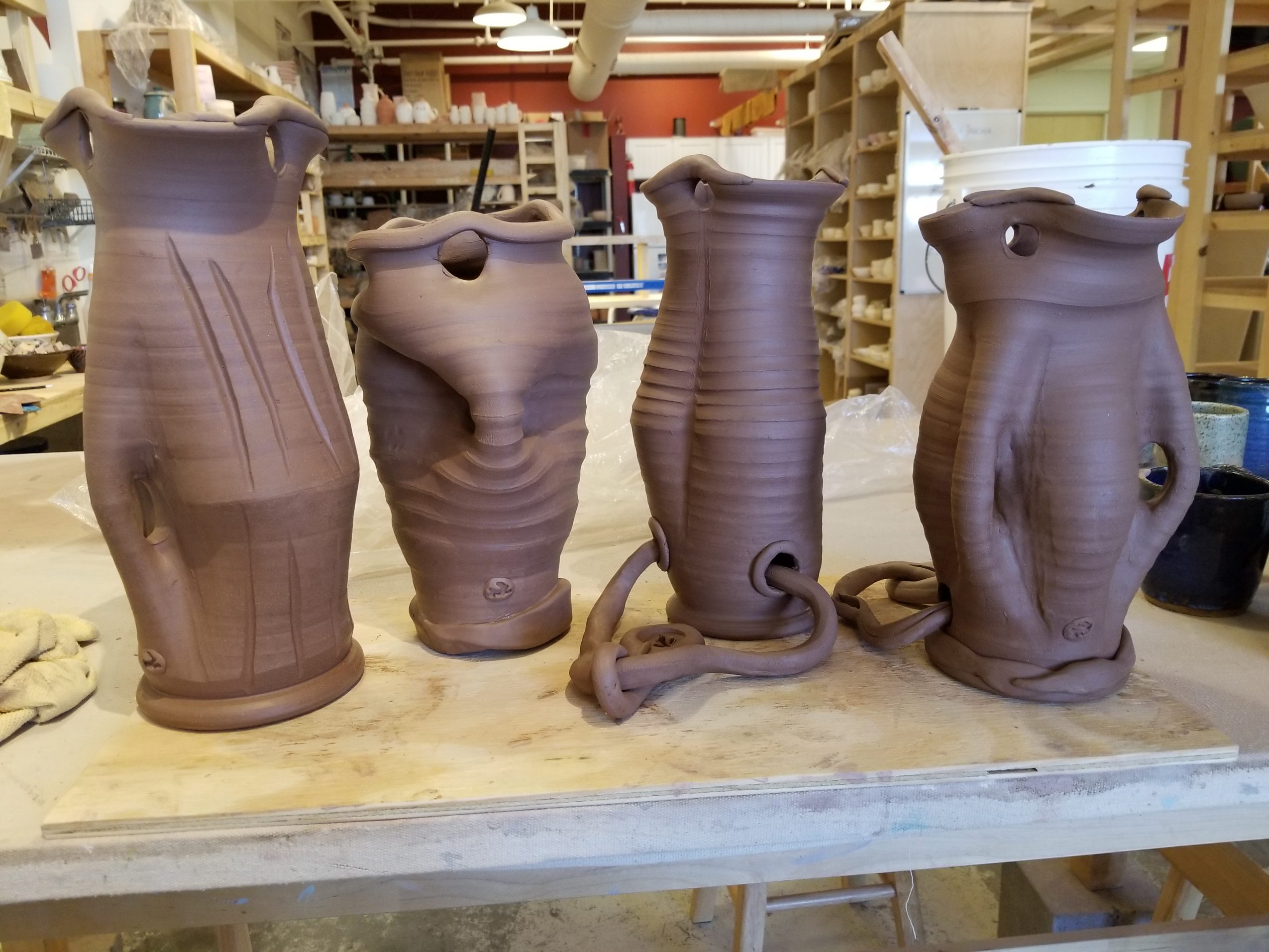
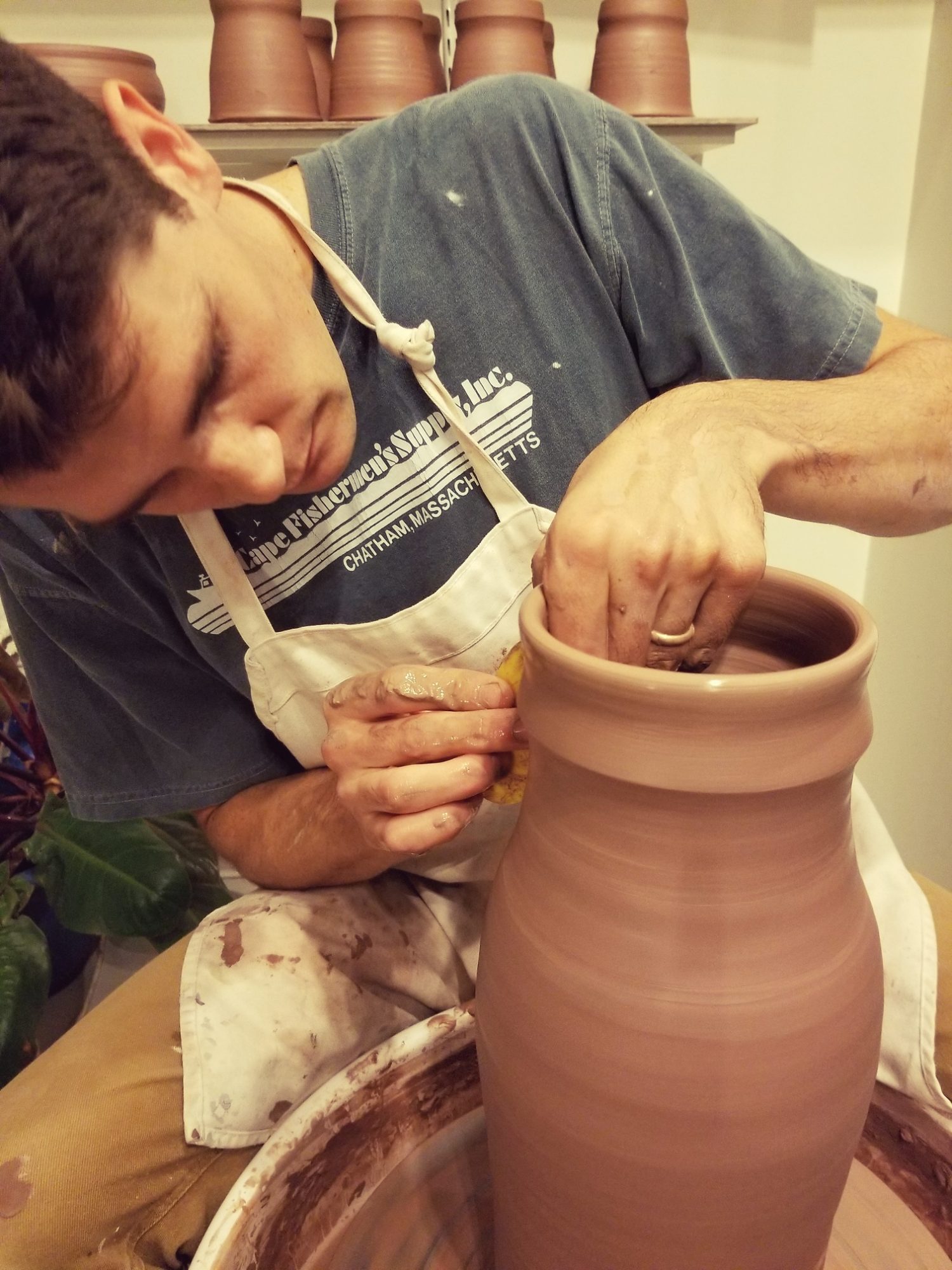
I had great exposure to the arts as a kid. I took ceramics and woodworking classes in middle school, both with great teachers. By the time I was in high school I had convinced my parents to help me build a pottery studio in the basement of our house. That basement studio was the closest I got to a technical ceramics education. I read a lot of books, watched a lot of YouTube videos, and tested a lot of glazes. I broke a lot of nice pottery, ruined many kiln shelves, soured large batches of glaze and generally ran amuck in that studio. It was great preparation for my current job.
I took one throwing class in high school and another in college, but my focus largely switched over to business. I graduated school with a finance degree and was accepted into an analyst program with JPMorgan in Manhattan. I worked at the bank for four years until I abruptly freaked out and quit my job.
I didn’t have a solid plan when I quit my job. I just knew it had to happen. I describe the feeling like claustrophobia. I didn’t want to be working at a desk crunching numbers and living in Manhattan in 15 years. I could see that path developing and wasn’t sure how to get off the ride. Humans aren’t designed to work in cubicles and I happen to have a particularly low tolerance for it.
I moved back in with my parents and started working on opening up a pottery studio. Simultaneously I was working in the basement studio producing pottery, testing glazes, making YouTube videos and selling on Etsy. I had a vision for a pottery studio, but could not land a space for lease. Turns out landlords don’t like leasing to start-up pottery studios run by kids with no experience or formal education on the subject.
An old friend from school connected me with Judy Motzkin, a well-known production and saggar firing potter out of Cambridge. I spent a year apprenticing for Judy. We had an awesome time working together, making pottery, experimenting and building sculptures.
Money was becoming an issue though so I responded to a posting I saw one day for a teaching position at Indigo Fire Studio in Belmont, MA. I started getting involved and talking with the owner, Suchi Mumford who confided in me that she was interested in selling the studio or a portion of it. The big issue was that Indigo Fire didn’t resemble my pottery studio vision. It was heavily geared towards kids, parties, and drop-ins. Parents sought it out for paint your own pottery and glass fusing.
At this point in the story, I was in a bit of a tight spot. I threw too much pottery too quickly and developed a repetitive stress problem in my hands that was crippling. I was unable to produce pottery, use my computer, my cellphone, drive a car or work out. I was basically disabled and my current situation was scaring me. Ever since I quit my steady, high-paying finance job I faced a lot of skepticism from friends and family. Telling everyone that you know what you’re doing only gets you so far, especially when it’s not really true. My dream was in jeopardy and the prospect of giving up on it only to return to an inferior desk job with a new hand injury was real.
After weighing my options, I took the plunge and went into business with Suchi at Indigo Fire. Suchi was great in showing me the ropes of running a small business. Everyday I would come into the studio and change something small to make it a bit more like my original vision. Progress was slow, but after about 500 woodworking projects, new kilns, new ventilation, more wheels, new hand building equipment, a new pug mill and enough raw materials to satisfy my chemical lab, the studio was transformed. Suchi eventually sold her half of the business to me, and so today I am sole owner of the studio. Nothing happened quickly. Patience and a stubborn will not to give up motivated me keep at it. Eventually you pick your head up, look back and realize you’ve made a big impact.
Has it been a smooth road?
The path to where I am today has been bumpy.
A year after I quit my job at JPMorgan I was helping Judy with her pottery and studio, but making practically no money. I wasn’t selling any of my own work, and wasn’t really making progress towards opening up my own studio. When you try something like this, you have a certain amount of bandwidth with your friends and family. They will support you, but everyone is watching your progress out of the corner of their eye. You start getting small comments inquiring if you have a plan b. You’re reassuring everyone else even though you’re obviously terrified.
In my case, partnering with Suchi at Indigo Fire was a hard decision, and felt like a compromise. I will always be indebted to Suchi for opening a door and giving me a foothold in the small business world. I’m not blind to the fact that it’s quite an advantage to walk into an already established operation, but it wasn’t anything like my vision and wasn’t what I quit my job at JPMorgan for.
Injuries aside, it’s only natural to pause halfway through clear-glazing some kid’s hand built, clay toilet and ask yourself what the hell you’re doing with your life. Taking the studio from its kids-centric form to what it is today was a slog. Suchi and I rearranged the studio probably 15 times, and it didn’t look better every time. Guidelines at the studio were always changing, and classifying the operations as controlled chaos would be accurate.
This has also been my first experience in a business partnership and I can attest that it’s a challenging arrangement. Everyone has their own opinions about how things should work, and it’s nice to be able to implement them immediately. Compromising is hard. Fortunately, Suchi and I ended our partnership on good terms and remain great friends today.
So let’s switch gears a bit and go into the Indigo Fire story. Tell us more about the business.
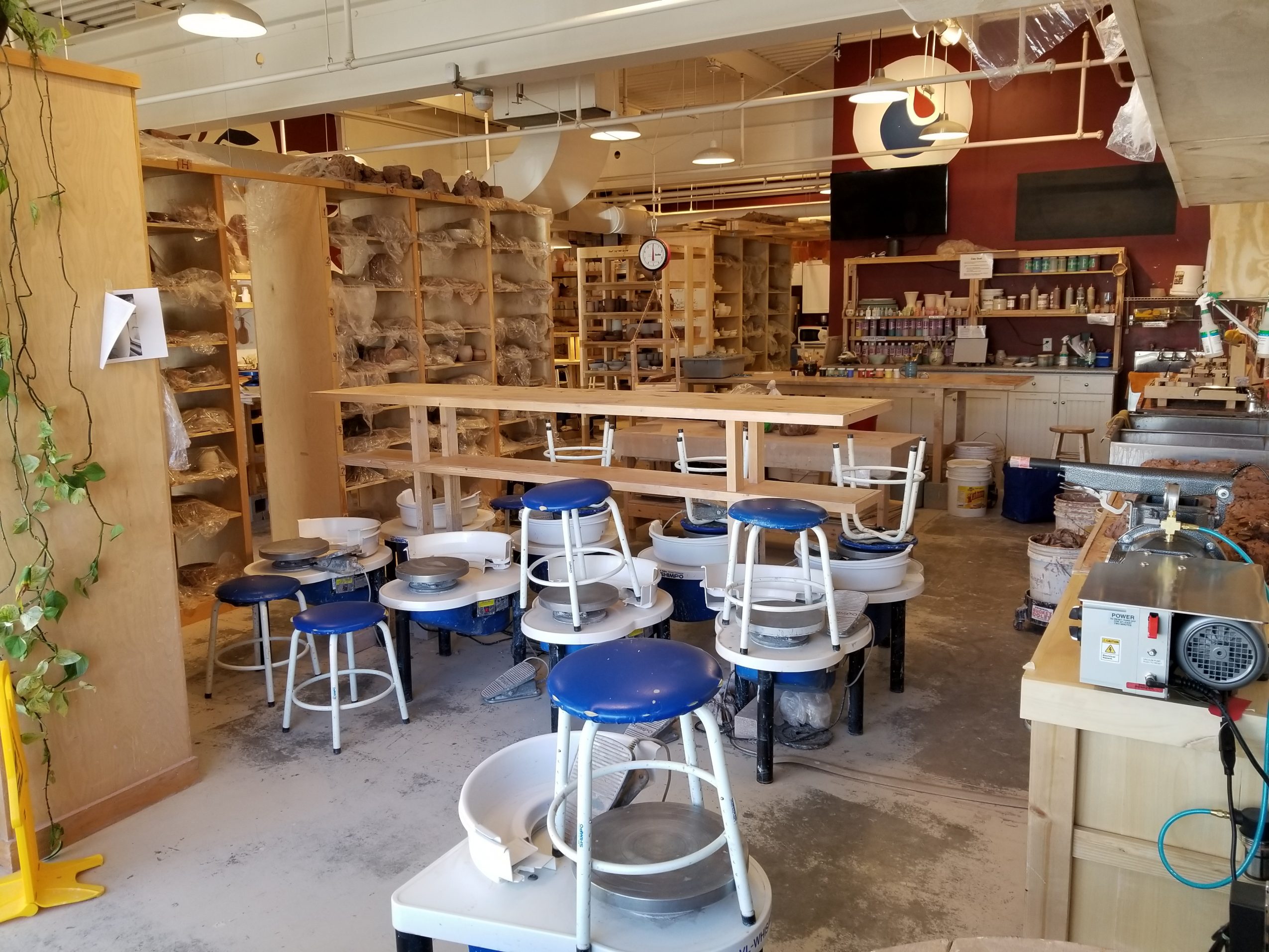
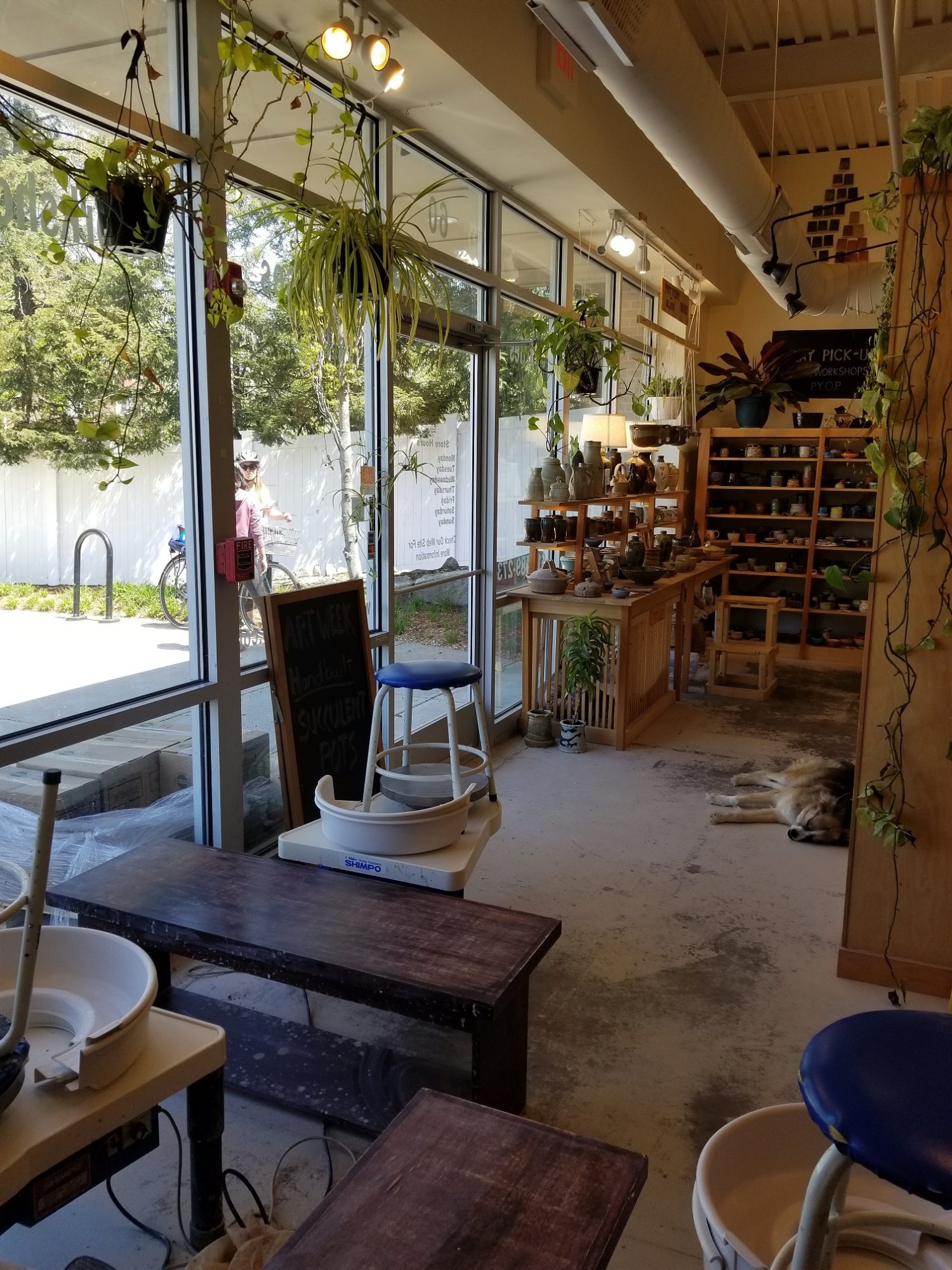
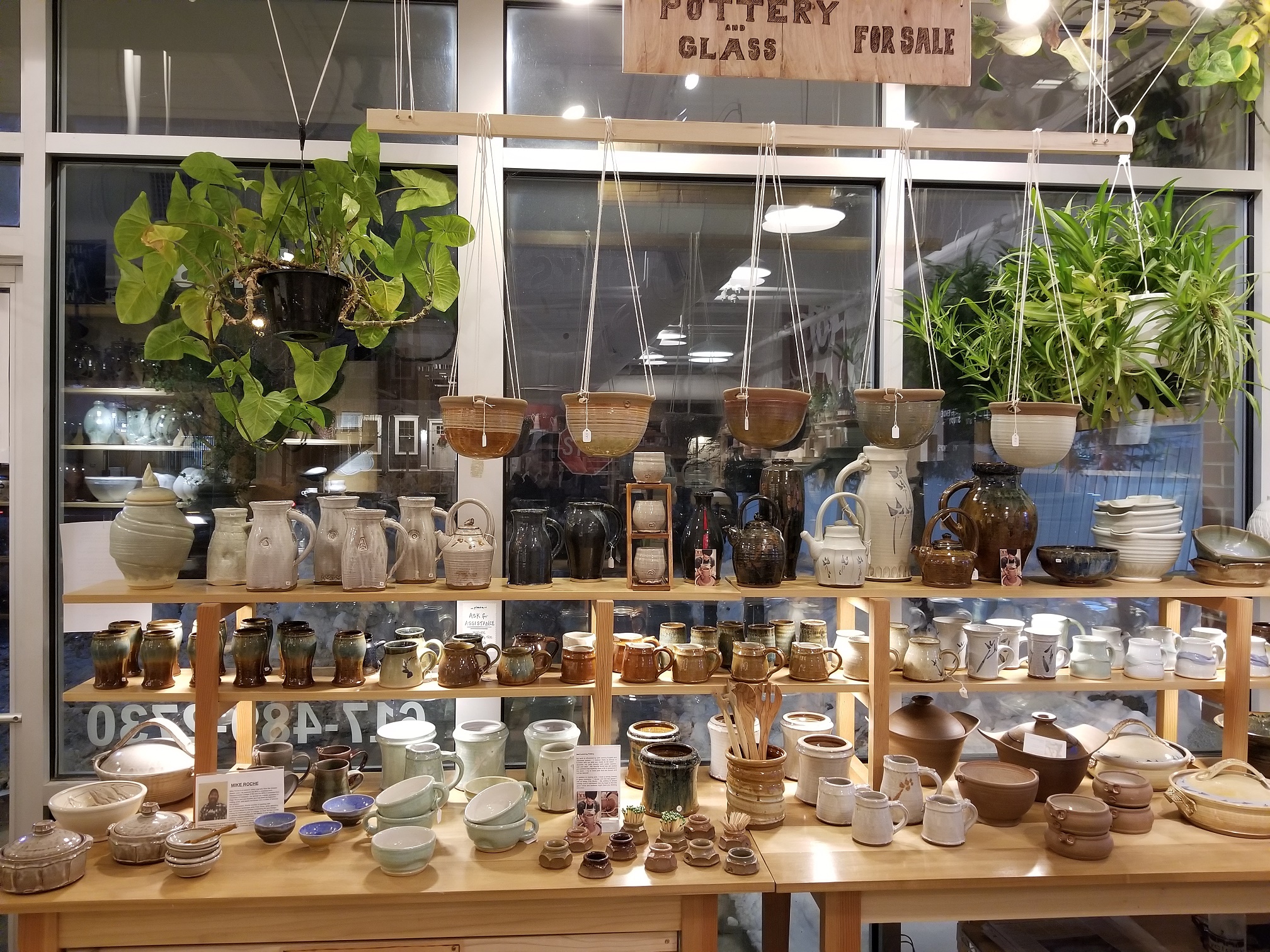
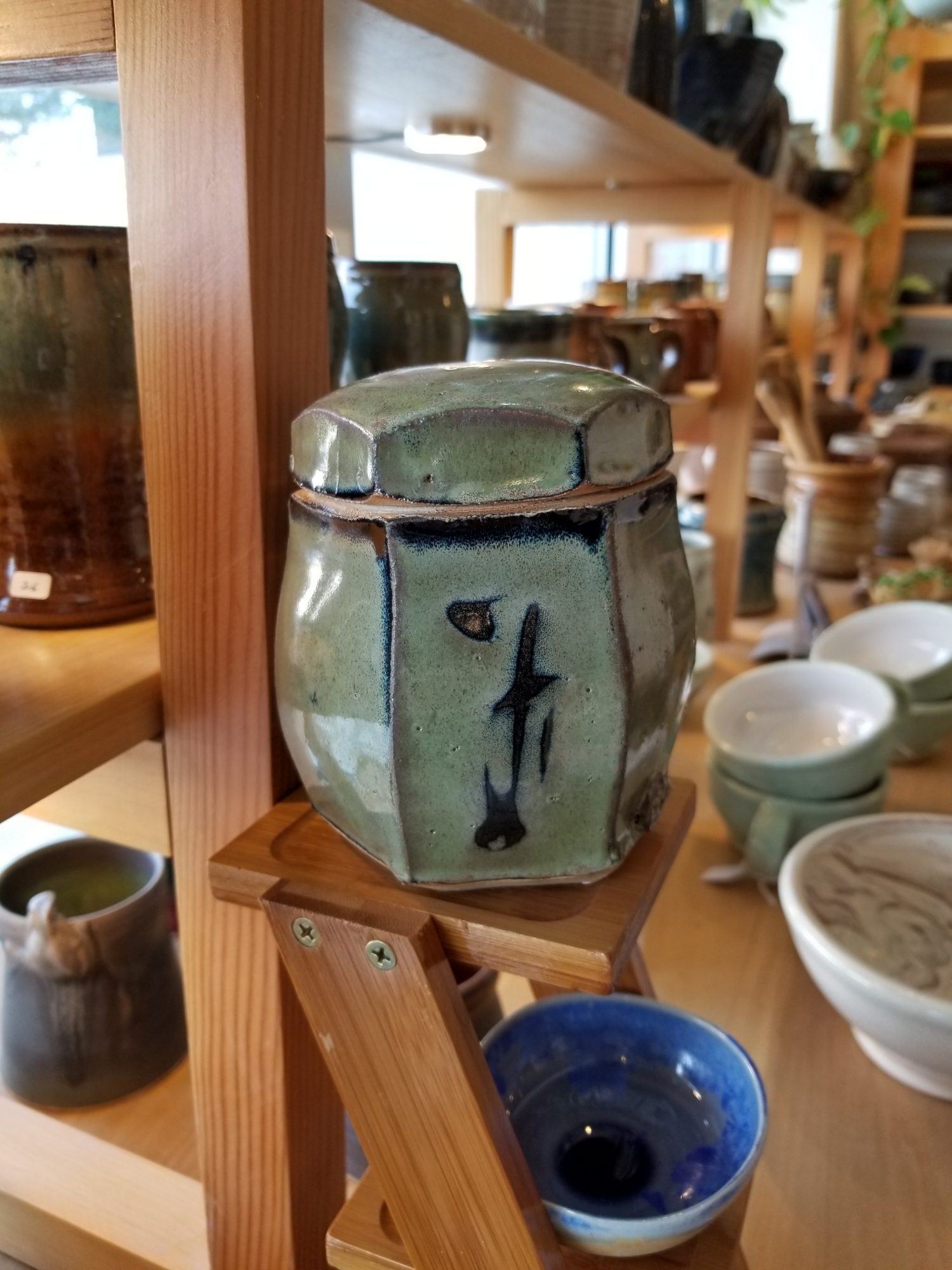
Indigo Fire is a small pottery studio in Belmont, MA. We basically provide the most efficient, well-equipped studio that’s possible for the size space we have. It’s like having institution-quality resources in a friendly, community atmosphere.
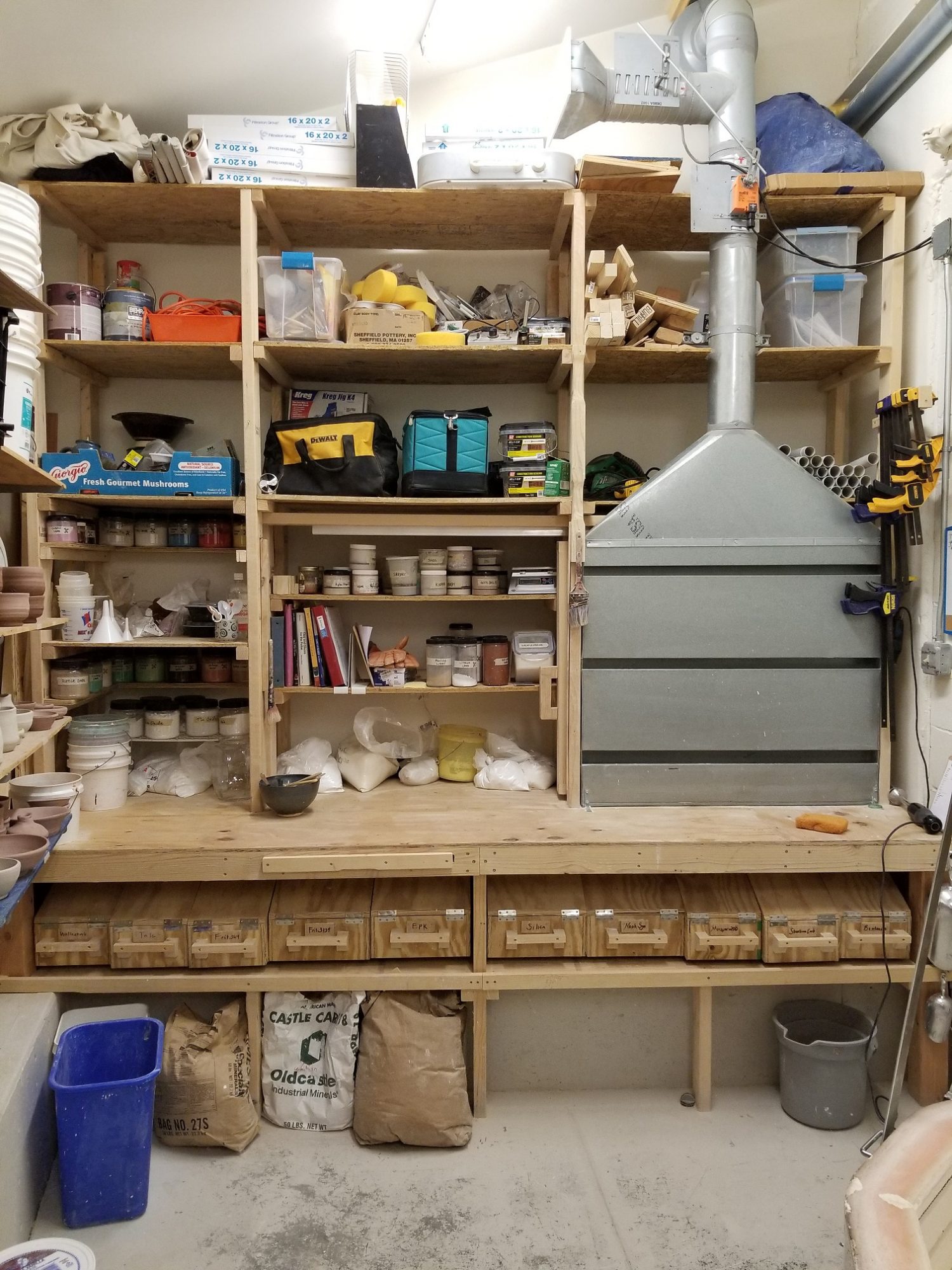
Class and independent study students choose from three cone 6 clay bodies including porcelain. We have a complete chemical lab here which allows me to design custom glazes that bring out spectacular effects at cone 6.
The level of access and freedom that we give students is fairly unrivaled among other studios in the area. Class and independent study students may be at the studio practicing any time the doors are open, including when other classes are going on.
I have custom made all of the wooden furniture in the studio which means that it is all designed specifically for its place. This is why the space is maximized so well.
How do you think the industry will change over the next decade?
Pottery is undeniably growing more popular. I’m sure that most business owners view their industry outlook through rosey glasses, but in this case it’s true!
Pottery has been through turbulent identity shifts over the past century. In other cultures like Japan and China it has been the peak of artistic achievement for thousands of years. In America however, pottery was considered a craft rather than a fine art until relatively recent times.
Pottery studios have had a reputation for being dusty, stuffy environments meant for community art buildings. That is changing though. An age of using cheap plastic materials shipped from overseas has revitalized the appreciation for quality, handmade pottery. Additionally, Millennials are discovering that the pottery studio is incredible outlet and break from the computer. We don’t get the opportunity to use our hands enough today, and it feels good to squeeze a lump of clay.
There is a young, exciting energy being brought to pottery studios in Boston. Those who are part of the community usually feel lucky to have discovered it hiding under their nose all along. I expect to see ceramic programs growing over the next ten years, and more young professionals taking it up as a hobby.
Pricing:
- 8 Week Wheel Class – $350
- 8 Week Independent Study – $300
- Weekend Wheel Workshops – $45
Contact Info:
- Address: 60 Concord Ave, Belmont MA 02478
- Website: https://www.indigofirestudio.com/
- Phone: 6174892730
- Email: indigofirestudio@gmail.com
- Instagram: https://www.instagram.com/indigofirestudio/
- Facebook: https://www.facebook.com/indigofirestudio/
Getting in touch: BostonVoyager is built on recommendations from the community; it’s how we uncover hidden gems, so if you know someone who deserves recognition please let us know here.









Dave Williams
June 1, 2018 at 12:44 am
Finally the story of Ned… I always feel like you have been in the background when I visited the studio. Perhaps part of being a successful owner is supporting others and letting them shine. AND I get to see Nola Lola too… sweet head injured happy Lola.
In all seriousness, congrats on what I hope will be an ever more successful business. Certainly IF is a home for many finding their art.