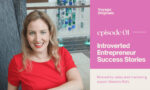






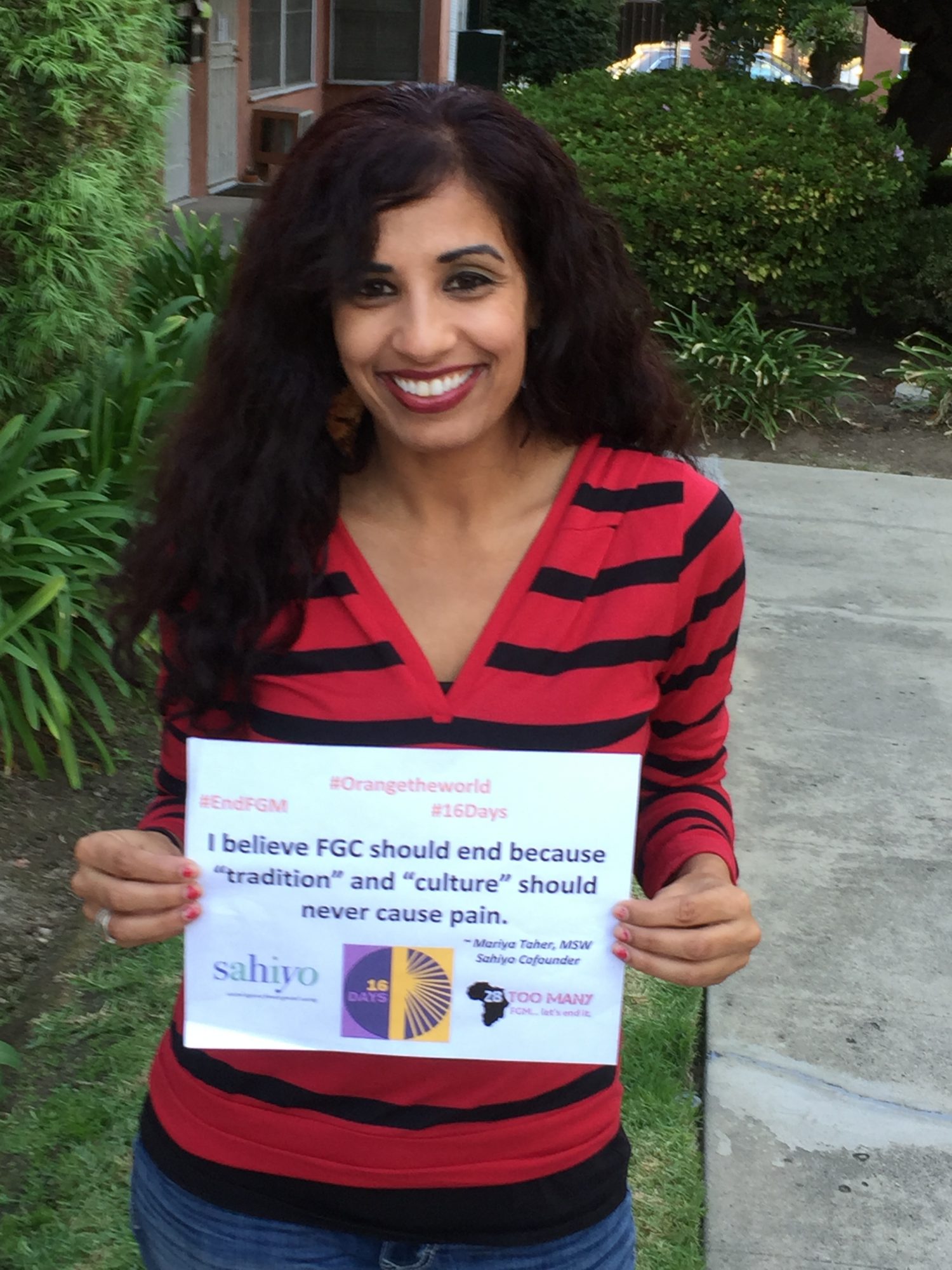
Today we’d like to introduce you to Mariya Taher.
Mariya, can you briefly walk us through your story – how you started and how you got to where you are today.
I have worked in the anti-gender violence field in the areas of research, policy, and program development for over a decade in everything from domestic violence to sexual assault to trafficking. Today, I’ve been named one of six experts to watch on the issue of Female Genital Cutting/Mutilation (FGM/C) by NewsDeeply.
When I reflect on my nonprofit career, I think it started right after I graduated from the University of California, Santa Barbara. After college, I was hired as a public relations intern for a well-recognized nonprofit, but unfortunately, that internship was a really disorganized experience. Ironically, it was that experience that motivated me to learn more about how to develop and run effective nonprofits programs. A few years later, I returned to school to pursue my Master of Social Work and I concentrated in Administration and Planning. During graduate school, for my thesis project, I conducted an exploratory study to learn more about the continuation of female genital mutilation/cutting (FGM/C) in the United States.
At the time, there was no research and very little awareness about this issue in the U.S., I knew friends and family who had undergone it, so I wanted to understand why it continued even though it had become illegal in the United States. As a social worker in training, I also wanted to contribute an understanding of how to address the topic with sensitivity. As part of my Master’s program, I also did field work and during my second year, I had a placement with the San Francisco Department on the Status of Women. Their mission was to improve the lives of women and girls within the city/county of San Francisco. They loved my contributions and so, after graduation, they created a fellowship position for me to continue the projects I was working on. After a few other part-time positions that kept developing my skills and interests, my volunteer position with W.O.M.A.N., Inc., a domestic violence organization in San Francisco, developed into a full-time job.
Six months in, the organization had a financial catastrophe. We almost went bankrupt. A lot of nonprofits get into that situation and aren’t able to turn things around. But the people who remained at W.O.M.A.N., Inc., banded together and pulled the organization through that crisis. It became a lot stronger and it’s now a highly respected domestic violence non-profit. That experience was amazing and taught me a lot about what I wanted in a work environment. After a policy fellowship through the Women’s Foundation of California, I moved to Boston for an MFA program in creative writing, an area of interest I’d been wanting to explore further. To keep my connection with social justice work, I contacted Jane Doe Inc, a domestic violence and sexual assault nonprofit and asked if I could create an internship where I bridged creative writing with their goals. They loved the idea. During this time, I wrote a few pieces based on the interviews from my MSW thesis on FGM/C. People began to reach out to me as more attention was brought on female genital cutting in the United States and India.
Eventually, I banded together with four other women and we started Sahiyo. Today, Sahiyo, is an internationally recognized, award-winning NGO that empowers communities to end FGM/C. In Massachusetts, I also work with the Women’s Bar Association on passing a bill that will ban FGM/C and build support programs for survivors. I also serve on the inaugural U.S. Network to End FGM/C steering committee.
It was great to hear about how to team banded together during the financial crunch you faced six months in. How has the road been otherwise, have there been other challenges?
Oh, there have definitely been a lot of challenges along the way. Sahiyo is still at the beginning of our nonprofit’s career, and I’m still really learning what it means to run a nonprofit, especially one that works at the local, national, and transnational level. Luckily though, I have met some amazing people along the way who I can always turn to if I have an organizational development question, and I have definitely turned to them often.
I think for me one of the biggest challenges has been finding the motivation to continue to do this work. It’s not emotionally easy work to do, and I have a personal connection to it as well considering I am someone who comes from an ethnic/religious community known to practice female genital cutting. Trying to speak out against this form of violence leads to a lot of backlash being thrown at you from all sorts of directions. So there are many times when I question myself and wonder if the emotional toll is worth it. But then, when I hear from someone who has shared with me their own story of undergoing FGM/C, it reminds me that this work has to be done because we are trying to prevent this harm from happening to future generations of girls.
Tell us more about the organization– what else should we know?
My career is built of multiple roles. First, I’m a writer. A lot of my non-fiction writing relates to social justice issues and I have produced content for a variety of outlets such as NPR’s Code Switch, HuffPost, Brown Girl Magazine, and many more. As mentioned earlier, I also am a co-founder of Sahiyo which aims to elevate the conversation on female genital cutting (FGC). The idea was to create a platform where various voices could come together to talk about this issue. It’s generally erroneously believed that FGC only happens in Africa, and Sahiyo works on raising awareness that it also happens in India, other parts of Asia, and the United States. Our platform focuses on storytelling primarily from survivors and community members from Asian backgrounds in a number of ways, from writing to video, to in-person, to research. In 2016, a doctor in Michigan was arrested for performing FGC on two minor girls. That put our organization in the spotlight since at the time we were the only ones working with these under-recognized populations in South Asia.
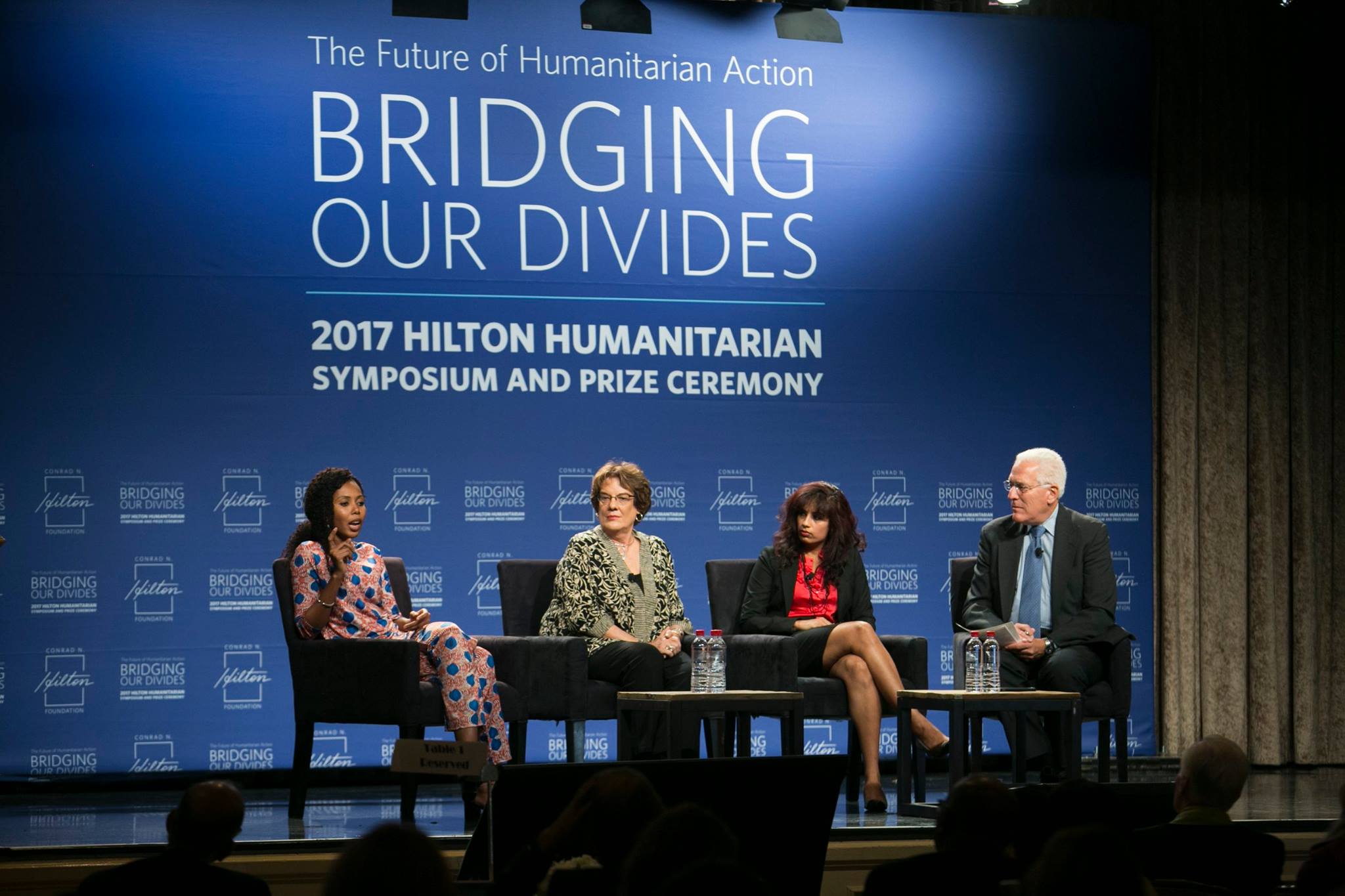
Today, I and Sahiyo are best known for using storytelling to create social change and to inspire communities to come forth and share their stories surrounding FGM/C. Our campaigns have enabled women to speak up. In the past, many have been afraid of being ostracized and labeled a victim if they did so. Through our collection of stories, we’ve advocated for more research on FGM/C, and have been instrumental in the world acknowledging that FGM/C is a global issue. Individually, I am best known for conducting the first study on FGM/C in the Bohra community in the U.S., and for the first large-scale exploratory study on understanding FGM/C amongst the global Bohra community.
Another recent storytelling project I’ve been involved in, Sahiyo Stories, brought together nine women from across the U.S. (with myself and one other woman coming from Massachusetts) to create personalized digital narratives on female genital mutilation/cutting (FGM/C). These nine unique women, who differ in race/ethnicity, age, and citizenship/residency status, each shared a story addressing a different challenge with FGM/C. Some women had only recently discovered they had undergone FGM/C and were grappling with its emotional and physical impacts, while others were invested in advocacy to prevent it from happening to other vulnerable populations. We are now hosting screenings online and in-person throughout the U.S.– in the hope that the videos will build a mass of support for both community and policy level change that will lead to the abandonment of this harmful practice. You can also see the videos here at – http://bit.ly/
Is there a characteristic or quality that you feel is essential to success?
I ran my first half-marathon in 2008 and since then, I’ve run over 40 races. One characteristic, in particular, I believe has helped me do so: stubbornness. Growing up, I was often told by family that I was too stubborn. As an adult, I recognize the term has a bad connotation. However, my stubbornness has paved the way for me to learn how to be patient and persistent. Running, after all, is a mind game. You convince yourself to move one foot in front of the other, despite exhaustion, to get to the finish line. For that reason, I am thankful for my stubbornness, for it not only allowed me to succeed at running, but it also has enabled me to stay committed to my other passions including writing and advocacy, even despite challenges and setbacks.
Petition to Ban Female Genital Mutilation: https://www.change.org/p/ban-female-genital-mutilation-cutting-in-massachusetts
Contact Info:
- Website: https://sahiyo.com/
- Phone: 1-857-209-4160
- Email: info@sahiyo.com
- Instagram: https://www.instagram.com/sahiyovoices/
- Facebook: https://www.facebook.com/SahiyoVoices
- Twitter: https://twitter.com/sahiyovoices
- Other: http://bit.ly/2MQHtHB





Getting in touch: BostonVoyager is built on recommendations from the community; it’s how we uncover hidden gems, so if you know someone who deserves recognition please let us know here.