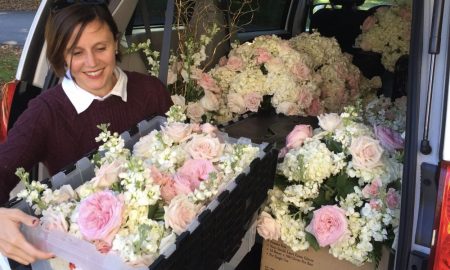






Today we’d like to introduce you to Beth Willer.
Beth, please share your story with us. How did you get to where you are today?
Lorelei is a nine-voice chamber vocal ensemble I founded in 2007, with a mission to expand the repertoire for women’s voices. In just ten years, we’ve built a roster of some of the most sought-after vocal ensemble artists in the country, commissioned more than 50 new works, and expanded our mission to reach beyond the repertoire to elevating the work of women’s voices.
Our work focuses on the performance and dissemination of early and contemporary repertoires, and our goal is to change expectations of audience members, composers, conductors, and singers – to create projects that cross the boundaries of treble, ensembles past, in terms of vocal technique, timbre, range, text and subject matter.
As a Boston-local ensemble, we have delivered numerous concerts in venues across the city, including appearances at venues such as Boston’s Symphony Hall, NEC’s Jordan Hall, and the Isabella Stewart Gardner Museum. We have premiered works for a cappella voices, as well as vocal-symphonic works with the Boston Symphony Orchestra, Boston Modern Orchestra Project, the Tanglewood Music Center Orchestra.
Today, our work has expanded to include performances across the country, including appearances at Carnegie Hall, the Metropolitan Museum, numerous independent concert series, and residencies at colleges and universities.
Overall, has it been relatively smooth? If not, what were some of the struggles along the way?
The struggles are sure – for any ensemble starting from the ground up. Certainly choosing to focus on the performance of new music has proposed unique funding challenges, as we work to create significant and meaningful works with lasting impact – these works are, of course, the ultimate successes of the group, when all is said and done.
Doing this work as all women, and as a chamber, vocal ensemble, has also posed unique challenges – the precedent for this type of work is primarily set by men, and the definition of “chamber music” has long been reserved for instrumental ensembles.
Blazing a trail for an ensemble of all women, and then for a chamber vocal ensemble of all women is at the heart of what we do, and is, therefore, one of the most important challenges we face. And yet, if we didn’t face these challenges, I would question if what are doing is truly important and necessary.
Lorelei Ensemble – what should we know? What do you guys do best? What sets you apart from the competition?
Lorelei is committed not only to live performance, but also the creation of new and groundbreaking recordings, and the education of young artists. Our work has broken ground for women’s vocal ensembles across the country, as we encourage composers, artists, and students to question and change the norms that have limited the participation of women vocalists for centuries.
As recording artists, we have released three albums – our most recent album “Impermanence” (releasing September 28, 2018!) is especially thrilling, including the premiere recording of Peter Gilbert’s “Tsukimi” (commissioned by/for LE), interlaced with the first all-female recordings of several motets by Renaissance composer Guillaume Du Fay, the premiere recording of several motets from the Turin-Cypriot Manuscript, and two works by Toru Takemitsu. This album is not only incredible music, but it is a powerful statement about the migration and movement of peoples. It’s ground-breaking on multiple fronts while showcasing a unique combo of truly virtuosic and mesmerizing repertoire.
We are committed to starting and continuing that conversation as performers, but also through engagement in round-table discussions with youth choirs, and students at colleges and universities. This is the work that brings our work most significantly to the masses and encourages our youngest minds to think expansively about the future and potential of ensemble singing. This year we look forward to working with young artists at the University of Iowa, Connecticut College, Lawrence University, Bucknell University, and Harvard University.
What sets us apart is our absolute commitment to excellence, and simply the fact that we are all women doing that work. It is hard to believe, but in this day and age, it’s still incredibly rare to see an all-professional group of women singing chamber music together. We’re determined to change that.
What is “success” or “successful” for you?
Personally, I’d say success is marked by each person we impact – be that someone in our audience, a young artist, a composer, a supporter of the arts. When someone is moved to take the time to sit with us (or a recording of us) and to truly work to understand the art we are making and why it is important, then I think we have made an impact.
Lorelei is part of a long trajectory of artists who aim to break ground – to keep the art evolving. If and when a work we have commissioned gains traction and sees performances by multiple ensembles – that is success. If an when a composer chooses to write a work for Lorelei that expands their own compositional language – that is success. If and when an audience member is heard and loves a work they have never heard before – that is success.
If and when our programs successfully help someone to think about our world differently, and more generously – that is success. If and when a young woman sees Lorelei and thinks “I didn’t know I could do that; I want to do that” – now that is perhaps the most important marker of success for a group like Lorelei.
Contact Info:
- Website: www.LoreleiEnsemble.com
- Email: lorelei.ensemble@gmail.com
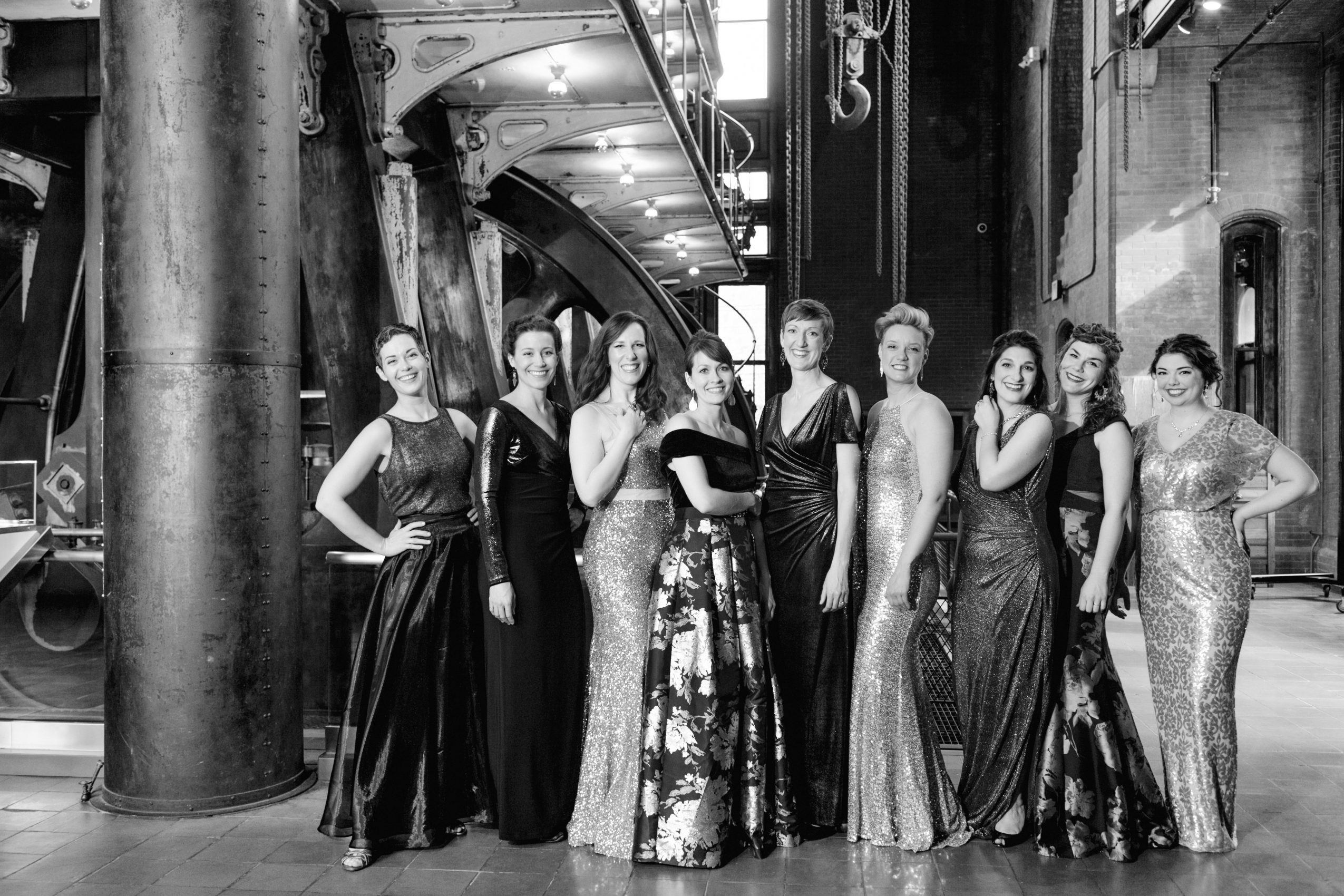

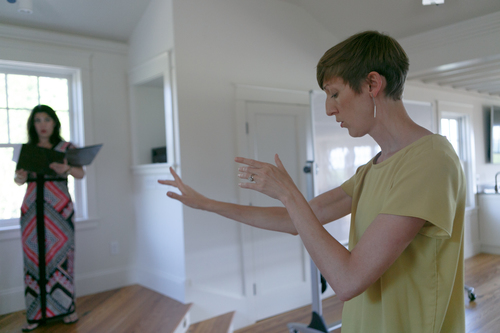
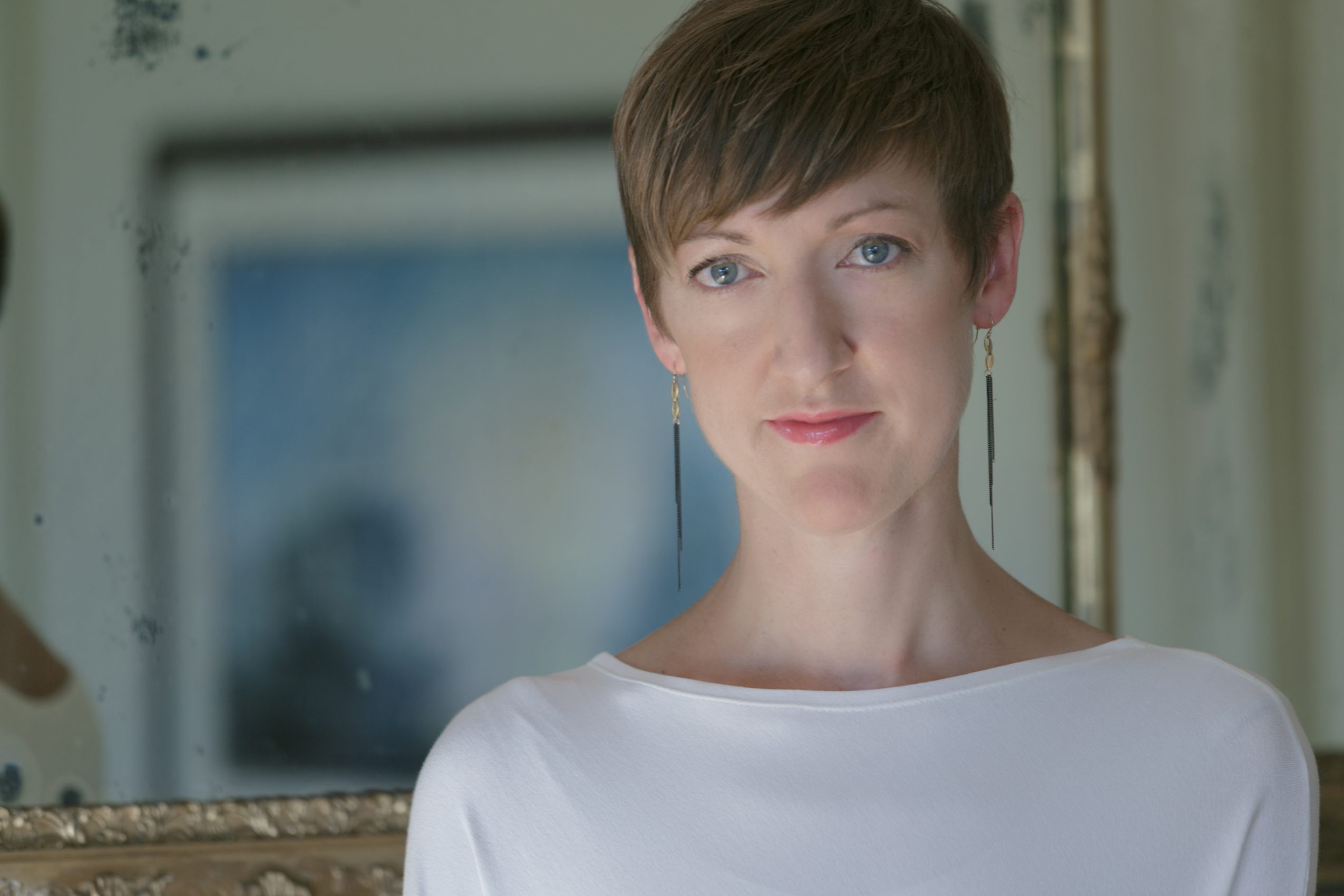
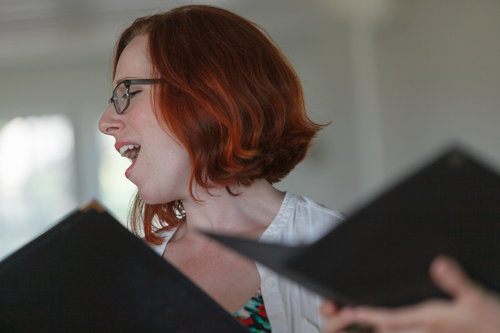
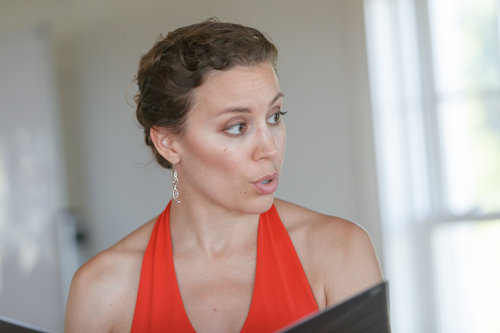
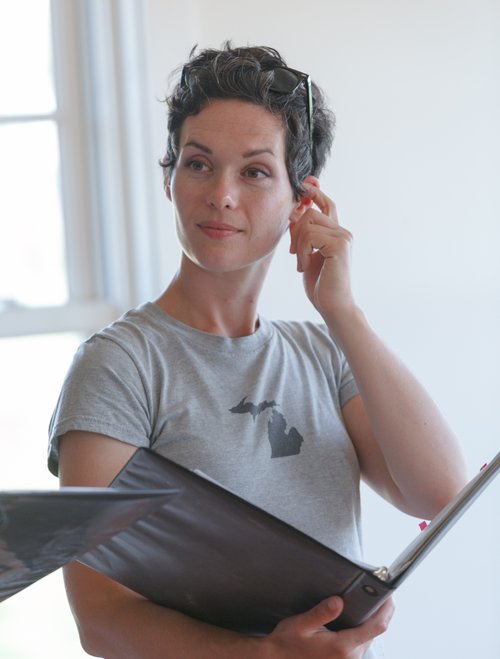
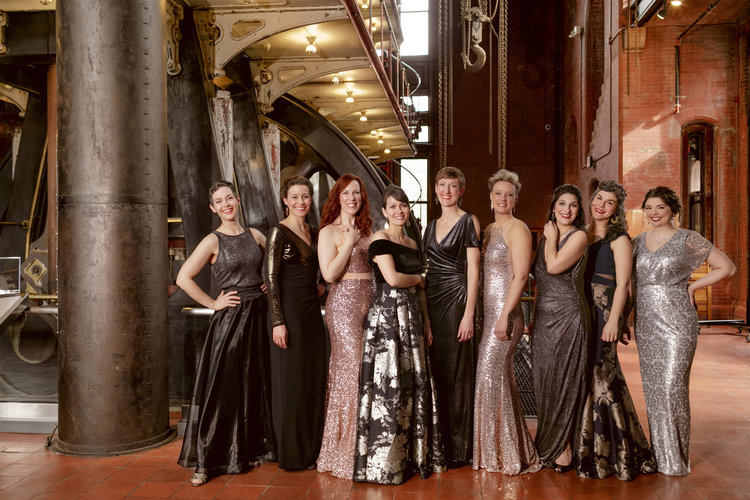
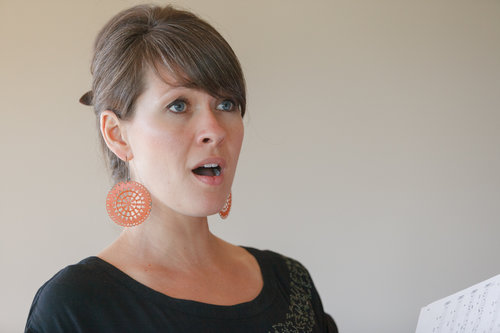
Image Credit:
Allana Taranto, Ars Magna Studio
Getting in touch: BostonVoyager is built on recommendations from the community; it’s how we uncover hidden gems, so if you know someone who deserves recognition please let us know here.