

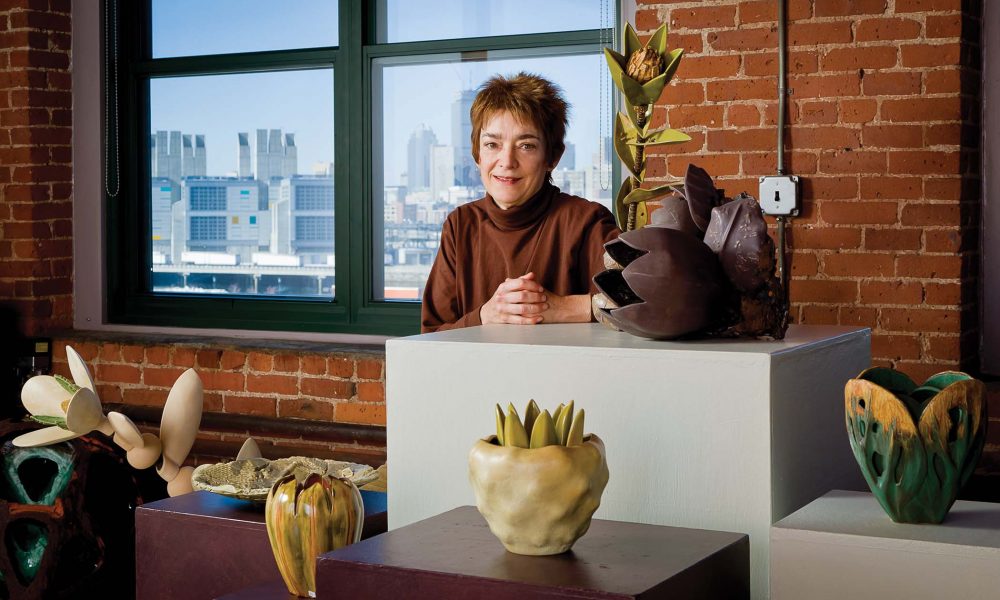
Today we’d like to introduce you to Linda Huey.
Every artist has a unique story. Can you briefly walk us through yours?
The first thing I wanted to do after graduating from college was take a clay class. While working at an insurance company, I took a night course in ceramics at Mass Art and it was love at first touch. This was a very long time ago, and now that I am older, I can look back and instead of worrying about how I was going to survive spending my life making pottery and sculpture, I can say that somehow, I have done it and gotten away with. At first, I worked in group studios, then eventually rented a beautiful studio of my own in the Fort Point neighborhood of Boston. At the time in the early 1980s there had been a huge amount of empty space in old warehouse buildings, all owned by the Boston Wharf Company. They decided to rent floors to artists who divided them up into studio spaces, resulting in a wonderful art community with hundreds of artists.
We worried deeply about the future since we were only renting, and dreamed of having secure, affordable studios. When a building came up for sale, a group of about 30 of us artists got together and bought it, creating a limited equity artist-owned cooperative that we developed by ourselves into forty-three live/work studios. I jumped in, even though it seemed expensive at the time. It was one of the wisest decisions I ever made. Now it is truly a secure and affordable space that I am so fortunate to have, as the rest of the neighborhood and nearby Seaport area explodes with the development of condos and office space with sky rocketing prices. We have lost a lot of neighborhood artists, but there are two other buildings left with secure artist space so that we can still have a community as we make work in our studios, run local galleries together, and have Open Studio events.
Please tell us about your art.
The path of ideas my work has followed was originally very influenced by having and valuing a studio in Fort Point. I covered the surfaces of large clay vases and tables with glaze paintings of the historic old warehouse buildings of my neighborhood. My work sold well at the Clark Gallery in Lincoln, MA, where the director Meredyth Moses gave warm support and encouragement. What a difference that made and I am eternally grateful to her. I have always given the content of my work serious consideration, with the importance of it being worthwhile. I may be driven as an artist, even enjoy my own addiction to clay, but want that to also be something that becomes a productive contribution to others.
I have thought a lot about how and why an artist, or an artist community, is important to a city, or to society. We are the leaders of a much-needed flexible observation of the world. I enjoy making pottery which is accessible for people, but also make sculpture that has a very different edge. The functional pottery is about beauty and the good life, which is what you want to think about in your home while sharing a good meal. On the other hand, my sculpture has a more political content containing concern for the environment. It is still about nature, but with forms often textured with litter or influenced by problematic human intervention. I make beautiful flowers with hidden messages that include imprints of broken computer parts, toy cars, skeletons, nails, and graffiti. I like to test the borders of response; juxtaposing desirable versus undesirable, and acceptance or avoidance of environmental issues.
I spent a year making a large sculptural installation called “Dark Garden” that was shown at several places including the Fuller Craft Museum in Brockton, MA, the Cranbrook Institute of Science in Bloomfield Hills, MI, and the Erie Art Museum in Erie, PA. where it spent a year in a dramatically lit grotto-type space. It was like a garden of over forty plant and flower forms made of clay up to eight feet tall mounted on rusted rebar. The installation was successful in that viewers saw it as a beautiful garden and the dark message did not turn them away.
Given everything that is going on in the world today, do you think the role of artists has changed? How do local, national or international events and issues affect your art?
Artists can bring a more emotional rather than intellectual expression to political issues. For example, the more often an environmental concern is expressed, the more that issue becomes focused and amplified for everyone, which hopefully can lead to action if enough people care. Environmental issues are more important now than ever before. I am curious about how we choose to see or ignore problems. I make beautiful flowers with hidden messages that include imprints of broken computer parts, toy cars, skeletons, nails, and graffiti. My strategy juxtaposes desirable versus undesirable, and acceptance or avoidance of environmental issues. I like to test the borders of response; what people want to see when nature is used as a subject, versus what they don’t want to see.
I spent a year making a large sculptural installation called “Dark Garden” that was shown at several places including the Fuller Craft Museum in Brockton, MA, the Cranbrook Institute of Science in Bloomfield Hills, MI, and the Erie Art Museum in Erie, PA. where it spent a year in a dramatically lit grotto-type space. It was like a garden of over forty plant and flower forms made of clay up to eight feet tall mounted on rusted rebar. In the center hung a large round ball textured with trash, perhaps symbolizing the Earth. People of all types and ages responded positively to the work. The installation was successful in that viewers saw it as a beautiful garden and the dark message did not turn them away.
How or where can people see your work? How can people support your work?
My favorite way to show my work is still open studios in Fort Point, where I can display all the different kinds of work I have done in my studio that has a panoramic view of Boston. I like to meet and talk with people and hear their reactions, as well as make sales. Many studios in my building at 249 A Street are open and visitors can explore from one unique studio to the next, discovering a variety of high quality work made by the accomplished artists who live there. Our next Fort Point Open Studios will be on October 12-14. For more info go to http://www.fortpointarts.org/ I also have work at the Society of Arts and Crafts which is an organization very supportive to crafts people. The Society has a beautiful space in the Seaport district and a ten-minute walk from my studio. https://www.societyofcrafts.org/.
Contact Info:
- Address: 249 A Street, #57 Boston, MA 02210
- Website: http://www.lindahuey.com/
- Phone: 617-426-7974
- Email: Lindahuey@frontiernet.net
- Instagram: Lindahueyceramics
- Facebook: www.facebook.com/lindahueyceramics
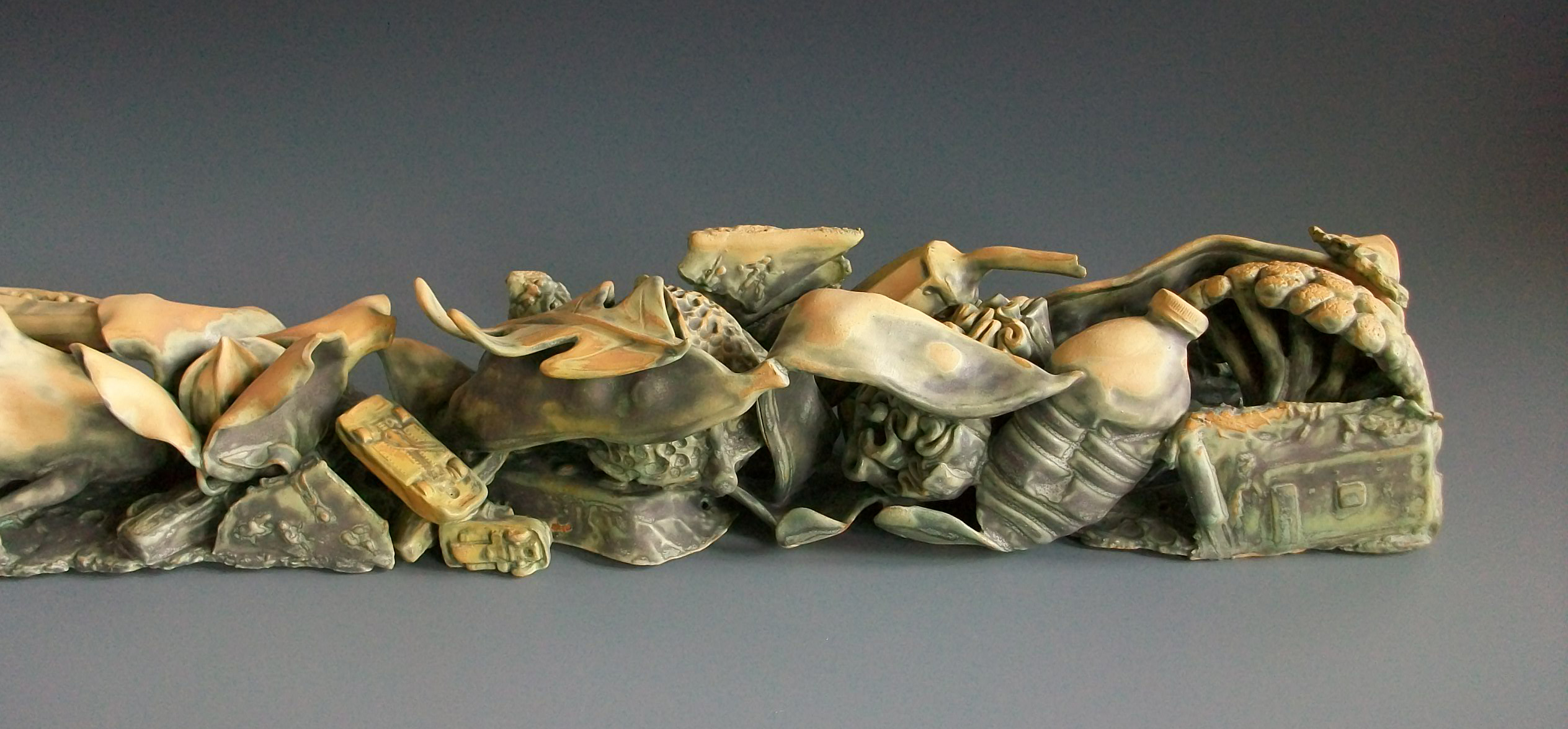
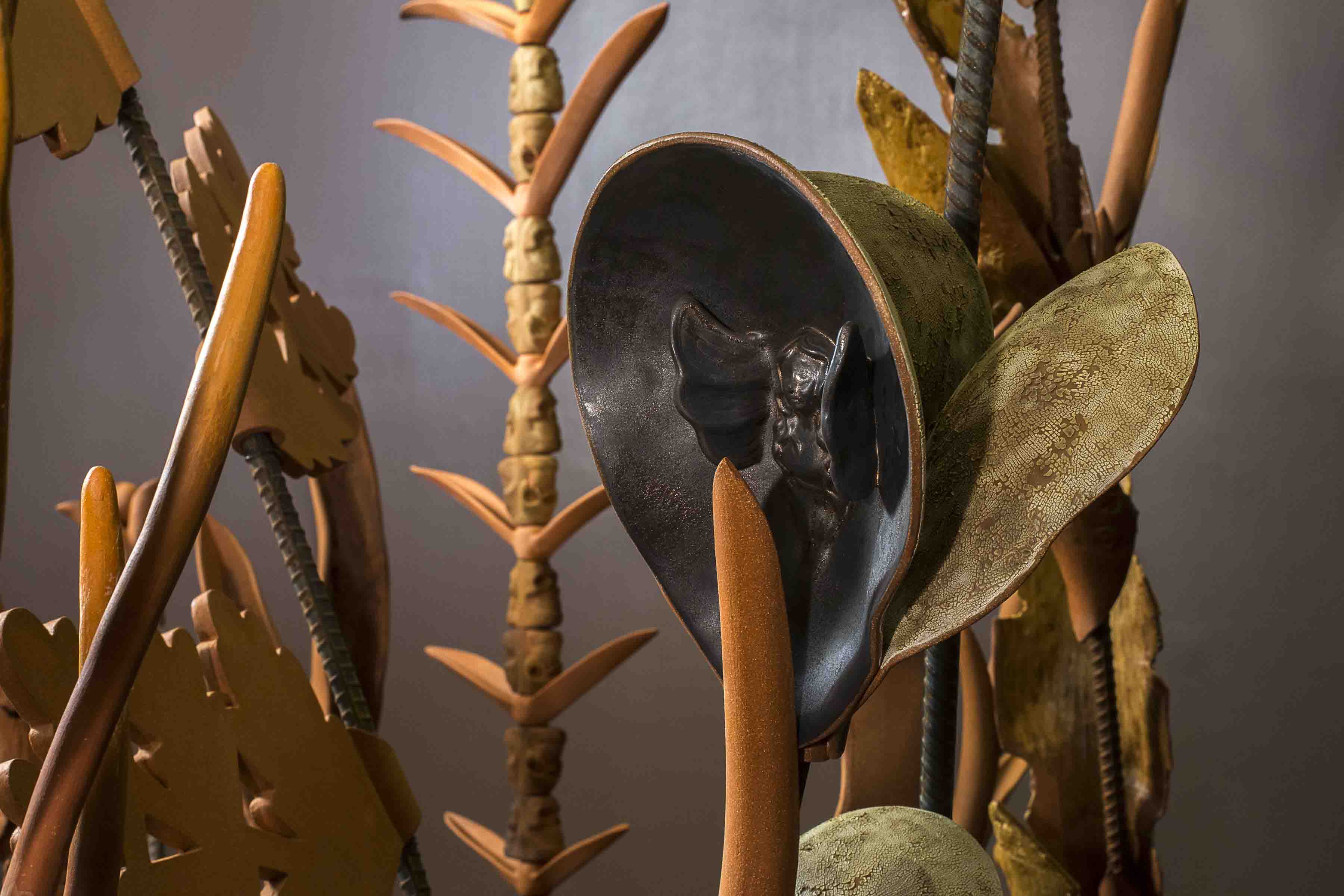
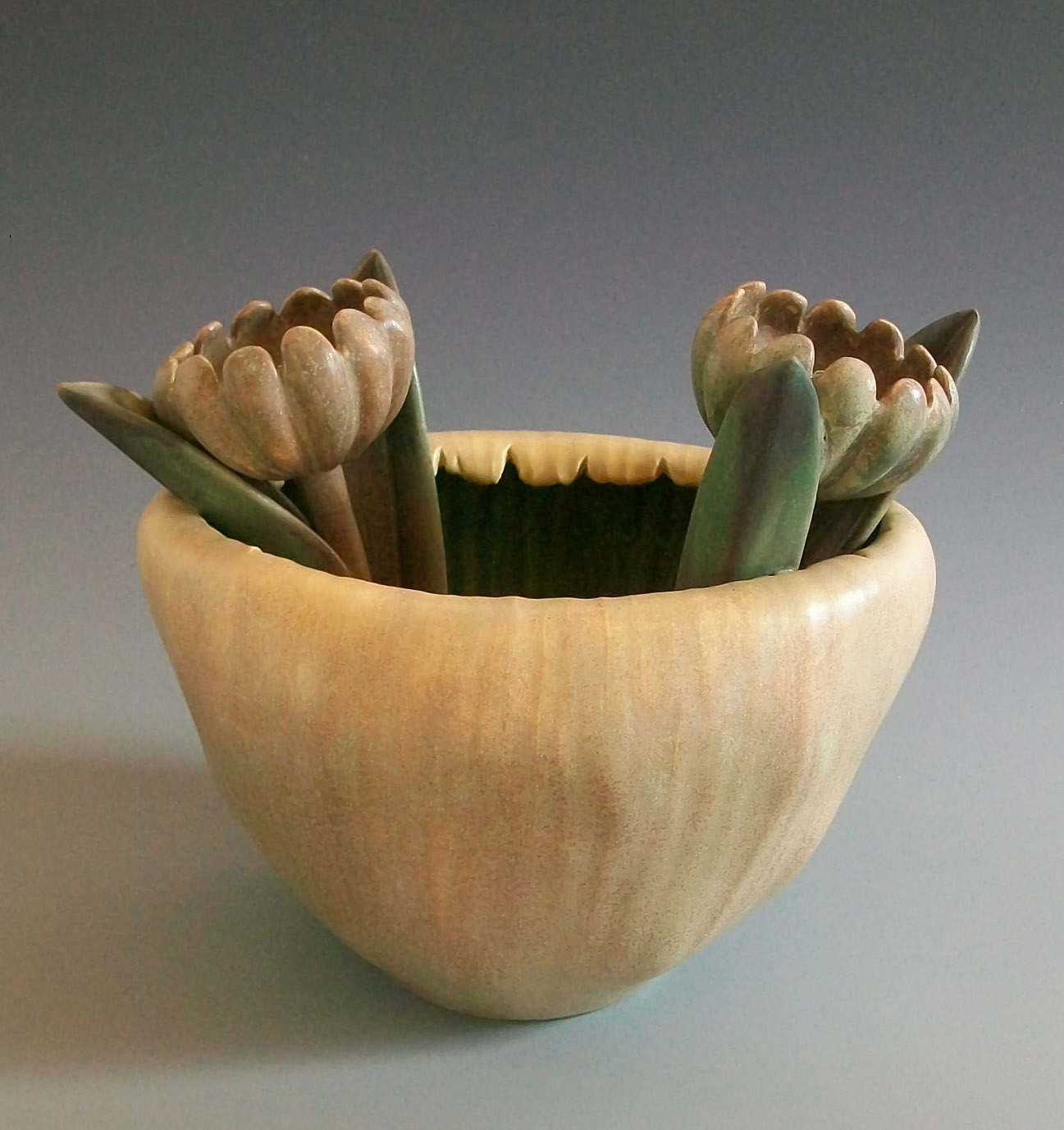
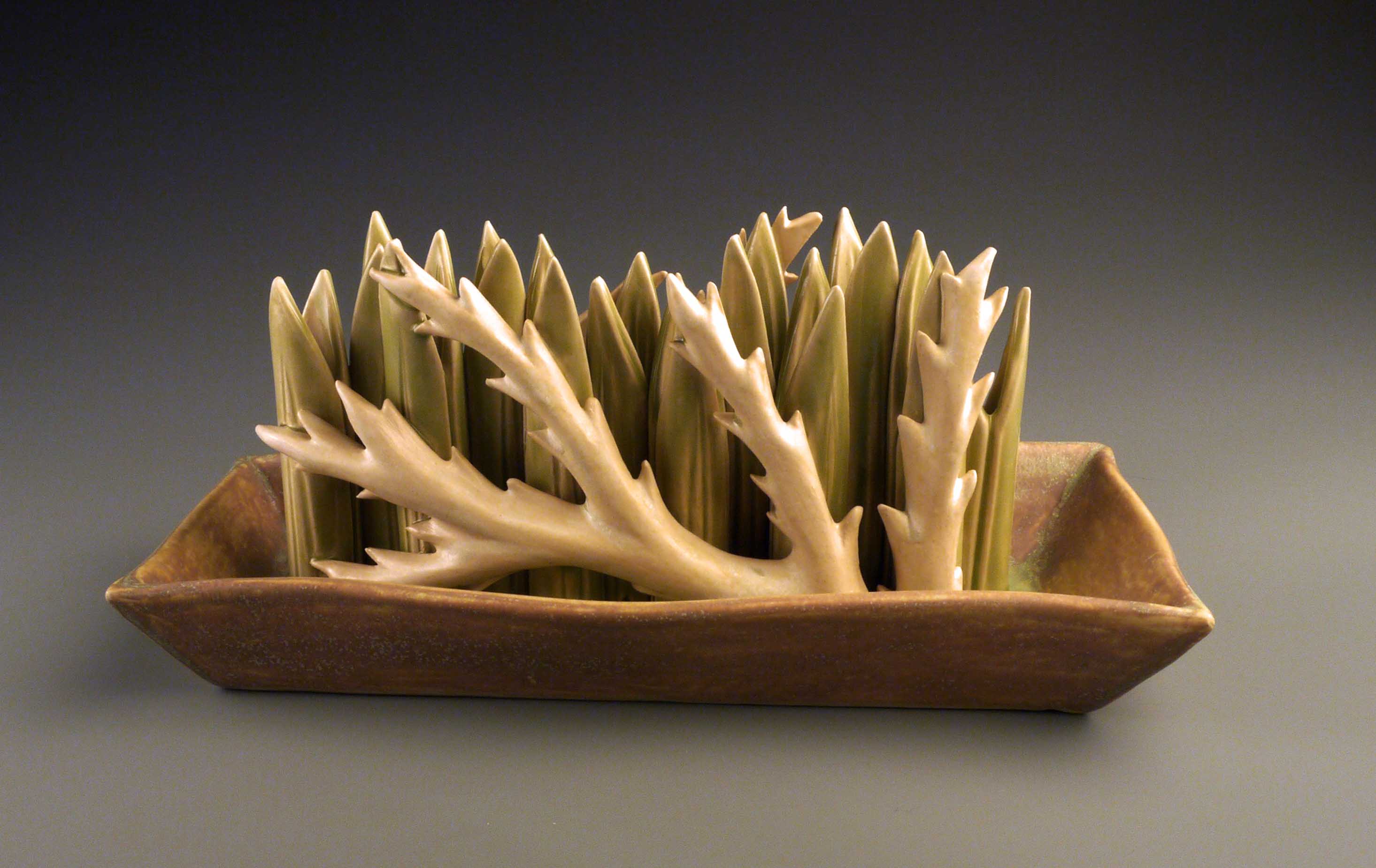
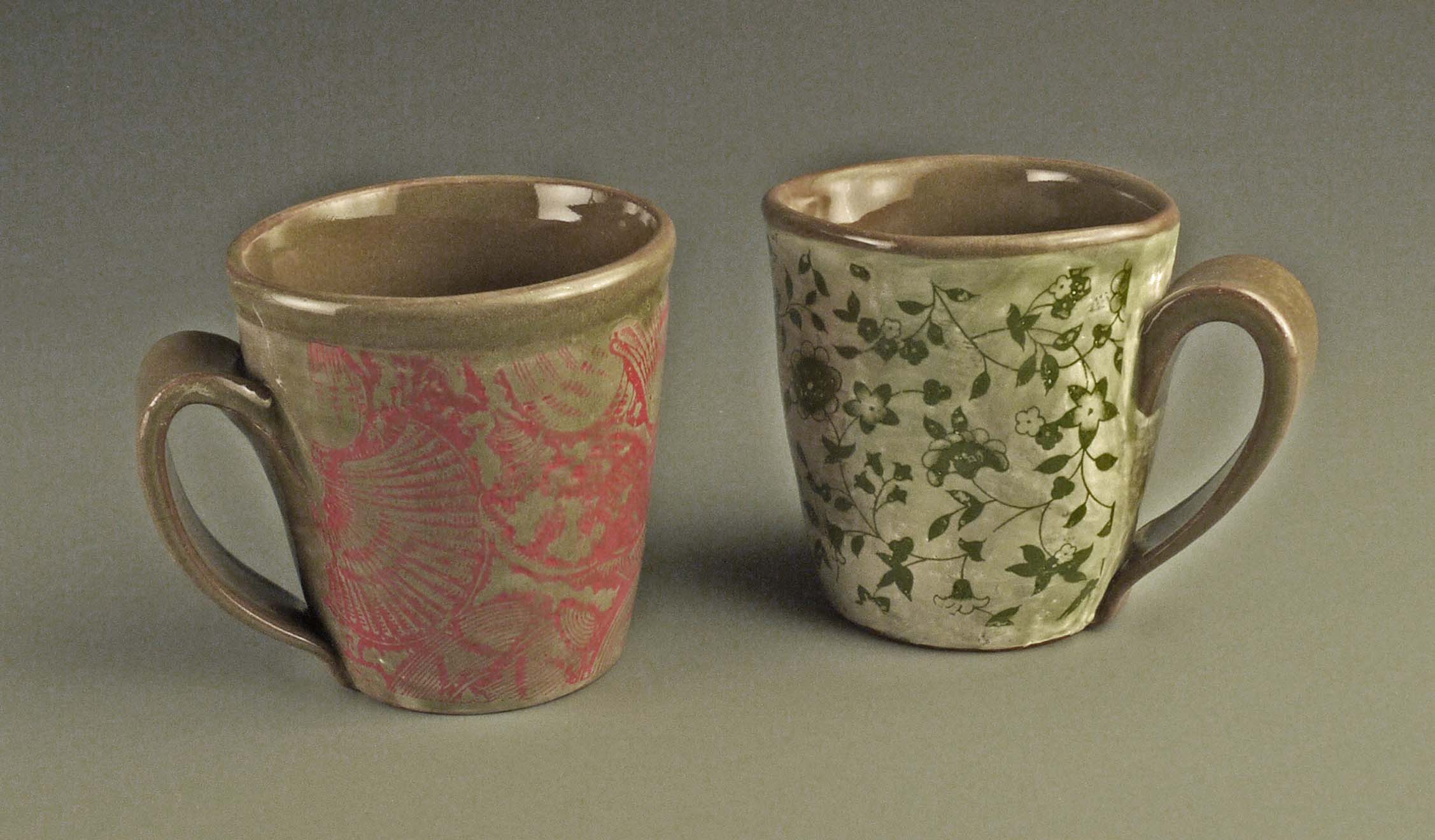
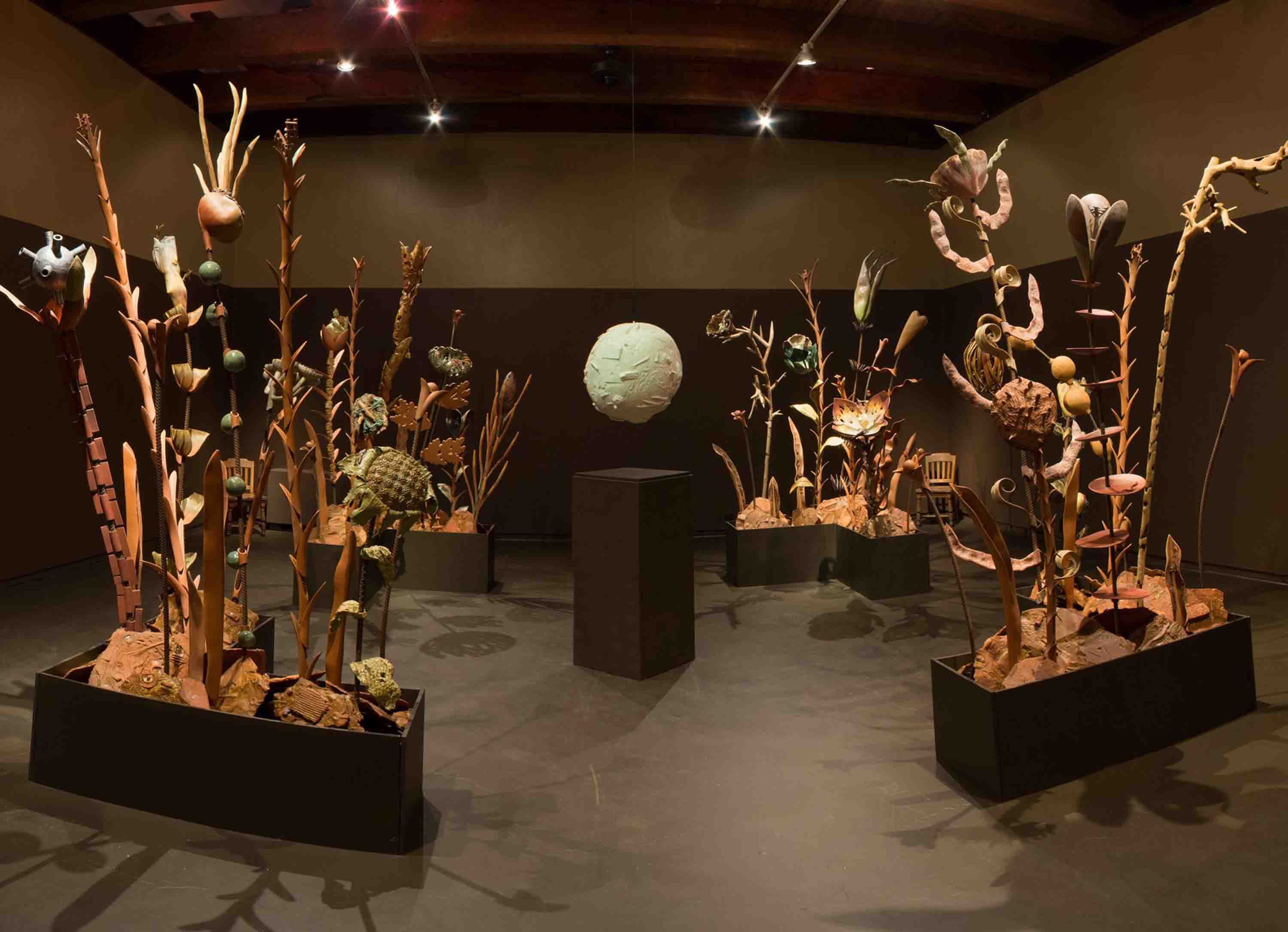
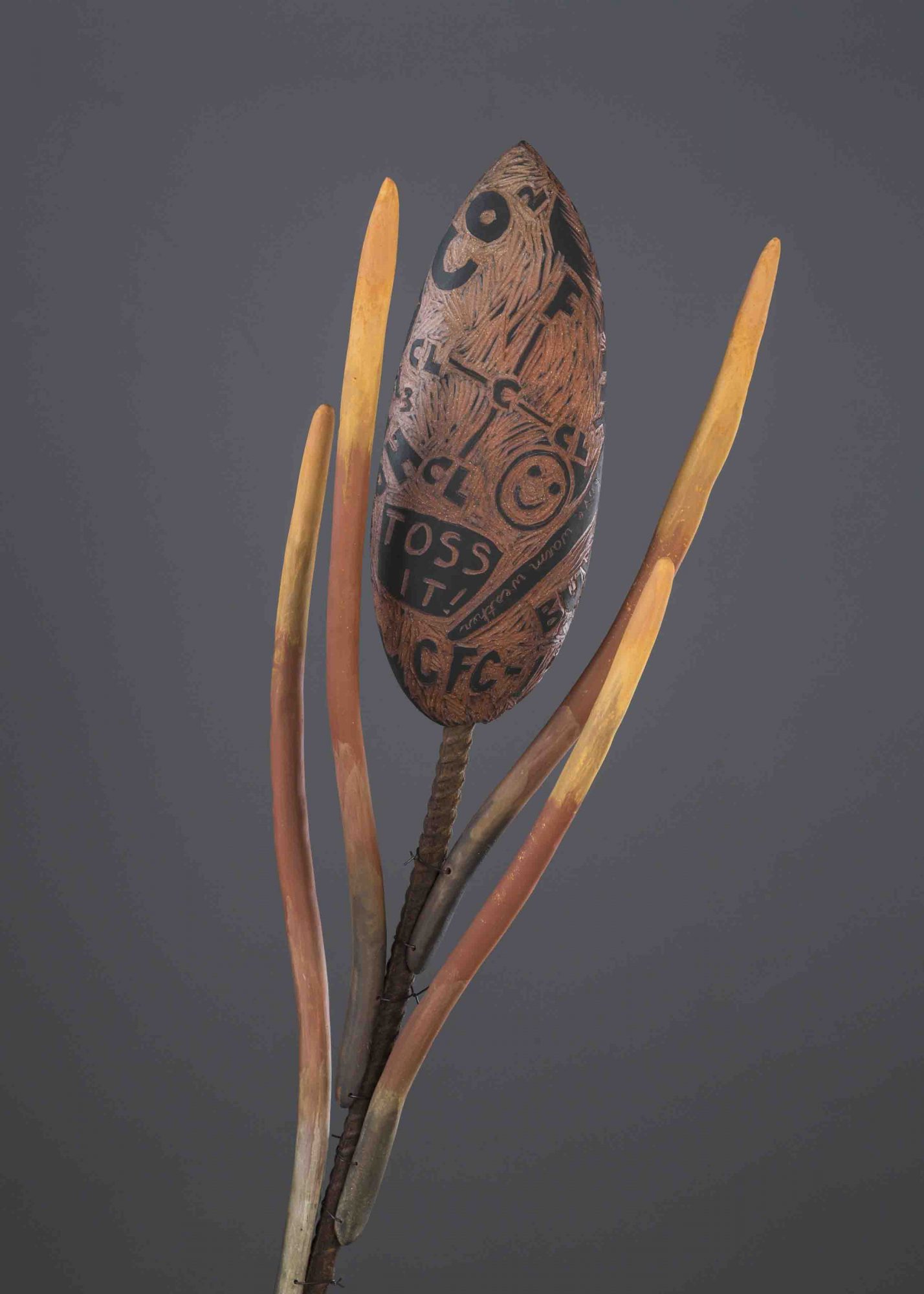
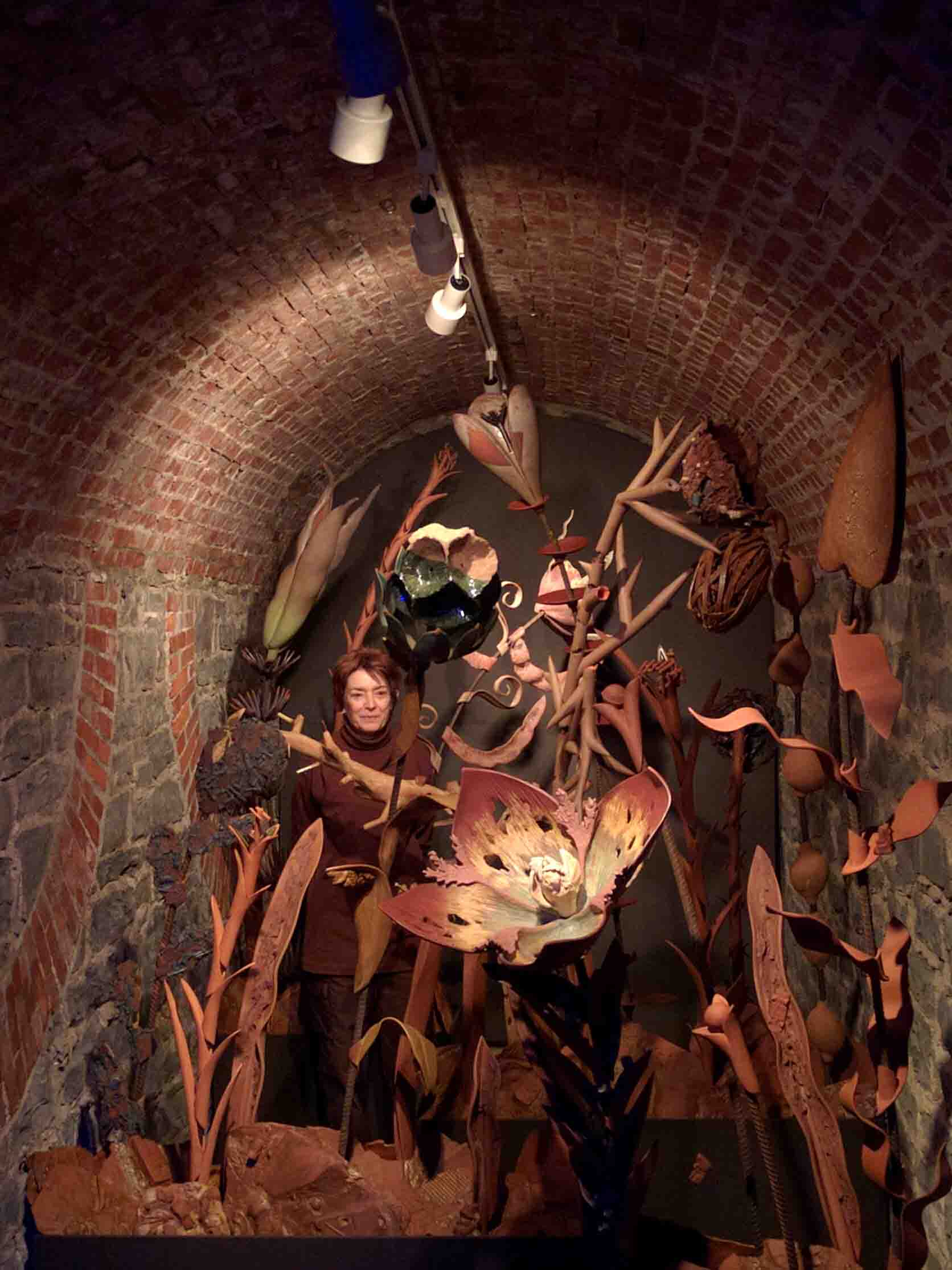 Image Credit:
Portrait was taken by Sylvia Stagg-Giuliano
Getting in touch: BostonVoyager is built on recommendations from the community; it’s how we uncover hidden gems, so if you know someone who deserves recognition please let us know here.
—