




Today we’d like to introduce you to Leonard Fu.
Leonard, please share your story with us. How did you get to where you are today?
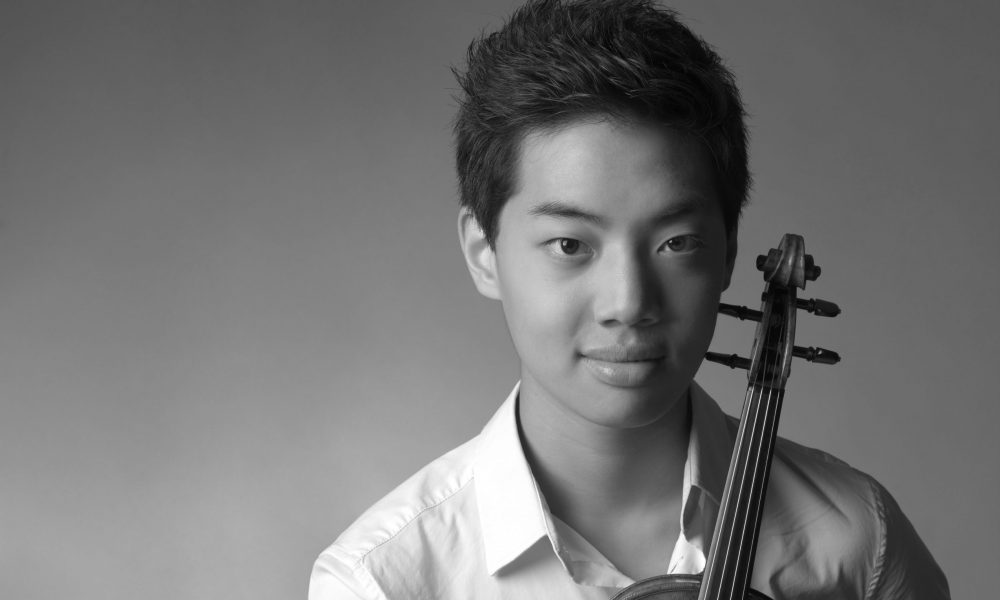
I was born in Kiel, Germany, the third child of two Chinese immigrants. My two older sisters both played instruments – the piano and the violin – despite my parents not being musicians. At age three I would imitate jingles I heard on television on the piano which led my parents to recognize my interest in music. They soon found a piano teacher for me from whom I learned the elements of music theory and my first pieces of music. A few years later my sister was taken into a pre-college academy in the city of Hannover that paid for all violin lessons and other classes, which my family would not otherwise have been able to afford.
Soon after, I started playing the violin studying with the same teacher. The violin became increasingly important to me and by age 10 I had shifted my focus towards it, being a student in the same academy as my sister. I had my first moments of success in regional and state-wide competitions which sparked my desire to become a professional musician.
Not having musicians as parents is sometimes tough, as you see other kids progressing faster and more naturally with the help of their parents. My mother tried to help me as much as she could and practiced with me, but when it got to specific issues, she was not able to convey the necessary ideas that would have led me to solving said issues.
When I was 12 years old, I switched to a music school in Hamburg where I studied with the esteemed violinist and teacher Tanja Becker-Bender. Her teaching style was vastly different from that of my previous teachers. Much of the technical work was left to be done by myself as she focused on bringing closer to me the meaning behind the notes rather than fussing over technical details that would only get me frustrated in lessons. This taught me how to work independently at a very young age and has been proven to be of utmost benefit even to this day.
Throughout my youth I went to a normal middle and high school in my small hometown where I was the only kid that was seriously pursuing the path of classical music. The high quality of teaching as well as an exceptional amount of talented minds amongst my peers caused me to find interest in a broad range of subjects, including Maths, German, Philosophy, Latin, Politics, and History. In my last year of high school my peers would often ask me reproachfully: “You’re going to study something real, aren’t you? Classical music would just be a waste.”
Up to this point I hadn’t considered myself as one of the best in my field and due to my many other interests I was seriously thinking about studying Economics or Physics over Music. As the Valedictorian of my year it would have been quite possible to get into the top universities for these majors all over Germany. At the same time however, I won my first major national competition, TONALi, which brought me several concert engagements and a much needed boost for my confidence as a violinist. Only then did I start looking into options for teachers I would want to study with in my Bachelor’s degree. Ms. Becker-Bender was highly supportive of me switching teachers after having studied with her for six years and together we decided that my first choice would be to go abroad and study with famous pedagogue and long-time primarius of the Cleveland Quartet, Donald Weilerstein.
I had met Mr. Weilerstein in a masterclass many years prior to this decision, where he had given me a couple of intriguing lessons that had inspired me in a way that I had never before experienced. So I decided: I would apply to his studio in Boston and if I didn’t get in, I would study Physics back in Germany. I applied to New England Conservatory with Mr. Weilerstein as my first and only choice as a teacher. I waited anxiously for over a month until I received my acceptance letter. I was head over heels excited and couldn’t believe that I was going abroad to study. Only over the next months did I realize that this step would be incredibly scary and intimidating, too. I had to take English proficiency exams, fill out an innumerable amount of paperwork, etc.
I also started realizing that I would leave behind everything that I knew and that was dear to me: family, friends, my home.
All my fears turned into feelings of adventure as soon as I reached Boston. I could not wait to explore the city, the people, and the culture. I soon found wonderful new friends without losing contact to my closest friends at home.
I am now at the end of my junior year and time has gone by with the blink of an eye. I have improved tremendously both as a human and as a musician thanks to my wonderful teachers at NEC as well as my friends, with which I have built an incredible network of trust and support. These friends have carried me through any hardships that have occurred in this time.
I am part of the Tempest String Quartet which in its first year has already won numerous prizes and will be performing in NEC’s famous Jordan Hall.
I am currently in the process of (re-)founding a Baroque Ensemble at school, in collaboration with Guy Fishman, the first cellist of the Handel & Haydn society.
I have recently completed my first performance in the BSO’s Symphony Hall with the NEC Philharmonia Orchestra under the direction of Hugh Wolff.
All in all, I couldn’t be happier about my decision to come to Boston and to be exposed to the wonderful and diverse culture that I would not have experienced if I had stayed in the comfort of my home country. Being in Boston has certainly made me a more thoughtful, optimistic, and mature person and I cannot wait for what is yet to come.
Overall, has it been relatively smooth? If not, what were some of the struggles along the way?
One of the big obstacles has definitely been the financial aspect of studying at New England Conservatory in Boston. In Germany, tuition at any university or music school is pretty much free. Many of my musical and non-musical friends have asked me why I decided to move from a tuition-free country to a country with one of the highest average tuition fees in the world. Looking back, all I can say is that, hadn’t I decided to leave my comfort zone and to jump in the deep end of the water, I would not be the same person I am today.
Being away from everything I was used to was scary and liberating at the same time. I had to learn how to live by myself without parents or siblings being there if things turn out badly, I had to figure out little things in life through the rocky path, and last but not least I learnt how to build a network, both professionally and privately, from scratch. That is not to say that I have fully achieved or mastered any of these previously named challenges, however I feel like, making this step in my life has made me a more mature, aware, well-rounded, and open-minded person and gotten me one step closer to understanding where I want to be in life and what is possible within this lifetime.
Even though every year I have to make sure that I can find ways to finance my next year of study, at the same time I wouldn’t have come into contact with so many wonderfully ambitious and hardworking people in the foundations that I got to be part of. Seeing people pursuing their dreams with absolute relentlessness and endurance despite all the obstacles that are part of life inspires me to pull myself together during hard times and to realize that the fruit of hard labor is the most fulfilling kind of happiness I can find.
I was neither a wunderkind nor a prodigy and I am still a long way from reaching my full potential, but the hardships I have gone through made me realize that as long as I keep going, keep stepping out of my comfort zone every day to find improvement I will for sure find contentment in what I do.
Alright – so let’s talk business. Tell us about Leonard Fu – what should we know?
I am a music student.
Any shoutouts? Who else deserves credit in this story – who has played a meaningful role?
My parents, who have supported me all along and have mentored me in the most valuable way – with love, understanding, and compassion.
My sisters, who were always there for me and to whom I have looked up to since I was a child.
Tanja Becker-Bender, for not only being an amazing teacher but also a mentor that has supported and helped me far beyond my time as her full-time student.
Donald Weilerstein, for being one of the most understanding and wise people in my life, and teaching me innumerable amounts of lessons both on the violin and in life.
Ina Kertscher and Lara Lev, my first two violin teachers without whom I would not have acquired the basic skills that are the foundation of everything that I do as a musician.
My mentor here in Boston, who never misses a concert of mine, and has helped me to stay in touch with the world outside of classical music.
The Deutsche Stiftung Musikleben which has been giving me wonderful instrument loans to play on for many years.
The Studienstiftung des Deutschen Volkes which has been supporting me financially as well as ideationally.
My friends, without whom I would have been lost so many times throughout the ongoing process of adulting and progressing in my profession.
Contact Info:
- Website: http://www.leonardfu.com
- Email: leonard.violine@gmail.com
- Instagram: https://www.instagram.com/tempeststrings/
- Facebook: https://www.facebook.com/TO14LeonardFu/
- Other: https://www.facebook.com/TempestStrings/
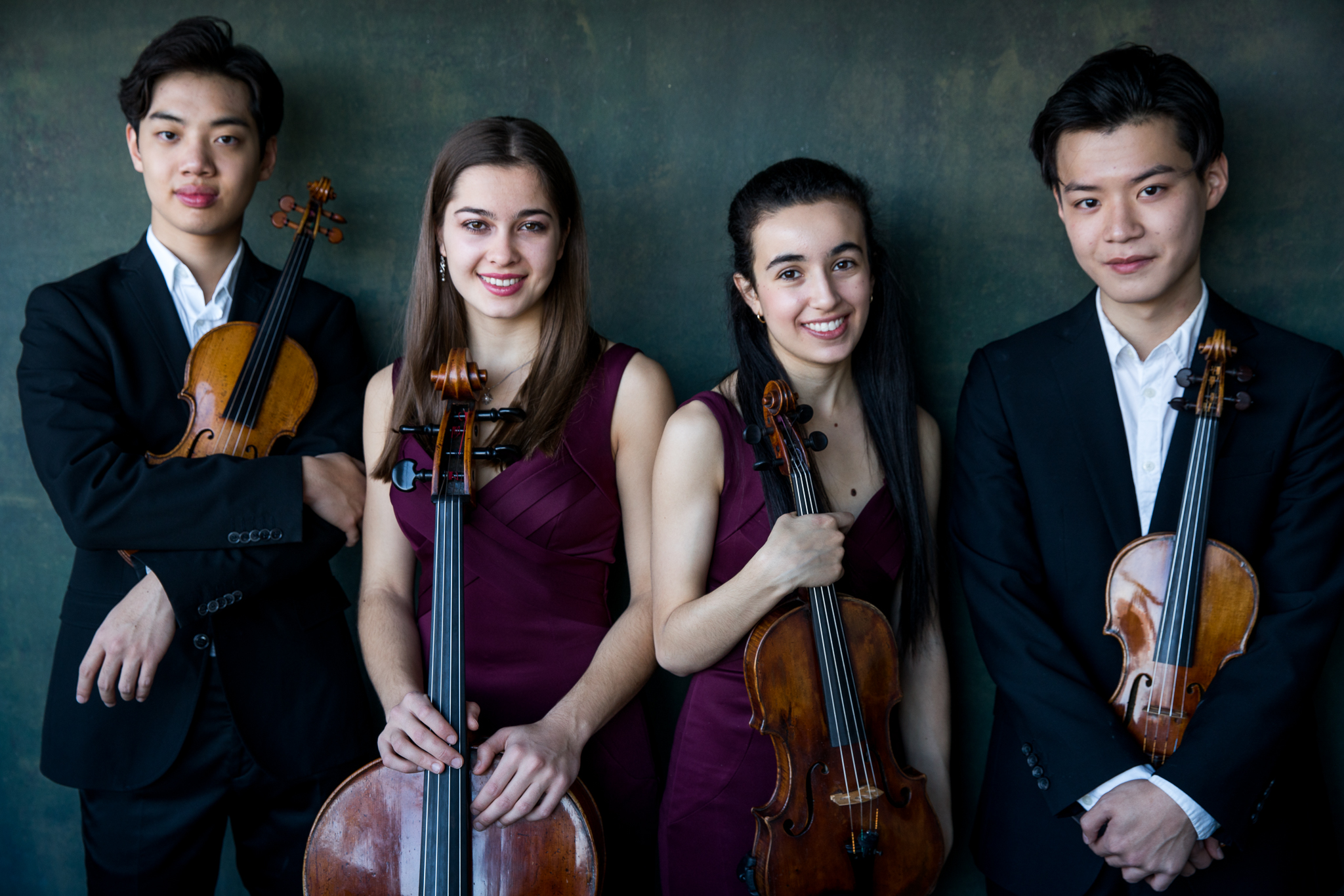
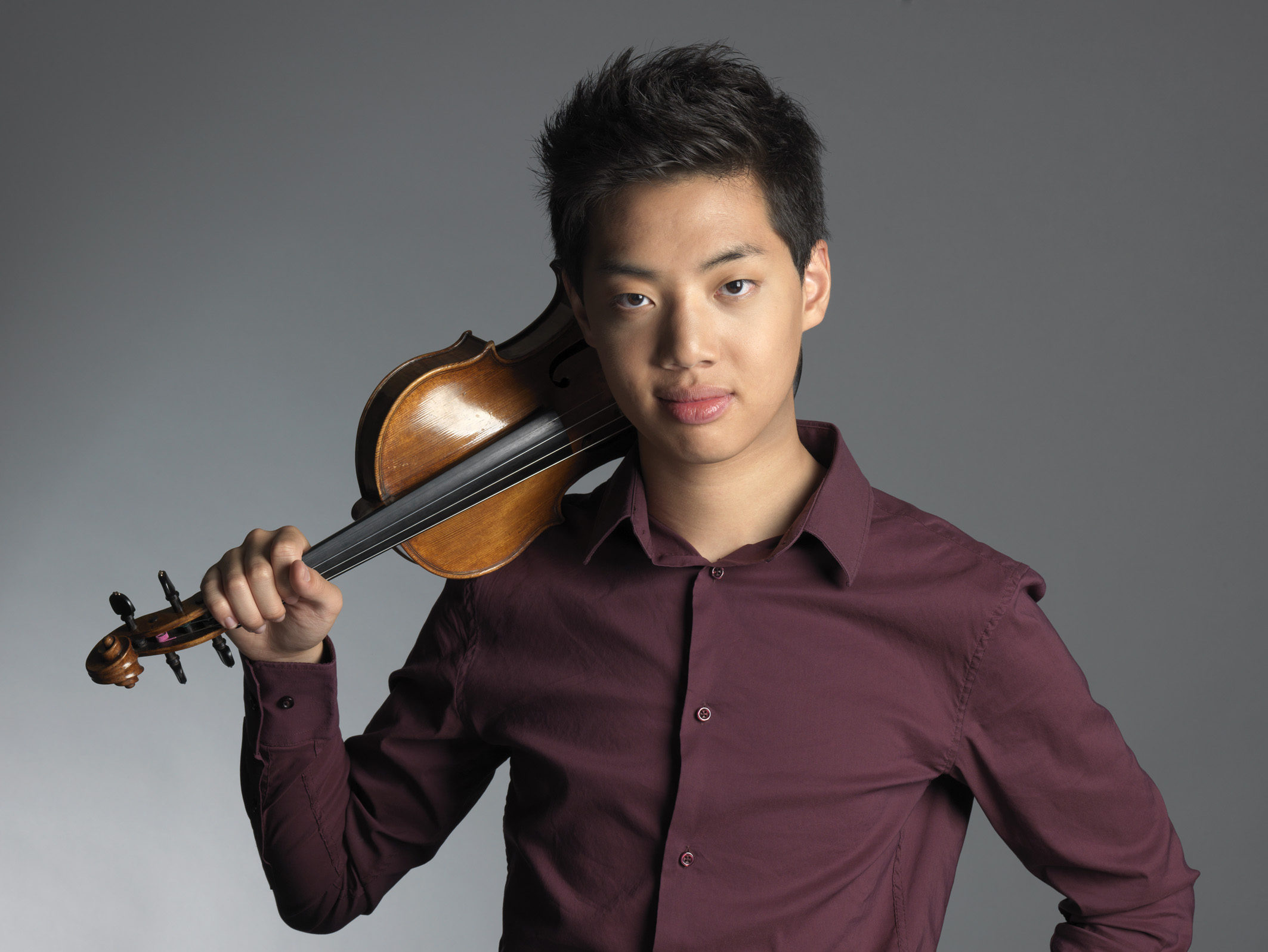
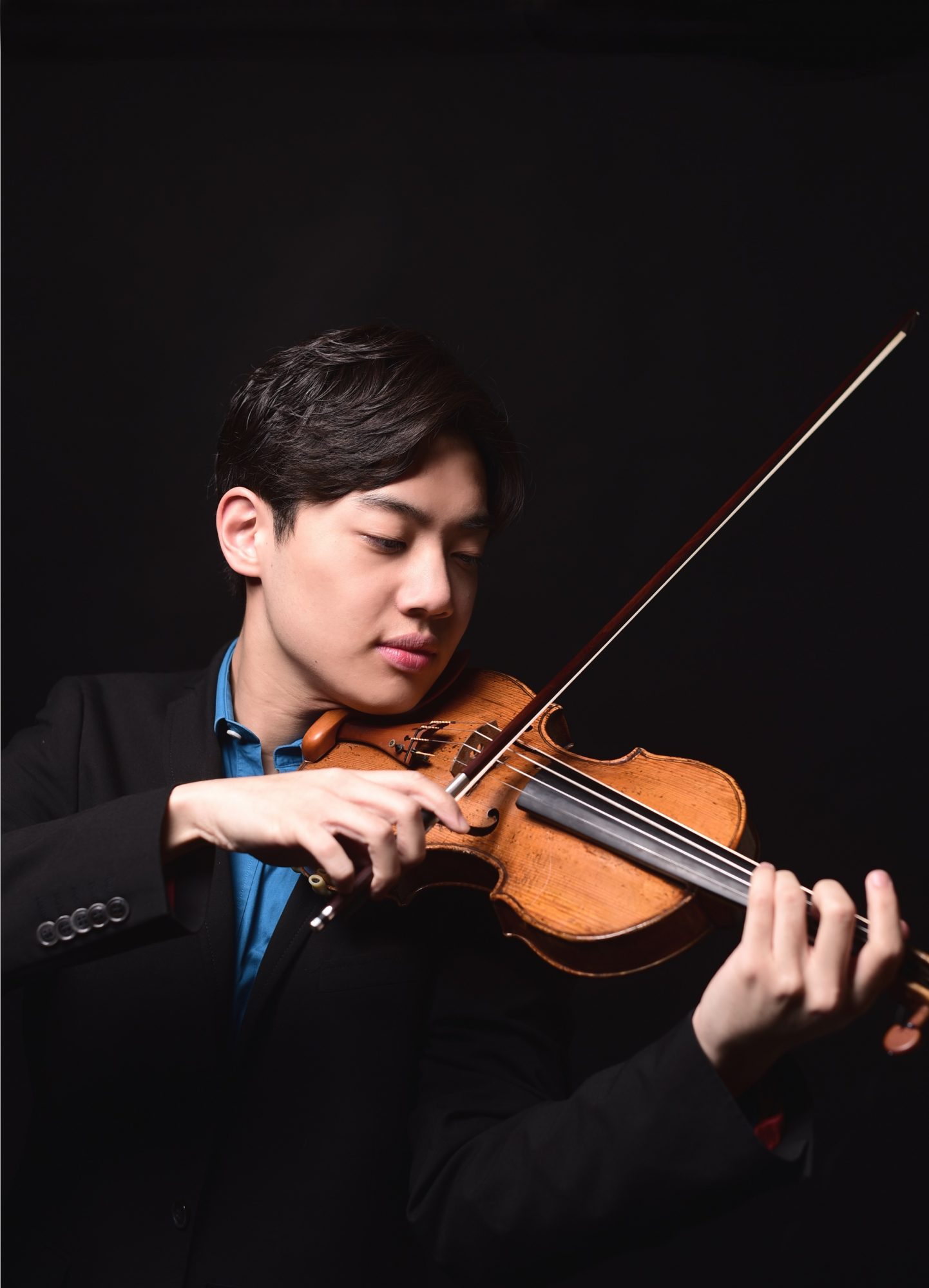
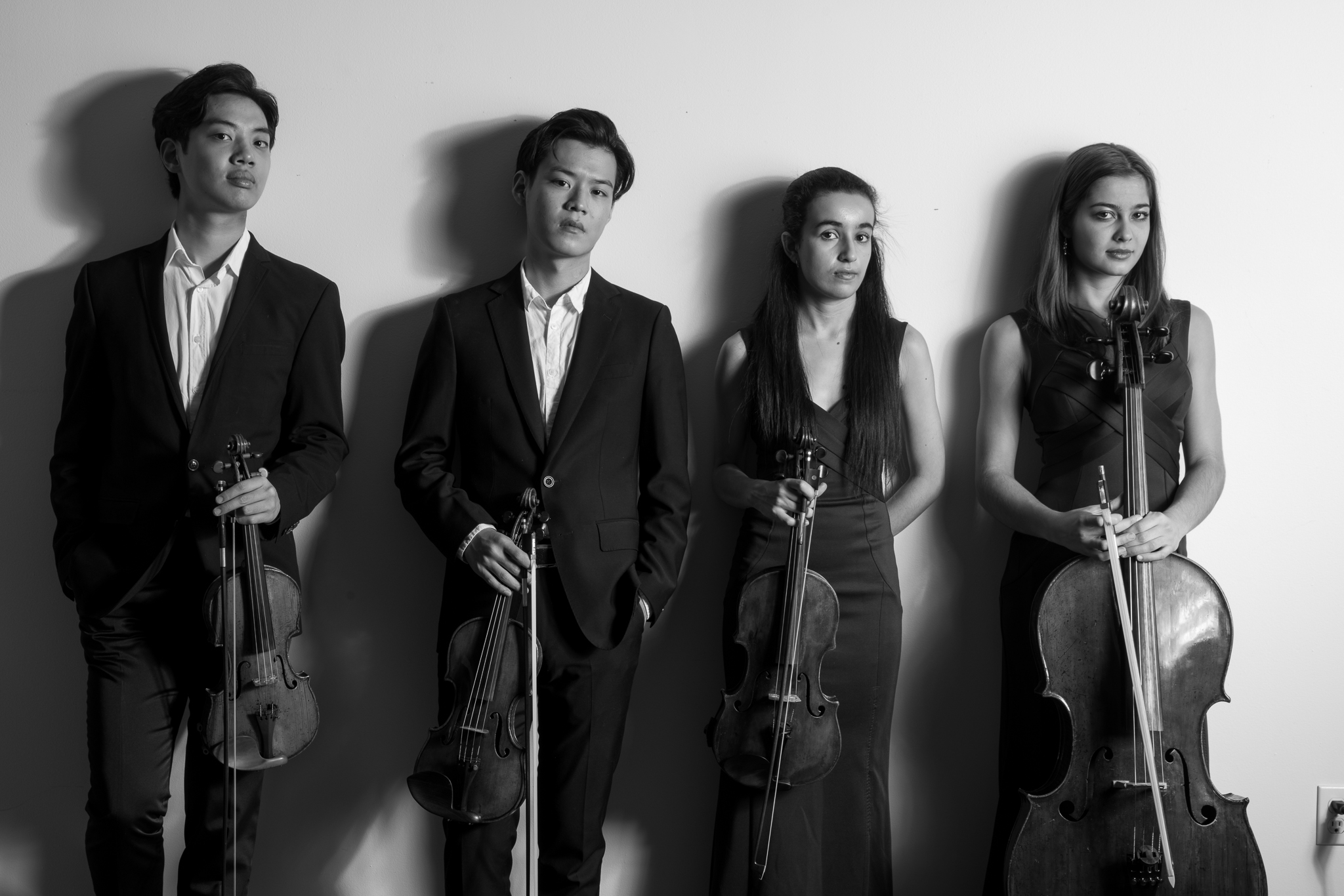 Image Credit:
Images by Boris Rostami-Rabet, Nile Hawver, and Saskia Giebel
Getting in touch: BostonVoyager is built on recommendations from the community; it’s how we uncover hidden gems, so if you know someone who deserves recognition please let us know here.