




Today we’d like to introduce you to Kelly Dodge.
Kelly, let’s start with your story. We’d love to hear how you got started and how the journey has been so far.
20 years ago, with a 1 year old in tow I began my adventure in sheep farming. Having grown up on an island in Downeast Maine, my life had been blessed with many varieties of artistic mediums. Painting was my passion in high school, but the tools were brushes and the pigments came in tubes and sometimes cans. I painted pictures, on canvas, paper and driftwood I found on walks around the rocky shore. Often I painted the freshly scraped bottoms of boats, or a porch that had been faded from summer sun and winter winds. Color was my passion.
When my first child was born I quit working in the “outside” world to take on, what was to me, the role I was meant to take on at this point in my life -mother. When my son was one, an 11 acre piece of tree covered ledge became my farm, no one in their right mind would have said “let’s build a farm here.” But I am an Aries and can never be convinced of what I cannot do.
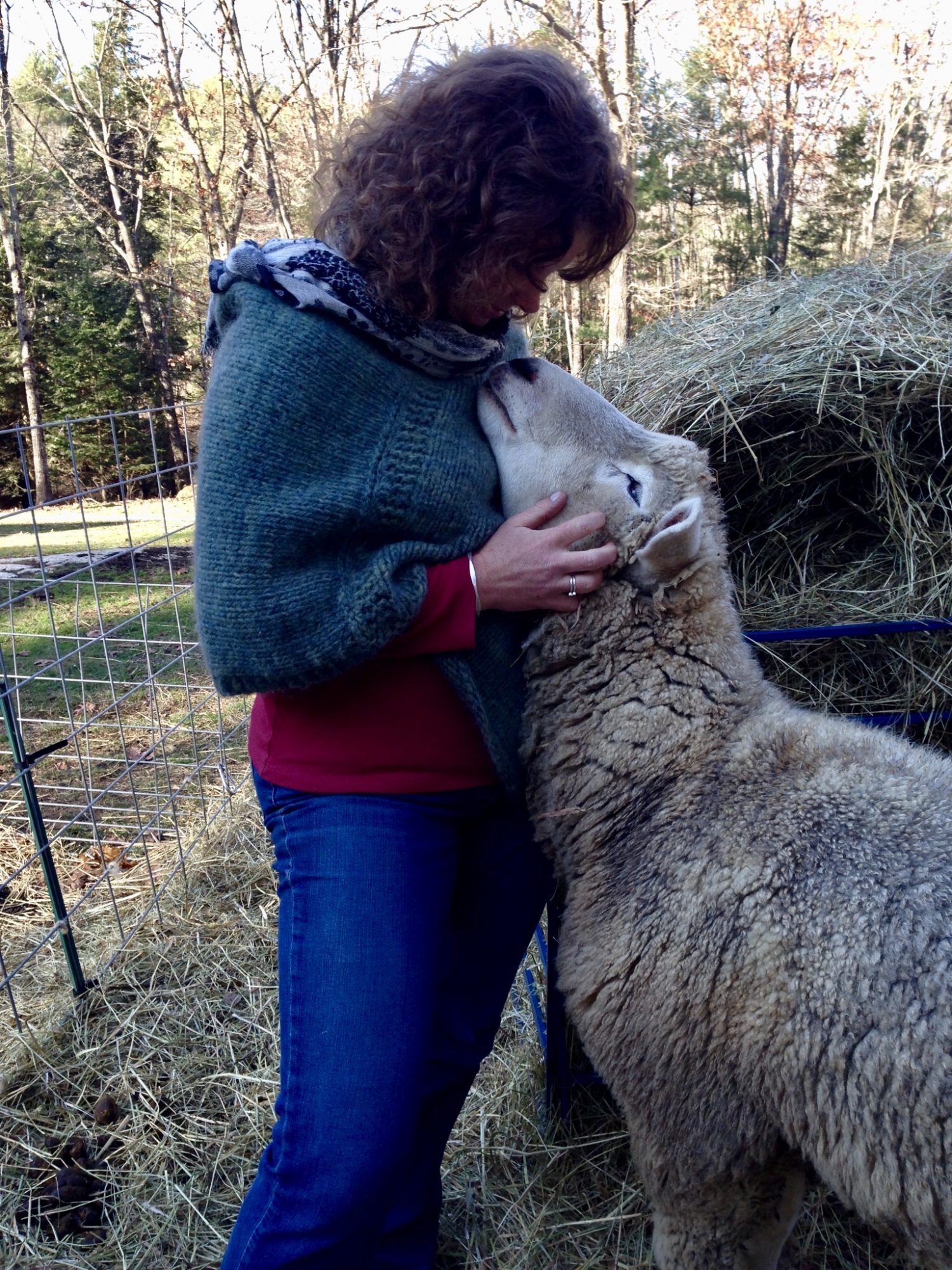
My first sheep was a Maine offshore island breed with ancient genetic lines from the islands not far from where I had grownup. I had visited his woolen relatives as a child on summer island-hopping trips to Big Nash Island -home to the famous lighthouse keeper, Jenny Cirone and her flock of Romney/Coopworth sheep. No doubt he carried the genes of these magnificent sheep in his wide head, small ears and dazzling fleece. He was the beginning of my farming, my learning, my passion for wool, my experimenting with colors, and my privilege of becoming a shepherdess. I was a mom, who was home for her kids, discovering that I was an entrepreneur.
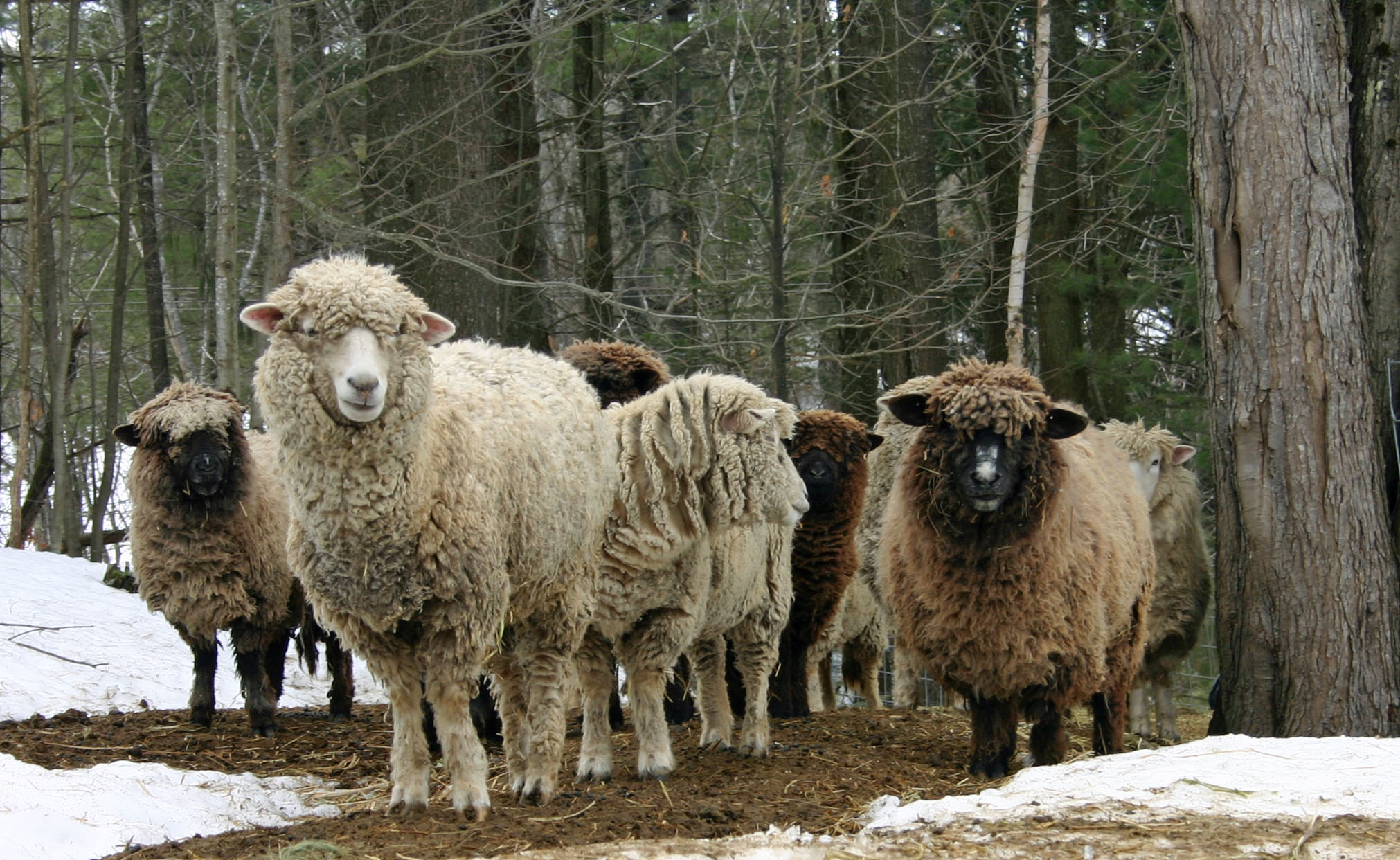
Sheep are like potato chips, you can’t have just one. My flock grew from my island ram to several Romney and Correidale Ewes. I kept a beautiful wether in my flock who had a heavy, silvery fleece who years later I had made into my favorite sweater. I had learned early on how to wash and card my wool, which subsequently led me to borrowing a spinning wheel and spinning inconsistent strands which I plyed and then dyed and excitedly called my “designer yarn”. I carded and spun and carded and spun and eventually had enough yarn to try and recoup my investment. A canvas painter’s drop cloth seemed appropriate enough to be my sign, so I swirled colorful letters -Y-A-R-N on the cloth, draped it over a saw horse and placed it on the very busy Route 1 Coastal highway which ran very close to my house. I arranged my yarns in baskets and sold them from my garden shed. People came. I was excited. I needed more wool …I needed more sheep!
There is so much more to this story. Many years of clearing land and running fences, many seasons of lambs and freshly shorn sheep, and many moments of laughter and some of sadness. My flock peaked at 36, mostly Romney sheep, three Angora goats and a handful of Angora rabbits. Production over the past 20 years has consisted of yarns in several different weights, ten different wool types, alpaca, mohair and angora. Spinning moved from my hands and a spinning wheel to three different spinning mills in Maine and Massachusetts and Vermont. I began purchasing wool from farms across New England to meet demand. And my days were dreamy. Hours upon hours of dyeing yarns. Ahhhh, how lucky am I? In total, over the past 20 years, I have spun and hand-dyed over fifteen thousand pounds of yarn. And I’m not done yet.
Two years ago my life changed. I re-homed my aging flock and moved a little further south to Rowley, Massachusetts. After years of traveling to festivals, open air and farmers’ markets, I decided to try something new. I opened a small shop in Ipswich -just one town over from me. When you walk through the doors you will find my own brand of hand-dyed yarns along with a few small batch indie dyers’ yarns. I do not carry commercially produced yarns as I feel this benefits myself as well as the shops around me who do. Though I now am in a retail space, I have found the wandering spirit is still very strong, so I continue to participate in markets and festivals throughout the years. Experience in the wool and yarn industry has blessed me with many people and many places over the past 20 years. But ultimately it was my sheep who got me here.
Has it been a smooth road?
Is there any such thing when you are a mother and a small business owner? 🙂 Balancing my time has been my biggest struggle. Managing three kids lives with no family close by for an occasional helping hand has always been a challenge. Sometimes having others recognize that my business was not just a hobby because I worked from home was frustrating. Marketing in the beginning was a bit difficult as well, as the internet was just beginning to exist and knowledge of how to use it was done by trial and error. Farming takes a bit of a physical toll. I have suffering though many bangs and bruises as well as a few stays in the hospital, but all in all it was very good to and for me, especially good for my spirit.
So let’s switch gears a bit and go into the Romney Ridge Yarns & Wool story. Tell us more about the business.
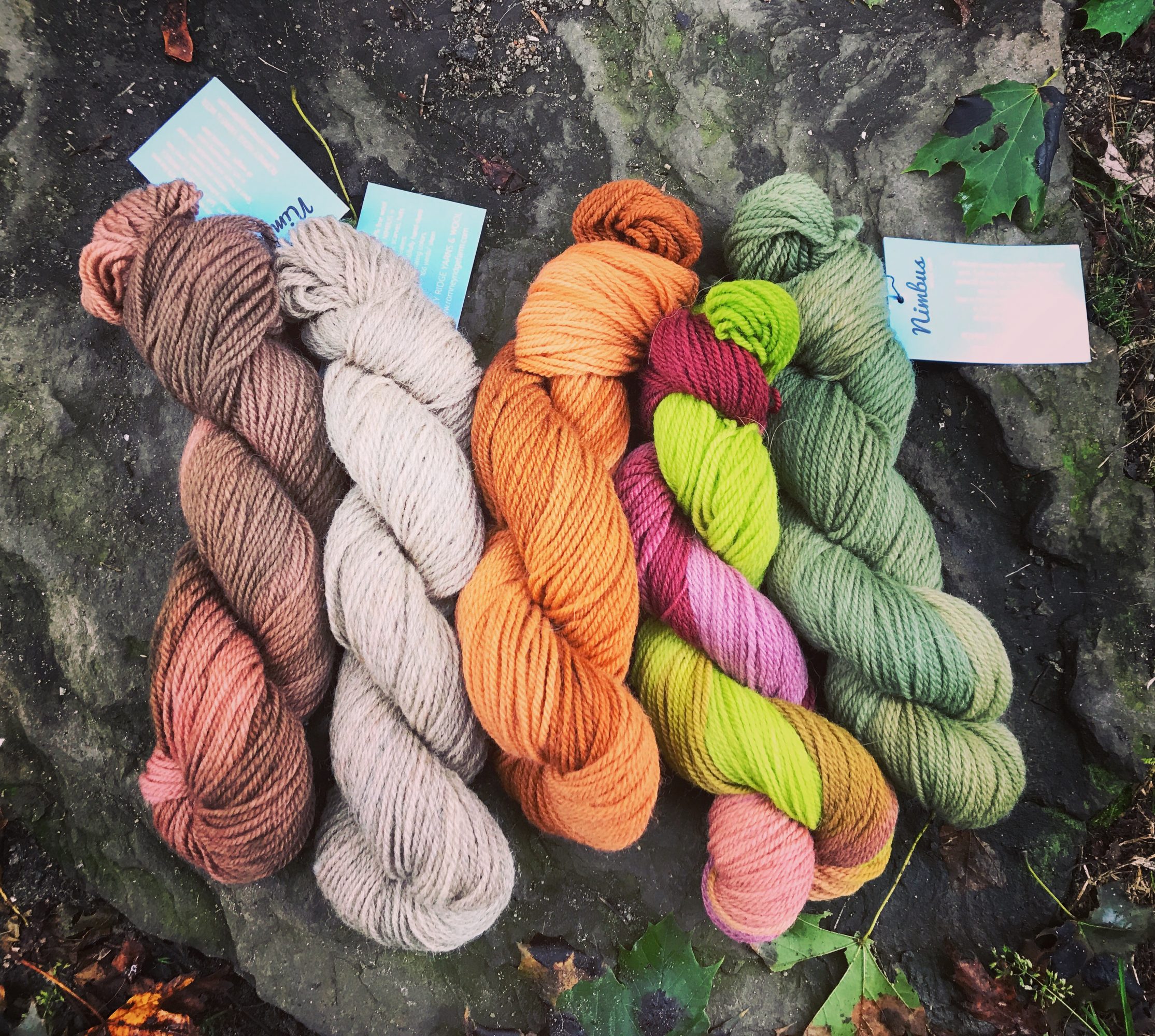
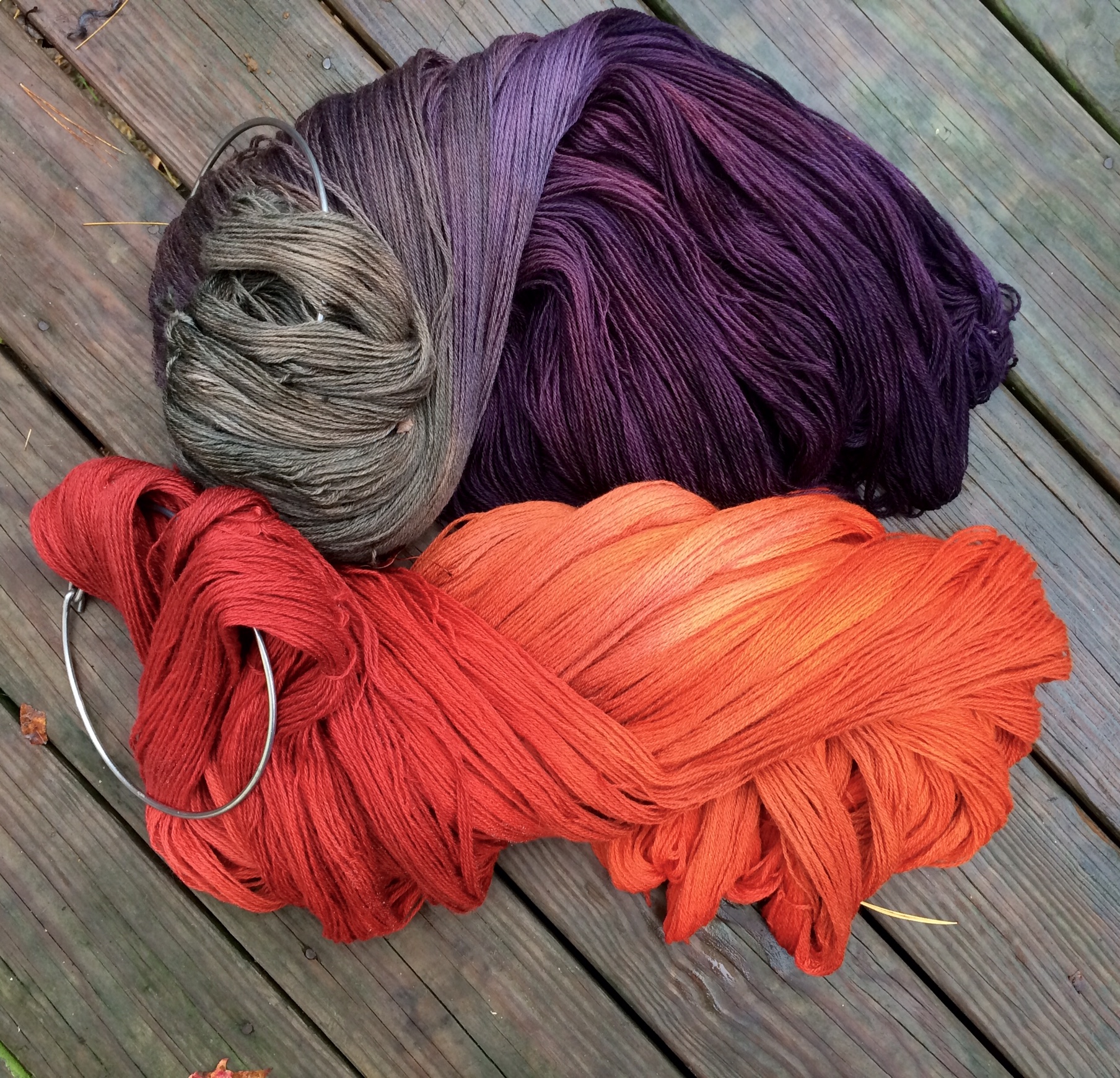
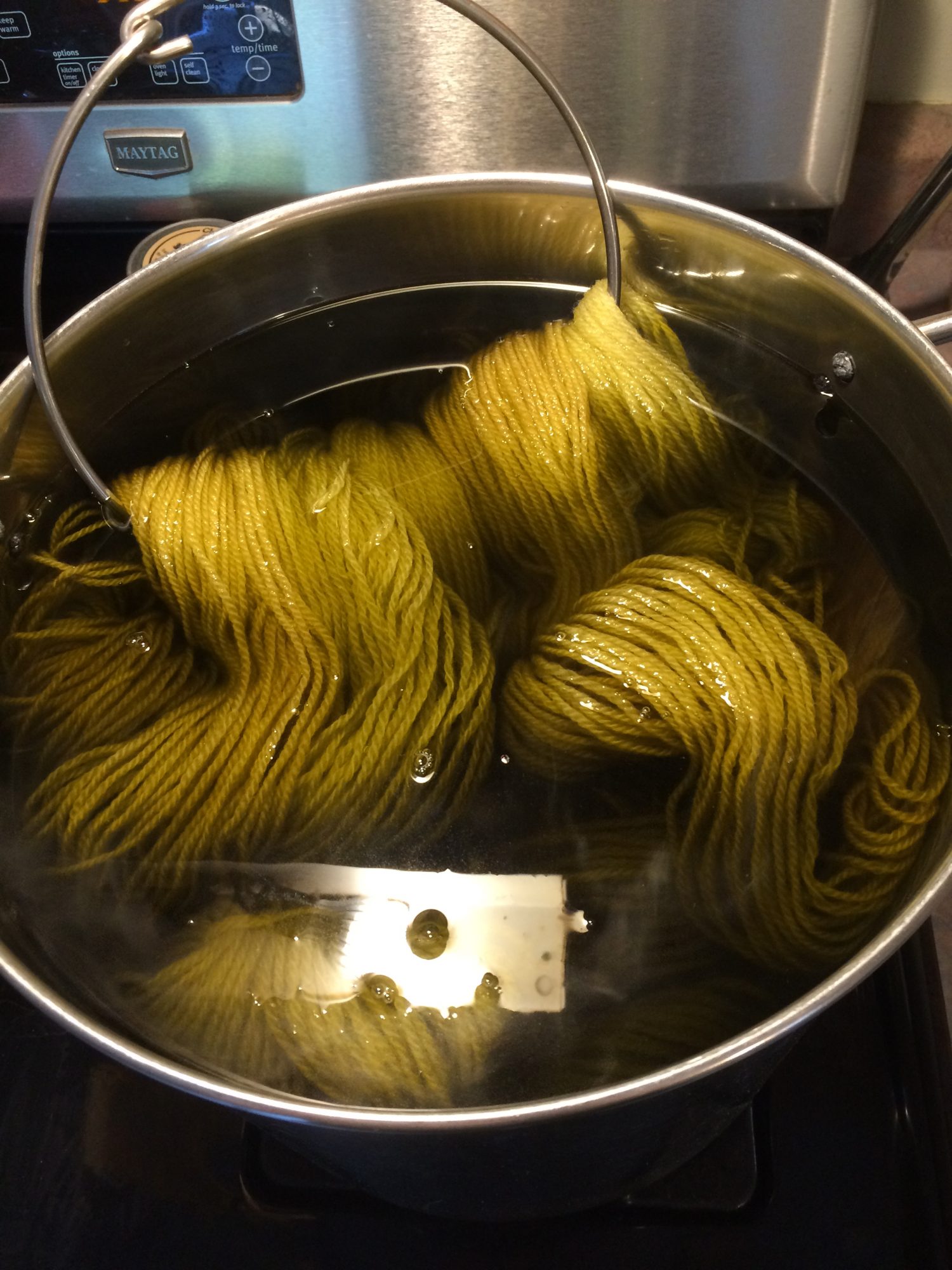
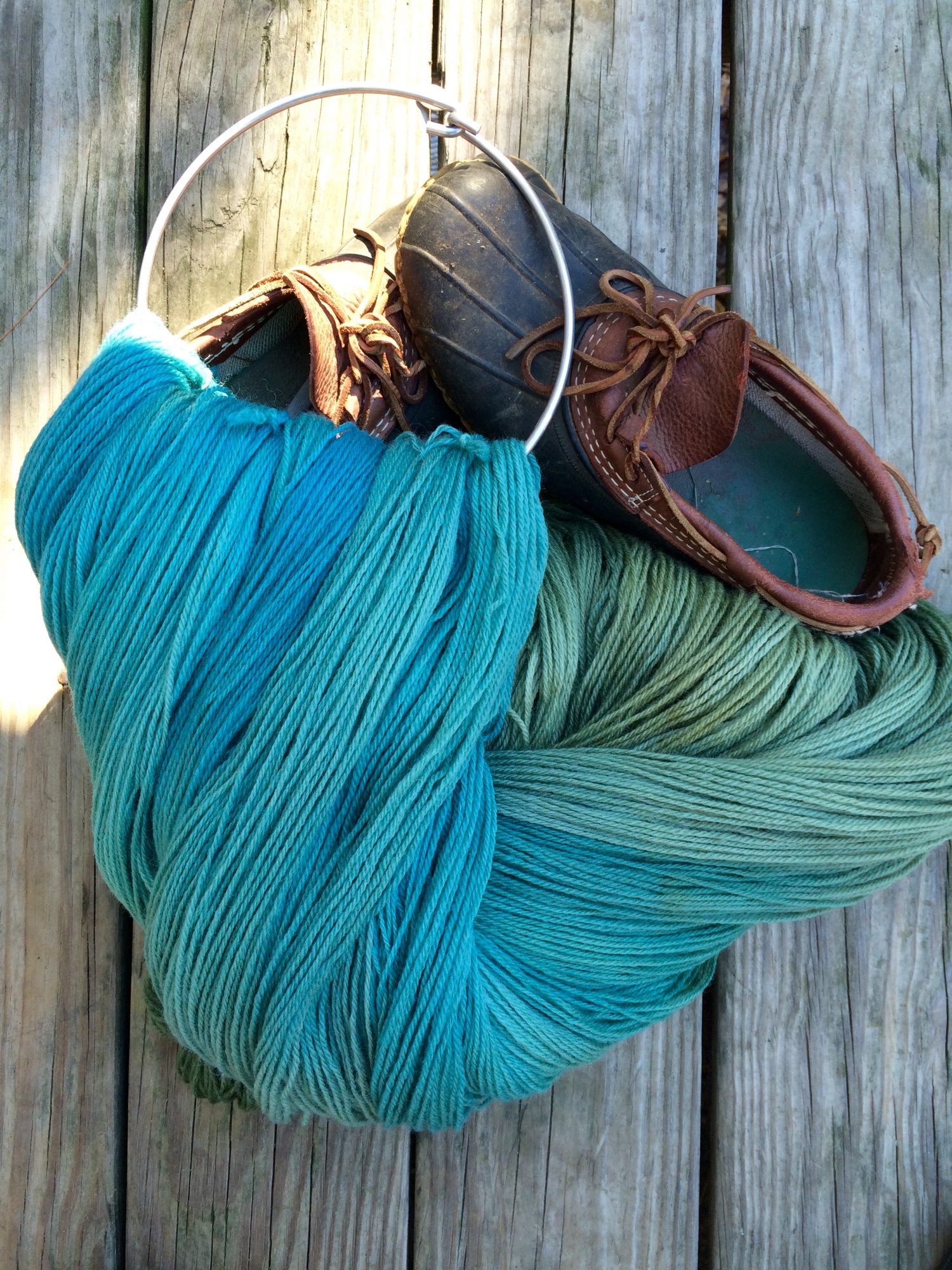
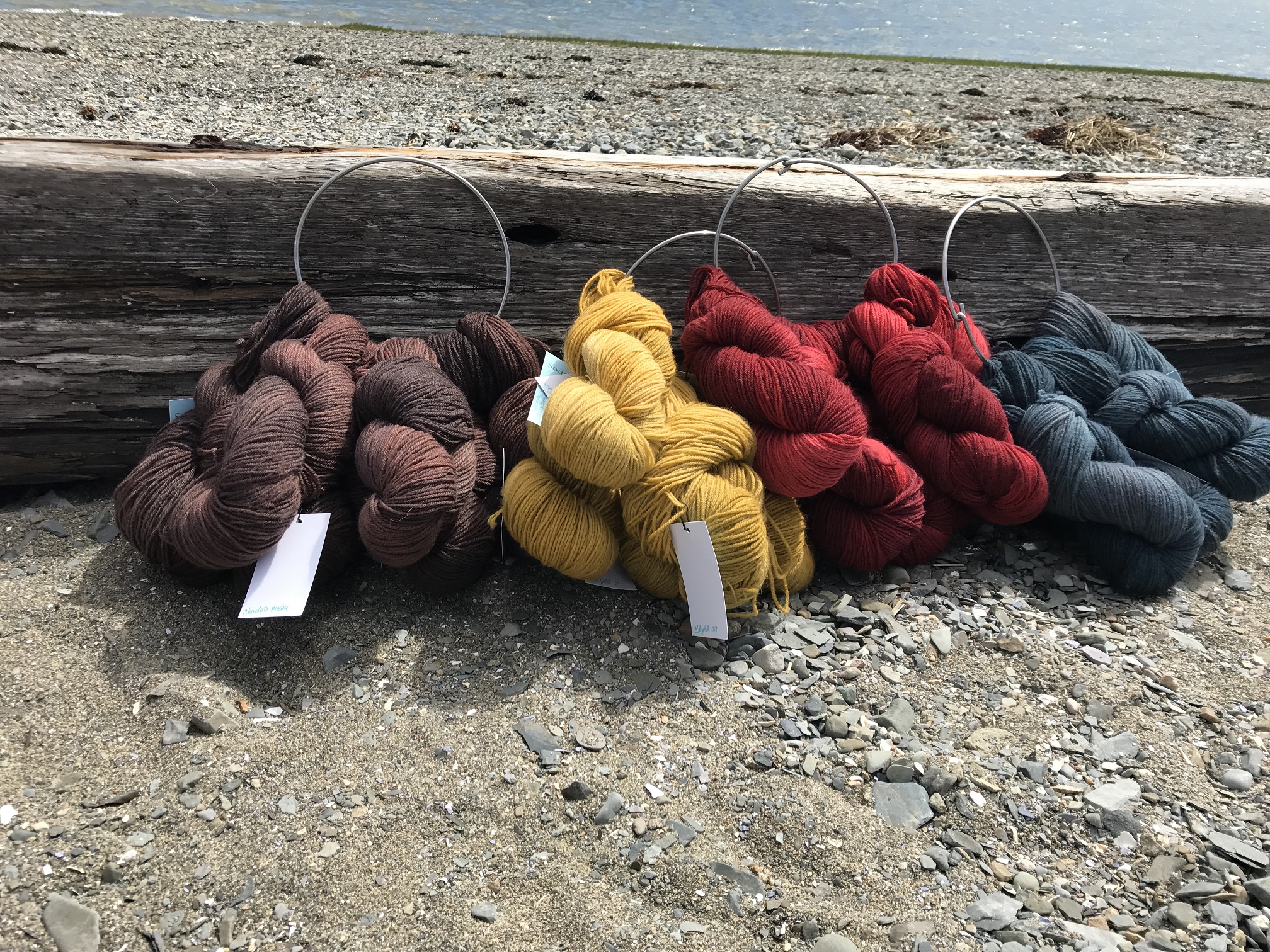
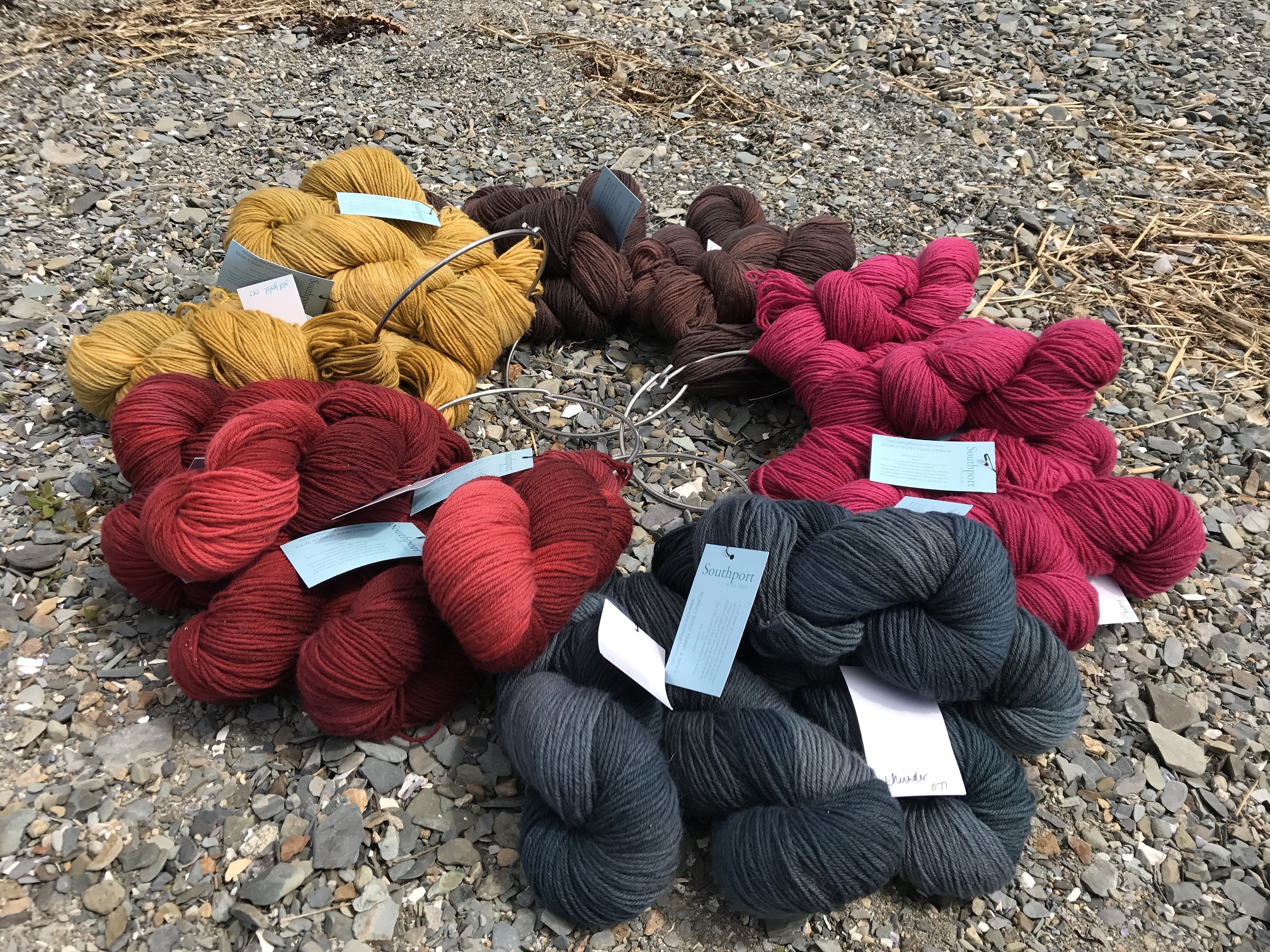
Romney Ridge Yarns and Wool produces beautiful, unique, hand-dyed yarns. I specialize in small batch farm yarns. The current run of yarn in production is a blend of white Romney and deep brown Finn wools which will be blended with 25% mohair that has been hand-dyed in several different colors. It is a limited edition yarn that I create in small 100 pound batches several times a year. No run is ever the same as I keep no formulas or recipes. I complement our line with yarns in many textures and weights. My dyeing methods keep the environment, as well as your wallet in mind. I have developed methods of recycling dye baths, using less hot water and using much less fuel than traditional dyeing. All yarns are “hand-dyed and sun-dried” using only Mother Nature for drying. These methods help keep my costs down when producing my yarns which I can pass along to my customers.
Romney Ridge is known for its rich, bold colors in its tonal dyeing methods and also known for its unexpected color combinations. Our specialty small batch production sets us apart from many other yarn companies
I am most proud of my independent growth over the years as I ran my farm and business solely on my own. What I didn’t know how to do I learned and have met many wonderful folks along the way. My creativity has allowed me to travel across the county and attend many shows, teach many classes, and speak to a plethora of groups and folks who also have a passion for fiber arts.
How do you think the industry will change over the next decade?
I think the yarn and fiber arts industry is steady. Trends come and go, but I have seen over the years, that folks continue to enjoy the simplicity of knitting traditional projects. I am happy to see the rise in farm based yarns has been strong and knitters are very dedicated to their brands. I think the best way to continue this is to keep educating and creatively encouraging new knitters to join us! Studies continuously show the benefits of knitting from lower blood pressure to helping struggles in math to the best part … feeding the creative soul. The comradely is also a big benefit.
Pricing:
- Our yarns average $20 – $26 per skein
- Needle Felting Kits range from $12-$60
- Classes and Workshops at our shop run from $40- $100
Contact Info:
- Address: Romney Ridge Yarns & Wool
18 Market Street
Ipswich, MA 01938 - Website: www.romneyridgefarm.com
- Phone: 207-522-4732
- Email: romneyridgeyarns@gmail.com
- Instagram: https://www.instagram.com/romneyridge/
- Facebook: https://www.facebook.com/romneyridgefarm/
- Twitter: https://twitter.com/RomneyRidgeFarm
- Yelp: https://www.yelp.com/biz/romney-ridge-yarns-and-wool-ipswich?osq=romney+ridge
Getting in touch: BostonVoyager is built on recommendations from the community; it’s how we uncover hidden gems, so if you know someone who deserves recognition please let us know here.







Nicole olshansky
June 22, 2018 at 5:06 pm
I really enjoyed your journey I praise you for your dedication and Hardwork. This was an inspiring story of who you are and what you do and all you do for your community best of luck.
Nicole