




Today we’d like to introduce you to Justin Pasquariello.
Justin, can you briefly walk us through your story – how you started and how you got to where you are today.
My career journey begins in my personal journey. My birth father died when I was an infant. My birth mother was an excellent, dedicated caregiver when she was doing well but she struggled with a misdiagnosed mental illness and sometimes couldn’t event take care of herself. I spent my first seven years with her, with other family members — including my older half-sister in England and her family — and friends and in foster care. When I was seven years old, I entered what was to become my family through adoption two years later. Throughout my journey, members of my birth family, friends and my extended Italian adoptive family provided consistent love and support.
During my senior year in college, I took Sociology 96: a class focused on democratic community action that incorporated a 10-hour per week service requirement. I knew I wanted to focus on foster care. I considered writing a book about my experiences that I am still slowly working on, but soon found there was a need for mentoring for youth in care. I had already been a mentor throughout college and decided to start a mentoring organization serving youth in care. I was able to launch this by living at home with my parents. After a year, when I was finally able to draw a steady salary, I moved to East Boston, a neighborhood I had loved since eating at Jevellis every summer — just before heading to the airport to go to England — when I was a child.
I served as the founding Executive Director of that mentoring organization for six years, then left to pursue a concurrent MBA/ MPA degree. I continue to serve on the board of Silver Lining Mentoring — seventeen years after I began that work in college and I am proud of the excellent leadership, board and staff there who continue to lead the organization in growing and in serving as a national model for providing consistent positive relationships for children who often have little else that is consistent.
In graduate school, I thought a lot about how to make the most significant impact in the way that best aligned with my passions and talents. I spent a summer as a Rappaport Fellow in Legislative Affairs at the Massachusetts Department of Children and Families and another summer as a consultant to a family foundation seeking to significantly increase immigrant naturalization. I knew somehow my long-term work would connect with a strengths-based approach to social change, with an opportunity for scale, and with joy –but, I wasn’t sure how to get there. I did nonprofit consulting with the Bridgespan Group, then went on to serve as Executive Director of Children’s HealthWatch: a research and policy organization with the mission to improve the health and development of young children by informing policies to address and alleviate economic hardship. I enjoyed learning and working to improve policies there.
At the same time, I was involved with community causes in East Boston and had increasingly strong connections in this great community. I found great joy with strong relationships, meaningful service, exercise, meditation and fun here (those five elements are some of the elements most strongly connected with joy in research). I wanted to do work in East Boston with an opportunity to have broader reach and a connection to joy.
Friends told me about an opportunity to serve as Executive Director of the East Boston Social Centers: a then 99-year old settlement house organization that serves people across the lifespan in East Boston and surrounding communities. I love the comprehensive, strengths-based approach to services here. I know high quality early learning provides about the greatest return on investment of any intervention. I love the deep community ties and passionate staff. The East Boston Social Centers, through our mission, already does a great deal to increase joy in the community. And so, I was thrilled to have the opportunity to join the Social Centers as the next Executive Director last May — and I am very excited for all we have ahead.
Overall, has it been relatively smooth? If not, what were some of the struggles along the way?
I have been very fortunate throughout my life to have great, supportive family and friends; great mentors and access to opportunities. As it is true for anyone, there have been some struggles along the way.
Early in life, I often wanted to keep my birth mother safe and cared for. One time, when she was ill and I was four or five years old, she ended up being taken away in an ambulance from LaGuardia Airport. When my aunt picked me up from the airport police station the next morning, I said, “It’s all my fault. I shouldn’t have let her talk with the policeman and then they wouldn’t have taken her away.”
When I founded the mentoring organization, I thought we would be serving all Massachusetts foster youth who could benefit from mentors within a few years — and so, I had a lot to learn about the pace at which we could scale. A federal grant provided the majority of our support for a three-year period — and the amount of that federal grant nearly doubled in the third year. The criteria for the grant changed significantly when it was time to renew — and the grant no longer fit our model, so we needed to replace almost our entire budget. I was very fortunate to have the board step up in a significant way and identify new foundations and individual donors, to have staff who were willing to stay in AmeriCorps positions to help keep costs low and to have a good friend who helped build new corporate and foundation relationships. With much hard work, we were able to continue operations and by the time I left the organization, we had three months cash on hand (which is pretty good for a small organization).
East Boston Social Centers – what should we know? What do you guys do best? What sets you apart from the competition?
Founded in 1918, East Boston Social Centers, Inc. is a 501 (C) (3) multi-service agency, serving culturally diverse families and individuals of all ages in East Boston and throughout Greater Boston.
The programs offered by the Social Centers are designed to meet people’s educational, social and recreational needs and to build community and strengthen families. The Social Centers seek to create a welcoming and supportive environment, characterized by a spirit of goodwill and caring, in which members of our community are empowered to lead productive and fulfilling lives.
History:
The history of EBSC dates to the 1880s when settlement houses — including two in East Boston — pioneered the fields of childcare, public health and social work to meet the needs of a new immigrant population. Combining several predecessor agencies, EBSC was formally incorporated in 1918.
Throughout several major waves of change — from a neighborhood with immigrants primarily from European countries to a more diverse community that includes Latinos, Africans, Asians and Europeans from many countries, East Boston has been characterized by strong family and community bonds and pride in this great community.
Like East Boston, EBSC has held steady values even as our programming has evolved to serve changing needs. After our founding, our program mix grew to a range of social, educational and recreational activities for people of all ages — including dance classes, metal shop, teen recreation, cooking classes and more. The East Boston Camps — a summer sleepaway camp built by Eastie residents in Westford, MA played a critical role in the development of thousands of East Boston youth for more than 70 years until it closed in 2007. John Kelly, Executive Director for 34 years through 2017, led evolution to today’s program mix — with services across the lifespan for diverse residents of Eastie and surrounding communities.
Activities:
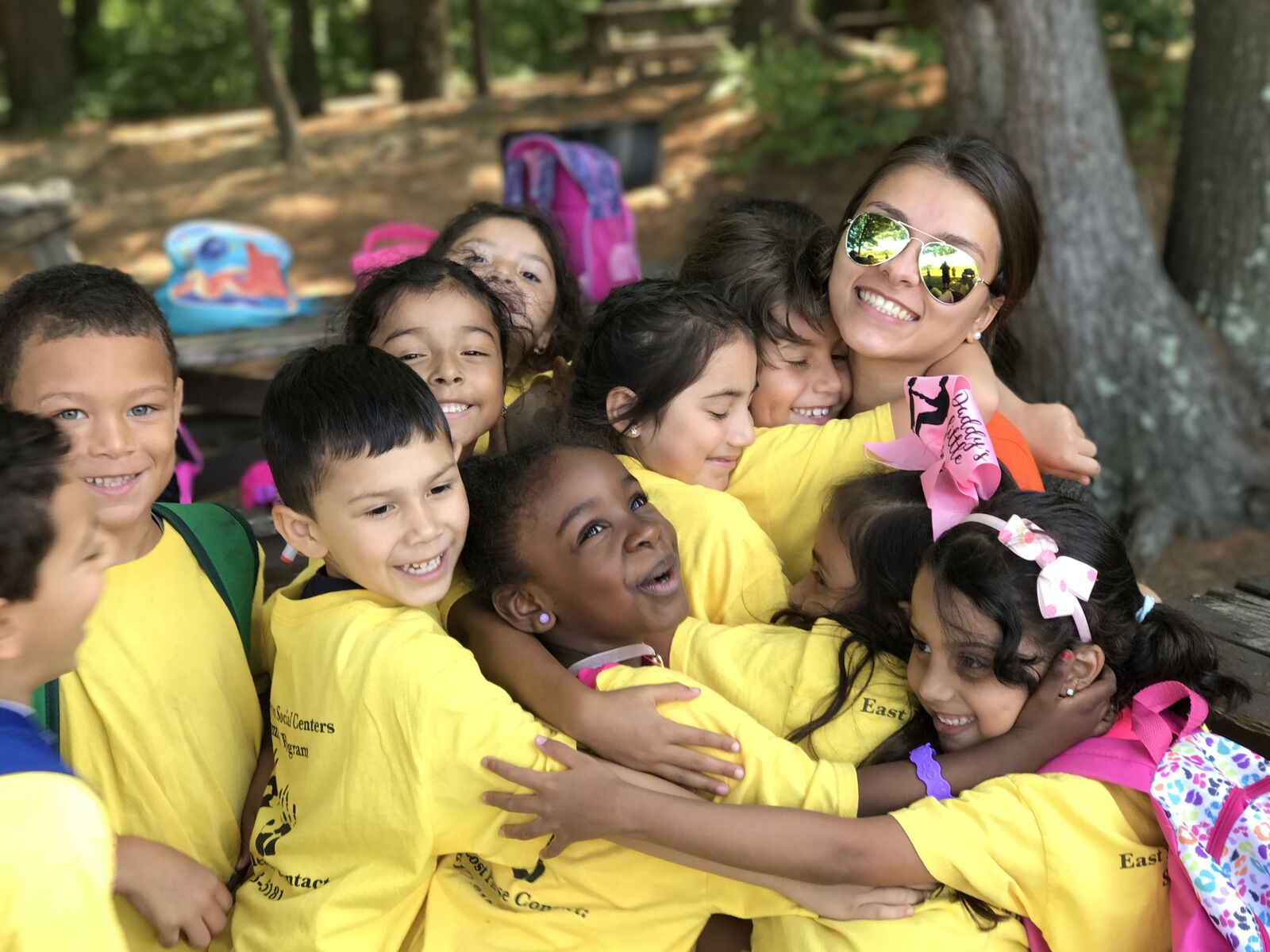
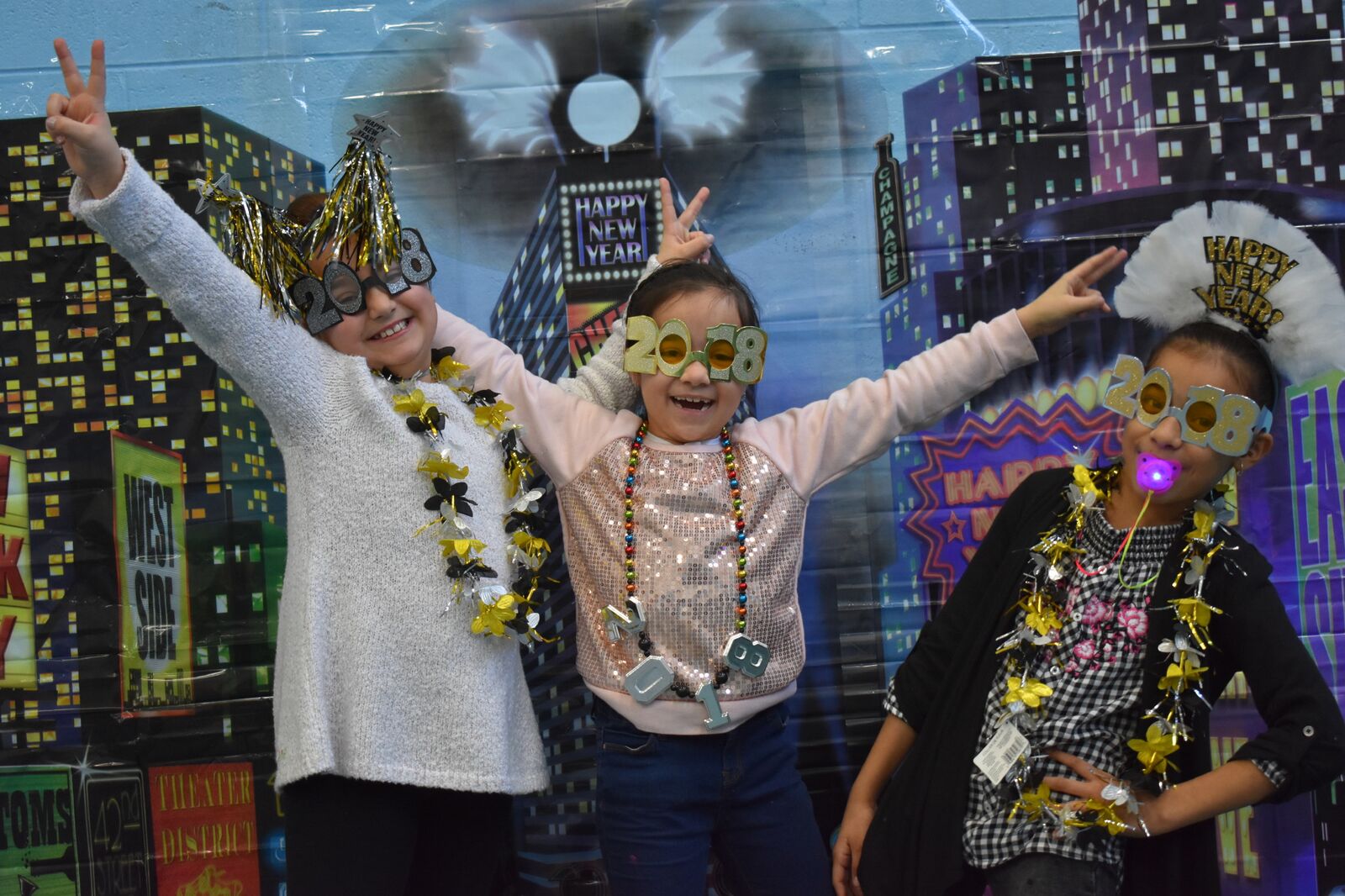
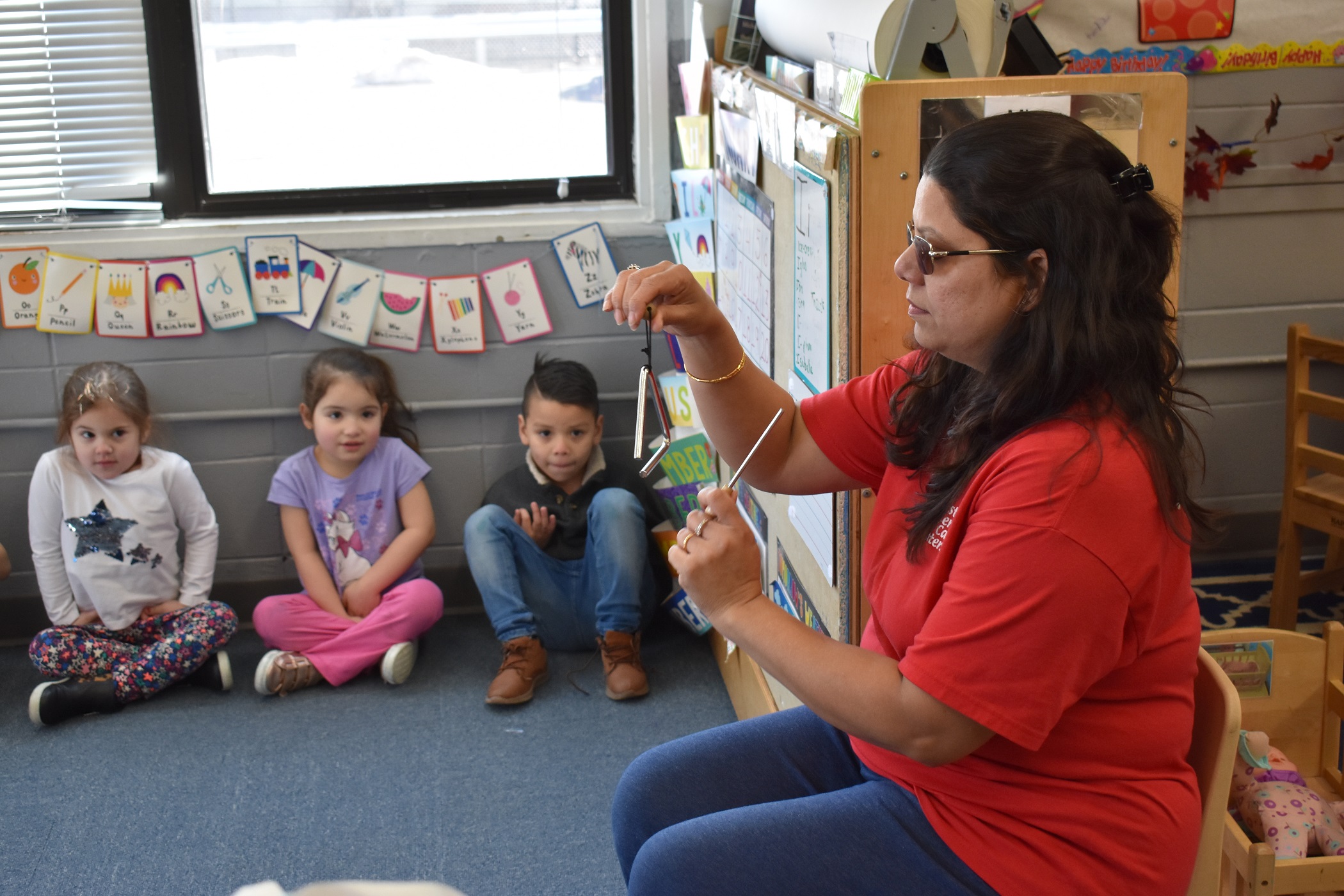
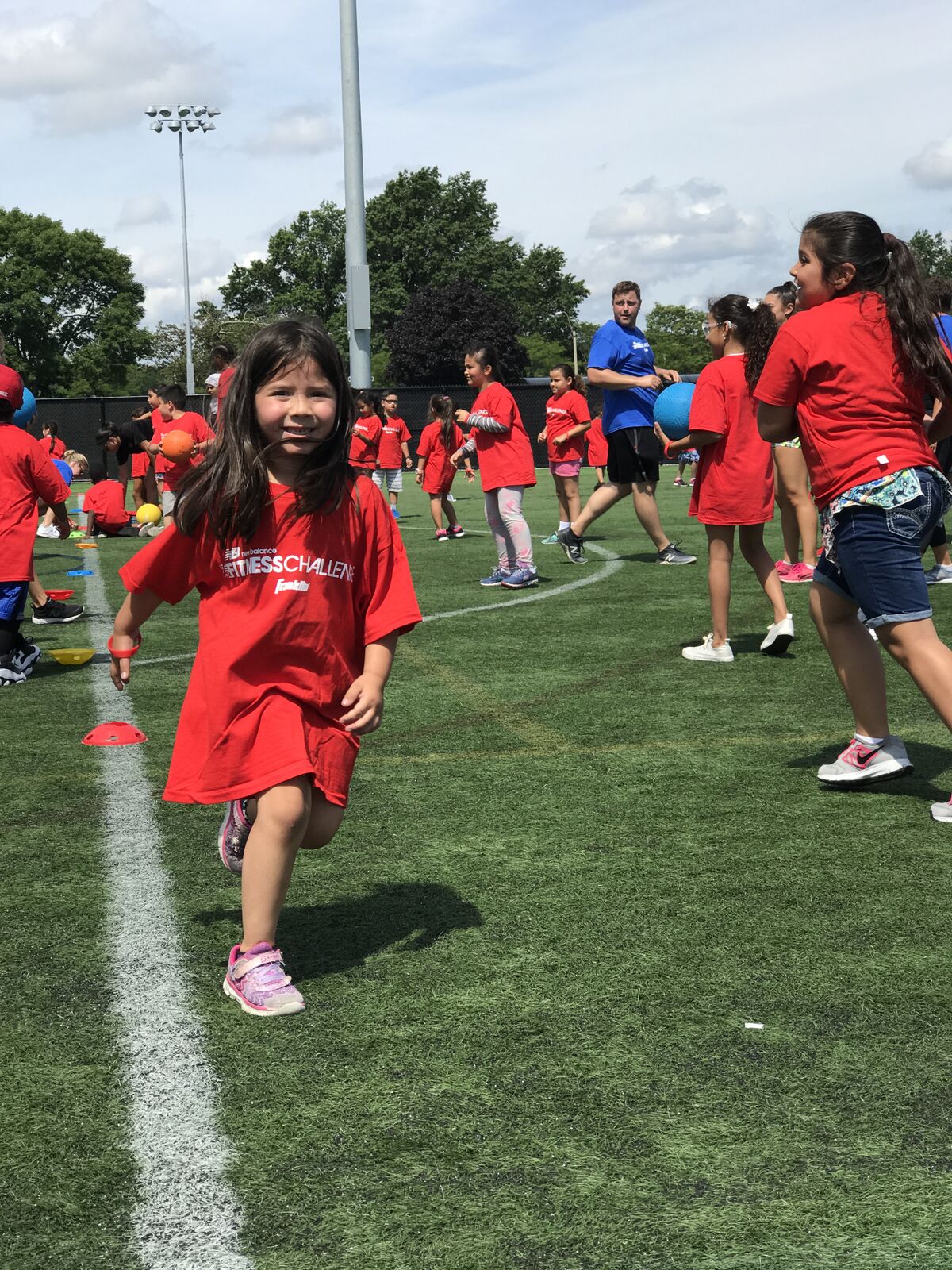
Our 4 full-day, year-round Early Learning Centers accredited by the National Association for the Education of Young Children, serves 145 children ages 2 months to Kindergarten entry, developing social, emotional and cognitive and self-help skills. Our 2 School Age sites provide 150 children ages 5 – 14 after-school and school vacation programming, following a high-quality, fun enrichment curriculum including science, technology, engineering, arts and math. Our full-day Summer Program provides 205 children a safe, educational environment, including educational field trips and literacy, environmental awareness and wellness and social-emotional programming. We provide nutritious meals and transportation for early learning, afterschool and summer programs — all of which are MA Department of Early Education and Care licensed. We are committed to high quality programming for all, regardless of income or family situation (we serve many DCF-involved families and children with developmental challenges). Many staff are bilingual — to better serve diverse families.
Boston Youth Network, a no-cost, after-school program for at-risk Eastie youth ages 13 – 18, includes academic assistance, workforce skill development, art and multi-cultural activities and financial literacy.
We lead the East Boston Family Engagement Network: a group of agencies collaborating to engage families (particularly those with greatest need) in developing and sharing information about: programs, services, educational opportunities and leadership opportunities for parents and children. Parent engagement and leadership is a core component.
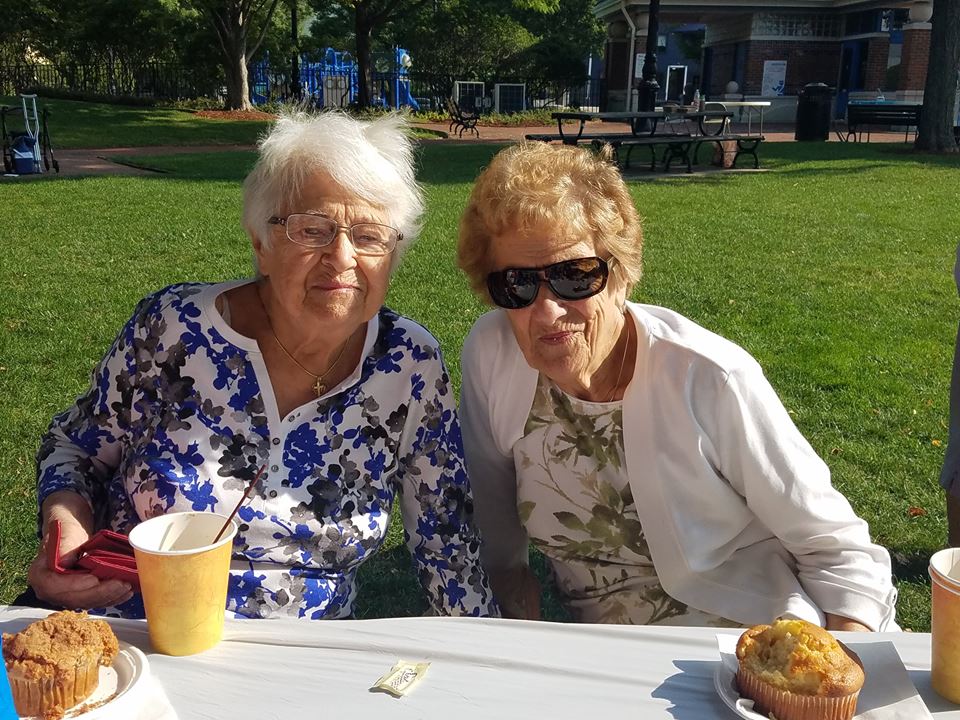
Senior Place serves > 150 people age 60+ with meals; arts, exercise and yoga programs; informational speakers; and trips—strengthening peer relationships and supporting health and well being.
EBSC hosts thousands of community members each year for events and meetings including, as a few examples, Narcotics Anonymous meetings, child dance lessons, Arabic classes, ESOL drop-in classes and city of Boston presentations.
Recognition/awards:
EBSC’s Early Education program was recognized by Social Investment Research (SIR) — a division of Root Cause — as one of 21 (from > 400) high-performing center-based school readiness organizations working with at-risk children in Massachusetts, based on: curriculum focus on education and socio-emotional development, parent involvement programs and access to complementary services through community partnerships. SIR recommended EBSC to funders interested in helping an established organization continue to address the needs of new immigrant populations.
As a founding member of the East Boston Collaborative for Families, EBSC piloted Parent College, a major initiative adopted by Boston Public Schools as Parent University. Parent University was featured on Good Morning America as an excellent initiative helping parents participate in their children’s education.
Our “Parent Partner” model has been adopted throughout Boston and has received national attention.
Greatest sources of pride:
We are particularly proud of our strong values. People widely discuss our organizational motto: “When all give, all gain.” The spirit of service runs deep at EBSC. Our organizational leaders are committed to identifying opportunities for growth and development for all staff.
Our work is grounded in deep relationships. We have a good number of staff and volunteers who have been affiliated with EBSC for 30 years or more, including several staff who grew up attending our programs and have spent their careers working here. We are proud to be a community convener.
We are committed to providing high-quality services to support whole-person development; our staff is committed to collaboration and continuous learning and improvement.
Population:
EBSC programs annually reach > 3,000 diverse children, families and seniors — with 75% + in low-income households (and as many as 93-100% of those in early learning and after-school programming eligible for state subsidies). The population we serve reflects the diversity of the communities we serve: East Boston, Chelsea, Revere and Winthrop (we also serve a small number from other communities).
What is “success” or “successful” for you?
As an individual, I define success as living by my values. I frequently examine my life and work to identify ways in which I can better do so. For me personally, these values include promoting joy for myself and others, having and promoting strong relationships, taking good care of my health and the health of my loved ones, doing meaningful purposeful work at work and in my volunteer time, living in alignment with my faith, being an environmental steward and promoting social justice (I have a long way to go but those are the goals).
At the organizational level, I also believe the greatest good can be done by adhering strongly to our values and living them so strongly that our brand is recognized by those values. I mentioned the values as our greatest source or pride. In a draft values statement, they are written specifically as: “all can give”, “we are grounded in relationships”, “we are committed to high quality and strong positive impact” and “we hold steadfast to our values. We adapt our approach, programs and services to meet the needs of a changing community.” To me, organizational success also includes: financial sustainability; staff satisfaction and creating an impact that inspires others beyond our community to action. I also think as a part of the social sector, we have a duty to promote social justice and to be good environmental stewards.
Contact Info:
- Address: Headquarters: 68 Central Square
East Boston, MA 02128 - Website: https://www.ebsoc.org/
- Phone: (617) 569-3221
- Email: jpasquariello(at)ebsoc.org
- Instagram: @ebsocialcenters
- Facebook: @EastBostonSocialCenters
- Twitter: @E_Boston_Social
- Yelp: https://www.yelp.com/biz/east-boston-social-center-east-boston-2
Getting in touch: BostonVoyager is built on recommendations from the community; it’s how we uncover hidden gems, so if you know someone who deserves recognition please let us know here.