




Today we’d like to introduce you to Joe Rossi.
Thanks for sharing your story with us Joe. So, let’s start at the beginning and we can move on from there.
I was appointed to the Marshfield Seawall Committee in 2010 after an unsuccessful bid for local office in Marshfield. The Selectman saw me as a young and active person looking to get involved. Due to my background and degree in Architecture, they found me fit for the Seawall committee. At the same time in 2010, a major piece of seawall had collapsed in town. Our first official meeting in early 2011 was packed with very concerned citizens. Working with the coastal residents gave me a new insight into their needs which were very different than other residents. After the seawall committee successfully secured funding for wall work and repair, the committee was disbanded in early 2012.
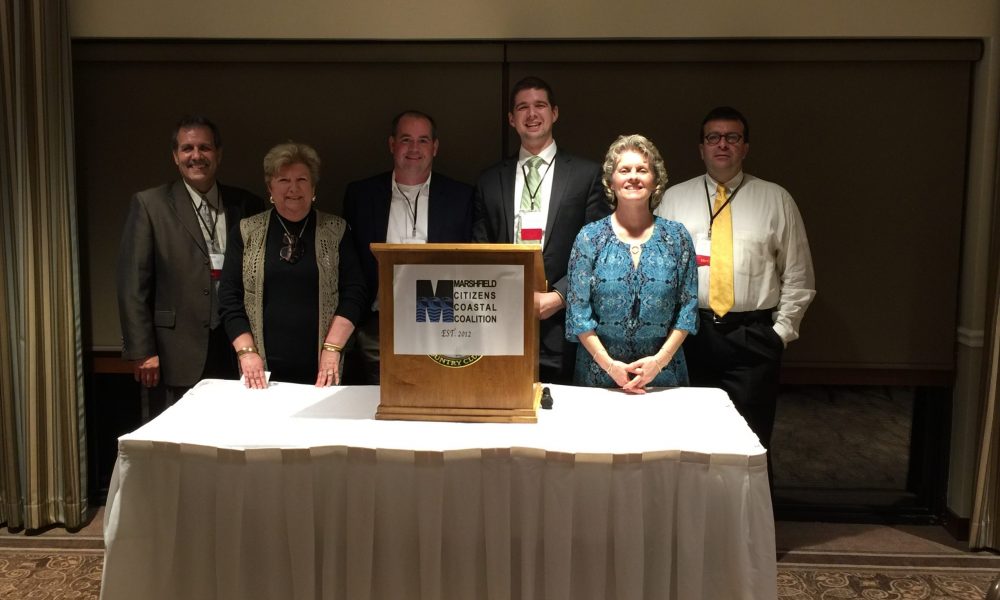
In recognition that more needed to be done with communications between coastal residents and the community, I started the Marshfield Citizens Coastal Coalition in 2012. I got several floodplain residents concerned about the same issues to meet as a loosely formed organization. We met sporadically over the course of 2012 with no clear goals or objectives. However, late in 2012, Doris Crary, a long time coastal advocate, alerted us to the changes coming from new and harmful flood legislation known as the Biggert-Waters Act, and at the same time, new flood maps for the Town of Marshfield.
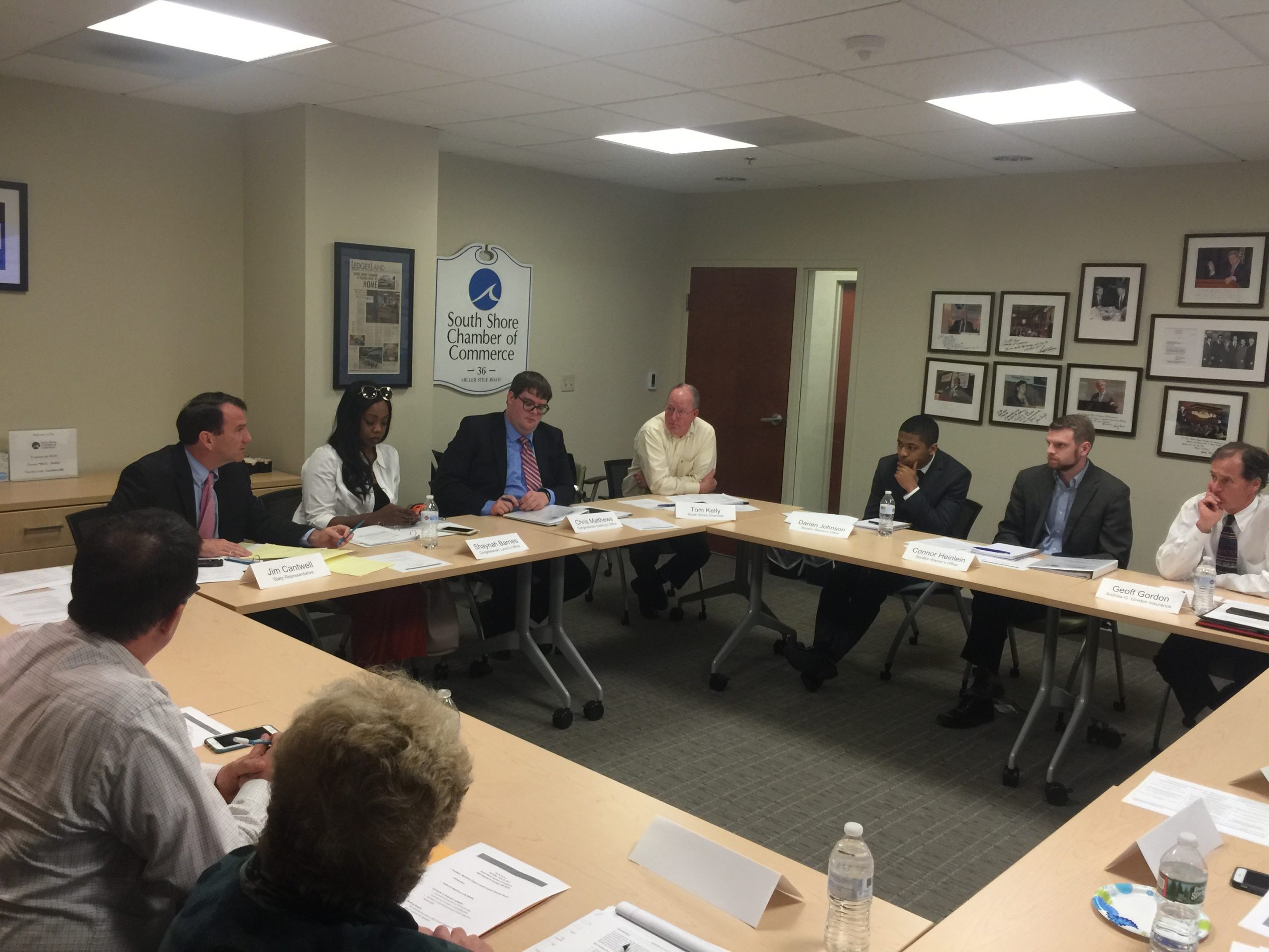
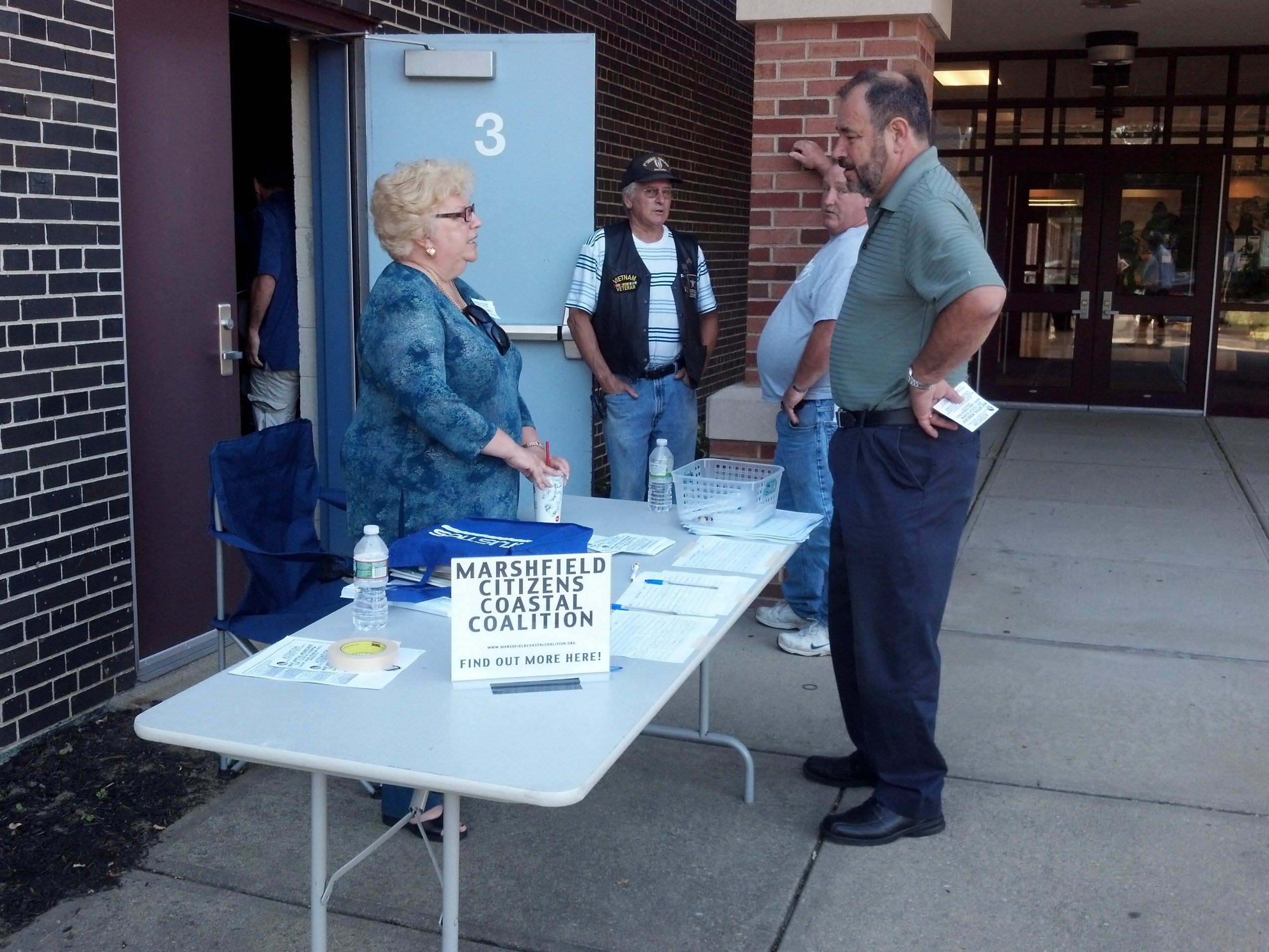
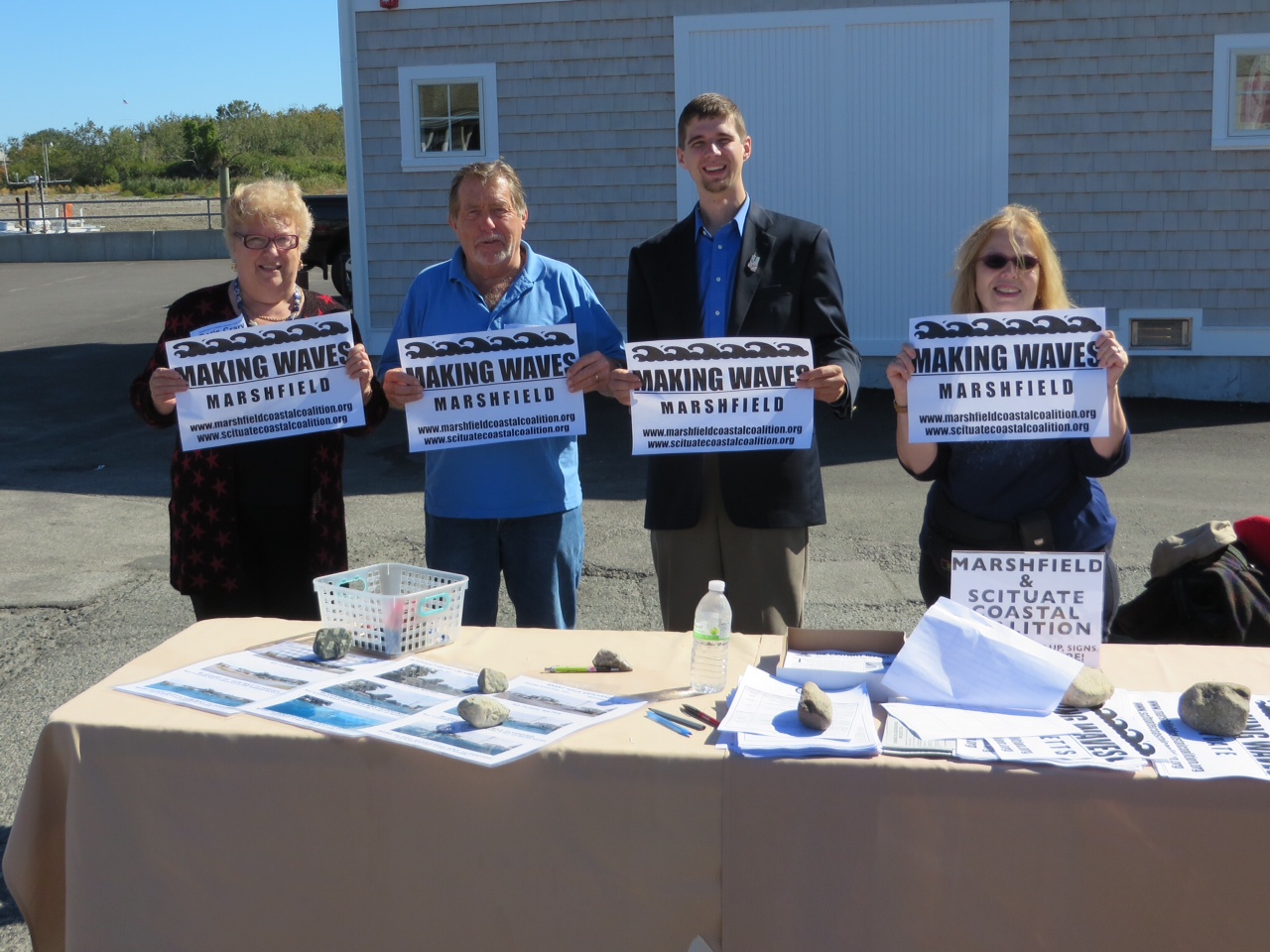
Combined, the impacts on costs for flood insurance were going to be disastrous. We were thrown into being the concerned voice of homeowners who were going to see a flood insurance costs spike. Through 2013 – 2015, we were seen as leaders in informing flood-prone residents and educating stakeholders, especially realtors, lenders, and insurance agents, on coastal issues. We held dozens of outreaches, did informational mailings, sent out email newsletters and helped communities and other stakeholders navigate the issues around flood map changes.
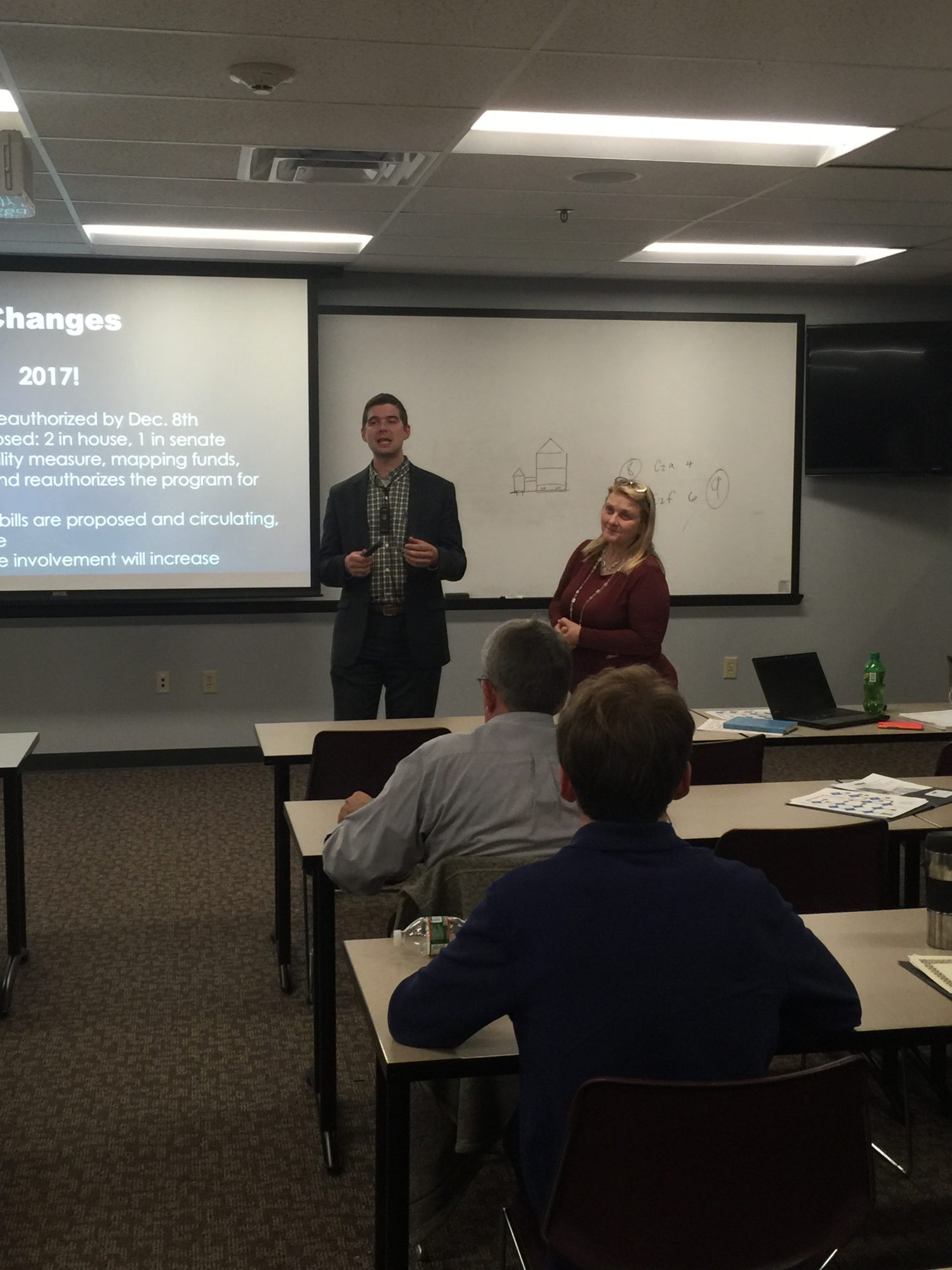
In that time, we were also thrown into the flood insurance discussion, and I started traveling the country to flood conferences to spread the word of our advocacy success, and also learn more about flood insurance and other flood issues. Because of all the work and traveling, I was asked to be a part of some of the national boards which I now sit on two, and chair some subcommittees. In 2017, due to our continued growth and the development of an education program, we changed our name to the Massachusetts Coastal Coalition and are now a state and national 501c3 nonprofit organization.
Has it been a smooth road?
It has not always been a smooth road. We hit some political obstacles, where not everyone was in agreement with the items we advocated for. But if we tried to please everyone, then we wouldn’t be as successful.
As a board, we also didn’t always agree on moving forward in the same direction. I’m always a little bit more forward-thinking, and my board of directors likes to be cautious and think through things more. The dynamic is very useful, but can sometimes be in conflict.
There are also a lot of people who say you can’t or won’t. There is always a way around that, and you have to have the determination and love what you do so much that you will find those ways around.
So let’s switch gears a bit and go into the Massachusetts Coastal Coalition story. Tell us more about the business.
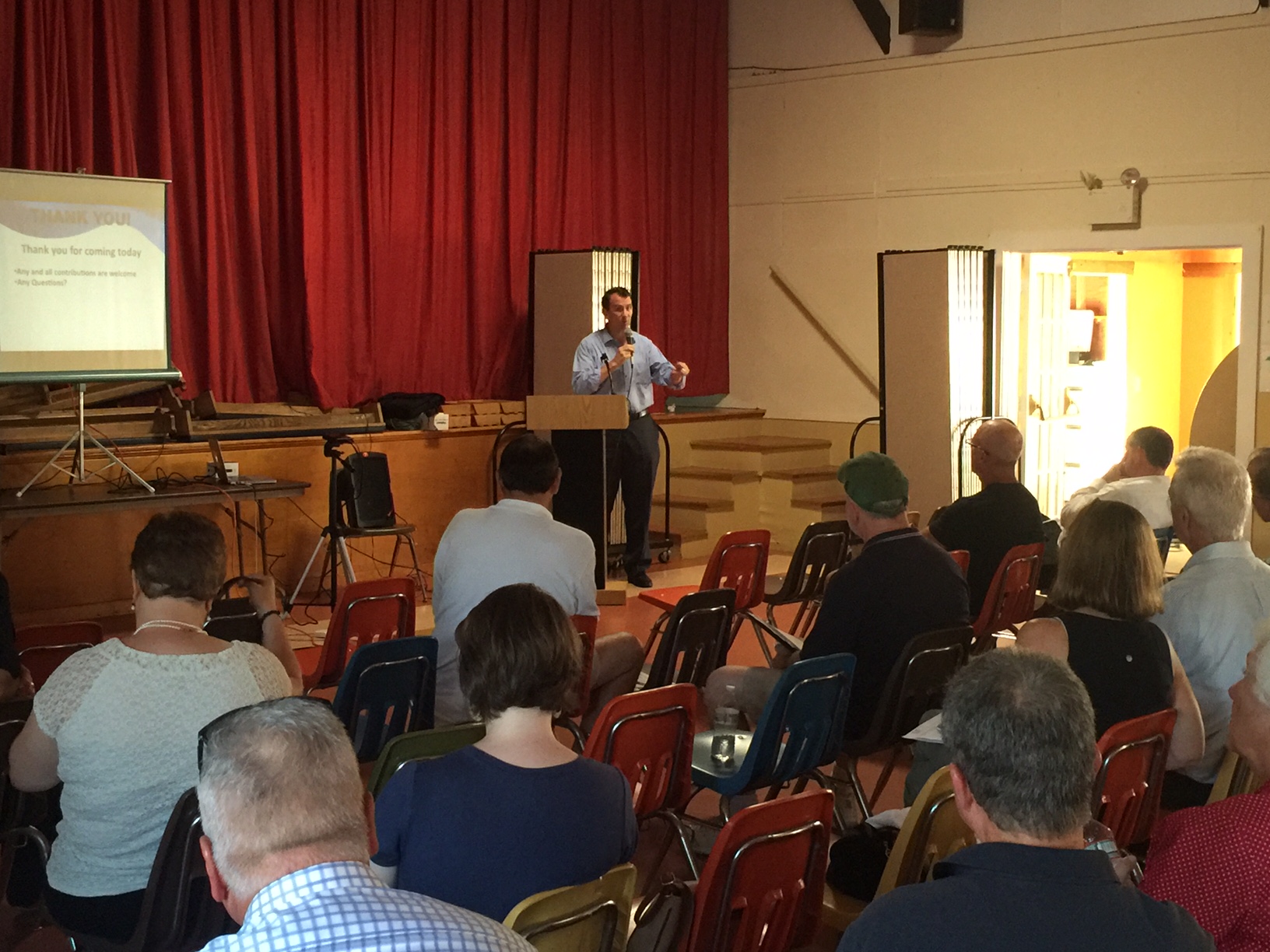
Our mission is to educate, advocate, and inform professionals and stakeholders regionally and nationally, on flood hazards. We specialize in education and outreach on flood hazards, especially when it comes to dealing with citizen stakeholders, realtors, lenders and insurance agents. We feel these individuals can sometimes be forgotten.
In addition, we offer specialized services such as reviewing flood policies, continuing education program for insurance agents, and soon, an online program for people to accurately locate their flood zone. Our focus is also on the real estate industry to help get them more information on identifying flood hazards.
What sets us apart is our one on one interaction we have with citizens. Our education programs take complicated concepts and simplify them for the consumer to understand. This is a critical piece that helps consumers better understand their flood policy and affordability going forward. We create custom memos and documentation that achieves this and is shared on a national basis.
How do you think the industry will change over the next decade?
There are two big shifts. One is that FEMA is redoing how they rate policies within the flood program. This will change affordability and require a new set of communication guidelines.
The next is the development of private flood insurance. While private flood can help keep rates low, it does not work hand in hand with the federal flood program yet. This can cause confusion and increased rates for some if they are not careful. Over time, the private flood will be a bigger piece of how we communicate with citizens about their options.
Contact Info:
- Website: www.knowflood.org
- Phone: 7816355152
- Email: info@knowflood.org
- Facebook: https://www.facebook.com/Massachusetts-Coastal-Coalition-153020324770110/
- Other: https://www.youtube.com/channel/UCd5IpjaE8RpEa7iNwFoUMWQ
Getting in touch: BostonVoyager is built on recommendations from the community; it’s how we uncover hidden gems, so if you know someone who deserves recognition please let us know here.