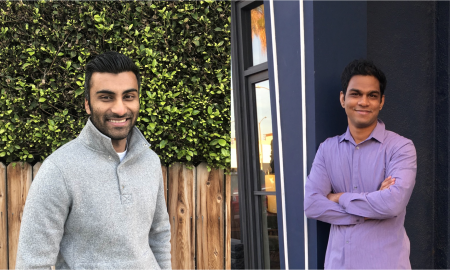






Today we’d like to introduce you to Joe May.
Joe, let’s start with your story. We’d love to hear how you got started and how the journey has been so far.
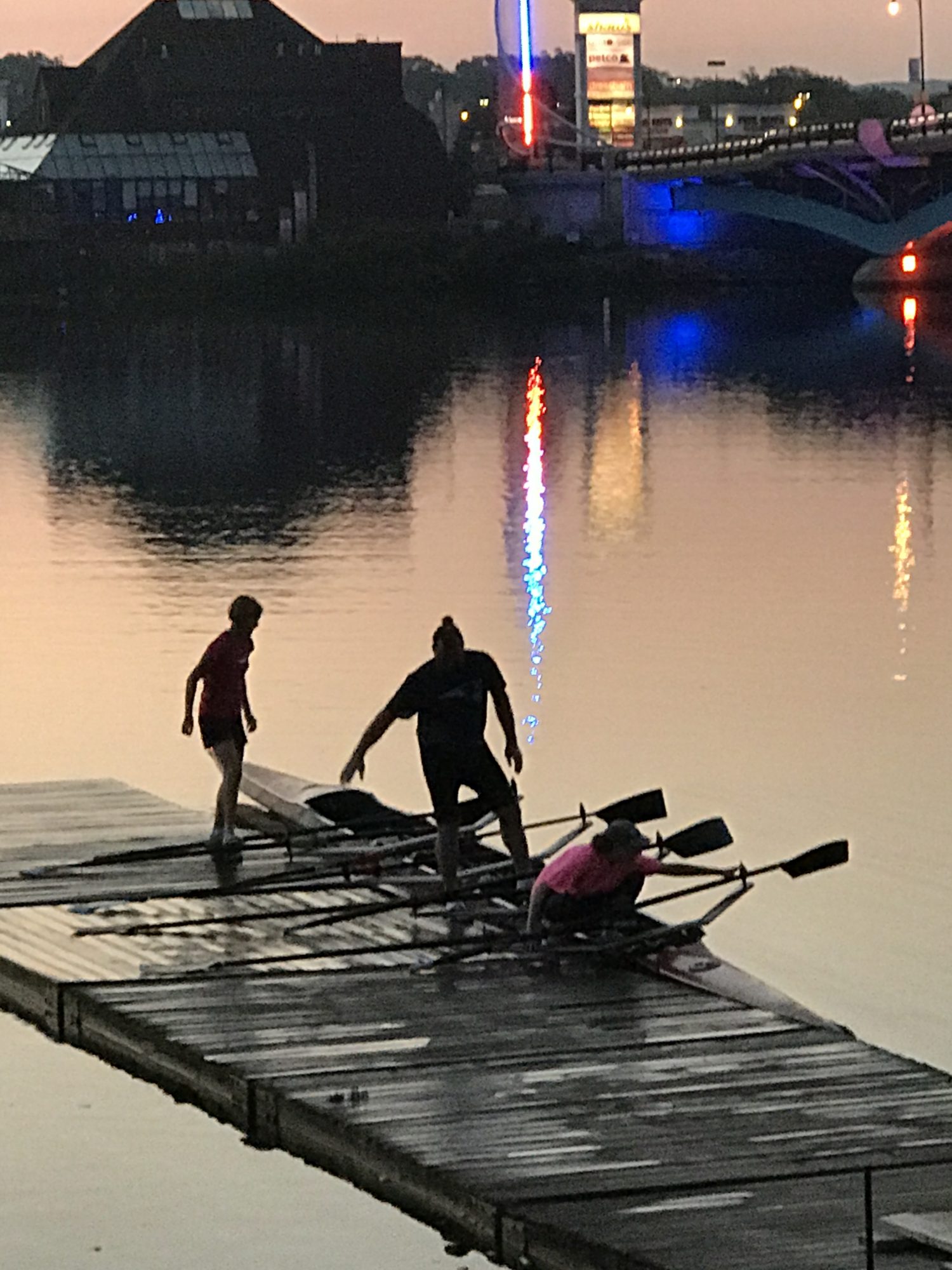
In 2010 a few local rowers informally got together to provide a newer means for adult rowers (Masters as classified by USRowing) to comfortably work on their fitness and rowing skills, with a particular emphasis on sculling – two oars per person. Most of our rowers had a background in sweep rowing – one oar per person. Each method of rowing has its particular challenges but as we’ve evolved as a club, a great majority of our members have come to prefer sculling. It certainly appeals to most Masters once they’ve had a basic instructional period.
Sculling is more symmetric and doesn’t put as much torsion/twisting on the body. And we older rowers certainly appreciate that! But it also allows each sculler to have a better sense of balance within the boat itself. With an oar in each hand, I equate that somewhat to a tightrope walker holding her balance bar for stability. We are the Masters program as part of a larger group Lake Quinsigamond Community Rowing (LQCR) – not to be confused with another club on the lake _Quinsigamond Rowing Association- the QRA. They do great work also especially hosting some exciting and historic regattas on the lake. We try our best to support their activities and love having another group on the lake for friendly competitions and camaraderie
But the WBC also extends itself in a particular way to the Worcester community. Rowing as a sport has a public perception of being quite exclusive and we, like other groups, are doing our best to change that perception and open the sport to everyone who might be interested.
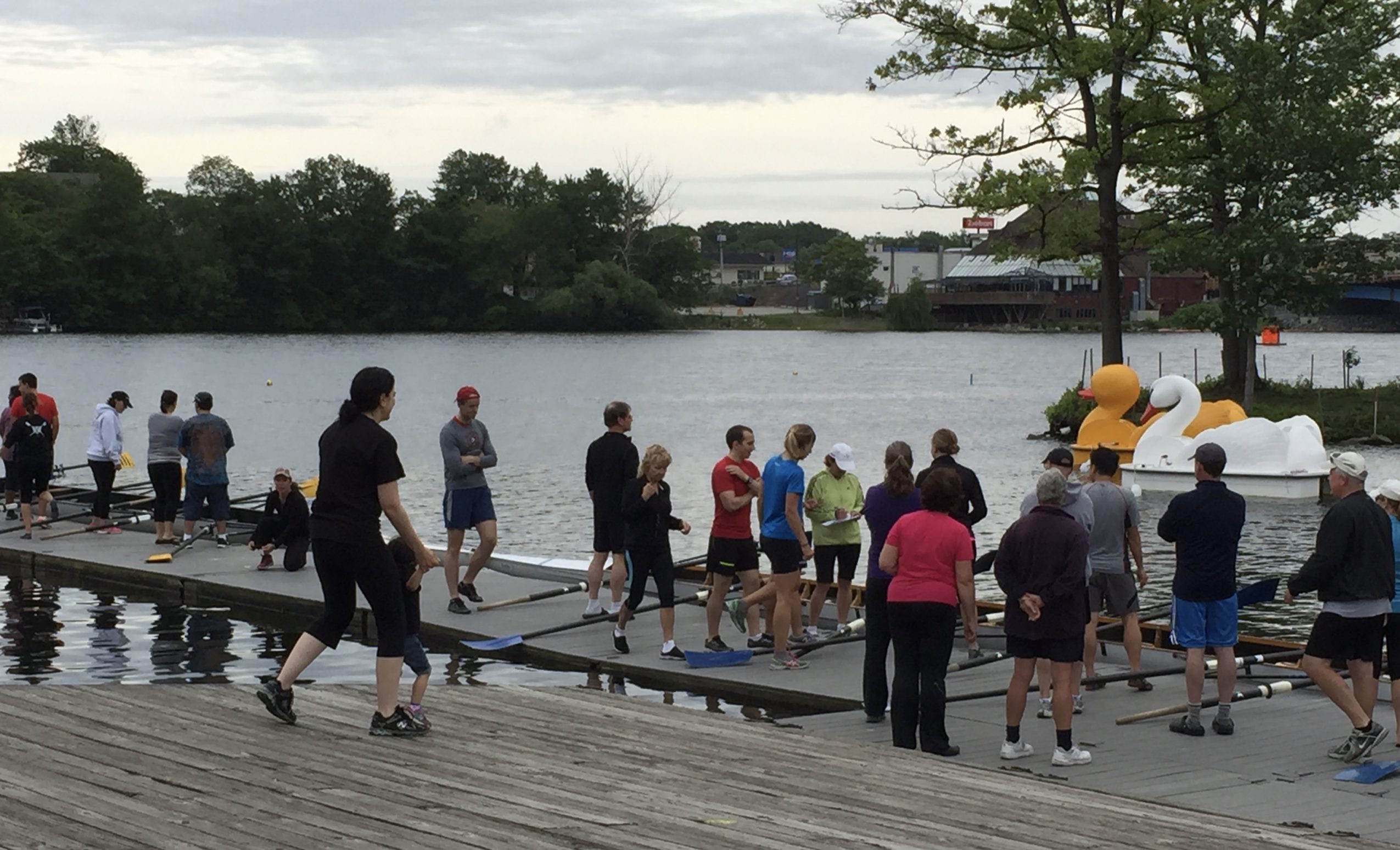
Funny thing is that although there has been sports rowing on the lake for likely 150 years, and having seen the boats on the lake while growing up here, I never knew how one got started. Until I, fortunately, came across a group participating in a National Learn to Row day event. This is sanctioned by USRowing, the governing body of the sport. From the moment I got into an eight-person shell, I was hooked, and haven’t looked back. It’s exhilarating to be part of a group working together as a single unit moving a 55’ long boat along the water.
Now it looks much more graceful than it sometimes feels when one is actually doing the rowing. It can be as physically demanding as one wants to make it. With sculling, we have the opportunity to row individually in a single. Or work with teammates in a double – my personal favorite. The sculling Boat of choice is usually the quad where four towers operate together. It’s a great teaching Boat as it affords a great sense of stability and is the one we use most often in teaching novices the basics of the sport.
It’s certainly been the best for us, and quite a bit of fun! We also have octuples – unusual boats in the sculling world -but we don’t get them out too often. Back to our community emphasis though, we started immediately with participating in the Learn to Row day and providing instruction to all rowers, including novices. Both I and another coach, Bob Haddon, are USRowing trained instructors and we are always available to assist. We also have some older masters who look at older styles of rowing for those folks who wish to be out on water at a quieter recreational level.
Several years ago Bob got us started with providing rowing instruction to adults in recovery from addiction. There are many in our community who are helping themselves transform their lives, and we quickly found that rowing provided a solid aspect of their return to health. It’s not only physically demanding at times but requires focus, teamwork, understanding of personal responsibilities, good timing, respect, and dedication. Rowing is not their solution but it definitely provides a place where they can continue doing some of the things that healthy people do.
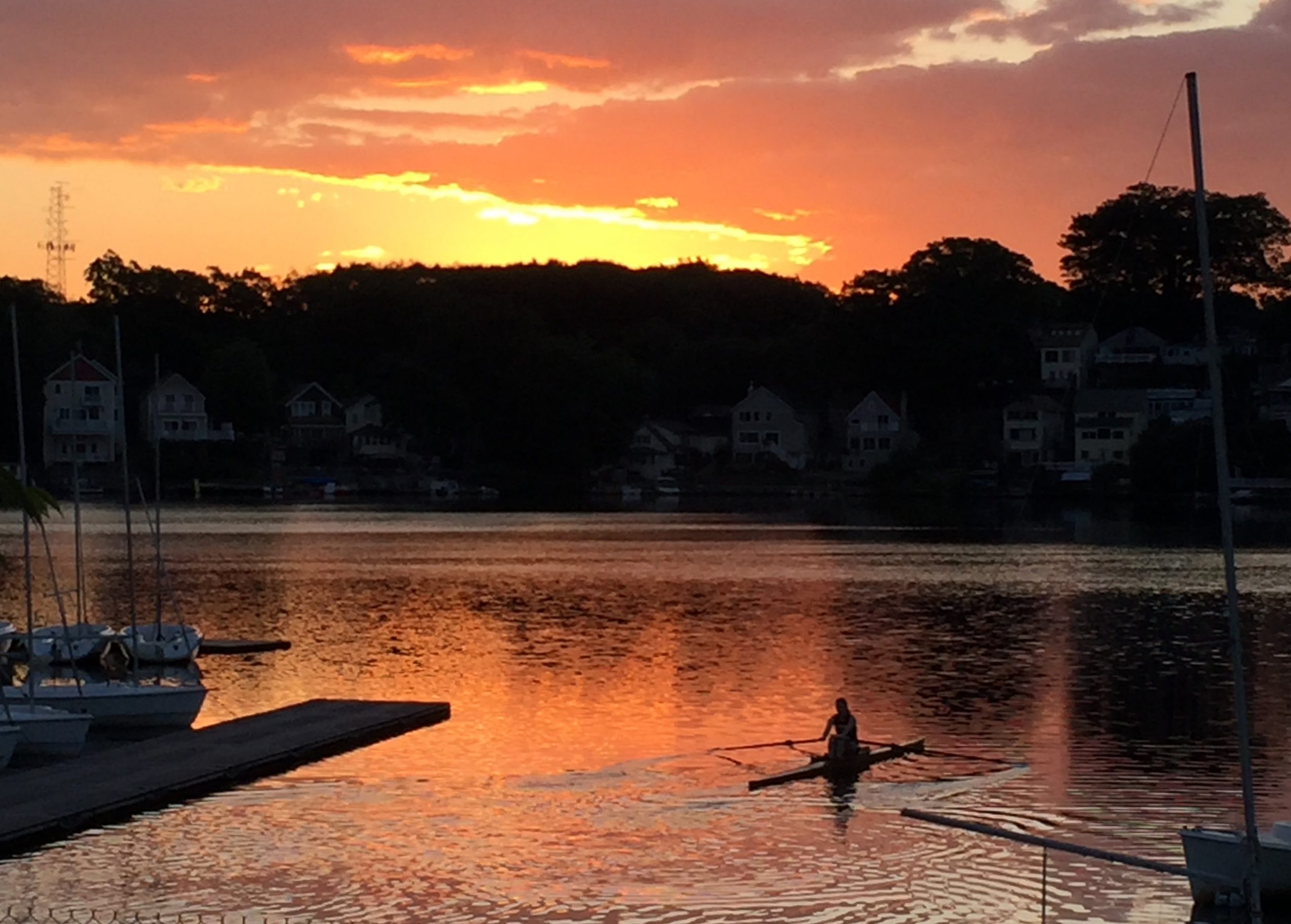
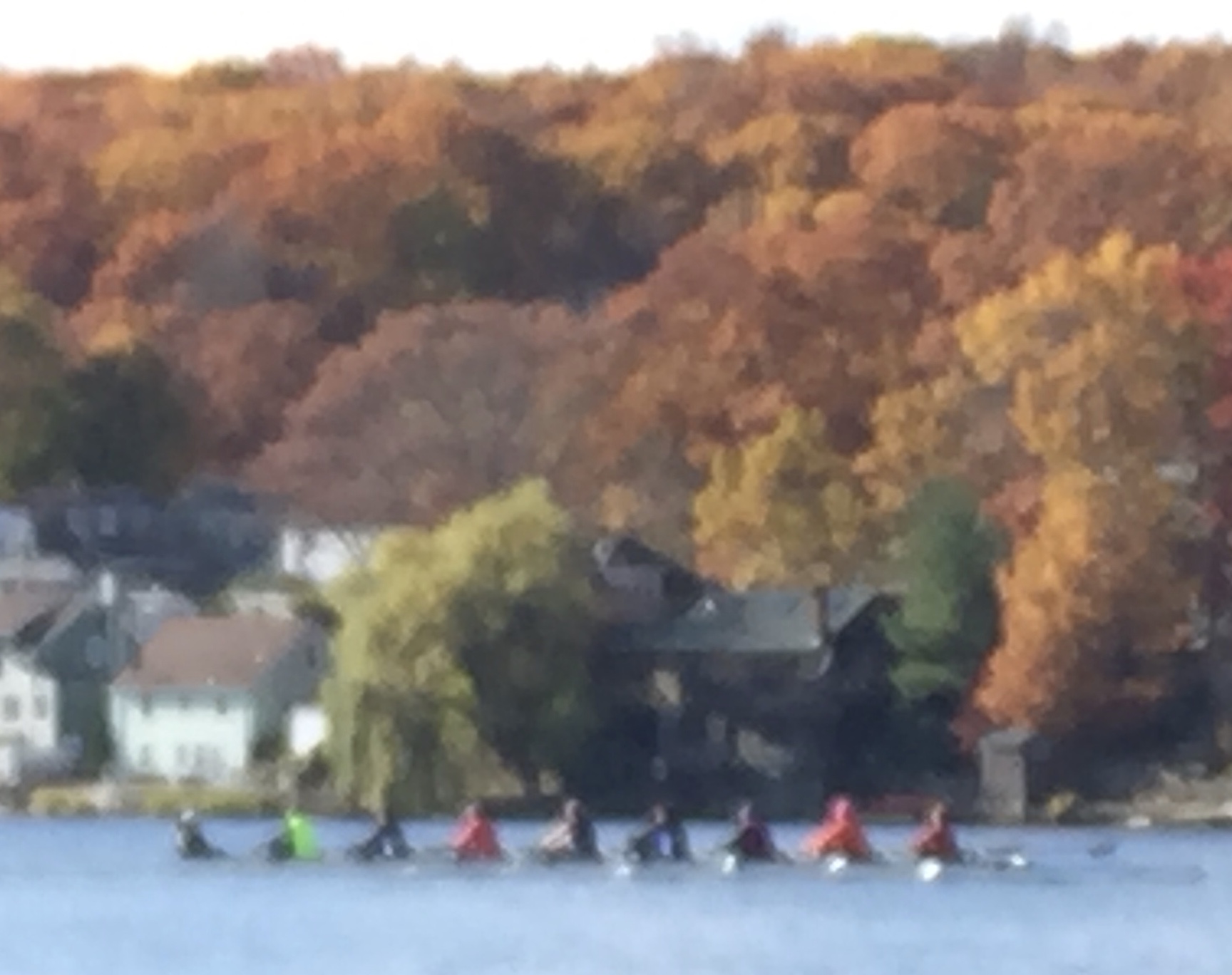
Last year we started with a men’s recovery group from Jeremiah’s Inn in Worcester and had good success with them also. We also have membership during the summer from college rowers during their offseason as well as a few former rowers who return to the sport. As a no-frills club, we only cover the bare costs for permitting, equipment rental, and upkeep. In return, our rowers can get out on the water virtually every day of the season from late March to November/December until ice closes us out. We have a historic, scenic venue, and some of our morning rows take place in nearly ethereal conditions.
Has it been a smooth road?
It’s tough to start from scratch but we took the attitude that “if you build it, they will come”. It merely requires consistency in schedule and availability. We needed to improve our coaching and support of our members, but that has also been quite rewarding
We’d love to hear more about your business.
We do love the fact that we most often hear from our members how much they love the opportunities they have to Row. And when we speak to our recovery groups, they discuss their initial disbelief that they could ever learn to do something that seemed so foreign. It’s always a reminder of how important it is to pay it forward
Is our city a good place to do what you do?
We know we are fortunate in a many ways. We have a historic venue, maintained by the state of Massachusetts, a parent organization-LQCR- that has plenty of equipment available to us and makes life easier. Plus we are able to assist USRowing and the QRA with working at the many regattas. We support the efforts of world-class rowers at many of these events but take as much joy when working with the high school level groups here also.
Pricing:
- Typical annual membership is $240, hood for year
Contact Info:
- Website: www.worcesterboatclub.com
- Phone: 5085791829
- Email: worcesterboatclub@gmail.com
- Facebook: Worcester Boat Club
Getting in touch: BostonVoyager is built on recommendations from the community; it’s how we uncover hidden gems, so if you know someone who deserves recognition please let us know here.