



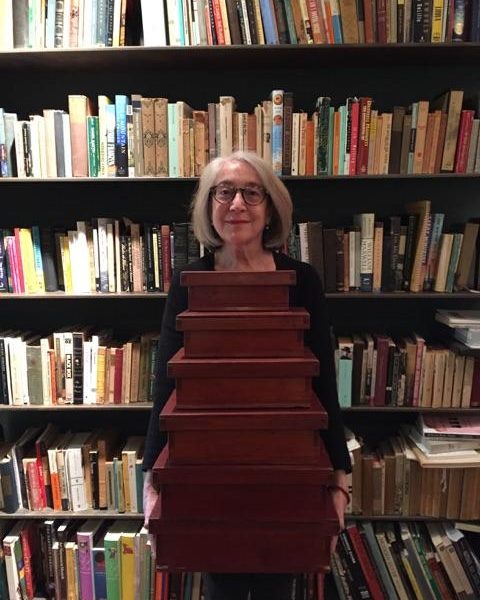
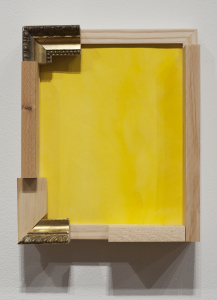
 Today we’d like to introduce you to Jill Slosburg-Ackerman.
Thanks for sharing your story with us Jill. So, let’s start at the beginning and we can move on from there.
I am a jeweler and a sculptor.
I was born in Omaha, Nebraska. My mother founded the first contemporary art gallery there, in the 1950’s. The artists who brought her their work were the most interesting and passionate people I had ever met; however, I had many interests when I was young, including law, literature, journalism, and music and never thought to become a visual artist. In fact, I was told by a high school counselor that I was too intelligent for that! So much for ideas about artists as stupid bohemians… I was persuaded to study art history in university but quickly discovered that I wanted to make art. My main training as an undergraduate was in jewelry and metalsmithing. My graduate work focused on sculpture. And yes, I am still interested in the history of art. (My late husband was an art historian.)
My first job after my undergraduate work at the School of the Boston Museum of Fine Arts and Tufts University was selling pastry at the Window Shop in Harvard Square, a café that was founded in 1939 to assist immigrants who were fleeing from Nazi persecution. I learned how to bake in the Austrian style there, but more importantly, I met amazing women who had suffered in their home countries but then made new lives in America. I believe my work ethic and appreciation for mental agility came from them.
I had the good fortune to be recommended for a jewelry teaching job at the YWCA at Clarendon Street in Boston by the wonderful jeweler Miye Matsukata, and I found then, that teaching was also my calling. I taught in a number of adult education programs and ultimately became a professor of art at Massachusetts College of Art and Design in Boston. I have just retired from MassArt after 44 years there.
For me, combining teaching with a studio practice has given me a set of perfect balances—solitude and community; a steady income and time to be speculative with my work without financial pressure; work in public education and privacy in my studio. I exhibit my work in museums, historic buildings, and galleries and will participate in the Brickbottom Artists Open Studios even in November 2018.
Overall, has it been relatively smooth? If not, what were some of the struggles along the way?
I realized a long time ago that I could have chosen any number of vocations, ones that might have given me more financial security and power in larger spheres. But, choosing to teach and to be a studio artist have different, quieter rewards. I have had the responsibility of mentoring young artists and the satisfaction of seeing their successes. I have had the very great pure pleasure that comes from making things in my studio and then from seeing my artwork in the world.
My struggles have been to learn how to advocate for myself and for my values in institutions when politics require patience and wisdom. Being an artist–a poetic, tender avocation—still means being the sole proprietor of a business. It requires being organized, undaunted by rejections, being active in my community, self-promotion, and self-funding studio enterprises that might even be failures. My “work week” is longer than forty hours. My biggest struggle comes from conquering self-doubt and justifying the importance of art in our very fraught world.
We’d love to hear more about your work.
I think of myself as a nature artist. My artwork is one-of-a-kind, occasionally commissioned. I make drawings, and sculpture, most often in wood, in a variety of forms–from discarded furniture, sawdust and wood chips from carving, laminates, milled, and as found in nature. I am interested in making work that combines disparate elements with the purpose of representing history, material culture, and psychological states. I often work on a form or set of ideas over a number of years which yields many works–both 2 and 3D—that explore a common theme.
Any shoutouts? Who else deserves credit in this story – who has played a meaningful role?
-My parents, Marion and Harold Slosburg, deserve credit for financing my undergraduate education. It was difficult for them to understand my work, but they always believed in me.
-The mentors I never met but know well are the sculptors Constantin Brancusi and Isamu Noguchi. Their work made my work possible.
-My late husband, James Ackerman, was an intellectual soul-mate and mentor. He could challenge and support me at the same time.
-The MassArt community and my students have been a constant source of stimulation and challenge. Standing up in front of students and peers is humbling.
-I am also grateful for the support that I have received from numerous arts organizations. The funding is very helpful, but in truth, the recognition lasts longer.
Contact Info:
- Address: 1 Fitchburg Street C415
- Website: jillslosburg-ackerman.com
- Phone: 617-694-4410
- Email: jsackerman44@comcast.net
- Instagram: jillsees
- Other: Mobilia Gallery, Cambridge, MA
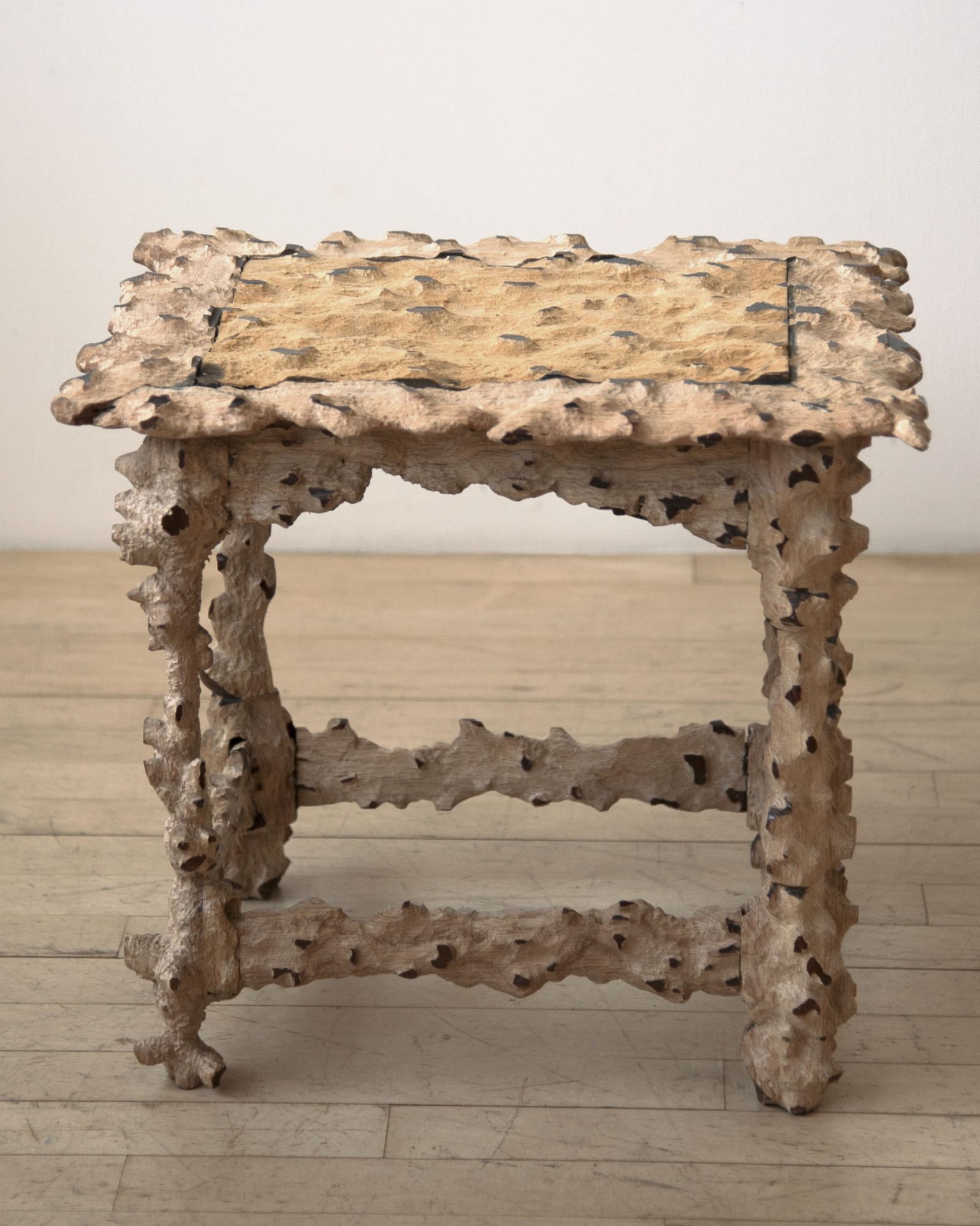
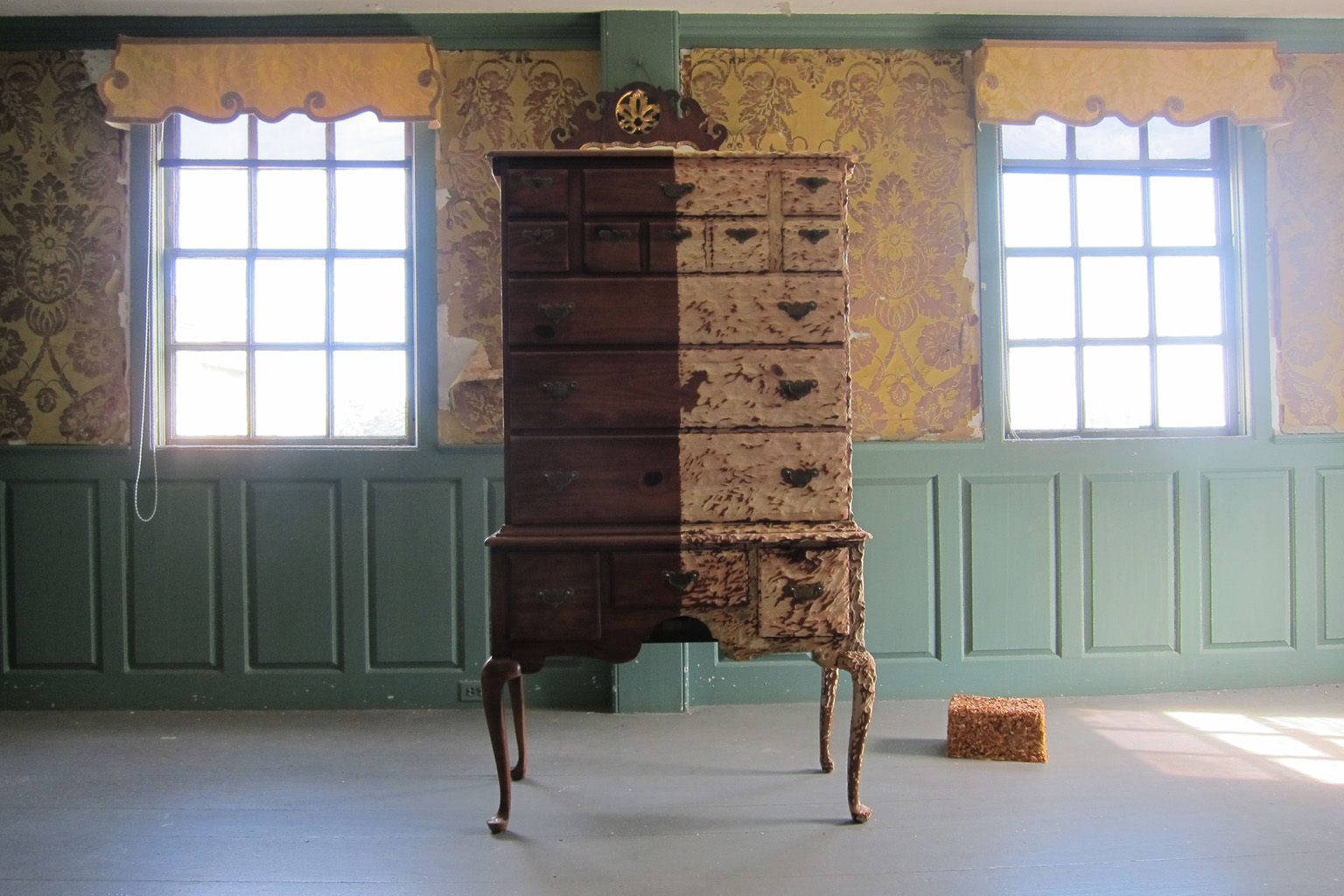
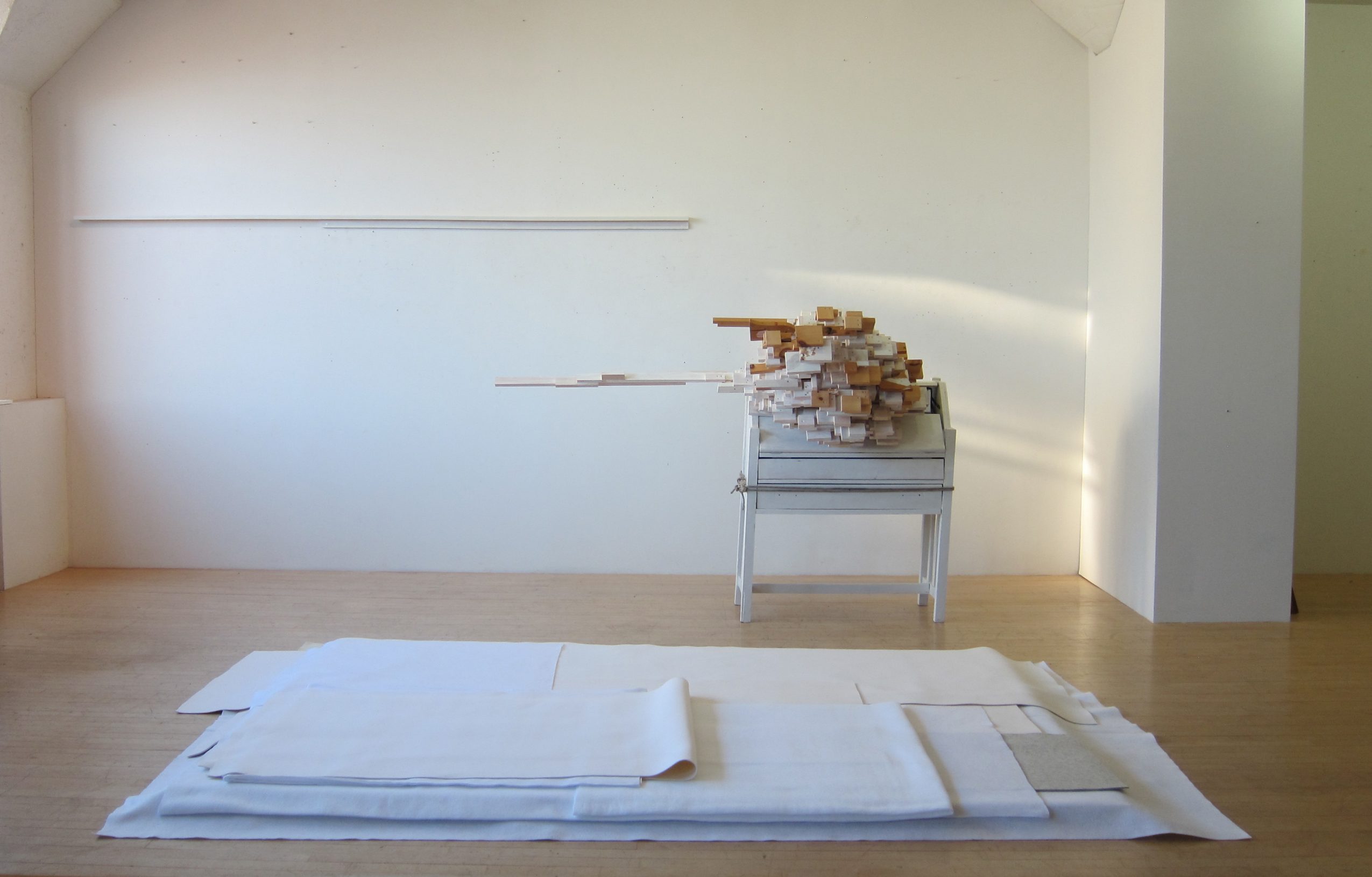
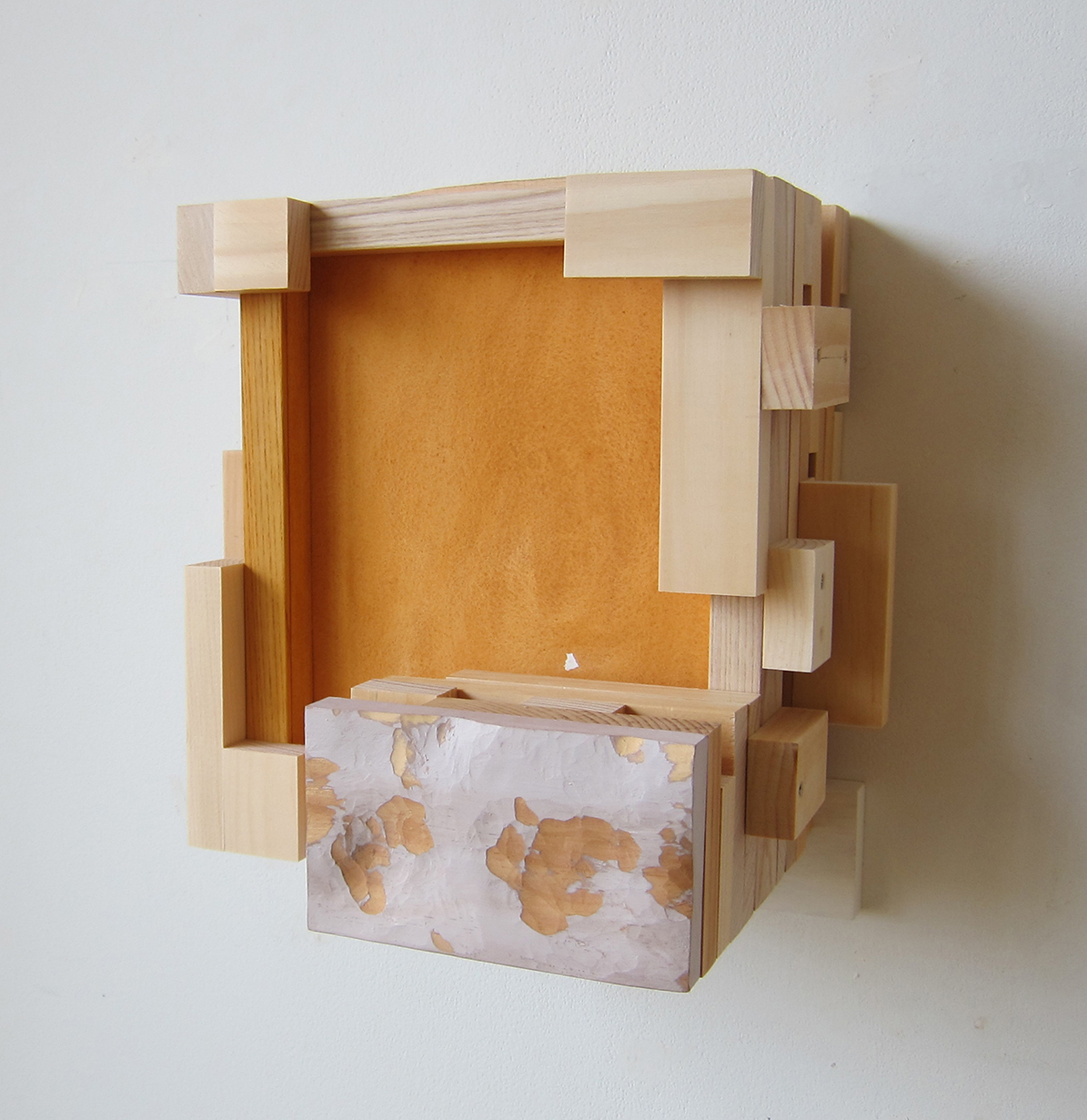
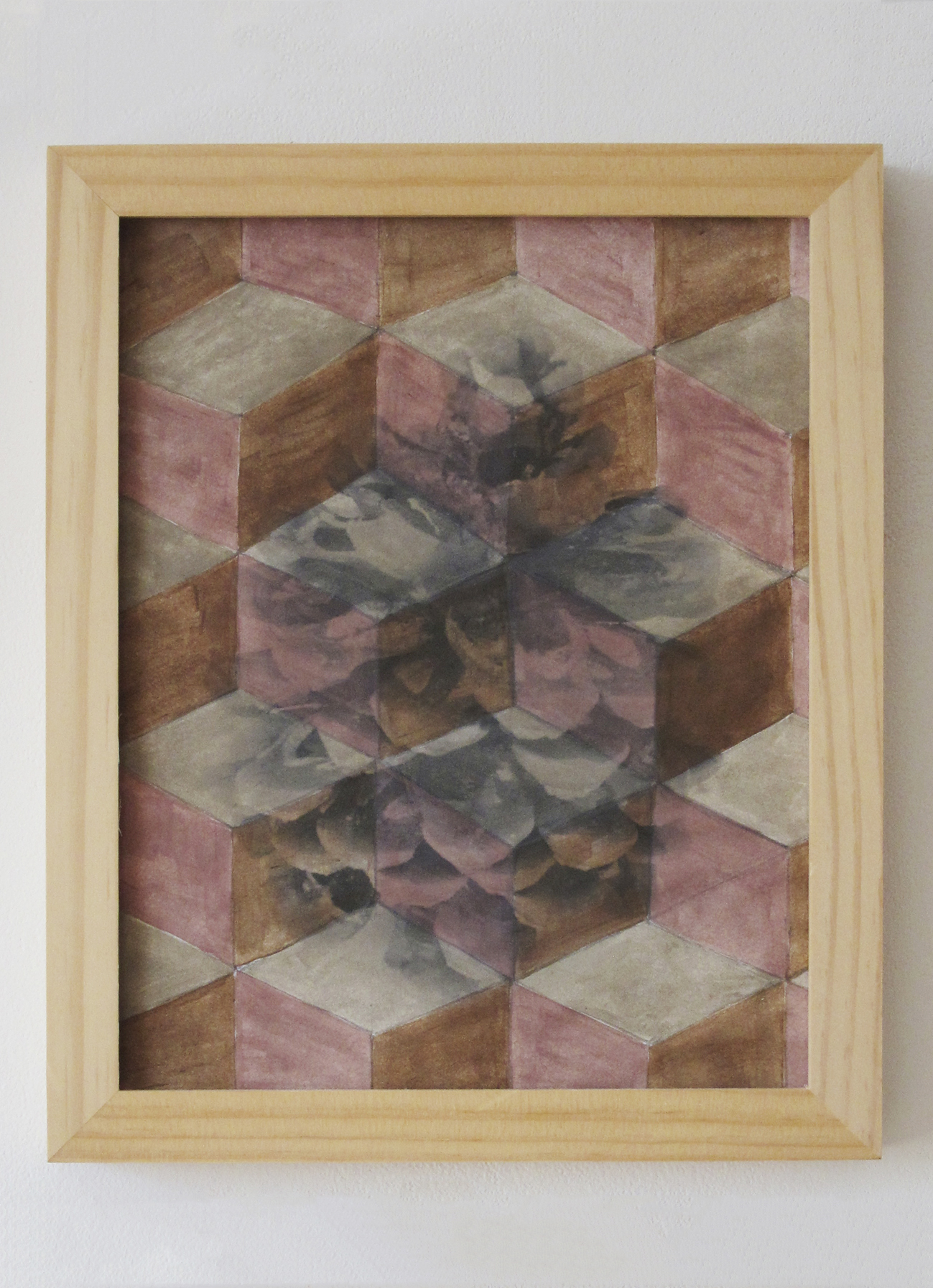
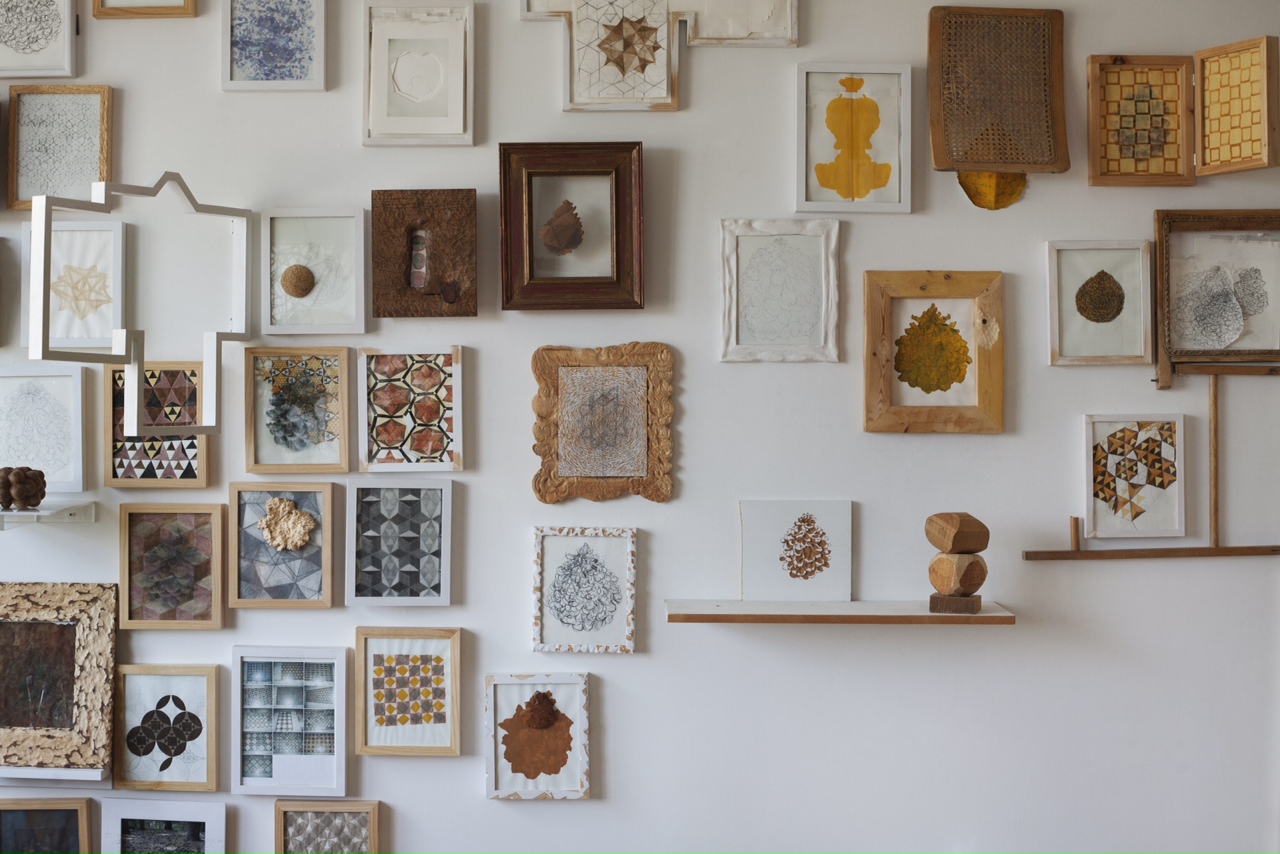 Image Credit:
Ashley McDowell
Getting in touch: BostonVoyager is built on recommendations from the community; it’s how we uncover hidden gems, so if you know someone who deserves recognition please let us know here.