



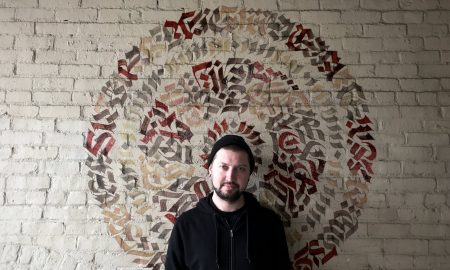
 Today we’d like to introduce you to Jake Rainis.
Every artist has a unique story. Can you briefly walk us through yours?
My time as an artist has been short, but the road to get here has been long. I’ve always had an interest in the arts, but never actually considered myself an artist until my late twenties when I finally overcame the “imposter syndrome” and found a comfortable niche as a calligraphy artist.
Throughout my teenage years, I dabbled in graffiti and street art. In college, I found myself most engaged during my Typography classes. In retrospect, I suppose I had an affinity for letterforms that I wouldn’t realize until years later. One day in 2012, I was browsing the Art & Design section of a local bookstore and came across a book called “Calligraphy in 24hrs”. I picked it up on a whim thinking it might be a fun little weekend project. It turned out to be so much more than that. I didn’t exactly master calligraphy in 24 hours, but it was the beginning of my intimate relationship with letters.
Over the course of the past 6 years, I’ve studied many different forms of hand-lettering and calligraphy. I’ve had the opportunity to work with a number of wonderful clients and build an audience of calligraphy enthusiasts and aspiring artists from all over the world.
On the surface, it seems like an obscure niche, but calligraphy art is making a major resurgence. In the past couple of years, we’ve seen the emergence of “Calligraffiti”, a new style of street art that blends graffiti with calligraphy. It’s exploding in Europe and has begun to make its way around the world. It has been an absolute pleasure in being part of a continually evolving movement that blends the expression of language through classic utility with the cutting edge of modern art.
Please tell us about your art.
I focus almost exclusively on broad-edged calligraphy. To those less familiar, this might be recognized as “blackletter”, “Old English”, or “gothic” calligraphy — although these different types are not all encompassing of the genre. It’s quite a broad term (pun intended).
Believe it or not, broad-edged calligraphy dates back to 1st century AD and acts as the foundation for fonts we use on a daily basis. It has continually evolved over time and plays a pivotal role in history. For example, the “Semi Uncial” style of script was the basis of biblical translations from the fall of the Roman Empire all the way through the Dark Ages. Over the course of centuries, it evolved greatly and eventually gave way to the “Fraktur” style of script which was popularized by the Third Reich (and later condemned as a result for obvious reasons). And as I mentioned, it’s still very much alive today!
When people hear “calligraphy”, they tend to think of small letters on a page written in dark ink. On the contrary, I work with many different mediums and tools at scales that range from a small notebook all the way to a large wall. And sometimes they’re not words at all. I also like to break away from written scripts and work with abstract strokes and textures.
When it comes to my own work, I aim for a rhythm and gesture that pushes the boundaries of established letterforms while still paying homage to the roots of that style. The blurry line in between those two areas is where you’ll find the unique signature of a calligraphy artist.
What do you think about conditions for artists today? Has life become easier or harder for artists in recent years? What can cities like ours do to encourage and help art and artists thrive?
In my opinion, becoming an artist is easier than it’s ever been. And on the other hand, sustaining yourself as an artist is harder than it’s ever been.
With the web and social media at our disposal, getting someone’s eyes on our work is incredibly easy. These communication mechanisms give us the spotlight without having to step foot in a gallery. However, this low barrier to entry has resulted in the explosion of new artists. With the prevalence of so much talent, it becomes difficult to stick out as an individual and unless you’ve really grown a loyal audience, financial sustainability can be difficult, if not impossible — particularly in an expensive city like Boston.
I try to look at my art a little differently. This approach helps remove the stress, pressure, and urgency of becoming a self-sustainable artist. I could almost make living doing wedding invitations for bridezillas on Pinterest. Or transcribing bible verses for internet strangers who stumble across my Instagram. But this type of work sounds miserable to me. Every time I’ve ever tried to monetarily capitalize on something I enjoy doing, I tend to develop a resentment towards it. It eventually begins to feel like a chore and for this reason, I’m very careful about how I profit through calligraphy.
Every once in a while, I’ll take on a client project. More often than not, it’s pro-bono simply because I want to do it without a financial incentive. I strongly believe that the reason I’ve been able to keep the fire burning is because I nurture it as a passionate hobby and not as an opportunity to make money.
With that said, it’s not entirely fruitless. I’ve created digital assets (brushes and e-books) for people to buy through the online store of my website. I’m also currently writing a book that will be published and printed. This income is primarily passive.
My advice for an aspiring artist depends on what type of person you are. If you can hustle hard selling what you do and not grow tired of it, then do that (I’m envious!). If you’re like me, I’d recommend nurturing your passion and perhaps working towards a passive income model to help supplement your hobby alongside a day job.
Regardless, I’d advise prioritizing a long-term mentality. Establish yourself as an authority in your domain and build an audience around you work. Teach what you know and encourage those who are inspired by you. Build a community. That’s priceless.
How or where can people see your work? How can people support your work?
https://jakerainis.com/ is my digital headquarters — check out the blog if you’re ever looking to dive into calligraphy. I also post regularly on Instagram and have plans to post more videos on YouTube.
I’m looking to get more involved in the gallery scene as well as some larger-scale public murals. I’ll be sure to update my website accordingly with this information when it becomes available.
Contact Info:
- Website: https://jakerainis.com
- Instagram: https://www.instagram.com/jakerainis/
- Facebook: https://www.facebook.com/jakerainiscalligraphy
- Other: https://www.youtube.com/jakerainis
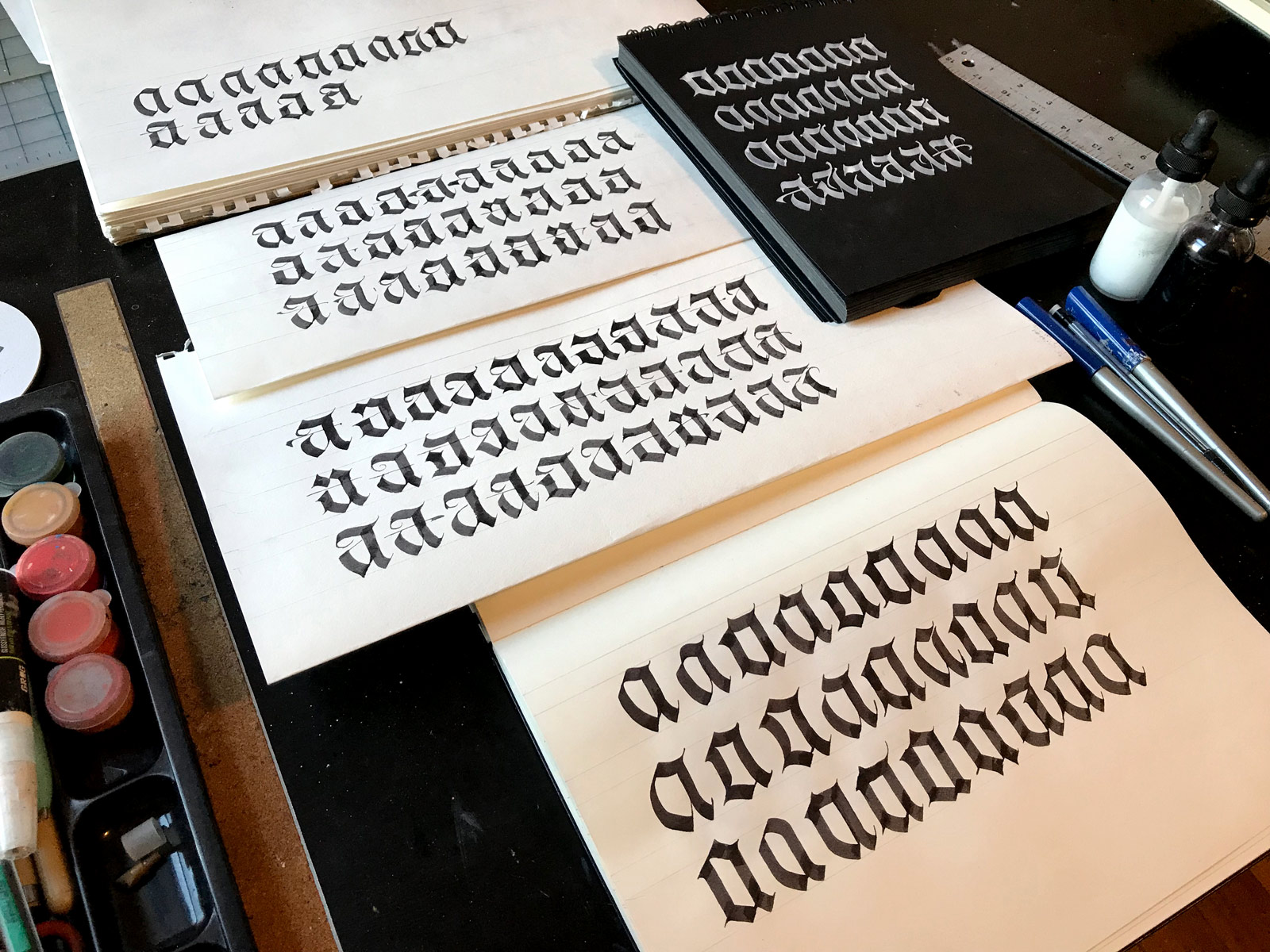
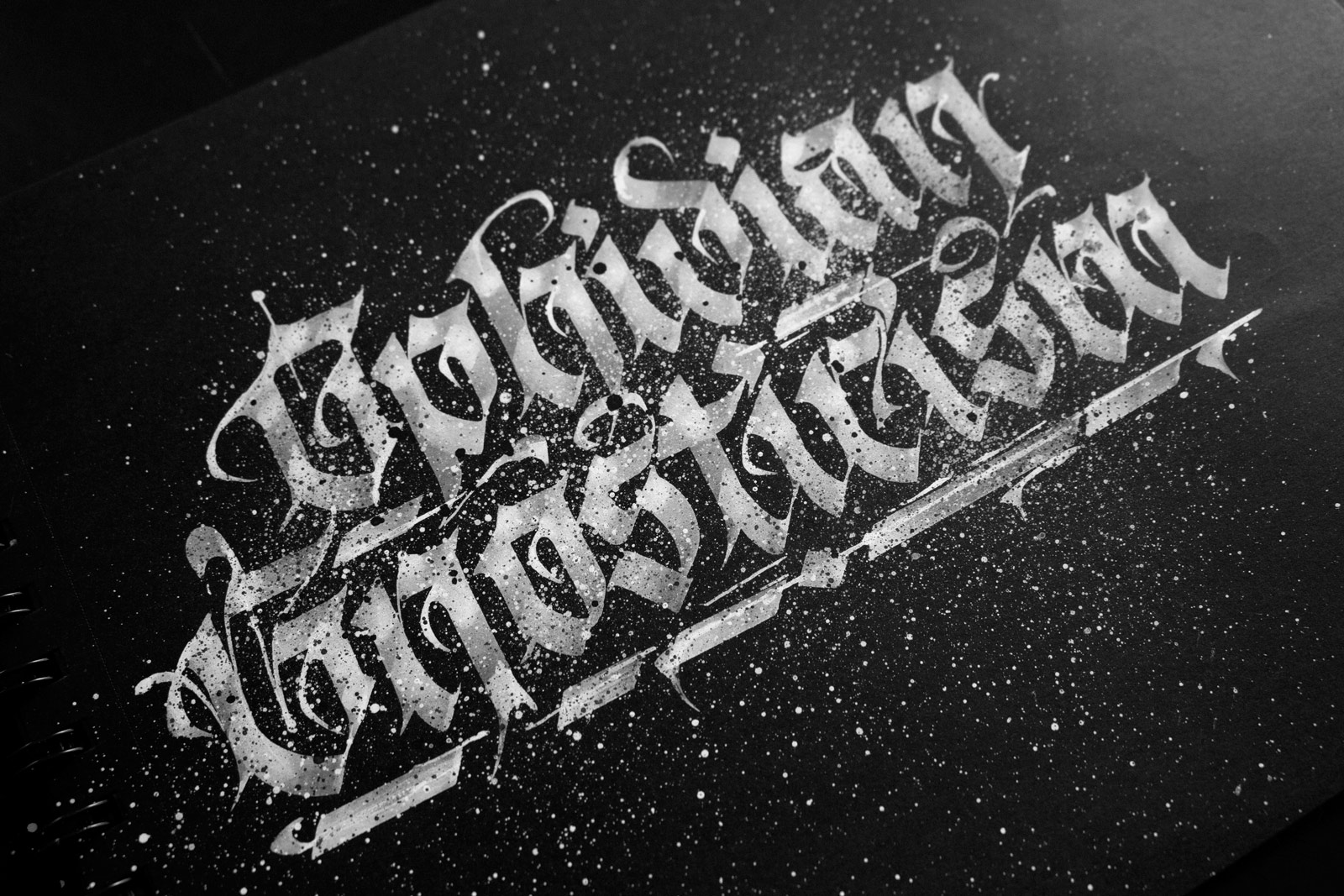
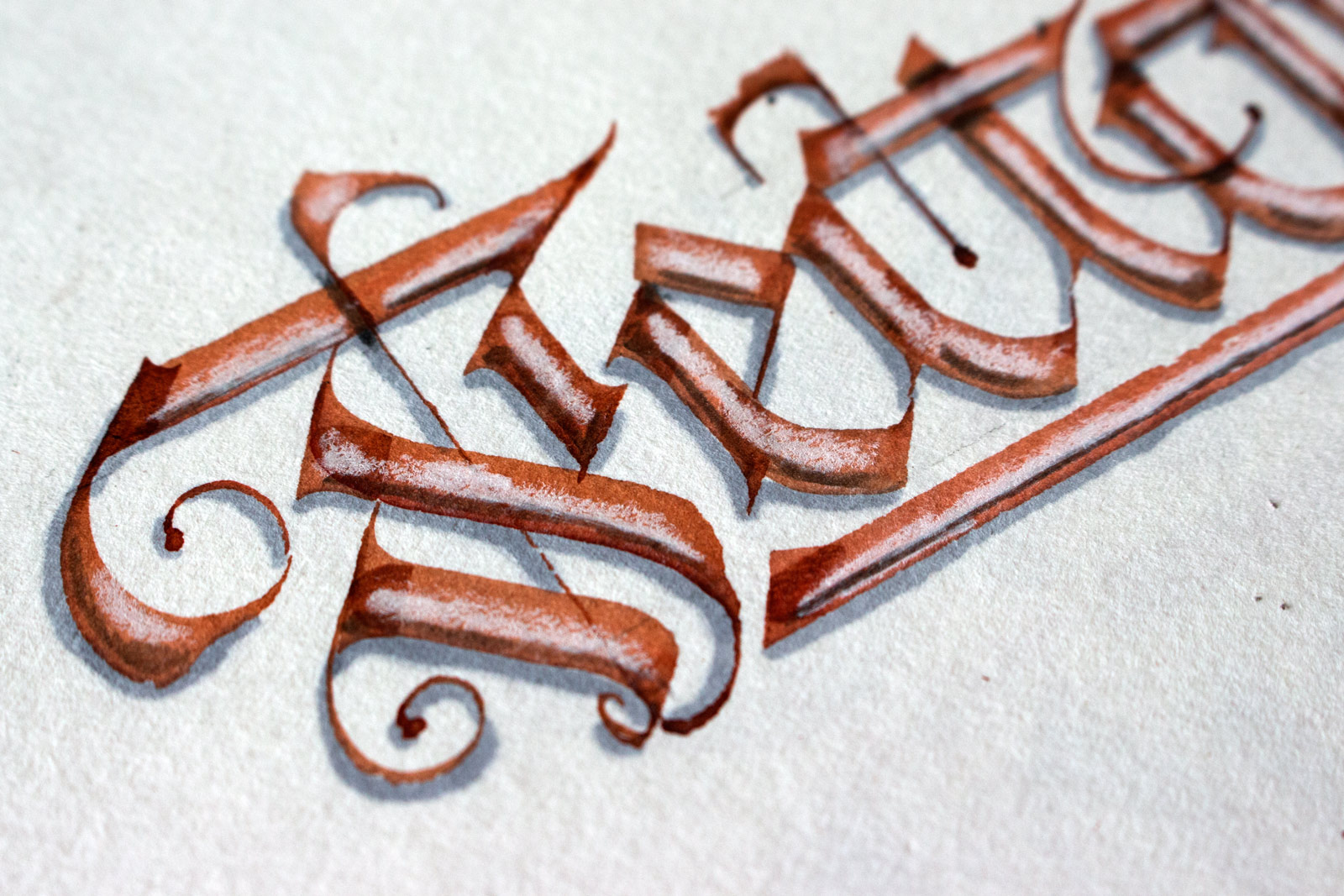
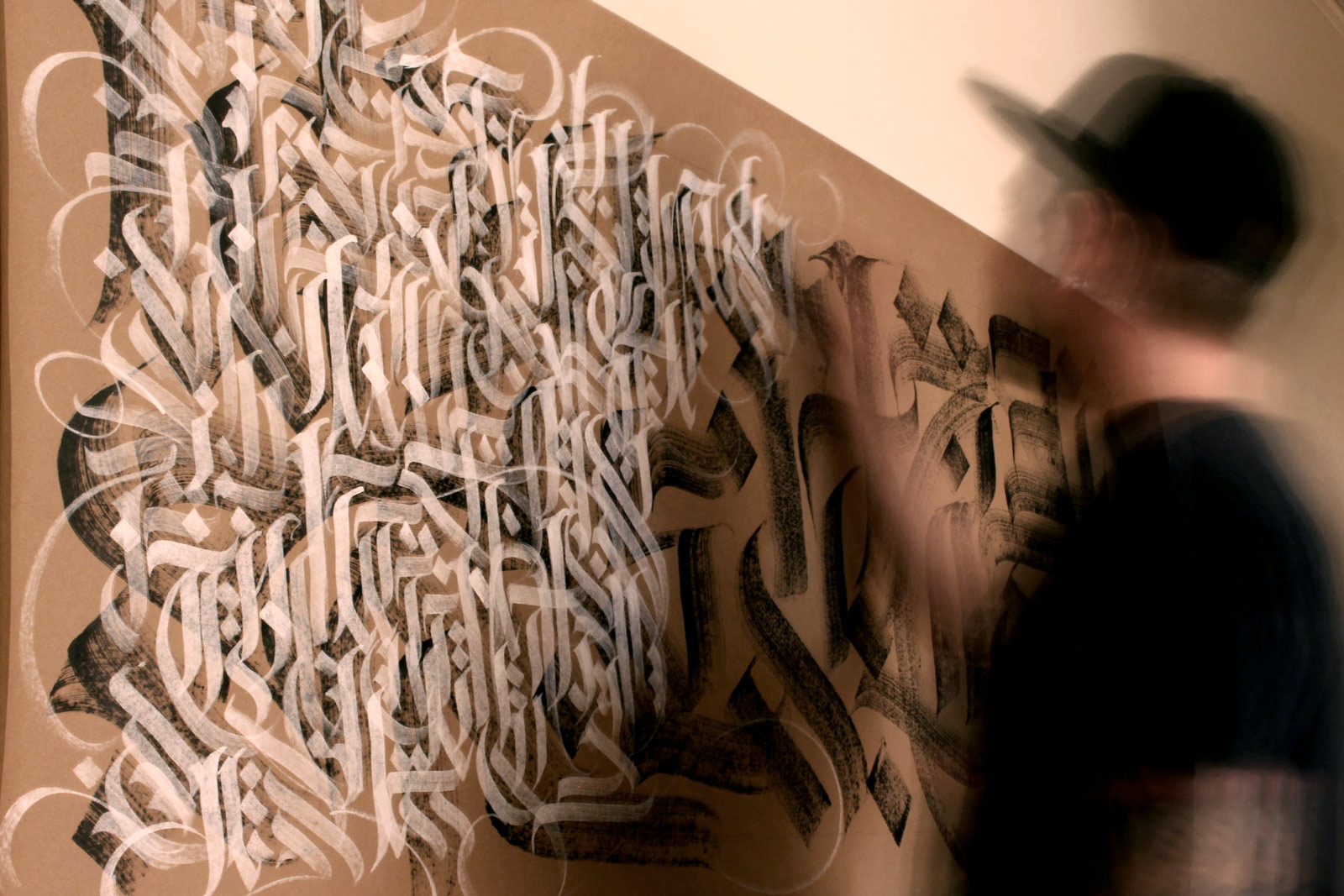
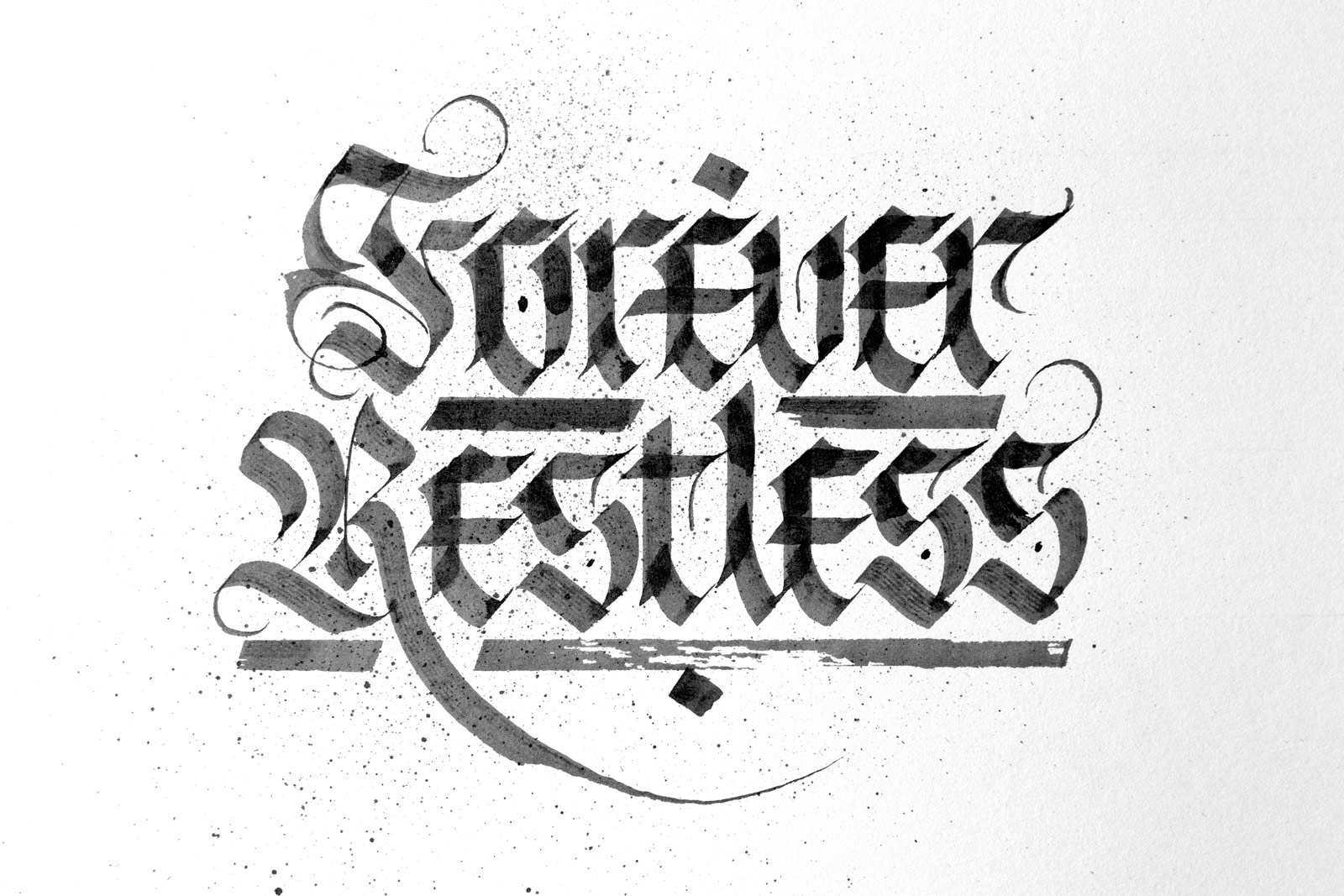
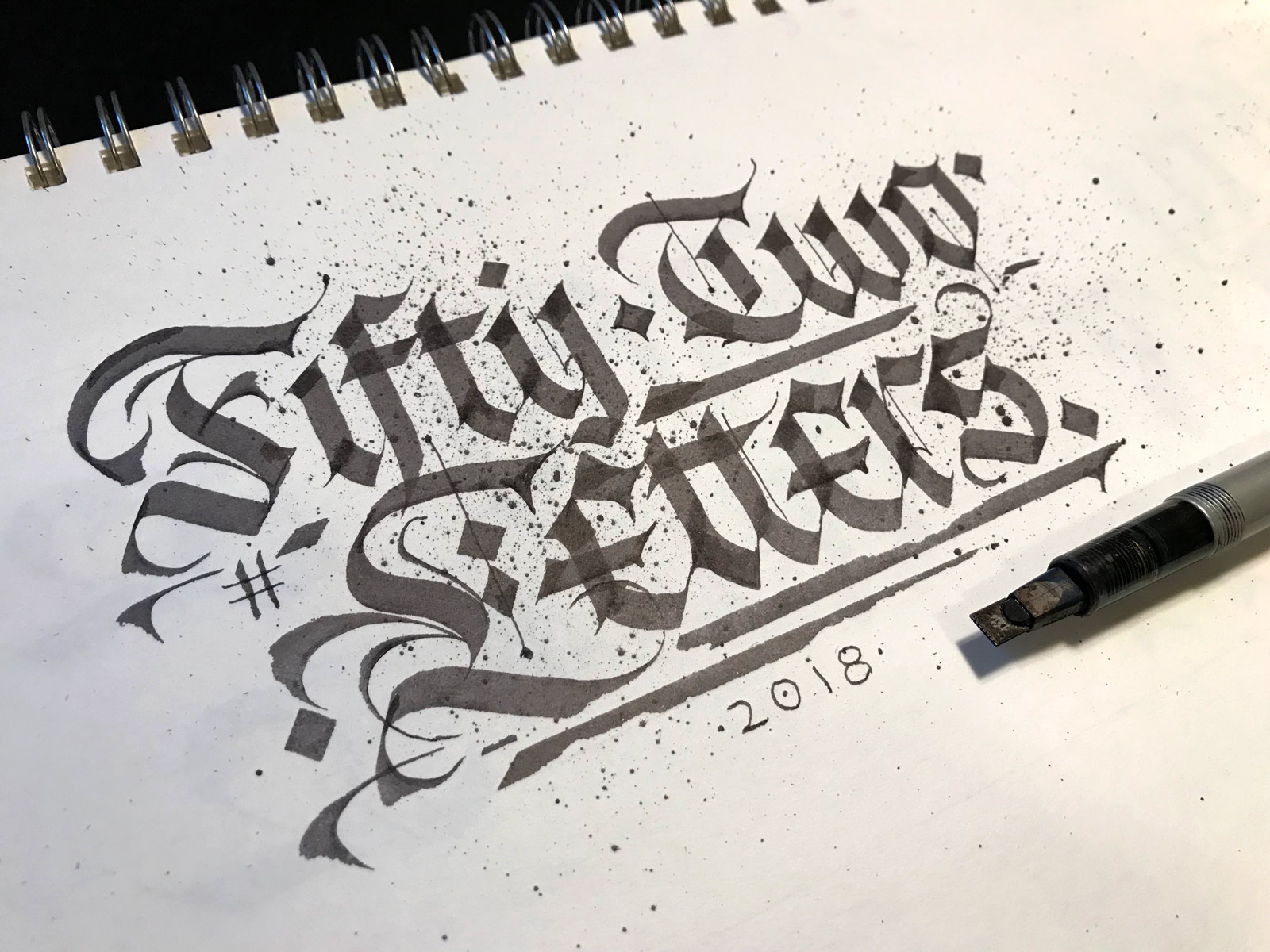
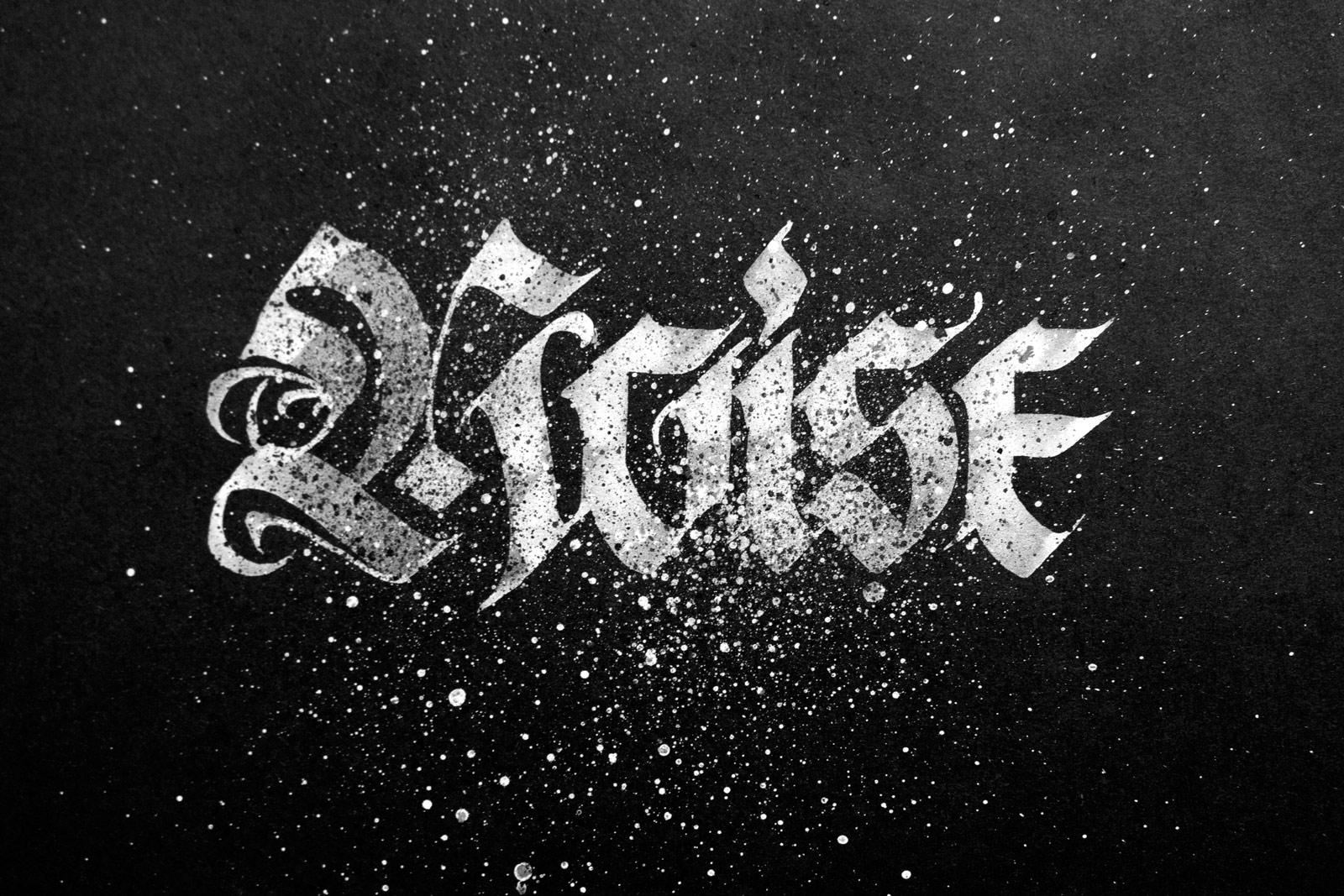
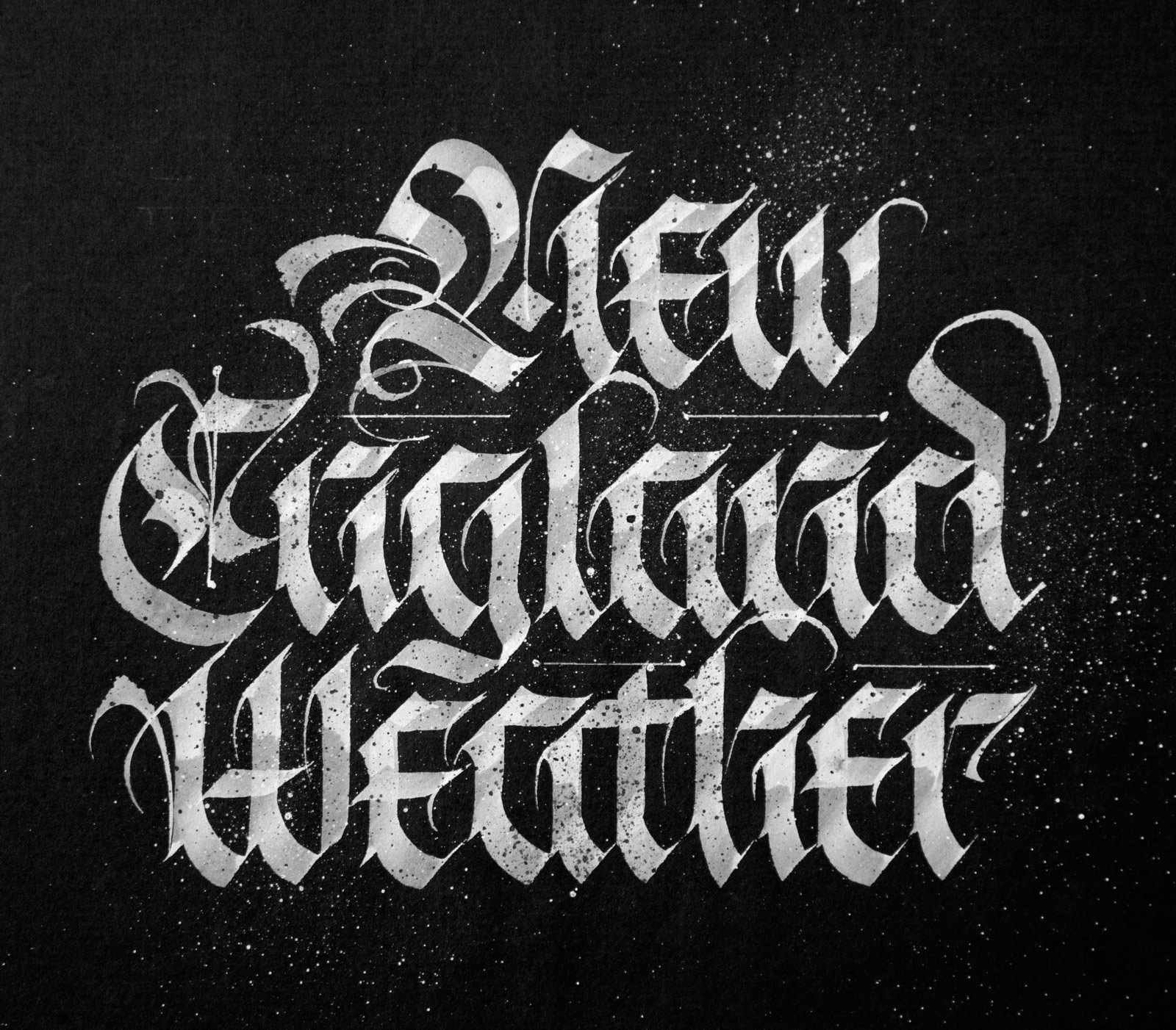 Image Credit:
Jake Rainis, Sandy Machado
Getting in touch: BostonVoyager is built on recommendations from the community; it’s how we uncover hidden gems, so if you know someone who deserves recognition please let us know here.








Michele Boll
June 5, 2018 at 7:43 pm
Great insightful article ,Jake. Hawkins Bock to why we really make art.