



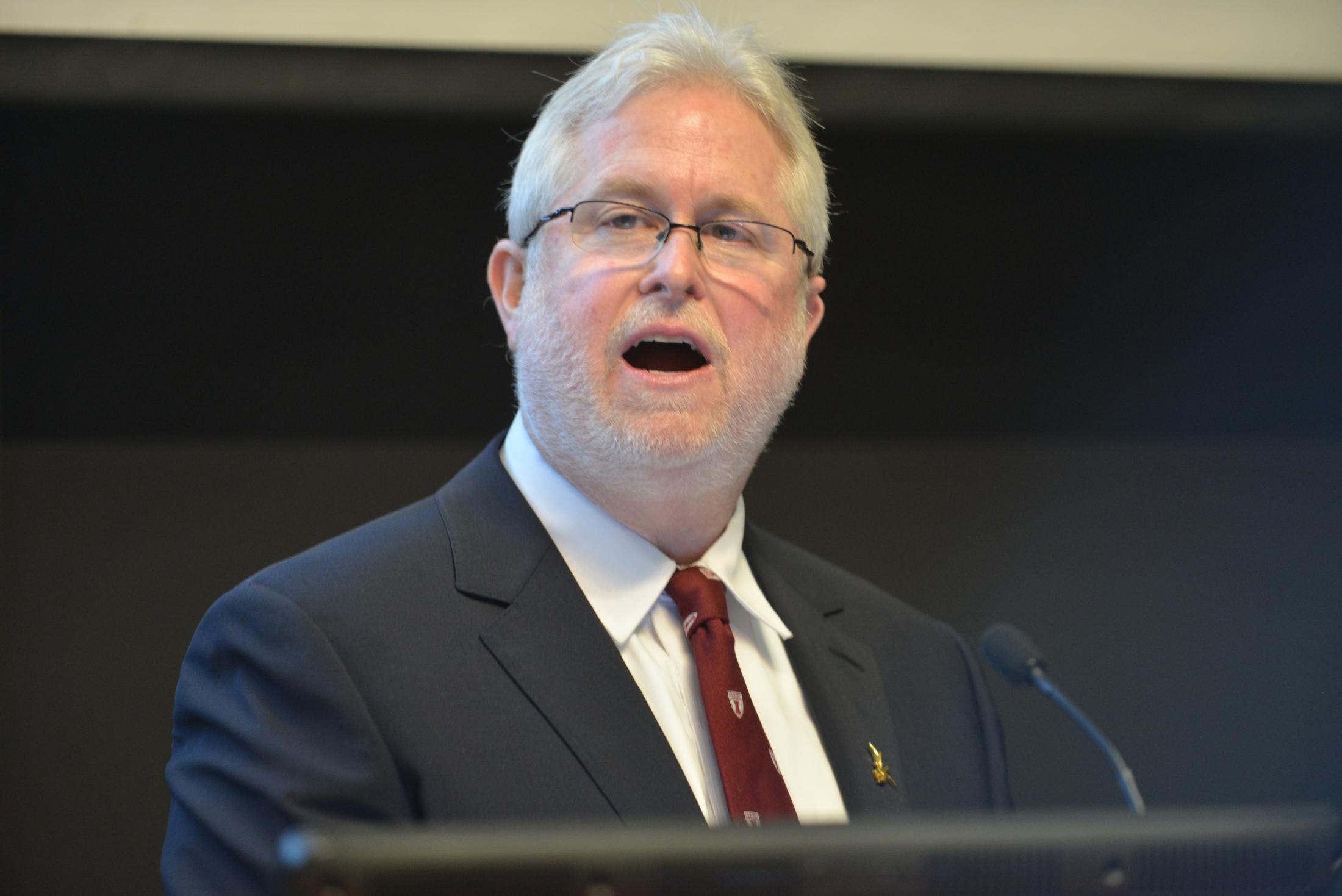
Today we’d like to introduce you to Herbert Birnbaum.
So, before we jump into specific questions about the business, why don’t you give us some details about you and your story.
Newton, Massachusetts, has always been home for me. I was born in Newton, grew up there, went to college one town over (at Brandeis University, B.A. Magna Cum Laude ’76, Waltham, MA) and attended dental school in Boston (at Boston University’s Henry M. Goldman School of Graduate Dentistry, D.M.D. ’80).
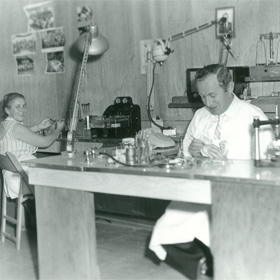
I was blessed with wonderful role models, my mother, and father – dental technicians both, as well as Holocaust survivors who got their first glimpse of one another across the barbed wire of a concentration camp. My father had the intellect and depth of human spirit to be known and, in many cases, reached out to for desperately needed words of encouragement by many of the inmates in the camp. And my mother had the spark and unbridled positivity which allowed her to sing and dance – when the Nazi guards were off at their weekly prayers – even in the depths of a concentration camp, triggering the glance and winning the heart of her future husband.
There are a number of diplomas, awards and recognitions from various institutions and honor societies, which hang on the walls of my dental office, The only one which seems to draw the attention of my patients, who ask about it regularly, is the framed Masters Degree in Dental Technology which my father received from the guild in Stuttgart, Germany. I welcome the questions because it gives me the opportunity to speak about the people who, besides giving me life, exposed me to a wonderful career and instilled in me the values which guide me personally and in my practice of dentistry. I was raised to appreciate every day of life, to honor every person and to earn the trust that they put in me, to be a “mensch” (a fair, generous, and principled person), and to give back in whatever ways I am able to make this world a better place, No less impactful was a strong emphasis on striving for perfection in everything I do, not leaving any task without the satisfaction of knowing that I have put forth my very best effort.
After completing a residency in the practice of general dentistry at the University of Pittsburgh’s Montefiore Hospital, in 1981, I returned to Newton and joined the practice of my older brother, working side by side with my father, whose dental laboratory was in the next room over. The practice was attached to my parents’ home. My mother was my dental assistant, as well as being the office manager, receptionist, bookkeeper and custodian of the practice. Talk about a Mom & Pop operation! My father’s dependence on my quality to ensure the desired outcomes in the work we shared reinforced my discipline to take my time and stop short at nothing less than producing dentistry of the highest caliber. My mother, in the meantime, filled the room with an air of friendliness and joy, making even the most anxious patient comfortable and interactive.
From the outset, my career as a private practitioner of Dentistry was partnered with a part-time commitment to dental education. I began teaching Fixed Prosthodontics -“crown and bridge” dentistry – at my alma mater, Boston University’s Goldman School of Graduate Dentistry. Within months, I was recruited to teach at the Harvard School of Dental Medicine and to practice in the school’s Faculty Group Practice. For several months, I taught at both institutions, but eventually chose to devote my full energies to Harvard. Within several years, I was chosen to be Faculty Supervisor of the Licensed Practitioner Clinic – where 5th-year students and post-doctoral students from the school’s specialty programs practiced under my supervision. I was also elected by my faculty peers to membership in Omicron Kappa Upsilon, the honor dental society, and, in 1995, I received the prestigious Faculty Award – the highest award voted upon by students -from the graduating class.
1995 was also a transitional year for my private practice. The practice which I shared with my father and brother had outgrown the limitations of a small home office on a side street. I checked out a number of options but it became clear that the time had come to establish my own practice, reflective of my philosophies of dentistry and approach to patient care. Corporate dentistry was already alive and well and the proclivities of many dentists squarely focussed on production, volume, and revenues. We all need to make a living but I did not want to get sucked into the vortex of revenue driven dentistry. I wanted to be in a position of being able to keep the focus on the quality of the dentistry, taking the time to get to know, communicate and discuss options with patients, and upholding the integrity and trust inherent in my relationships with them.
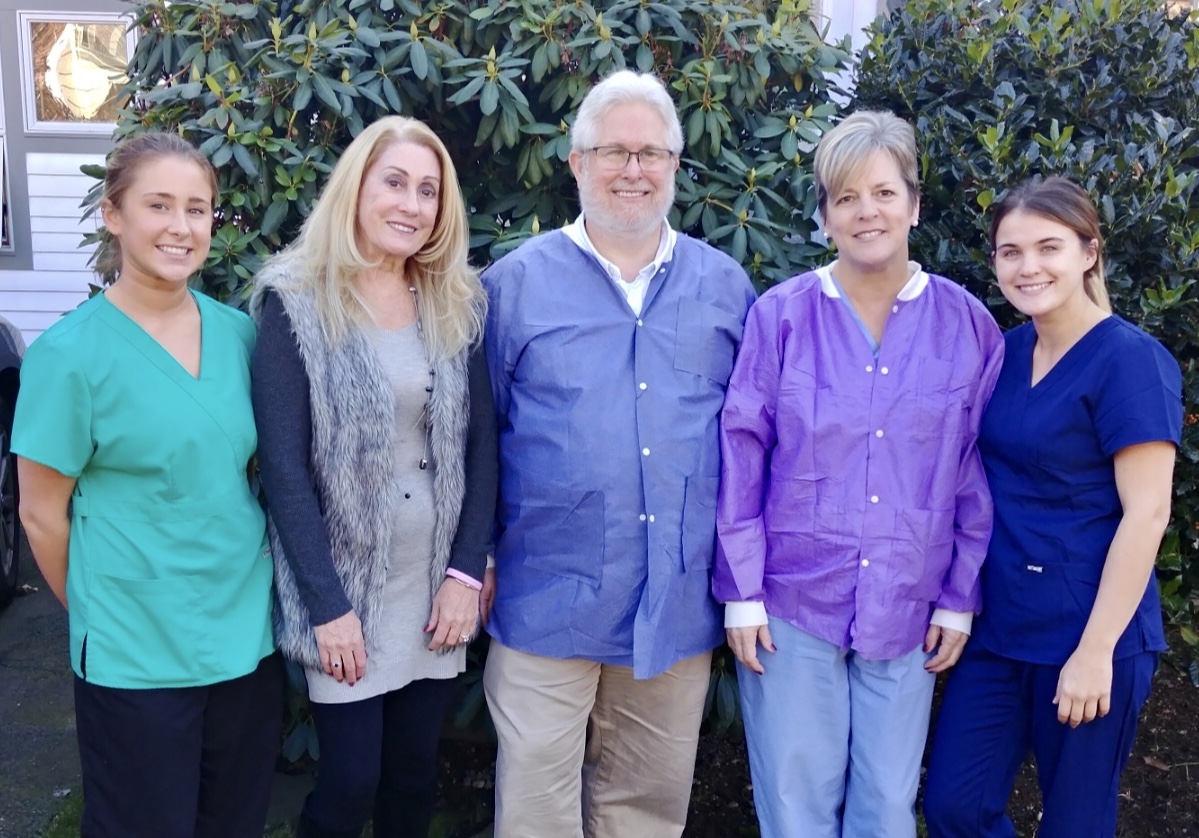
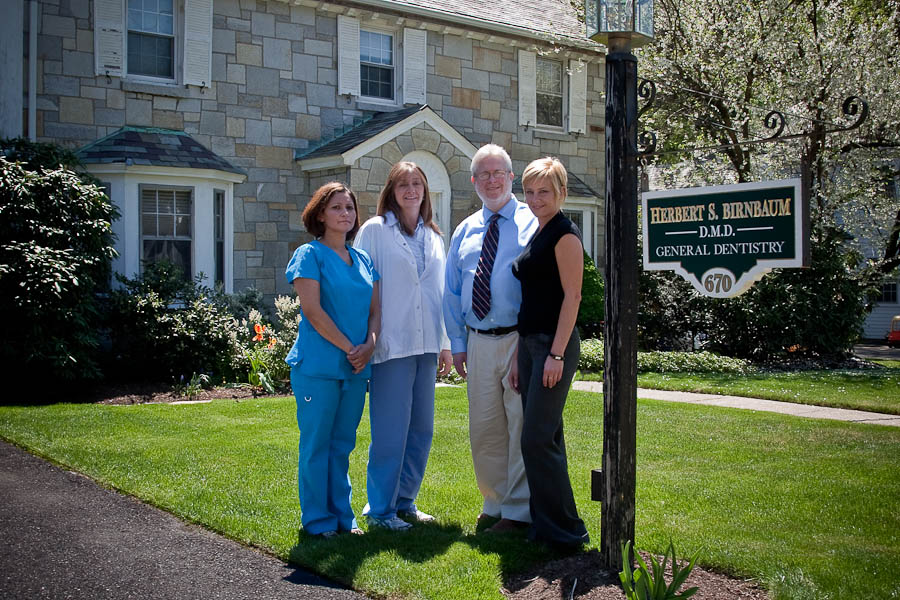
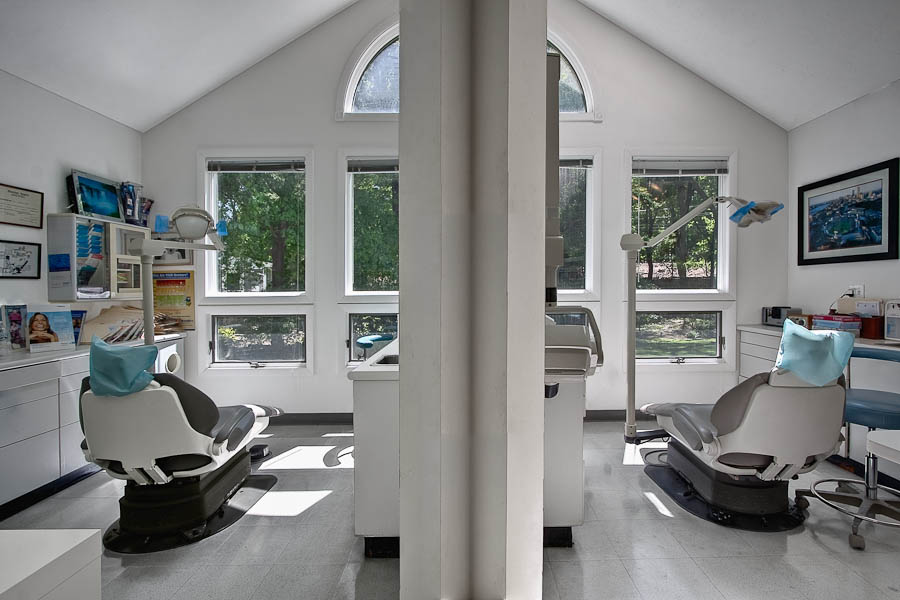
My wife and I recognized that the model that would work best for me – perhaps the only model that would work – was the one I knew, that of the home/office. We moved to Beacon Street in Newton Centre and built an office attached to our home where every detail was focussed on the comfort of our patients. The office was featured in a book on dental office design published by Dental Economics. The physical setting, however, was only a piece of the magic sauce. My wife, Connie, a star in the arena of community building, both as a professional and a volunteer, gave up her position as Unity Coordinator at the Synagogue Council of Massachusetts to become my office manager, receptionist, and best ambassador. We had succeeded in preserving the model which I knew best and updated it, capitalizing on our wonderful location on a main but not congested street in Newton Centre, surrounded by the beauty of nature outside and good human nature inside. A team of post-doctoral students from Harvard became my hygienists, staying onboard for years, even after I hired a hygienist.
Since those early days of my practice and to the present, we have stayed true to the principles on which it was built- defying the winds of corporate and revenue driven dentistry that has consumed so many and gotten only worse with the passage of time. Although sadly, my wife, Connie, got sick in 2001 and passed away in 2003, the magic was already engrained in the office, and the wonderful staff who have subsequently joined us have helped to uphold and grow it, adding their own personal touches.
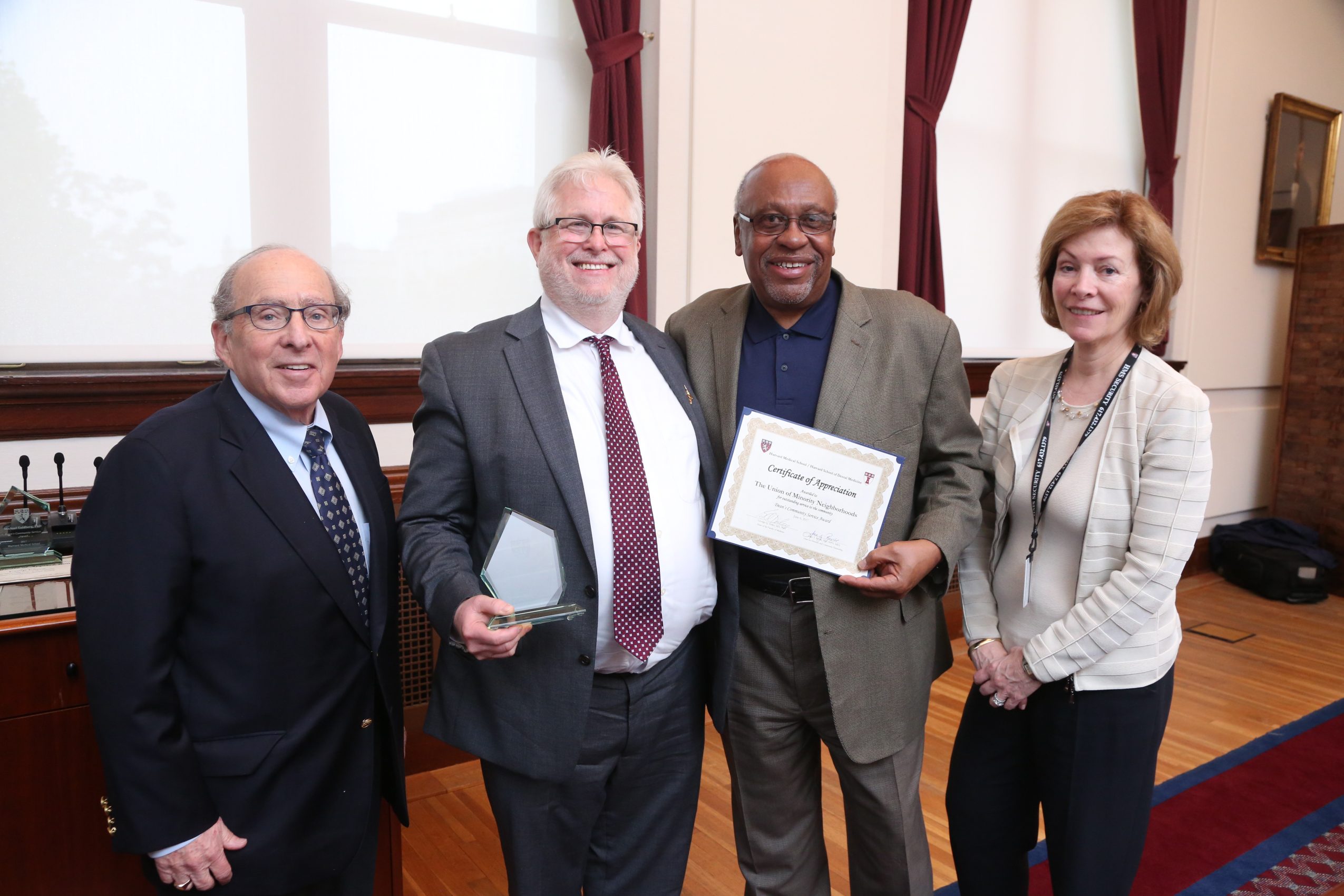
All the while, I have continued to teach at the Harvard School of Dental Medicine, currently maintaining a streak of 36 straight years. My colleagues elected me President of the Harvard Odontological Society and nominated me for subsequent induction into the American Academy of Dental Sciences.This past June, I was honored to receive the Dean’s Faculty Award for Community Service from the Harvard Medical School and the Harvard School of Dental Medicine.
“Walking through my story” includes many non-dental activities with which I have been involved. As I am not sure that they would be pertinent to you, I will touch on them only if you wish in follow-up. I do, however, feel that all elements of one’s life – even those not obviously and directly connected – contribute to the big picture. I believe that people respect people who are multi-dimensional and whose giving and caring manifest in multiple ways. There are many folks without whose help I would not be where I am today. Through the bonds of trust built with my patients and colleagues, I have had a wonderful retention rate in the office, which often applies even when patients move far away, and have benefitted from a healthy stream of referrals of their family members and friends.
Great, so let’s dig a little deeper into the story – has it been an easy path overall and if not, what were the challenges you’ve had to overcome?
It has certainly not been a smooth road … not at all. When the time came to establish my own practice, after spending 14 years in a practice I had helped to build up and never thought I would leave, I had little time to tackle the enormous challenge of building an office and learning to manage it, I knew and loved clinical dentistry but had to learn the ins and outs of running a practice on the job.
When my wife, Connie, and I embarked on setting up our practice, back in 1995, we understood that we would need to be in overdrive, building the practice with extra hours worked and whatever else it would take. We had a 5-year plan to get it started but, 6 years into the venture, she got sick and subsequently passed away. Connie was an enormous part of the practice – a true partner. To this day, nearly 15 years later, adoring patients still talk about her. ( Outside of dentistry and the office… so I’m not sure it’s pertinent … an annual lecture which I have established in her memory has become an official signature event for Boston’s Jewish community … it’s an enormous tribute to her legacy).
Lastly, I have hired, trained and cultivated some wonderful staff members … but you can rest assured that I had some lemons along the way. Many of my top employees have stayed on above and beyond, even after their life circumstances changed, including a number who moved far away from the office. Eventually, though, some of them needed to leave because the commute became just too long. As is, two of my employees, to this day, commute daily from about 1.5 hours away. They embrace what our office is all about and are willing to go the extra distance. Historically, though, it’s hard to keep that up.
Please tell us about Herbert S. Birnbaum, D.M.D.
The average patient walking into a dental practice is no expert on dental health and disease, diagnostics, materials, and techniques. Many patients present to offices believing that all dentists, by and large, are the same, operating with the same set of standards in identifying the disease, determining the need for intervention, and considering alternative approaches to treatment. This could not be further from the truth. Given the pressures of time limitations and financial constraints, as well as the desire to turn handsome profits, there are, from what I can see, many dentists out there selling dentistry.
Many are quick to pull the trigger in situations where holding off with treatment and monitoring might be an option, and, when treatment is indicated, the most expensive treatment plan is usually the only one presented without even considering alternative plans. There is a lot of room for decision making, and I feel that it is essential for the patient to be part of that process. It is my responsibility to identify problems that exist, demonstrate and explain them to the patient, identify the level of urgency, present options for treatment, discuss pros, cons, and risks, and then establish a plan together with the patient. Patients really appreciate the understanding and having some control over what is done to them, and they deserve to know their options and expectations. I have built a successful practice on such patients.
I am afraid that, in many cases, dentists out there are driven by the bottom line, and treatment is pushed and rendered accordingly. This will only get worse as insurance companies lower reimbursements, as they are now doing, forcing dentists to allocate less time per patient and figure out how to make more money in less time. More than ever, I would predict that fillings will be placed on teeth that might otherwise have been safely monitored and crowns will be placed on teeth that could have been treated more conservatively or not at all. I have been touted by my patients for knowing when to treat and when to consider holding off, and, over the course of the years, the results have substantiated the decisions made. I have also mastered the techniques of using tooth-colored inlays and on lays to treat teeth which require treatments more extensive than fillings but less aggressive/invasive and costly than crowns. I am also willing, if the patient so chooses, to do heroic procedures which, although less cost effective for me, protect patients from expensive and aggressive treatments.
Our approach is measured and methodical with only the patient’s best interests at the core of what we do. My pride stems from the knowledge that I have served my patients with integrity and to the highest standard of quality – in an atmosphere which is warm, relaxed and caring The feedback we receive, a taste of which you could glean from written reviews, reinforces the satisfaction I have from knowing that we have done good by our patients and earned their trust and appreciation.
It is worth noting, in this discussion, that I was one of the very first practitioners in this state to use a diagnostic device called Cari Vu, which, with a very bright transilluminating light, allows you to see inside a tooth to identify decay and fractures. The Cari Vu is perfectly safe – it does not use any radiation … just light – and it is incredibly helpful as an adjunct to x-rays. It is not uncommon to find cavities with the Cari Vu that barely or do not at all show up on x-rays. At the same time, some areas that, on the xrays appear to be cavities in need of treatment, are shown by the Cari Vu to NOT require treatment. It is an awesome device whose accuracy is best appreciated at the trime of treatment.
Do you look back particularly fondly on any memories from childhood?
Summers on Cape Cod with my family.
Contact Info:
- Address: 670 Beacon Street, Newton Centre, MA 02459
- Website: birnbaumdmd.com
- Phone: 617-965-1400
- Email: drherbertbirnbaum@gmail.com
- Instagram: https://www.instagram.com/hbirnbaumdmd/
- Yelp: https://www.yelp.com/biz/herbert-birnbaum-dmd-newton-center
- Other: https://plus.google.com/100042605714659593622
Getting in touch: BostonVoyager is built on recommendations from the community; it’s how we uncover hidden gems, so if you know someone who deserves recognition please let us know here.