




Today we’d like to introduce you to Scott Kania.
Scott, please share your story with us. How did you get to where you are today?
I’ve had a love for nature since I was a child and declared at a very young age that I wanted to work with animals when I grew up. This passion led me to work for a veterinarian during high school (which gave me the opportunity to raise a wolf for a year, but that’s another story), and then to study wildlife management as an undergraduate.
Unfortunately, passion doesn’t always pay the bills, and jobs working with wildlife were hard to come by. I was able to make a living in insurance and banking, eventually becoming a senior vice president at an international bank. I tell people that I lost my way for 35 years, but when I look back I see that I had the opportunity to learn strategic planning, people management, and finances from some incredible people. It wasn’t purposeful, but these experiences were a great training ground for running a nonprofit.
When I was working for HSBC bank in London, I had the opportunity to participate in something called the Earthwatch Sustainability Leadership Program. This involved taking bankers from London into the woods for 6 days to roll up their sleeves and contribute to climate change field research while exploring how they could advance sustainability at the bank. Their discomfort in the woods was only exceeded by their personal transformations.
Many of them went from zero to passionate environmentalists in six days! I hadn’t heard of Earthwatch before this experience but knew immediately that this was the thing I’d been looking for my whole life.
Overall, has it been relatively smooth? If not, what were some of the struggles along the way?
It certainly hasn’t been linear, but that’s OK. I’m not a big fan of straight lines. My biggest struggle was trying to “stay in the game” by supporting environmental causes I was passionate about, while being married, raising 3 daughters, and managing a challenging career. For much of my career, I was able to strike a good balance. I volunteered on every conceivable conservation project and joined local conservation commissions. My children were often able to join me in my volunteer activities.
Eventually, my career took me to New York City and then London, and I was no longer able to do my volunteer work. At this point, my children were teenagers, and they confronted me. It was kind of like an intervention. They pointed out how proud I was of my environmental work, and that I had always told them that it was my true passion. If I gave it up, what did I stand for?
That was an important moment for me. I ultimately reminded them that I needed to make a decent salary to pay for their college educations, but also pledged that I would leave the corporate world at some point and put my skills to use trying to save the world, in some way.
Earthwatch Institute – what should we know? What do you guys do best? What sets you apart from the competition?
Earthwatch is a Boston-based, international nonprofit that connects people with world-class scientists on environmental research projects around the world. These partnerships inspire new ways to think, act, live, and relate to the natural world. Through our “citizen science” approach we challenge individuals to leave their comfort zone and focus on a variety of sustainability and conservation issues including resource use, land stewardship, cultural awareness, and social equity. Our experience shows that these individuals return from the field feeling empowered and excited to take on these challenges in our rapidly changing and complex world.
Earthwatch is known for its immersive brand of research-based citizen science, but I think of us as being in the people transformation business. We have a wealth of stories about students who discover that they want to become scientists, teachers who learn new techniques for reaching their students, and corporate employees who gain a passion for making their companies more sustainable. I take great pride in our contribution to developing the environmental leaders of the future.
Given the current threats to our environment, we’re doubling down on our efforts to ensure that all of our projects have maximum impact. Luckily, we have the privilege of working with an amazing group of researchers who are focused on making a massive difference in the world.
What has been the proudest moment of your career so far?
My proudest moments have been seeing people accomplish things they didn’t know they could do. But if I had to pick one, it would be attending the culmination event for the alumni from one of our student fellowship programs. This was a group of mostly high school students from LA who had been dropped into a wild natural environment to work with scientists on field research expeditions – a remarkably different world for them.
One young woman explained that she lived in the middle of LA and had never seen a sunset before her Earthwatch expedition. Their stories were phenomenal. Before this experience, many of the students had no idea they could travel across the country, experience nature, gain a passion for science, and fully contribute to important research. They were brimming with self-confidence, and it was an extremely proud moment for me.
Pricing:
- The average cost of an Earthwatch expedition is $2,750
Contact Info:
- Address: 114 Western Avenue Boston, MA 02134
- Website: earthwatch.org
- Phone: 1-800-776-0188
- Email: amorris@earthwatch.org
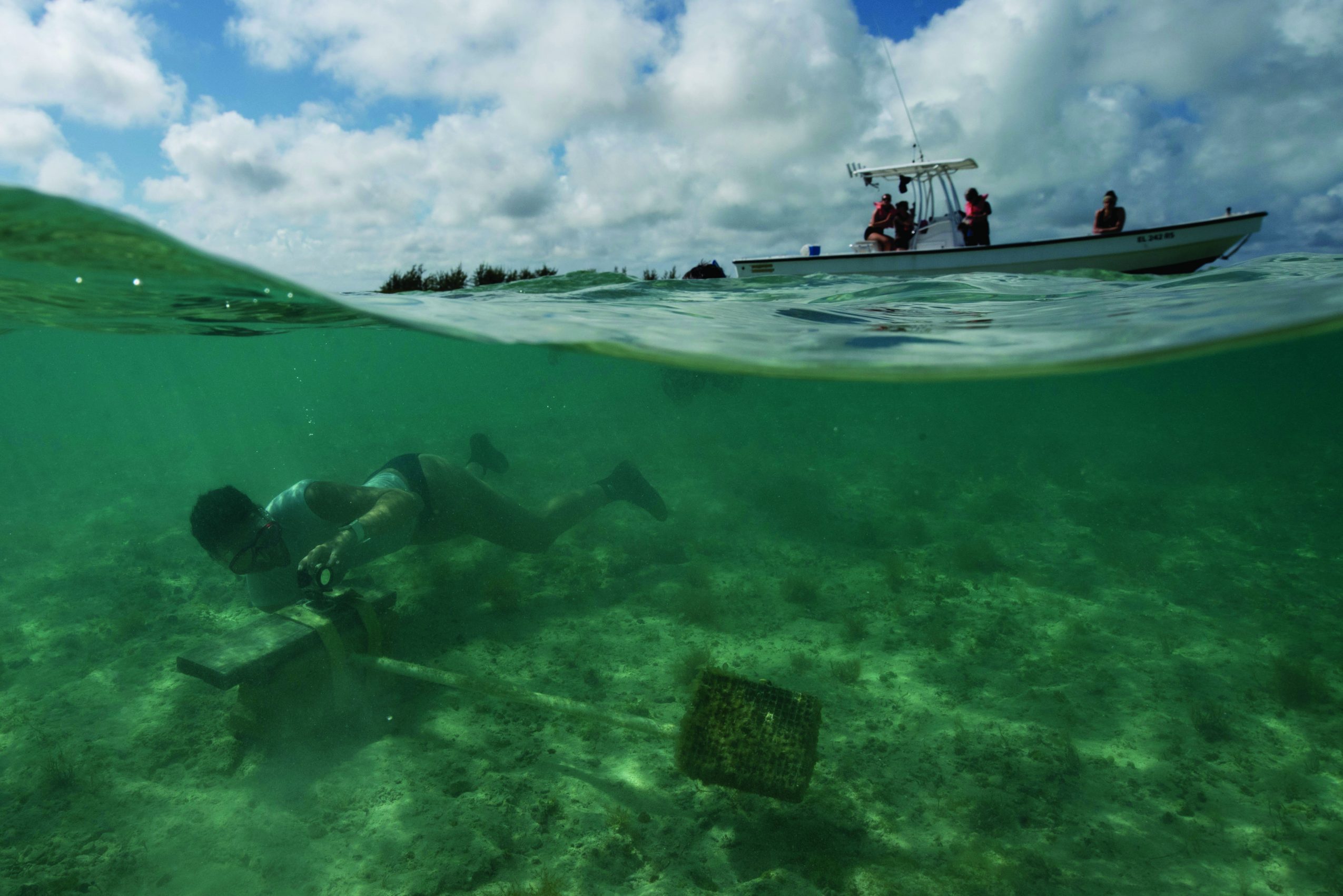
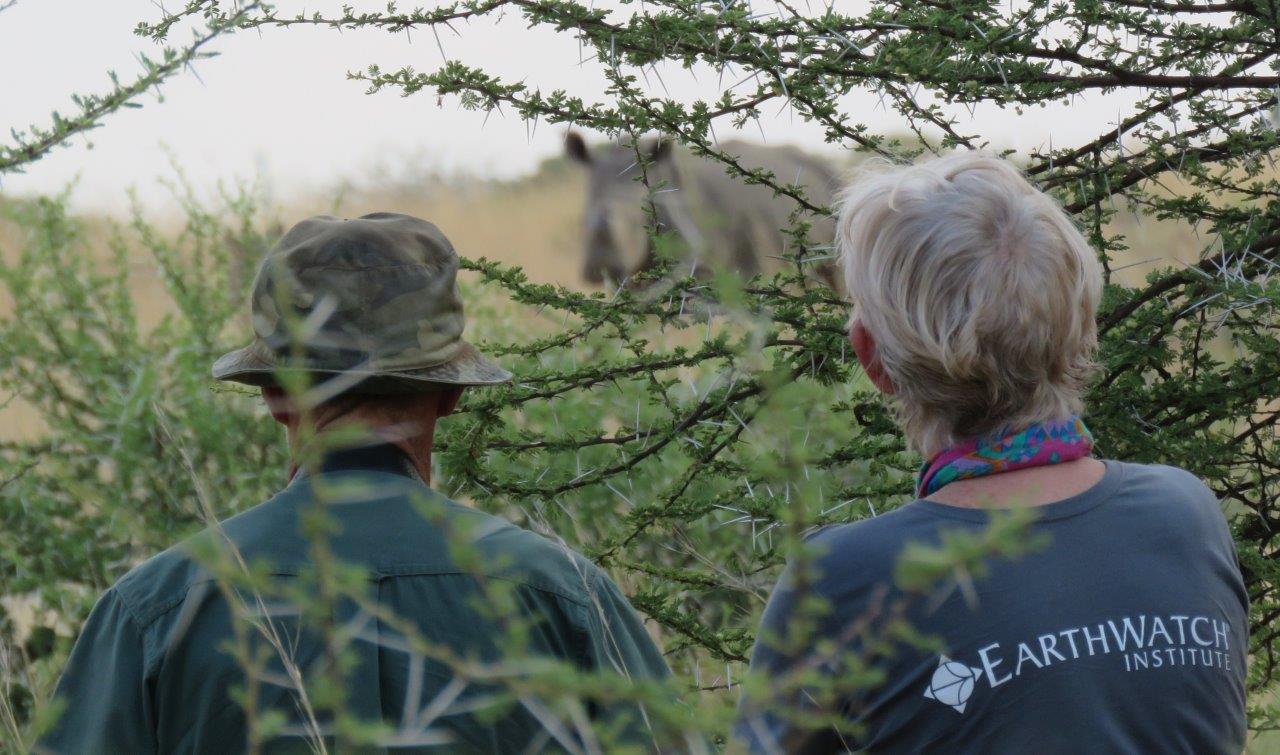
Image Credit:
Mike Forga, Chris Linder, Lynne MacTavish
Getting in touch: BostonVoyager is built on recommendations from the community; it’s how we uncover hidden gems, so if you know someone who deserves recognition please let us know here.