





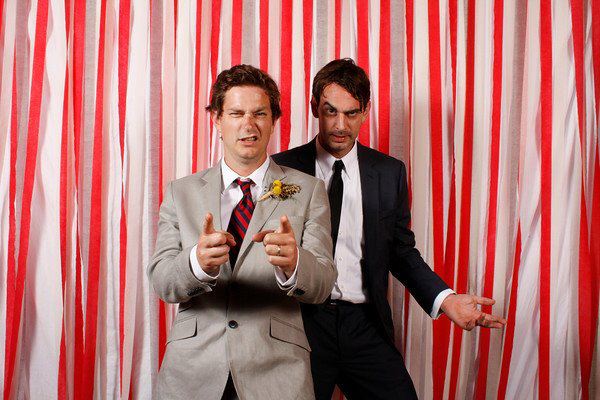
Today we’d like to introduce you to Cameron Keiber.
Cameron, let’s start with your story. We’d love to hear how you got started and how the journey has been so far.
Midriff Records is an independent/boutique record label run by myself and my brother Clayton Keiber, me out of Boston and he out of Brooklyn.
We relaunched the label and took over its operations around 2006 from my ex-bandmate in the Boston band The Beatings, Tony Skalicky, and The Beatings manager, Mike Italiano, who originally started it started it around 1999 or 2000, I believe. Mike and Tony got burned out and wanted to move on to explore other projects. Clayton and I took over. Clayton and I both worked at the label under those guys previous to running it. The label has released around 36 albums by artists in the New York and Boston area. The majority of our roster is made up of Boston talent. Clayton and I also currently play in the Boston band Eldridge Rodriguez together.
Since its inception Midriff has always been a DIY operation. We all learned the process of releasing albums, touring, promotion and manufacturing by doing it. It was all learned on the job. For the majority of the labels, history took the orders, we had assembled the cd’s, we printed the inserts and posters and media, we stuffed and mailed the packages. We contacted the mags and placed ads, we booked the tours, we cold called the radio stations for in-studio appearances and solicited the reviews. We made mistakes and we learned from them and got better at it.
The last couple of years we’ve started to reach out to other outlets to make things more efficient. But early on it was, and largely remains, a DIY operation. Its always been a skeleton crew manning the ship, which makes things sometimes harder on us, sometimes slower to get out the door, but its how we’ve learned every aspect of the industry. Plus in doing it yourself you get a finer appreciation of the process and the details of what’s left of the independent music industry.
Overall, has it been relatively smooth? If not, what were some of the struggles along the way?
There is always a struggle when you are a small indie label without larger support and the distro and other outlets that come with that support. You are introducing people to art and asking them to find value in it, and with art being subjective, that’s tricky, to begin with. I think there is bad art and good art and people’s tastes and the trends are constantly bewildering to me, but you still want the opportunity to introduce people to what you are doing and let them make the call regarding how they feel about it. Early on that was difficult for a group of people like us who always wanted to do things our own way and on our terms.
One of the reason the label was originally started was because we were sending out the first Beatings albums to magazines and blogs for review consideration and being told there was no interest. This was slightly before the music blog and “indie rock” boom of the late ’90s/early 2000’s and editors didn’t want to deal with DIY bands that didn’t have support from their favorite labels. So, a few months later we sent the same albums out under the Midriff Records imprint and suddenly there was interest. People took notice. The first Beatings full length was getting noticed in The Village Voice and Mojo and Magnet and were the #5 album in the Washington Post music editors pick that year. After that, we started releasing albums by our friend’s bands and then bands we didn’t know before and before we knew it we were a working label.
So, doing it yourself can be rough and sometimes discouraging. But these challenges are what force you to learn and figure stuff out. And eventually, you get your system and groove and the boat floats. Now “indie” is a sound instead of a process and bands are called DIY when they have support, so I don’t know. Trends are weird. We know how we do things in a way that makes sense to us.
Alright – so let’s talk business. Tell us about Midriff Records – what should we know?
Midriff Records promotes, releases and supports albums by bands that we like. We tend to like noisier rock or whats commonly thought of as indie rock. We’ve done some really loud albums and some really quiet albums. But if we find it interesting and we think that we can do something with the release we’ll try and work with a band. There have been plenty of albums that are sent to us that I personally love but that as a label we just couldn’t find where we’d fit with regard to helping them find a larger audience.
Usually, when that happens we’ll talk with the band and give them our thoughts and advice and give them as much info and support that we can. We try to get them in a position where they can either release it themselves or get it to a more suitable, sometimes bigger, label. We try to personally address every email that comes in that pertains to releasing someone’s work. Sometimes we get backed up and a band may fall through the cracks, but we really try to be personable and honest with every band that reaches out to us. If we didn’t return your solicitation email, I apologize profusely.
I’m most proud of the fact that Midriff still exists after almost 2 decades in light of the current musical landscape. So many bigger indie labels with many more resources that started around the time we started or after are gone. And that sucks. Some of those labels helped us when we started by giving us advice on how to run an indie label when we reached out because they knew how difficult it was. They explained how to reach magazine editors and ways to distribute albums, etc. And we are forever grateful to those labels who took that time and effort to help us.
Others were competitive assholes who wouldn’t give us the time of day because they thought “Jeez, one more shark in the tank” and I’m happy they no longer exist because they’re insufferable and would have always been insufferable. I like music scenes. Places where the arts lean on each other because each other is all they got… I don’t know, maybe that’s naive. But we are romantics. Generally, we just keep our heads down and keep releasing and supporting great albums by great bands when we can.
Any shoutouts? Who else deserves credit in this story – who has played a meaningful role?
The people who deserve the credit are the wonderfully talented bands and artists who the label was fortunate enough to serve. The bands, the folks who did album art, the producers and engineers and the guys who master the albums. Everyone. They trusted in us to care and nurture their work, which is unfathomably important to them. And that trust is something we don’t take lightly.
We think that when you are fair with artists the bonds that are created last forever. They care about their work, and the label should too. We love every album that we’ve put out as much as the artists who worked on it do. I really love the bands who have worked with us. Not “like”, love.
Contact Info:
- Address: 161 Withers Street Brooklyn, New York 11211
31 Orkney Rd., #25, Brighton, MA 02135 - Website: www.midriffrecords.com
- Email: http://www.midriffrecords.com/contact/
- Facebook: https://www.facebook.com/midriffrecords/
- Twitter: @MidriffRecords
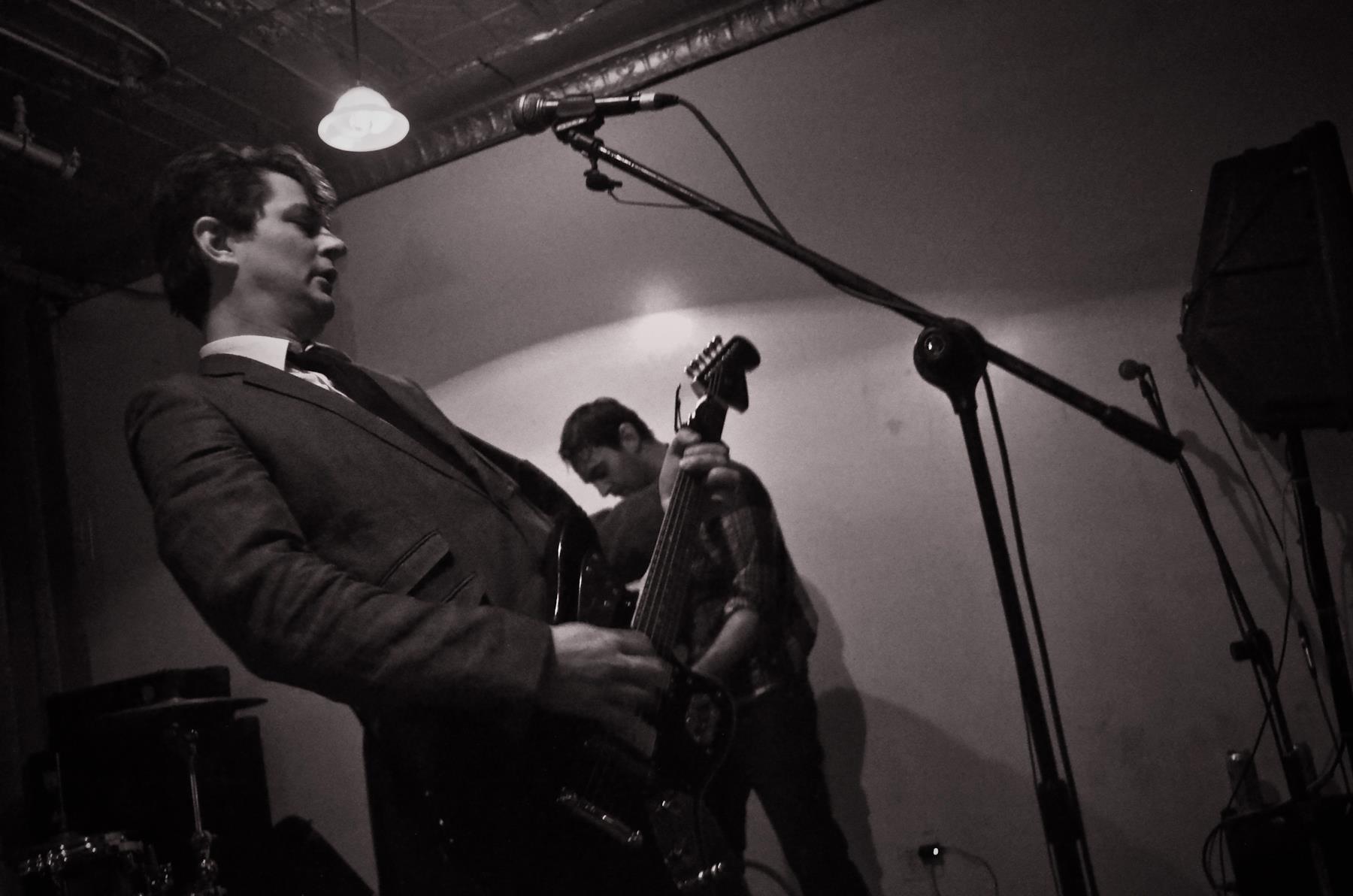

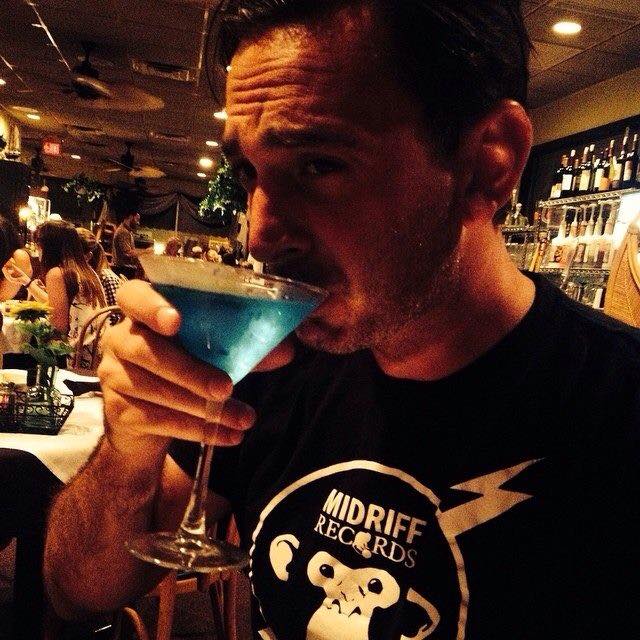

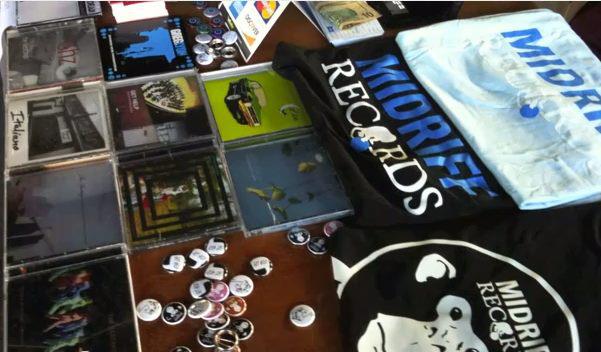


Image Credit:
Jason M Rossi, Michael Italiano, Ryan Scarfuro
Getting in touch: BostonVoyager is built on recommendations from the community; it’s how we uncover hidden gems, so if you know someone who deserves recognition please let us know here.