


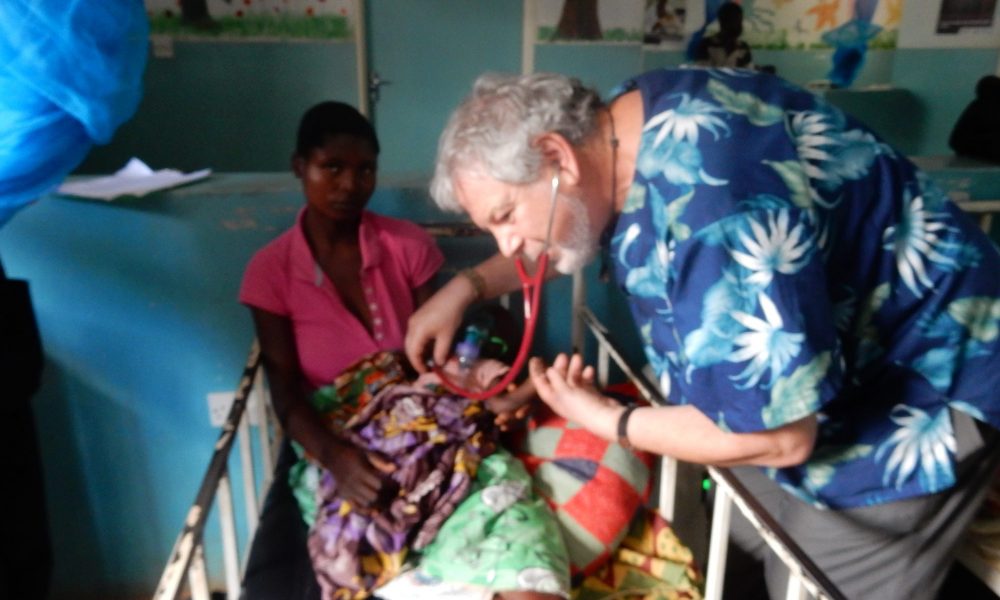
Today we’d like to introduce you to Brian Lisse.
Dr. Lisse, can you briefly walk us through your story – how you started and how you got to where you are today.
For as long as I can remember, I wanted to be a doctor who helped the underserved. There were many influences on me that led in this direction. My grandfather was a country doctor in Ellicott City, MD during the depression. He was paid in chickens, corn, lilacs (when in season), etc., by the poor farmers he cared for. If the farmers couldn’t pay, he provided his services for free. He lived well into his 80’s. I went with him when he made house calls in inner city Baltimore when I was a kid after he had he had moved his practice there. All of his grandchildren grew up wanting to be like him. 6 of his 8 grandchildren became healthcare providers, including 5 doctors. I am also a child of the 60’s, born in 1955. I really believed then, and still do now, that all of humanity is one big family, and that a worthwhile life is on spent trying to promote peace, justice, and an end to poverty and disease. Finally, I am Jewish; I was raised to believe that I should dedicate my life to leaving the world a better place than I found it.
So I went to medical school (Georgetown, class of 1980) and did my internship and residency in primary care internal medicine at UMASS in Worcester (1980-83). I intended to join the Peace Corps, but the woman I fell in love didn’t want to leave the US, so instead of going to the Developing World, I worked in places where the poor (native born and immigrant) came to me. I began moonlighting as an emergency department doctor while I was at UMASS; ultimately, this became my profession. After 9 years working in the SF Bay area, I moved back to Massachusetts in 1992 and joined the Tufts medical school faculty. I worked at St. Elizabeth’s, Holy Family, and now Nashoba Valley Medical Center in the ED. Soon after I moved in 1992, I had a chance to help start a community health center in Danielson, CT, which is now called “Generations Family Health Center.” This happened because there was an organization (WACAP) wishing to start a clinic in a homeless shelter in Danielson. They need a doctor and couldn’t find one. I volunteered and what began as me seeing people in the attic of the homeless shelter once a week in 1992 ultimately evolved into a part time job as a primary care internist in a full-fledged community health center. In its early stages, the clinic consisted of me and a VISTA volunteer. I helped her learn how to set up the clinic from scratch because I had extensive experience working in a community health center in Oakland, called la Clinica De La Raza. The commute from my home in Bolton to Danielson was about 50 miles; it was about 80 from Brighton. It was a wonderful experience, but by 1996 they needed a full time primary care doctor and I was in the process of starting a free clinic in Boston with about 10 Tufts medical students, and couldn’t change jobs.
This free clinic, the Sharewood Project, is over 20 years old now and has seen thousands of patients. I still work there when I can, teaching medical students while providing free medical care to anyone who needs it. It provides a wonderful opportunity for 1st and 2nd year medical students to learn how to practice medicine with a richer clinical experience than most US medial students that early in their training would otherwise get. Moreover, it gives me and the other attending physicians a chance to inculcate these soon-to-be doctors with the belief that practicing medicine in a free are setting is extraordinarily rewarding. The students actually run the clinic–all aspects, so I hope this experience also gives them the ability to start their own free clinic sometime later in their career in a different part of the country.
Sometime in the late 1990’s, I also was instrumental in starting the Tufts Community Service Learning Course, which also exists to this day. It is designed to encourage future doctors to better understand their role in the community and that the practice of medicine is not just about a white coat and a stethoscope, but should also involve advocacy to change the society we live in for the better. Poverty and lack of access to health care are tremendous contributors to poor health. Doctors can and should be involved in recognizing these problems and doing their best to ameliorate them.
In 2002, a colleague working with me at Sharewood asked me if I was interested in establishing a Tufts 4th year medical experience in Nicaragua, working with an NGO called Bridges to Community, which had been doing development work in that country for several years without a healthcare component. With the experience I already had from Generations and Sharewood and my longstanding desire to practice medicine in a “Third World” country, I jumped at the chance. The first year (2003) 4 doctors went with 2 medical students. The next year I added a high school contest, figuring that someday I would want to take my own children on such a trip, so why no start with someone else’s while I was waiting for mine to grow up? We took the winner at our own expense that year. Over the next 9 years, we expanded the trip to make it as multidisciplinary as possible, including students and faculty from the Tufts Schools of Public Health, Dentistry, Veterinary Medicine, Engineering, and Diplomacy, in addition to students from the medical school. We also began taking high school students who participated in the annual contest but didn’t win (in addition to taking the winner). The result was an extraordinarily rich experience for all of us. The high school kids got to experience 2 entirely different cultures (Nicaragua and “MASH”) as they lived and worked together with us. We all learned to think in a variety of new ways as we interacted and worked with members of the team from other disciplines as well as the Bridges to Community staff. My favorite story was the day when I was standing on a bluff next to an engineering student, Jim Limbrunner. There was a farm behind us and the farmer was explaining how his wife and daughters spent much of their day going up and down a very steep path with 40 gallon buckets of water on their shoulders to help nourish their crops. In the same moment I said, “I’ll bet they’re very sore at the end of the day,” and Jim said, “Waterwheel.” Each of us was seeing the problem from our own professional viewpoint. I learned a lot about international development; the good, bad, and ugly (I saw Bridges building composting latrines with community input and sweat equity, a very effective project. I was also shown an ambulance donated by the European Union without any provision for gasoline; not a great idea). I also learned much about the running of an NGO, and fundraising, among other things, as a result of these trips and this experience.
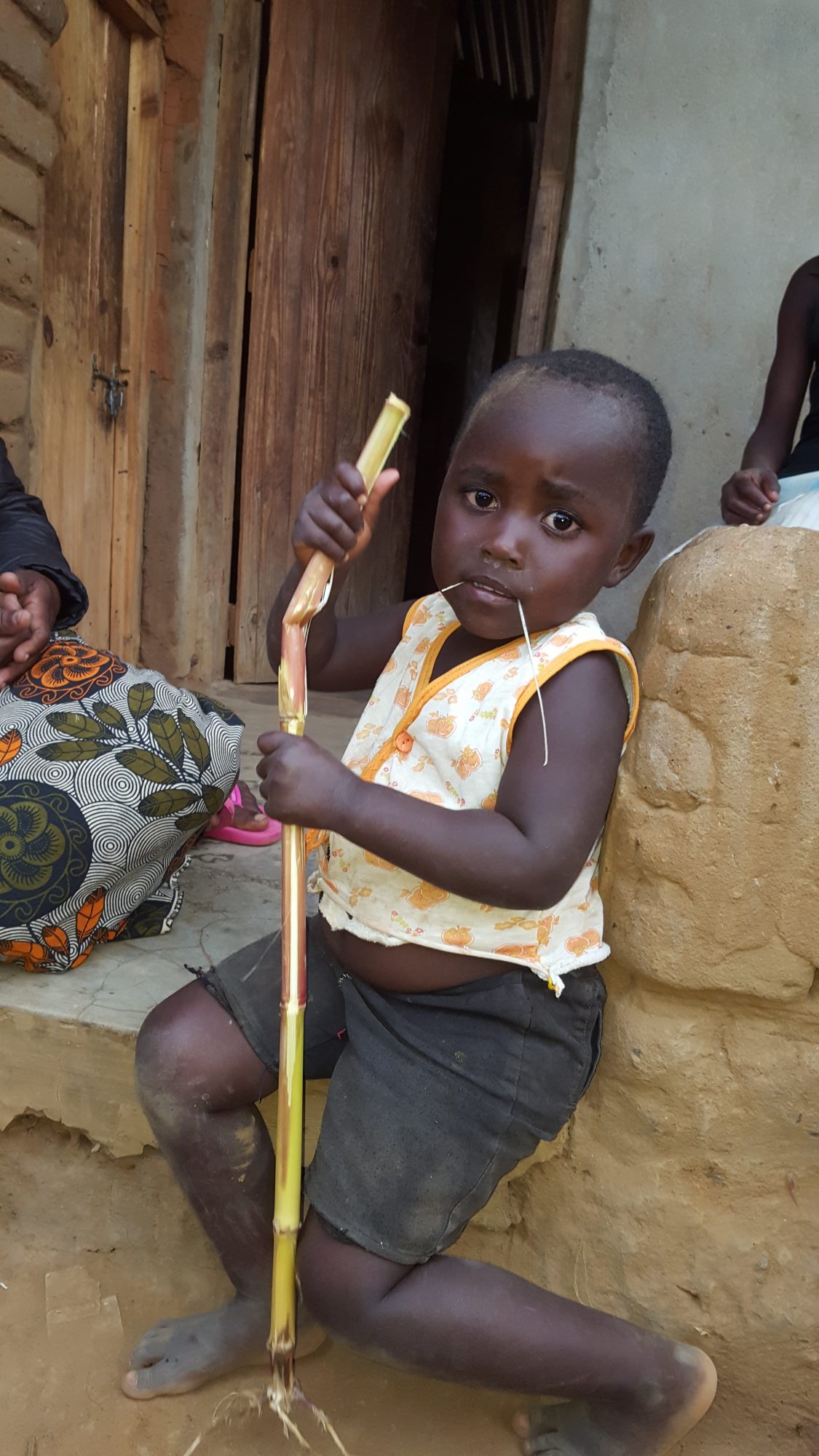
This Tufts Nicaragua experience partnered with Bridges to Community also still continues, but for a variety of reasons, I decided to move on to a different country. I asked my colleagues and former medical students for contacts in a suitable country, and someone mentioned Malawi. I went there, visited several different places, and hit it off with Peter Minjale, Chief Clinical Medical Officer at St. Andrews Hospital in Mthunthama, Malawi. I started with the same medical mission trip model that had worked so well in Nicaragua, except that we ran rural health post clinics in Central America and worked mostly in the hospital in Malawi as a starting point. We continued the high school contest model and have had an occasional medical student and nursing student go as well. It quickly became obvious, however, that simply helping the healthcare providers (who are awesome, but overworked and under resourced) with our skills and medical supplies and medications wasn’t enough. We saw young children routinely dying of malaria, a totally preventable disease. We were shocked to see that St. Andrews Hospital had a Malnutrition Ward, specifically for the treatment of Kwashiorkor (protein malnutrition and Marasmus (carbohydrate malnutrition) in little kids. We never saw this level of malnutrition of disease in Nicaragua. So, we decided to establish our own NGO, Bridges to Malawi, in part for the purpose of trying to prevent malaria. We asked Peter Minjale and his colleagues how best to do this, and were advised to use IRS (their acronym, not mine…BUT there really is a good IRS!) This stands for Indoor Residual Spraying, which involves application of a long-acting insecticide to the inside walls of dwellings twice a year at a cost of between $ 2.66 -1.99 per person per year. This insecticide kills the mosquito that transmits malaria when it lands on the wall. If the mosquito dies, the disease can’t be spread to any other human being. We began protecting a single village of 1800 people and have expanded our operations to protect about 45,000 currently. When we went to the first village, 6 months after we started IRS, the chief told us, “there are no mosquitoes in our village, and our pregnant women and young children are not getting sick and dying from malaria. Not only that, but all of the rest of us feel better; we can spend more time in the fields, so our farms are more productive.”
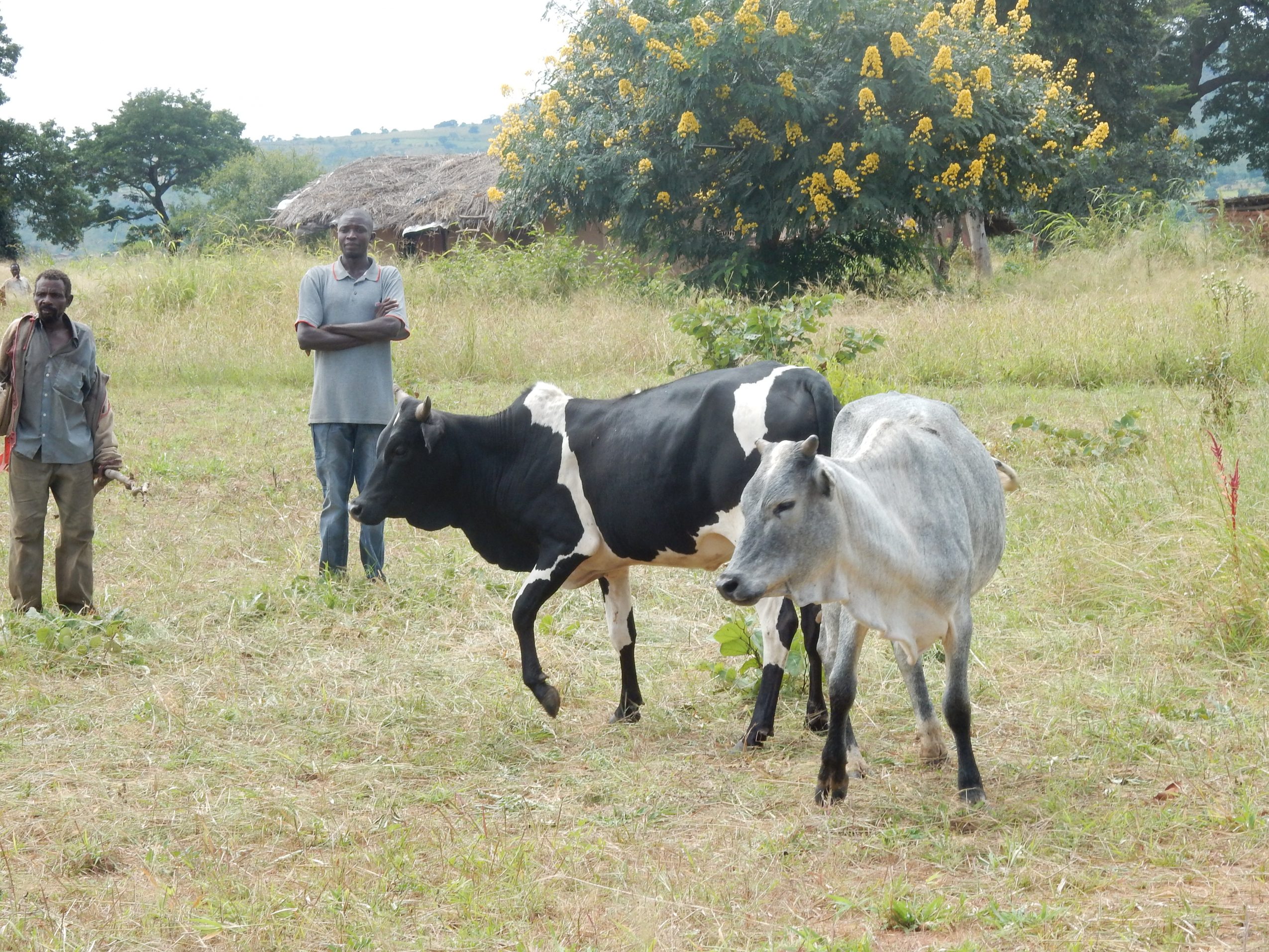
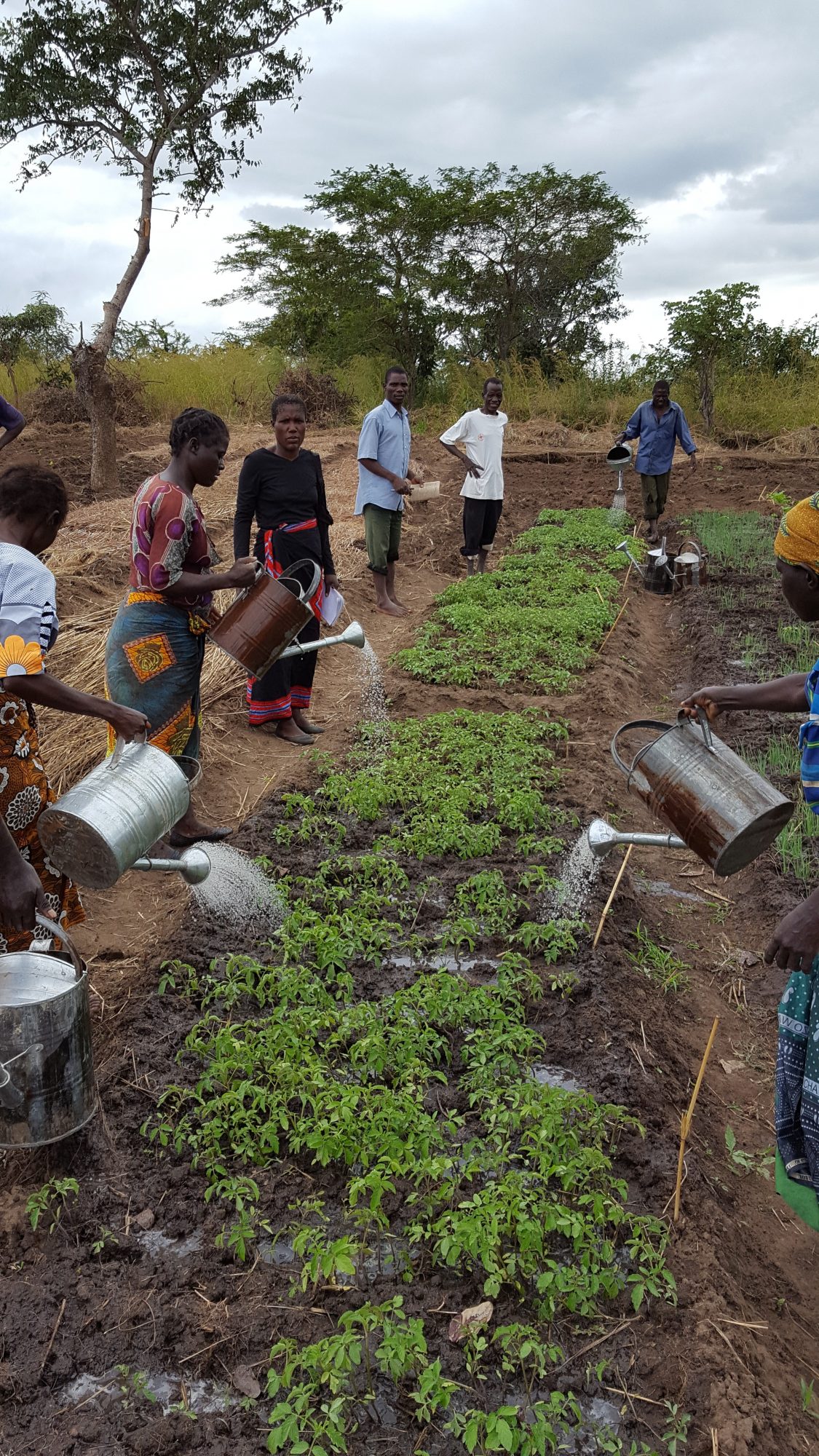
From this point, based on all my prior experiences, and with input from “The Boy Who Harnessed the Wind,” by William Kamkwamba (now a member of our board) and “40 Chances” by Howard Buffet, it became obvious that the best way for Bridges to Malawi to become effective was to work in close partnership with Peter Minjale’s NGO, K2TASO, to try to break the cycle of poverty and disease so prevalent in Malawi, one of the poorest countries in the world where 80% of the population are subsistence farmers. We are dedicated to doing this in any way we can, from establishing a micro-credit bank (Kiva doesn’t work in our area), giving away goats, cows, and, now, chickens with the first born passed on to another poor farmer (Heifer doesn’t work in our area), solar powering schools and donating laptops filled with such things as Khan Academy and Microsoft Office (only 2 of 414 students attending the 4 secondary schools we donated laptops to had ever seen a computer), to building a grain storage facility as protection against future drought induced famine (a recurrent problem in Malawi), to promoting conservation agriculture practices and the raising of crops higher in protein and nutrition (soy rather than corn), providing foot powered irrigation pumps, hand drilling wells, and so on. Since Malawi is a former British colony and Peter and his colleagues speak English and communicate regularly with us via text, e-mail, Skype, and cellphone, it is easy for us to work closely together. So I’ve become the President of a 24/7 nonprofit, trying to change the world of the poor people of the Kasungu East District in Malawi.
Overall, has it been relatively smooth? If not, what were some of the struggles along the way?
It has been an amazingly smooth road. Just like the line from the movie “Gandhi,” … when “you are fighting in a just cause, people seem to pop up … right out of the pavement.” Most of our project have worked extraordinarily well. Our K2TASO partners are great to work with. We have many wonderful volunteers, some of whom were recruited by their children returning from one of our medical mission trips. We also have many generous donors. Having said that, the biggest limit to our projects is money. We have grown to an annual budget of about $85,000. About 50% of this money is contributed by my wife and me. I can’t imagine ever retiring because I fear there won’t be enough money to keep things going. Fortunately, I’m only 62 years old so I imagine I can keep working as an ED doctor for at least another 10 years.
Please tell us about Bridges to Malawi.
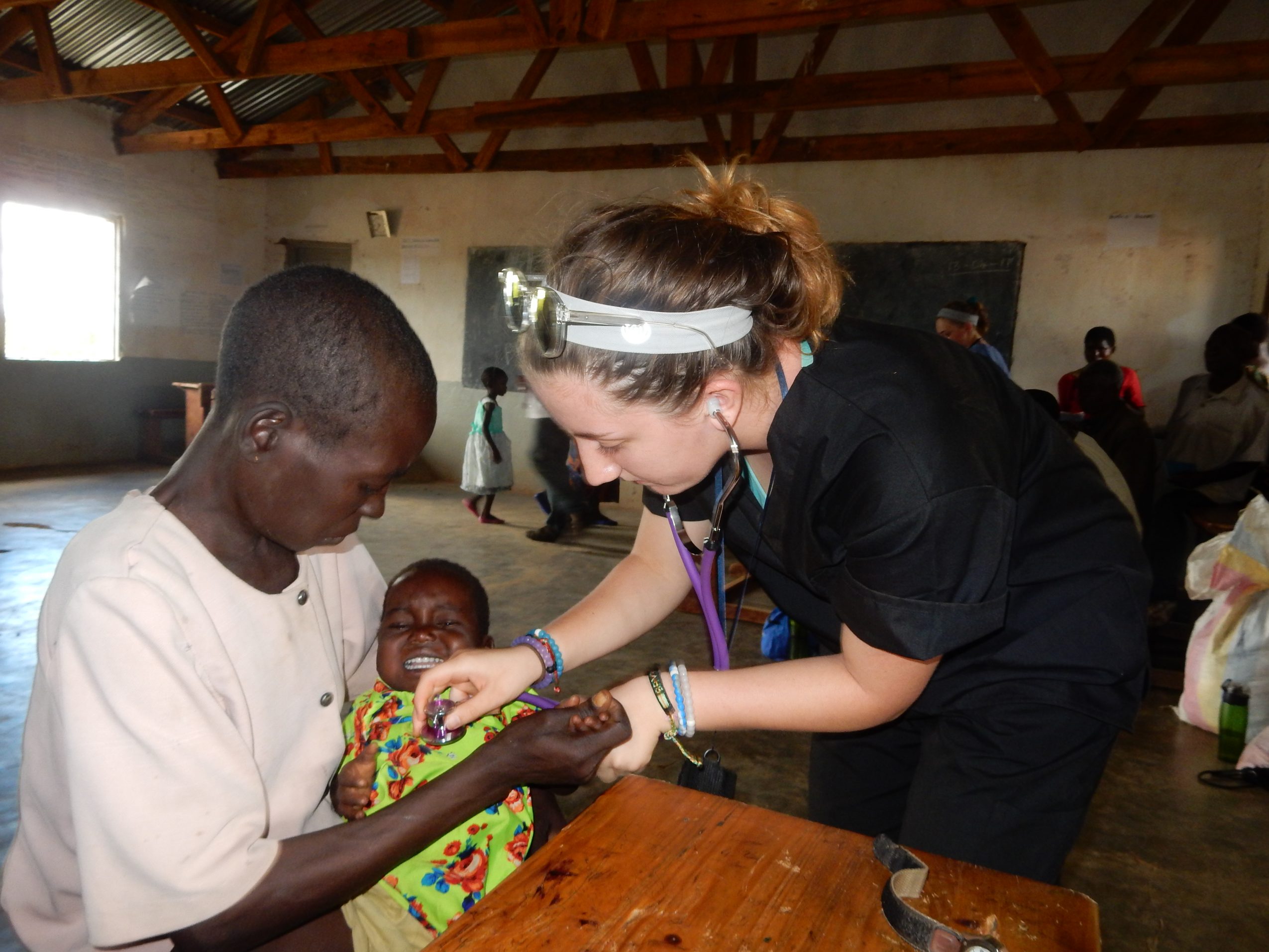
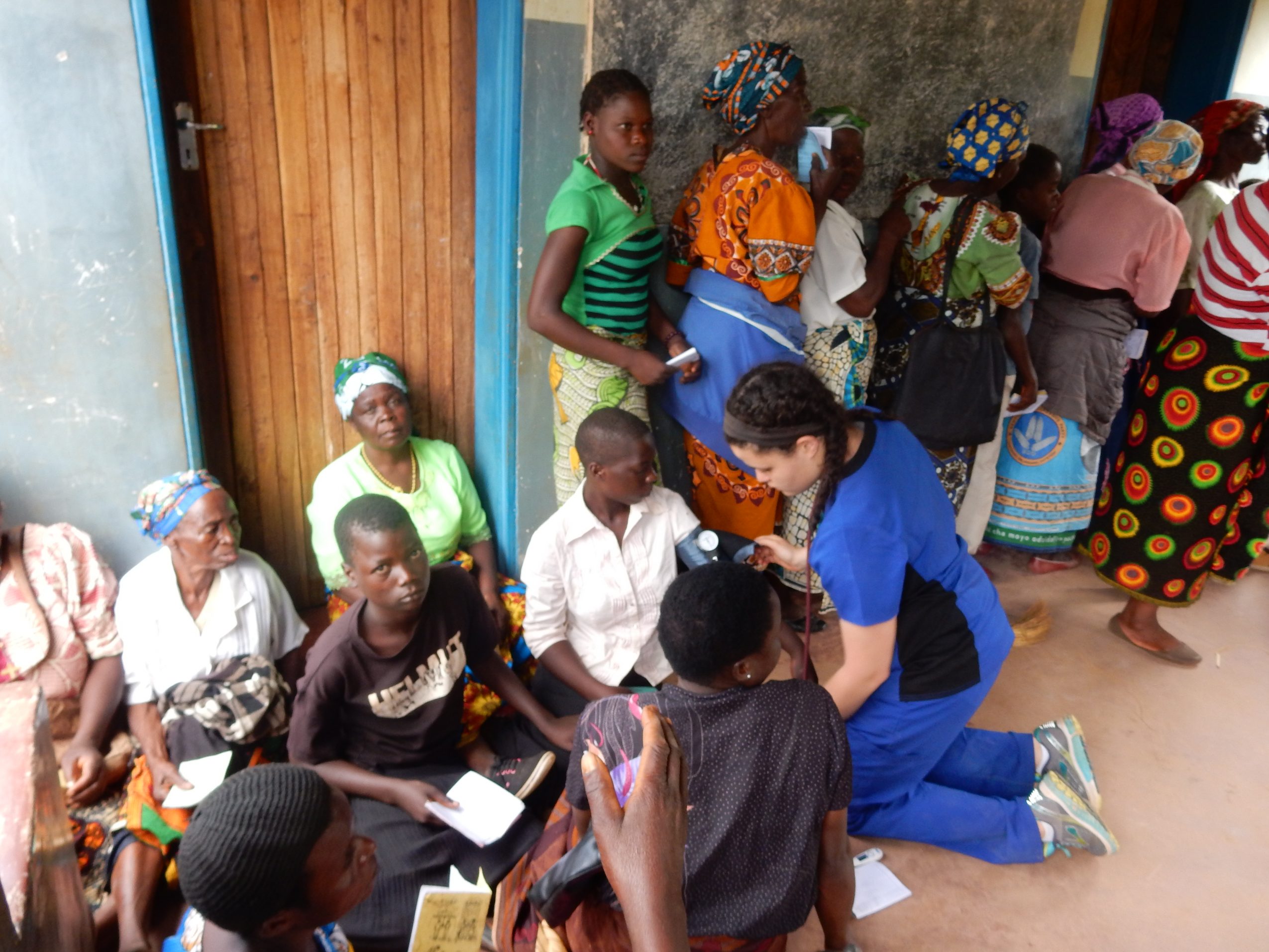
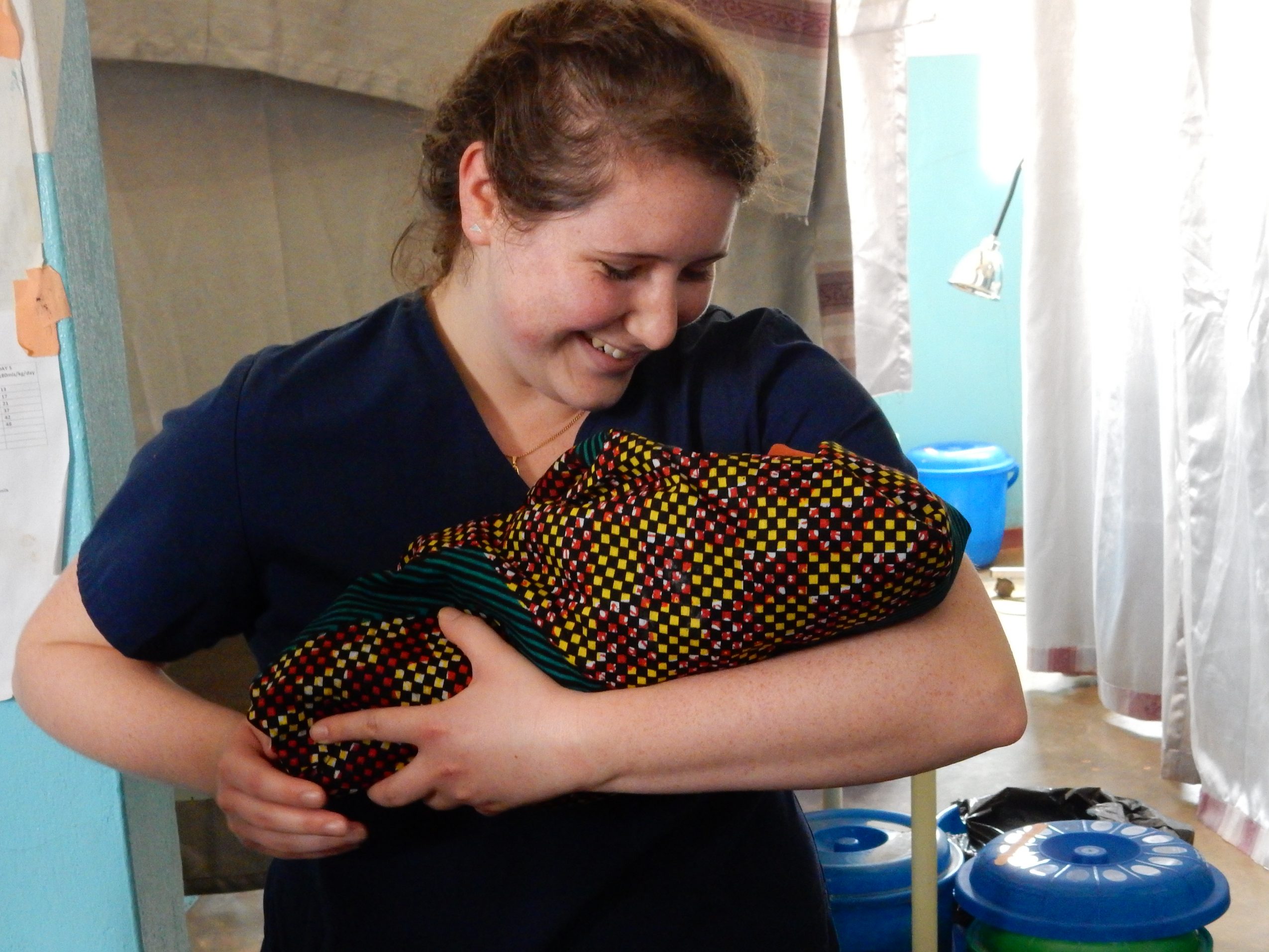
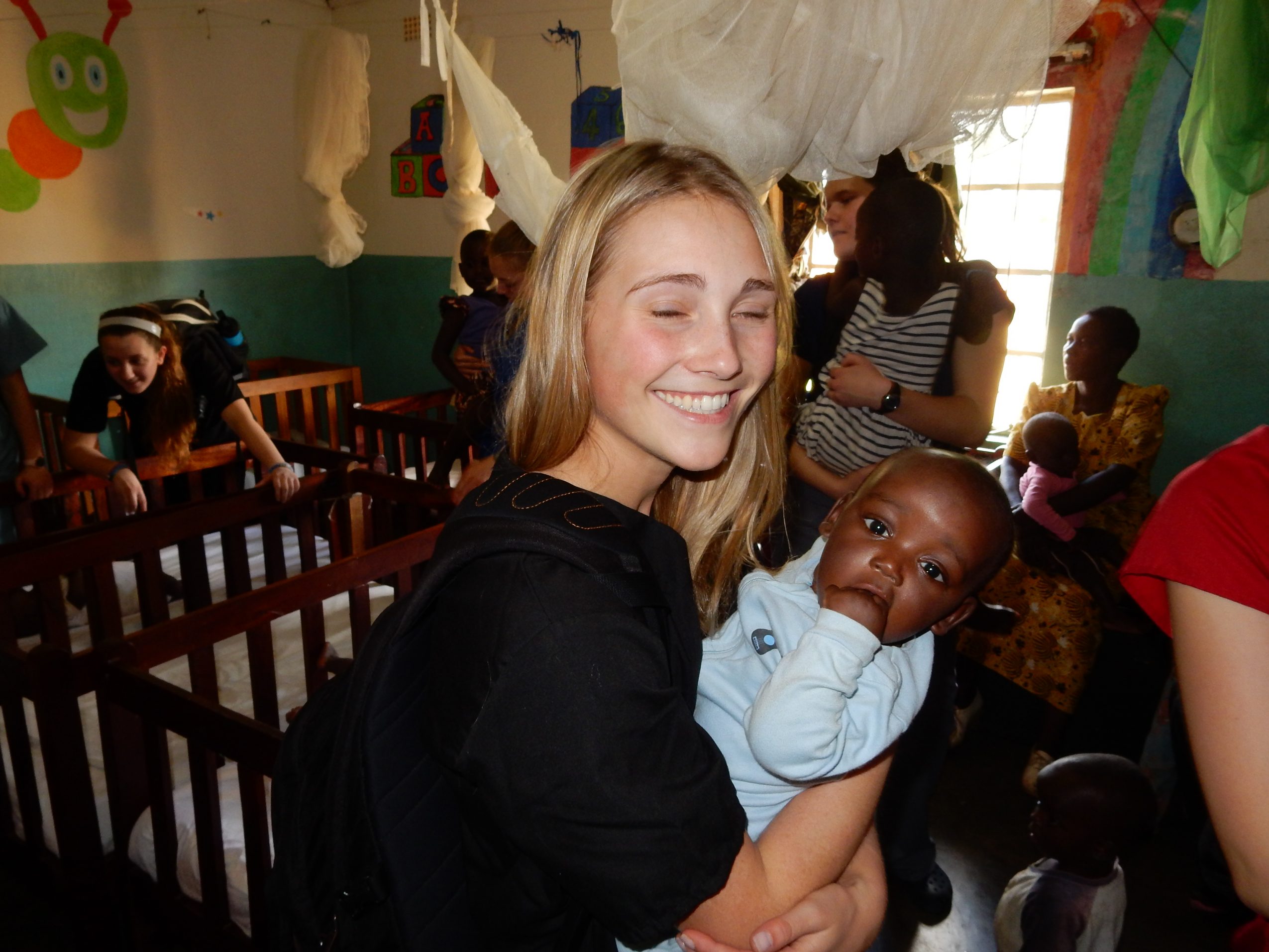
Bridges to Malawi is a nonprofit dedicated to improving the lives of some of the poorest people in the world, the inhabitants of the Kasungu East District of Malawi, one of the poorest countries in the world where 80% of the population are subsistence farmers. We run an annual medial mission trip which lasts 2 weeks. During this trip, we work closely with our Malawian healthcare colleagues in 4 different settings: St. Andrews Hospital (rural), Kasungu District Hospital (urban), home visits, and rural outreach/health post clinics. We also visit the various sites of our development work, while the non-medical part of our team spend an entire day in a single secondary school teaching students, faculty, chiefs, and family how best to use the donated laptops. We also are conducting a variety of development projects.
I hope we are not unique because I would like everyone to believe that he/she is capable of doing something to make the world a better place. It doesn’t take a lot of money; it takes the belief that the difference you make, even if it helps one individual in need, is well worth it.
If you had to go back in time and start over, would you have done anything differently?
Nothing!
Pricing:
- $23 a goat, $450 a cow, $2.50 a person to prevent malaria, $ 80 per plow, $15 for 15 chickens,
- $1000 to solar power a secondary school
Contact Info:
- Address: Bridges to Malawi, 7 Curley Drive, Hudson, MA 01749
- Website: bridgestomalawi.org
- Phone: 508 361 6069
- Email: lisse@massmed.org
- Facebook: Bridges to Malawi
Getting in touch: BostonVoyager is built on recommendations from the community; it’s how we uncover hidden gems, so if you know someone who deserves recognition please let us know here.