


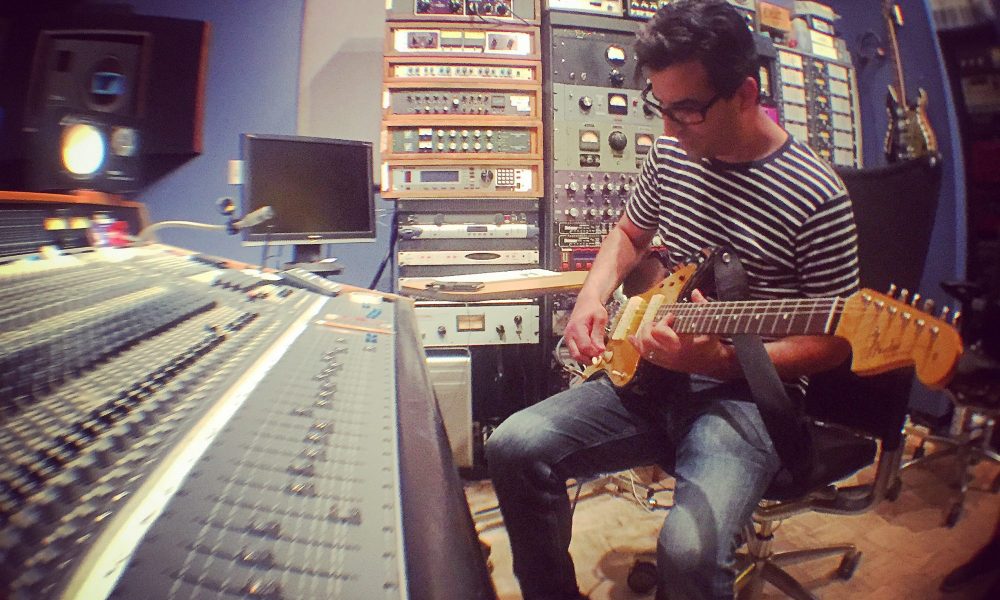
Today we’d like to introduce you to Brian Charles.
So, before we jump into specific questions about the business, why don’t you give us some details about you and your story.
I started playing guitar when I was in the 5th or 6th grade. I had a family friend that taught me how to form some chords and also a babysitter that taught me how to read chord boxes in the sheet music books. I really took to it…I remember basically ruining our family’s records from dropping the needle back and forth to learn how to play certain sections of any particular song. After about a year of playing, I could get around pretty good and my twin brother then decided that he wanted to learn guitar as well. He got good so fast! We played together throughout our entire childhood and into our adult lives as well. We still get together for a jam every now and then.
In High school, I became interested in recording and would spend many hours experimenting with multiple recording decks. I would play a part on one machine, and then play that back while I played another part (sound on sound recording). It wasn’t long until I had saved up some money from mowing lawns and bought a 4-track cassette recorder. This launched me into writing songs and recording with my brother and our musical pals. We didn’t have many mics, so we’d often use headphones as microphones (like put them inside of the bass drum when recording drums. I also used to take apart telephones and wire them up to be used as mics. It was all out of necessity at the time, but looking back I realize how creative I had to be, and appreciate those challenges. In the mid-80s my brother and I, along with my high school band mates all moved from CT. To Boston for college. We rehearsed hard, played gigs, and one day…we went to a recording studio in Boston (Newbury Sound) to record some of our songs. I had been in a studio once before (in HS), and was enamored by it, but I didn’t want to speak out of place or, disturb the engineers. This time was different. Our engineer was very approachable and friendly. He loved to talk about music and technical stuff too. I ended up basically interning for him…operating the tape machine, wrapping up cables, setting up mics…whatever I could do to be helpful. One day he called me and said that he was too sick to do a session and asked if I could handle it on my own. I said “sure, no problem”…but I was terrified on the inside. I actually pulled it off and that was the beginning of my freelance career. I recorded all over town, and even out of town sometimes. I learned from seasoned producers when I could, but also tried to drum up projects of my own. I was also playing in a band called “Sidewalk Gallery”, and we ended up going to Zippah to do some demos around 1992. Being an engineer, I was able to take advantage of the “engineer’s rate”, which was ridiculously low, and I was able to get some nice sounding recordings because of some select pieces of gear that they owned and the high ceilings. In its infancy, Zippah was a big open garage with only a small room to act as the control room, tucked away in the corner…the console was a pretty small, but functional desk, and the monitoring was clear enough for me to get the job done at a really affordable price. I began to bring projects into Zippah (still as a freelance engineer), and began making enough money to pay rent, go out for a beer…pay the cover at the Rat…not a bad life for a single guy in his 20’s. Not too long after my booking frenzy the owners approached me and they asked if I would like to become a part owner of the studio. I didn’t really know what that entailed at the time, but I eagerly said yes. The three of us agreed to all pitch in some money to build some walls, buy a Neve console, a Neumann U47 microphone and later, a Studer tape machine, to make the place the very best we could with our resources. Pete and I began to make records together and before we knew it, we were busy in the newly renovated space and were working with bands from all over (NY, down south, even Scandinavia)…it was a blast that continued on for a little more than a decade until Pete decided to move to Vermont and build his new dream studio (Verdant). It was at that time (around 2003) that I found myself soul owner and operator – which is still the case now.
Overall, has it been relatively smooth? If not, what were some of the struggles along the way?
In the early 2000s digital recording technology made it possible for anyone with a laptop to basically record their own music. This was a profound transition for the entire industry. Sometimes a band would come in and record drums in the studio with me and take the tracks home to finish up their record there. I guess a lot of bands got this out of their systems and realized that making a great record requires more than just having convenient access to the technology. Great performances, song structure and consistent artistic aesthetics are mostly what’s necessary. Another struggle was adapting to a music industry that was no longer based around record sales. So many of my clients have been record labels over the years, and sadly, most of them are no longer in business. It used to be that relationships with a few labels could keep us busy recording artists all year long. These days I’m dealing with the artists directly. They are choosing to spend their own money to make a quality record without the concern of selling it. It’s become about making art, and that’s the cool part I guess.
Zippah Recording Studios – what should we know? What do you guys do best? What sets you apart from the competition?
Zippah is all about helping people make great music. We don’t do voiceover work, or commercials…we work with singers, songwriters and bands. We foster co-writing sessions, and also give workshops to teach the art of recording music. We also have an incredible collection of not only recording gear, but instruments too. Amazing vintage guitars, keyboards and drums are available and included in the cost of studio time. I’m especially proud of how easy it is to be inspired when working in these surroundings.
What is “success” or “successful” for you?
For me, success is about doing what I absolutely love to do…for a living. I spring out of bed in the morning to get to the studio…it’s an awesome playground to me. I’m always working hard to help someone achieve their musical goals, and luckily, I have a high rate of success. Next year marks the 30th anniversary of this studio, and I attribute reaching that milestone to the passion that lives here. From the staff to the artists in this music scene…that’s so necessary.
Pricing:
- $600 per 8hr. Day including engineer
- $300 per. 4 hour block (including engineer)
Contact Info:
- Website: www.zippah.com
- Phone: 6177396700
- Email: info@zippah.com
- Instagram: https://instagram.com/briancharles
- Facebook: http://facebook.com/zippahrecording
- Twitter: http://twitter.com/zippahrecording
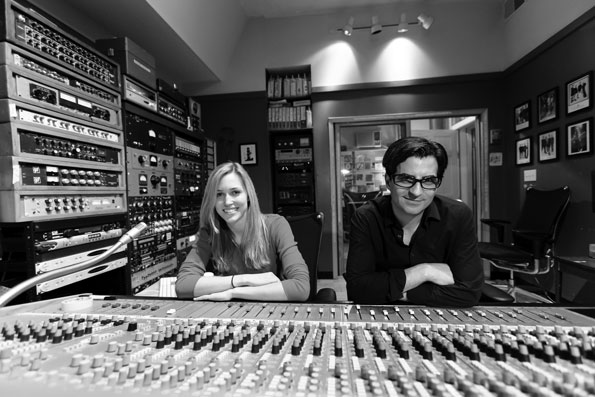
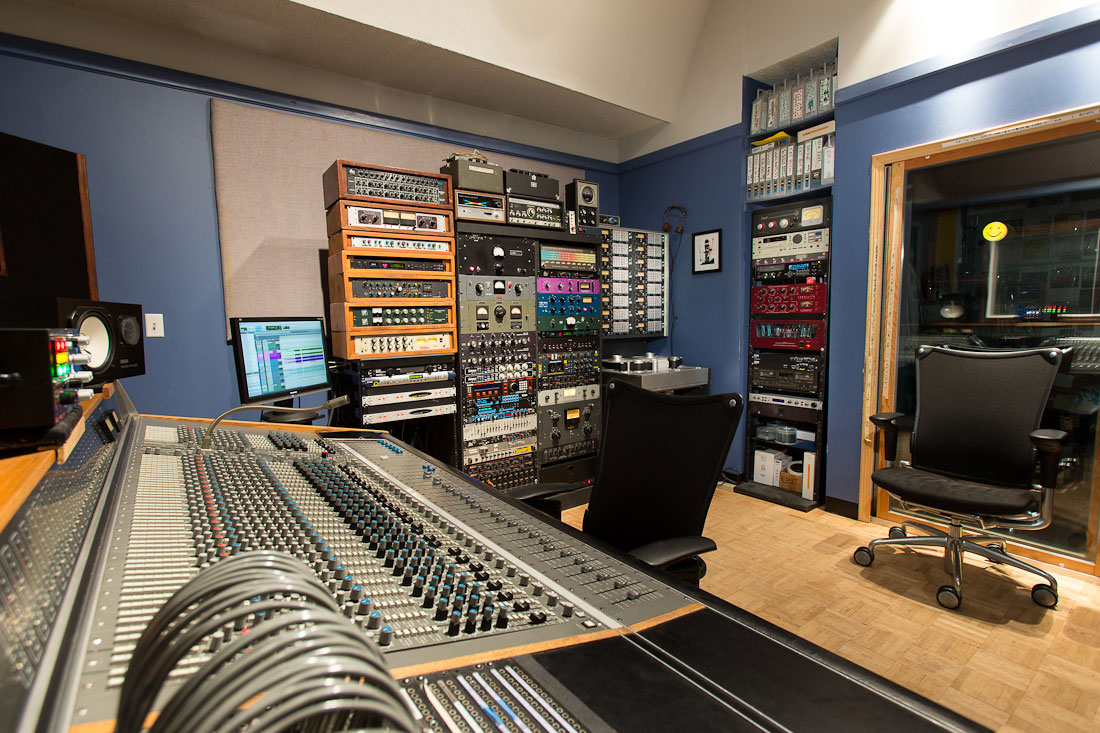
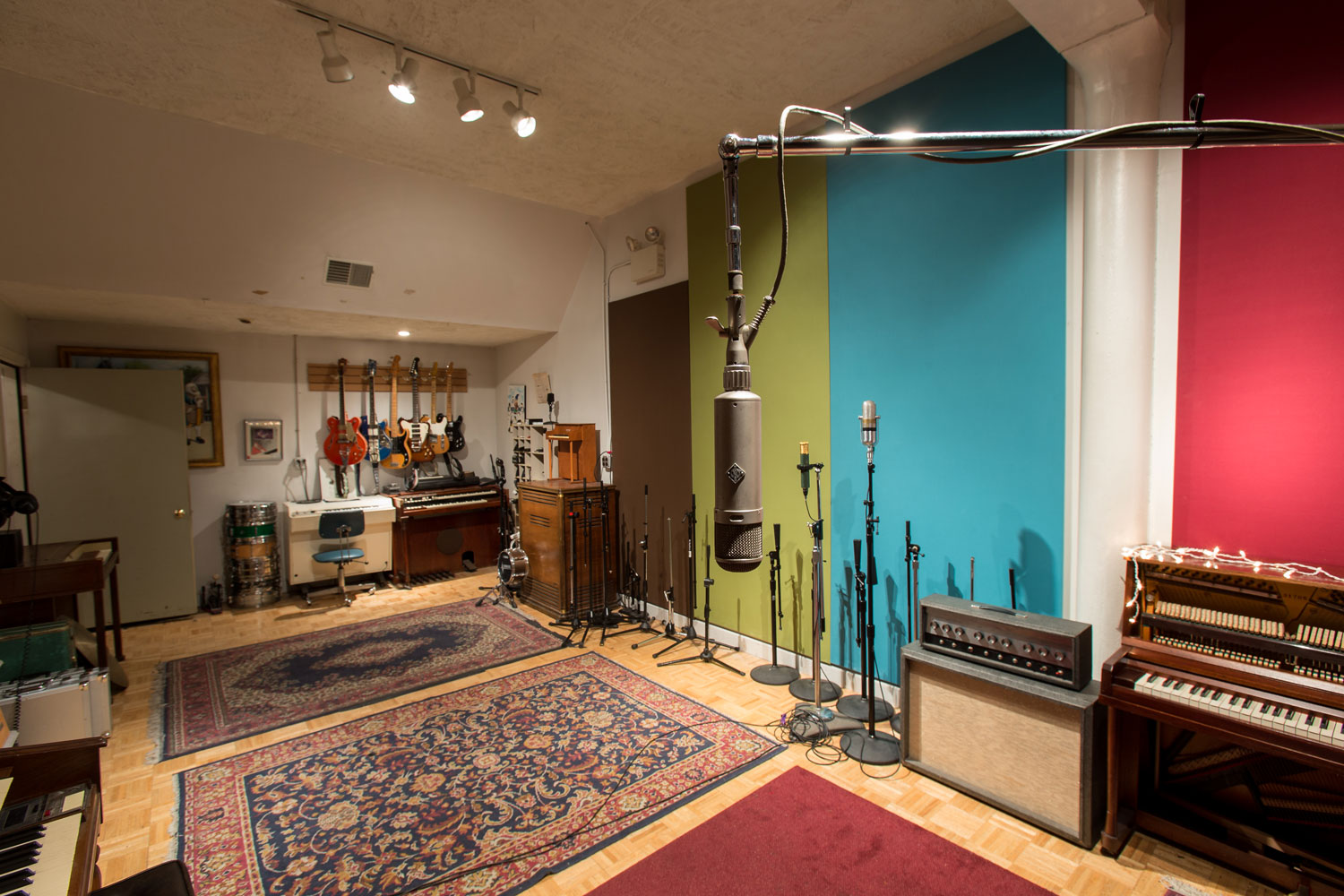
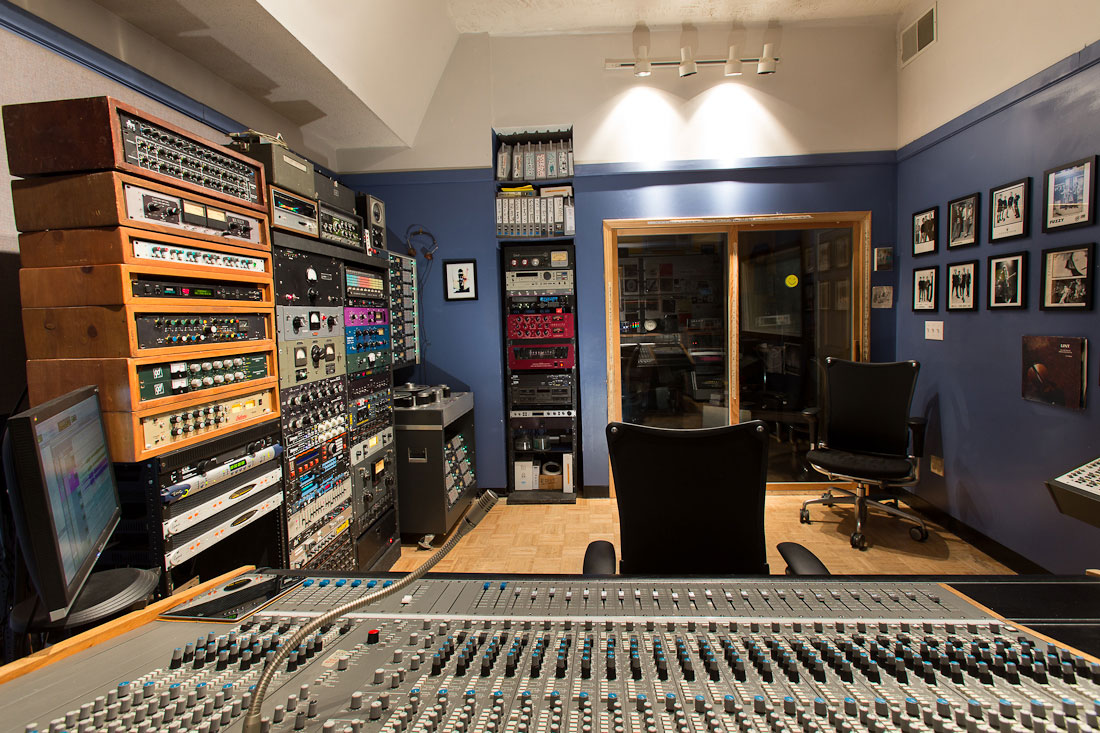
Image Credit:
Michael J. Charles
Getting in touch: BostonVoyager is built on recommendations from the community; it’s how we uncover hidden gems, so if you know someone who deserves recognition please let us know here.