


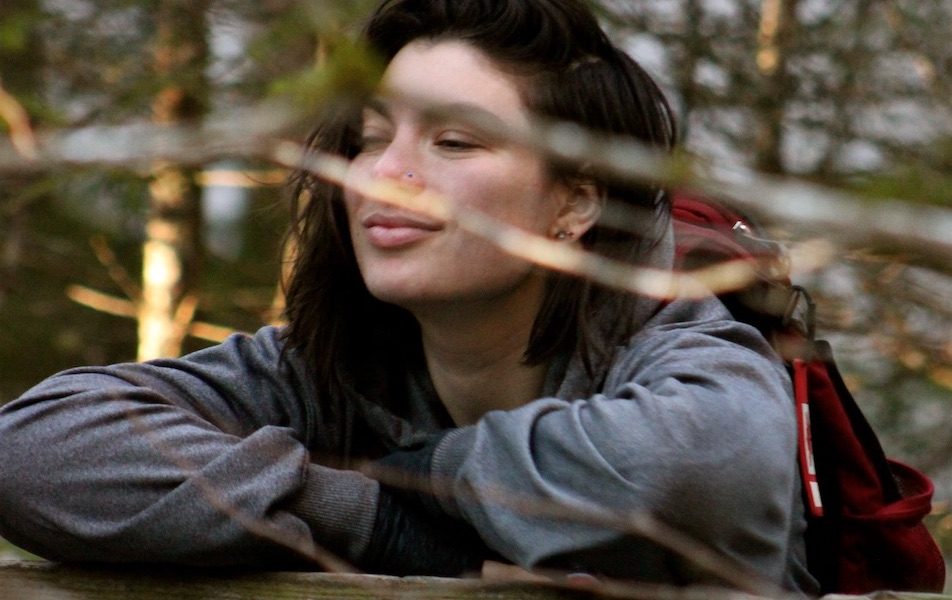
Today we’d like to introduce you to Ami Pienknagura.
Ami, let’s start with your story. We’d love to hear how you got started and how the journey has been so far.
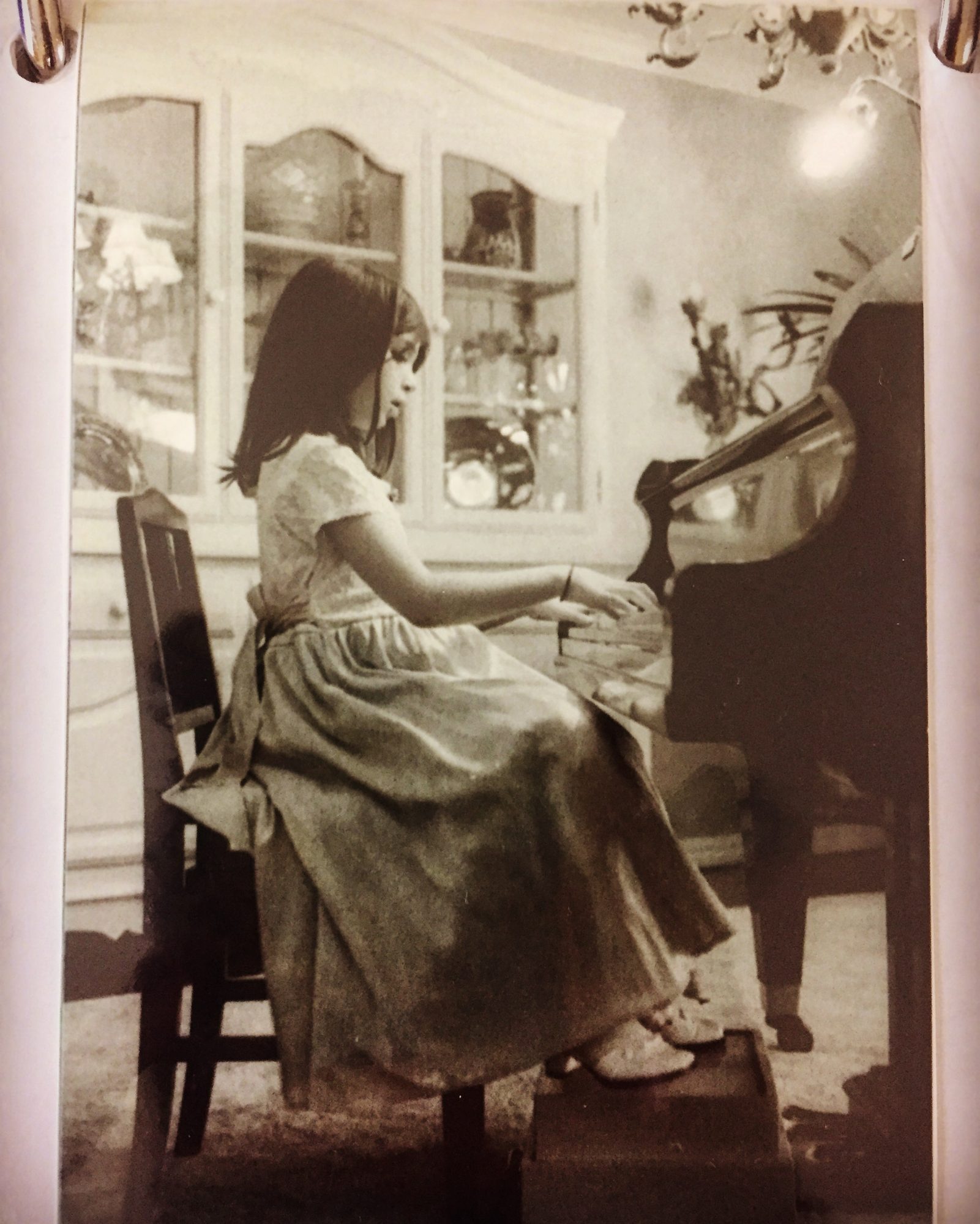
I have been immersed in music for as long as I can remember. My mom is a music teacher. She taught music lessons to preschoolers in our living room, so our home was always filled with the sounds of laughing kids and happy guitar music. At around age six, I began taking piano lessons. The piano was perfectly situated between my bedroom and the kitchen, so the gravitational force I felt between the piano and me often interrupted my daily life. When my mom’s lessons weren’t supplying the house with a soundtrack, my playing did.
In the rare moments when a lack of lessons and piano caused silence, my mother would quickly remedy that by singing. Any song would do; she toggled between pop songs, operatic arias, children’s music, and absolute nonsense, improvising about her day as she went. My mom is a songwriter, so anything she sang rang with this innate confidence, that anything she came up with was just as valid as a song you’d hear on the radio. This conviction was infectious, and her happy encouragement led me to see my self confidently as a songwriter from a very young age.
My songwriting career began at about four years old. There are little recordings of me at that age making up songs about everything. The topics ranged from how much I hated my sister, to my toothbrush, to how I wanted to be friends with a princess. Normal kid stuff. With encouragement from my parents and the example of seeing my mom constantly perform around the house, my songwriting went from a fun, shared an activity with my mom, to a daily practice.
Whenever I felt something, I would sing about it, nearly as often as I would talk about it; perhaps even more. This has been the case ever since. I feel the most comfortable singing through my thoughts and feelings and I turn to music nearly any time I have a trouble or trauma to process. It is so normal to sing in my household meant I got a ton of practice over the years, though I didn’t call it to practice at the time. I sang from the heart and copied my favorite vocalists.
On the piano, I deviated from the classical music of my lessons and began composing songs in my own style. I combined the two skills and started a personal collection of original music. Developing this repertoire gave me a foundation that changed the way I saw myself. While I always saw myself as a singer and songwriter, I finally had the repertoire to bring those skills out into the world.
I didn’t want to go to music school. Around my hometown, I was known as the singer/songwriter. I was enthusiastically involved with my high school’s choir, where I learned how to harmonize. I participated in musical theater, coffee shop open mics, living room concerts, and everyone who knew me heard me sing under my breath at some point. When it came time to apply for college, many people encouraged me to apply for a music college, but the simple fact that such a tide of people wanted something specific for me ignited my rebellious streak, and I decided to go to a normal university and figure out what my ‘real’ passion was.
Since my entryway into music occurred at such a young age, making music has always felt like second nature to me. In a lot of ways it hasn’t always felt like a choice, but something natural and intrinsic. Around the time I was applying to colleges, I wanted to study and pursue something that I earned through hard work and earnest intention. I had an old idea back then that success meant misery and unpleasant work, so I resisted the temptation to study music and ended up at Northeastern University.
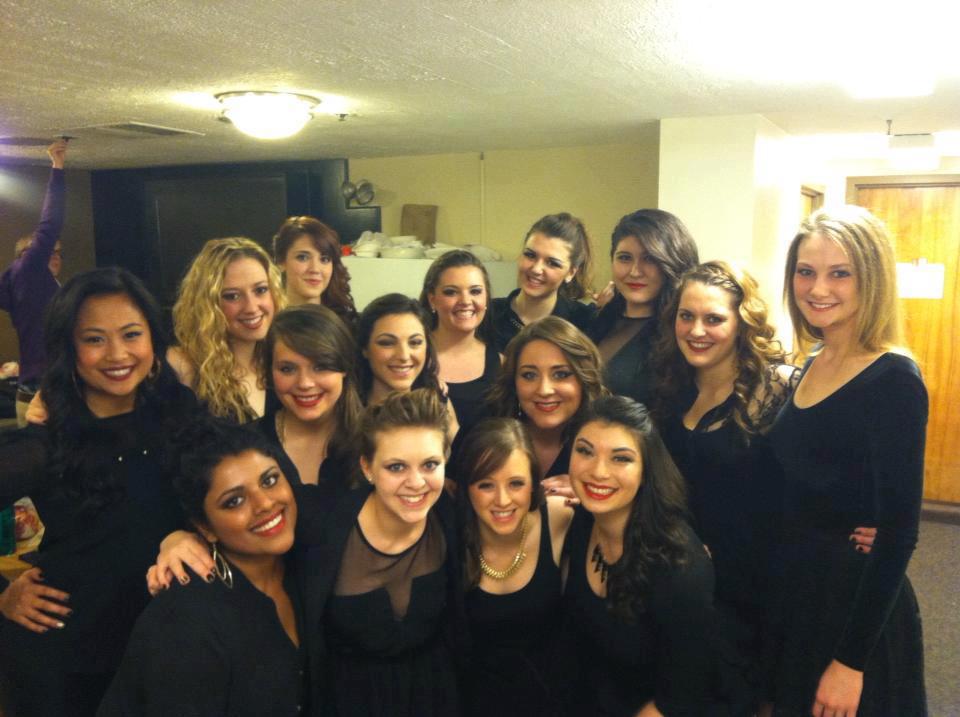
After spending two years failing to find a focus that excited me, and ironically becoming enthusiastically involved in the local A Capella scene, I was ready to drop out of college. My mother encouraged me to apply for Berklee and I agreed. Here I am now. I just finished my major in Contemporary Writing and Production a week ago, and am off to complete the Music Technology minor in Valencia, Spain before I graduate.
I have been so incredibly fortunate and privileged to grow up around so much music and to be able to attend Berklee, where there is an astounding amount of passion and talent. There are a thousand different roads I could take my life down after my degree is complete, but I know that music will be a thick thread woven within anything I do.
Has it been a smooth road?
My relationship with music has always been a bit tricky. On the one hand, music is joy. To me, it represents love and being profoundly seen and heard. Music gives voice to my deepest, strangest instincts, and calls together these vastly divergent inner and outer worlds. Music brings people together and helps them forget their woes, or at least bear them with a little more peace. I have loved music from the time I was a little girl for all these reasons and can see no end to this love.
On the other hand, a few experiences have made the music feel very skewed and harmful to me. I felt isolated in my home for a long time, growing up. There were issues surrounding me that had little to do with me. Those took up much of the attention and energy of my family members, and I often found myself staying out of the way in an attempt to not cause stress, be a burden, or become part of the troubles myself. This led to a very lonely childhood.
Music was what I turned to meet myself, feel less alone. Elizabeth Gilbert, the author of Eat, Pray, Love, in a TED Talk, talks about the concept of a “genius” as a creative demon that appears when it wants to. She talks about showing up to your craft, and hoping that your genius arrives as well to meet you and create with you. I relate intimately with this concept. When I felt lonely or sad, I went to the piano.
In the moments when I composed, and a melody arrived at me fully formed, I felt like I was stepping closer to this “genius” and making a connection that was larger than life. Practicing constantly and edging closer and closer to my genius was massively healing. In the times in my life when I believed that no one cared, I found a connection in something acutely present and immortal. It’s always so beautiful to experience this, I’m not sure what else to call it but magic, but it’s painful to realize that a huge portion of the time that I practiced at piano and singing was because of sadness or pain.
Singing calmed my chronic anxiety. Although I returned by sheer gravitational force to the piano again and again to delight in the joy and fun of playing, much of the time, I would instead be attempting to communicate my true feelings to my family through my music, feelings that I felt were too dangerous to say out loud. When my family was home for these performances, I would feel weirdly heard and ignored all at once.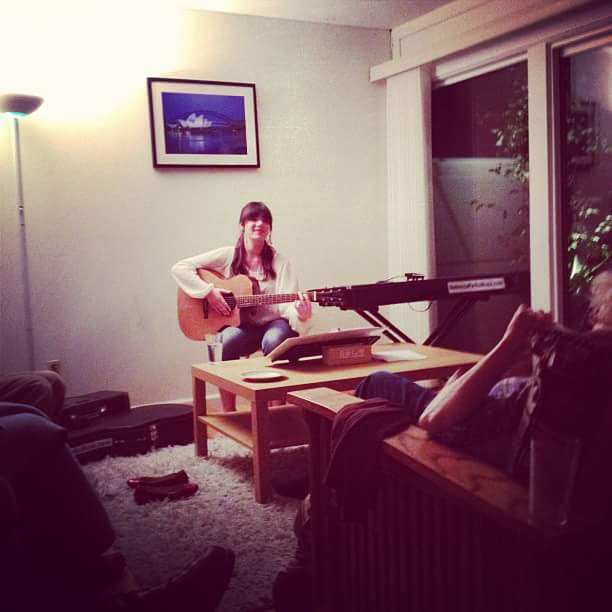
Singing was a vocation with a caveat, as well. When I arrived at Berklee, my voice was injured. It was in such bad shape that my voice teacher refused to let me sing until I got checked out by a doctor. I am extremely grateful that I had the freedom and space to develop my own style during the years that I taught myself to sing. Unfortunately, I sang in ways that rendered my voice damaged by the time I arrived at Berklee. Healing my voice took many years and brought up a lot of difficult feelings.
The deeper I got into healing my physical injuries, the more aware I became of all the metaphoric ways that my voice was being held back in real life. Issues of boundaries, self-value, and confidence arose from deciding my voice mattered enough to heal. Supporting my singing voice meant aligning my posture and breathing deeply into my diaphragm. When I learned to breathe deeply like this, a slew of buried emotions bubbled to the surface.
These were feelings that I had avoided for a long time, by breathing shallowly into my chest. Standing upright forced me out of the protective posture I had developed over my childhood and demanded that I confront issues of self-esteem and safety, and thus face the traumas that bred those problems. Being in therapy was imperative throughout this undertaking. It was absolutely invaluable to have had help processing and integrating everything that was brought up at that time.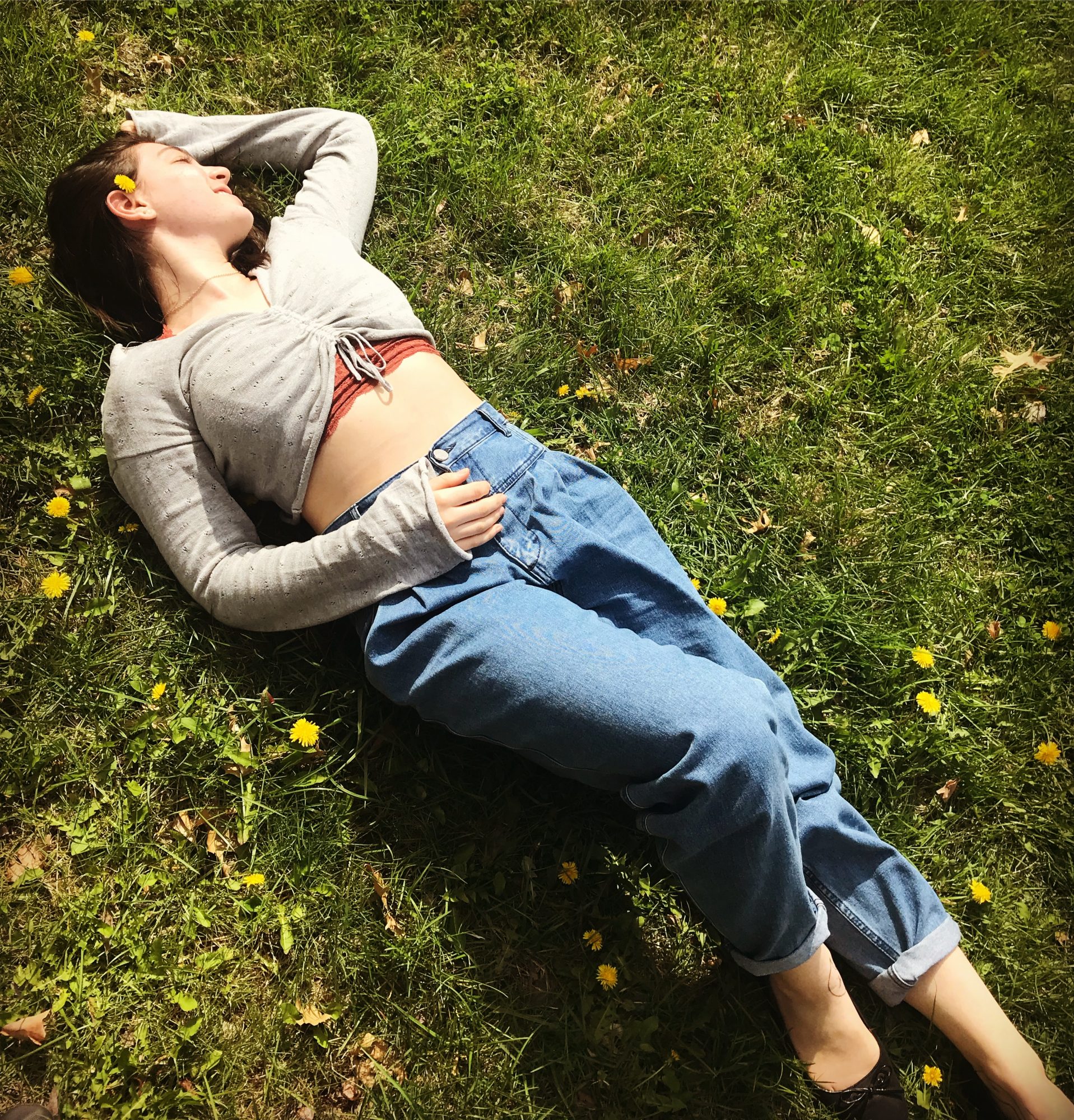
We’d love to hear more about your business.
My vocation is incredibly varied and dynamic. All the different skills that I learned throughout my degree and my personal practices show up in various forms depending on the project and the client I’m working with. I studied Contemporary Writing and Production at Berklee College of Music. My time at Berklee has equipped me with the skills of composition, arranging, and production.
That, coupled with the vocal training, piano lessons, and songwriting chops that I developed over my childhood, has blessed me with a buffet of skills and a glorious amount of flexibility. In my work, I compose and produce music for animations, movies, advertisements, and other forms of visual media. My vocals are used for advertisements, TV and movie scores, and on albums. I’m often called upon to complete the songs that others have begun, whether their need is for lyrics, melody, or a vocal track.
One of my favorite parts of the job goes something like this: A producer sends me an instrumental track with the structure to become a complete song, but lacking in lead vocals and melody, harmony, and lyrics. I take their vision baby and sit with it. Through repetitive listening and seeking the message in the music, I compose lyrics and melody that feels congruent with the sound and soul of their piece. The challenge of adapting to the track while keeping its core is delicious and often informs my own compositions.
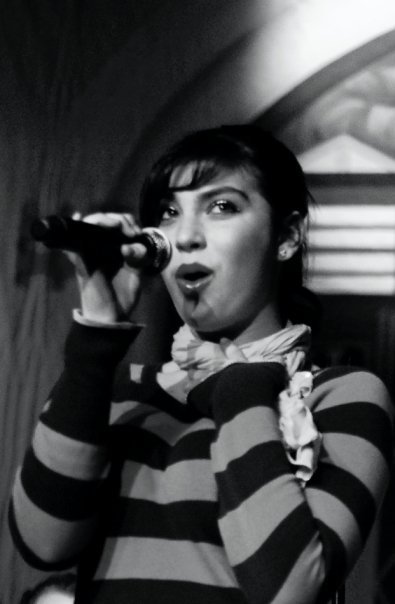
I love being involved in music in this day and age because of the way it fosters community among people who are nowhere geographically close to one another. Some of my favorite collaborations have been with an artist that lives in Seattle. Collaborating with my friend in Seattle goes just as smoothly as with the artist down the street. It gives me so much joy to have such flexibility in doing what I love. The people I meet in my work aren’t limited to any area of the world, or type of project, and are often rich in character and full of life.
Due to the wonderful variety of my current vocation, there are many different roads I could go down. No matter how my future manifests, my goal is for the music I create to make a positive difference in the lives of the people listening. I always write with the intention that someone can find a piece of themselves in my music. When I write, I write for the small, sad parts within people that need a reminder that they are seen, heard, and valued.
Being able to return to my piano over again and over again kept me grounded and helped me heal during difficult times. If I can supply even one moment of peace for someone who is in turmoil, or a grain of connection for someone feeling lost, then I’ll feel fulfilled.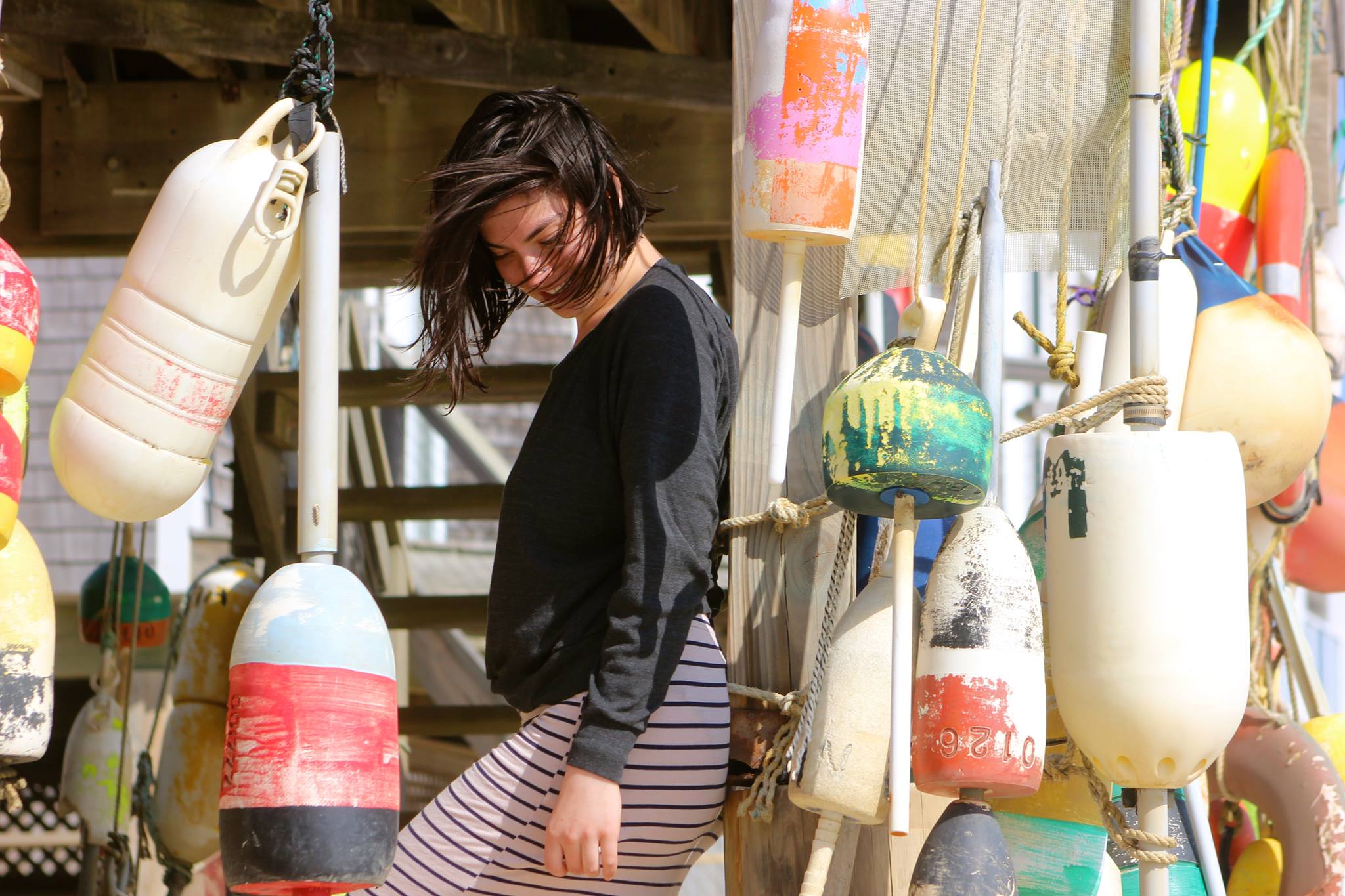
Let’s touch on your thoughts about our city – what do you like the most and least?
I love most about Boston the diversity and the educated minds. I’ve met people from all around the world here and learned stories I never could have fathomed. There are thriving cultures from all around the world that plant in Boston. The city is enriched by the diversity.
The sheer number of colleges in the area has produced a community of critical thinkers, outside-the-box thinkers, and I learn more every day by being around people like this. I am pushed by my peers to grow and expand beyond what is comfortable or obvious.
I am humbled by those who know more than me and encouraged by those who work hard to keep learning.
Contact Info:
- Website: soundcloud.com/ami_music
- Email: amipienk@gmail.com
- Instagram: https://www.instagram.com/amiandskye/?hl=en
Getting in touch: BostonVoyager is built on recommendations from the community; it’s how we uncover hidden gems, so if you know someone who deserves recognition please let us know here.