




Today we’d like to introduce you to Adriana Chavarin-Lopez.
Adriana, please share your story with us. How did you get to where you are today?
Second grade was the year in which I realized that I wanted to be a school principal. Up until then, my parents and I had experienced what most immigrant and non-English speaking families go through in the United States: language barriers, racism in schools, and bias towards your academic abilities. Yet, the arrival of a new school principal on the first day of second grade transformed my educational future. This principal was different. He was young, energetic, Mexican and spoke Spanish, just like me. He implemented arts programs, a school-wide parade and made parents, like mine, feel part of the school community. I was hooked, I wanted to be able to change the lives of students just like Mr. Aceves had done in our school community.
In my quest to become that school principal, I studied to become a bilingual teacher at the University of Southern California where I was part of the Latino Teacher Project that led me to teaching positions in both Los Angeles Unified School District and San Francisco Unified School District. I have been a grant coordinator for projects that seek to increase the number of Latinos in higher education and increase literacy in English learning communities. I finally reached my goal of becoming a school principal with the completion of my master’s degree at Stanford University where I was a part of the Prospective Principal’s program.
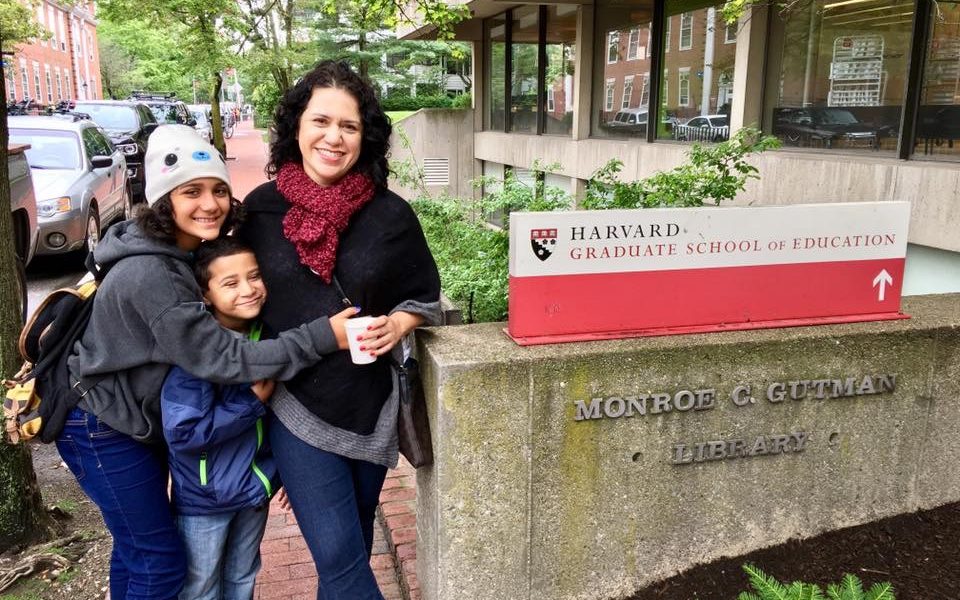
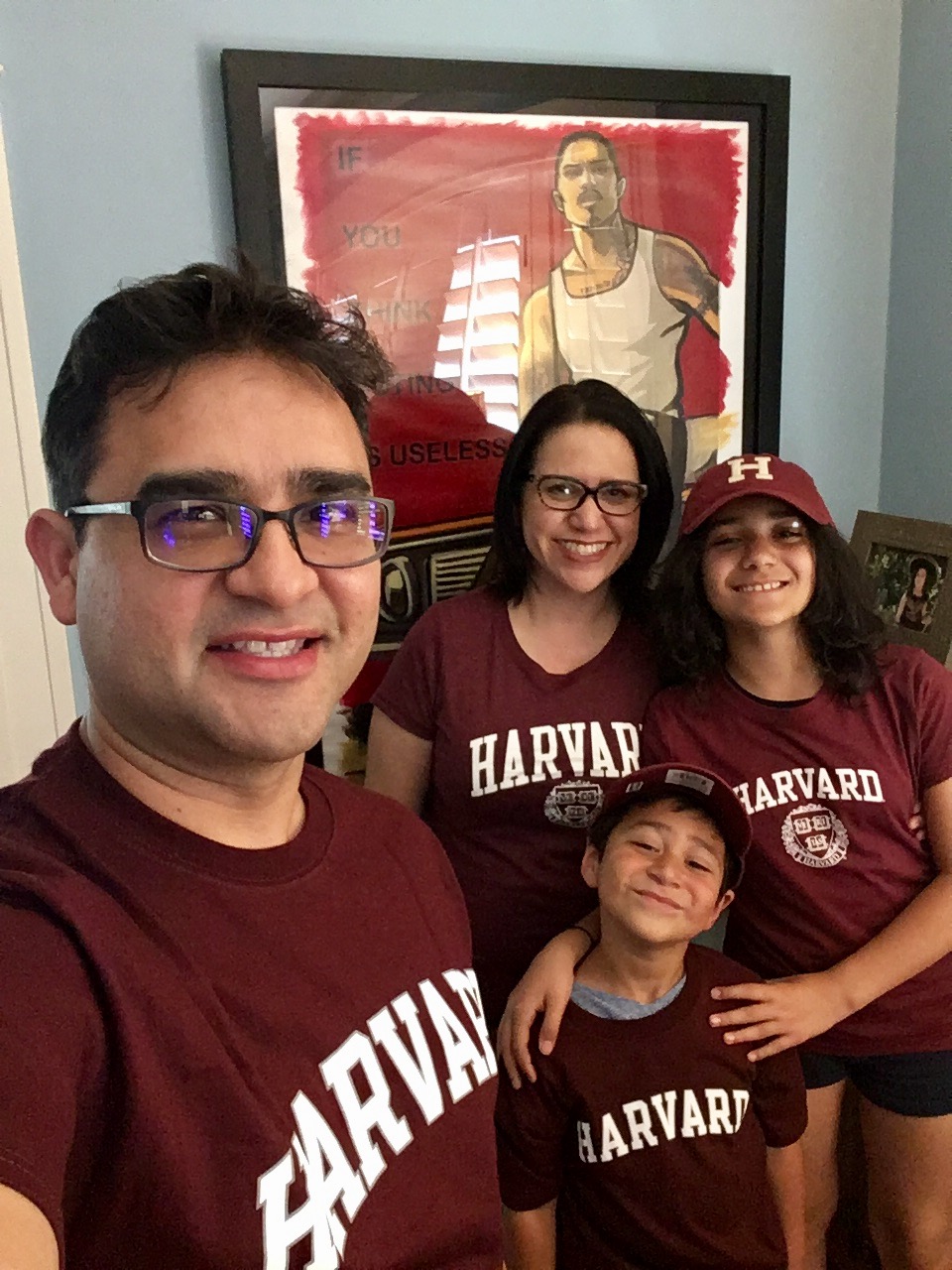
Despite the fact that I have received the best education from some of the top U.S. schools of education, my best education had come from my own two children, Lucia and Camilo. Through them I became a fierce advocate for bilingual education, English learners and special education. They have allowed me to sit on both sites of the table, both as an educator and as a parent and this experience has now motivated me to expand my scope in educational leadership. I also “nerd out” with my husband, Dr. Cesar Lopez, who is a Chicano/a Studies Professor at Mesa College in San Diego with whom I always enjoy a political or social justice discussion while taking care of household stuff.
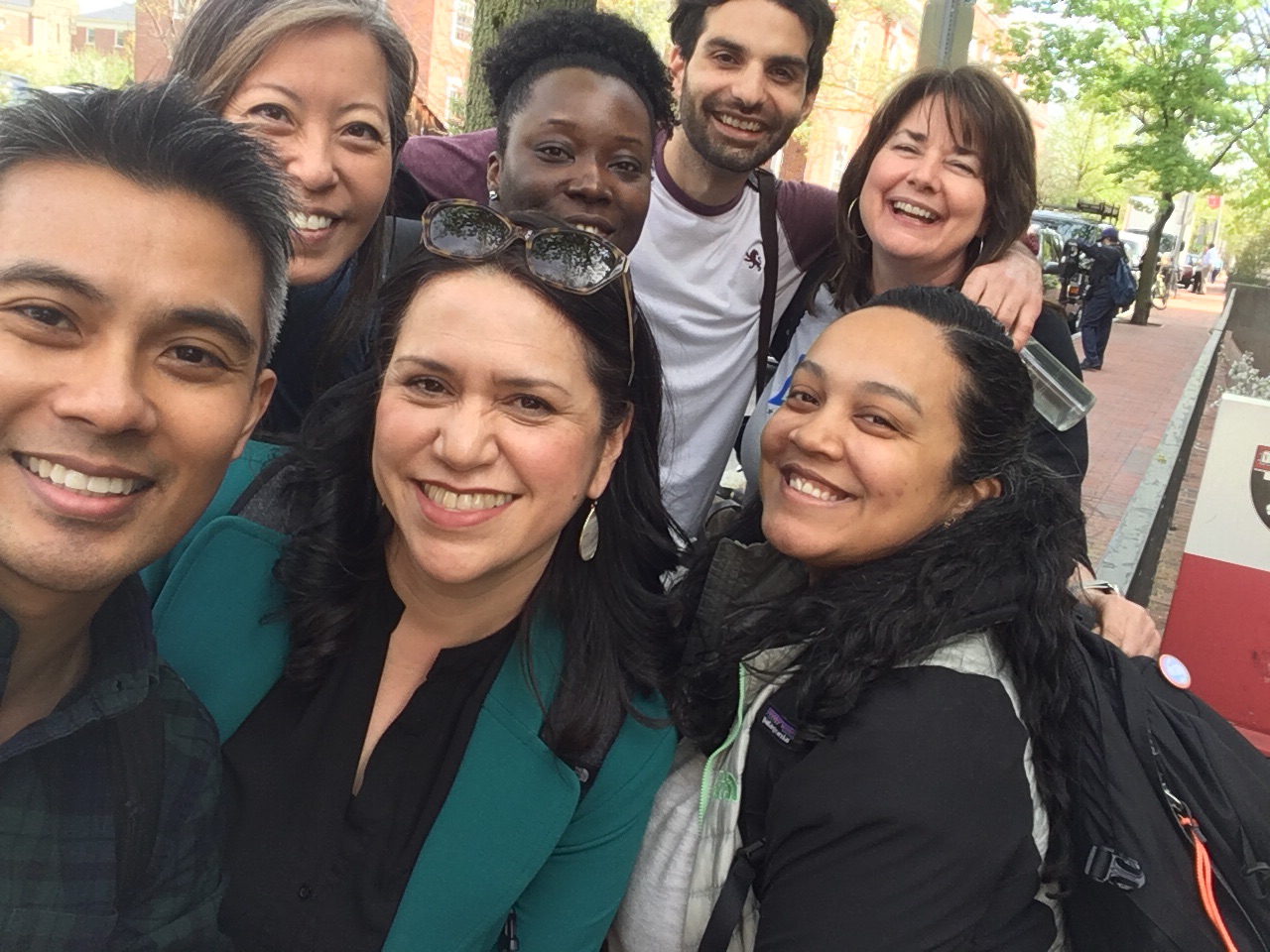
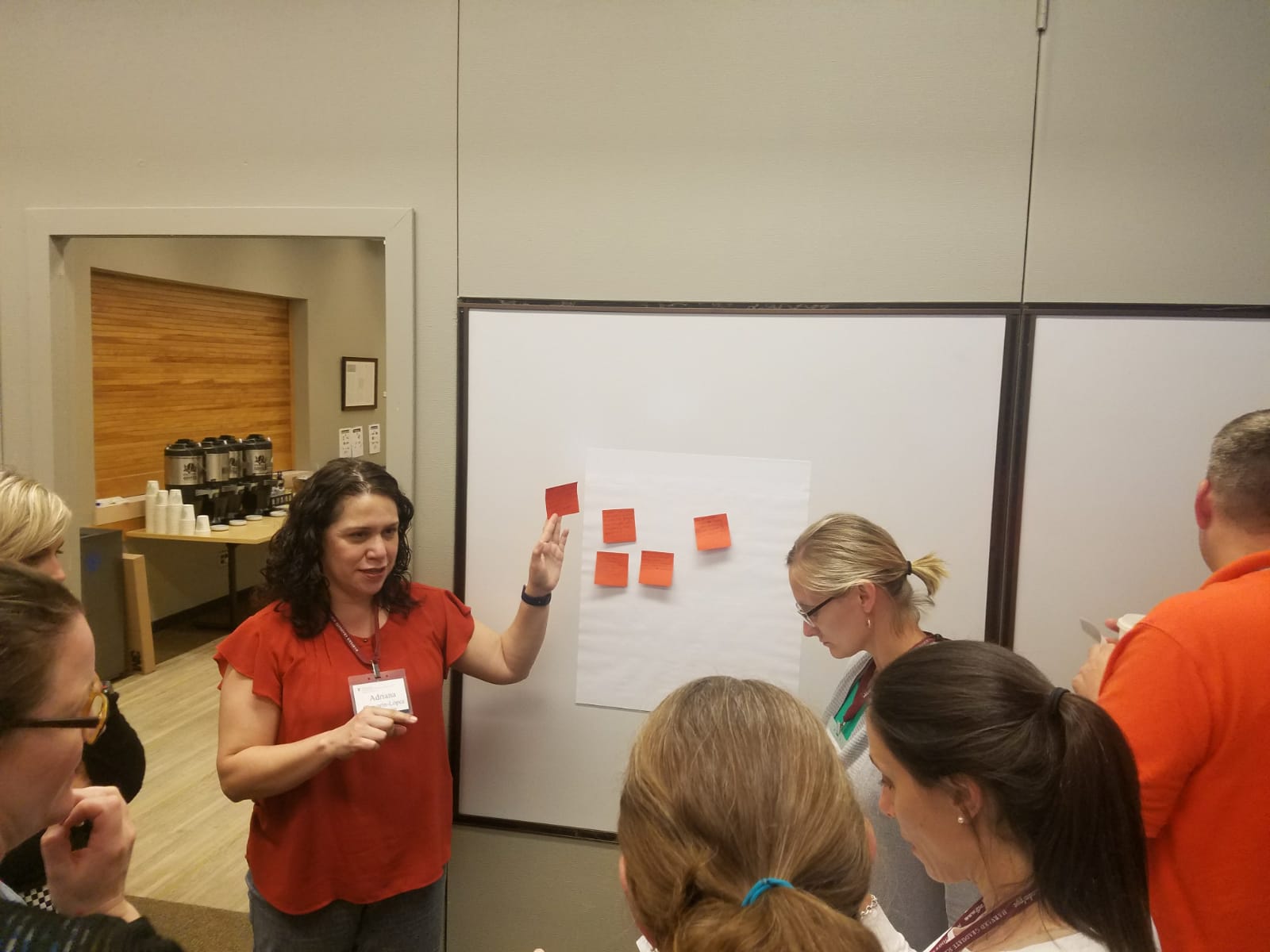
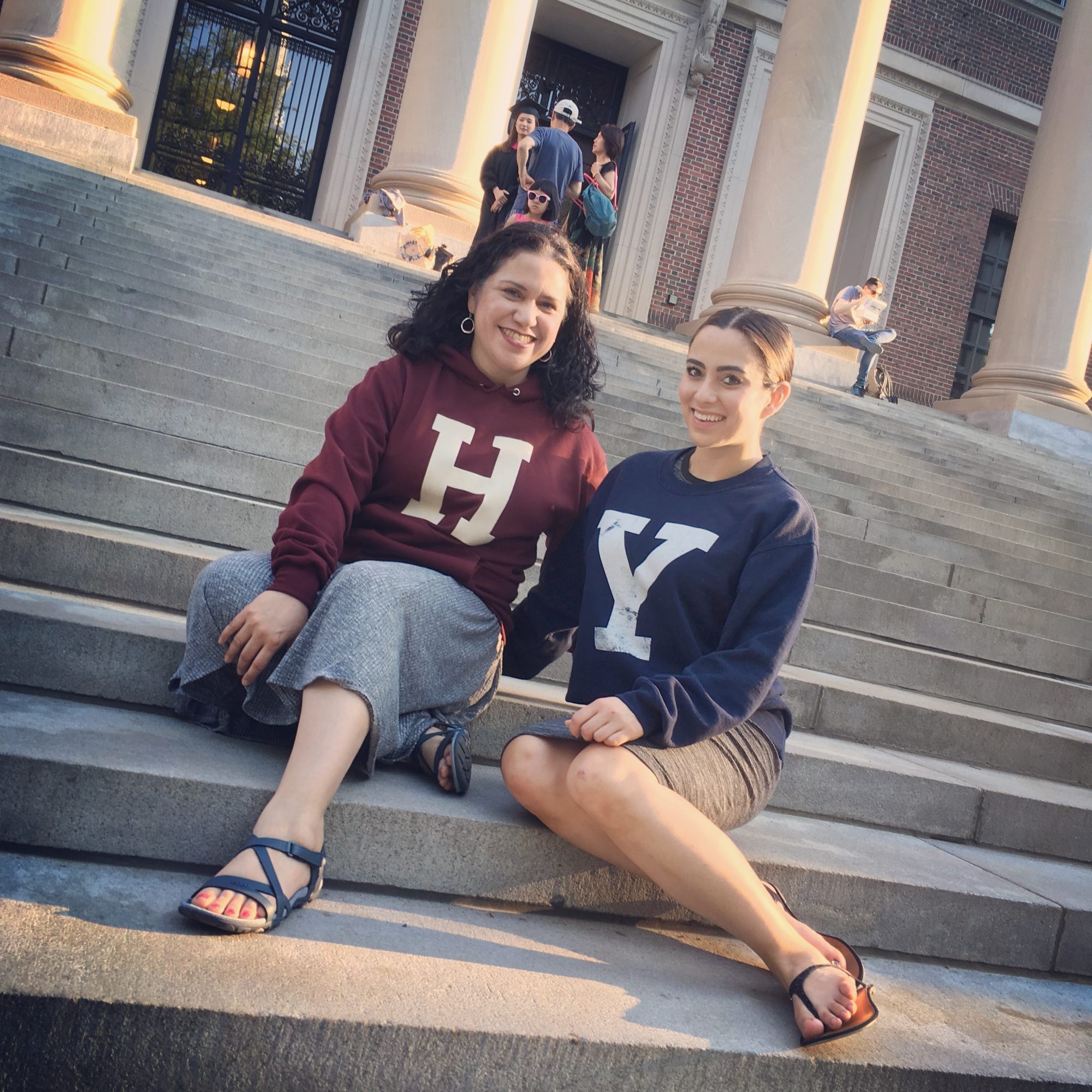
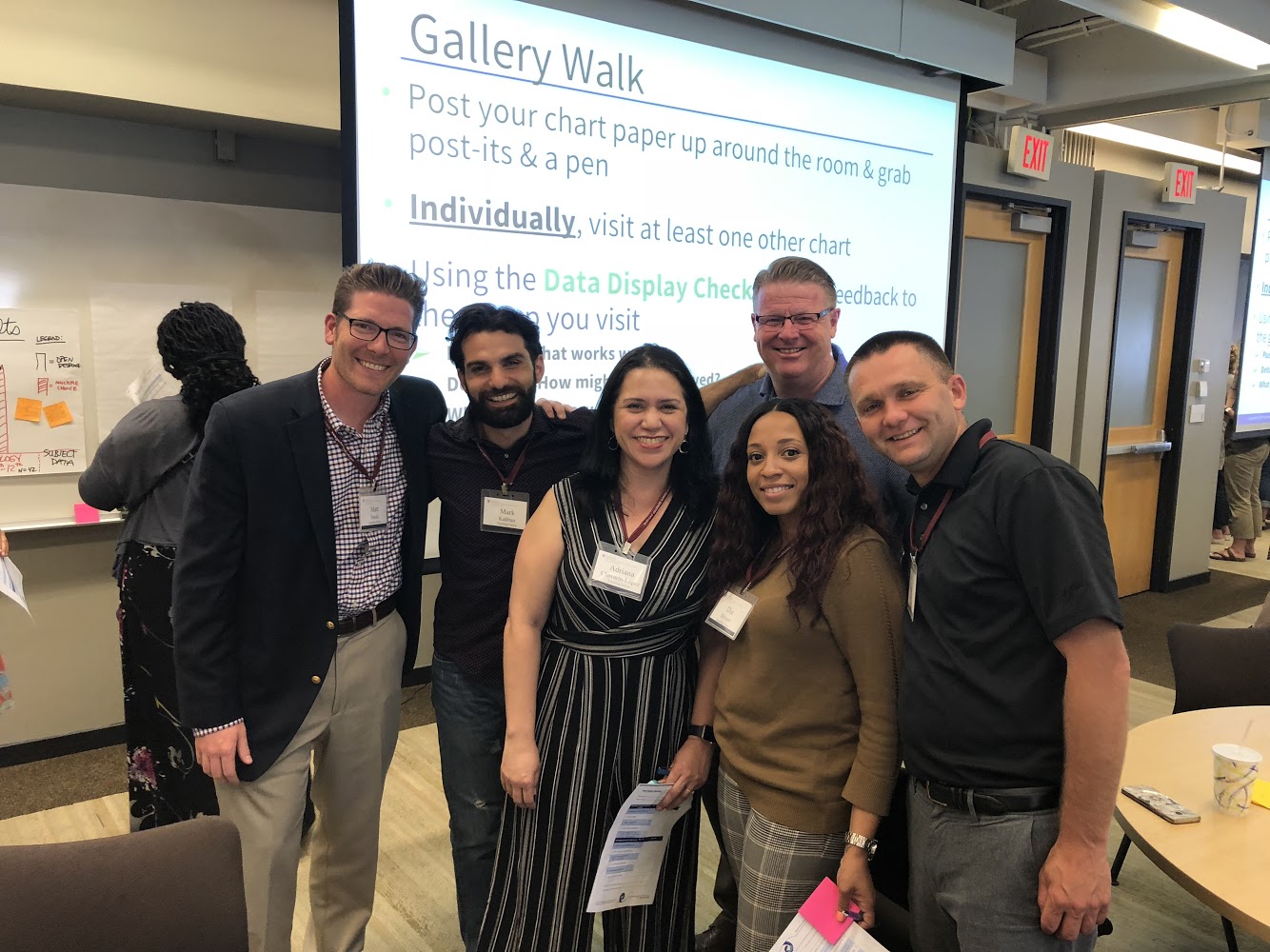
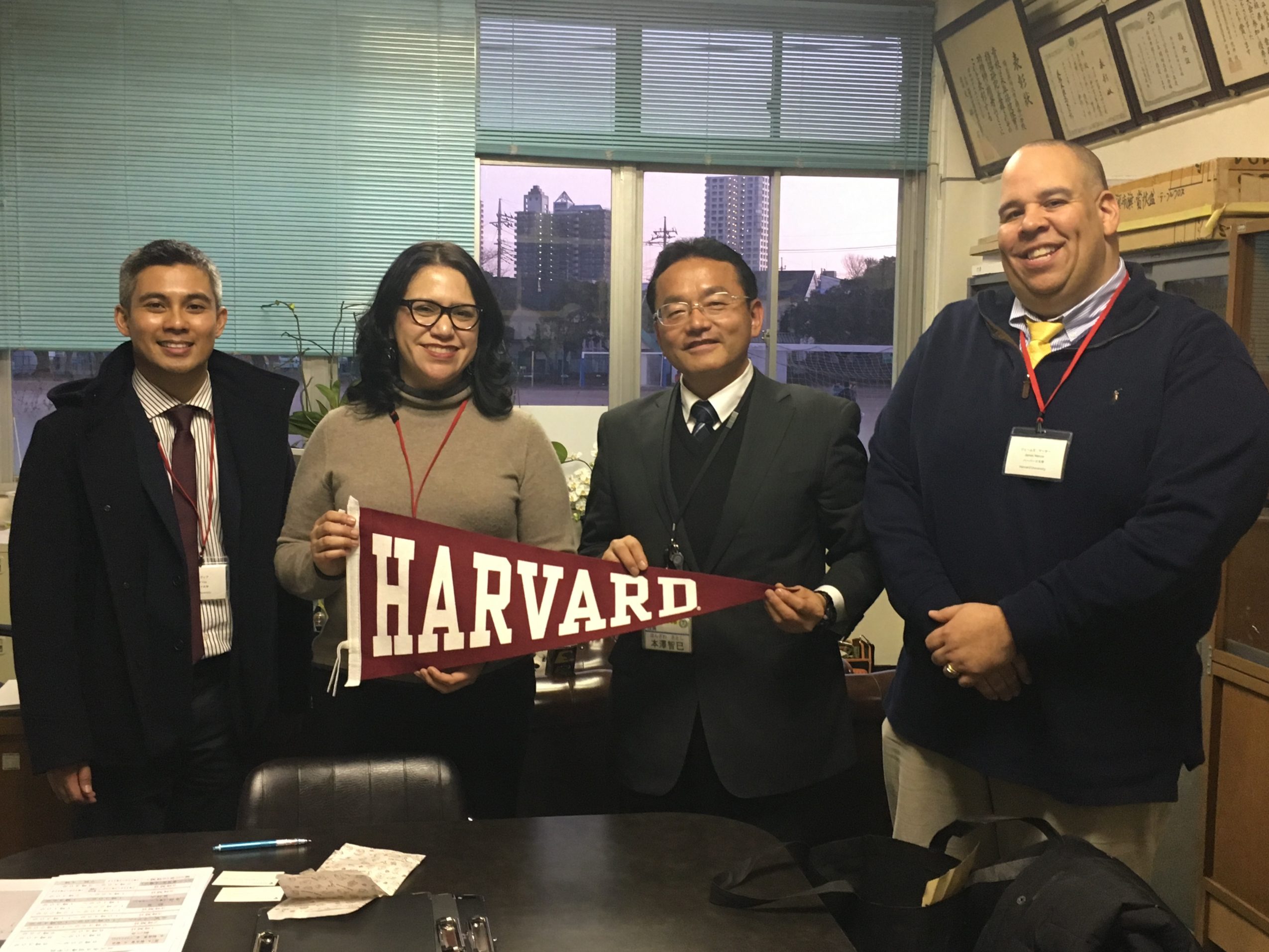
As much as I loved being a school principal for thirteen years, I realized that my impact was limited to one school. With so many issues facing our increasing Latino student community in the United States, I became motivated to increase my leadership scope and development as a transformative educational leader. So, last year, my family and I packed up our belongings and moved from San Diego, California to Cambridge, Massachusetts to begin a once in a lifetime adventure as a doctoral student in the Harvard Graduate School of Education’s Education Leadership (Ed.L.D) program. Although we do miss sunny San Diego and being around our family, we are all quickly embracing our new identities as Cantabrigians, fall leaves, snow and all. It was helpful to have my cousin, MJ (a former Celtics Dance Team member and Yale doctoral student starting this fall) be in Boston to help with our family’s transition to New England. One year into the Ed.L.D doctoral program and I am fully enjoying the opportunity to focus on my development as an educational leader and I cannot wait to put all of my new learning to work leading a school system, where I will hopefully inspire students of color to aspire to become educators and community leaders.
Has it been a smooth road?
Although the road I have chosen to travel is the best road, it has not been free of struggles. As a young first grade student I experienced racism in school first hand when I was part of a group of non-English speakers who were administered IQ tests in first grade to determine what “track” we would be placed in. As a first generation student, I could not rely on my parents to provide me with guidance on which college to choose or how to fill out my FAFSA forms, so I had to learn how to reach out to school counselors, teachers, and peers who had this type of information and could help guide me through the college application process. As a school principal, my decisions were often questioned by parents and community members, which I felt was due to my identity as a Chicana and as a female school leader. Finally, my experience as a parent of an autistic and type 1 diabetic child has been one long struggle, but one that has transformed my work as an educator and has made me an advocate for special needs families.
So let’s switch gears a bit and go into the Harvard Graduate School of Education story. Tell us more about the business.
As a doctoral student I had the choice of attending many excellent education leadership programs in California, but I felt the Harvard Graduate School of Education’s Education Leadership program was the best fit for me for where I found myself in my professional career. As a school leader I was at a point where I needed a form of “sabbatical” to fully focus on being a learner and to begin a mid-point career shift. The Harvard Ed.L.D. Program requires that you become a full-time student during the three year course of the program. As someone who did not want to accrue a ridiculous amount of student debt, the Ed.L.D. Program was attractive since it provides full funding (well almost full funding since cost of living is pretty pricey in Cambridge). In addition, the world-class faculty and cohort-mates makes it the ideal place to learn!
How do you think the industry will change over the next decade?
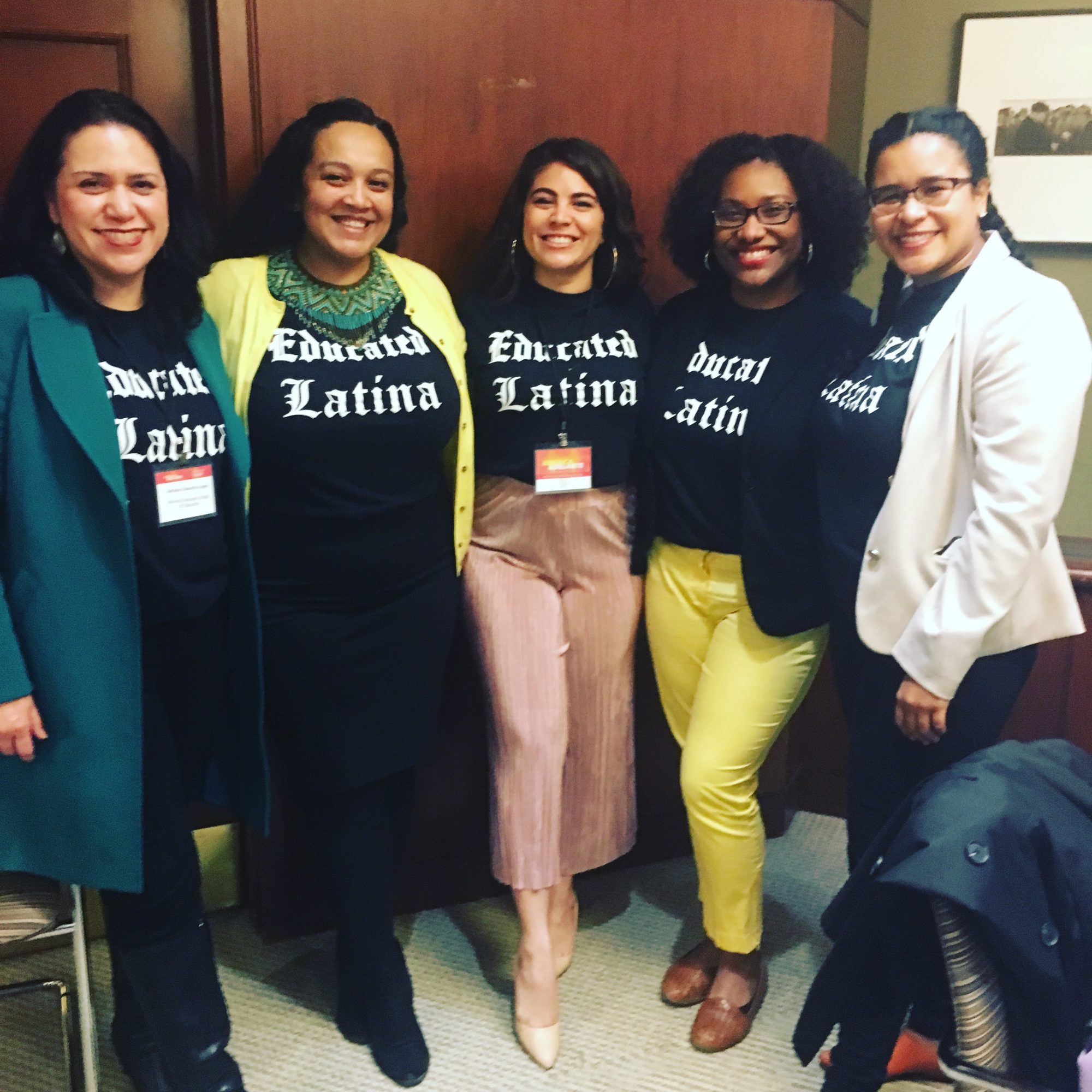
In the next ten years, I hope that the American PreK-12 education system achieves success in diversifying its teaching workforce through innovative recruitment and retention efforts and financial support to obtain teaching credentials. As an undergraduate, I had the fortune of being a part of USC’s Latino and Language Minority Teacher Project, which was key in my formation and retention as a Latina educator. The increasing diversity amongst the student population in the United States demands that teachers not only reflect the student diversity, but are knowledgeable of the cultural and linguistical nuances that students and their families bring to school every day.
Contact Info:
- Website: https://www.gse.harvard.edu/doctorate/doctor-education-leadership
- Phone: 617-495-3414
- Twitter: https://twitter.com/HarvardEdLD
Getting in touch: BostonVoyager is built on recommendations from the community; it’s how we uncover hidden gems, so if you know someone who deserves recognition please let us know here.