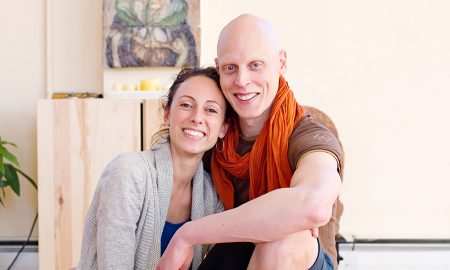






Today we’d like to introduce you to Sue Jones.
Thanks for sharing your story with us Sue. So, let’s start at the beginning and we can move on from there.
Back in 2005, I was a wife and mother of two young children (ages 3 and 8) and fast approaching my 40th birthday. I had moved to a small tourist town in Maine with my husband (then boyfriend) at 25 years old. Over time, I became more distant from my family, isolated from my close friends and removed from any career goals that I held in the years I lived in New York City. Though I wanted to move back to New York, my then boyfriend didn’t want to leave Maine. By the time we made the decision to stay, I felt dependant on him; both emotionally and financially (he came to the relationship with a trust fund, which made it possible to live in Maine without many career choices.) So, before too long, I was married with children and strapped to a restaurant that I created — which left me feeling simultaneously proud of my accomplishment and trapped in my circumstance. After twelve years living in the isolation of northern Maine while slowly eroding via an emotionally abusive marriage, I was desperate to leave Maine. Pending the arrival of my second I sold my restaurant and we made the move to Boston.
Prior to meeting my husband, I had lived in New York City for a few years after college. The daily buzz of city living was like an addictive dose of adrenaline and I loved everything about being a young, independant and enthusiastic city girl. The following twelve years in Maine ushered me slowly and steadily away from the girl I once knew, and the insidious abuse of the marriage had turned my natural inner spark to a daily existence of numbness that ultimately ran on a daily drip of fear, guilt, and feelings of never being good enough.
But with the move to Boston, I suddenly had new opportunities available to me. I found a violin teacher at a local music school (I had taken up learning the violin when pregnant with my second son), I began Italian lessons and taking a studio painting class at the local adult education center, I joined a rock climbing community and connected with people who could show me the best places to climb — and I started taking classes at a local yoga studio.
My first introduction to yoga was in 1996 when I was pregnant with my first son. On the recommendation of a friend, I signed up for a prenatal yoga class the taught me how to relax and breathe through labor and birth (it worked!). After my son was born, I bought a DIY book and began practicing in a guest bedroom while the soothing sound of Enya playing in the background. And though I found the practice relaxing, I did not feel altogether different from my daily dissociative state — a state that I did not understand and spent thousands of dollars trying to fix with therapy, acupuncture, energy work, and homeopathy. But the hot power yoga studio that I discovered in my Boston neighborhood was an entirely new experience. Physically I felt alive and connected. The inspiring words of my teacher left me feeling like life could be different. That I could be different. And just six months after, I tried my first hot power yoga class, I asked my husband for a trial separation.
The ten months that I was separated from my husband were some of the darkest moments of my life —pulling me into a deep depression and landing me on the front porch of my house one June evening, planning every detail of my final day on earth. Send the kids to their dads, clean the house from top to bottom, take a bath, swallow all the pills I’d been collecting and drift away — feeling satisfied that I was making my husband and children’s life better.
The experience of emotional abuse is not evident in the way physical abuse might be. There are no bruises or broken bones. There are no violent outbursts, calls to 911 or restraining orders. Spending years in an emotionally abusive relationship is like being a frog in a pot of water on the stove. At first, everything seems great, yet that which seeks to destroy you increases so gradually that you make adjustments through every moment — just to tolerate your environment. Eventually, you will either be destroyed or you must leave. And while I chose to temporarily leave, the damage of the abuse had taken an internal hold. The continuous character assassination I had received over a decade from my husband had taken hold so completely that I fully believed I was someone only he could love. Once I chose to temporarily leave him things got even worse and I spiraled into a dark pit of a self-loathing and crippling guilt. At the time, I saw this man as the knower of all that was right and good — I took every criticism he handed me as an absolute truth. So, after so many years of trying to fix myself, I was ready to surrender to the fact that I was unfixable. That I would never be a positive presence in anyone’s life.
But I continued with my yoga practice (along with intense therapy and a dose of anti-depressants) and each day I could see more and more clearly. It was as if I was the metaphorical frog and I had managed to hop out of the pot. To go with this metaphor, at first I took 100% of the blame for not being able to tolerate that near boiling water, but with a new reference point, time and a commitment to my overall health I began to see that I could never exist in that pot — because it was entirely uninhabitable!
I committed to healing my wounds. I continued practicing yoga, experienced new relationships and new communities, and considered that perhaps if I got the heat on the stove to turn down enough I could jump back in the pot. And so ten months later I was back in the marriage, with a list of conditions and a stronger sense of self. I could not tolerate my family being fractured; I would do anything to keep it together.
During the following years, I attended an intensive yoga teacher training, started a non-profit (called yogaHOPE) that offered direct service yoga classes to women in life transition, and began collecting a community of local yogis that served as a constant reminder that I did, indeed have some worth in the world. Not surprisingly, my marriage remained a struggle, though I no longer felt that my husband’s word was the absolute truth. In fact, I began to see things in him that I hadn’t seen before. Things like the cruel psychological treatment of the children, sexually inappropriate images and language around the house and in front of the kids, and alarmingly disrespectful behavior for no apparent reason. I silently noticed, and consistently asked myself if this is the type of person with whom I wanted to spend the rest of my life with. Two and a half years after, I had returned to my marriage, I experienced the greatest devastation and ultimately the greatest gift of my life.
It was like any other day. Work, kids, and chaos swirled around myself and my husband as we tried to get ourselves out the door for a weekly (therapist imposed) date night. He ran out to the car to fetch a toy my youngest (then 6 years old) was pitching a fit for. I ran upstairs to after coming home from my little office to change my clothes. What happened from there was a swift and utter destruction of everything I thought I knew.
It started with catching a strange subject line in his email inbox that he had left up on the computer. It ended, just a week or so later with the confusing and crippling realization that my husband — the man who I had held upon a high moral platform for all of these years — had been betraying me for the entirety of our relationship. Lies, affairs and twisted acts of control and gaslighting had been the undercurrent of our seventeen-year relationship and I had been absolutely blind, deaf and dumb. It was a sudden and devastating end to what seemed like half a lifetime of self-blame, confusion, and endless efforts to fix myself in order to be with a person who I had thought was completely dedicated to me. At best, I felt like the chump in a ponzy scheme or a long con, but mostly I felt stunned and comatose. It was as if a tornado had ripped through my life, taking only seconds to leave it in a pile of ruins. Here, I was standing in the middle of the rubble. And while I did not know it at the time, this was the most significant gift the universe had handed me. This was the place from which TIMBo was born.
When I tell my story of depression and suicidality, the majority of people assume that it was in response to the total betrayal I experienced by my husband. In fact no. Yes, it was devastatingly difficult, confusing and traumatic. But I was also faced with a burning question. What was going on inside of me that I did not see this man for who he really was? And further, why did I desperately want to believe that I was the problem that needed to be fixed, so much so that I could not see what was right in front of my face?
It took about a year. For one whole year, I struggled with this question. I also struggled to be present for my children. I struggled through the slog of the divorce and I deeply struggled (and did for many years to follow) with having to turn over my children every week to a man who I now despised. But after a year of feeling angry, confused and frozen I knew that if I was going to move out of the limbo I had been existing in for the past three hundred and sixty some odd days, I needed to find a place of true compassion for myself. I knew I needed this because I had been living each day consumed with a feelings cocktail of why me, immeasurable rage and drop to your knees sorrow. Somehow (don’t ask me how), I knew that I simply could not move on unless I found a way to compassionately be with all that I was feeling. In the end, that way was TIMBo.
What started in May of 2009 as a deep dive into women, trauma, trauma theory, trauma-informed programming, gender-responsive programming, and chakra theory became TIMBo: a defined 16 session workbook curriculum facilitated by two women for a group of women. By the writing of this book, TIMBo became a theory, a practice, a language, a method, a community, and a culture. Through the chapters of this book, you will come to know all of these elements of TIMBo as best I can describe them in the written word. But to experience the true power of this innovation you must be in the presence of other human beings — witnessing courage, risk-taking, and vulnerability, and doing so (in your own time) yourself.
When I’m asked how did you create something so simple yet life-changing I can only answer with this. TIMBo was created by the community. There are many women’s voices in the creating of TIMBo: from the original workbook to the subsequent theories and practices. I can not take 100% of the credit because without these voices TIMBo wouldn’t exist. But most of all, in those early days of writing TIMBo at my tiny desk in my third-floor office (the only space in my house that I could tolerate being without being consumed with overwhelming emotion) I did put words to the page myself. There was a force greater than me at work. It was as if I was a vessel, for someone or something greater than me — perhaps greater than humanity. As I read the words in the workbook today, I still don’t remember writing them, but I thank whatever forces responsible for driving the creation of this program.
Overall, has it been relatively smooth? If not, what were some of the struggles along the way?
It has been a journey of highs and lows. The most difficult moments are when funding runs dry, it’s very scary to think that something so powerful might just end because support runs out. TIMBo is very innovative and works differently than most other offerings out there, so it’s a little difficult for organizations and agencies to wrap their heads around. My advice to anyone is keeping putting one step in front of the other. If you believe in what you are doing, the right people will find you. Don’t give up hope or faith, and see obstacles as not a sign to give up, but a sign that the path forward sometimes requires some curves and detours.
Please tell us about TIMBo.
For the last twelve years, I have been using yoga, mindfulness, and TIMBo (for the last 7 years) to empower female trauma survivor in the healing of trauma. Because of my personal story, I fully believe that women have everything they need inside themselves to heal, but we need to band together as women to hold space, support, relate and guide one another through healing. TIMBo is very unique in that it is based on empathy and relating, it doesn’t focus on the trauma story, rather becoming aware of how the memory of experiences live in the body. Together (in TIMBo) we de-stigmatize the symptoms of trauma by understanding them as natural adaptive visceral, emotional and behavioral responses of the body and mind, in an effort to survive. I believe that this is what sets us apart from most recovery models, where survivors are treated like “patient” and symptoms are pathologized. Additionally, international communities of women and girls are creating healing through organized community groups where TIMBo is a big element. There is no mental health system in Haiti, or Kenya (not much to speak of) but women are becoming empowered to heal themselves and have an impact on their lives and families. I am so proud that I have designed something that empowers women in this way, and feedback from women in Haiti is telling us that their change through TIMBo is changing how the men in their lives treat them and their daughters. This is huge for a country that is very male-dominated, with some degree of tolerance around gender-based violence. I hope I can empower women everywhere to heal and pay it forward with TIMBo!
There is (rightfully so) a lot of focus on the challenges faced by women, but we think it’s important to also focus on the opportunities. Do you think there are certain opportunities that women are particularly well positioned for?
Oh my yes. Women are naturally relational. In fact, studies show that women are the ones who take on over 80% of the emotional labor in families, the workplace, and communities. Emotional labor is the relational aspect of life and work. It is not included in any job description, yet the quality of relationships and communication in systems (whether they are family systems of large systems) really determine the health of the system as a whole. SO yes, there are tremendous opportunities for women to be change makers in their families, communities, and organizations through utilizing what they are naturally predisposed to —but with the knowledge, tools and empowered foundation of TIMBo to reduce stress and harm, teach others TIMBo based empathetic communication and support empowerment in those around them. Women can influence the people around them in powerful ways if that influence is focused on compassion, empathy and personal healing the world will be much better place.
Pricing:
- TIMBo 100 hour transformation training: $2400 for 3 training modules
- TIMBo 8 session program (in agencies and orgs) $3500
- TIMBo for Organizational Well-Being: custom pricing
Contact Info:
- Website: www.yhtimbo.org
- Phone: 617-899-9474
- Email: info@yhtimbo.org
- Facebook: https://www.facebook.com/yogaHOPE-106452995687/?ref=bookmarks
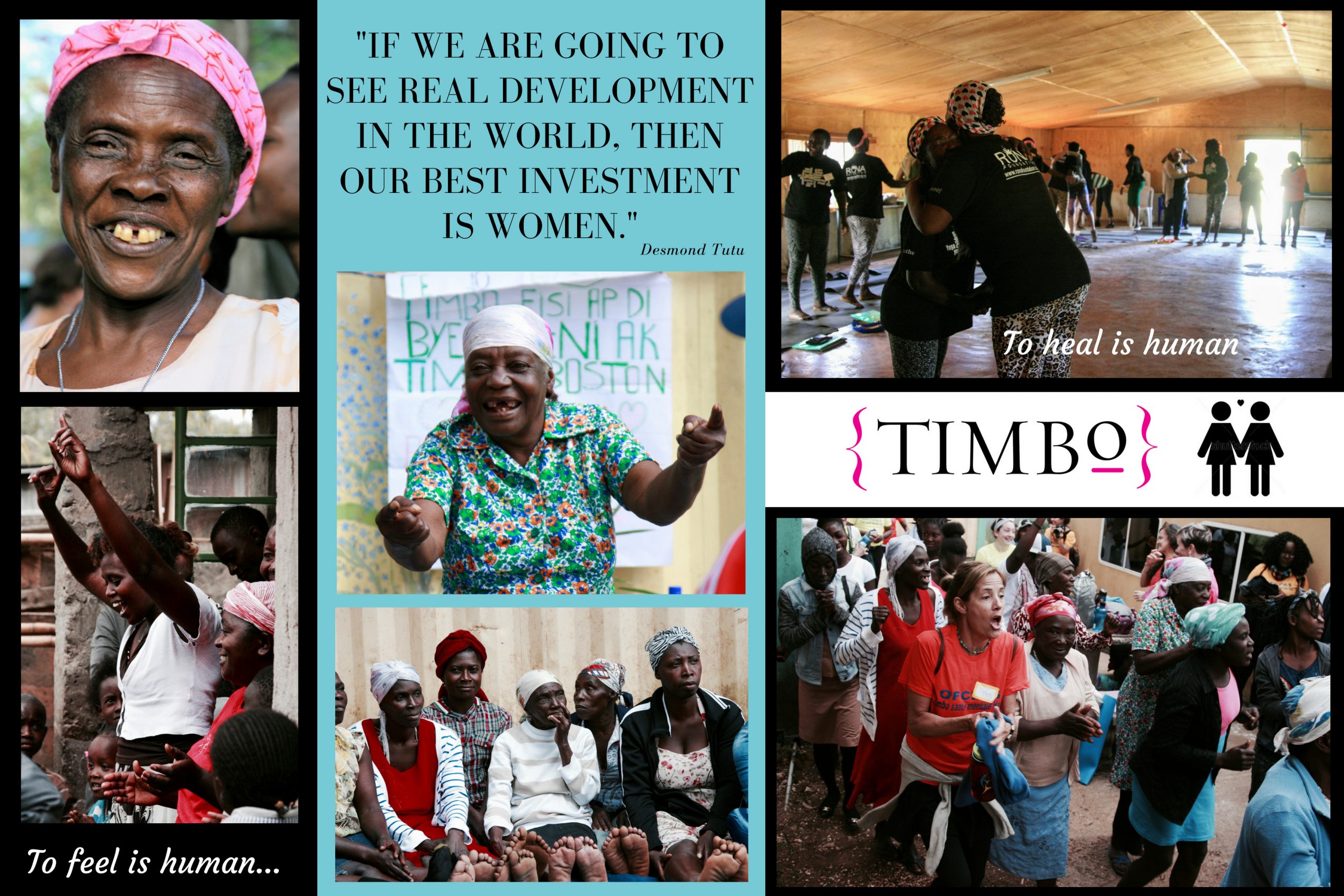
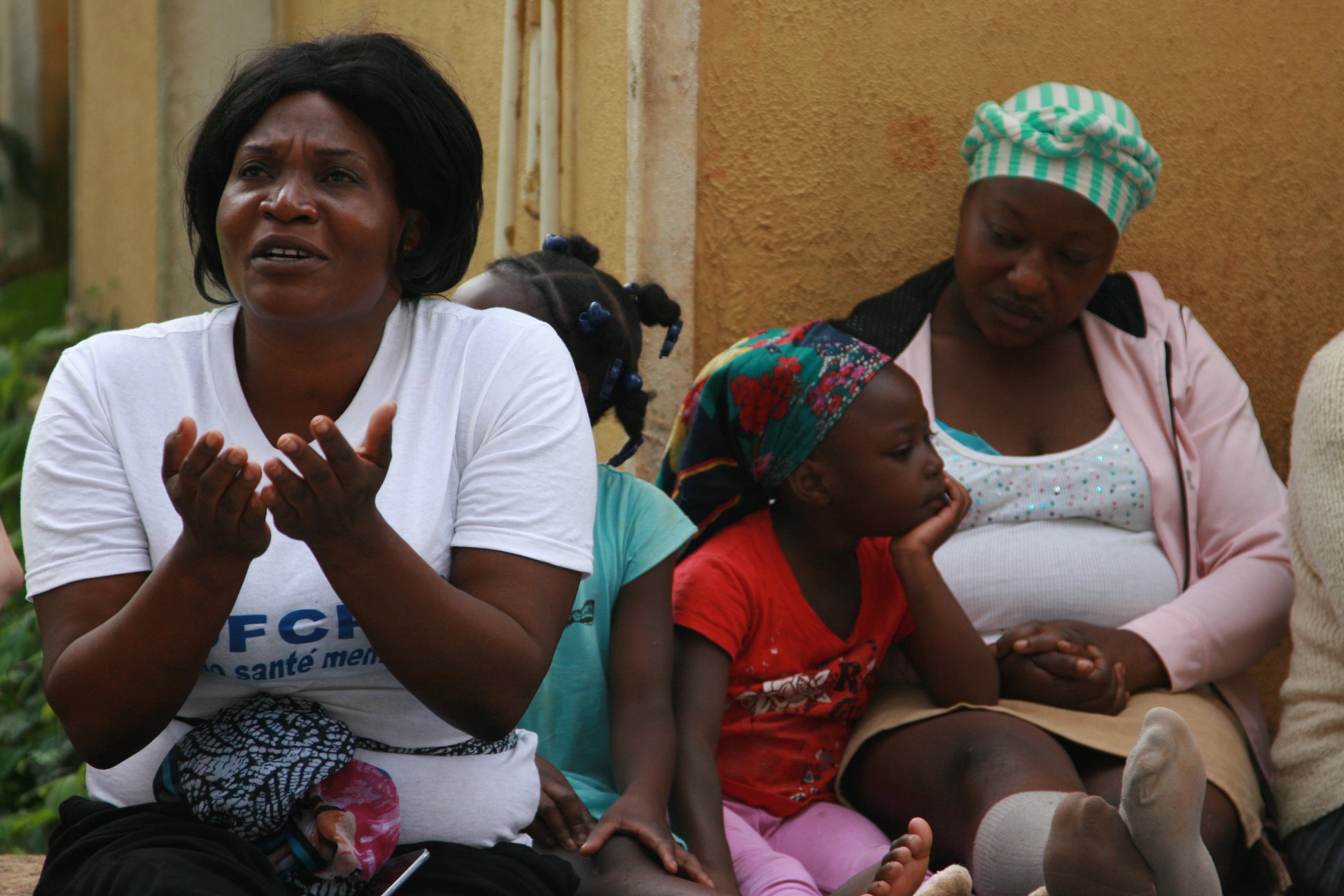
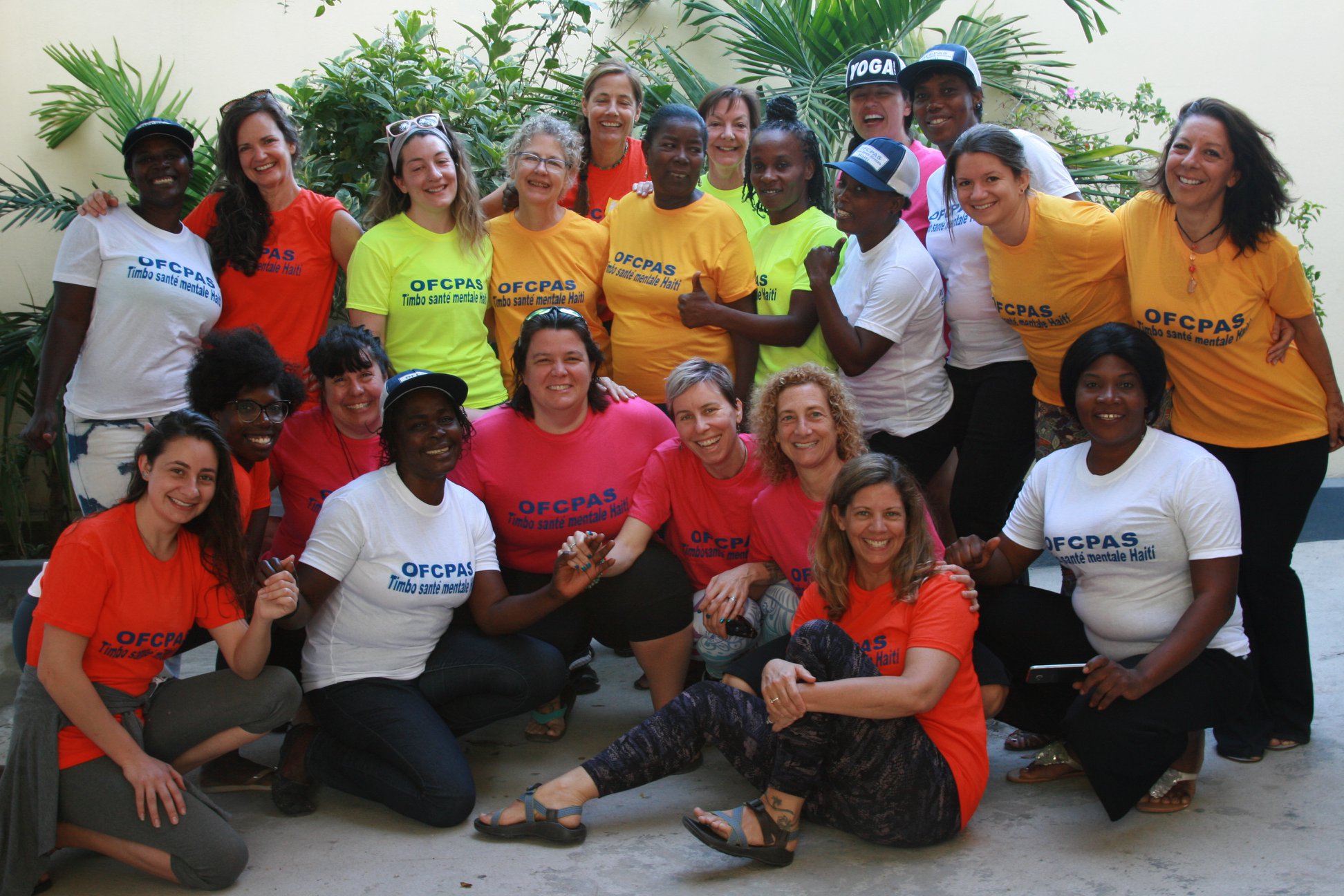
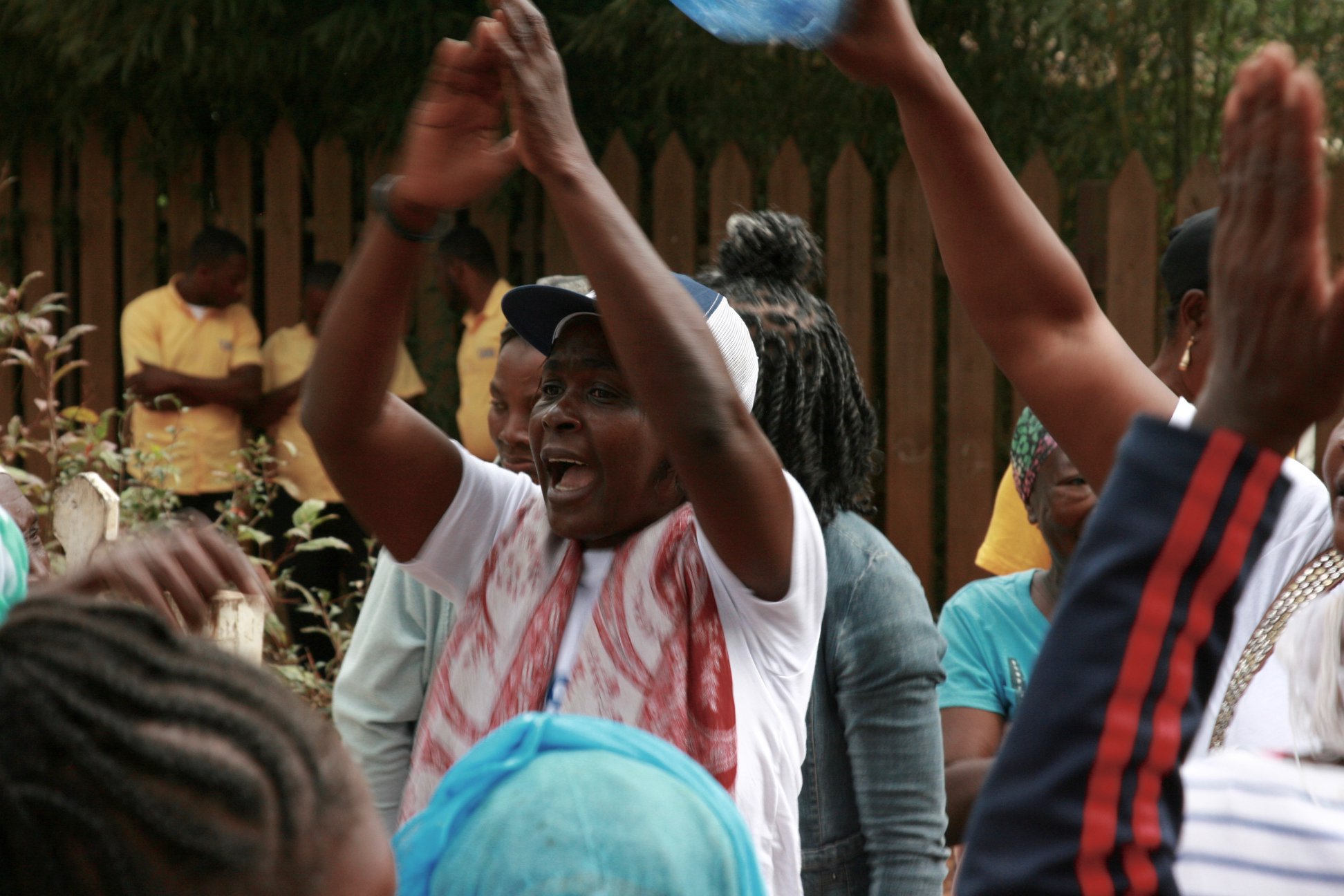
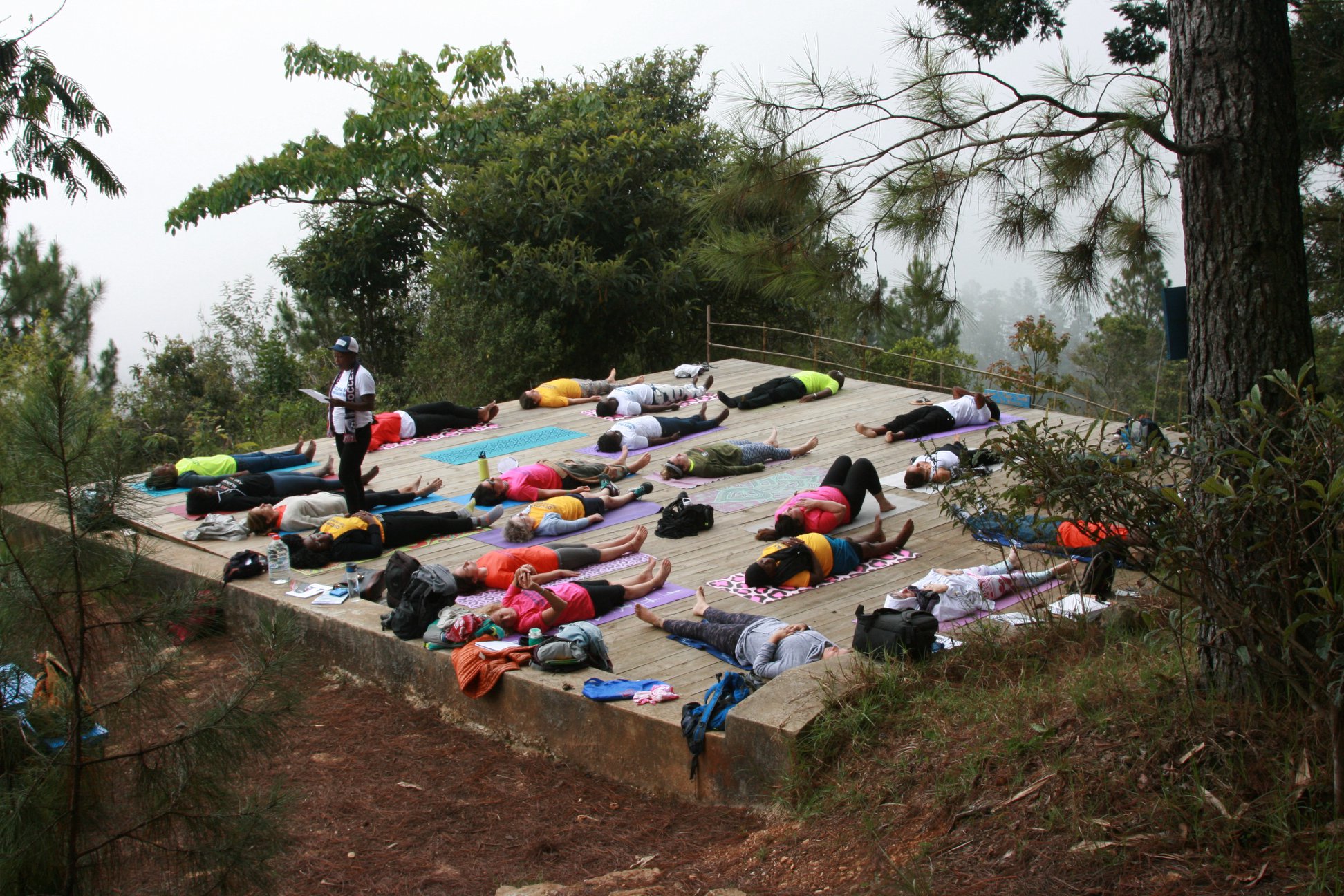
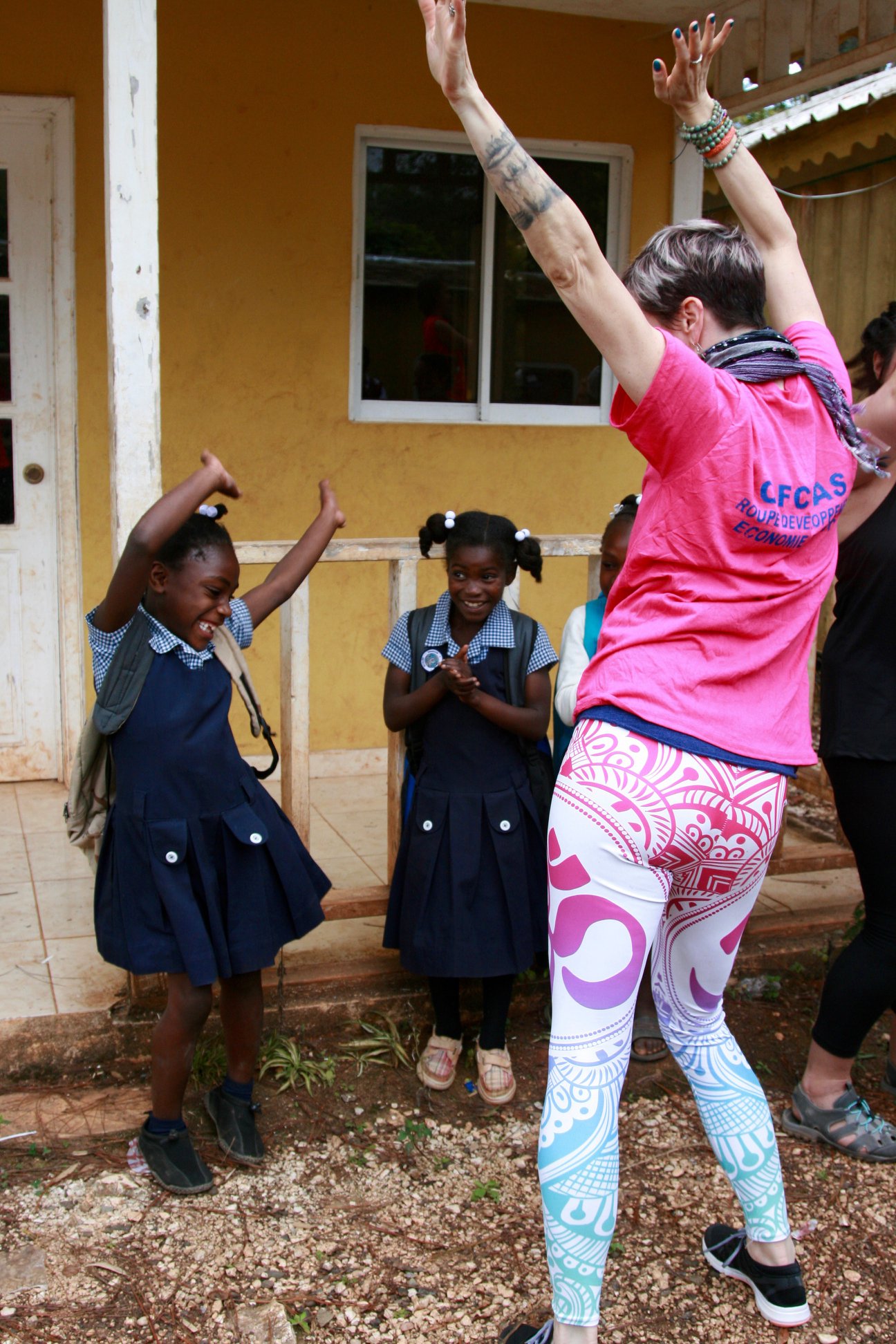
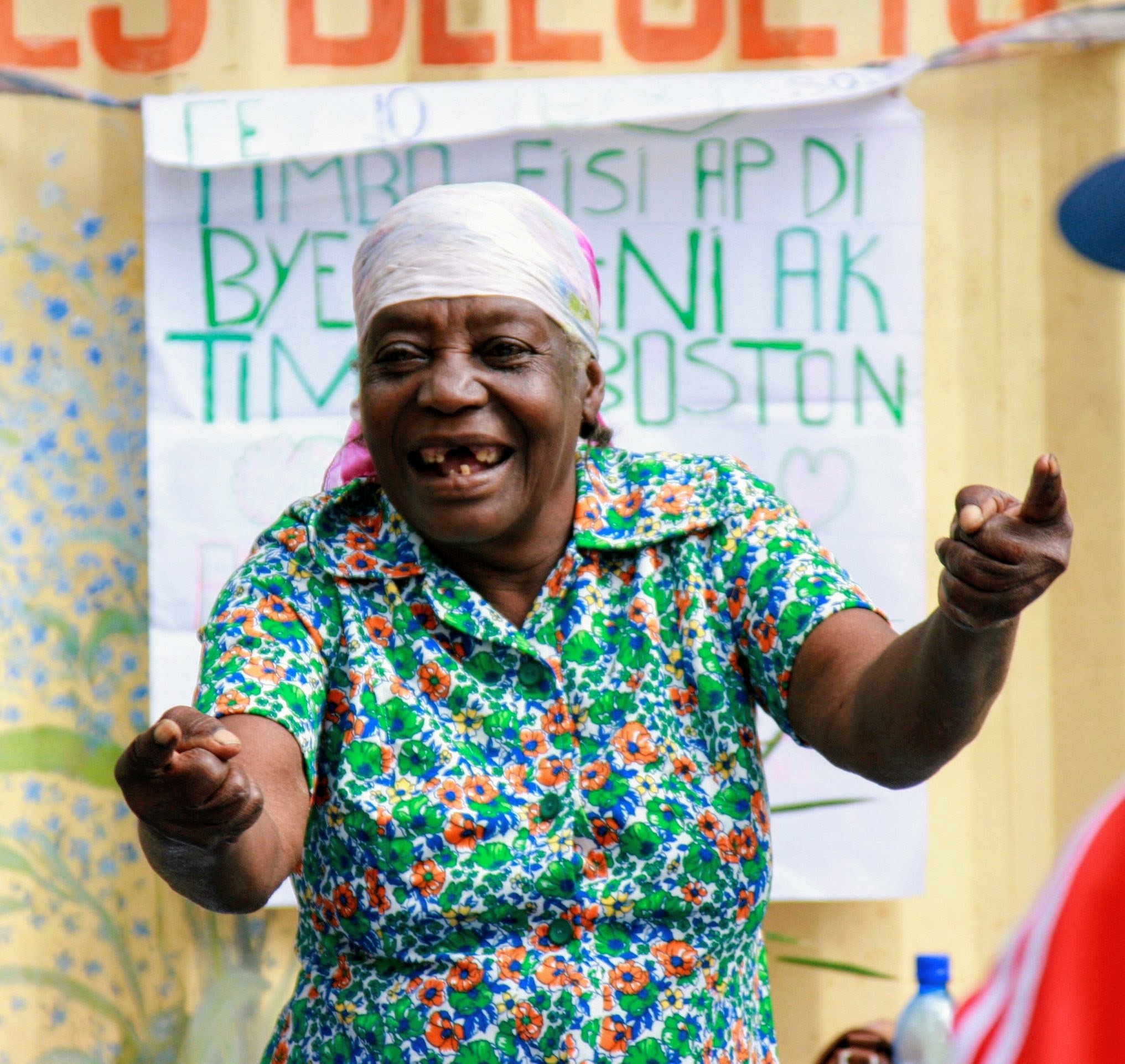
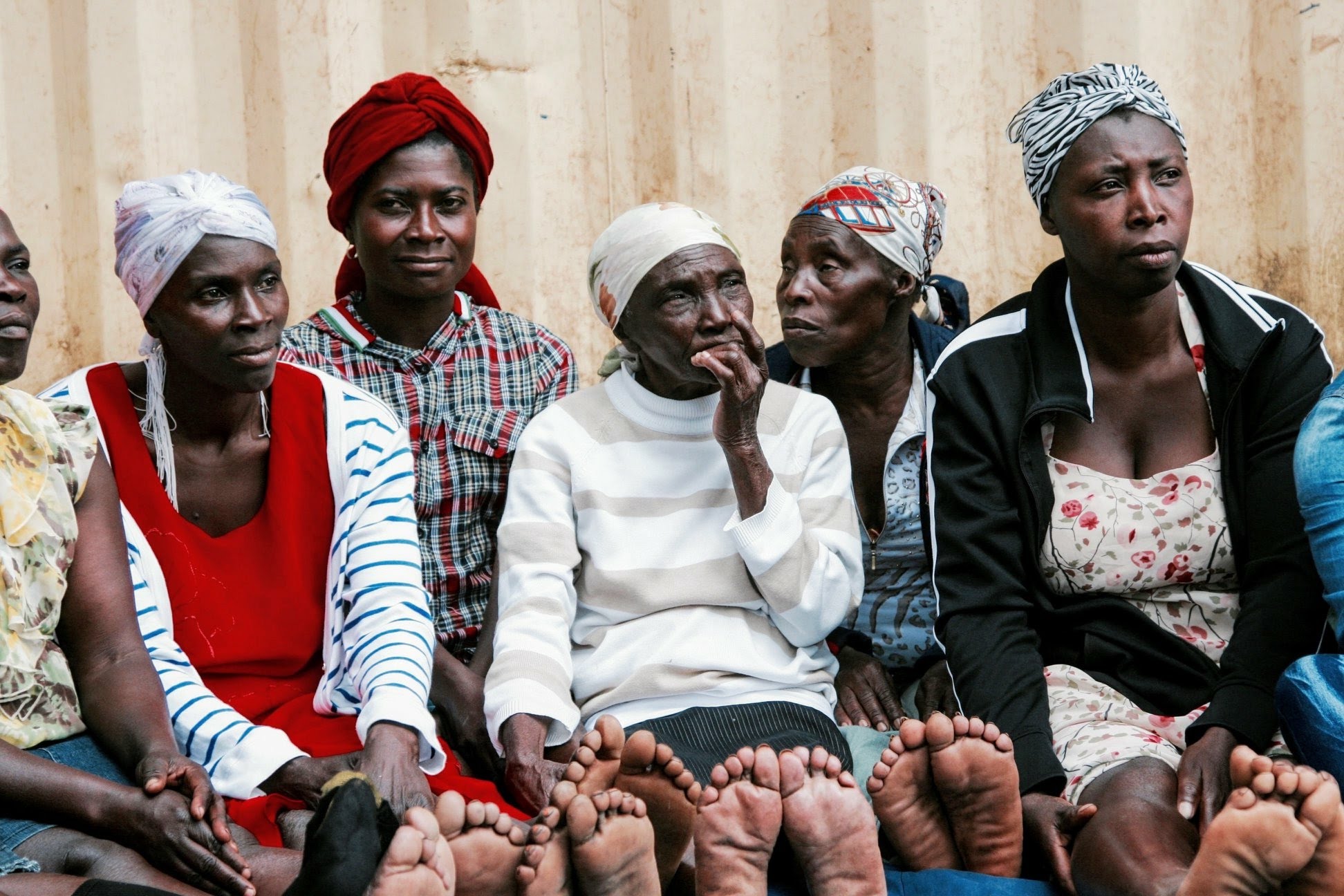
Image Credit:
Sue Jones, Cheryl Tracy
Getting in touch: BostonVoyager is built on recommendations from the community; it’s how we uncover hidden gems, so if you know someone who deserves recognition please let us know here.