



Today we’d like to introduce you to Mitra Farmand.
Mitra, let’s start with your story. We’d love to hear how you got started and how the journey has been so far.
When I was eight, my mother and I moved to Brookline, MA. Thirty-four years later, I moved back to Brookline. I ended up about a quarter of a mile from where I grew up. So, over 34 years, I’ve moved about 37 ft/year. I’m not sure how I ended up back here, exactly. Probably lack of planning.
Growing up, I listened to a lot of comedy/novelty albums – Bill Cosby, Monty Python, Tom Lehrer, Dr. Demento.
I went to the University of Colorado at Boulder, which was nice and sunny and mountainous. I briefly majored in art, but everyone was so talented, I chickened out and switched to history. If I could go back in time, I would tell my younger self, “Major in art! Just do it!” And I would tell myself, “Don’t cut your own hair.”
I don’t think of myself as an artist because art is so laborious. I think drawing digitally makes my drawings better because I would never be able to erase as much as I press CTRL-Z and re-draw. But the flip side is, it’s hard to stop revising a drawing when there’s that undo button.
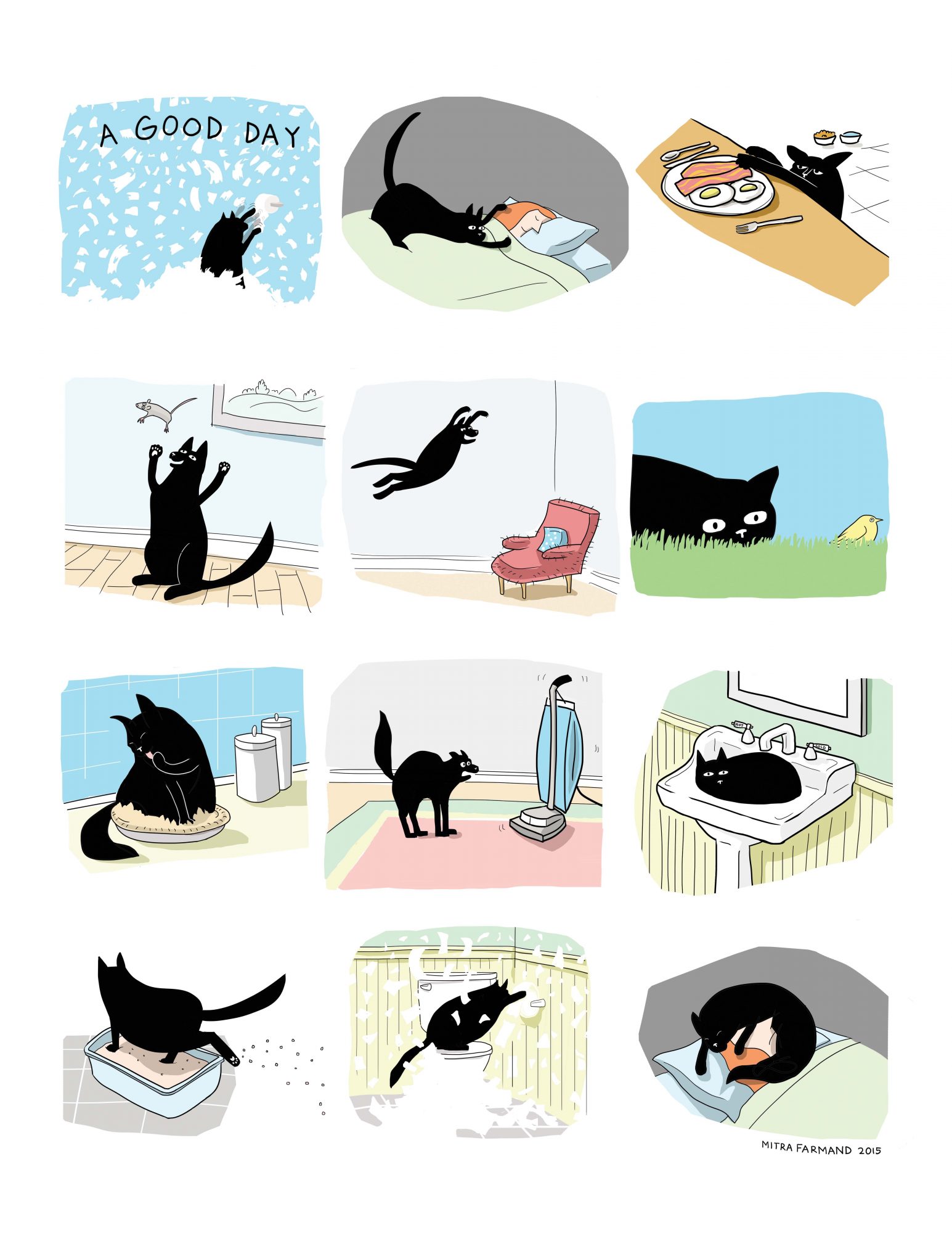
I started drawing cartoons around 2005. I had one idea for a cartoon and then another, etc. They weren’t that good – most were terrible – and there were a lot of puns which I try to stay away from now. I started off drawing digitally – which I think is unusual. I’m not sure why I went straight to digital. I think it was because I was posting photos on Flickr and I wanted to post cartoons as well, so it seemed easiest to just draw them on the computer. Though getting used to the Wacom pad (drawing tablet) took some work. Plus, I was often drawing laying down on the couch as I watched TV, so the drawings were pretty bad. But here’s the great thing about art – you don’t know how bad your drawings are until you get better at drawing. Though on the flip side, I really like primitive art – probably more than I like realistic art. It’s when you can see what someone is trying to do and failing – that’s when I think you get bad art.
I didn’t sign my cartoons for years because I never thought they’d be going anyway. It was just the internet. Whoops.
In 2011, I was working at Citizens Bank as a data analyst. I switched from full-time to part-time so I could go to The Center for Cartoon Studies in White River Junction, VT. CCS is a very small school – about 40 students. I was the oldest student in the school – 40 – which felt ancient. Most of the students are in their mid to late 20s. It’s a 2-year program – if you have a college degree, you get an MFA after two years. If not, you get a certificate.
CCS really upped my game and gave me the semi-confidence to submit cartoons to The New Yorker, which I started to do in 2011. Every few weeks, I took the train the NYC and submitted cartoons in person. After 2 years, The New Yorker bought a cartoon. Since then, they’ve bought 5 cartoons (4 have been published).
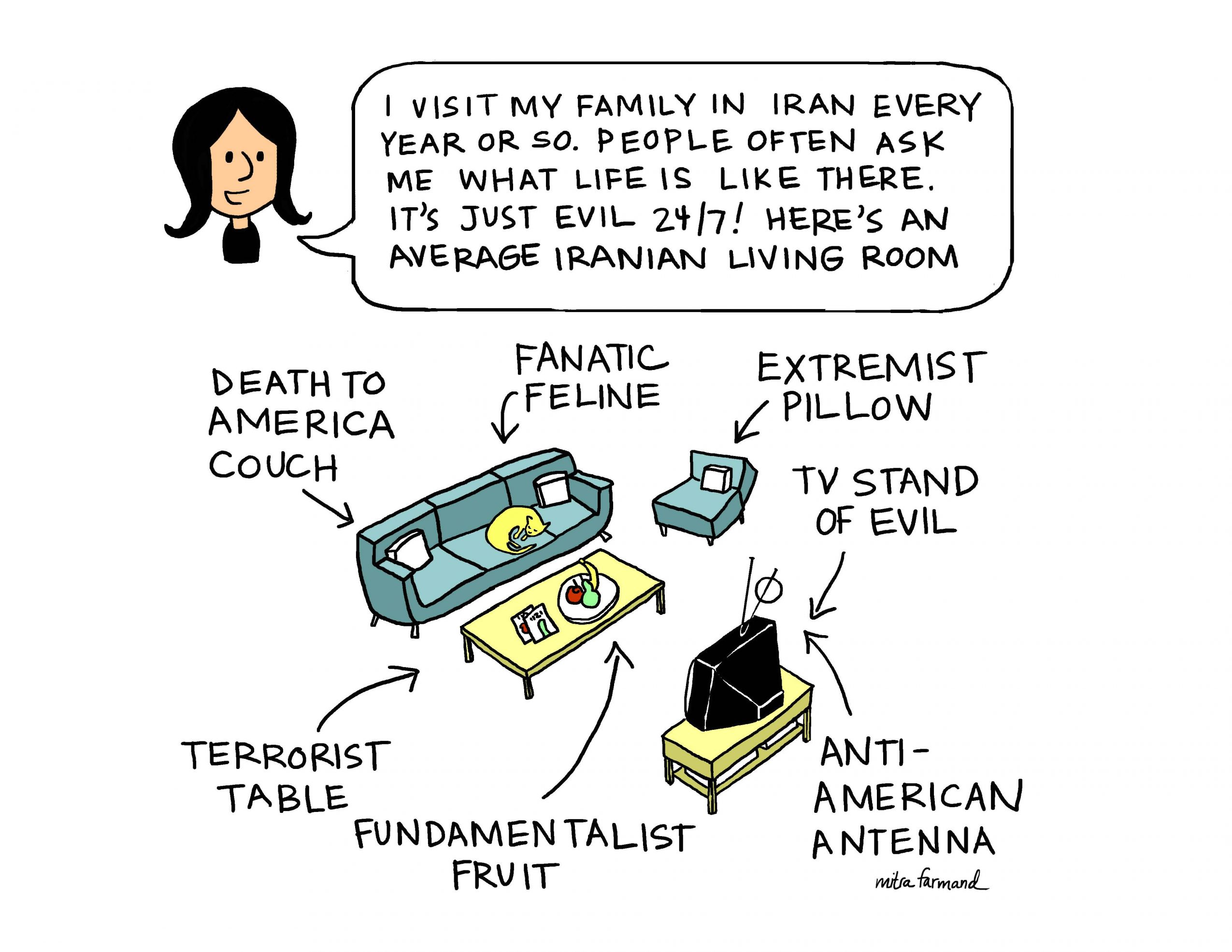
People often ask me where I’m from. My father is Iranian and my mother is American.
I was born in California. My family moved he Sudan, then Iran, then my mother & I moved to Hamilton, MA and then Brookline, MA. After high school, I lived in Worcester, MA, Balitmore, MD, Arlington, VA, Boulder, CO, and New Paltz, NY. I don’t know if that paints a picture, but maybe it’s helpful info.
We’re always bombarded by how great it is to pursue your passion, etc. – but we’ve spoken with enough people to know that it’s not always easy. Overall, would you say things have been easy for you?
It’s been a pretty smooth road. I’ve had a day job all my adult life, so I don’t try to make a living at art. I like stability. Maybe someday I’ll go from working 5 days a week to working 4 days a week.
I think persistence is key. So many people give up on making art. I think it’s important to have something in your life you’re passionate; otherwise, it’s hard to get up in the morning.
For women in particular – band together! It always helps to know people who are in the same boat.
Also – if you fuss with things as I do, tell yourself, “This is the best that I could do in the time that I had” and stop fussing with it.
So, as you know, we’re impressed with Fuffernutter – tell our readers more, for example, what you’re most proud of as a company and what sets you apart from others.
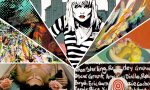
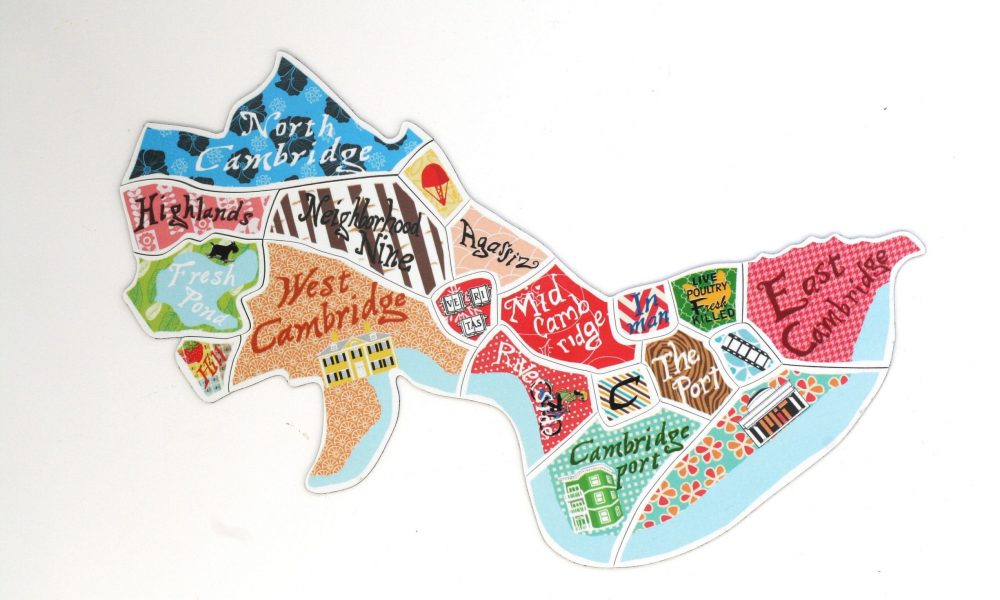
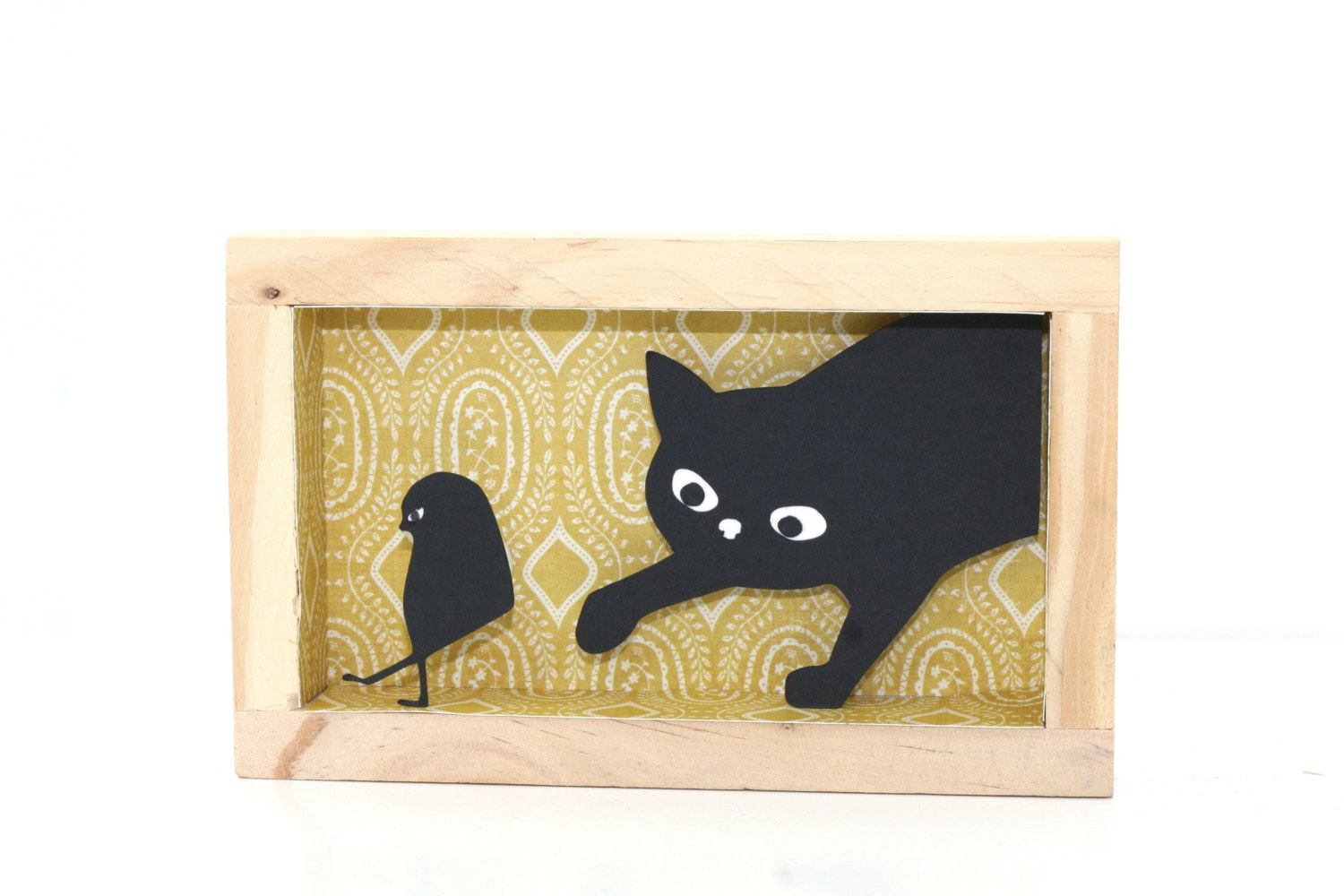
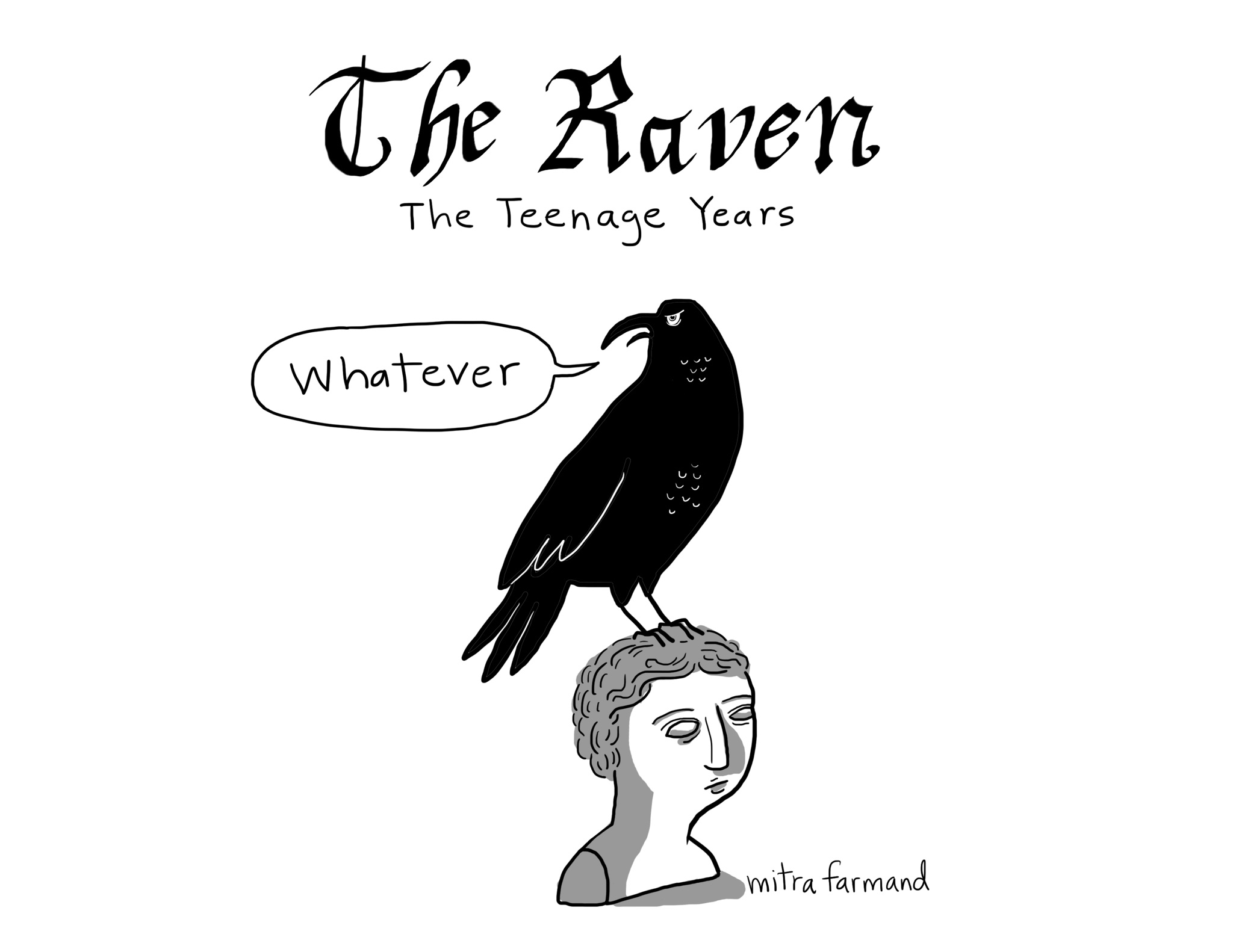
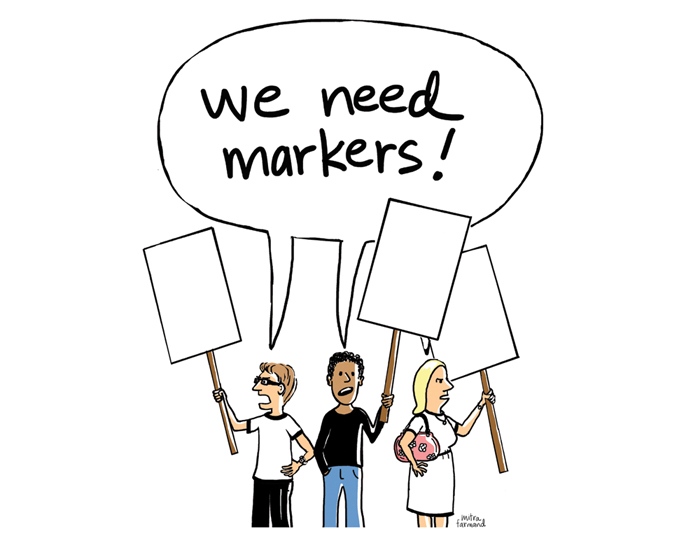
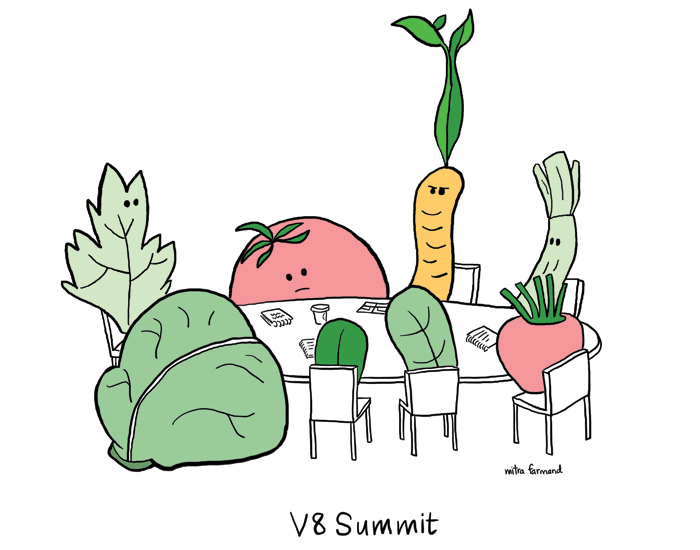
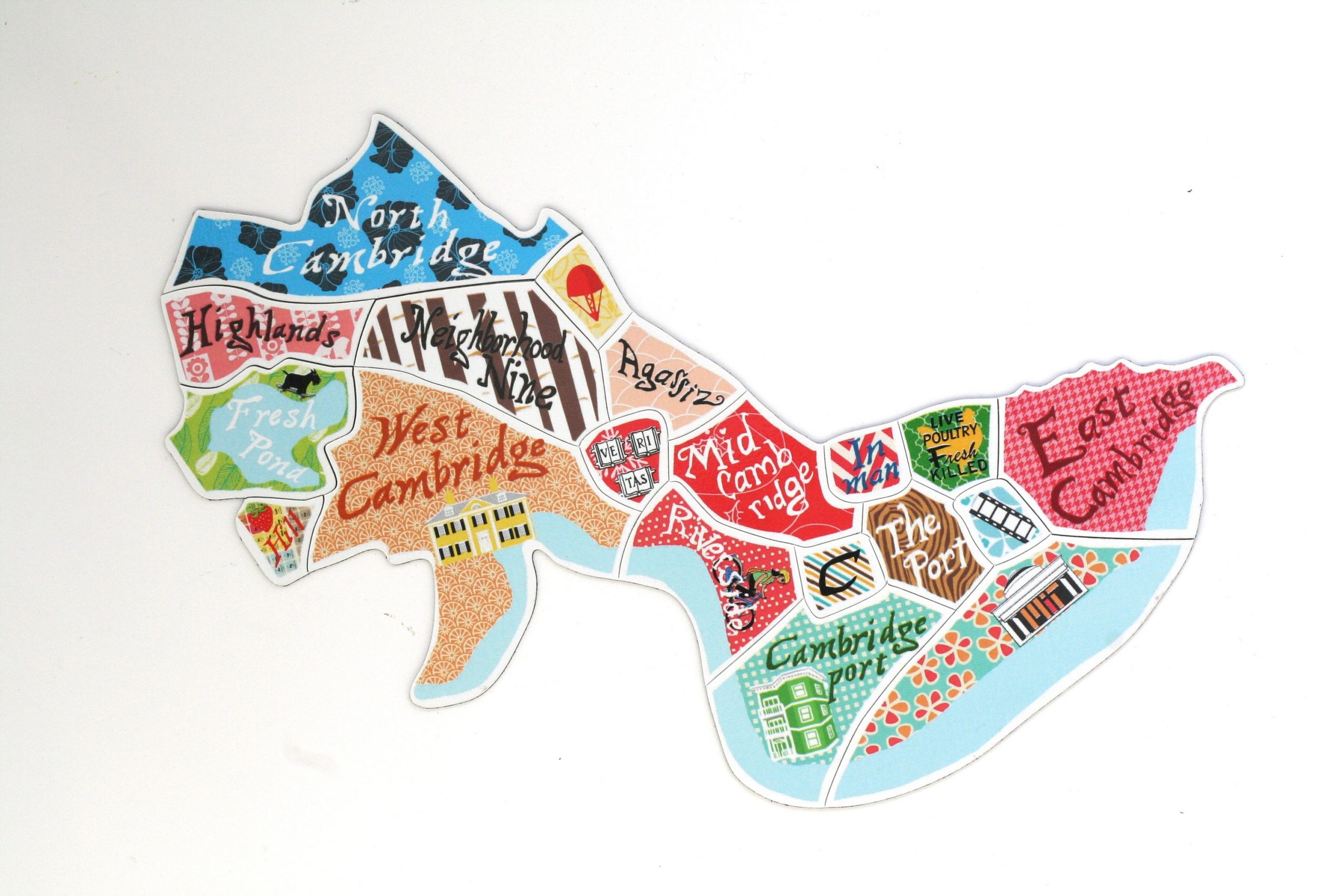
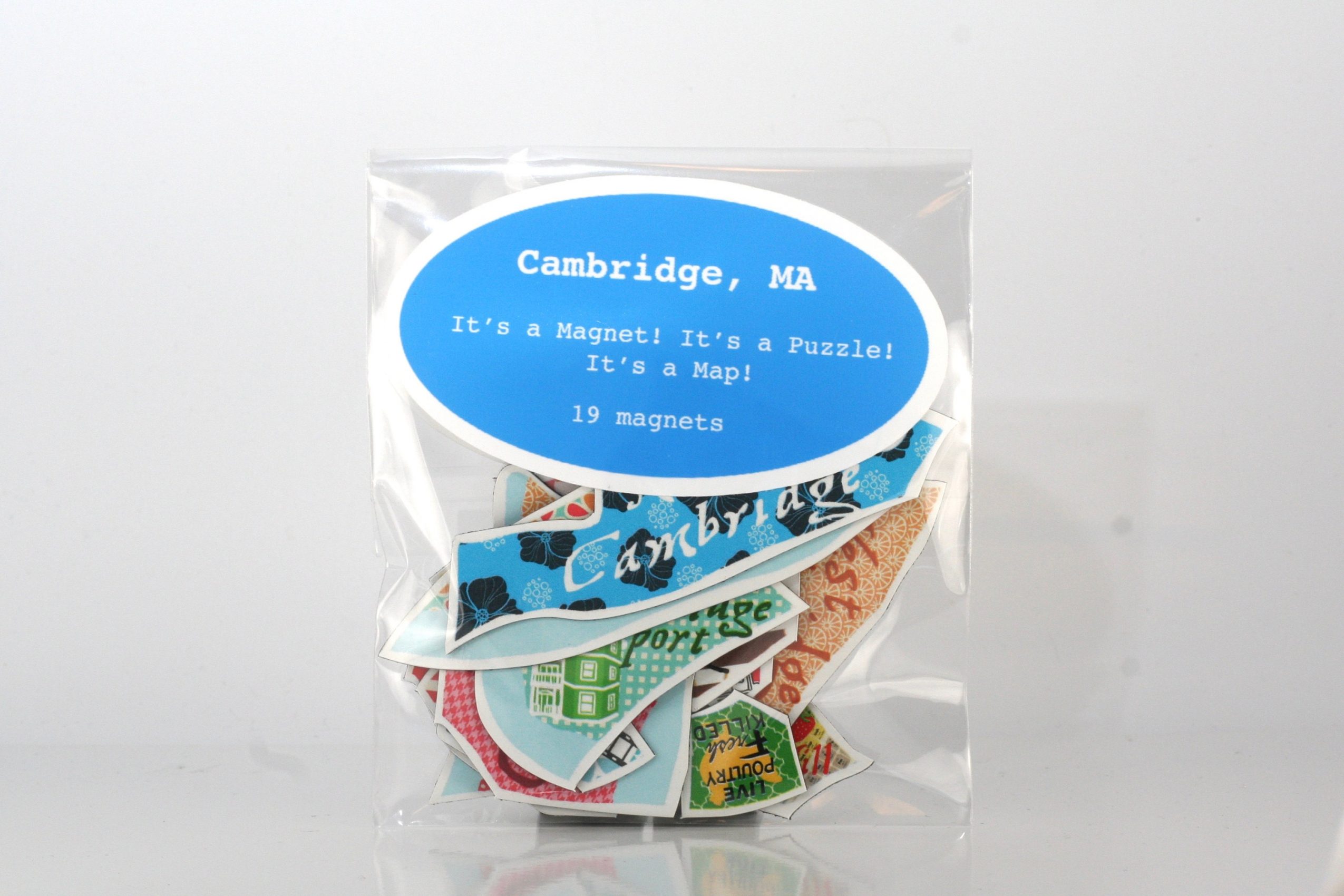
I draw comics – mostly one panel or four-panel comics. In 2015, I started making crafts to sell. I make – or put an image on – stickers, magnets, postcards, little books, greeting cards, tea towels, pins, tote bags, shadow boxes, and prints.
Being in The New Yorker was a dream come true, so I’d have to say that’s what I’m most proud of.
My comics have been published in other places as well.
I’m supposedly working on a graphic novel (though not a novel – true stories) about growing up in Iran during the Iran-Iraq war (as my half-sisters did), though we’ll see if that ever happens.
What advice would you give to someone at the start of her career?
Being around other people who are doing the same sort of thing is helpful. Cartooning (like most forms of art) is a solitary sort of thing.
Going to comic expos helps remind me that there are other people out there making amazing things – I find that inspiring and intimidating.
I sometimes attend the National Cartoonist Society’s events – that’s fun. It seems to mostly consist of syndicated cartoonists. I’ve met many people whose cartoons I read as a child. It’s always surprising to find out that they’re still alive.
Like the previous answer about advice for young women – find other people who do what you do and hang out with them. They know a lot of things and they can commiserate, too.
Contact Info:
- Website: www.fuffernutter.com
- Instagram: mitrafarmand2
- Twitter: mitra_farmand
- Other: www.etsy.com/shop/fuffernutter
Getting in touch: BostonVoyager is built on recommendations from the community; it’s how we uncover hidden gems, so if you know someone who deserves recognition please let us know here.