



Today we’d like to introduce you to Kathleen McDermott.
Kathleen, please share your story with us.
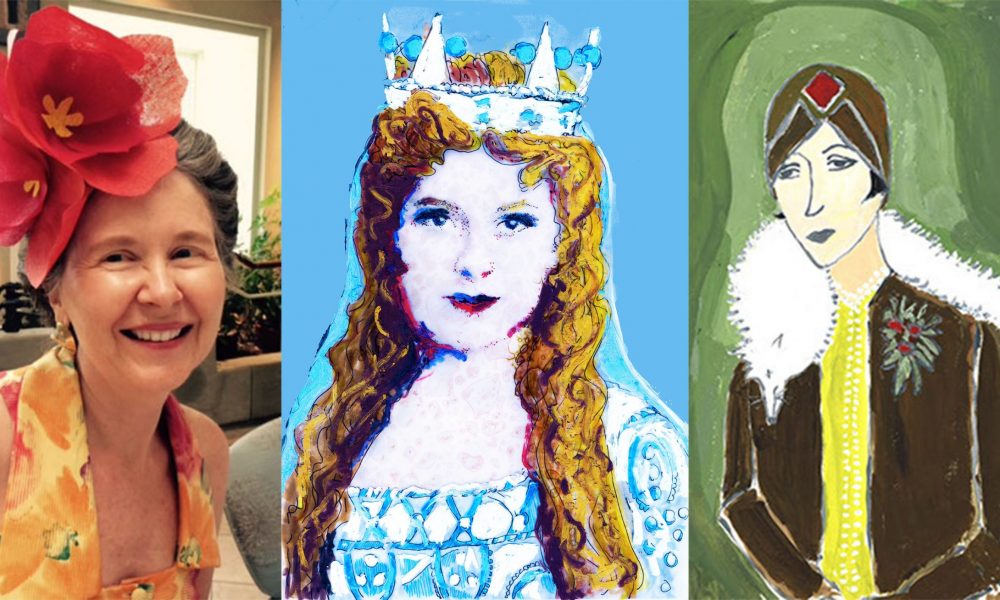
My interest in female opera singers began with fashion history: I loved the extraordinary visual images they left behind. For 200 years, great artists and photographers captured these dramatic and confident women wearing spectacular costumes in up-to-the-minute fashion silhouettes. I began collecting and sharing these powerful images with my fashion history students. And I created the first round of what would become an entire world of diva-inspired artworks.
In 2009, I began deep research into diva biography and cultural history, using the vast resources of the Boston Public Library and its lending partners. I discovered that most of these women had “come from nowhere,” typically trained within performing families far outside acceptable society. These singers fed opera’s insatiable demand for charismatic female voices and became international stars. Against all odds, they forged full, daring lives, jumping class barriers, and accumulating extraordinary wealth and power.
But their power was not just personal. As I finished researching all 26 divas (so far!) in DIVA Museum, I came to see the bigger picture — the divas’ cultural power as symbols and pathfinders. They broke feminist ground in Western women’s efforts to achieve careers, own property, and eventually vote. This is DIVA Museum’s Big Idea. Divas played a key role in advancing women’s history from 1700 to 1920.
DIVA Museum is my one-woman tribute — a hybrid of fashion history, art, feminism, and research meant to inform and delight. It’s my continuing homage to 26 remarkable women in all their genius and ambition, success and power, image and intelligence. I hope my female leadership narratives and imagery— online and in my art studio — inspire you to explore these fascinating and important lives for yourself.
We’re always bombarded by how great it is to pursue your passion, etc – but we’ve spoken with enough people to know that it’s not always easy. Overall, would you say things have been easy for you?
Why is it difficult for us today to understand diva culture of 1700 to 1920?
Divas were social outcasts. People acknowledged their artistry so long as everyone was clear about social limits and class lines. Men could throw a singer a fortune in jewels at curtain calls and that was accepted. A man could have affairs and mistresses amongst female performers and that was okay too, but he would never marry one.
In the years before social safety nets, a singer had to amass enough money during her onstage years so that she could live in retirement. She had to run her own life, make her own decisions, and deal with the backlash that entailed.
Today, opera stars speak of fellow singers with gratitude for their collegiality and professionalism. That’s not how it was. Back then, a diva’s onstage job — it was a matter of survival — was to outshine every single other person there.
So let’s switch gears a bit and go into Haute History/DIVA Museum story. Tell us more about the business.
For 30 years, Kathleen McDermott has popularized History and Culture, the last 20 years as a teacher of fashion history and women’s history.
As a Consulting Historian from 1986 to 1998, she authored illustrated histories of large American fashion, beauty, and consumer product companies including Max Factor, Butterick Patterns, Kinney Shoe, Timex, Buxton Wallets, Sherwin-Williams, and Price Waterhouse (Harvard Business School Press).
As a Fashion History Instructor from 1998 to present at Massachusetts College of Art and Design and concurrently for five years at Rhode Island School of Design, she has presented visual slideshows and lectures on 500 years of fashion, culture, and art history to hundreds of undergraduates and fashion design certificate students. Her classes are designed to create informed and activist adults passionate about women’s history, fashion history, and art museums. She wrote, illustrated, and published in 2010 an accessible fashion history student handbook Style for All: Why Fashion, Invented by Kings, Now Belongs to All of Us. See her resume online for all fashion history public speaking and museum gallery talks as well as her TV, radio, and print commentary.
Since 2001, Kathleen has created and sold fashion-history-inspired handmade hats and accessories to private clients and to Boston Lyric Opera as donor gifts. See Kathleen’s Hats About Town photoblog for the visual record.
In 2009, Kathleen created DIVA Museum: How Opera Singers Changed the World, 1700-1920, a multi-media art and education platform featuring the pathbreaking role of opera singers in Western women’s empowerment. Incorporating all of Kathleen’s developed strengths as artist, teacher, and historical popularizer, DIVA Museum’s broad range of communication tools and public activities are designed to reach the widest possible audience and influence the cultural dialogue.
For good reason, society often focuses more on the problems rather than the opportunities that exist, because the problems need to be solved. However, we’d probably also benefit from looking for and recognizing the opportunities that women are better positioned to capitalize on. Have you discovered such opportunities?
In June 2018, our world-premiere show DIVAS debuted in Boston and met with critical and audience acclaim. Over two years, many individual female artists worked beautifully together to make DIVAS. The process was its own success story of women’s empowerment and the strength of respectful collaboration.
Contact Info:
- Website: www.hautehistory.com
- Instagram: @diva_museum
- Twitter: @hautehistory
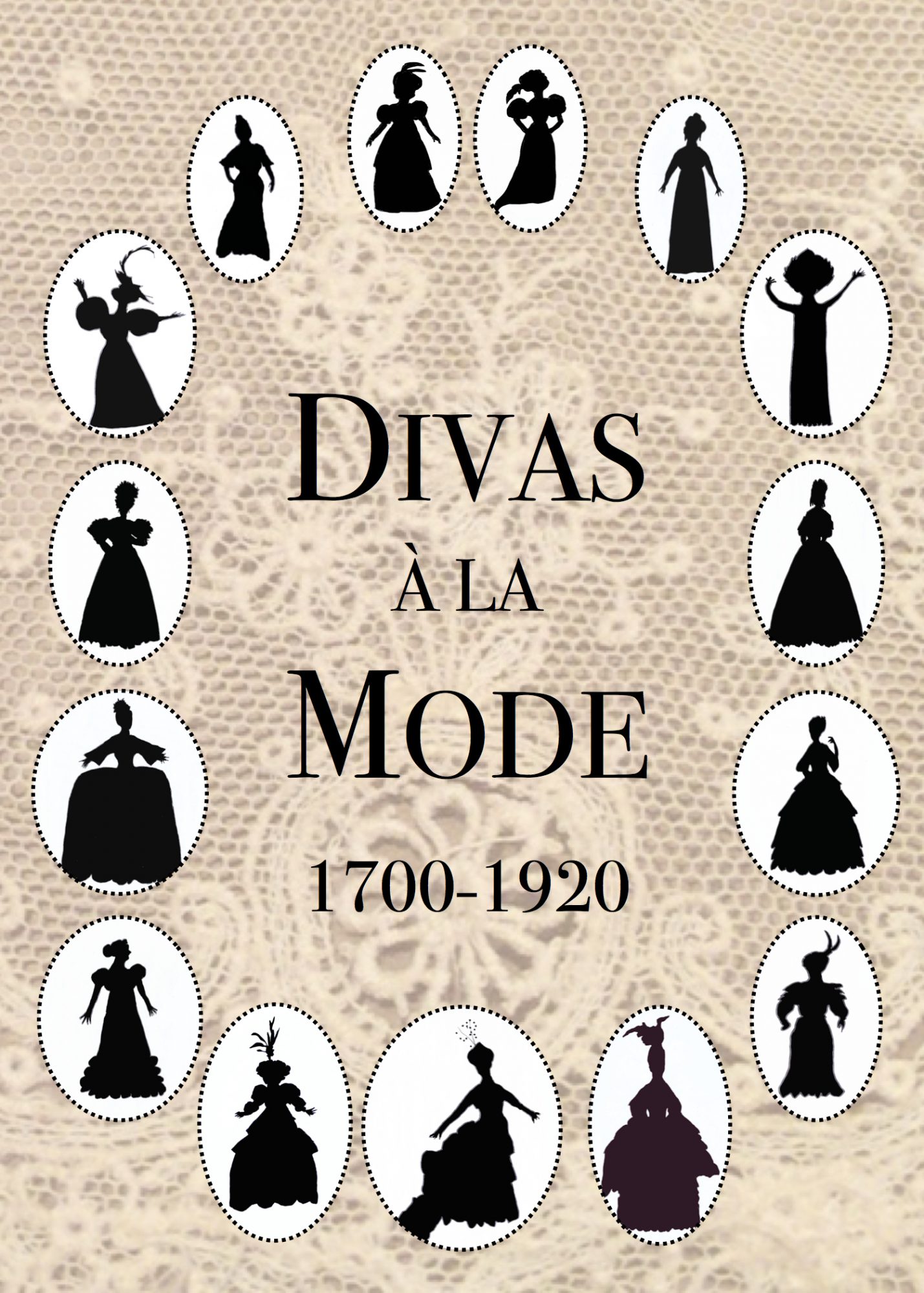
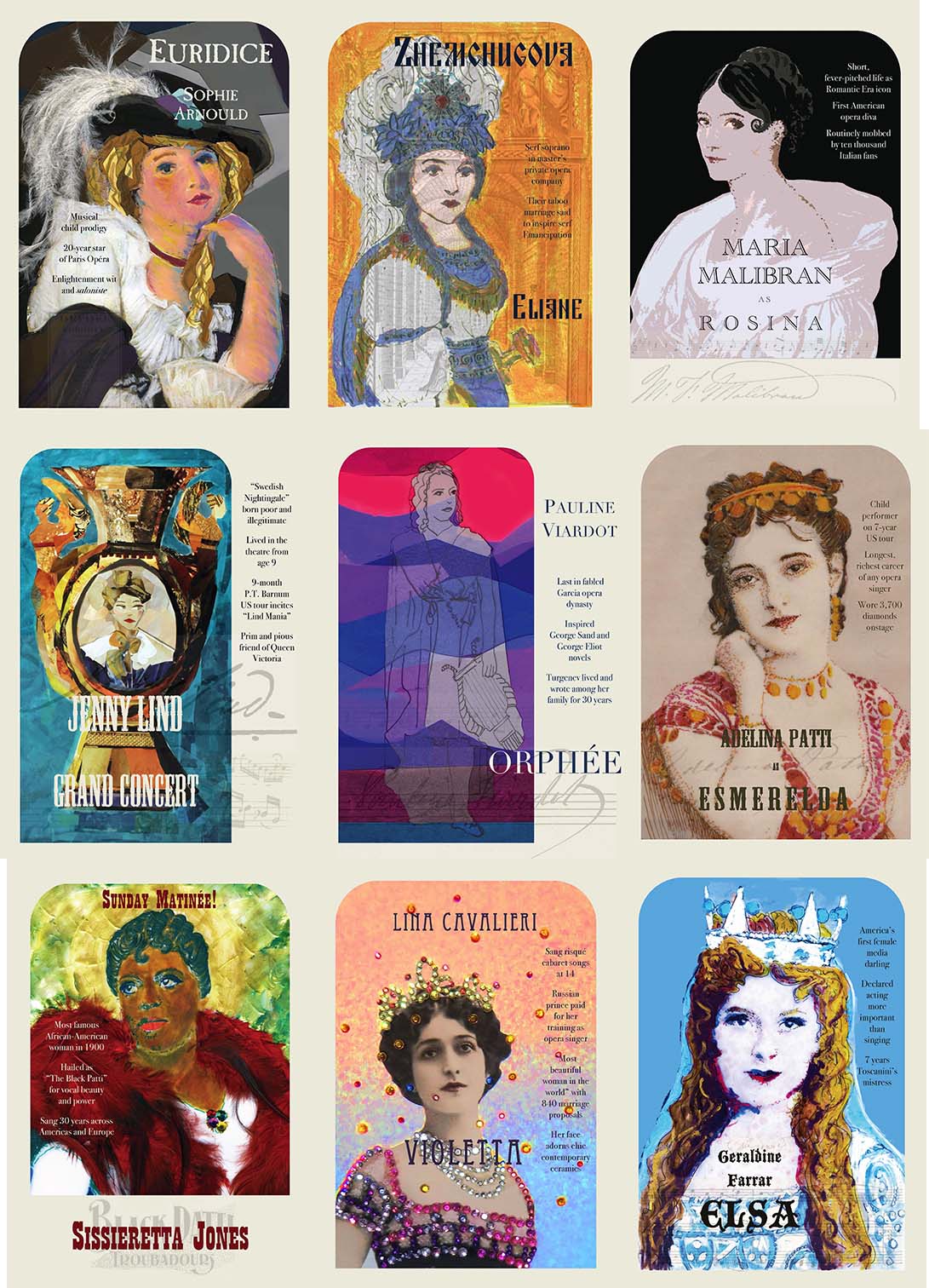
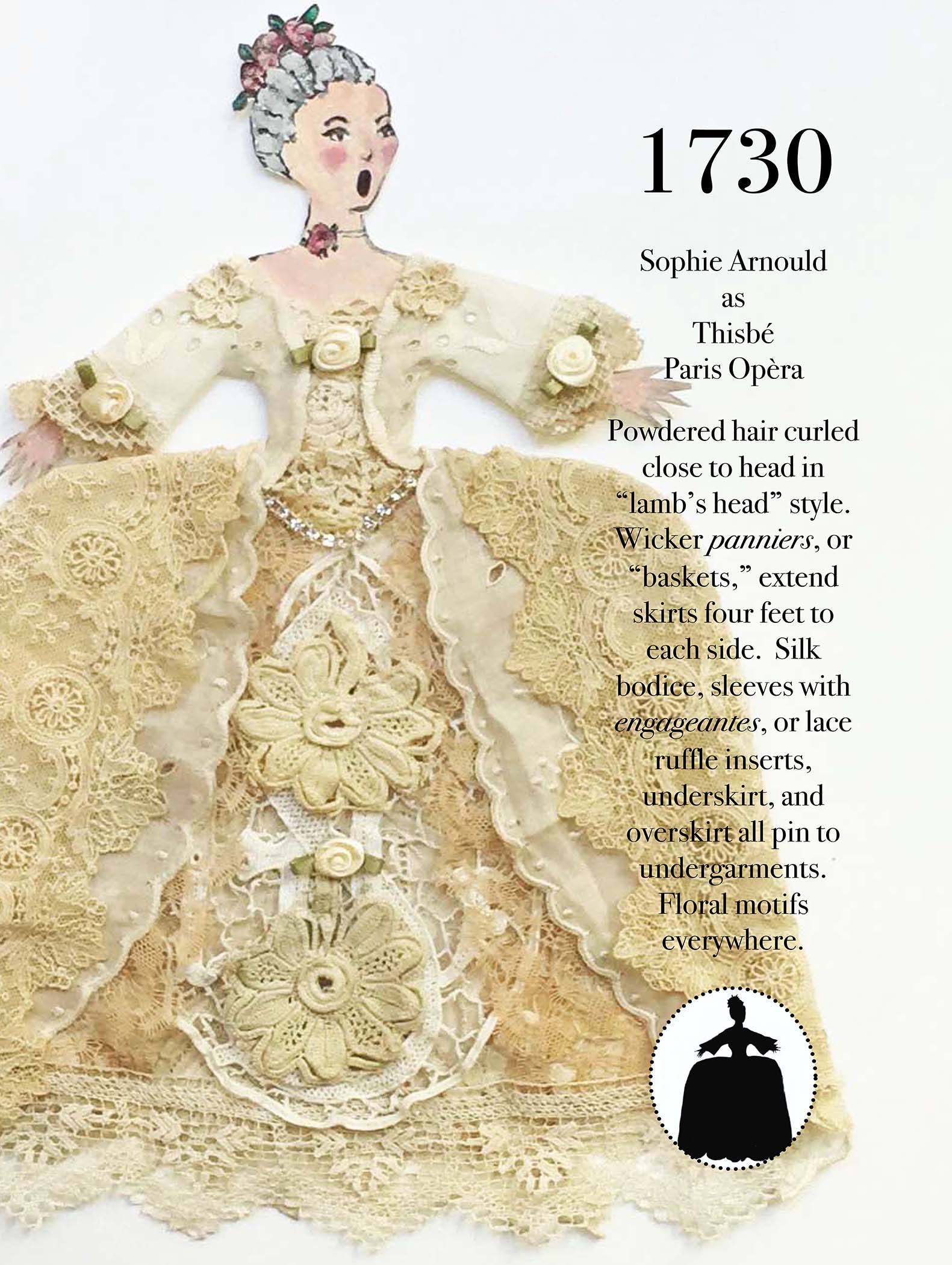
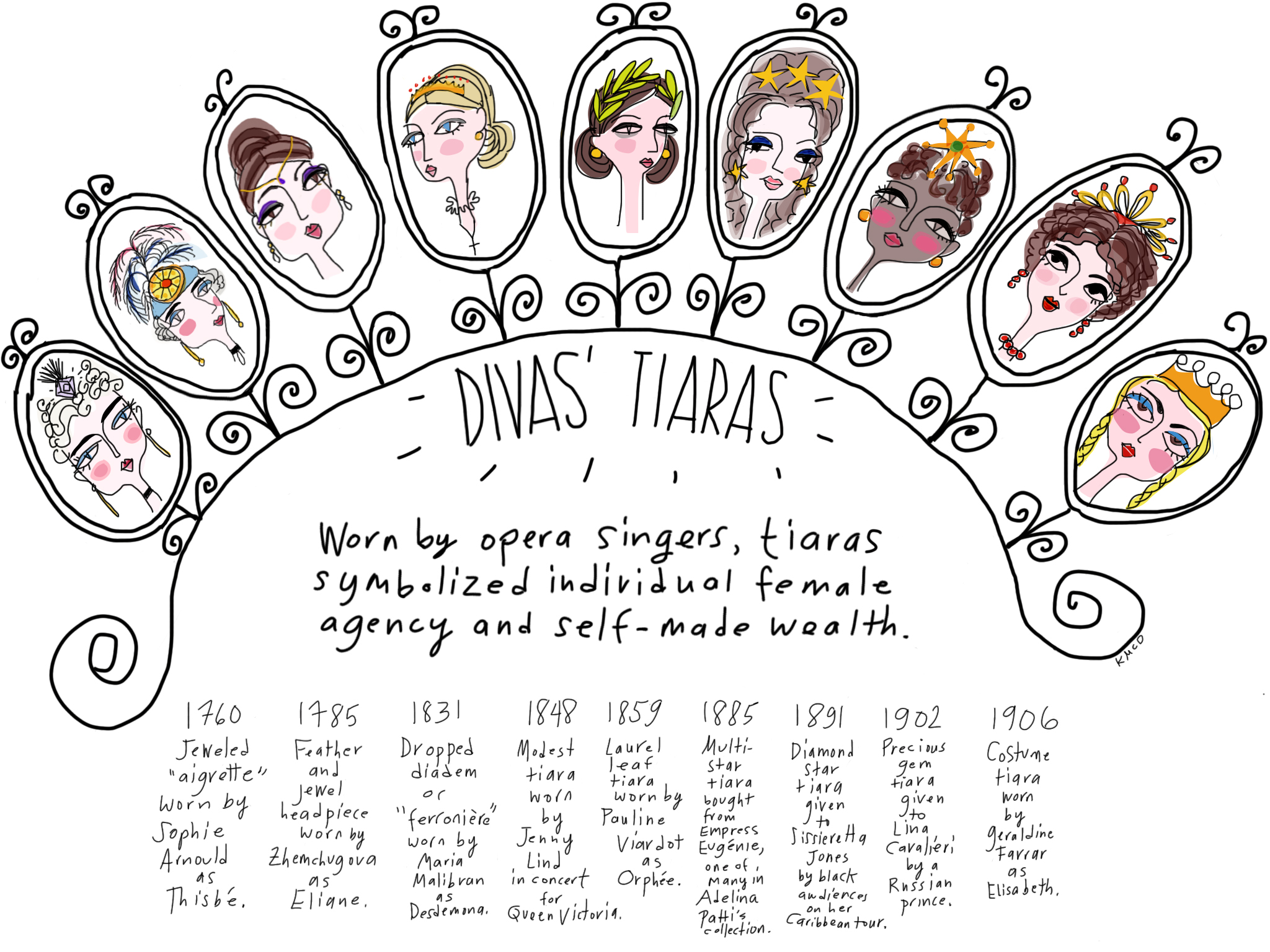
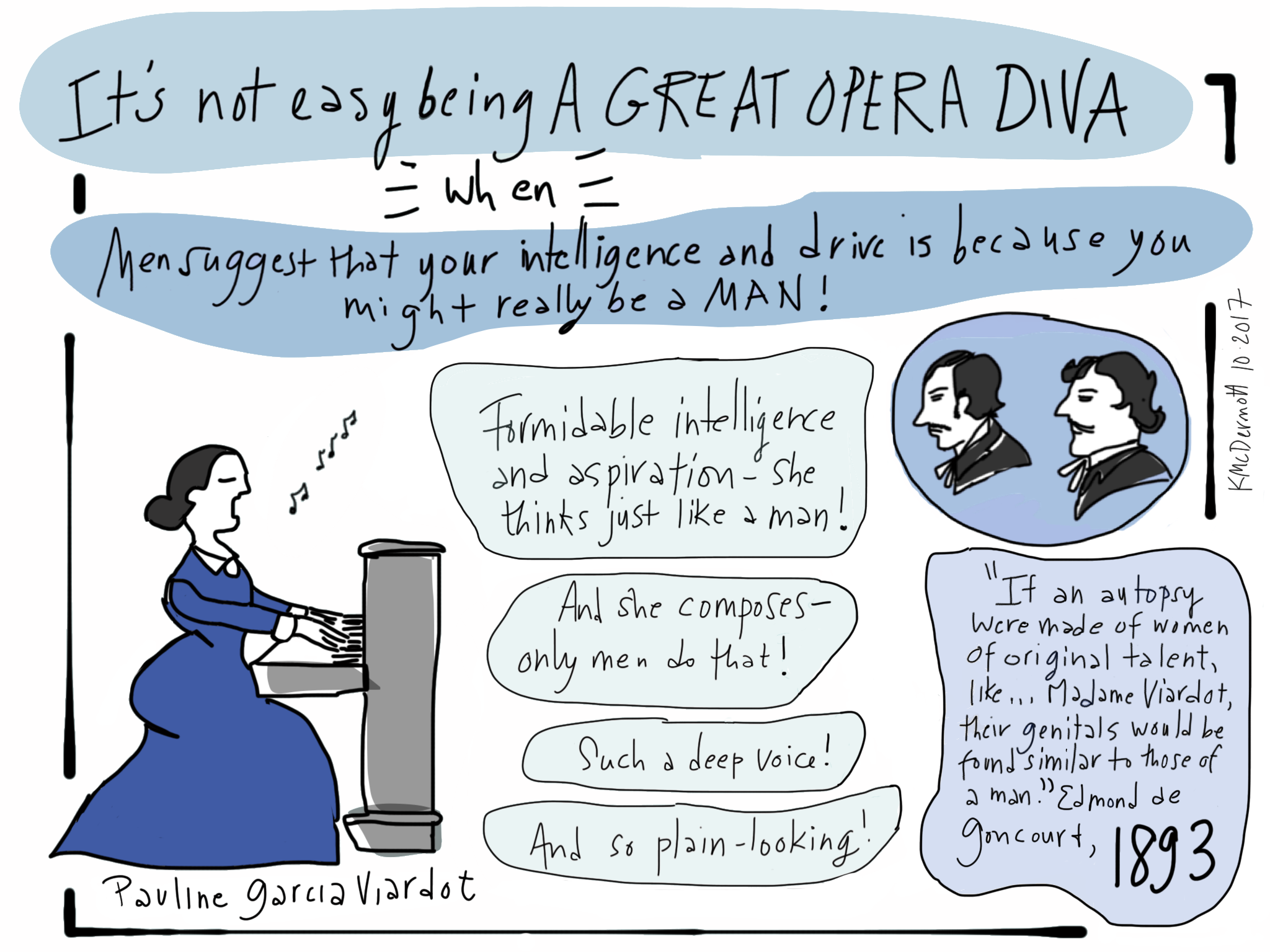
Image Credit:
Kathleen McDermott
Getting in touch: BostonVoyager is built on recommendations from the community; it’s how we uncover hidden gems, so if you know someone who deserves recognition please let us know here.