


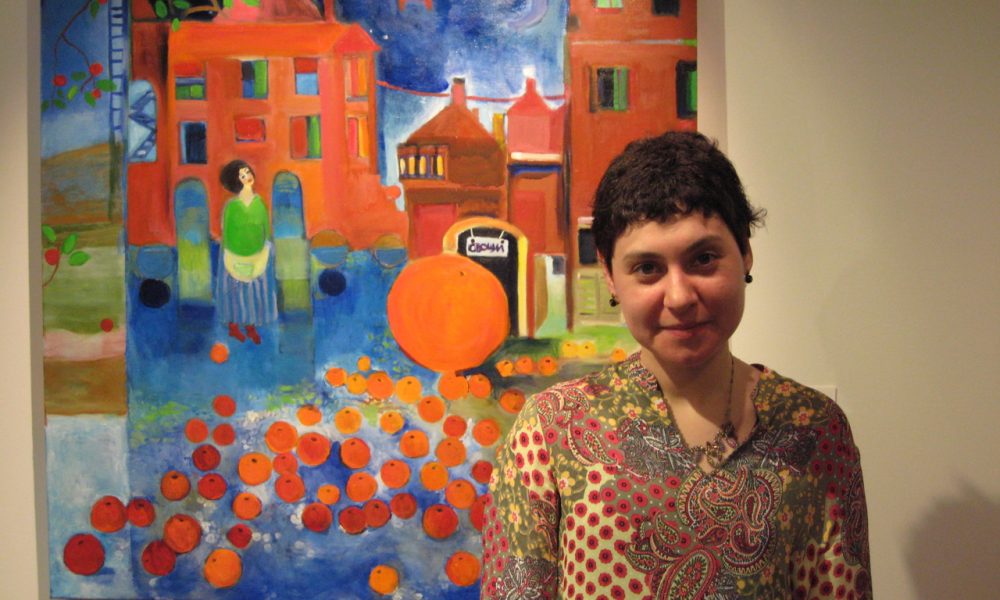
Alexandra, please share your story with us. How did you get to where you are today?
I grew up in the Soviet Union where artistic freedom was repressed. My parents were freethinkers and art-lovers. My father painted when I was growing up and I happily joined him. I was five year old and we visited museums almost every week.
I was already enrolled in a wonderful art studio for children. It was different from all other schools. Because it was part of the Moscow MFA – artists who taught there were able to create a curriculum based on art history with no politics attached to it; which was exceptional for a Soviet Union institution.
My imagination was stimulated by forbidden freedom and I have been painting and drawing intensely since my childhood. In the Soviet Union though, everything was planned and everybody was expected to do things in a certain way. If you rebelled then you had to deal with life-threatening consequences – like losing jobs or being rejected from schools you wanted to go to. In order to become an artist in the Soviet Union, you were supposed to study classical art and realistic drawing for five years and go through extremely tough exams; if lucky you could go to one of the five Art Institution or enroll in the Architecture school. I rebelled against a strictly classical education and ended up studying with the well-known dissident artist Grigory Bruskin; thanks to him I became part of Moscow alternative cultural scene of the 1980’s…
And then Gorbatchev “happened”. I loved being a teenager in the falling-apart Soviet Union. There was freedom in the air, the time of Perestroika and most young people my age were full of hope and excitement about the future in Russia. In the mid-eighties, some American and Western European Art started entering Russian Museums and galleries. That was such a breath of fresh air.
But adults felt different and they wanted to catch the possibility to leave the country. In 1988 my parents decided to leave Russia. I was only 17, struggling to forge my artistic and personal identity. That’s why I felt neither excited nor ready to become an immigrant. Nevertheless, as I had no other choice but to follow my parents – who were struggling at that time to save the money for the tickets to America – I started reading in a chaotic way books about modern American Art. Based on my readings, I concluded that if I wanted to become a real artist in America I had to go to New York.
In 1989 we arrived in America. Instead of going to NYC though I found myself in Pasadena, California. That’s where my aunt who sponsored our trip lived. Pasadena shocked me. I felt like I had landed into another planet. I had to learn everything from the beginning, the language, the names of the people, the names of the streets – everything was unknown like in a dream. I had to struggle hard to shape my new personal and artistic identity in a new land that was immense and almost ungraspable. Where was New York I had read about? Could I find it on a map? How can I get there? My parents had to survive, find jobs, and take care of my little sister… I was falling off the family tree…into a lonely artist path.
I started looking for ways to move to New York and found a program called “Studio Semester in New York”. The program was giving artists’ studios to work in. At that time the program was a part of SUNY, Empire State College… That’s how I got my first smallish studio space on Lower East Side: with no heat and with pieces of plywood on broken windows. But it did not bother me. “That’s how American dreams are built”, I thought. I was wrong. Cold, starvation, solitude, and depression are not a necessary condition to pursue your American artistic dream.
In the meantime, I worked in many jobs, including some very exciting ones: I was an art assistant to Douglas Davis and his Russian/English translator in Ronald Feldman gallery for a few months. I was lucky to get a babysitter job in the house of a retired ballet dancer who was opening an Art School right then. She hired me as an instructor and my American teaching career began.
All in all I made very few friends in New York and my English was improving very slowly. That’s why I felt frustrated and New York became somehow unbearable to me. In 1993 I applied to Graduate schools. I was accepted to the Museum School (Boston MFA) and I moved to Boston. After graduating I moved to Minneapolis for almost 10 years. It’s a long story. But to make a long story short I am back to Boston again. I live, paint and teach in Somerville.
Great, so let’s dig a little deeper into the story – has it been an easy path overall and if not, what were the challenges you’ve had to overcome?
Roads are never smooth in my opinion. Even highways have stoplights. The first thing to do is to understand that and accept the fact that obstacles are just a part of our life. Immigration and displacement have always been one of the main challenges in my life. I am sure that relocation from country to country, from State to State, from job to job it’s the hardest thing. It needs readjustment and it takes a lot of time and energy. I don’t want to tell people to stay put where they are. Move around, travel, go too far but take care to have balance, not chaos as your primary goal.
Young women often ask my advice if they should go and get an MFA degree. This is a tough question. Before answering those kinds of questions I recommend people to look at the resumes and life-stories of artists they like and admire. It is definitely wrong to go to Graduate School only because you don’t know what else to do. If you want to go to the Graduate School because you want to teach in Universities then have no illusions. Academia is very competitive and chances that you are going to live in your favorite place are not too high. To have better chances of success then you have to focus on subjects, which are useful but often “un-listed”. That would be something very new and technical, like animation or something very old and often forgotten like icon painting or history of paper.
If you want to have a family – it is possible. But to have a good family and work at the same time it’s not. Understand where your family income will be coming from and most importantly, learn to be flexible. Flexibility, if used correctly, is not about compromise and sacrifice; it’s more about finding new ways for the sake of never giving up. While your kids are growing up look for balance not stability.
What should we know about your business? What sets you apart from the competition?
Being prolific artist since my childhood I kept learning from practice and by trial and error. I was only 18 when I came to America, but I brought with me a huge and impressive portfolio with my paintings and drawings. My work was narrative, personal, whimsical, funny and I think had an intense flavor of Russian Avant-Garde. I remember meeting a Russian-born successful artist in my first weeks here in America; after looking at my work he smiled and said: “This is great! Just make 2,000 more of them, switch to oil on canvas and make sure they are at least 5 feet wide”.
Of course, at that moment, I had no idea what he was talking about. But rethinking those first weeks of my life in America, I often smile to myself realizing that he was right. Rather unconsciously, I followed his advice, but it took me a while.
After moving to New York I pushed against my nature and made myself into an abstract painter. I learned a lot just by doing and seeing. When I applied to the Museum School I did so with a portfolio of abstract paintings. I really struggled hard to succeed but at the end I had to admit that abstract painting it’s not my cup of tea. Thanks to that period, however, I acquired profound knowledge into the chemistry of art materials. I always loved cooking and playing with liquids in color excited me. I know a lot of painting techniques and if I was not lazy I could have become a decent restorator; but studying chemistry as a science, for some unknown reason, scared me. Because of the profound knowledge I have acquired regarding the science of paint, sometimes I fancy myself writing novels where the main protagonists will be experts in art forgery: either making a fortune by selling forged works of famous artist or investigators who hunt down talented con artists.
In any case, after settling in Boston in 1994 my art made a peaceful shift towards geographical narration. I drew a horizon line across one of my abstractions and felt myself again. Therefore text came back to my work and I was able to translate my Russian poetry into English. I completed a series of wonderful projects between 1995 (the year I came to Museum School) and 2000 (the year I got married and moved to Midwest). I consider two of them as my most important projects: “Re-thinking series” and “Famous people in the shower”. The “Re-thinking series” was my first project where I used famous works of art as a conceptual material. Each piece was a combination of an interior with the view of a recognizable city and a wall where there is a piece of famous art hung on it. Pieces are titled accordingly: “Re-thinking Malevich in Moscow”, “Re-thinking Pollock in NY”, etc. There are eight of them. And then there was a series of famous painters taking showers. It started with a piece called “Jackson Pollock masturbating in the Shower” – for which I received a review in Art New England but also the attention of Meredith Moses.
After graduation, I stayed in Boston, sublet a studio in 249A Street and started teaching in Solomon Schechter. Under the supervision of a very successful gallery (Clark Gallery), my work became more decorative, lost all sense of humor and replaced famous artists with recognizable animals and birds. At a certain point I felt that I lost my content. A Boston Globe review in 2000 wrote something interesting about my work: “She is an effective painter, but the work has a happy kind of look to it. Rozenman would benefit by using her skill to address content that is more challenging than pretty”.
The Hard truth was that I knew that too. I needed a change. That change happened in Minneapolis. My work shifted from being pretty to being unpredictable. In the beginning I experimented and produced a lot of mediocre conceptual art. But that work opened a few doors for me including New York Painter’s Gallery, The Drawing Center and MacDowell Fellowship. Finally, Beauty won over pretty in my work. It has been very challenging and risky for me but it was definitely worth the struggle.
For the last eight years I have been working on a body of work called “Transplanted”, which focuses on humorous narratives of me cohabiting, “moving with”, “running to”, “waiting for” famous artists. By inserting myself into the painting, I point out the irony of living with and within an artist’s work. I want to touch upon issues of artistic influence and dialogue, emulation and creativity, continuity as well as discontinuity in contemporary art and the world as a whole.
Last Fall I removed a lot of art history from my work and allowed my scenes to be more personal, with me being absent from them. There is a game between inside and outside – furniture appearing in absolutely unexpected places like forest; the theater stage falls into the ocean and old ships become small and end up burning in a cozy fireplace.
This month I am part of a group show titled “Looking forward, Looking back” at the Flinn Gallery in Greenwich, CT. The show includes four artists, whose work takes a contemporary look at the work of famous artists and prior periods of art, emphasizing the importance of the artist’s conversation with history. I’m in the excellent company of three other artists: Rebecca Clark, Rebecca Smith Ford, Hilary Irons. Leslee Asch and Dianne Niklaus curate the show.
What do you feel are the biggest barriers today to female leadership, in your industry or generally?
Women are not new to leadership; think of strong personalities like Cleopatra in the ancient times and of the women who led the civil rights and education reform movements, closer to our times. My advice for women leaders everywhere is to go for what they want in their careers and not give up. Hone the necessary skills that will give you those opportunities, such as your communication skills, leadership development, and emotional intelligence. Raise your hand in meetings. Speak up, and be heard.
Contact Info:
- Address: 86 Joy Street, Studio 37, Somerville, MA 02143
- Website: www.alexandrarozenman.com
- Email: alexandra.rozenman@gmail.com
- Instagram: a_rozenman
- Facebook: https://www.facebook.com/alexandrarozenmansart/
- Other: www.artschool99somerville.com
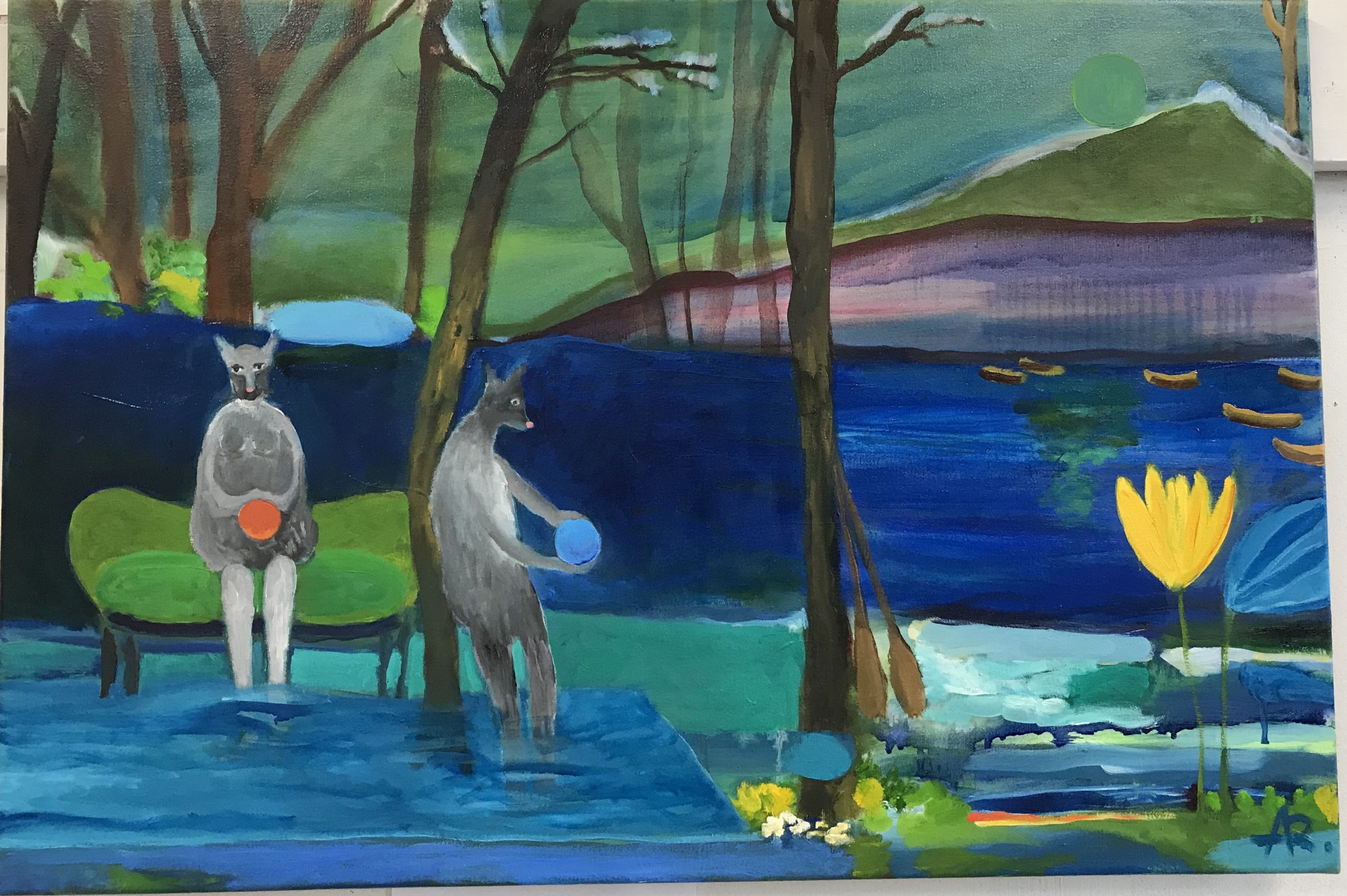
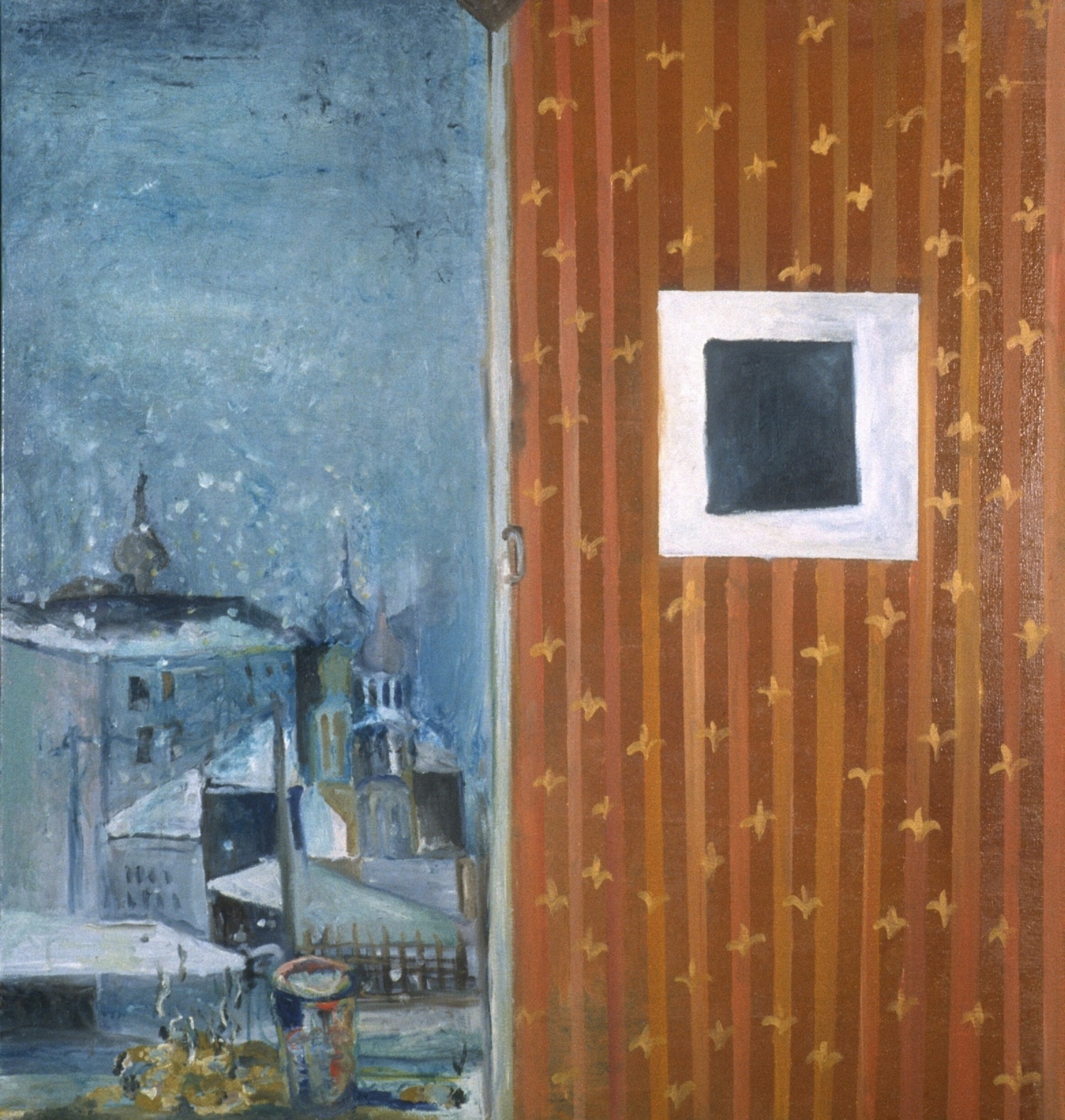
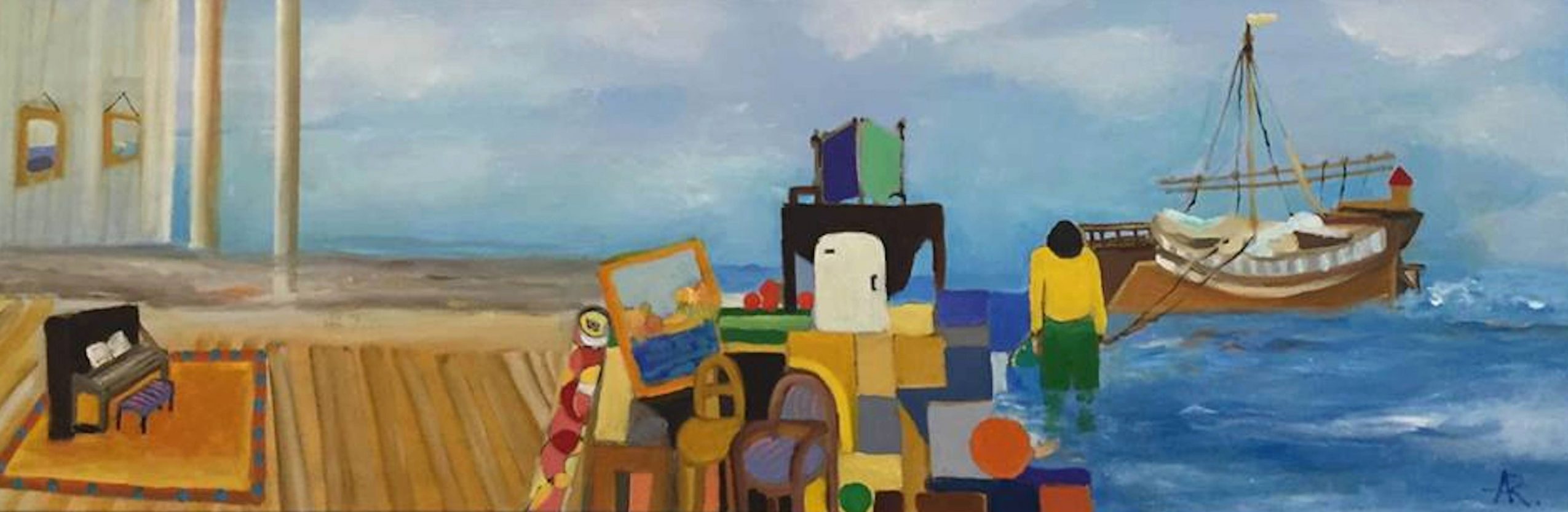
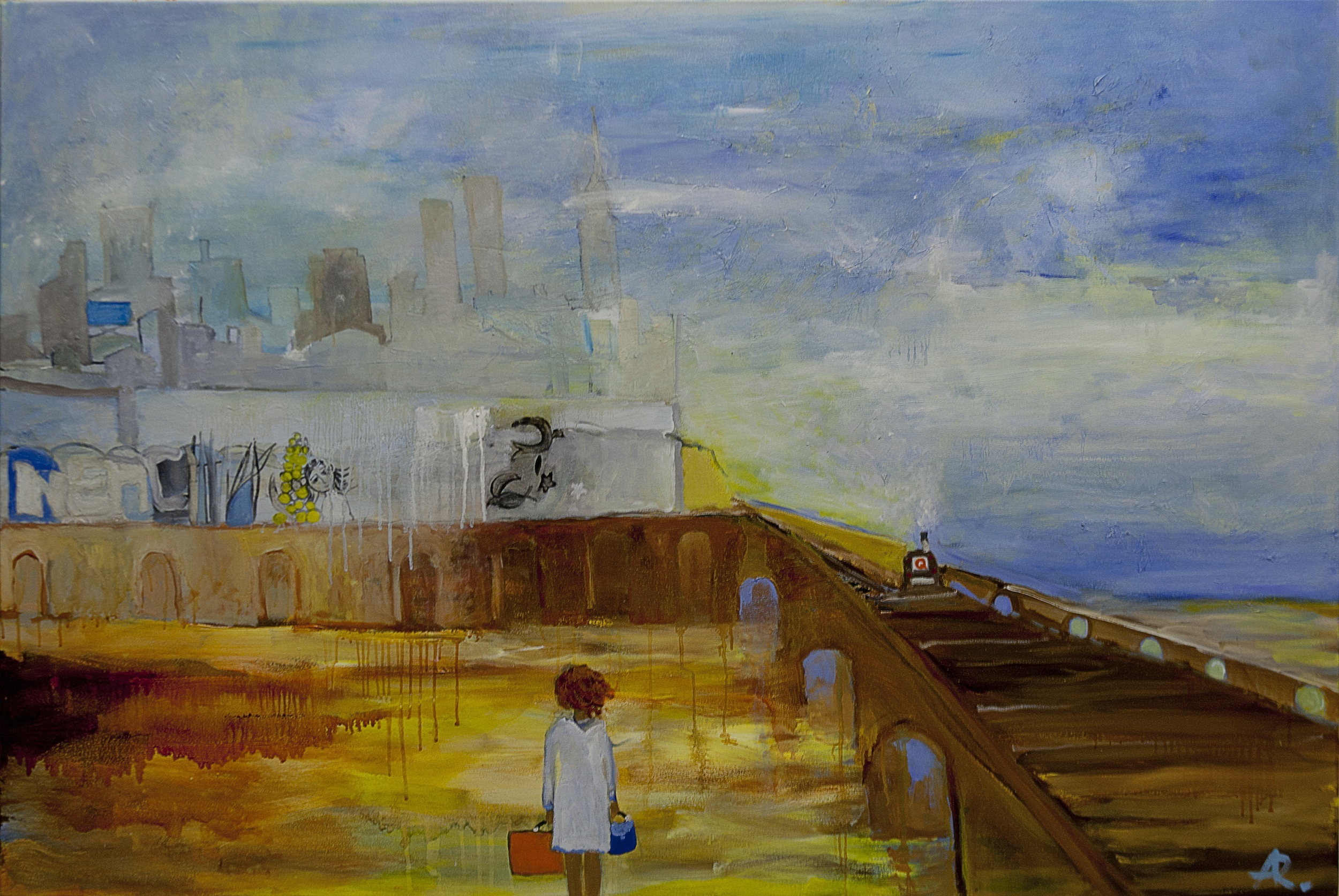
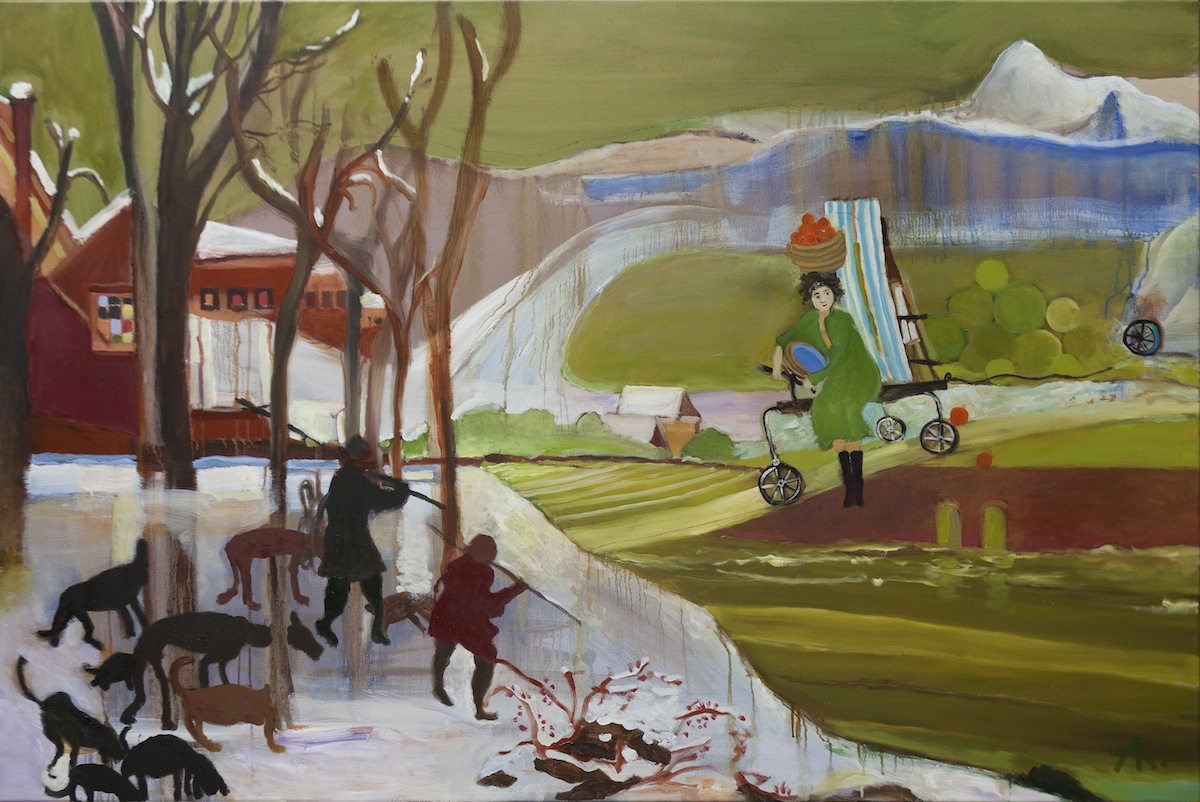
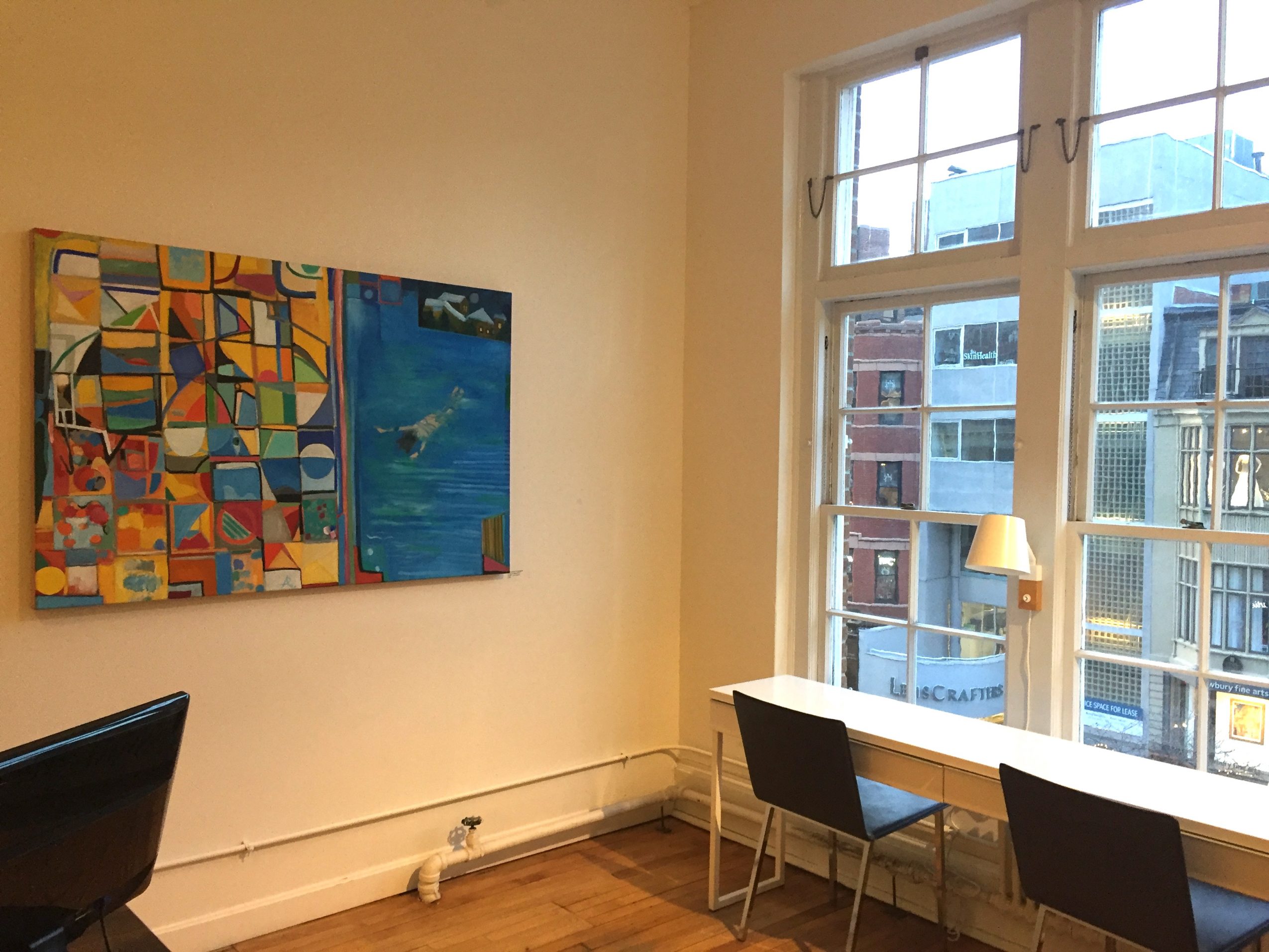
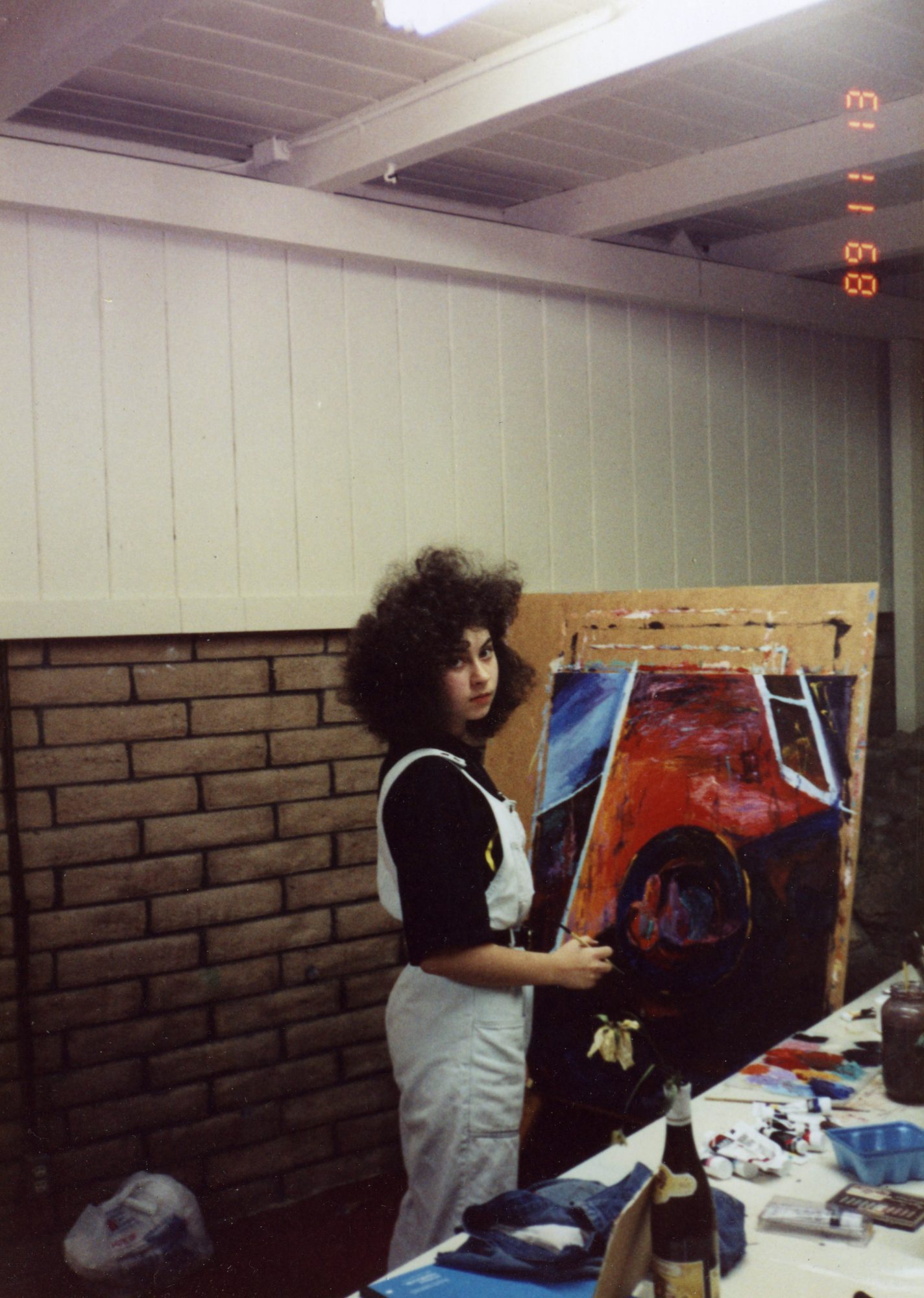
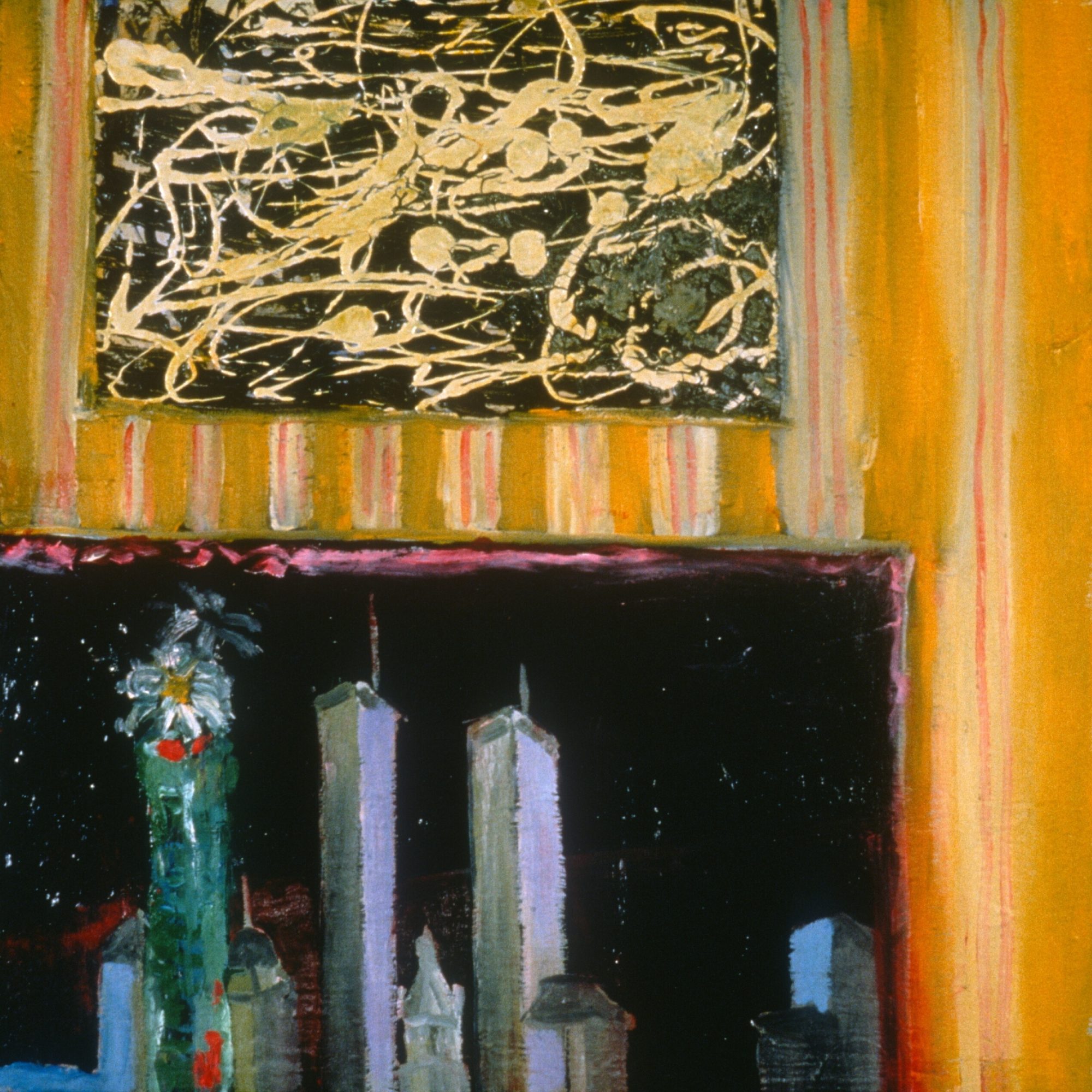
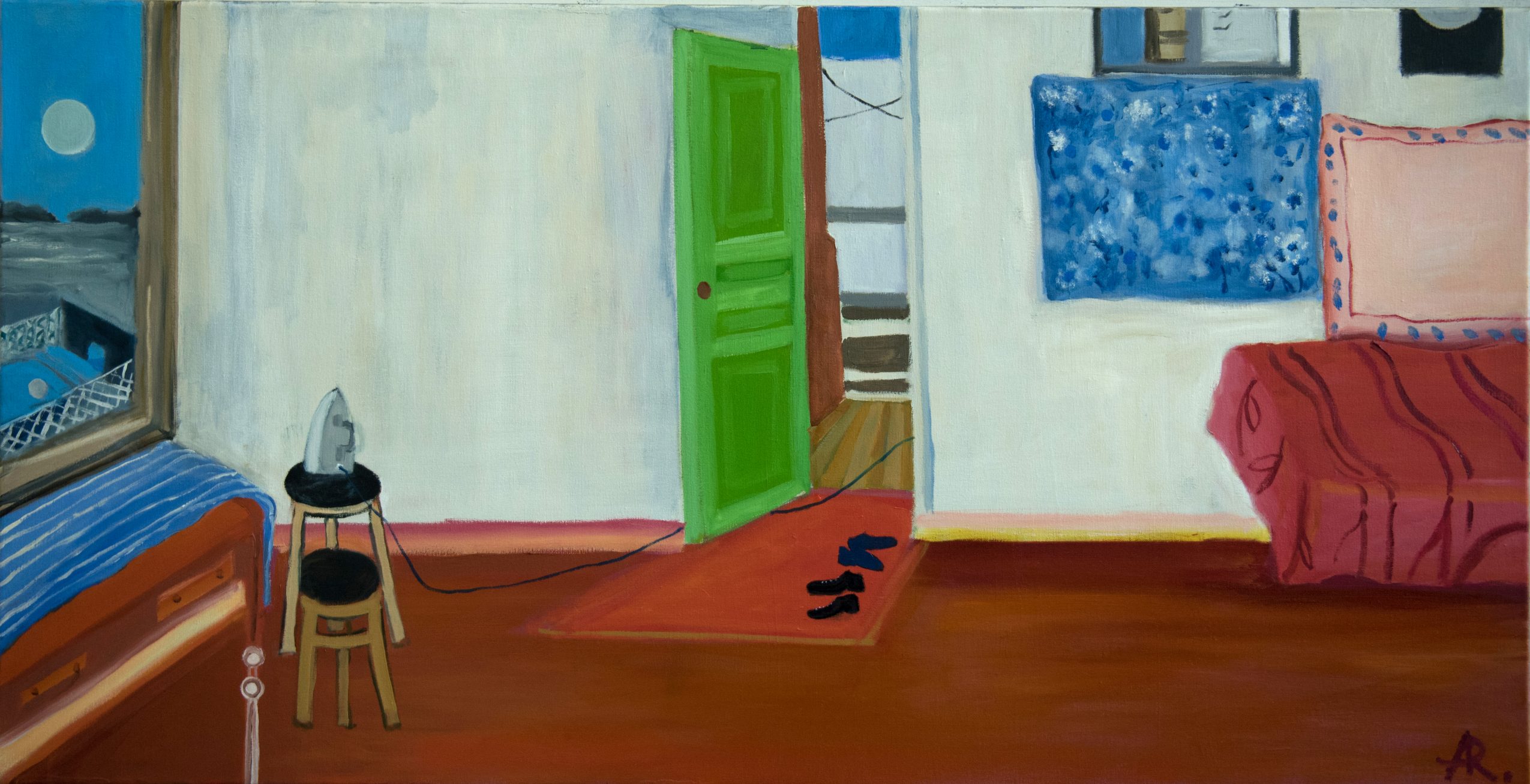
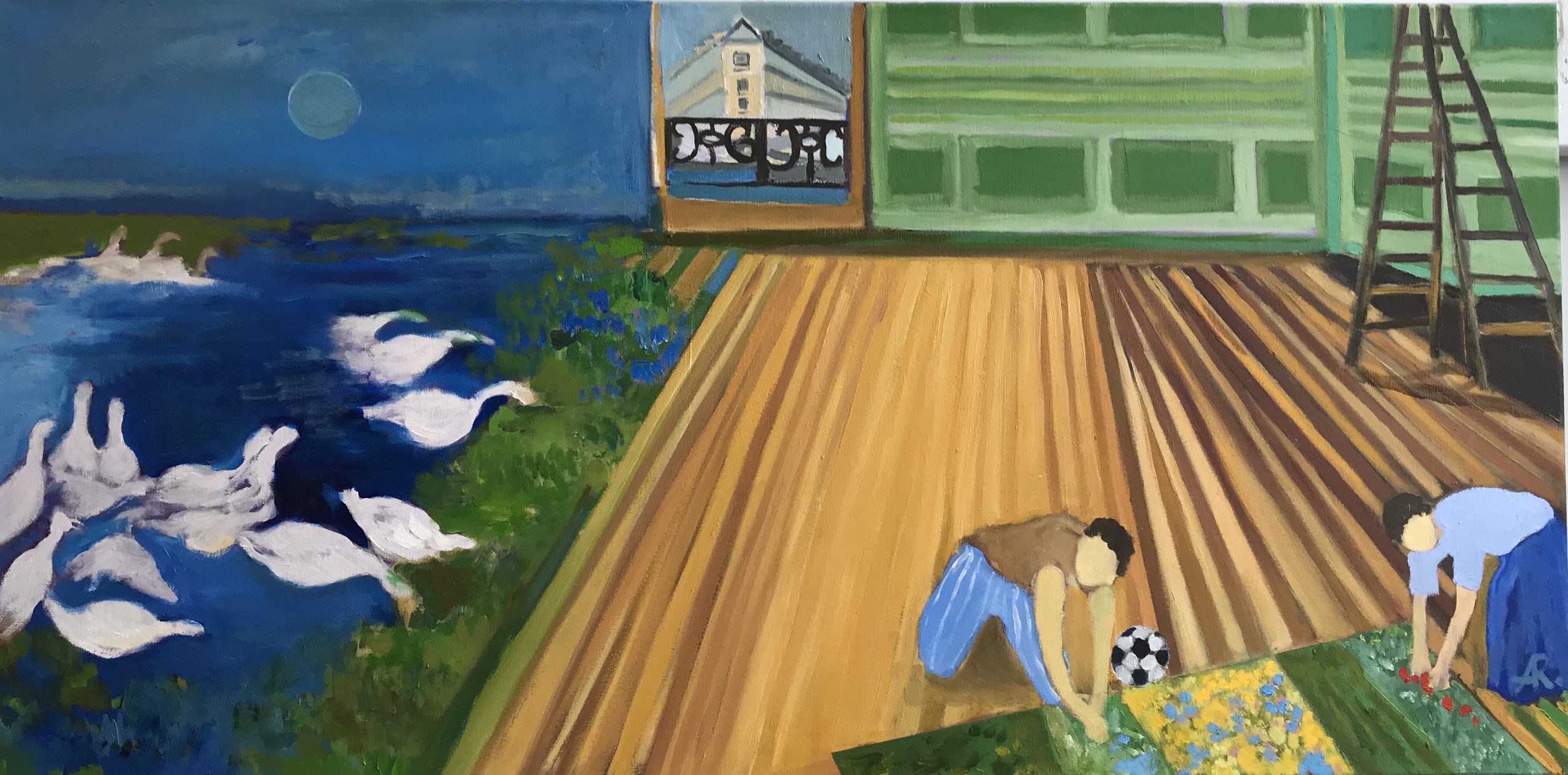
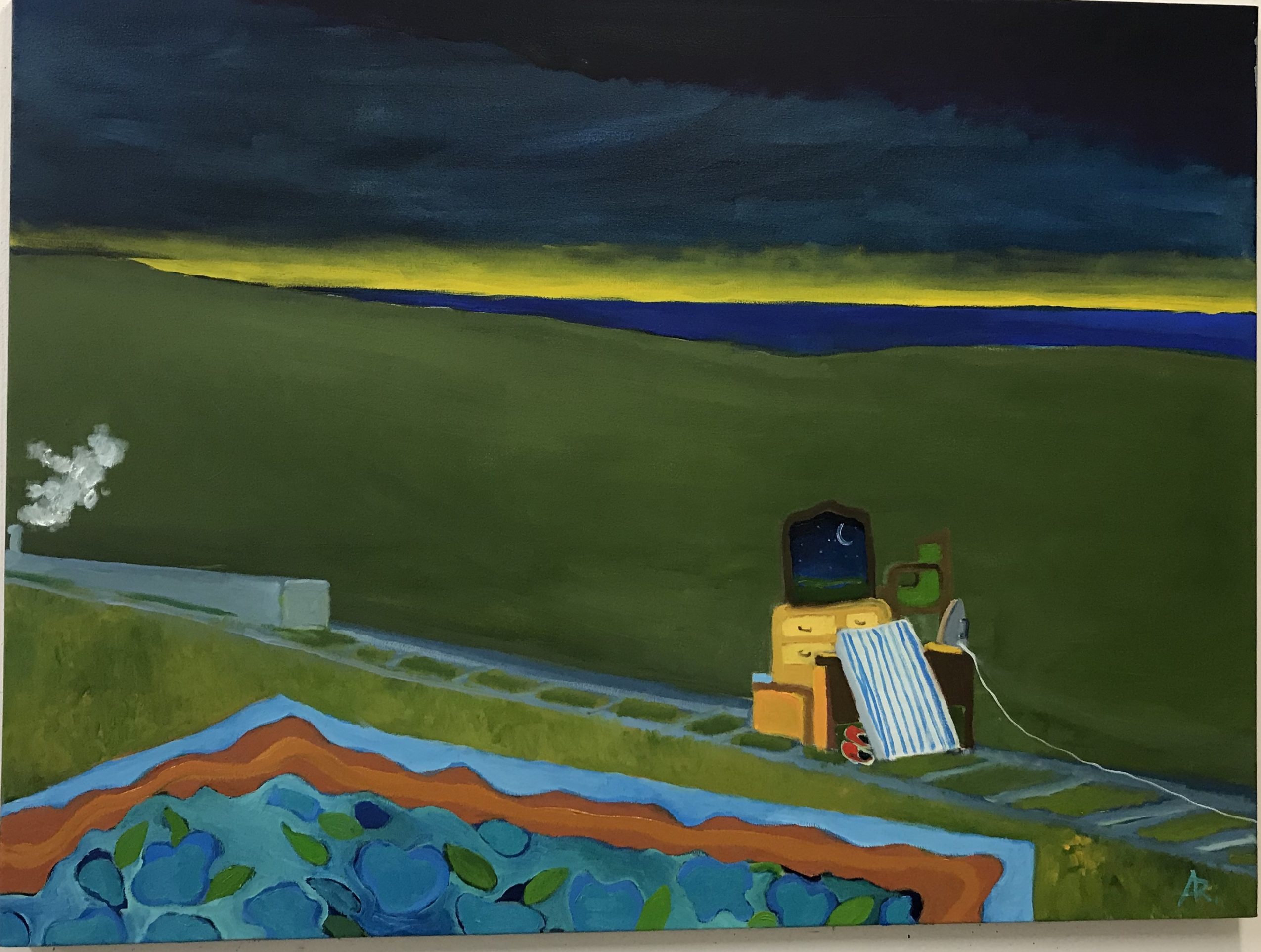
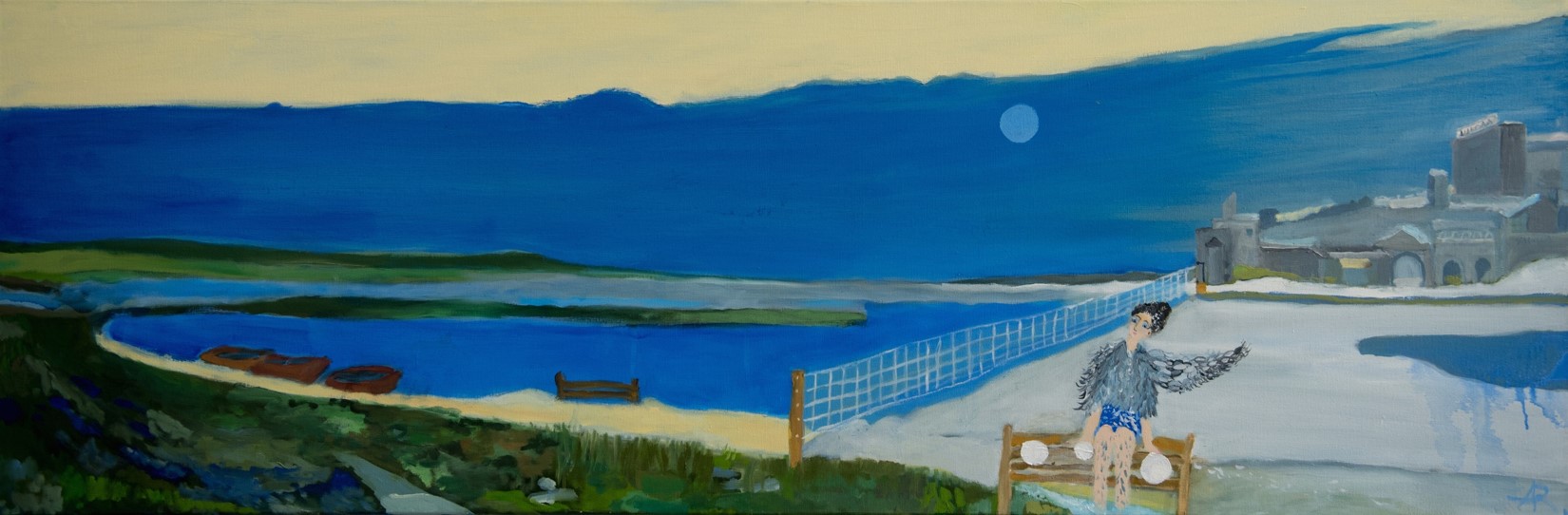
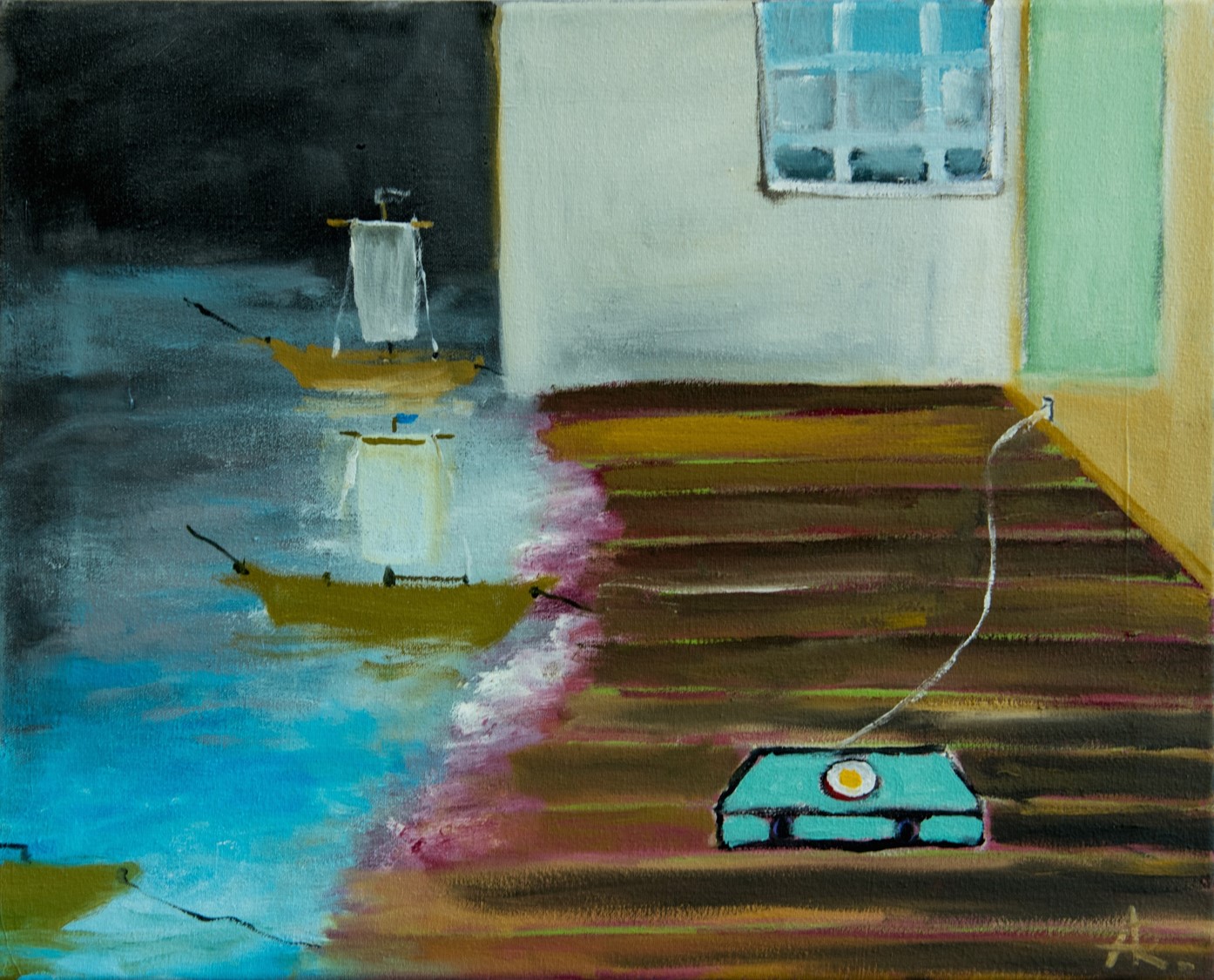
Image Credit:
Irina Danilova
Getting in touch: BostonVoyager is built on recommendations from the community; it’s how we uncover hidden gems, so if you know someone who deserves recognition please let us know here.