


 Today we’d like to introduce you to Suzanne Barnes.
Suzanne, we’d love to hear your story and how you got to where you are today both personally and as an artist.
As soon as I could hold a pencil, I marked up paper. Sixty years later, I’m still marking up paper, only with more skill and better pencils. In 1985, I began assisting other people who wanted to mark-up paper, and am still doing that at Massachusetts College of Art and Design, where I am a professor in the Illustration department. Along the trajectory between cheap to expensive pencils, I dropped out of high school, ran away from home, lived in a tipi for a year, went to art school, got a tattoo, got married, went to art school again, worked as a window designer, worked as a freelance illustrator, got divorced, survived cancer, bought a little house, and got another tattoo.
We’d love to hear more about your art. What do you do you do and why and what do you hope others will take away from your work?
I draw pictures. I was trained as a painter, and painted for decades. There’s an unspoken art tenet that painting is the top rung of the art ladder, a belief that stood between me and my love of drawing for a long time. Eventually I stopped caring about the ladder, stopped painting and just drew–in color, until I realized that I wasn’t interested in color either. I bought a box of sepia pencils, and here we are.
My affair with browns is in part the result of tramping from cathedral to cathedral, obsessively peering into tiny dirty poorly lit reliquary windows at venerated relics in a buffet of brown tones: finger bones of saints, scraps of shrouds, wood splinters, crown thorns from the crucifixion. These objects had a stillness and a holy quality that I felt with stones, twigs, claws, feathers. I remembered that as a painter, the burnt umber underpainting was my favorite part, and how in a real sense, I felt that I ruined every good painting once I laid in the color. Working monochromatically adds to the meditative aspect of drawing for me. While my work can appear complicated, creating it is simple: one pencil, a sheet of handmade paper, and time, lots of time.
I hope that a viewer would take away a sense of this simplicity, and of the exceptional beauty in even the minutiae of nature. Matisse said that art should have “a soothing, calming influence on the mind, something like a good armchair which provides relaxation from physical fatigue.” Maybe on your walk home, you pick up a stone and look at it differently, because you saw one of my stone drawings on your Instagram feed that morning. That would make me happy.
How can artists connect with other artists?
What comes with being an artist is inevitable solitude. It’s not a calling for extroverts. If you’re a glassblower or a blacksmith or a set designer, you get to work in teams. Sometimes I envy those artists, for about a minute. It’s been crucial to accept, then love solitude, lean into it, and use it to make my work. Loneliness and being alone are not the same.
Connecting with other artists in a community of artists is easy. Artist communities are found in art school, galleries, workshops, online, studio buildings, even the local bakery. If you’re introverted, you’d rather not go out, but go out, even if it’s just to spend an hour at a gallery. Or volunteer. I was a mentor at RAW Arts in Lynn and met half the artists on the North Shore. If you went to art school, nurture those friendships and keep in touch. One of my dearest friends today was my studio mate in art school. He made gigantic paintings and hogged up our space, so I had to make small work. I’m still making small work. Thanks, Jack.
Do you have any events or exhibitions coming up? Where would one go to see more of your work? How can people support you and your artwork?
My website is www.beaked.org On Instagram, I’m @frannybeaks I exhibit my work, so if you follow me you can see when and where. Most mornings I draw a stone, as drawing practice. Recently I started posting these drawings on Instagram and people have asked if I sell them. I do, along with the stone. Contact me if interested. I also sell my larger more detailed drawings. These often take a hundred or more hours to produce, so they are considerably more expensive. Students and colleagues have advised me on making quality prints to sell, but I haven’t pursued that yet.
Contact Info:
- Website: www.beaked.org
- Email: info.beaked@gmail.com
- Instagram: @frannybeaks
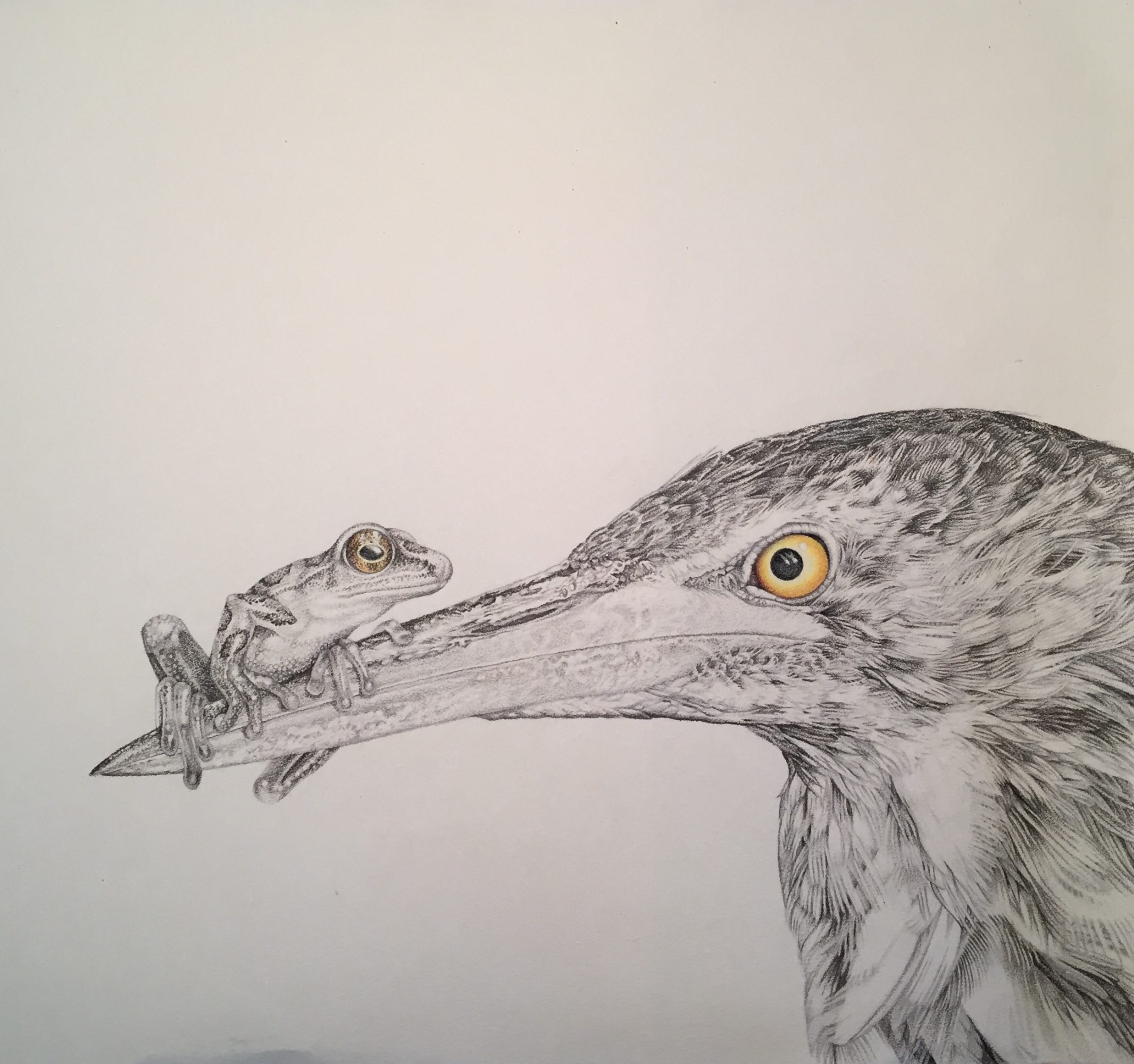
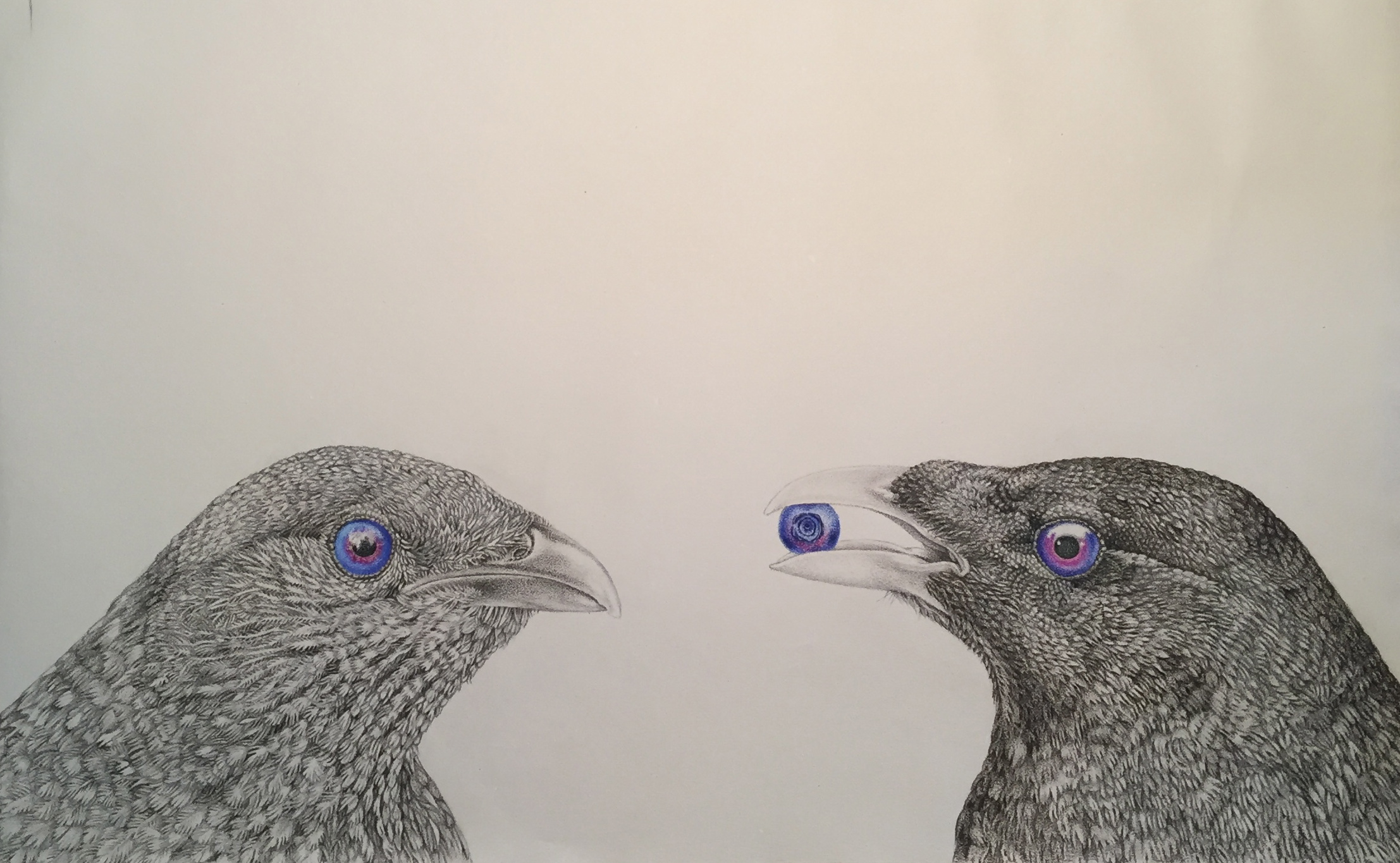
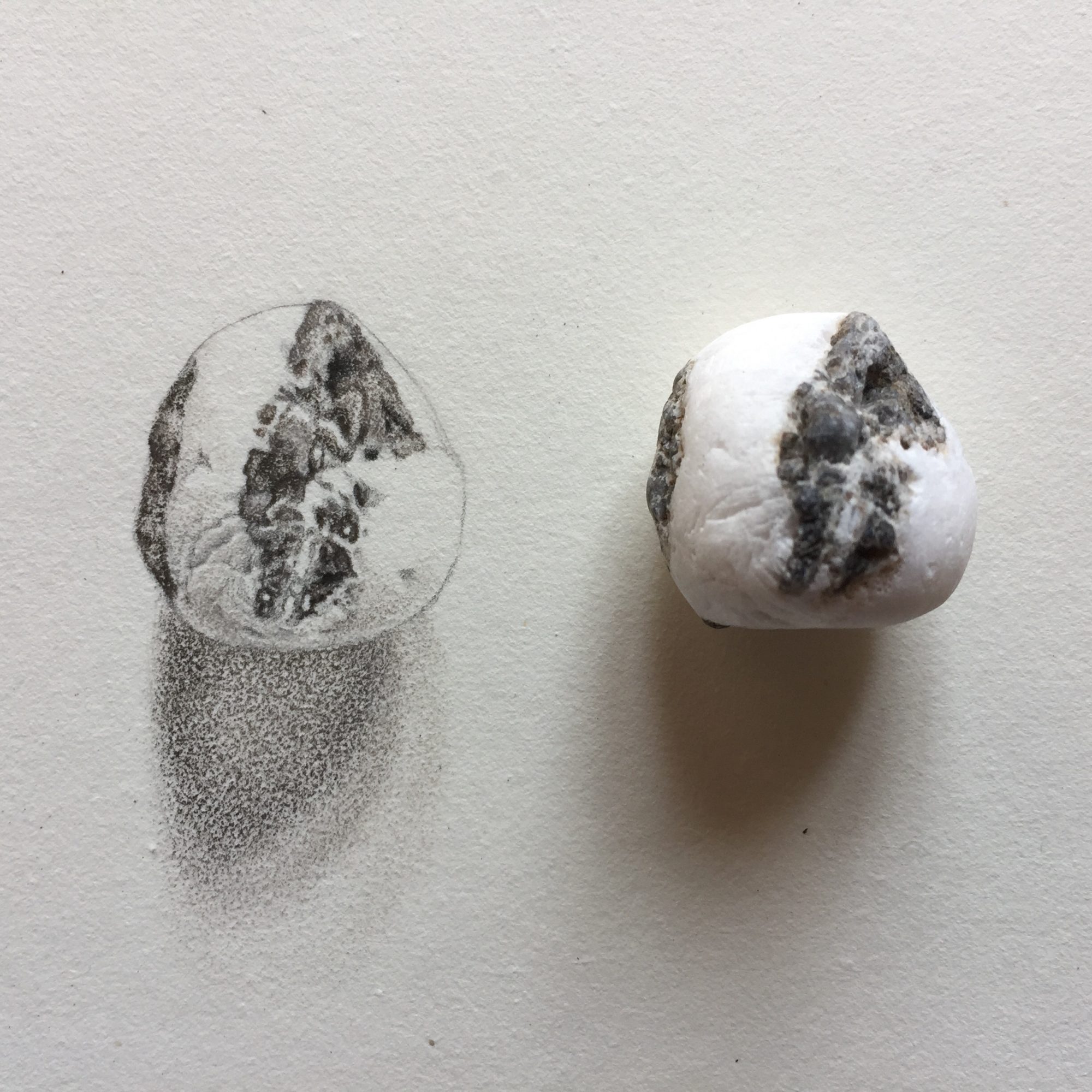
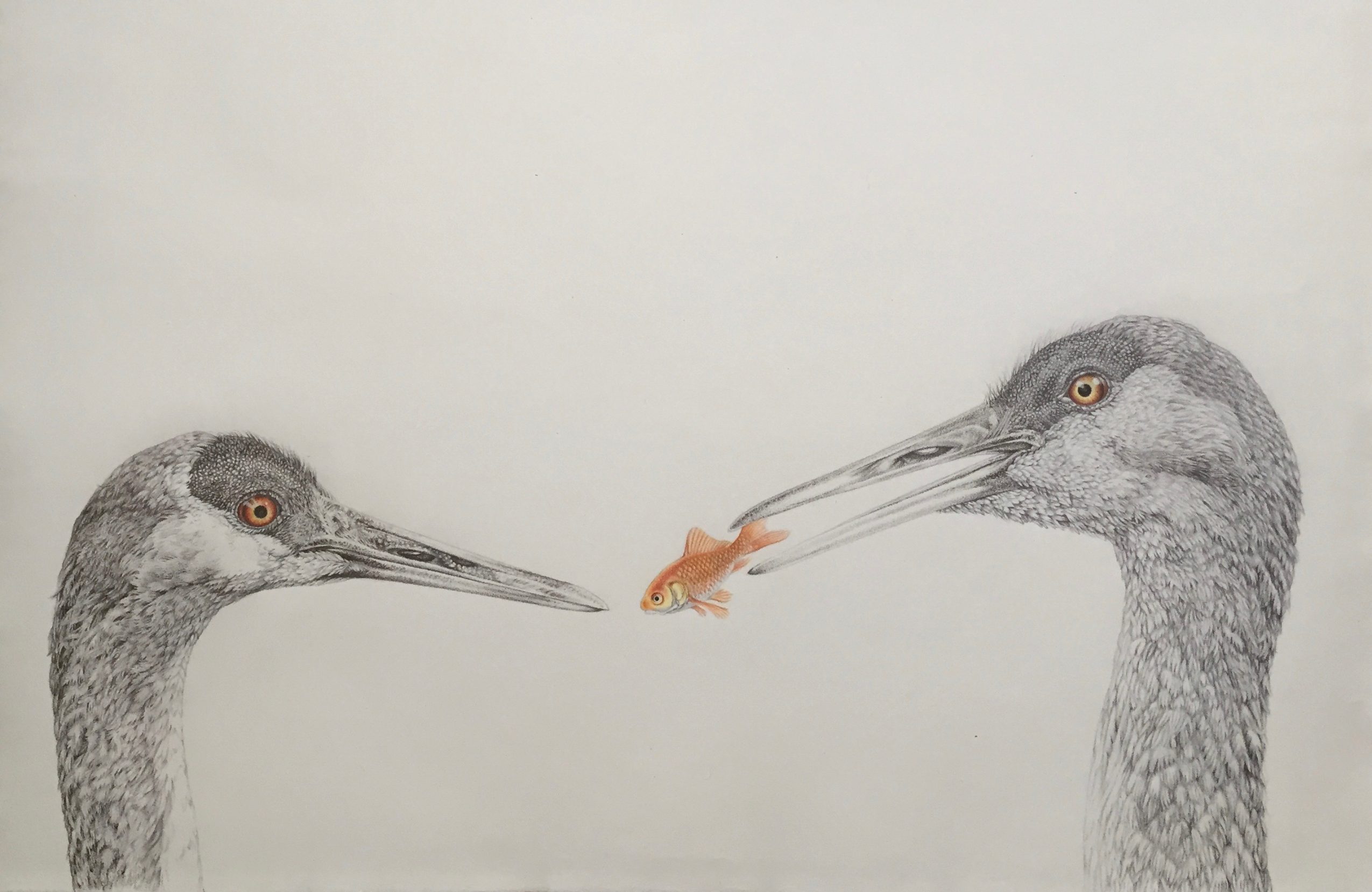
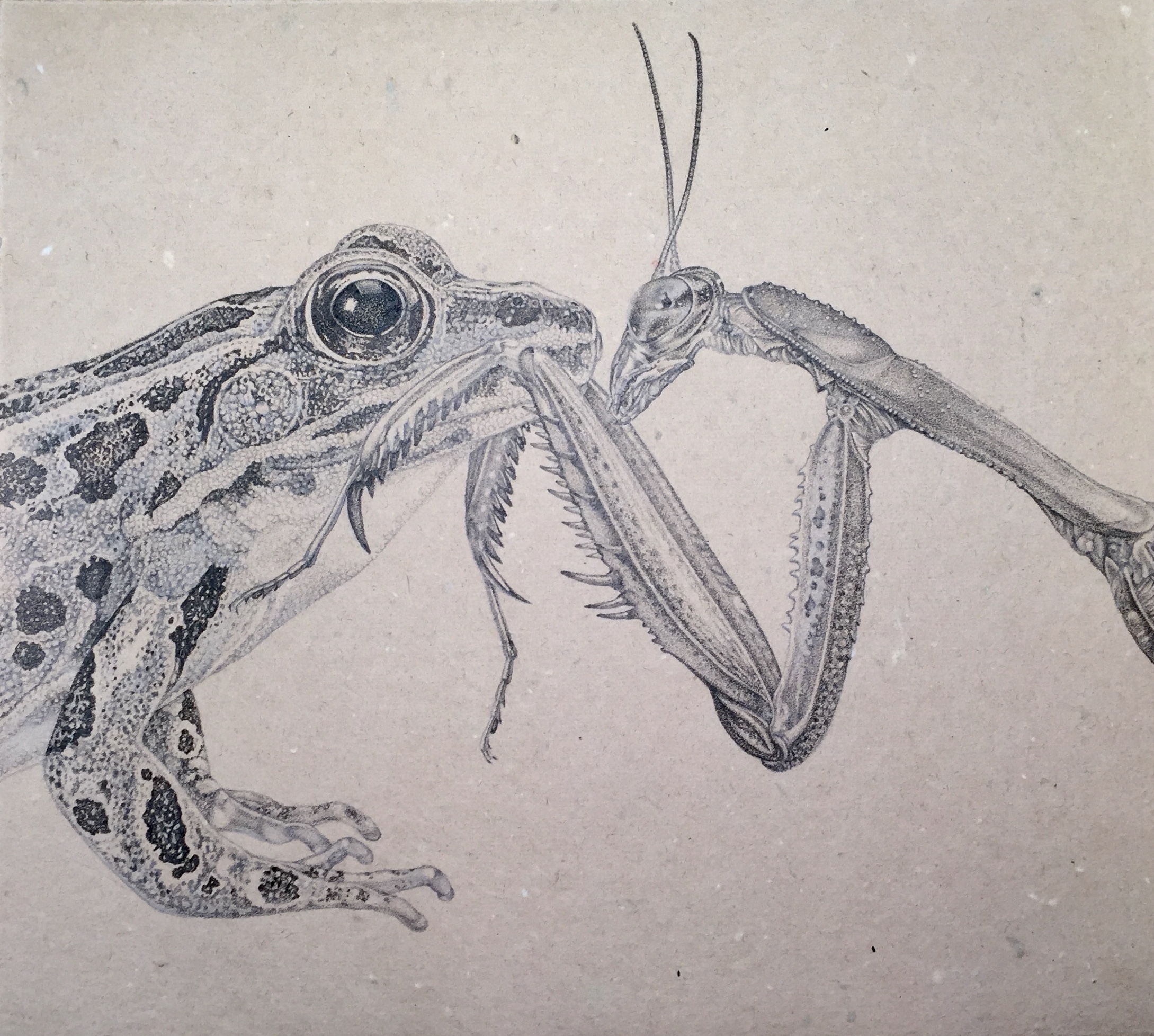
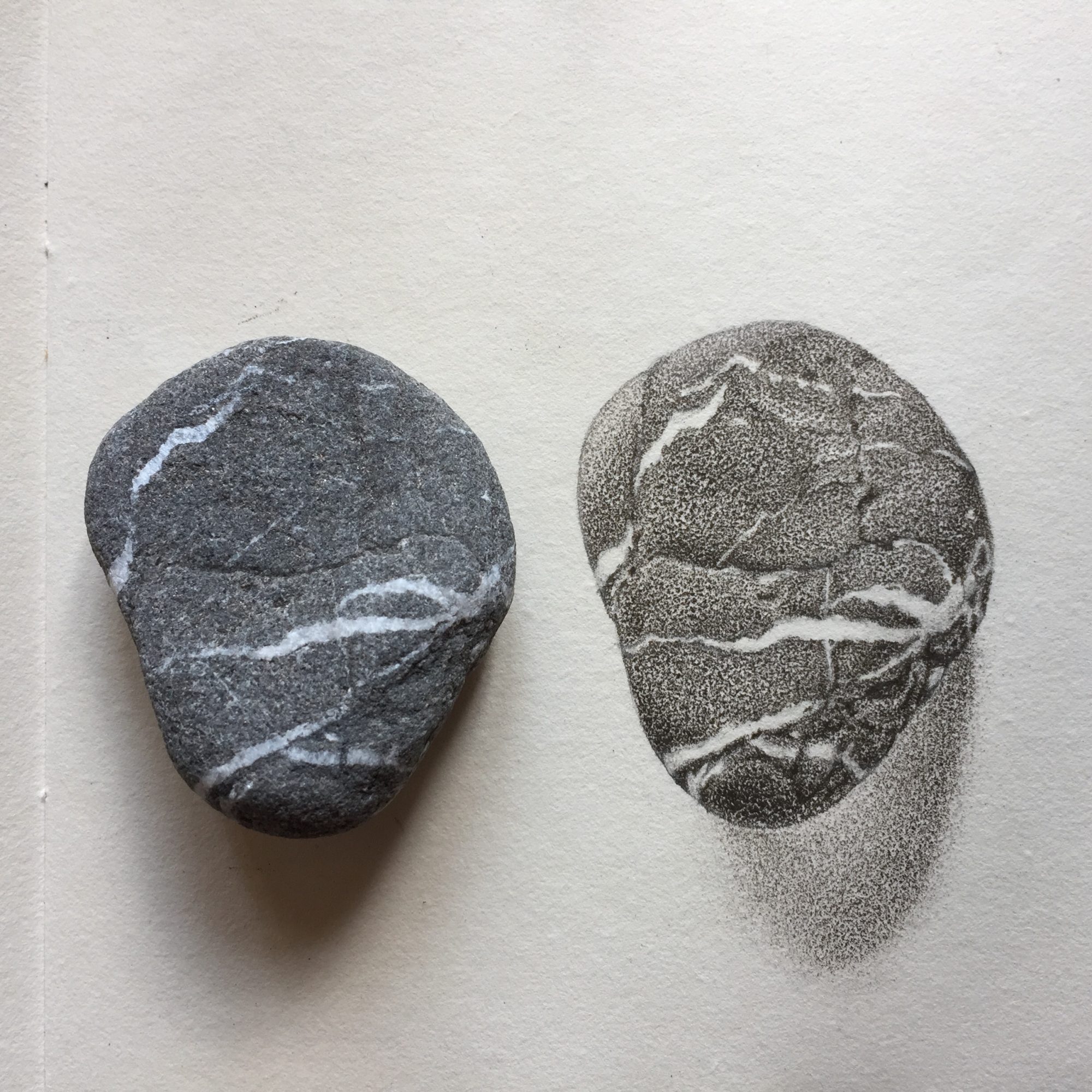
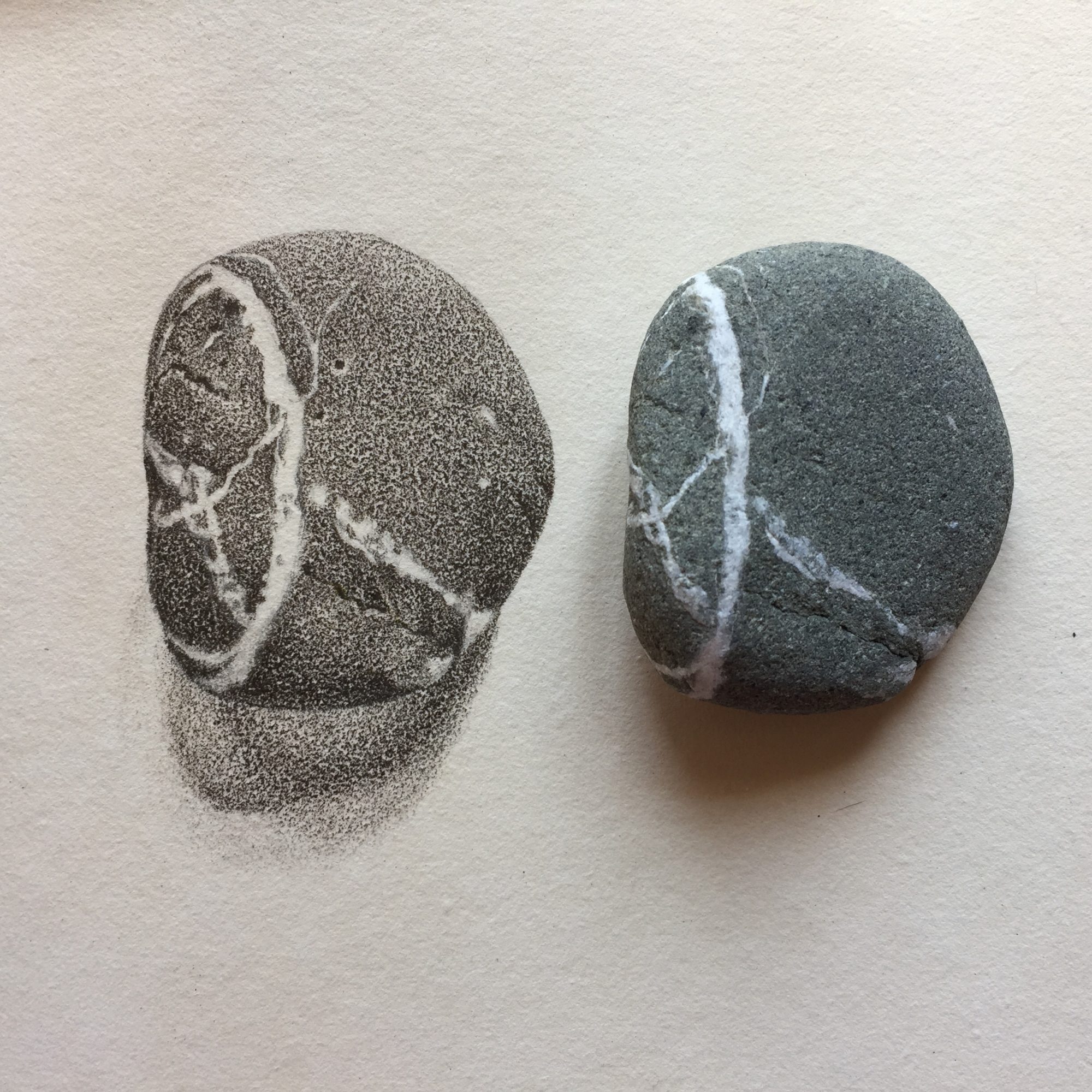
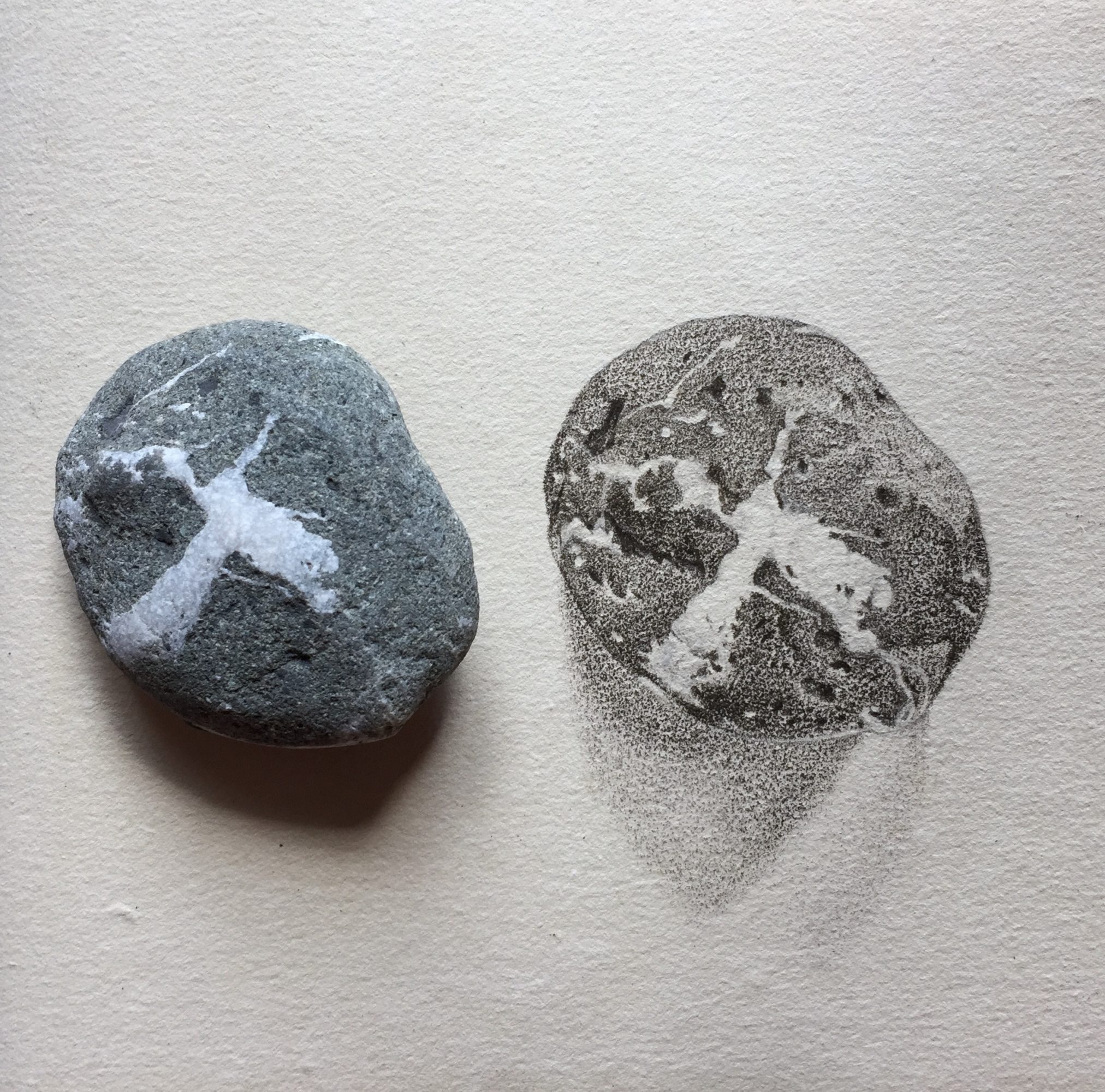 Image Credit:
Photo of Suzanne Barnes by Claudia Martin.
Getting in touch: BostonVoyager is built on recommendations from the community; it’s how we uncover hidden gems, so if you know someone who deserves recognition please let us know here.