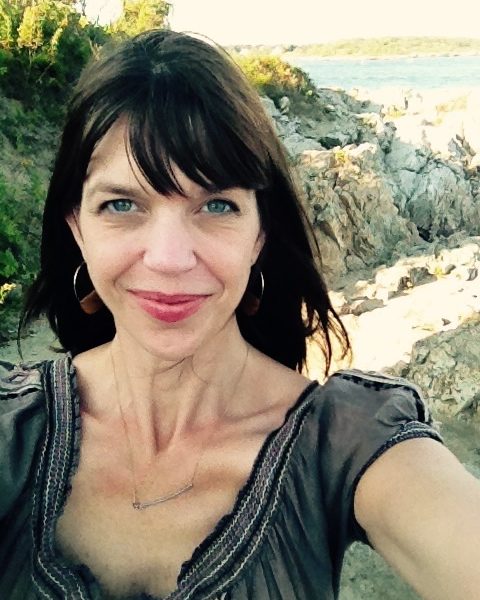
Today we’d like to introduce you to Sara Archambault.
Sara, we’d love to hear your story and how you got to where you are today both personally and as an artist.
Ha! Well, there’s the dramatic story that leads us through a tangled web of chaos, death, divorce, birth and rebirth. Or the tamer sounding one that reads like a résumé. Which would you prefer?
In all seriousness, my story is not unlike those of a lot of other women I know. Since I was a toddler I have been immersed in art making and from a very young age I was drawn to film. But I lacked confidence in my own voice and vision. During my time at Syracuse University’s College of the Visual and Performing Arts (where I entered as an illustration major and left with a degree in filmmaking), and in the years just after when I lived in San Francisco; I gave my heart, soul, and a lot of sweat to fulfilling the visions of other artists, mostly young men who seemed completely unfettered by the crushing self-doubt that frayed my edges.
However, what I lacked in naked talent and bravado, I made up for in fierce determination and hard work. You know that truism about how success is 10 % talent and 90 % hard work? I made a bet that was true and went all in on the work side. In particular, I leaned in to what I believe I truly do best – help others. Over the last 20 years, I have built a career in helping the documentary filmmakers that inspire me get their work funded, made, and seen. I have worked as a producer in film and radio production (Christopher Lydon’s Radio Open Source, Traces of the Trade, Barefoot to Jerusalem, Street Fighting Men, Community Patrol, and the upcoming Riotsville, USA), film programming (Picture Start in Providence, and now The DocYard at the Brattle) and philanthropy (RI Council for the Humanities and now nearing 10 years as Program Director at LEF Foundation in Cambridge). Through these projects and organizations, I have been fortunate to somehow craft a career in documentary filmmaking outside of NY or LA, build a network of friends and collaborators spanning the globe, and travel to film festivals around much of the US and a few international hot spots (though I’m mostly trapped inside the movie theaters!).
And now, after all this, I’m in the early stages of finally making the first film that I’m directing on my own! It’s been a long journey getting to this moment of feeling brave enough to put my own ideas up there on screen. In many ways, I credit my children with giving me this strength. There is one thing that all working moms are forced to do more often than before children were in their lives – trust your instincts. When children enter the picture, there is less time to fret and ruminate. They help put all those silly fears and doubts into perspective. I am grateful to Oscar (7) and Annabelle (3) for helping me get to this moment of trusting myself, but I need to remember that my own hard work got me here too! Wish me luck.
We’d love to hear more about your art. What do you do you do and why and what do you hope others will take away from your work?
I work in cinematic nonfiction storytelling. I’m most interested in the documentary films that offer the same artistic beauty and emotional depth that the best fiction films command, but are strengthened by their grounding in the real.
My primary role in this work is as a producer, a funder and a programmer and these are VERY different roles than those make these stories themselves. The first question most people ask is: what does a producer DO? And I wish the answer was simple, as in many different kinds of media, producers do many different kinds of things. But I can tell you a little bit more about what I DO as a producer on the films that I work on.
As you may expect, a lot of being a producer is shaping the business side of the artistic endeavor of filmmaking. This requires setting schedules, hiring crew, besting logistics, handling finances, raising money, legal and insurance wrangling, negotiating contracts; truly glamorous tasks each of them. But it’s important to know that this role is not solely tied to numbers and deadlines. Creative producers, like me, act as the director’s advocate and sounding board throughout the creative process. I give notes on scripts and cuts, support the research, help the director in the major creative decision making, help build the teams and get the resources the director needs to see their visions come to screen. Producers also keep the full life of the film and the artist’s career trajectory in mind as we help build the distribution strategy for the film. Not to double down on all the mothering type metaphors, but we’re not unlike midwives to the creative process.
Working in philanthropy is directly tied to organizational mission, and I’m proud to be at LEF where I feel so very strongly about the organization’s commitment to New England-based filmmakers. Since the foundation began in 1985, LEF has worked to build a community of artists and I feel its record speaks for itself. LEF is a leader in taking risks on unknown artists and supporting established artists experimenting in new bold visions. I’ve learned so much from Executive Director Lyda Kuth on how to look to the artists to show us where we should go next as an institution. As the Program Director there, my work is primarily to manage and guide our grant making process, manage our major partnerships and new initiatives, direct our screenings series The DocYard, and, fundamentally, be there to support all of our grantees and aid them in their filmmaking journeys. Doing this work has been such a great honor. I’m excited to see where we go next!
Finally, as a programmer, this role feels so different from the others. The DocYard was created specifically to bring the most innovative and inspiring non-fiction film that I was seeing at festivals around the country/world and the artists who make them to Boston, and to have the Boston documentary community benefit from being in conversation with these artists in ways that could potentially help them in their own creative work. This programming mission is VERY specific. I look to three primary guides for this work (1) what new visions in nonfiction form are out there that have not yet been seen in Boston? (2) what films could inspire interesting conversations in the Boston creative community around filmmaking process, ethics, craft, and more? (3) what does the community want to see? By using these three primary questions to guide me, I program work that I find to either be formally breathtaking, conversation inspiring, or responsive to community needs. Over the last 8 years, this program has continued to grow by leaps and bounds. We’ve had Academy nominees come through our doors many times before their nominations were ever announced. And, my favorite of all, new collaborations and filmmaking teams are born from these screenings often! I encourage Boston’s creative community to come join us to see what’s next in nonfiction. Wonderful things are afoot at The DocYard.
Connecting all of the above is my own personal commitment to community and artist support. I truly believe that when we connect our art making practice to other artists around us, all of our work grows.
Do current events, local or global, affect your work and what you are focused on?
Documentary is “the art of the real” (a phrase I’m stealing from Dennis Lim’s fantastic series at Lincoln Center!). In this way, the world around us – history, culture, the personal, the political, birth, death – these are the seeds that grow nonfiction films. Of course international events and issues affect nonfiction art making often, Documentary filmmakers, like journalists, are under attack around the world (including our own country). And yet the stories they bravely mine are often the ones that help us understand the human condition in fundamentally new ways. I’m not one to say that documentary films change the world. I find that to be hyperbole and hubris at work. But I do believe that understanding comes from sharing stories, and the stories coming from the nonfiction filmmaking space are not only significant for their historic, ethical and political urgency, but in their cinematic practice and emotional depth.
As for the role of artists, maybe I’m at a strange age, but I’ve never known a time when artists haven’t been provocateurs – challenging us in what we think, what we THINK we KNOW, how we feel and how easily our own prejudices can and possibly should be abandoned. A wise woman once said to me that artists help us take the lens through which we view the world and tilt it to the side so we can find a way to see it anew. I find this to be true today.
For documentary filmmakers, I do think there is a new burden in recent years. As long form journalism has lost significant funding from newspapers and periodicals around the globe and the distribution model for seeing media online has exploded, the role of the documentary filmmaker has, I think, filled a gap where long form journalism has left off. Though some nonfiction work is journalism, not ALL documentaries hew to journalistic practice. As this new age of journalism – whatever it will shake out to be, I look to the experts on this – emerges, we will see where nonfiction filmmakers land in the ecosystem.
Finally, I personally want to mention a conversation that is happening in the nonfiction field. where there are many who reject the notion of a distinction between nonfiction and fiction film and just want to make GOOD MOVIES. On its face value, I salute this notion. Nonfiction films have long been the vegetables on your movie dinner plate. However, some of the most inspiring, beautiful, artistic and innovative films I’ve ever seen have been either documentary films or films that play with nonfiction and fiction forms moving together on screen. Far from boiled turnips, these are some Michelin 4 star offerings. That said, I’m troubled by this moment of a society that questions the integrity of journalism, a President that calls journalistic giants “fake news,” and where many of the populous are left wondering if anything is true at all. I embrace emerging practices and experiments in the nonfiction form, and I want to let artists take the lead in where the creative form should go, but I’m also really interested in holding onto an understanding of “truth” or “the real” (whatever that even means). In my experience, each film establishes a language of its own, and through that, a contract with the audience about how they will experience the story. There’s a responsibility that comes with this and I think the best filmmakers take this responsibility seriously, respect their audiences, and whatever the filmmaker’s understanding of truth is or however s/he plays with that concept on screen, the audience understands and feels “in” on it. The culture of “reality” around may cloud around us, but the contract between the filmmaker and her audience is sacred.
Do you have any events or exhibitions coming up? Where would one go to see more of your work? How can people support you and your artwork?
You can see more on the films that I’m producing here: www.archandbowfilms.com.
You can see more about the LEF Foundation and its mission here: www.lef-foundation.org.
And you can learn more about The DocYard (our Fall Calendar will be announced on August 22nd!) here: www.thedocyard.com.
Contact Info:
- Website: www.archandbowfilms.com
- Phone: 01401339848401
- Email: sara@archandbowfilms.com
- Facebook: https://www.facebook.com/sara.archambault.752
- Other: www.thedocyard.com
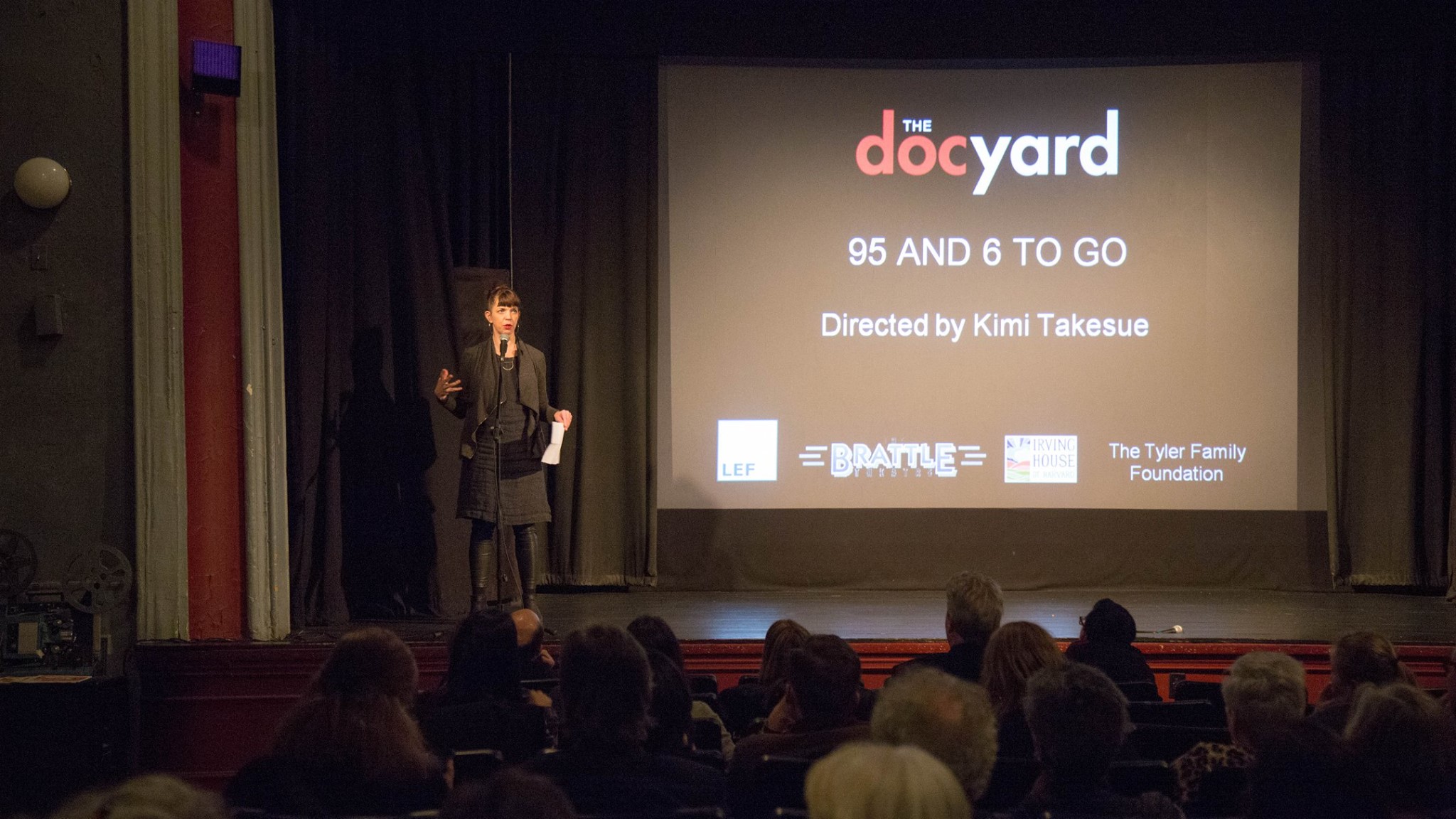
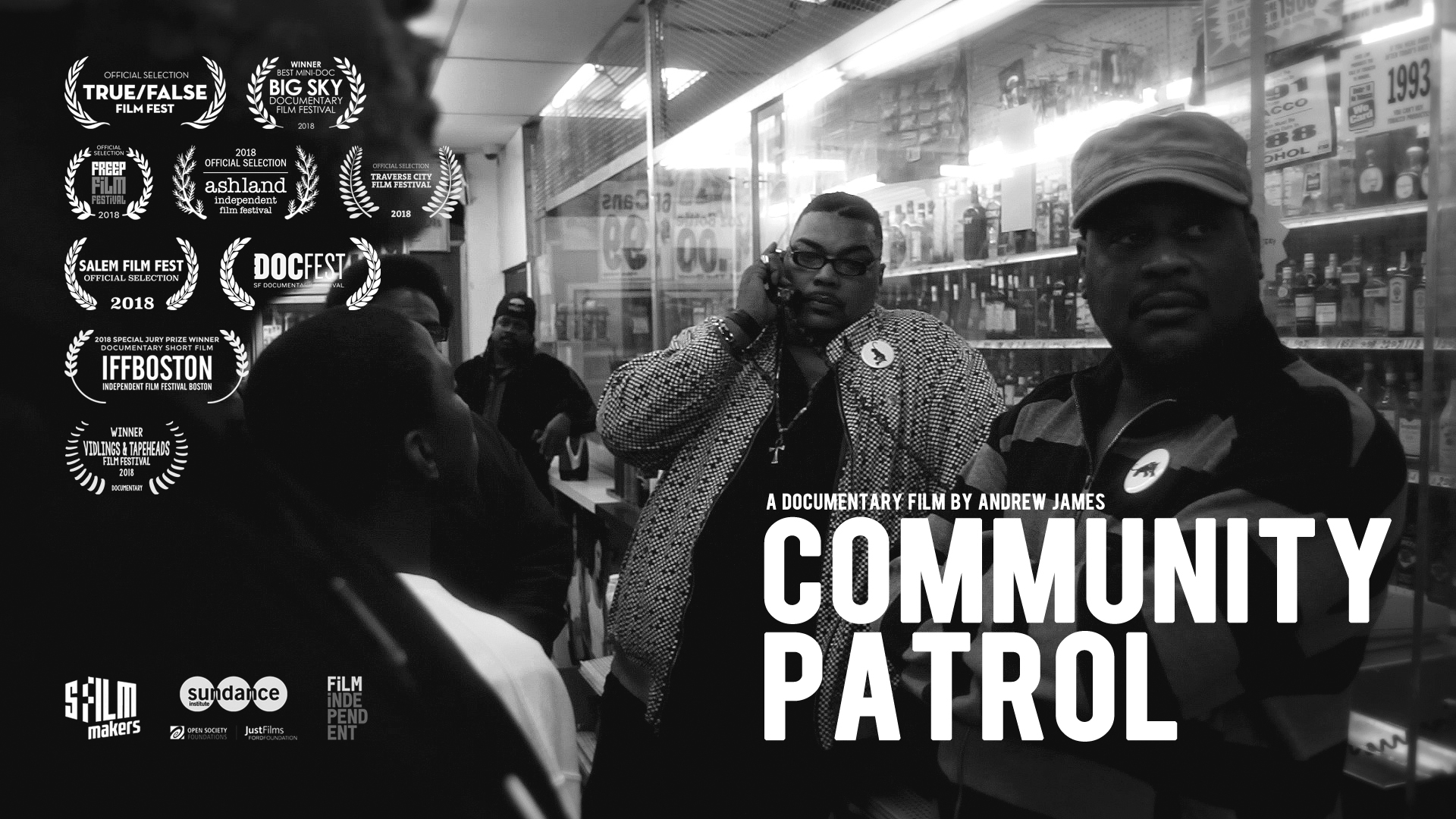
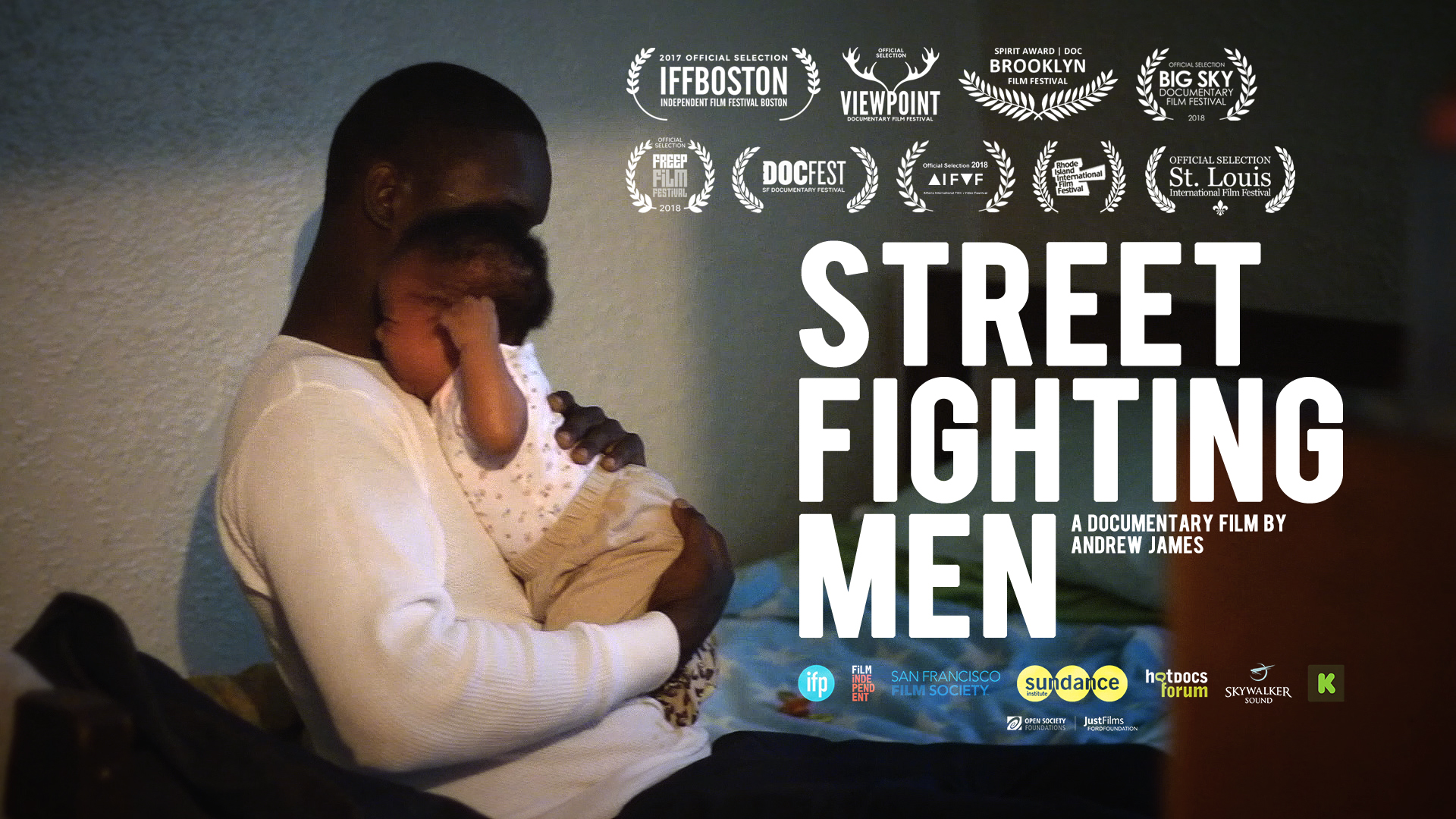 Image Credit:
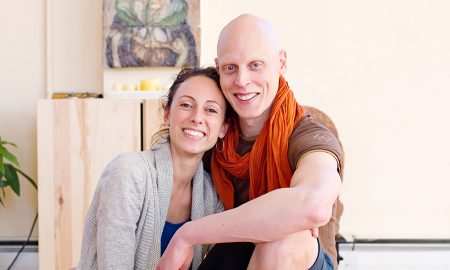
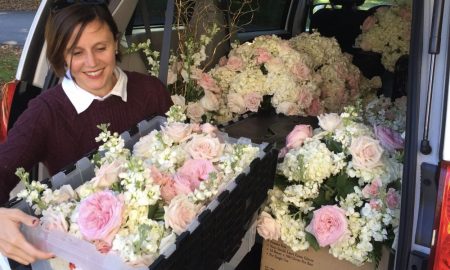
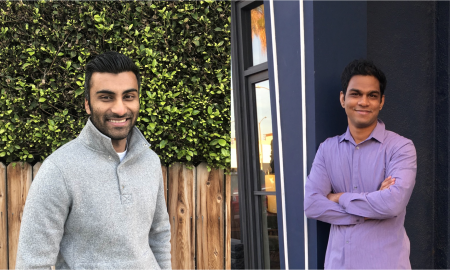
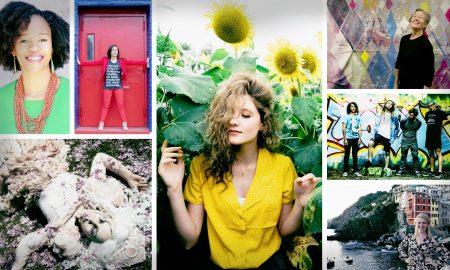
Community Patrol – Andrew James
Street Fighting Men – Andrew James
Me – Me
DocYard – Gen Carmel
Getting in touch: BostonVoyager is built on recommendations from the community; it’s how we uncover hidden gems, so if you know someone who deserves recognition please let us know here.