
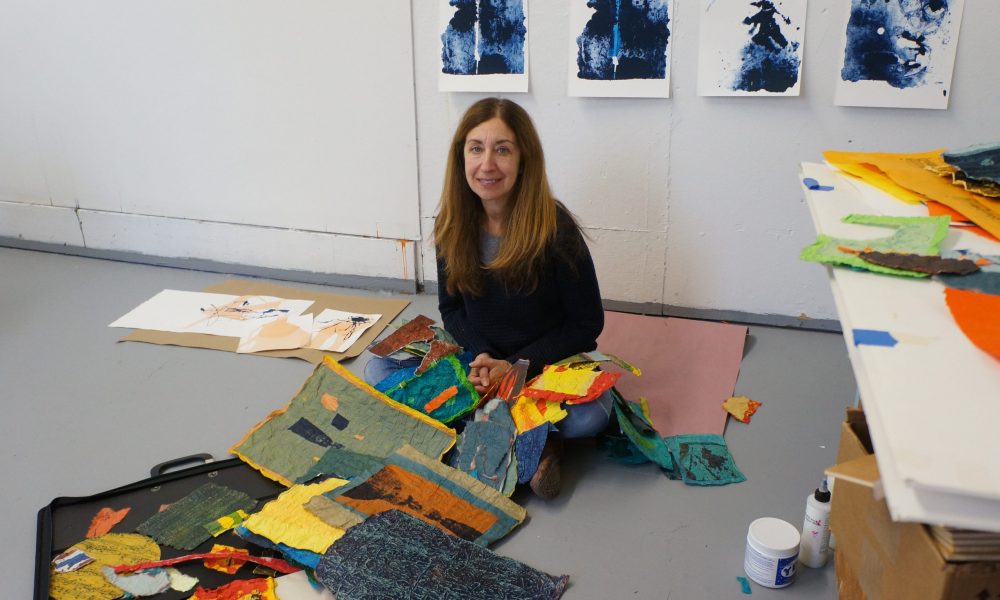
Today we’d like to introduce you to Laurie Alpert.
Laurie, we’d love to hear your story and how you got to where you are today both personally and as an artist.
My parents were musicians. My father was the librarian of the Boston Symphony Orchestra for many years, and my mother was a professional violinist. I believe they had me playing the violin when I was about 2. That lasted for a few years and I then started to study the piano, which I did for the next 11 years. At that point, I decided to rebel. I became a painter.
We’d love to hear more about your art. What do you do you do and why and what do you hope others will take away from your work?
My undergraduate and graduate degrees are both in painting. As an undergraduate, I studied with the painter James Gahagan, who had been a student of Hans Hofmann. Not only was Jim a great painter, he was a great teacher and had an enormous influence on me. I was taught very formally and introduced to non-objective painting in a way that really inspired my work.
While in my late 20’s, I took a Monotype workshop and began to learn about the printmaking process from a very painterly point of view. I was never interested in doing editions – once I’ve done one print I want to move on to the next. Having said that, I do often work in a series; one print leads to the next.
I then started doing Polyester Plate Lithographs and Polymer Plates. I’ve been a member of the Full Tilt Printmaking Studio, a professional print cooperative in Hyde Park, for several years and now consider myself “a painter who prints”.
After my mother passed away, I began using her music in my work, and soon after that I took an Artists’ Book workshop. Because the imagery in my work was becoming sequential, making books made perfect sense to me. My books are sculptural, and I am always exploring new book forms.
A while back I became involved with “Al Mutanabbi Street Starts Here”. In 2007 there was a bombing on Al Mutanabbi Street in Baghdad, which is known as the cultural hub of the city and named after Al Mutanabbi, one of Iraqs most famous poets. Beau Beausoleil, a poet and bookseller in San Francisco was very struck by what had happened and put out a call for book artists and poets to create a piece based on this event. At the time, it was very much related to the work I was doing, so I created a scroll which captured the event in a very personal way. Each book artist was asked to create 3 pieces which continue to travel and are exhibited all over the world.
My work then took a very different direction as I developed an obsession with the stains and marks on my studio floor. My studio is in an old train factory in Hyde Park and the floors have not been touched in many years. I created a series of prints and books from photographs I took off the floor stains, manipulated the images in Photoshop and turned them into Polyester Plate Lithographs and Photopolymer Prints.
A few years later I then found myself obsessed with a bar of soap. Several months before, my studiomate was walking by the sink outside of our studio and noticed a bar of soap with a hole through the middle of it. I had been washing my brushes with it and the circular motion had created a hole through its center. She found it visually compelling, took a picture of it and sent it to me.
I was immediately struck by the humor of what it was in reality, but also saw the potential in the many ways I could transform it and allow it to exist in a new context. More recently, my son, knowing about my soap obsession, was in Peru and brought me a bar of Peruvian soap which I have recently been working with. The prints either then take on a life of their own or I transform them into unique sculptural books. The origin of the work is inconsequential – it is the alteration that gives the image its new life.
How can artists connect with other artists?
I am a Professor at Curry College in Milton, and one of the things I am always talking to my students about is the importance of being part of an artists’ community, whether that means continuing to take classes and workshops after graduating, applying for residencies and/or having a studio situation where there are other artists.
After graduating with my BFA, I moved back to Boston and did not know many artists in the city. After 4 years, I decided to go back to graduate school and got my MFA in Painting from Massachusetts College of Art and Design. My goal was to become a part of a community and it worked. It also helped me to get a college teaching job!
I am currently doing a residency at the Vermont Studio Center in Johnson, Vermont. Each time I’m here I meet and connect with amazing artists and writers. I cannot recommend VSC enough – it’s played a huge role in the work that I do and the people I’ve met.
Do you have any events or exhibitions coming up? Where would one go to see more of your work? How can people support you and your artwork?
I continue to show my work locally as well as nationally and internationally. I am a member of the Bromfield Gallery in the South End and my next solo show will be in April, 2019.
Contact Info:
- Website: www.lauriealpert.com
- Email: lalpert@curry.edu
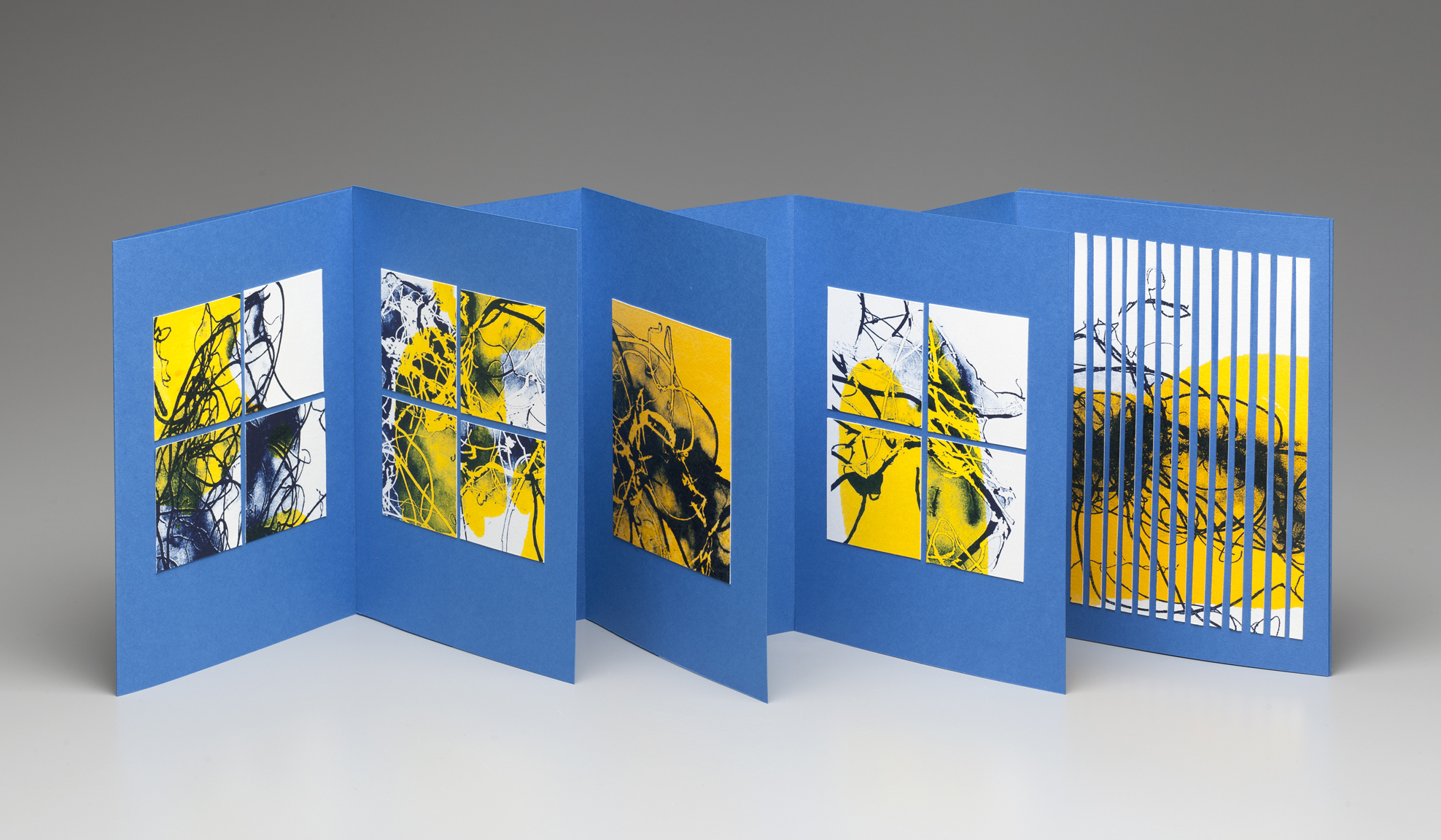
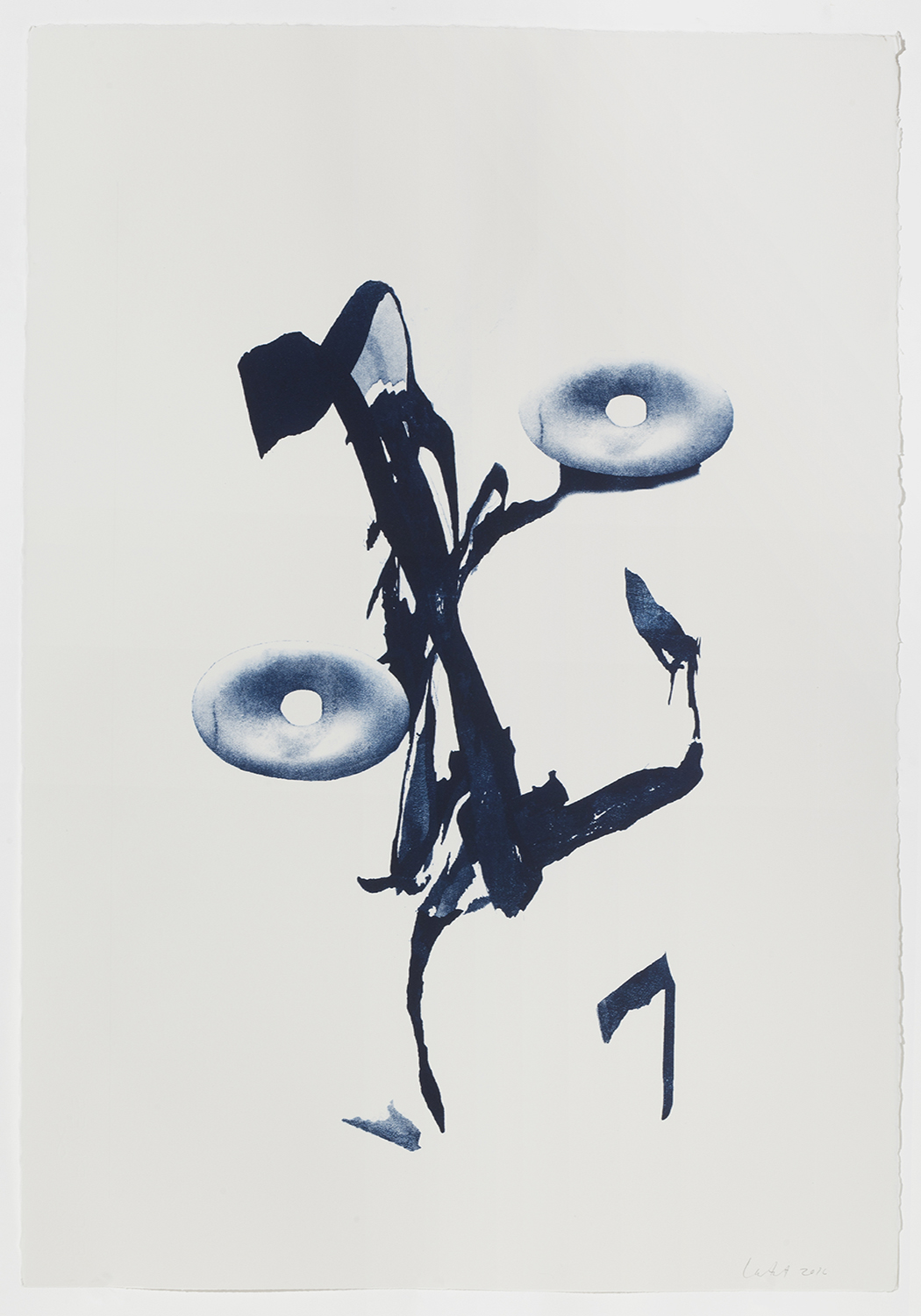
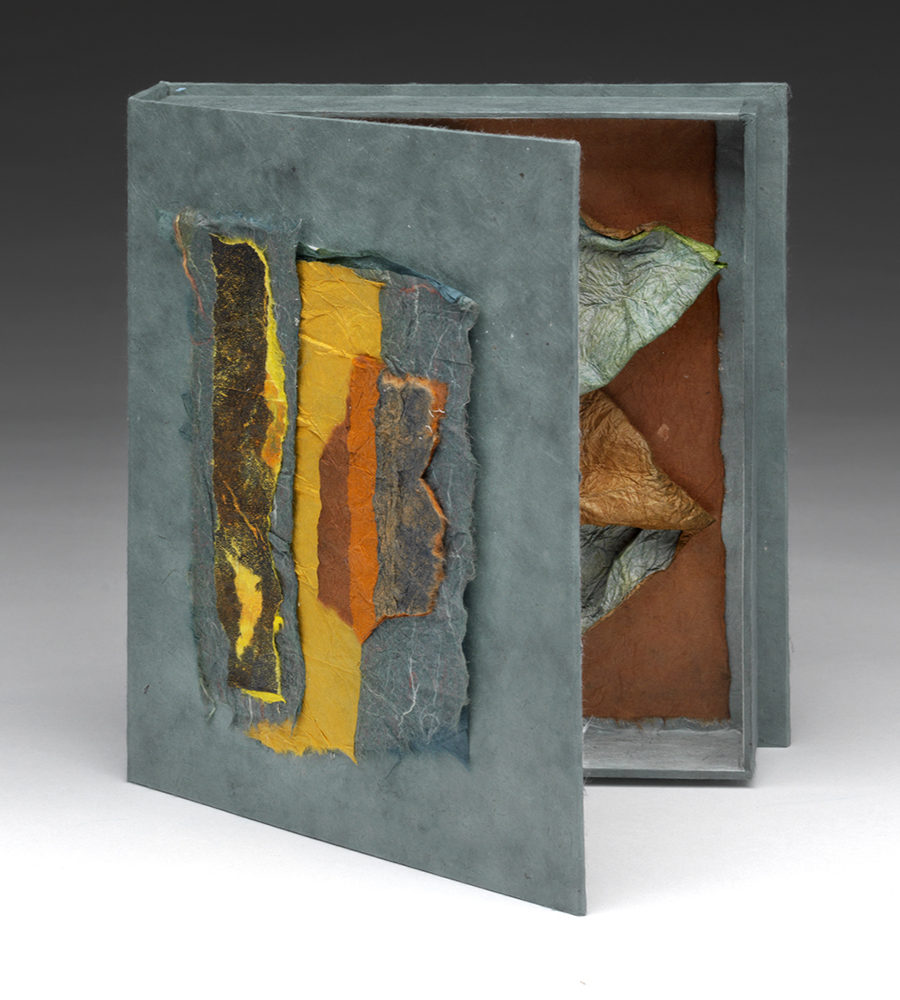
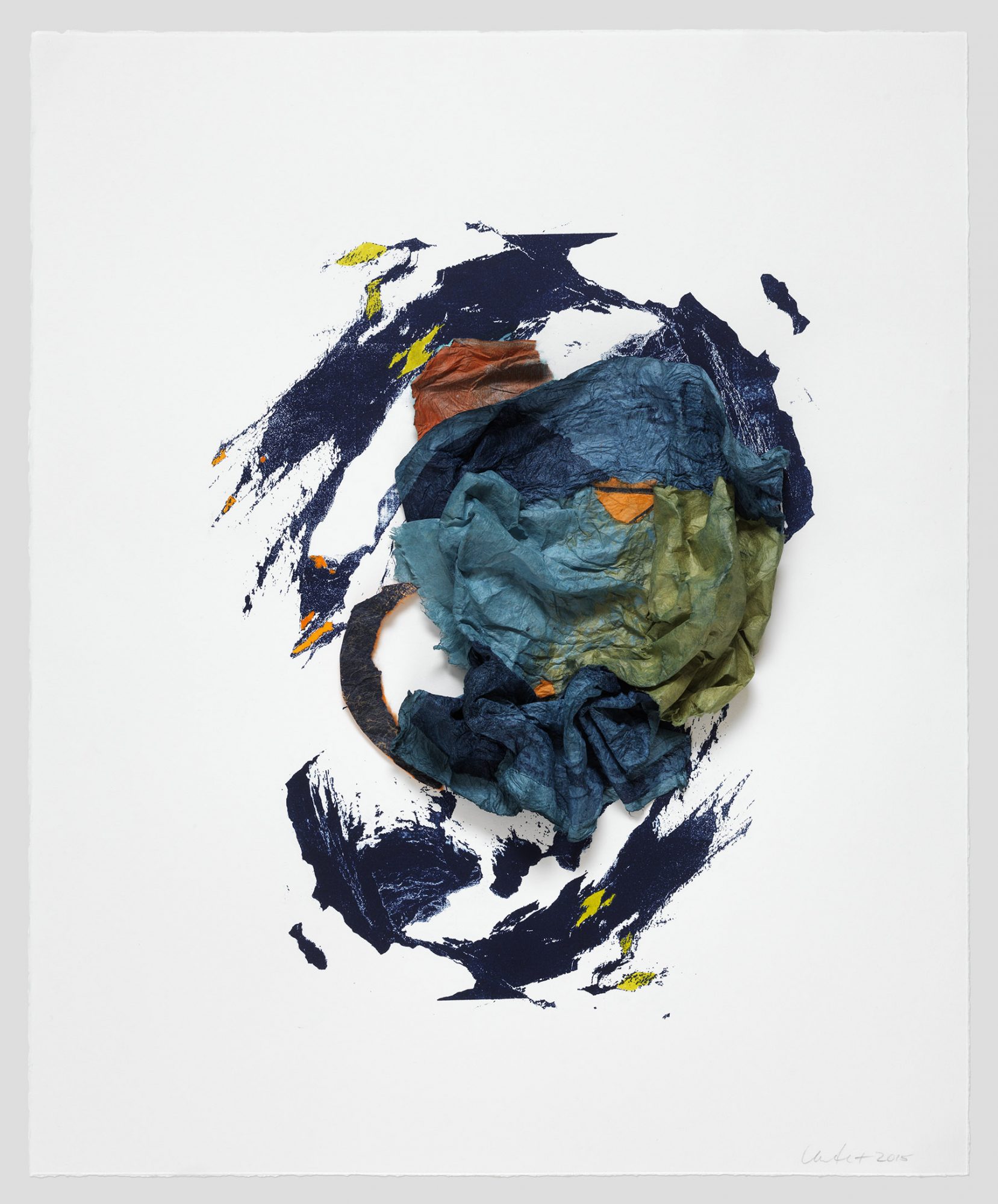
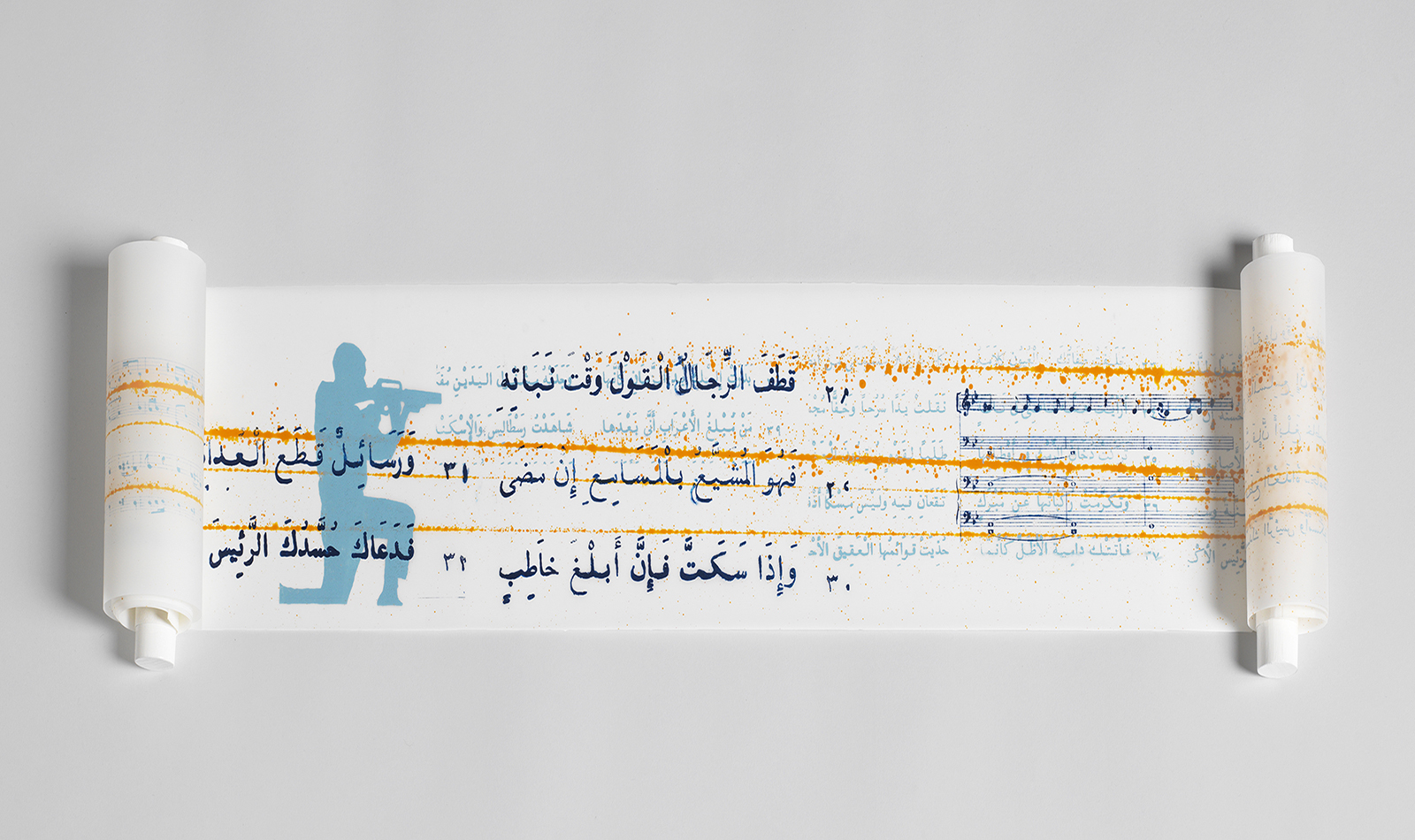
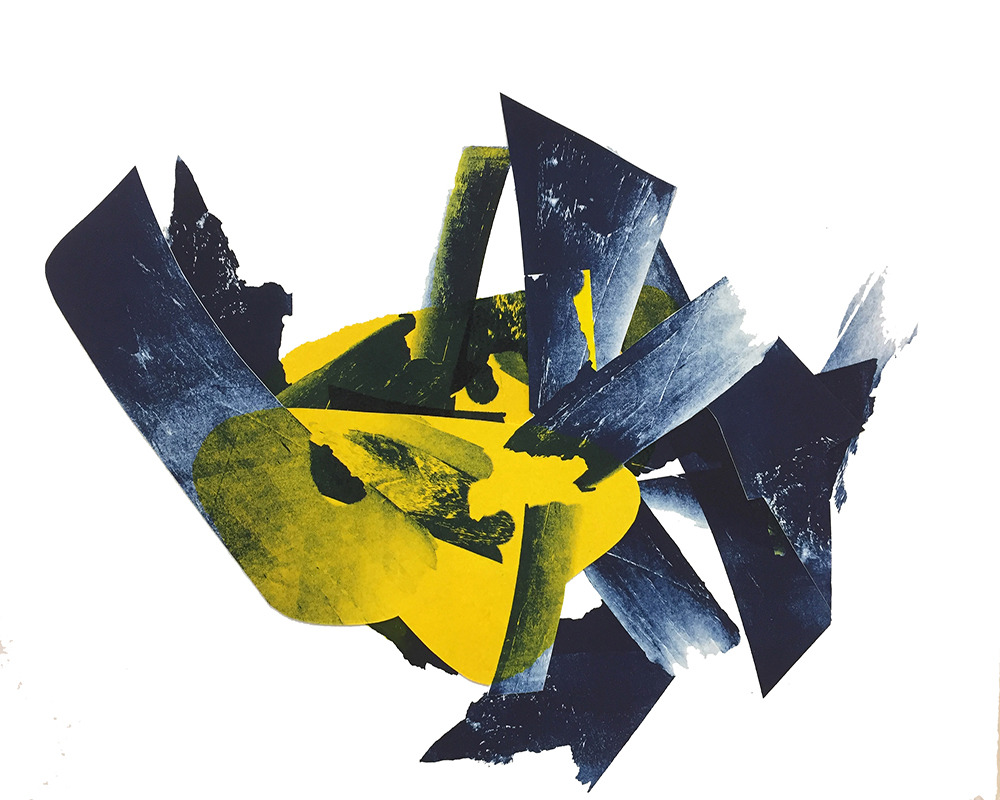
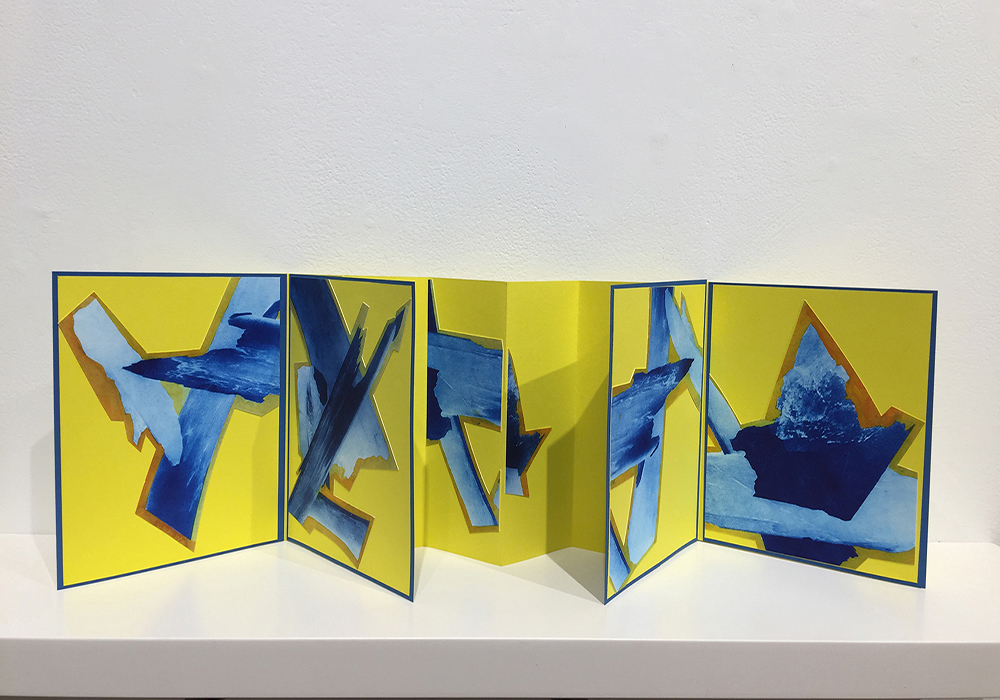
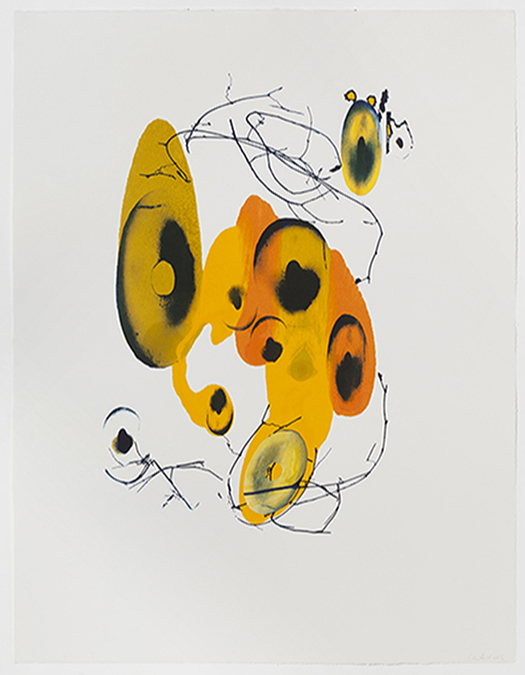
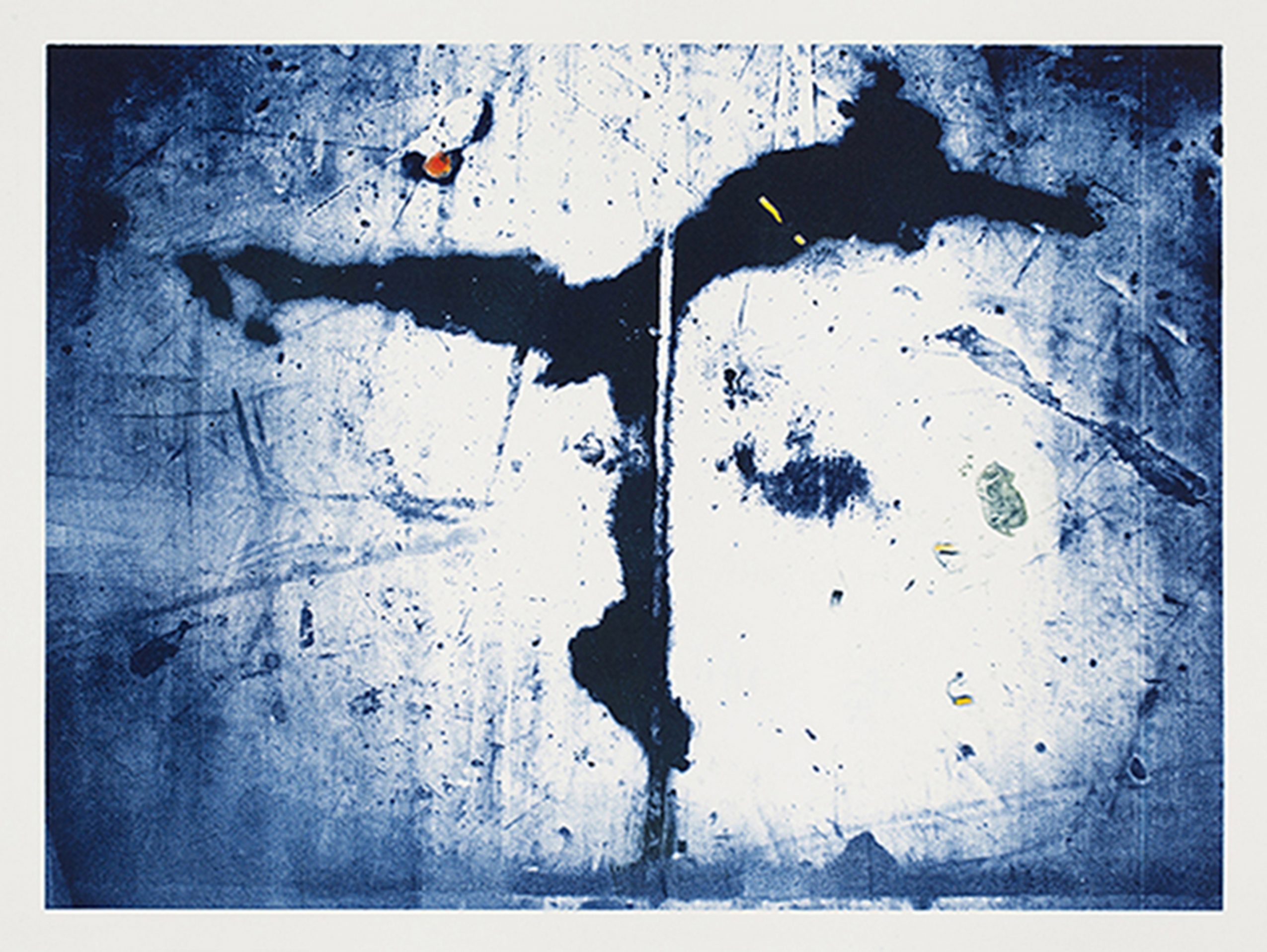 Image Credit:
Stewart Clements
Will Howcroft
Getting in touch: BostonVoyager is built on recommendations from the community; it’s how we uncover hidden gems, so if you know someone who deserves recognition please let us know here.






Ilene
July 16, 2018 at 3:30 pm
Wonderful story about a very talented artist.
Barbara
July 18, 2018 at 3:07 am
Reading about your background and experiences gives me even more understanding of how you find meaning through your intensive observations and their subsequent translation into your work. Thank you! Barbara
Carolyn Hashey
July 20, 2018 at 7:45 pm
Laurie, congrats! I learned a lot from the article! Very impressive.