


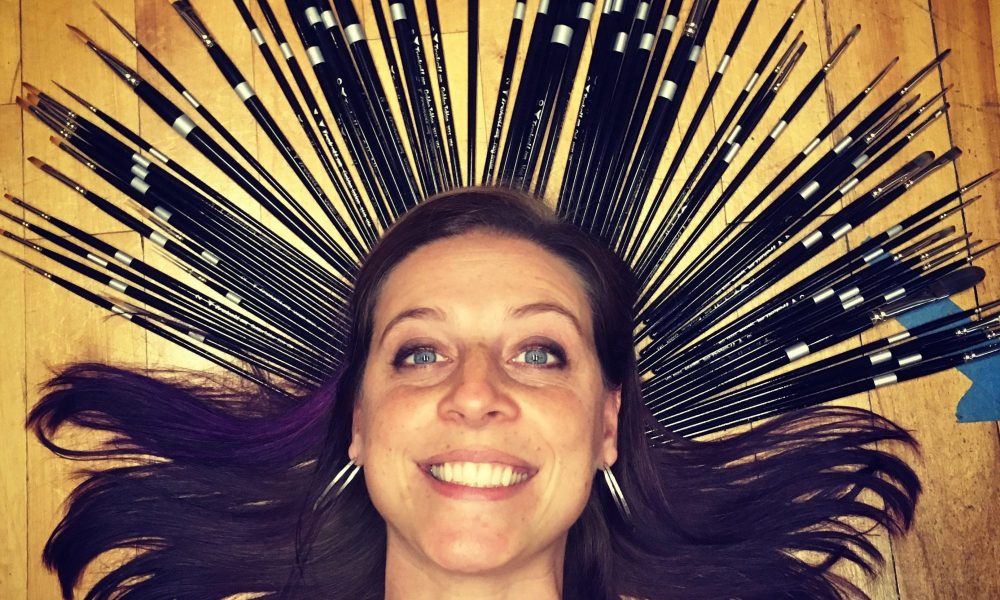
Today we’d like to introduce you to Julie Beck.
Julie, we’d love to hear your story and how you got to where you are today both personally and as an artist.
It may be cliché to say I always wanted to be an artist, but it’s true! However, I was pretty mediocre from the start. Based on my innate abilities, I couldn’t convince my parents to let me go to school for art, so I went to college for something that seemed kind of interesting (engineering and math) and I got a job in a totally unrelated career (graphic design). However, there was always that “itch.” For 10 years, I would paint in my free time. And most of those 10 years were spent trying to figure out why I couldn’t be making paintings like the ones in museums or like the highly skilled contemporary painters.
That’s when Boston changed my life. I moved up here and stumbled on the Academy of Realist Art Boston, where I was reassured that the skills I had been looking for can be taught and are not something that I should have just been born with or been able to figure out by myself. ARA Boston trains your observational skills and teaches the fundamental tools of representational work – light, form, value, technical drawing, etc.
The rest is kind of an unrealistic dream turned into a reality. Within 3 years of training, I began making paintings that were worthy of galleries and awards. I started teaching at the academy, graduated and became the Assistant Director. I am thankful for the skills ARA Boston has taught me, the community it has become for me, and I’m honored to help make it available to others.
We’d love to hear more about your art. What do you do you do and why and what do you hope others will take away from your work?
Almost every aspect of each oil painting I do is done on purpose. Composition, design, painting method… it’s all thought out before I put brush to canvas. Also, COLOR! I really love color. In fact, most of my still life set-ups are started by grabbing a few things that I like the color relationships of and going from there.
While my still life work doesn’t really dive into social commentary, I try to include it in my other work. The imagery we put out there for the world to see can be extremely impactful. One of the first figure paintings I made was a reinterpretation of Norman Rockwell’s Rosie the Riveter. The painting is a stunning presentation of a physically strong woman which helped to redefine the female role during World War 2. Lydia Edwards was a Boston lawyer who I met at a local capoeira group. She personified to me, what Rosie represented. A physically strong woman, who stepped up in a male dominated field to help others (Lydia worked as a public interest attorney with Greater Boston Legal Services focusing on labor issues such as fighting for access to unemployment insurance, back wages, fair treatment for domestic workers, and combating human trafficking. She is now a Boston City Councilor) This is the type of person I think people should look up to for inspiration.
I fully expect that audiences will craft their own interpretations of my work based on their own experiences and relationships with the objects or people I include. I intentionally leave meanings ambiguous enough for each person to have their own individual relationship with the painting.
I believe humans have an innate desire to connect with others, and that representational visual art can provide a common language that transcends spoken language, geography and time. My commitment to creating accessible and relatable work is an expression and celebration of this desire to connect.
What do you think it takes to be successful as an artist?
Obviously, if someone connects to my work strongly enough to lay down some cold hard cash for it, that’s feels pretty damn good. Secondly, constant evolution in both technical skill and creative content are my measures of success.
There are a few qualities I think are essential to being successful an artist. One is to be totally committed. Art is a hard way to make a living. You can’t just put 65% in, or even 75%, or even 90%. For most people trying to do this from the ground up, this is pretty much a 95% or more way of life. I also think it helps to be creative. Not creativity in a hippie dippy way, but like MacGyver creative. Problem solving, finding interesting solutions, and seeing things in a new way helps not only in the act of making art but also how you approach it as a business.
Do you have any events or exhibitions coming up? Where would one go to see more of your work? How can people support you and your artwork?
My personal studio is at ARA Boston, so if you want to come for a tour of my studio, see current works, or tour the school, feel free to contact me through my website or the ARA Boston website.
I currently show work regularly with two galleries: Susan Powell Gallery in Madison, CT and Bowersock Gallery in Provincetown, MA. I also have a show in conjunction with the University of Maine Museum of Art scheduled for 2019 at the Tillman Gallery.
You can also find me online at my personal website, Facebook, or Instagram where I share a ton of progress shots. I prefer to demystify the process. It’s not magic… just hard work, years of training, and an existential crisis or two.
Contact Info:
- Website: http://www.juliebcreative.com
- Instagram: https://www.instagram.com/juliebcreative/
- Facebook: https://www.facebook.com/juliebcreative
- Other: http://www.araboston.com/
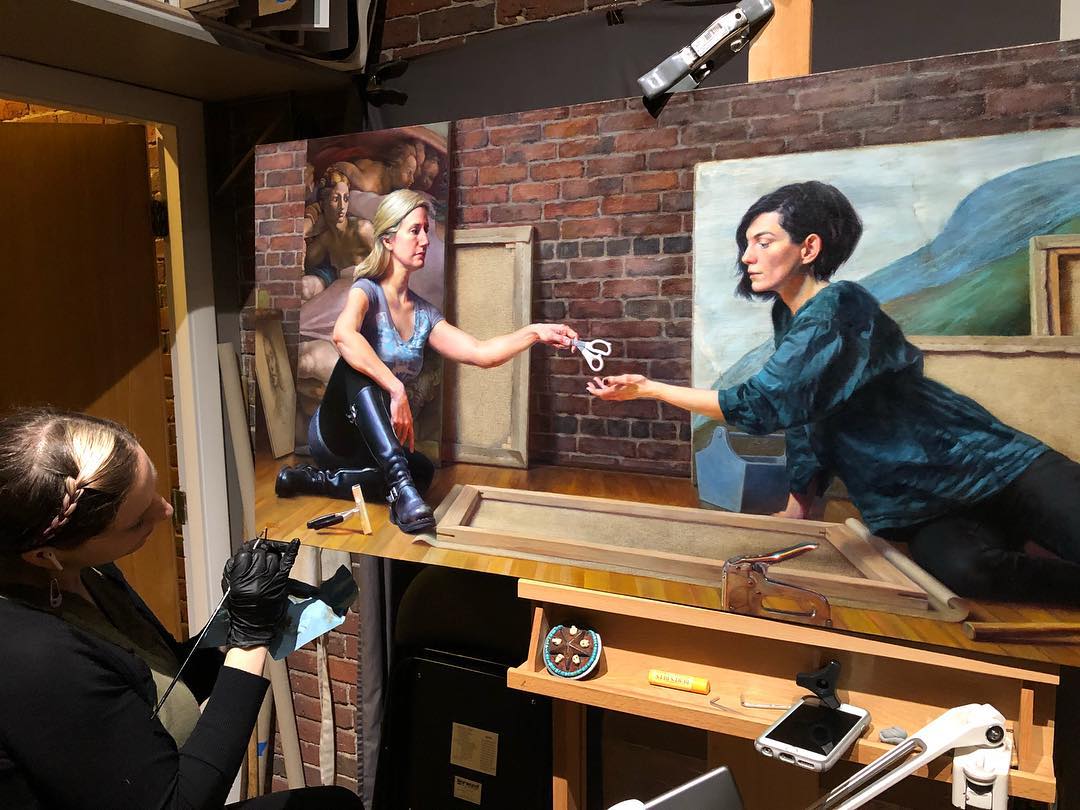
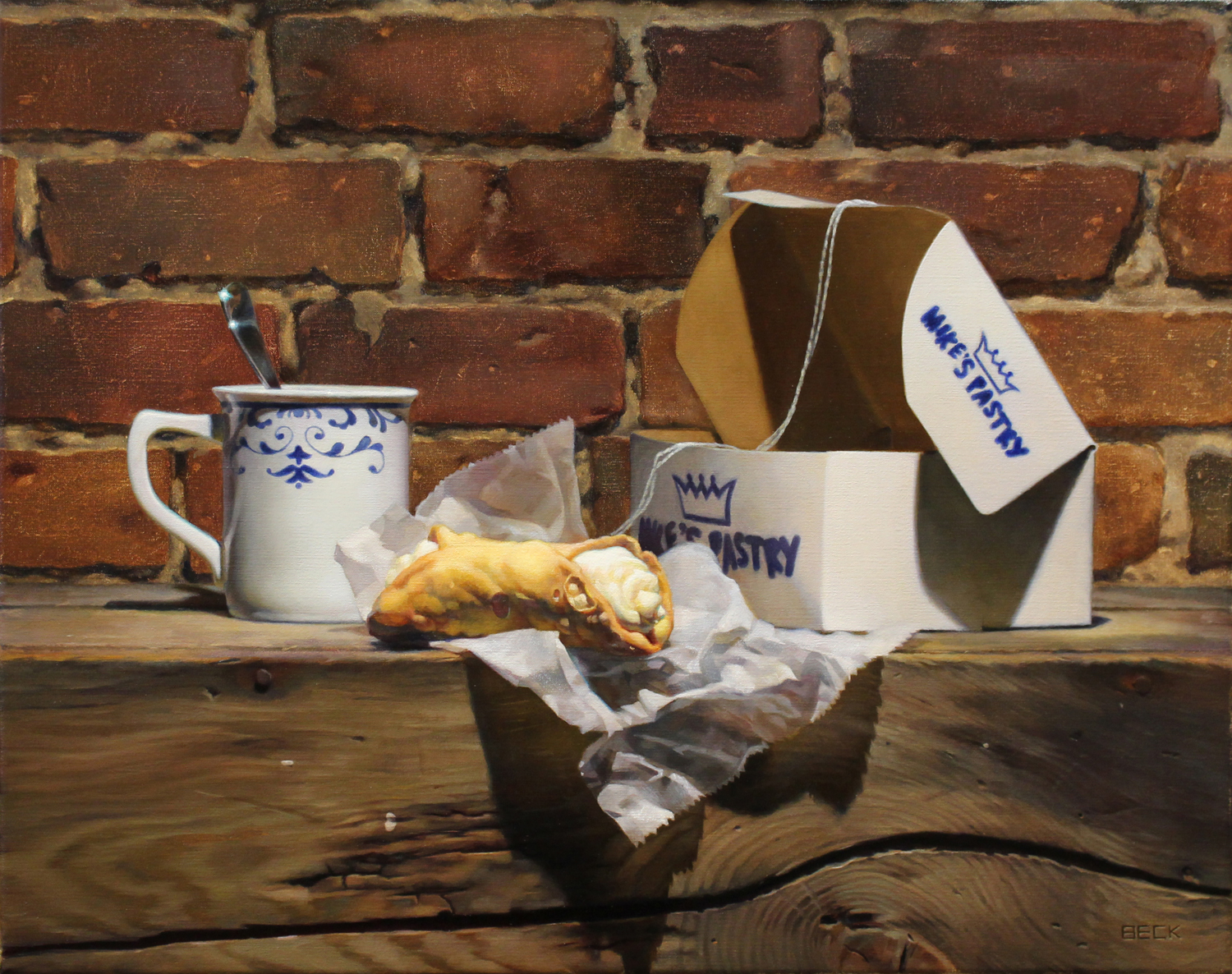
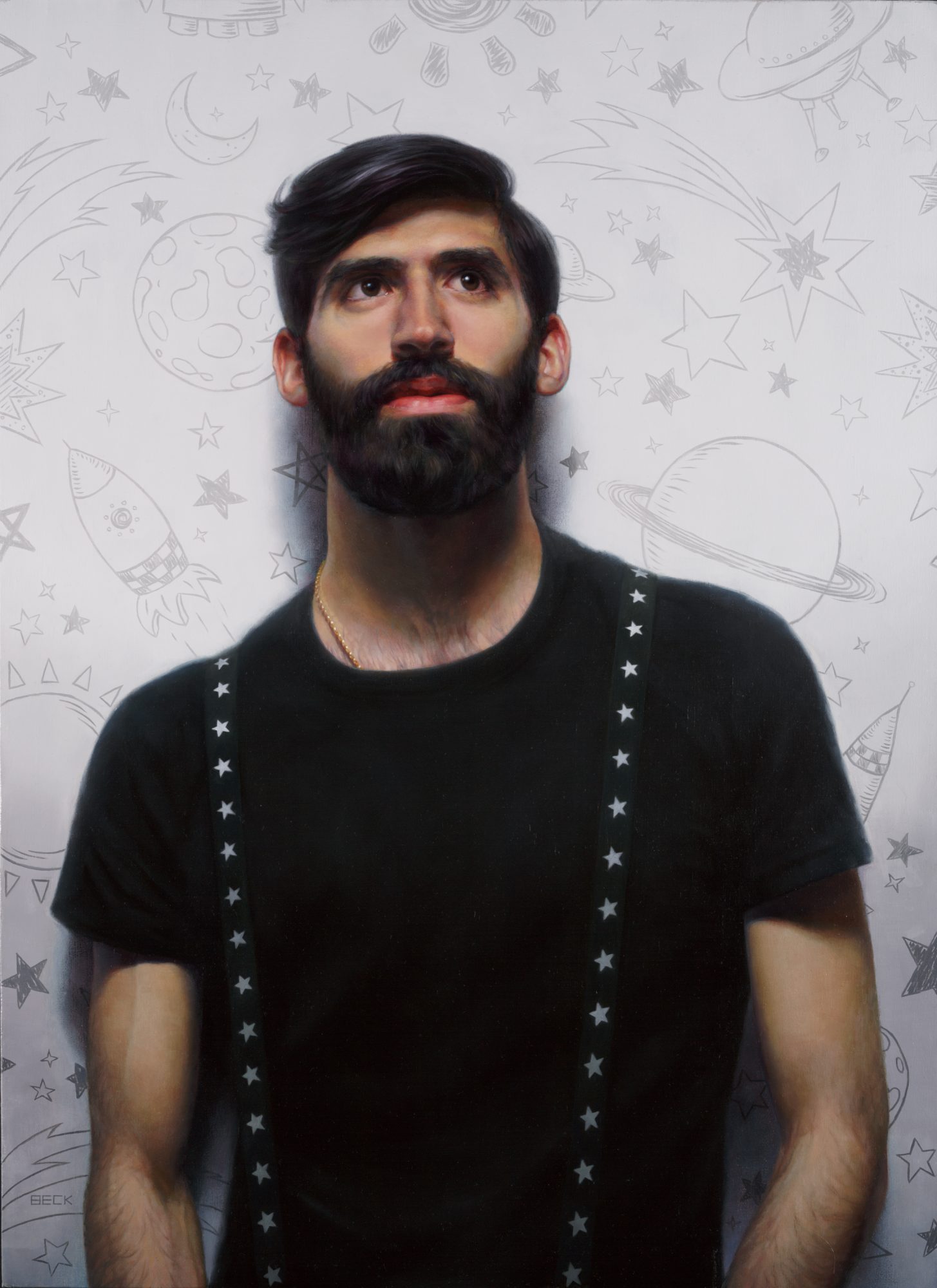
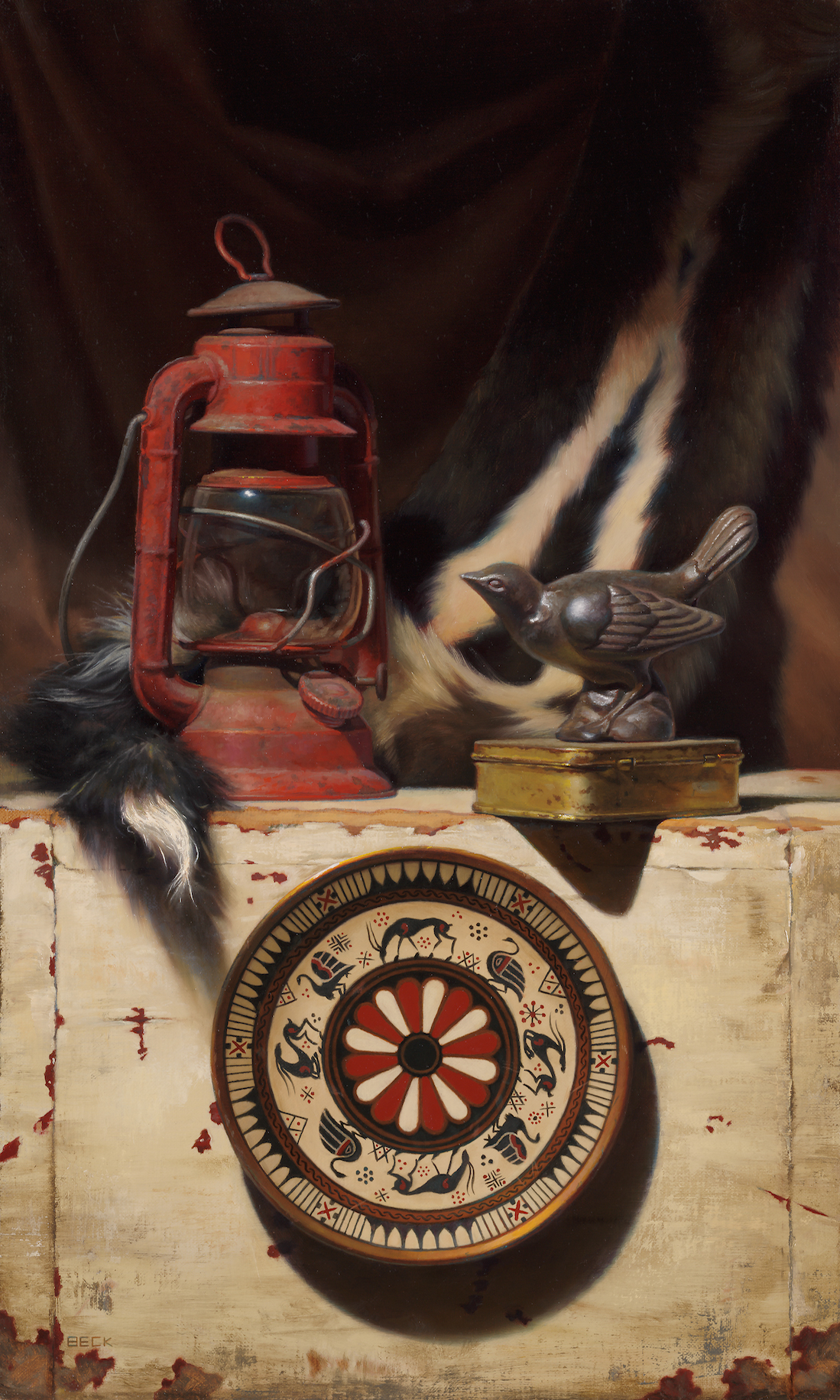
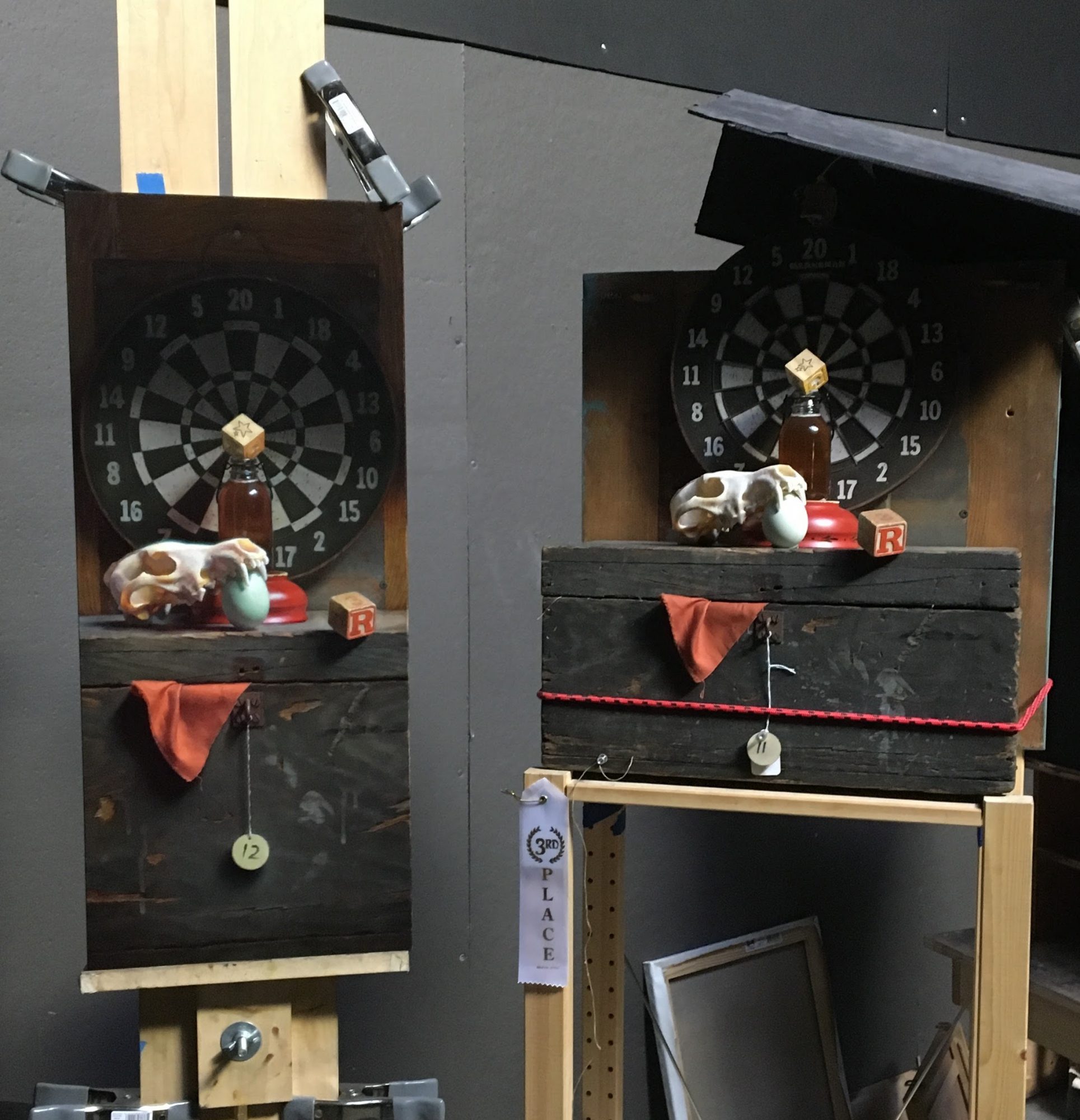
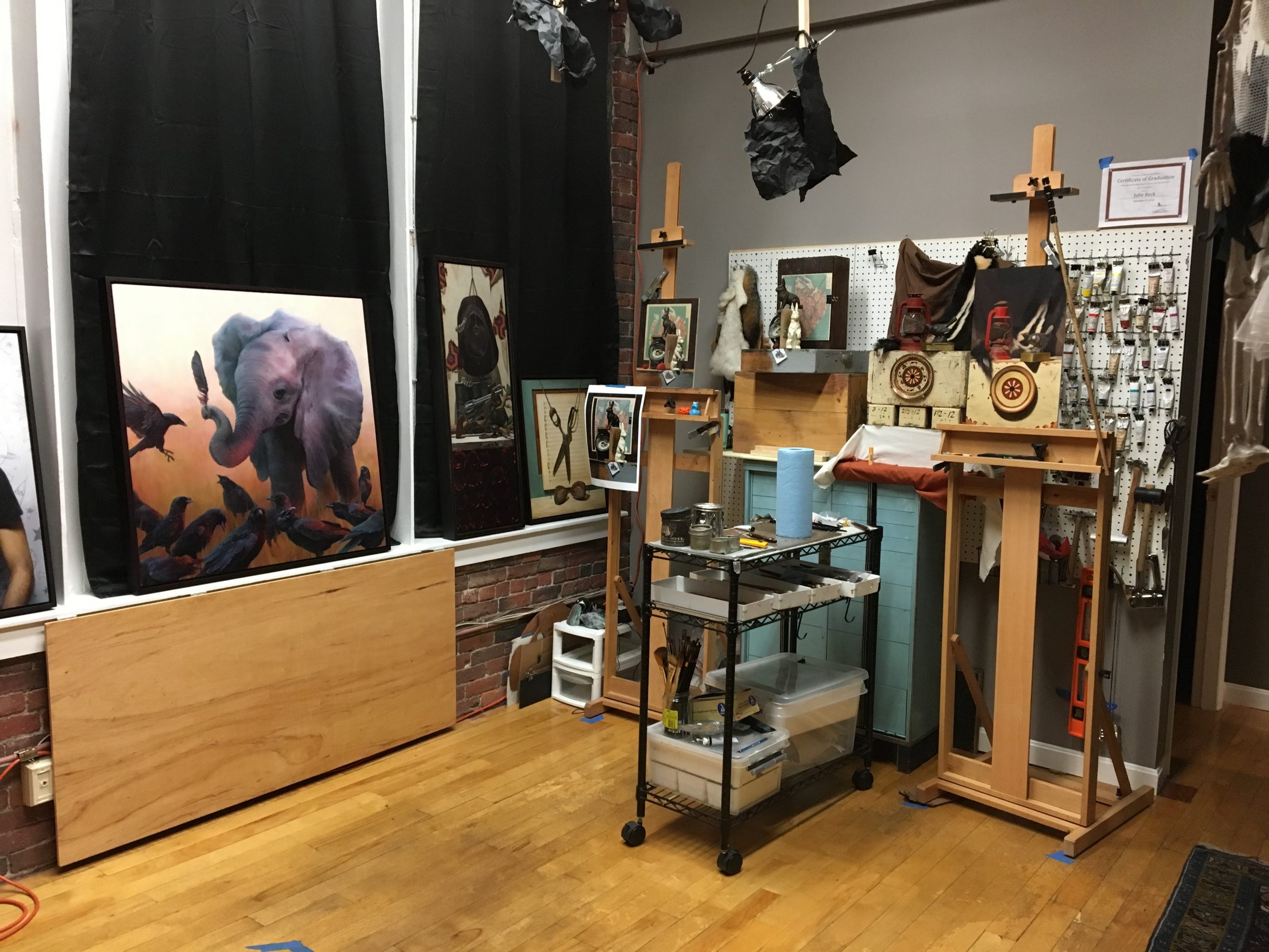
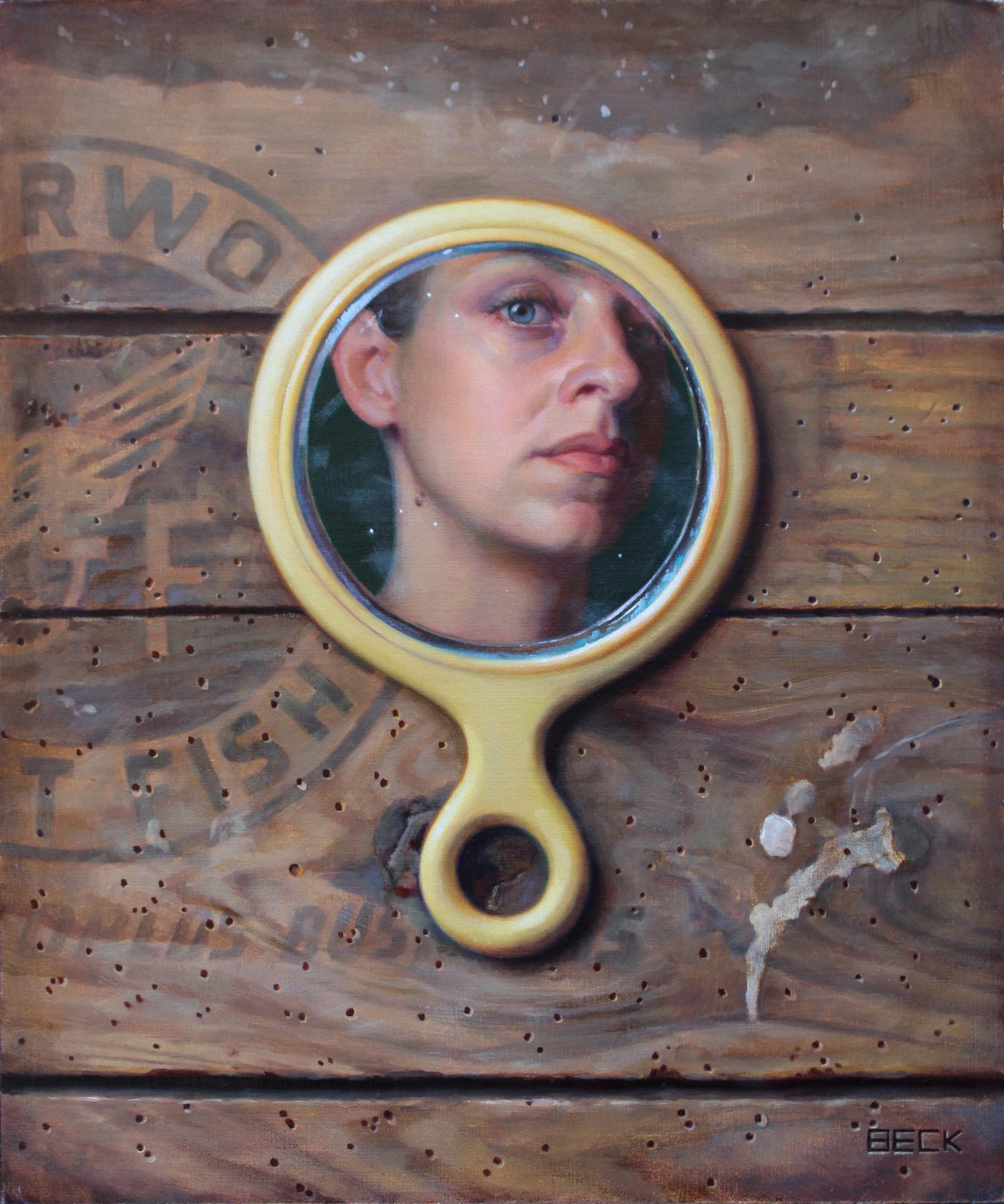
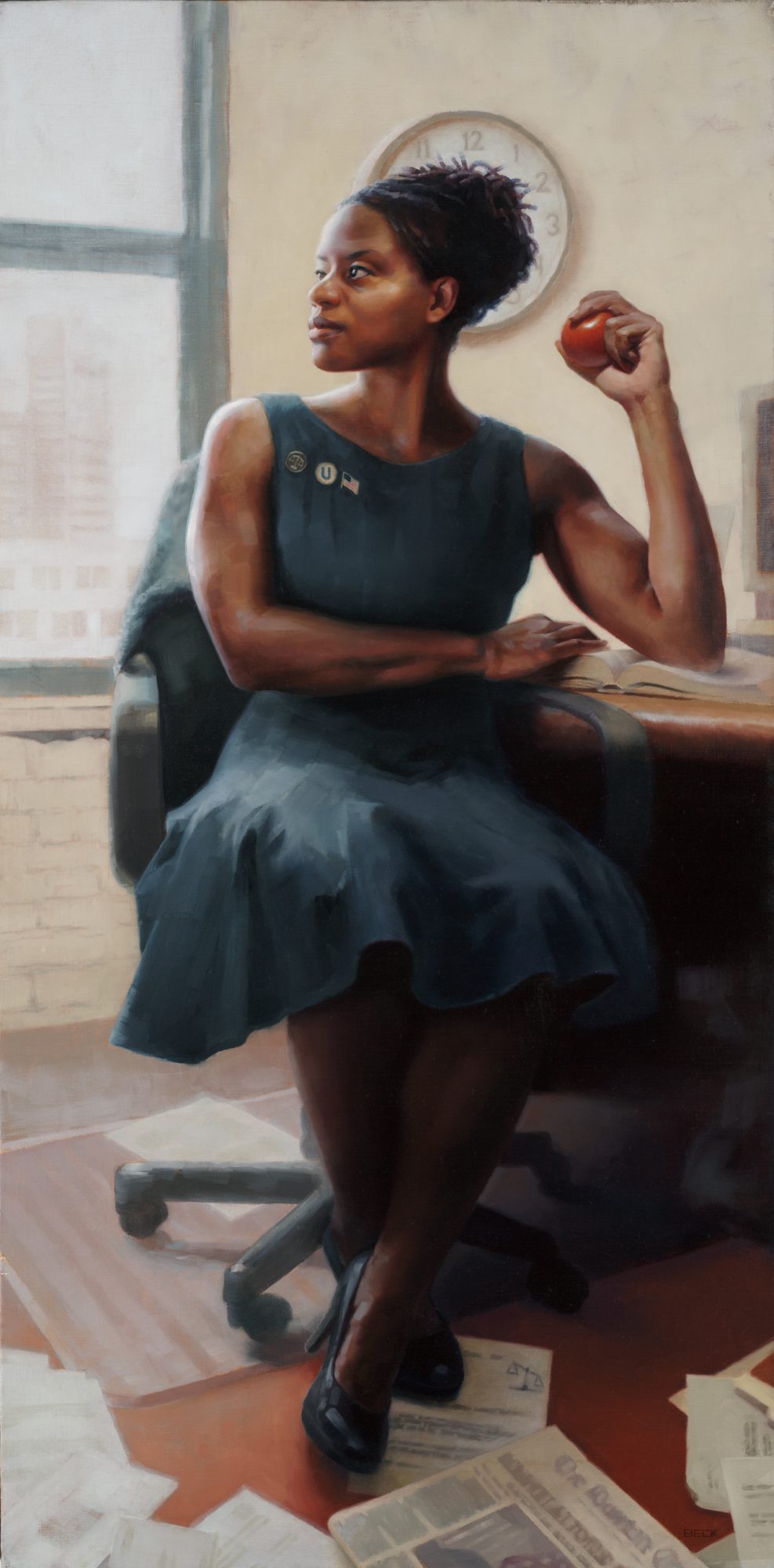 Image Credit:
These are all my photos.
Getting in touch: BostonVoyager is built on recommendations from the community; it’s how we uncover hidden gems, so if you know someone who deserves recognition please let us know here.