



Today we’d like to introduce you to Reina Murooka.
Reina, please kick things off for us by telling us about yourself and your journey so far.
I feel that formative aspects of my background were defined by the transient nature of my upbringing. I’m Japanese but I grew up mostly in other countries, and this has led to somewhat of an identity crisis for me over the years. Nothing unmanageable, but certainly an issue that I have grappled with my whole adult life. Shortly after I was born my family moved to Hong Kong, where I spent the next 9 years of my life assimilating into the hybrid British-Cantonese culture. I went to an international school after hating being in a Japanese one and developed a British accent. During that time, my parents had taken me on a trip to Thailand, where I saw a violinist performing at a restaurant. I immediately pointed to him and said “I want to do that”. As a child I had trouble sitting down and was considered to have “too much energy”, so my parents were ecstatic that I wanted to do something that meant standing in one place. I continued to work seriously as a violinist from the very beginning of my training.
After Hong Kong, we moved to Shanghai for two years. Then we moved back to Japan, where I had further issues with my identity. I was at the American School of Japan, surrounded by so many other individuals from all over the world, but it bugged me to realize I had no idea who I was. I dropped my British accent very fast, attempting to integrate myself into an American system. I was entering violin competitions but hating the environment surrounding them. It was distressing to me that we had to fit a certain playing style or interpretation to be even make it past a stage, no matter how beautifully you played. We moved to the Bay Area in California when I was 16, which opened up a whole new chapter in my life. I was able to attend the San Francisco Conservatory Preparatory Program and join the San Francisco Symphony Youth Orchestra. Saturdays were my musical haven, an escape from the weekdays of going to a public school at which I struggled greatly. The friends made at SFSYO are still some of my closest friends. It was during this time period that I decided to pursue music as a career.
I was lucky enough to have spent my undergraduate years at Bard College Conservatory, a 5 year double degree program located in the Hudson Valley, New York. It was here that I began to develop a sense of who I really was. I can’t lie and say that it was an easy 5 years — this was a difficult program. Bard offered me major intellectual and musical challenges. I spent my first two years floating between various majors for my BA, thinking maybe I could get into biology, cognitive science or psychology, but after taking the German Immersive course I ended up falling in love with the German language. I studied abroad in Berlin for the winter semester of 2014, dividing my time between the Musikhochschule Hanns Eisler studying violin and Humboldt University studying Post-DDR Literature.
When I returned to Bard I started performing extensively with a close knit group of friends. We produced a chamber music series at the Vanderbilt Mansion in Hyde Park, NY and were privileged enough to be selected to play in the Haydn Series, curated by world renowned concert pianist Peter Serkin. My love for literature and German had only spurred me to really understand where the music came from and to acknowledge the vast history behind what we do as classical musicians. By this time, I was in my last year of undergrad, applying to music graduate schools all over the country. I was also writing my graduate thesis on Japanese-German author Yoko Tawada, whose work I had become enamored with over the course of my studies. While this experience of simultaneously applying to grad school and writing was all extremely stressful at the time, I look back on it now and realize it caused me to critically analyze my own life and society around me.
I spent the summer before graduate school working at the Bard Music Festival as an administrative assistant, curious to learn more about the inner workings of a classical music festival. I found the behind the scenes work incredibly fulfilling and realized that I wanted to work like that again once I moved to Boston for my Master’s degree.
I began attending the New England Conservatory in the fall of 2016. I immediately started applying to jobs and began work as a production assistant at From the Top, a radio show that celebrates the stories of young musician, as well as joining the Boston Philharmonic as a section violinist. I became very busy, devoting myself to the daily grind of establishing myself in a new city. In retrospect I think I failed to question the efficacy of my voice as an artist during this time, which I do believe is something that all people (regardless of their level of expertise) should strive to do.
As the election happened, something snapped deep inside of me. All of these questions of “who am I?”, “what does music mean?”, and “what am I doing to help others?” began to manifest themselves into a malaise of deep unhappiness with direction classical arts culture is headed. Professional orchestras are floundering. Musicians aren’t being met with respect for the hard work that they do. There are too many known secrets within the industry negatively harming the new generation of musicians. We aren’t getting the support we need. I realized that my wariness of the classical music industry was only the tip of the iceberg, and I have since decided to be much more vocal about these problems.
I began to work with the Eureka Ensemble both as a player and a policy advisor. At Eureka we use classical music as a platform for social action and community engagement. My duties as the Social Chair encompass personal engagement with players and the production team to create a safe and inviting culture. The Director describes my personality in this role as being like Karamo from Queer Eye. Working with Eureka has raised my personal awareness of social issues within the Boston area, ranging from childhood obesity to homelessness and domestic abuse, and driven me to work for others to improve their situation.
In 2017, I applied for the New England Conservatory’s Marketing Fellowship. During the application process it became clear to me that my mission was to develop a stronger community in support of artist’s voices and marginalized groups. After appealing to them that they needed to care about the current student culture in order to market well, I pivoted my application process for the Marketing Fellowship to create a new position as NEC’s Student Engagement Fellow. From this position I have spent the last year engrossed in leading a research project. I am to identify learning goals and research questions, as well as learn a crash-course in interview-based research. I have been hosting focus-group conversations among my peers and distilling the focus group findings into action-based insights. As a final project, I will outline an action plan and develop a prototype test of one action item. Throughout this fellowship I have further strengthened my belief that community comes first, and that we further strengthen ourselves by creating a culture where people feel comfortable being themselves. My personal and professional growth as the NEC Student Engagement Fellow has given me incredible insight to the process of adding value to underserved communities.
This work has also inspired me to create my own website as a way of exploring other ways to create a community. After sustaining a playing related injury last summer and the subsequent necessity that I stop playing for a period of time, I was able to identify a missing piece of my oft sought after identity. I wanted to understand what I could do to grow in the time that I wasn’t practicing or performing and found programming. I do not have a technical background, but completely fell in love with the art of programming. I appreciated its practicality, as well as the sheer power one single script could hold. I loved how I could design my own websites. I loved that there was a creative possibility to it. Once I began to learn, I could only think about how I wanted to integrate music and technology. Classical music is unfortunately archaic in many ways and I found myself unable to deny that I loved technology as much as music.
Can you give our readers some background on your art?
As of right now, I am working with Eureka Ensemble on our Sheltering Voices project. Sheltering Voices is a musical initiative to empower homeless women, educate the public on domestic abuse issues, and support local homeless shelters. The vision is to recruit a choir of homeless women and to commission Stephanie Ann Boyd, our Composer-in-Residence, to write a piece for this new choir and Eureka Ensemble. The lyrics will be written by poet and women’s rights advocate Jessica Lynn Suchon, whose creative work is about shedding the shame and stigma around discussing female-related trauma. We are calling the commissioned work and hence the overall project Sheltering Voices.
The world premiere of “Sheltering Voices” is being planned for May 12th, 2018. The concert will feature all female American composers and soloists through the following musical program:
1. Prayer and Celebration – Augusta Read Thomas
2. Sonata for Viola & Orchestra – Rebecca Clarke (Orchestrated by Ruth Lomon)
3. Sheltering Voices – Stephanie Ann Boyd (World Premiere)
– Intermission –
4. Symphony in E Minor – Amy Beach
We are in partnership with various homeless women’s shelters in Boston such as Pine Street Inn, Cambridge Women’s Center, and Rosie’s Place, to create a chorus of homeless women through an audition process. Once selected, we will be able to offer them a stipend and an extended opportunity to perform throughout the year. We also have a sponsorship from Pfizer Pharmaceuticals! The Pfizer Women’s Leadership Network will organize a toiletry drive for the shelters we are working with.
I hope that this project will raise much needed awareness about homelessness and create a discussion about domestic violence.
On the note of female composers, I am also performing in a concert with Melissa Weikert, a wonderful colleague also completing her Masters in Contemporary Improvisation at NEC. She is also the founder of SAGE, Students Advocating for Gender Equality at NEC. Entitled “Wouldn’t It Be Nice: Pet Sounds Reimagined,” Melissa has re-composed The Beach Boys’ Pet Sounds album in its entirety and will be performed by an all-female ensemble of 17 musicians. We will be donating half of the profits from our debut performance on May 17th at Boston Family Church to Girls Rock Campaign Boston.
I am also working on the creation of more opportunities for student engagement at New England Conservatory. I am currently working on creating a musician’s resource page on my website to have an all-in-one encompassing index for information that is vital for musicians to continue their work, especially as students — I hope that my resources on taxes (especially for international students), self-promotion, and injury management, will create some support for musicians.
What responsibility, if any, do you think artists have to use their art to help alleviate problems faced by others? Has your art been affected by issues you’ve concerned about?
I think the role of the artist has always been one that is in flux. We are hope, pure joy, sadness, terror, all kinds of emotions and actions that have helped people through movements of history. I think that it is imperative that we are aware of all current issues, regardless of your medium of expression.
It is my hope that classical artists will begin to step up to the plate by engaging with the wave of social activism that is currently sweeping the country. We are in an ideal situation to bring people together and to emotionally appeal for issues that plague humankind. I know this is only the beginning for many of us to collaborate and work together as this country is enveloped by the tides of social change. Everything is connected and I think it is within the role of artists as communicators and as collaborators to make sure our art reflects the context of our time.
What’s the best way for someone to check out your work and provide support?
Please come join us on May 12th at the Church of the Covenant for Sheltering Voices! You can support this current project by donating on the Fractured Atlas website (https://www.fracturedatlas.org/site/fiscal/profile?id=14953). Please support Melissa on her Pet Sounds: Reimagined project here (https://www.indiegogo.com/projects/wouldn-t-it-be-nice-pet-sounds-reimagined-music#/) and come to the concert on May 17th at Boston Family Church! You can also reach out to me on my website (www.musioxx.com) or my email rmus.iox@gmail.com for more information on my ongoing projects.
Contact Info:
- Website: www.musioxx.com / www.eurekaensemble.org
- Email: rmus.iox@gmail.com
- Instagram: Www.instagram.com/mus.ioxx
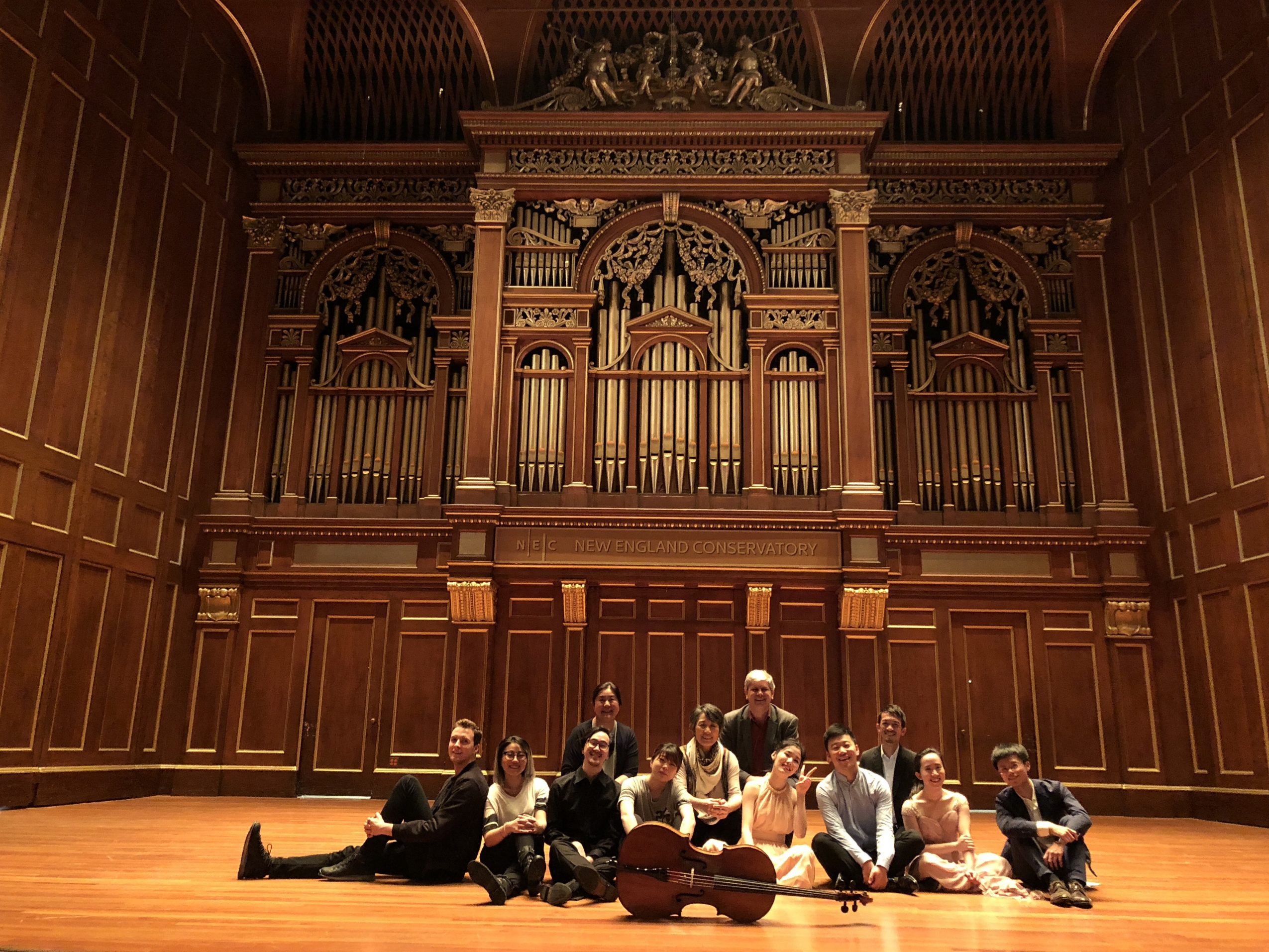
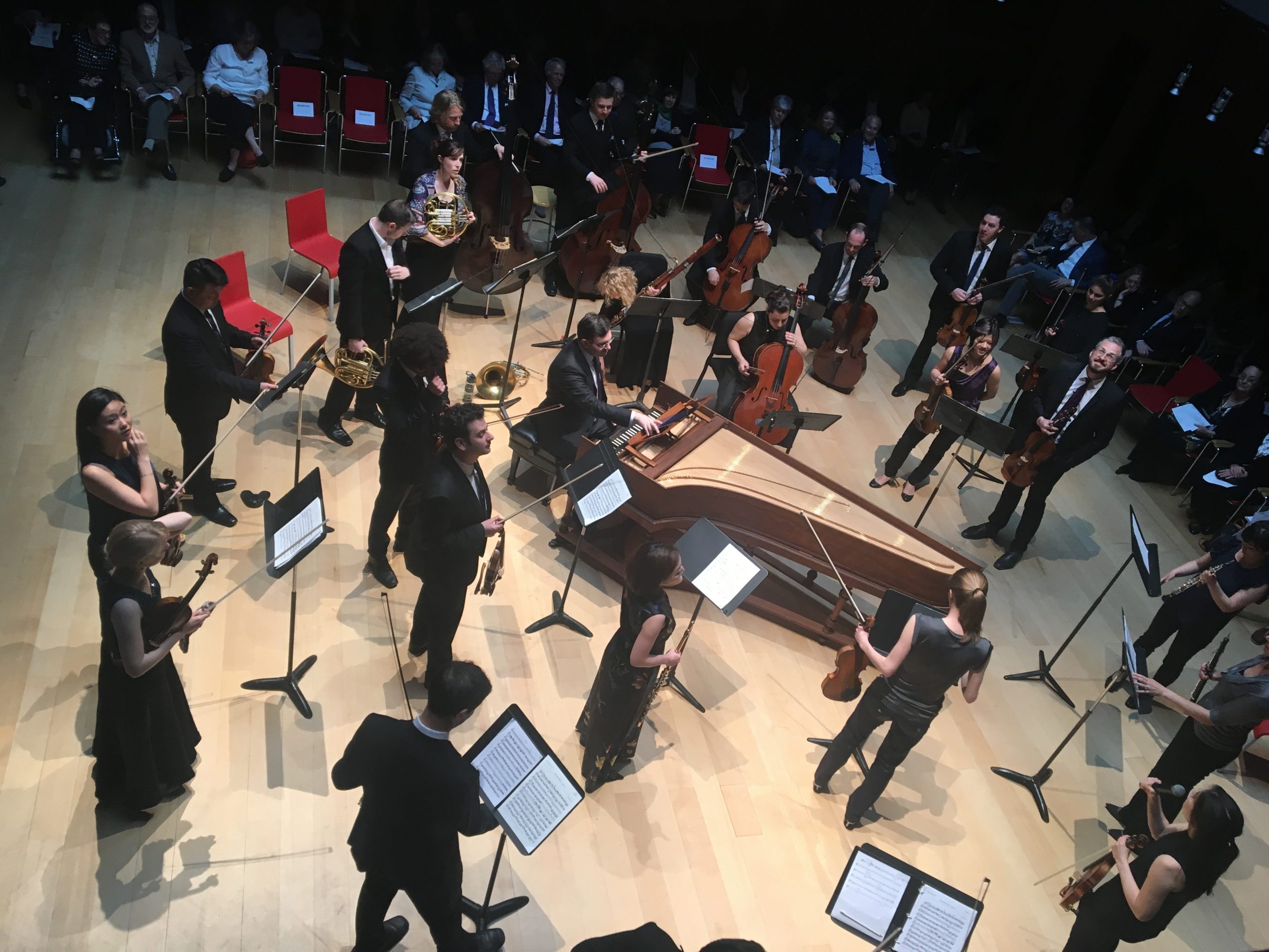
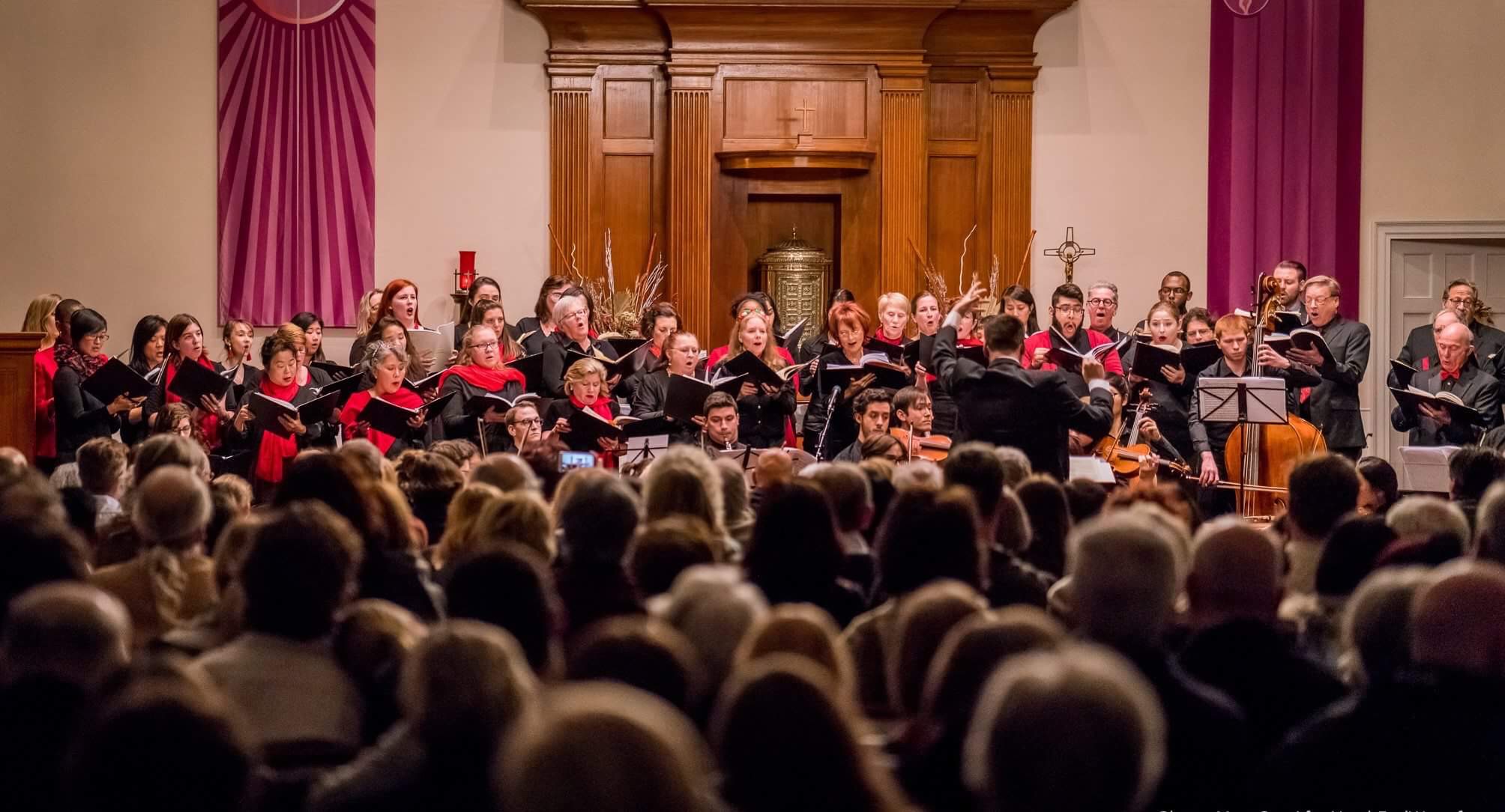
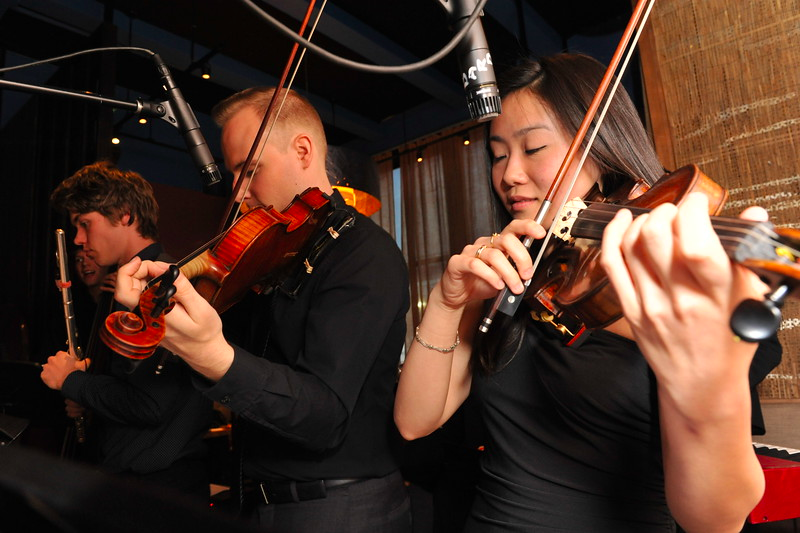
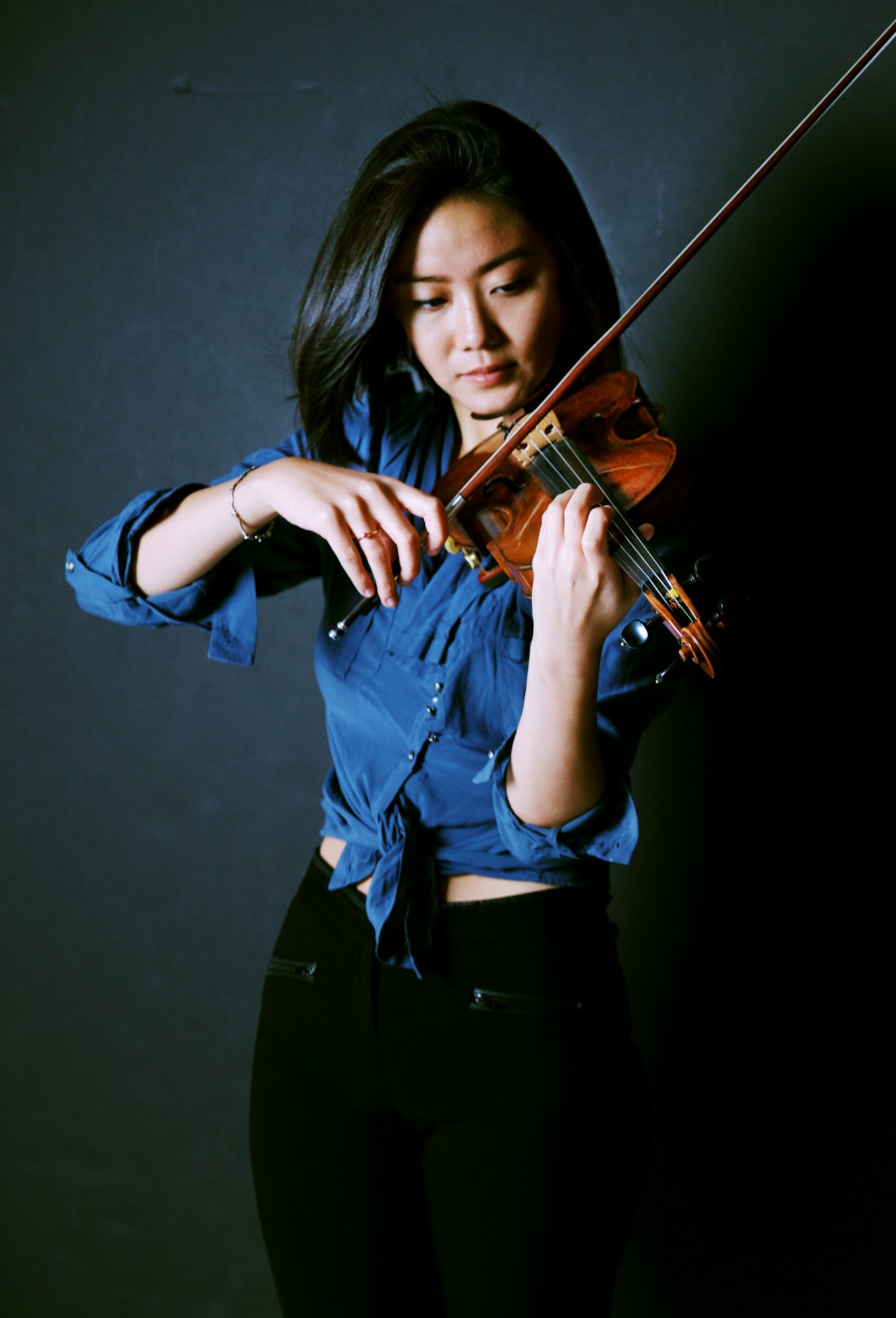 Image Credit:
Sophie Zhai (for headshots)
Getting in touch: BostonVoyager is built on recommendations from the community; it’s how we uncover hidden gems, so if you know someone who deserves recognition please let us know here.