

Today we’d like to introduce you to Josh Dannin.
Josh, please kick things off for us by telling us about yourself and your journey so far.
I grew up in and around Philadelphia playing with pencils, tools, and drums. My creative outlet was predominately drumming for the first 25 years of my life, and while regularly gigging throughout the Northeast, I earned my BFA in photography and printmaking from the Kutztown University of Pennsylvania. I spent a lot of time in both the darkroom and print shop at Kutztown, always preferring analog to digital processes, and fell in love with carving woodblocks. After a year of print workshops and residencies throughout North America, I moved to Athens, Ohio and earned my MFA in printmaking at Ohio University.
Along the way, I began accumulating tons (literally) of printing equipment and launched my printshop, Directangle Press, out of my OU grad studio in 2014.
After a brief stint in Pittsburgh, PA, I relocated to Manchester, New Hampshire where I now teach printmaking and design at Saint Anselm College and New Hampshire Institute of Art. I’ve kept the printshop running as well, and Directangle Press has developed into a busy letterpress and risograph studio and small publishing house. I’ve had the privilege of collaborating with a bunch of great artists on exciting print and book projects, with designers to help realize their ideas in ink and paper, and I continue to produce my own woodcut and letterpress work.
I recently opened a new studio just outside of Manchester in the heart of Goffstown Village. I’ll continue the print work and collaborations in the new space, and also offer introductory risograph and letterpress workshops and open studio hours.
Can you give our readers some background on your art?
I carve woodblocks, work with wood and lead letterpress type and cuts, occasionally work with photographic elements and often combine all of the above. My personal work is pretty architectural. It’s motivated by the seriality and modular nature of mass housing developments, high-rises, and neighborhoods. I’m particularly interested in the systematic approach to their production — working with a kit of parts to maximize the efficiency of production. How does this impact production quality, and ultimately the lives of people occupying these spaces?
These concepts directly influence my practice. I use printmaking processes and machines, which are themselves intended for production. The resulting work may take the form of a traditional woodcut or letterpress print or in a bound book or zine format.
My process has become much more improvisational over the years. While certain parts are still quite measured, I try to make calls on the fly as much as possible. I often have a small saw set up right next to my printing press to quickly chop up blocks as I’m building a composition, and this approach has influenced my more recent risograph collages. This all definitely crosses over into my work as a printer for other artists, but each project leads to new approaches that develop through conversations and experimentation. That’s my favorite part of the working in this field.
Do you think conditions are generally improving for artists? What more can cities and communities do to improve conditions for artists?
Things are perhaps a bit different now with the internet and social media outlets, creating a new platform for artistic discovery, promotion, publishing, and exhibition. There are so many talented people all over, and it’s so easy to find new sources of inspiration or share what you’re creating. On one hand, this is an incredible resource. On the other, there’s so much to sift through that one can quickly be overlooked. It’s both super exciting and a bit intimidating.
Cities, schools, and communities need to continue developing and promoting opportunities for creative folks rather than viewing art-related things as quick budget cuts. Give people time and space to inspire and be inspired – in physical space, not just online. Encourage people to continue working towards their artistic goals through events, projects, scholarship and funding opportunities, and reasonable and accessible studio space. Make, make, make – more, more, more!
What’s the best way for someone to check out your work and provide support?
My studio, Directangle Press, is open on Sundays and by appointment, and there are always fresh prints hot off the press. I exhibit my personal work throughout the States and beyond, and also at numerous print and book fairs each season. Recent events include Northampton Print & Book Fair, New England Art Book Fair, and Chicago Printers Guild Publishers Fair. I also co-edit and produce a semiannual publication called Power Washer Zine, which can be found in many public and private collections and online. My work can be found online at www.joshdannin.com and www.directanglepress.com, on Instagram @directanglepress.
Folks can support the studio by considering us for your future print project, and by checking out prints, books, and zines in the Directangle Press online store (http://www.directanglepress.com/store). And for those interested in making something cool of your own, come to take a workshop!
Contact Info:
- Address: Directangle Press 19 Main Street Goffstown, NH 03045
- Website: www.directanglepress.com
- Email: info@directanglepress.com
- Instagram: @directanglepress
- Facebook: @directanglepress
- Other: www.joshdannin.com
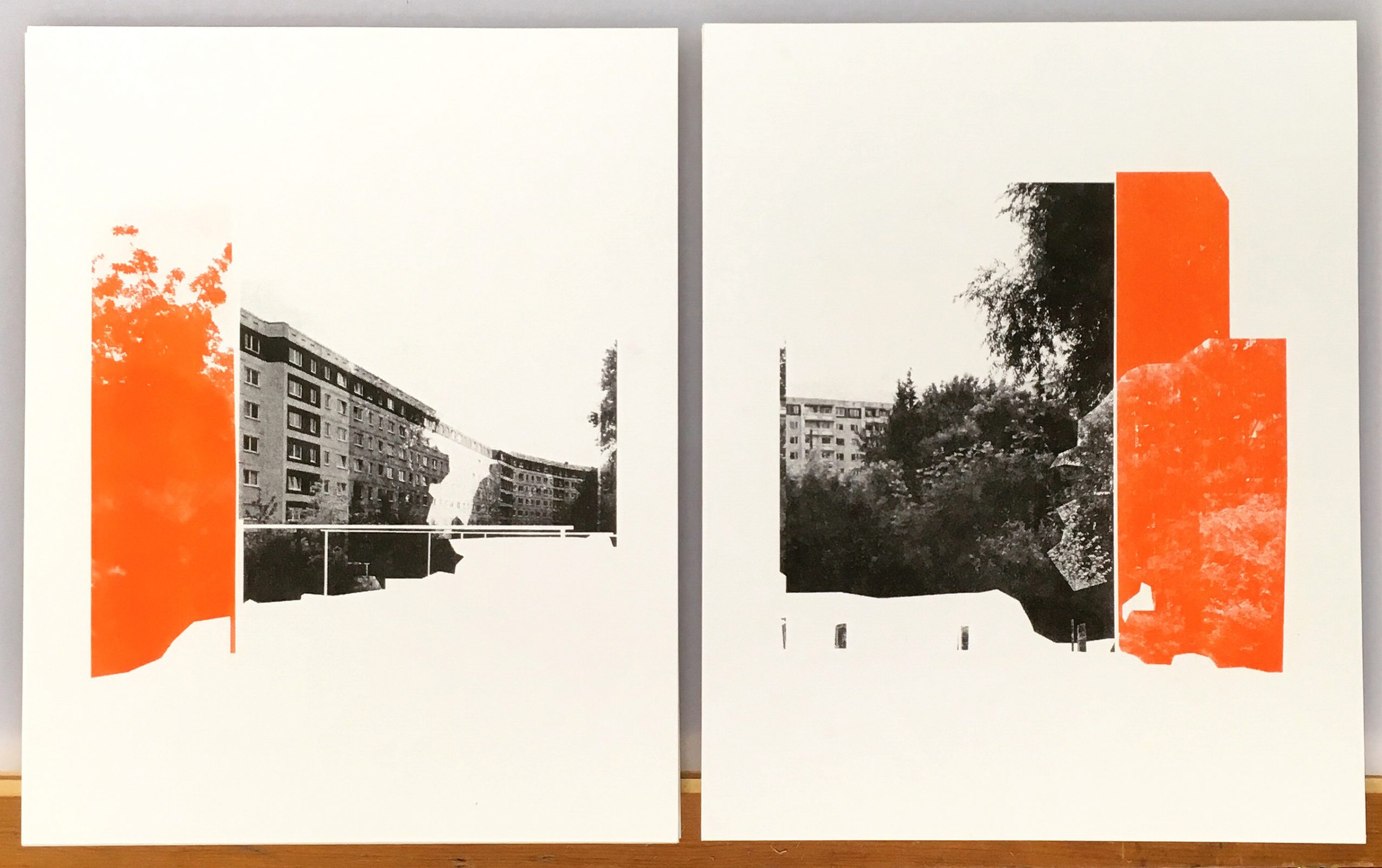
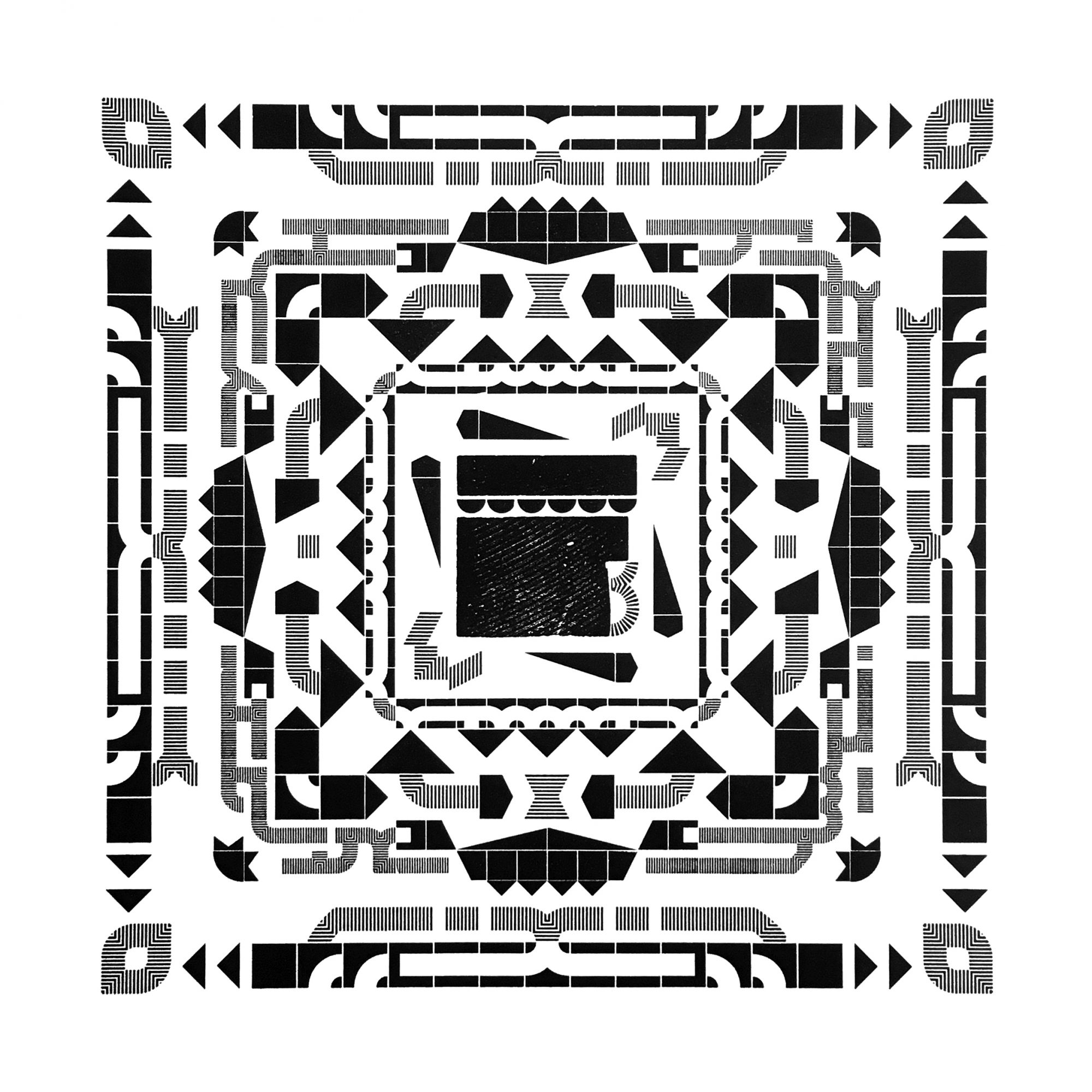
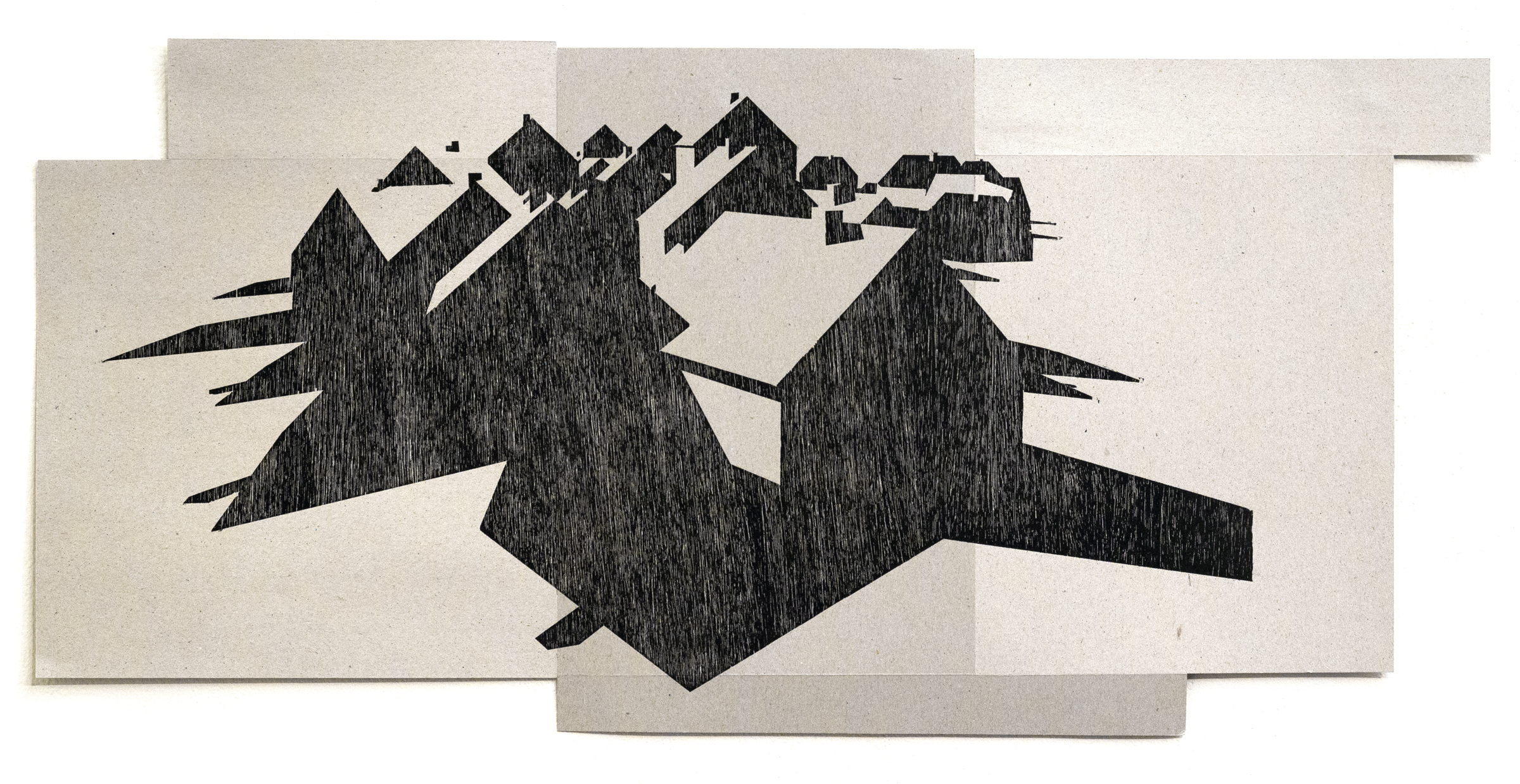
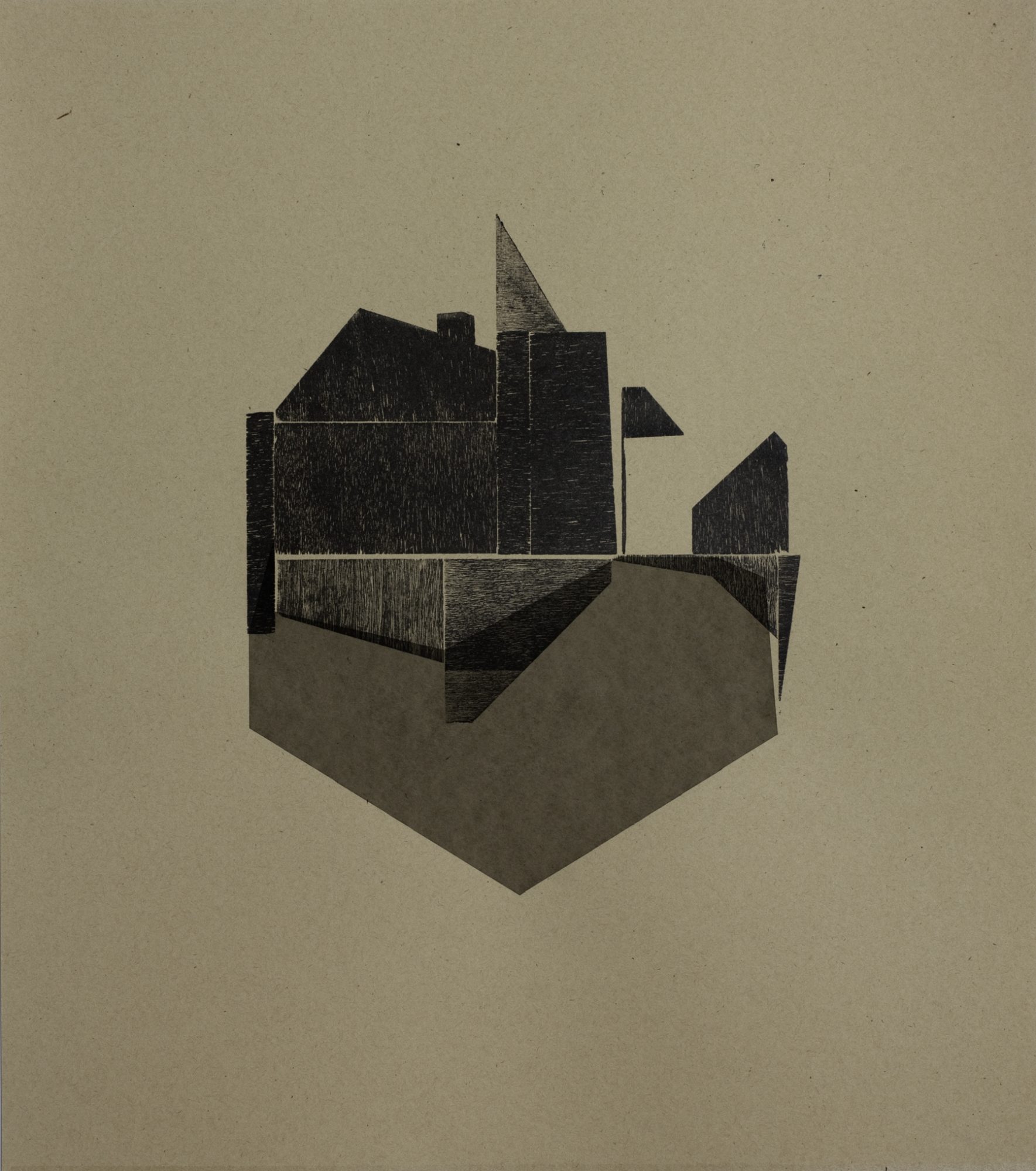
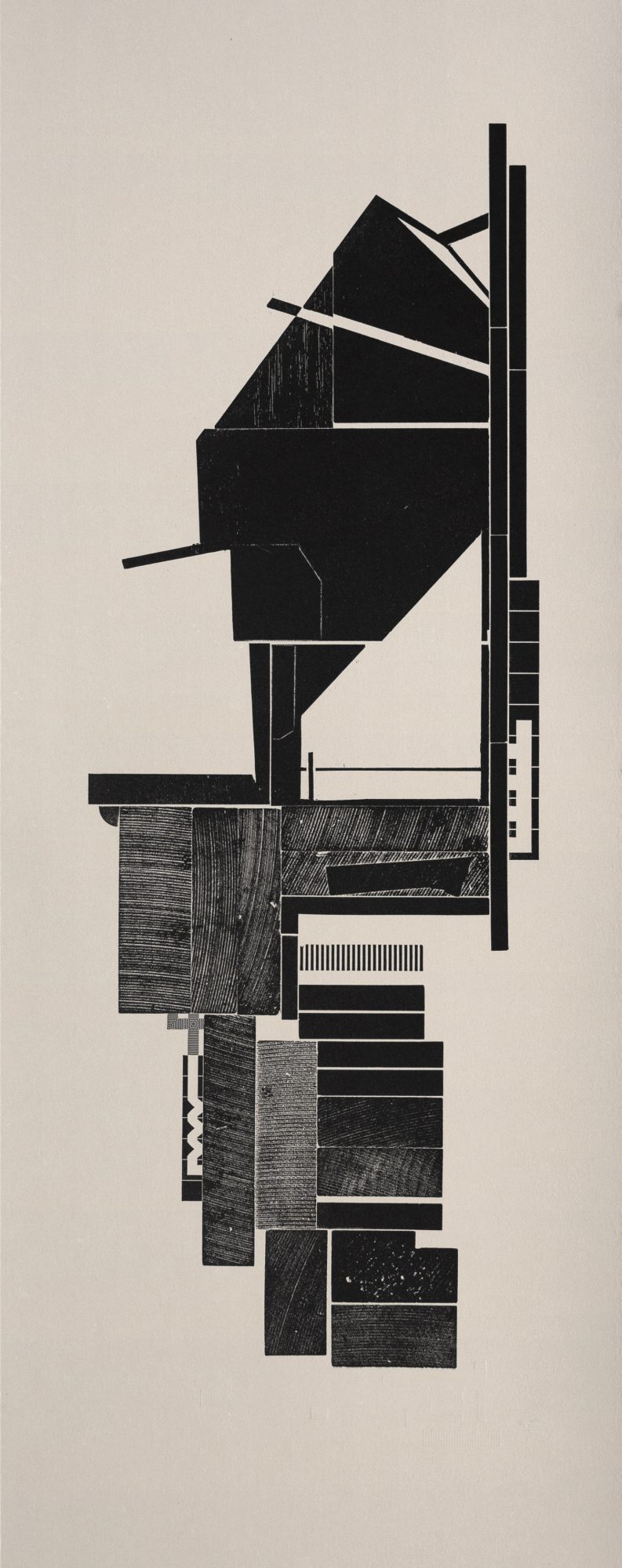
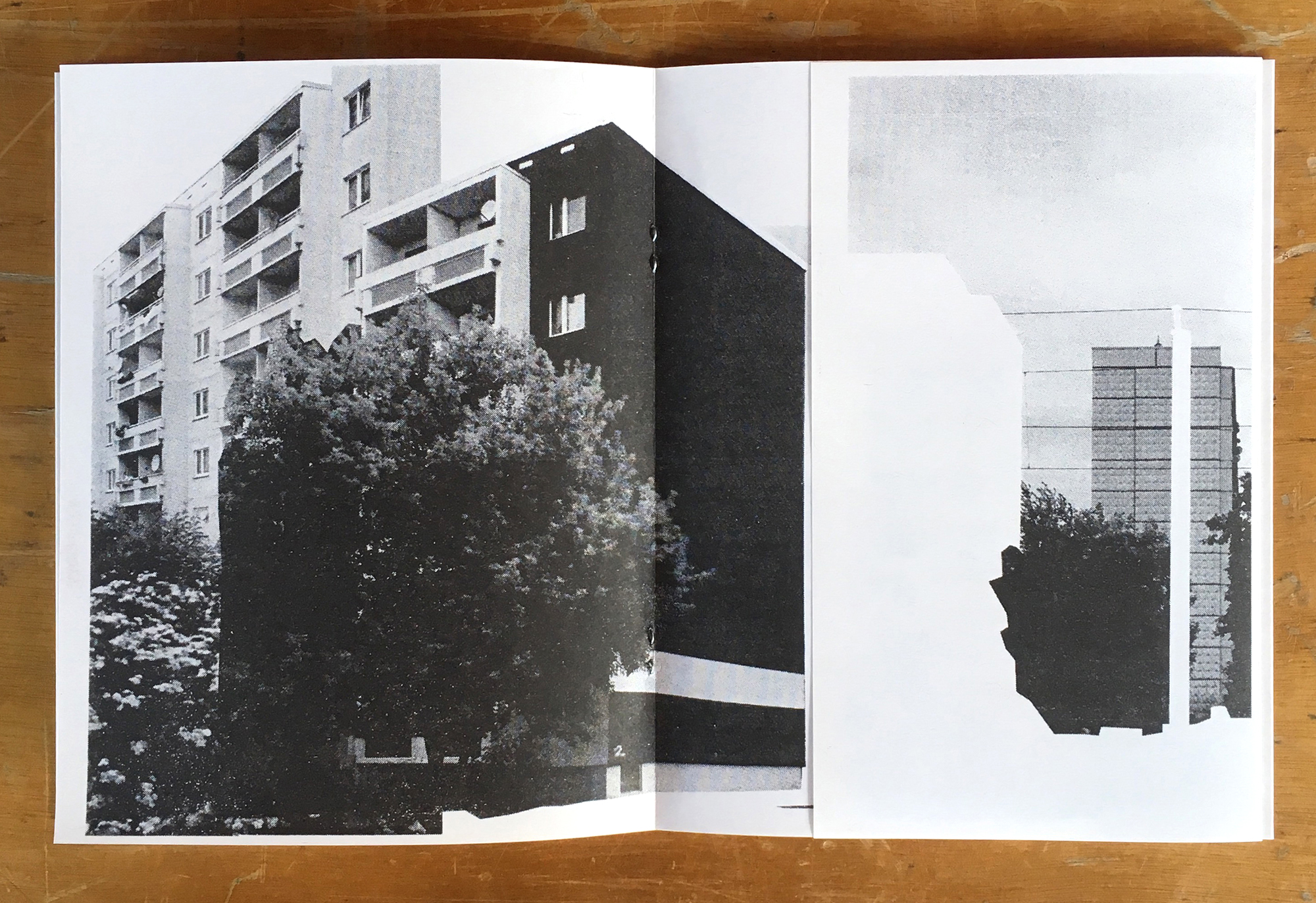
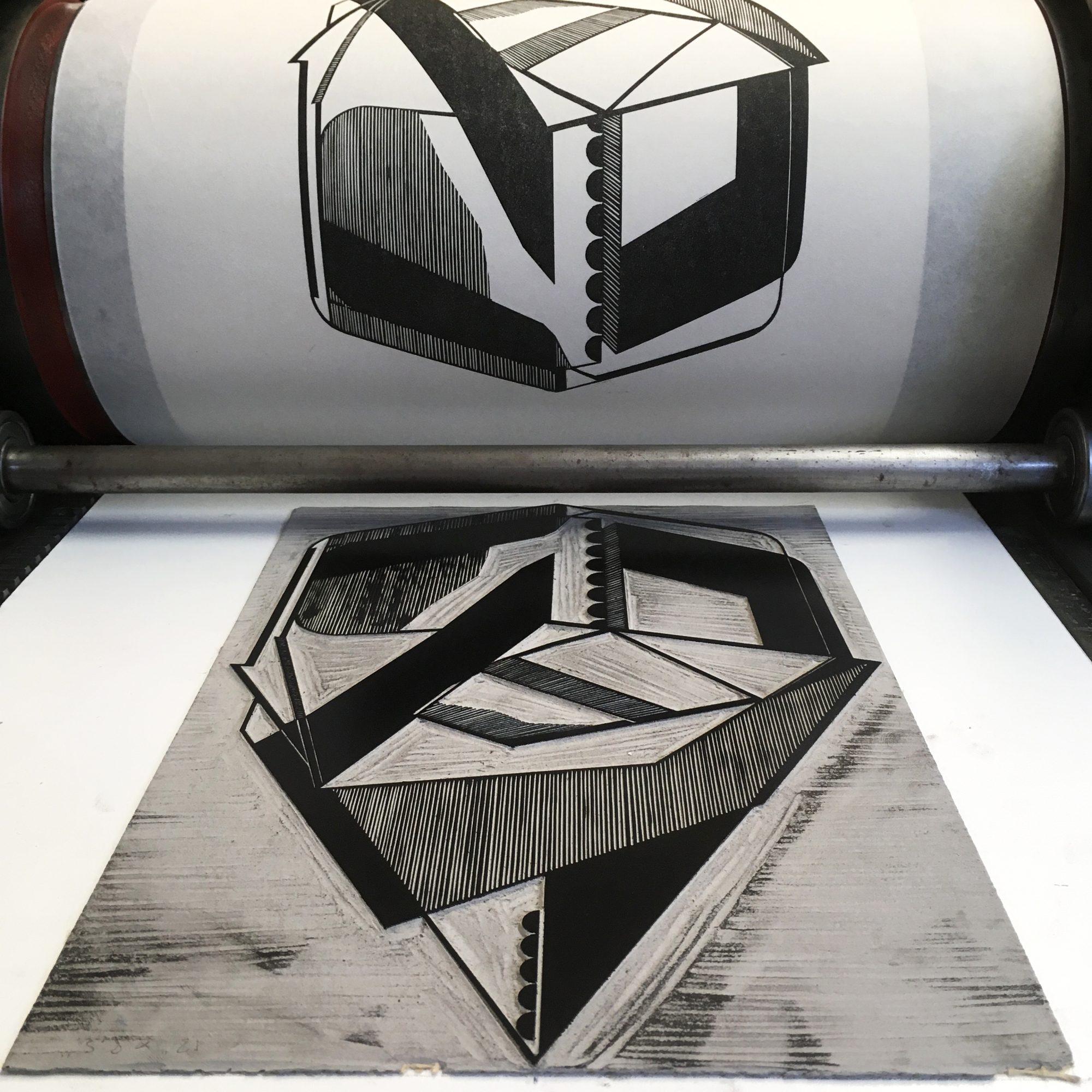
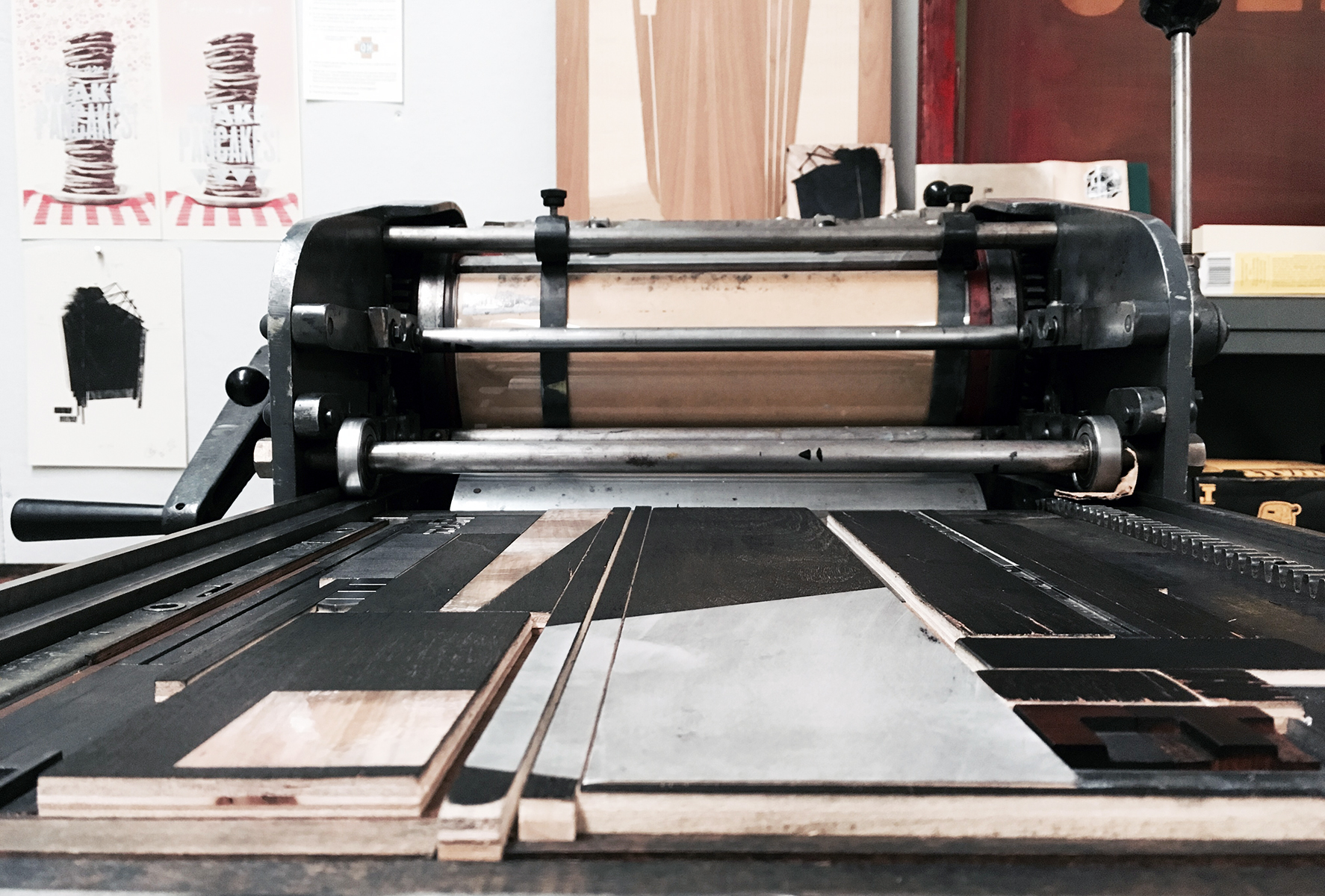
Image Credit for Josh’s main photo: Jeff Lovett
Getting in touch: BostonVoyager is built on recommendations from the community; it’s how we uncover hidden gems, so if you know someone who deserves recognition please let us know here.