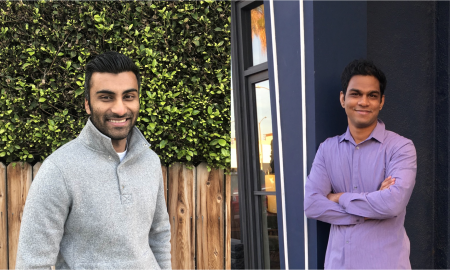






Today we’d like to introduce you to Jason Chase.
Jason, please kick things off for us by telling us about yourself and your journey so far.
Probably the most unique part of my story is how in 2017 I was approached by a laboratory, Nanolab in 2017 to become the first artist in the world to use their carbon nanotube paint designed for NASA, Singularity Black, and opened access to the blackest black paint that had caused such a stir for years. Since then my career has expanded to making paintings and sculptures that are unlike anything else because of how void of light they are. I’m also assisting the lab develop upcoming paints that will be truly groundbreaking and unlike anything that exists today. Earlier this year I prepared and hand delivered samples that are now a part of the permanent collections of the Forbes Harvard pigment collection and the Yale pigment collection, and I expect to be returning to them both in the future with materials I had an instrumental part in making happen.
Being an artist was something I wanted from a very young age, I rented my first studio at 17 and started showing in galleries not long after. That was in my home state of Colorado, and I moved to Boston to get my MFA at BU, and I like it here, so I stayed.
Can you give our readers some background on your art?
Primarily I’m a painter. I have a deep love and respect for paintings and painters and the last couple of years has allowed me to expand the materials I use in a very drastic way. I like to make artworks that people can relate to, a large chunk of my work plays on my memories from childhood and recontextualizes them in a serious way. It’s not necessary for my paintings to have a specific story to be told, I hope I always leave enough room for some else’s own interpretation.
In my recent body of works in black I’m trying to make works that are truly unparalleled. One of my newest works I realized the negative space around the contours of my head on two ceramic pillars and when the piece is moving it creates the image of my head rotating in thin air. “The Blackest Little Black Dress” is actually the darkest garment on the planet. I like how that work takes a well-known icon and deepens its meaning without changing its context. It’s an exciting time in my studio.
Do you think conditions are generally improving for artists? What more can cities and communities do to improve conditions for artists?
I’ve just always tried to keep my head down; make my work and keep the relationships I have with collectors and people I rely on very close. I’m finding great collaborators in the area that have never been tapped into before, primarily scientists and not just the ones that work with NanoLab. For instance, I just started what will be a group of works based off of Harvard’s Dakota McCoy’s observations of structural black in nature on birds and spiders. The scientific observations she’s made are so very exciting and I can’t wait to express them in artworks. Collaborations I am making happen couldn’t happen in any other city.
What’s the best way for someone to check out your work and provide support?
On October 10th my works in black will be installed for a one day/night exhibition at the Boston Museum of Fine Arts. And opening on October 21 I will have work up in a two person show called “Dark Matter” at Atelier Gallery in Newport Rhode Island. People can support my work by following me on Instagram and I’m always open to studio visits, I have works of all sizes kicking around, come on over and see me.
Contact Info:
- Address: 95r Oxford st, Somerville MA 02143
- Website: jasonchase.com
- Phone: 6179993696
- Email: jason@jasonchase.com
- Instagram: www.instagram.com/jasonkchase
- Twitter: www.twitter.com/chasejason
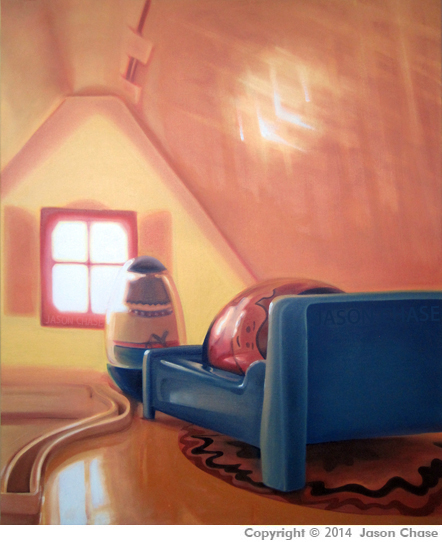
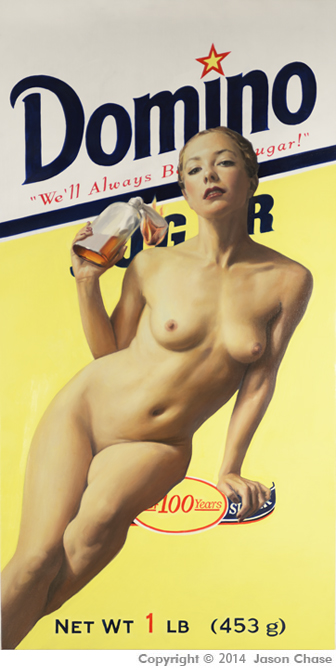
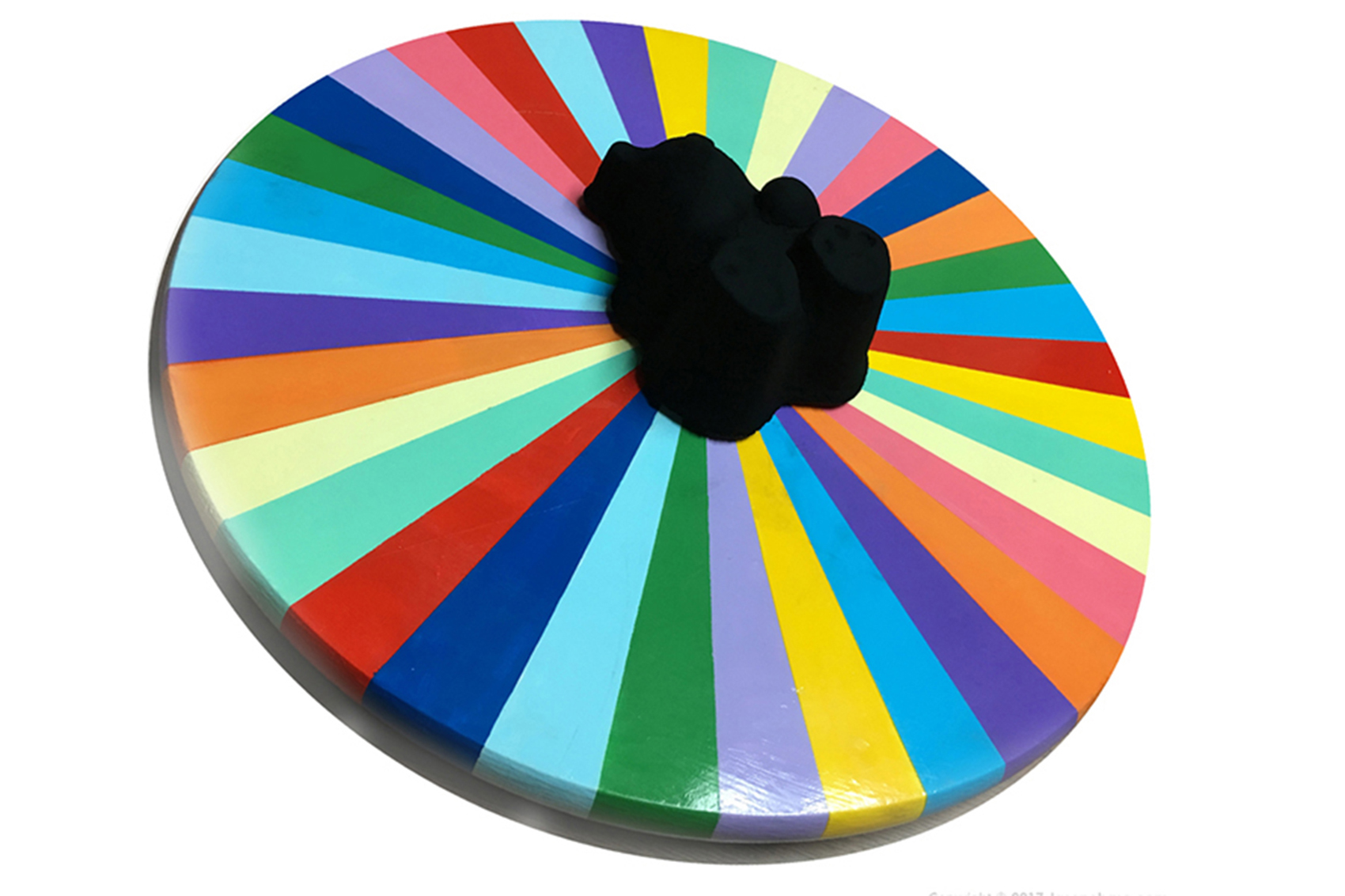
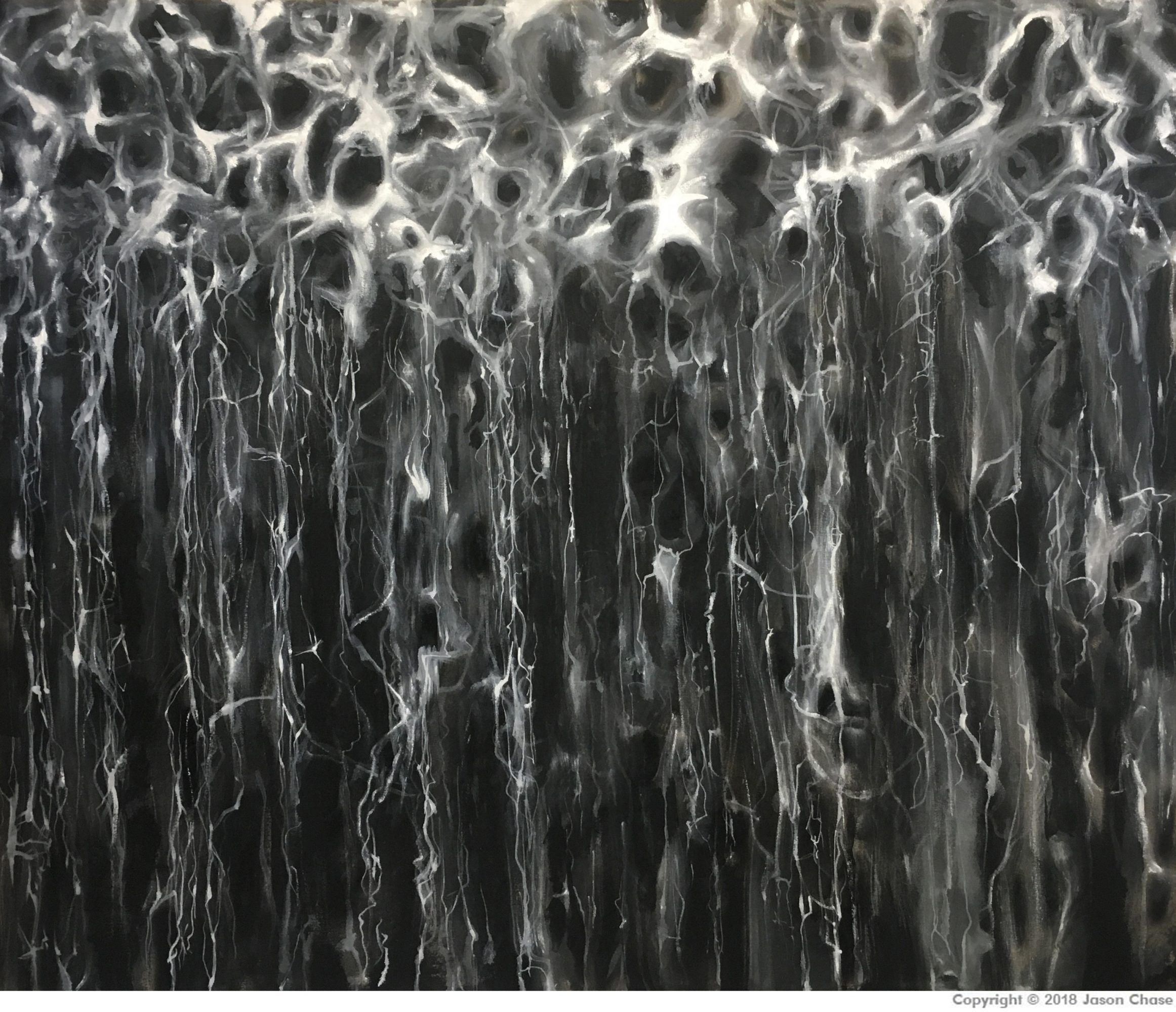
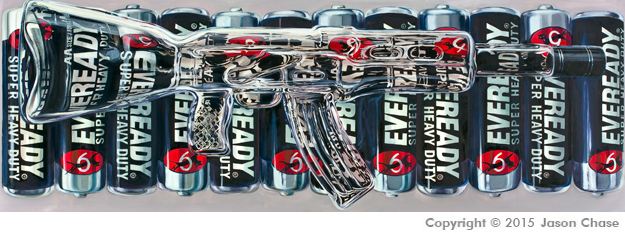
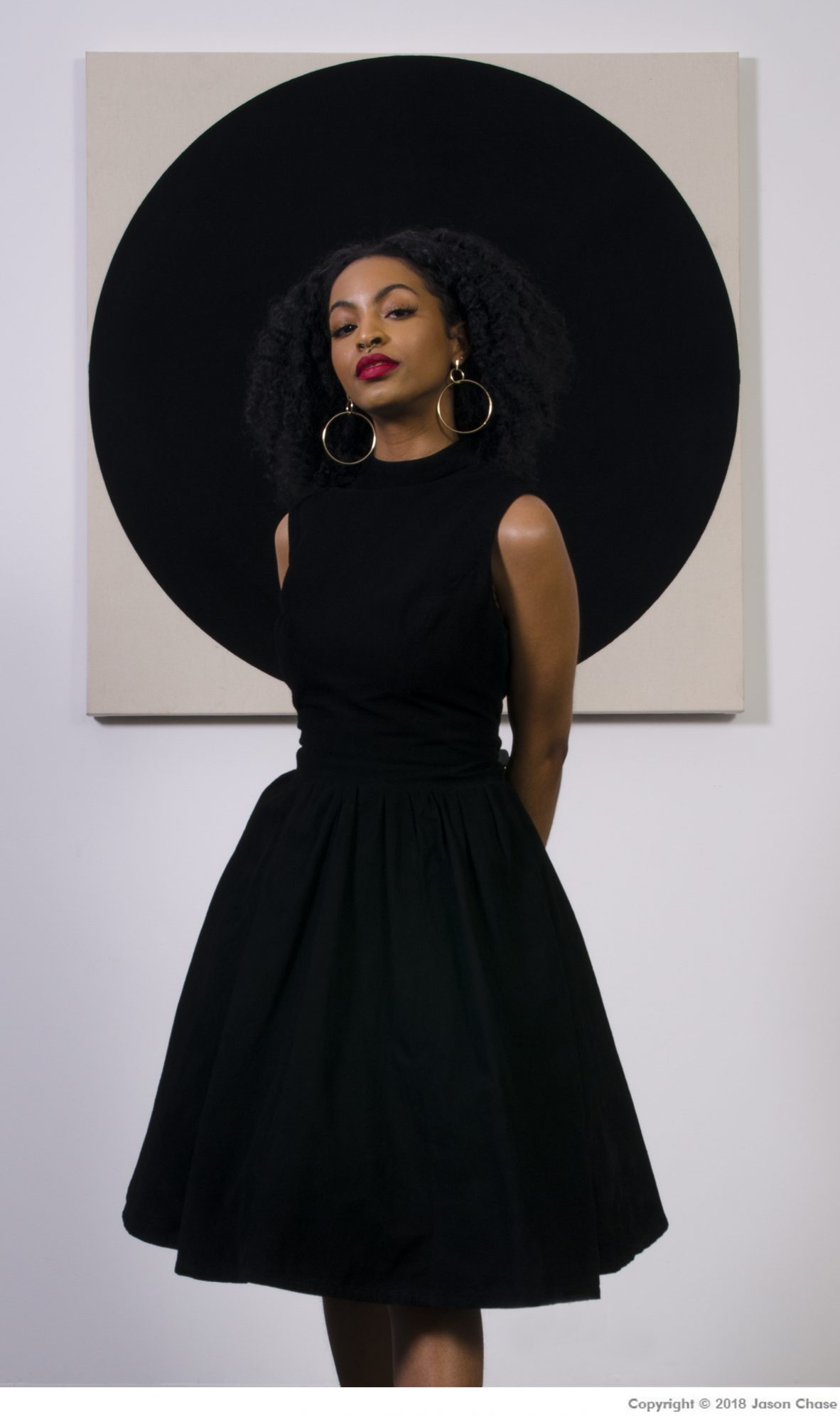
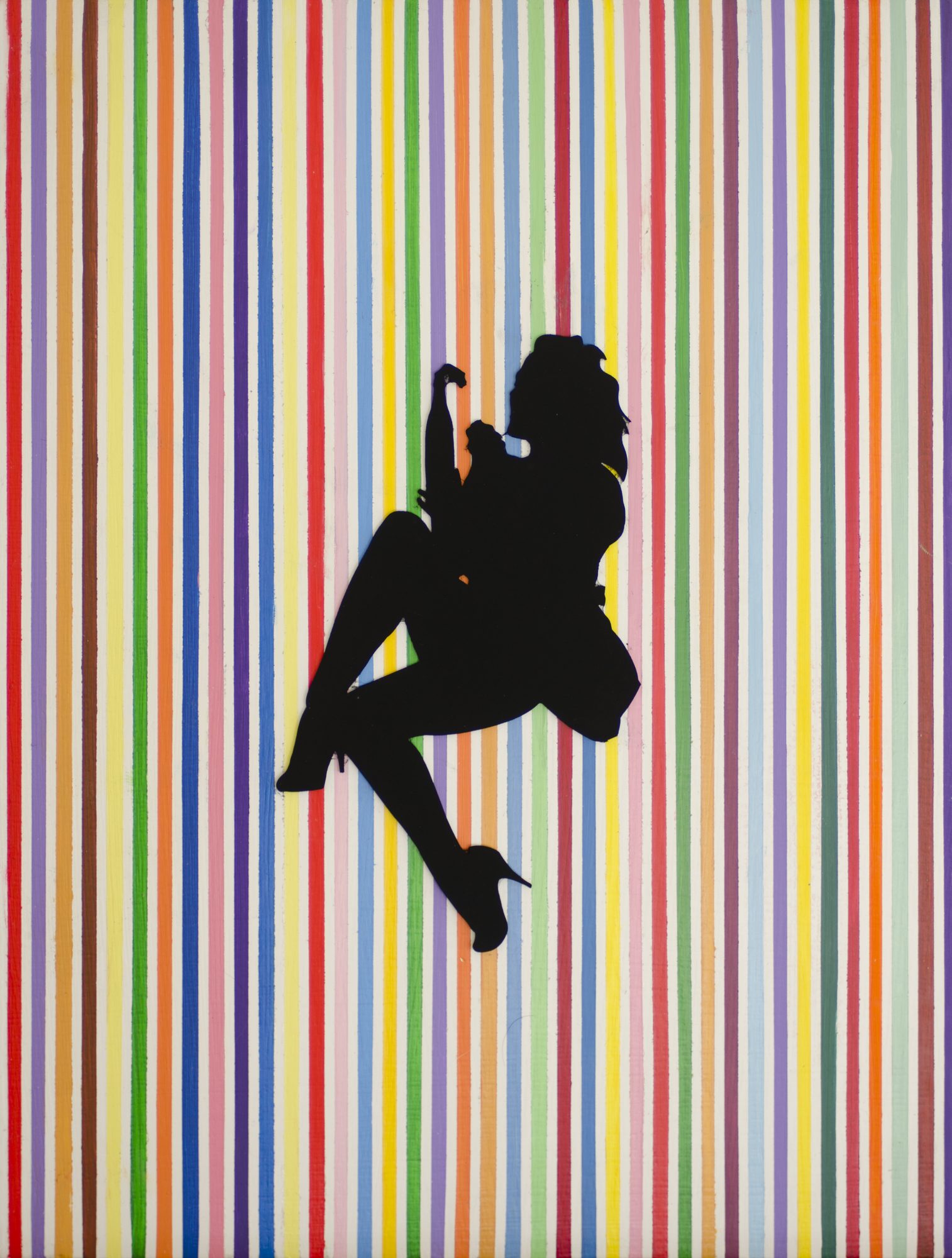
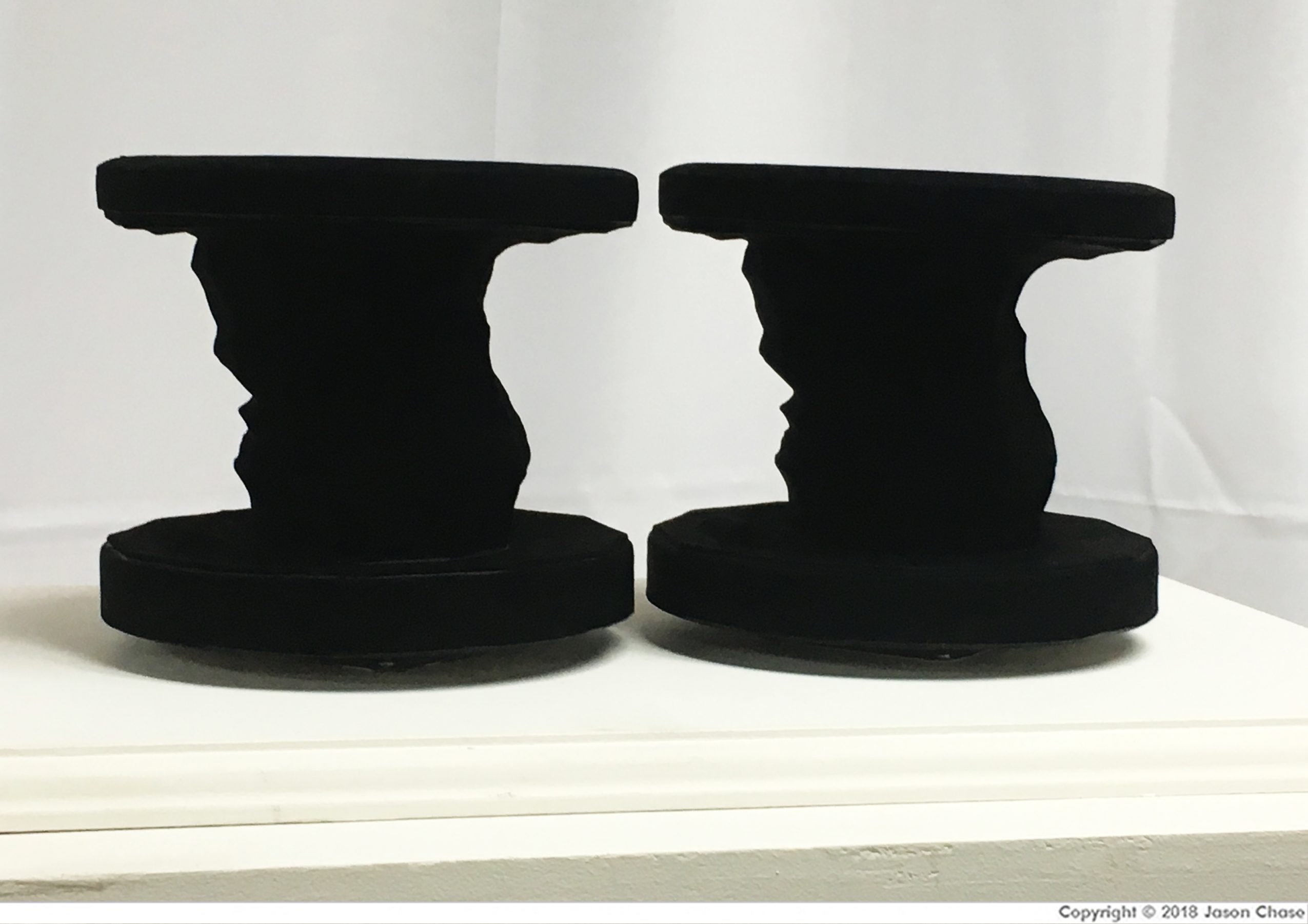 Image Credit:
The image of the model in the dress was taken by James Hull, All others were taken by me.
Getting in touch: BostonVoyager is built on recommendations from the community; it’s how we uncover hidden gems, so if you know someone who deserves recognition please let us know here.