



Today we’d like to introduce you to Eric Garnick.
Eric, please kick things off for us by telling us about yourself and your journey so far.
I majored in college in both ceramic studio art and biology. While continuing to experiment with various media, including performance art and sculpture, I went on to focus on marine and mathematical ecology. I eventually decided, 25 years ago, to make painting the center of my life.
Part-time free-lance work based on the data analysis skills I had used as a biologist afforded me a reasonable amount of time to devote to painting. I sometimes wish I had come to painting more directly, but I believe that all these experiences, as well as my long-held passion for the New York School painters, are major influences on my work.
Can you give our readers some background on your art?
My biological studies involved the dispersion patterns of organisms in space, and, in my early work, I sought to reflect the rhythms of these patterns. Although my painting is resolutely non-representational, my inspiration initially often came from such sources as Neolithic standing stones (e.g. Stonehenge), old piers and pilings, and groups of figures in landscapes.
In recent years, my work has become both more gestural and more abstract. The interest in rhythms persists but is increasingly buried – an underlying structure that I hope the viewer will sense rather than see, and I now use heightened color contrast to emphasize my paintings’ gestural aspects. As the painter Franz Kline once stated, “I paint not the things I see but the feelings they arouse in me.”
My particular aspiration is to integrate gesture and color field – two approaches to abstract painting that are generally considered to be divergent.
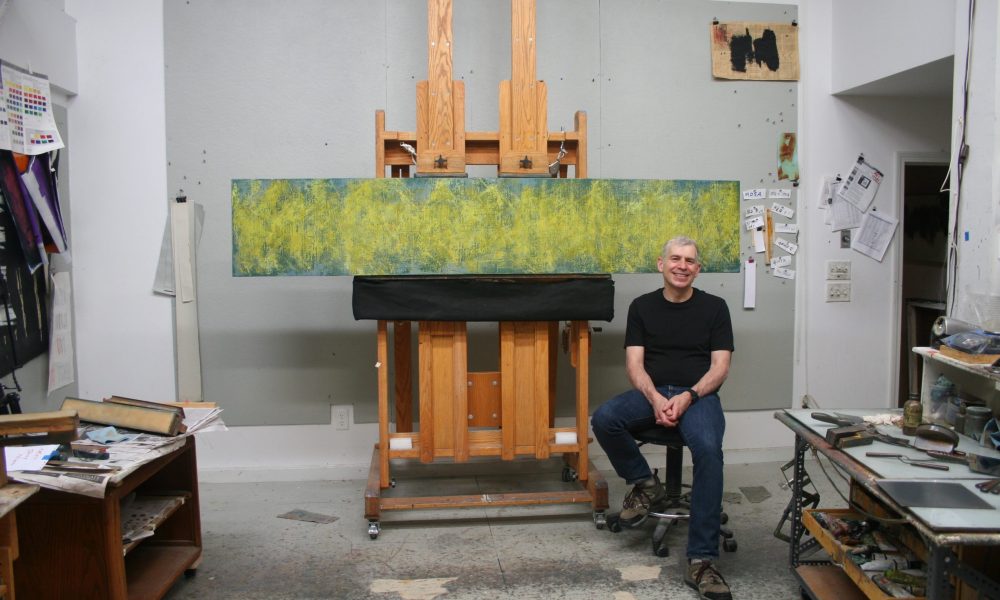
These ambitions have led me to larger canvases with a wider, mural-like aspect (circa 34 x 94 inches), and I’ve come to think of the resulting paintings as visual narratives to be read by the outer and the inner eye. I paint in layers in order to maintain the integrity of gestures and to create a certain depth, elusiveness, and complexity.
The slow process of waiting for layers to dry dictates that I typically work on eight to twelve paintings at a time. Although this stretches out the work on a given painting to many sessions, it also enables a kind of conversation, with each painting informing the progress of the others. I hope that echoes of this conversation will reach the viewer.
Any advice for aspiring or new artists?
People wrestle with the question of “success” in virtually all endeavors – and certainly not least in the arts. Financial success can be a great thing, but few genuine artists have significant monetary goals – if they did, the result would probably be more “commercial” than “fine” art (not to mention that making art is a pretty bad choice for people looking to make money).
However, finding some kind of audience for one’s work is, I think, an ambition for many artists – myself included. It’s not simply a matter of ego: at its essence, art is the communication of perceptions, feelings, ideas, and anything else that has to do with being human. Making a bunch of paintings that just pile up in the attic doesn’t seem like a good use of one’s time (unless one is a hobbyist).
I’ve also come to realize that making “good” paintings is not a useful criterion of success, because “good” is such a complicated judgement. My estimation of a painting changes almost every time I look at it. Like most artists I know, I just hope my paintings are getting better (whatever that means!) and that people will find them compelling.
Finally, I think it’s a good idea to attend gallery shows and openings insofar as it (a) lets you know what’s happening in contemporary art, (b) might give you some ideas for your own work, (c) helps support other artists and the arts in your community, and, not least, (d) help you forge connections with other artists.
What’s the best way for someone to check out your work and provide support?
I have shown my work from time to time in the Boston area and the New York metropolitan area and am just now in the process of approaching galleries. You can contact me / get on my mailing list / see my work, of course, via my website Ericgarnick.art.
Contact Info:
- Website: ericgarnick.art
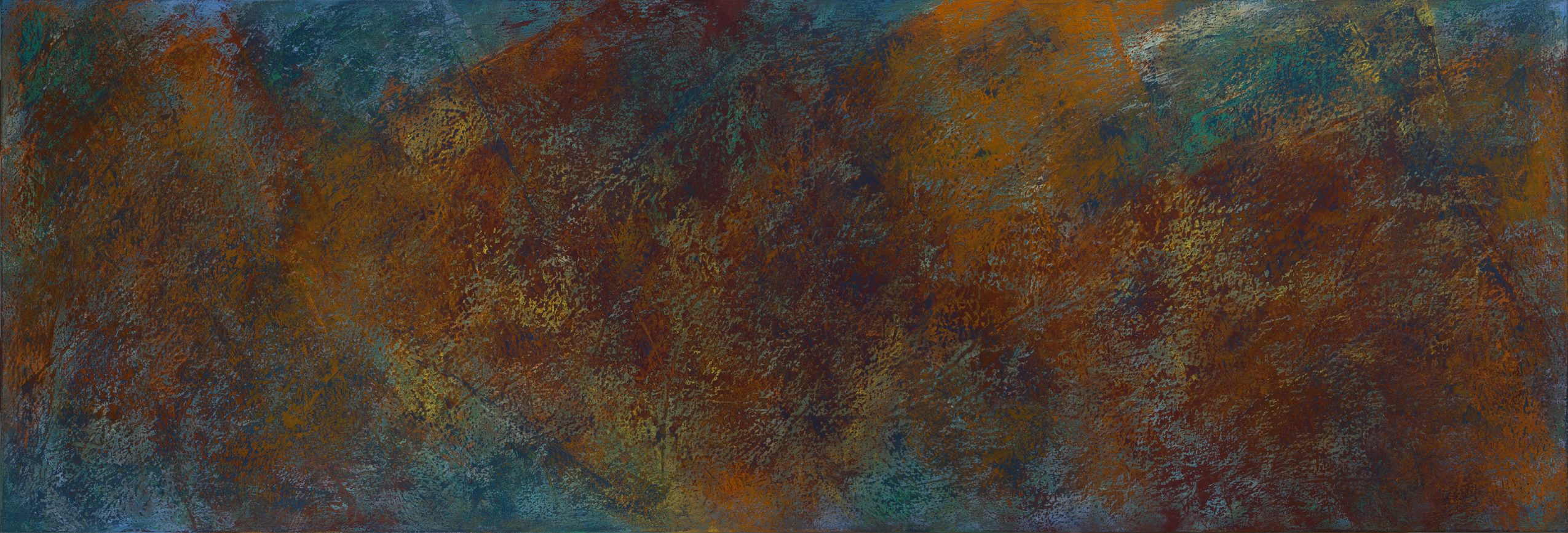
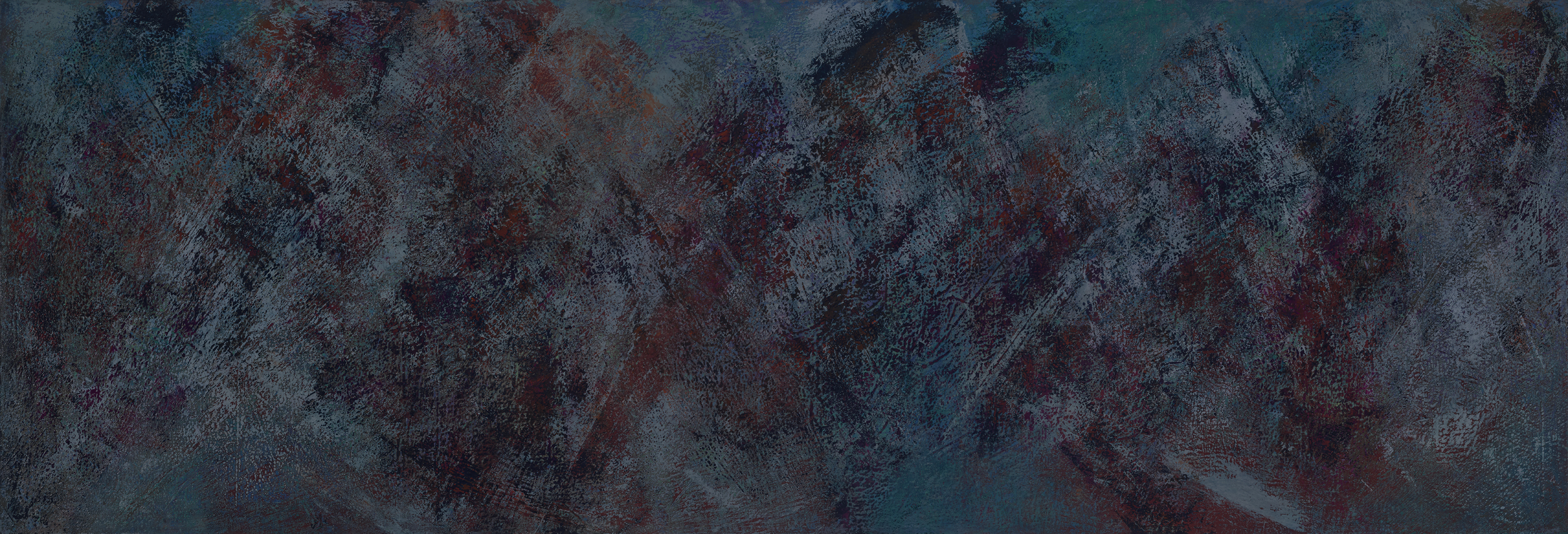
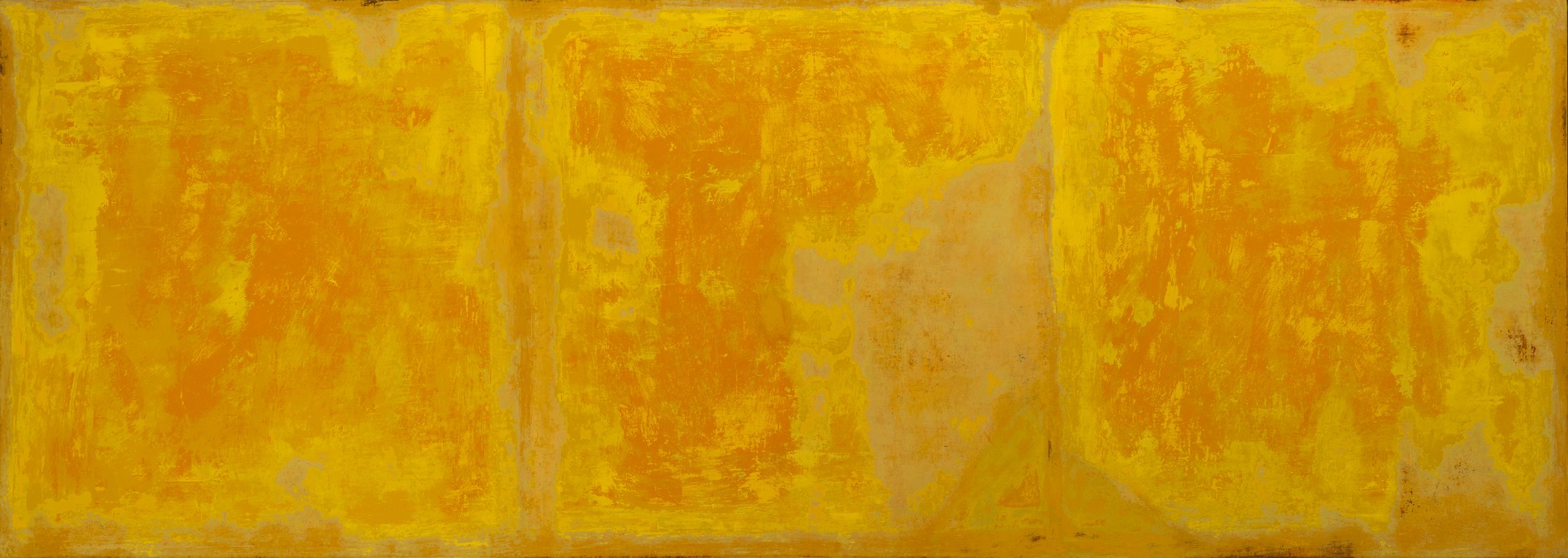
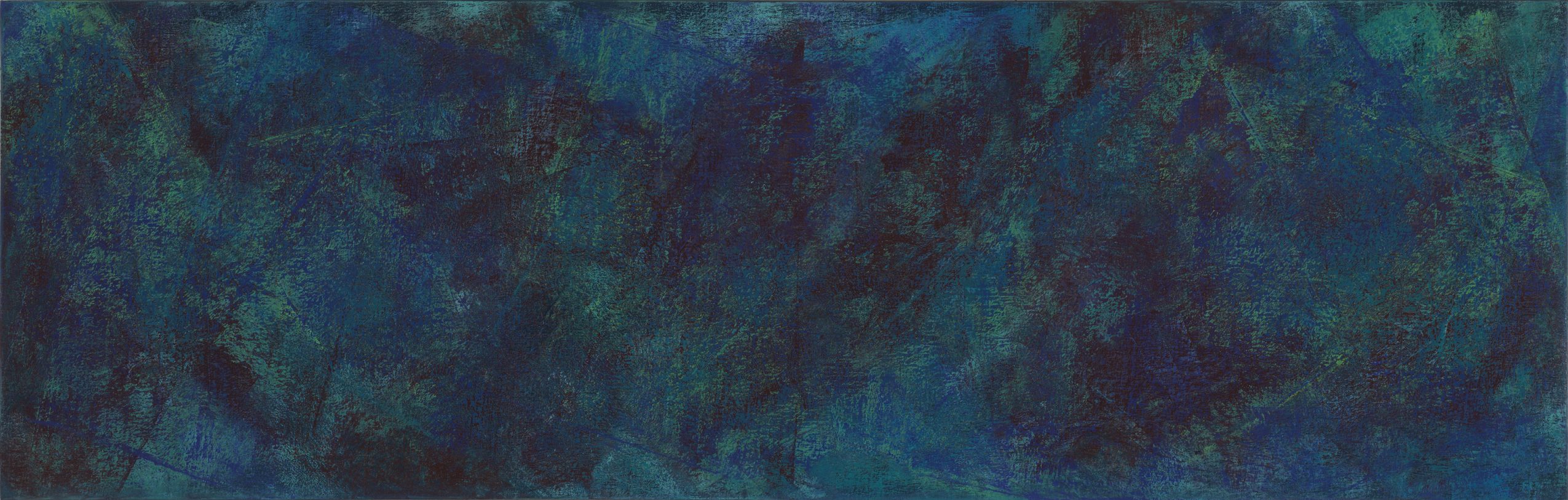
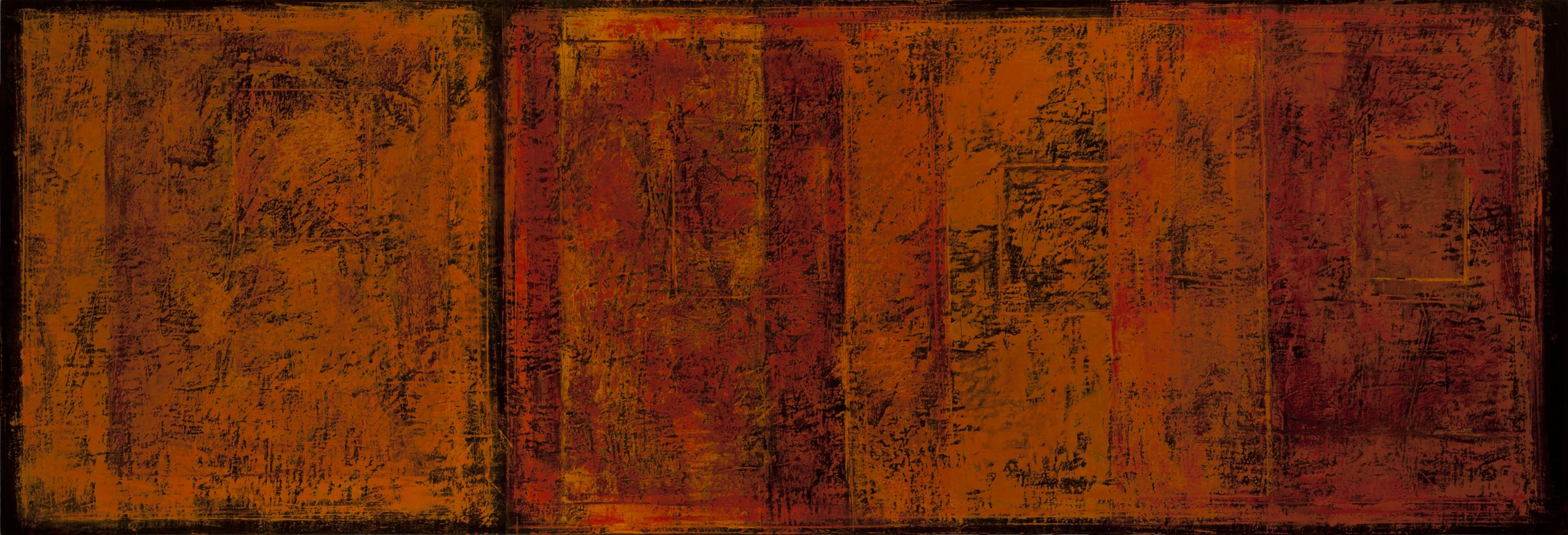
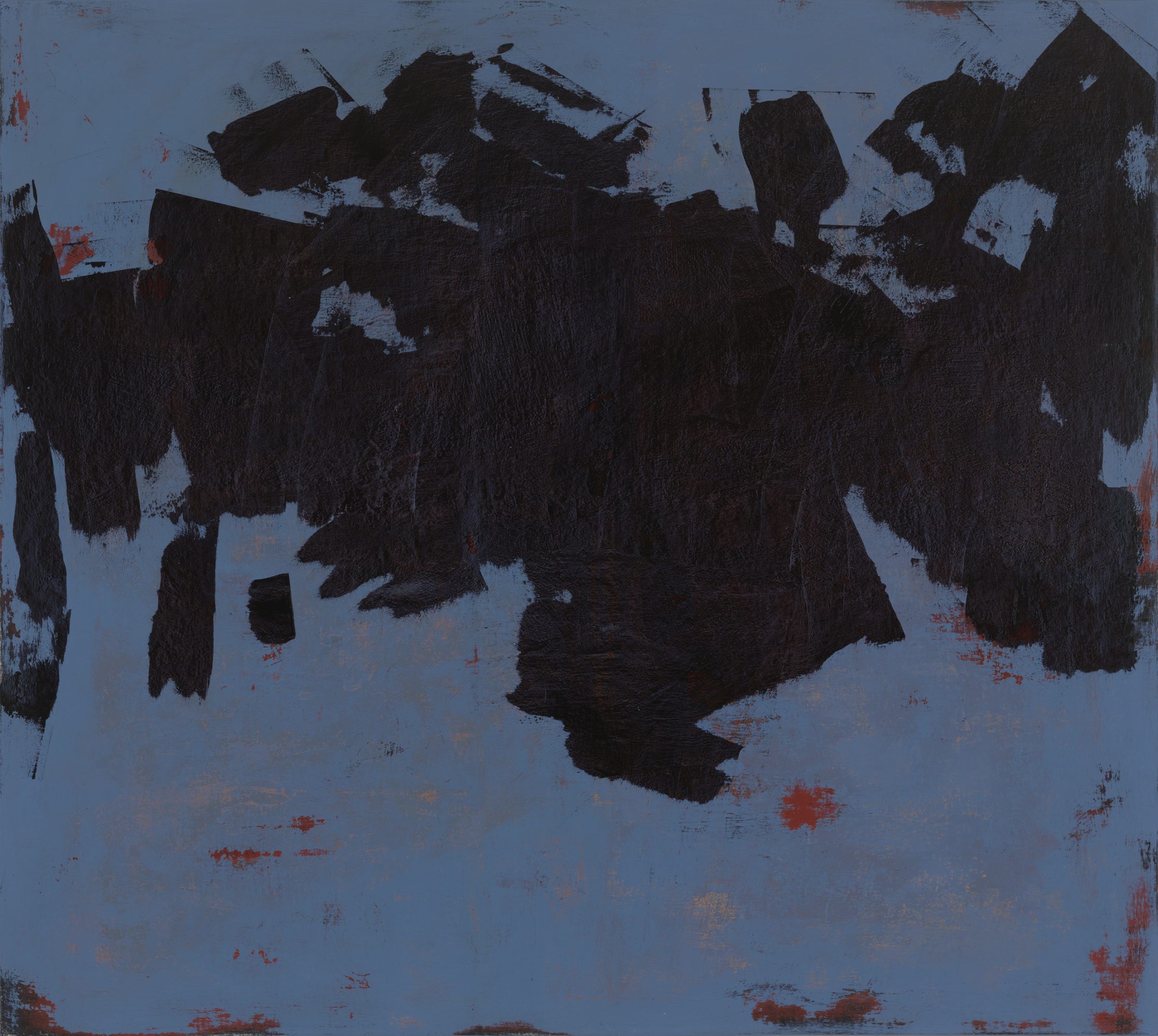 Image Credit:
Stewart Clements, Will Howcroft
Getting in touch: BostonVoyager is built on recommendations from the community; it’s how we uncover hidden gems, so if you know someone who deserves recognition please let us know here.