
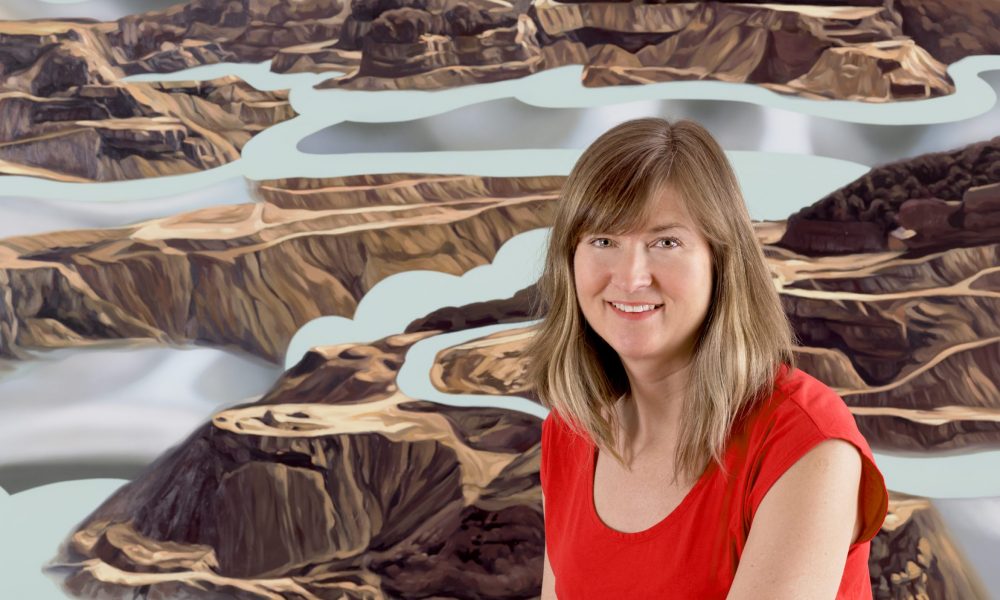
Today we’d like to introduce you to Cristi Rinklin.
Cristi, please kick things off for us by telling us about yourself and your journey so far.
Sure! I’ve considered myself an artist for as long as I can remember. I still have one of my first drawings that my parents kept and framed, and it now hangs in my daughter’s room. When it came time to decide on colleges, I applied to art schools but still thought I would major in something practical and employable like Illustration. But once I was in school I decided I like painting and drawing way more than my illustration classes, so I just kept with it. Before I knew it, I declared a major in painting and had NO idea how this would pan out for my future. I found that by keeping focused on short-term goals and small milestones like getting a job in an art gallery and getting work into shows that the momentum began to gradually build, and eventually I decided to pursue this as my career path. Thankfully I had the personal drive and courage to go for it. In the end, it was the best decision I ever made.
I’ve been making and exhibiting my work since graduating from art school in 1989. I began as a figurative painter, but gradually began phasing out the figures when I became more interested in the space they occupied. During graduate school my work moved deeper into abstraction, while incorporating elements of landscape imagery. Over the years my work has evolved into a dreamy representation of the landscape that feels more like a fragment of memory than something we can inhabit.
Can you give our readers some background on your art?
I primarily make paintings and works on paper, but I also work in digital media and installation, and I am currently working on a video project.
The landscape is a consistent motif throughout my work, but rather than being a faithful representation of the natural world we inhabit, it becomes a manifestation of desire and memory imposed upon by the artifice of technology. While earlier iterations of my work evoked more exaggerated artifice and flamboyant abstraction, the recent paintings place the realism of the landscapes more prominently, offering a contemplative space that invites the viewer to explore within. While there is a lush beauty here, there is also a conspicuous human absence in these uninhabited, detached fragments that float in ambiguous, abstract spaces. Much in the way that memories exist in fragments with gaping voids of lost information, these landscapes hover in a state of dreamy and melancholy suspension, as if these apparitions are all that is left of a world that no longer exists. This sense of uncertainty and detachment, or “solastalgia,” is a persistent symptom of our contemporary condition of facing an unknown future. Drastic changes such as urban expansion, forest fragmentation, strip-mining and fracking physically disrupt and alter the natural world and threaten its very existence. While the notion of a post-human world may have disturbing implications, I also find poetic beauty in the idea that life and consciousness may exist outside of human experience, and that some echo will persist, with or without our participation.
What would you recommend to an artist new to the city, or to art, in terms of meeting and connecting with other artists and creatives?
I’ve never experienced this because I always sought out and connected with a community. This is what I recommend to anyone just starting out: find a group of people who are doing what you do so that you don’t feel isolated. This will provide you with peer support and motivation and give you people to bounce ideas off of. When I started out I got a job in an art gallery that helped me meet a lot of other artists. When I moved to Boston and didn’t know anyone I moved into a studio live/work building where I met an entire community (including my husband!) Volunteering at non-profit galleries is also a great way to meet and connect with a creative community. Most of all, get your work out there. Eventually, it will open doors for you and lead you to your community.
Contact Info:
- Website: www.cristirinklin.com
- Email: cristirinklin@gmail.com
- Instagram: https://www.instagram.com/cristirinklin_studio/
- Facebook: https://www.facebook.com/cristi.rinklin
- Other: http://stevenzevitasgallery.com/cristi-rinklin
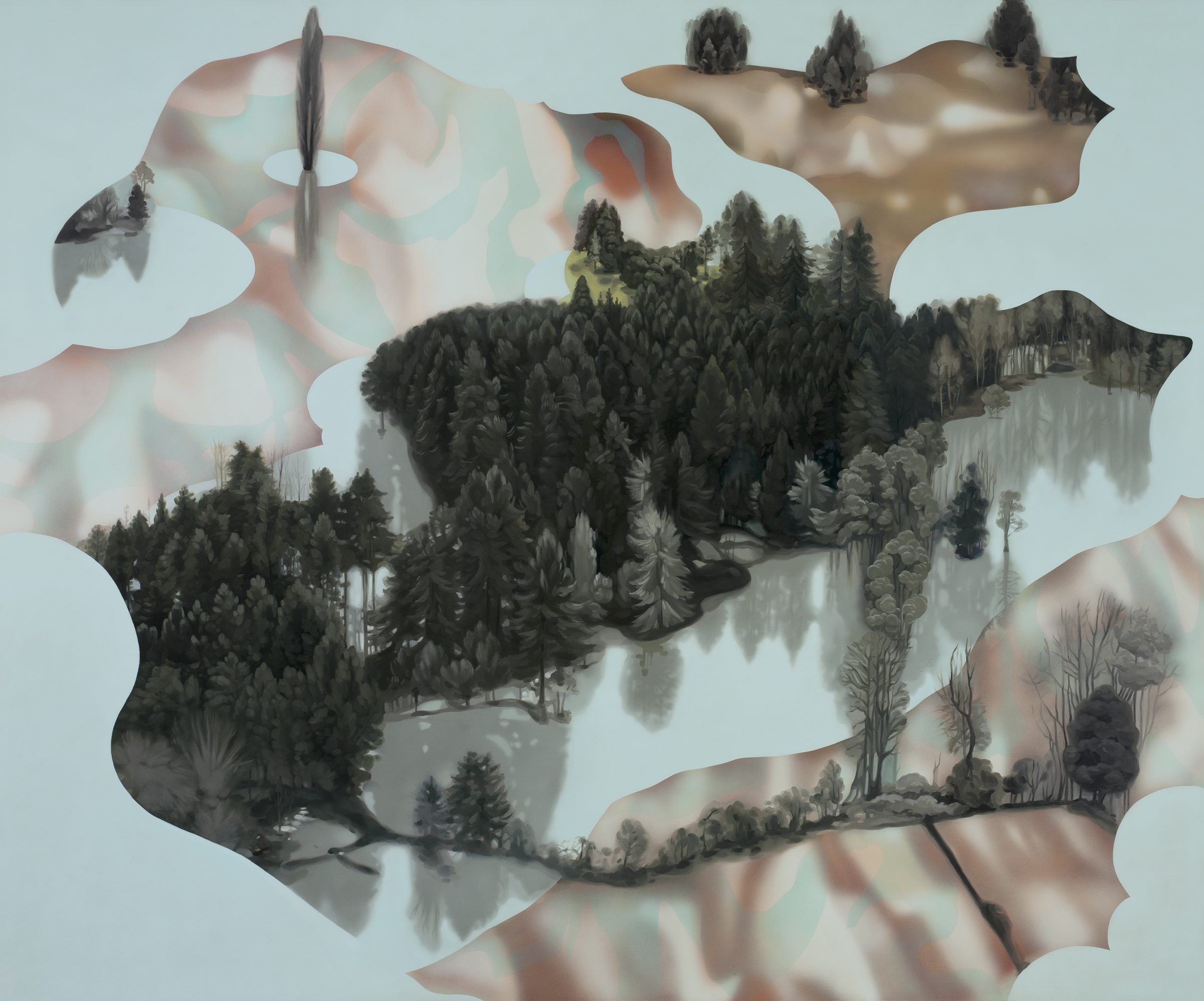
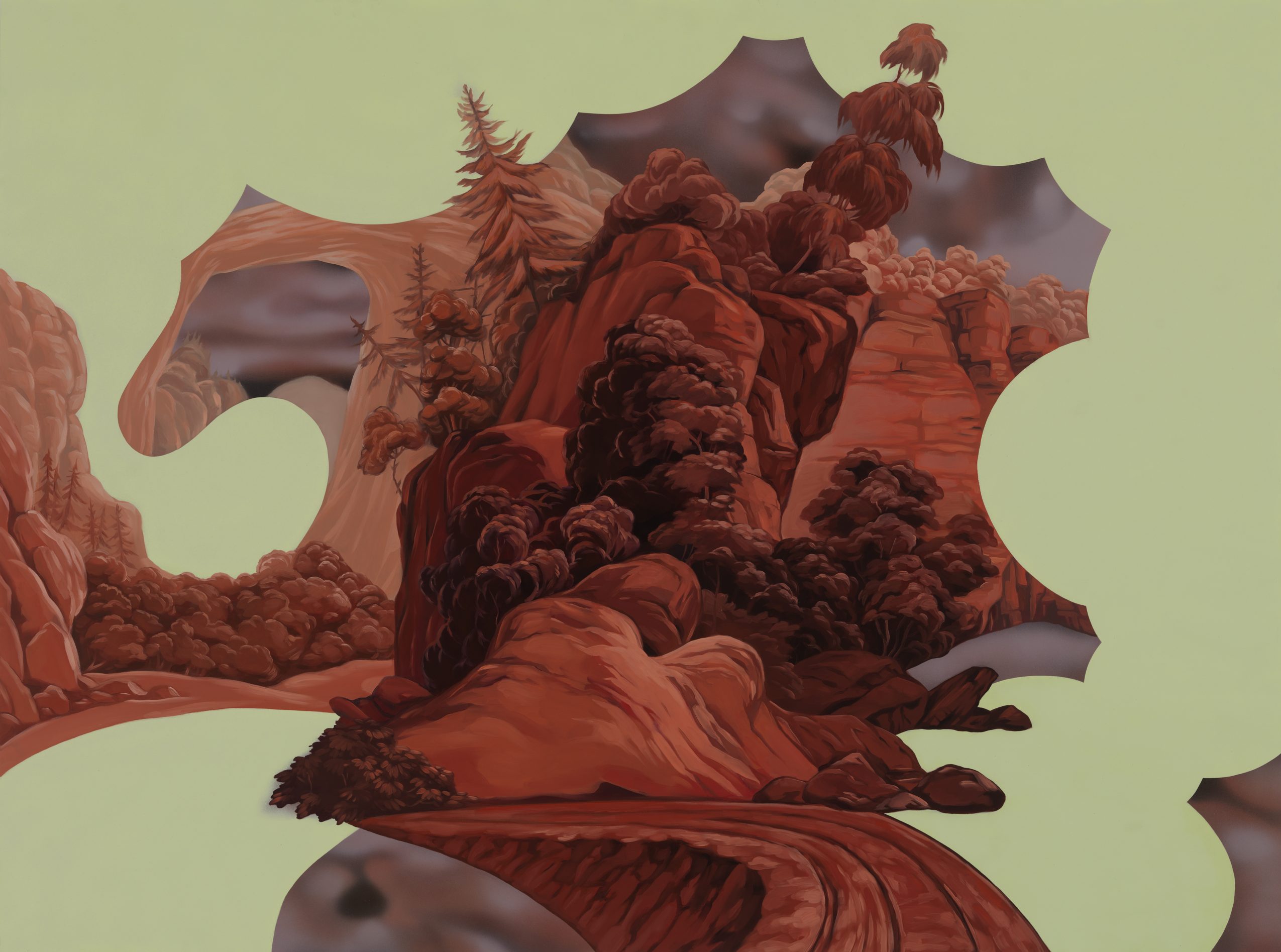
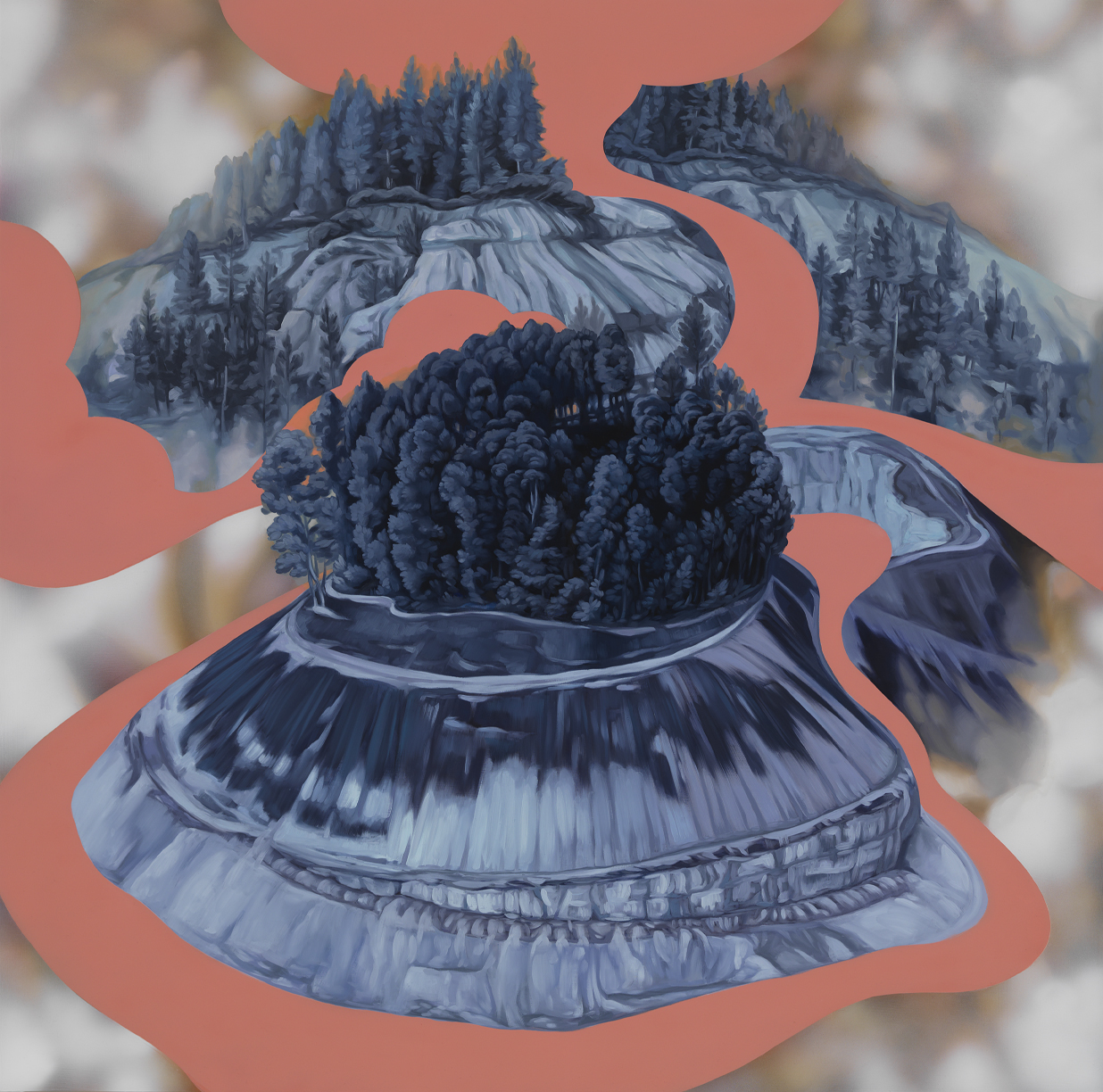
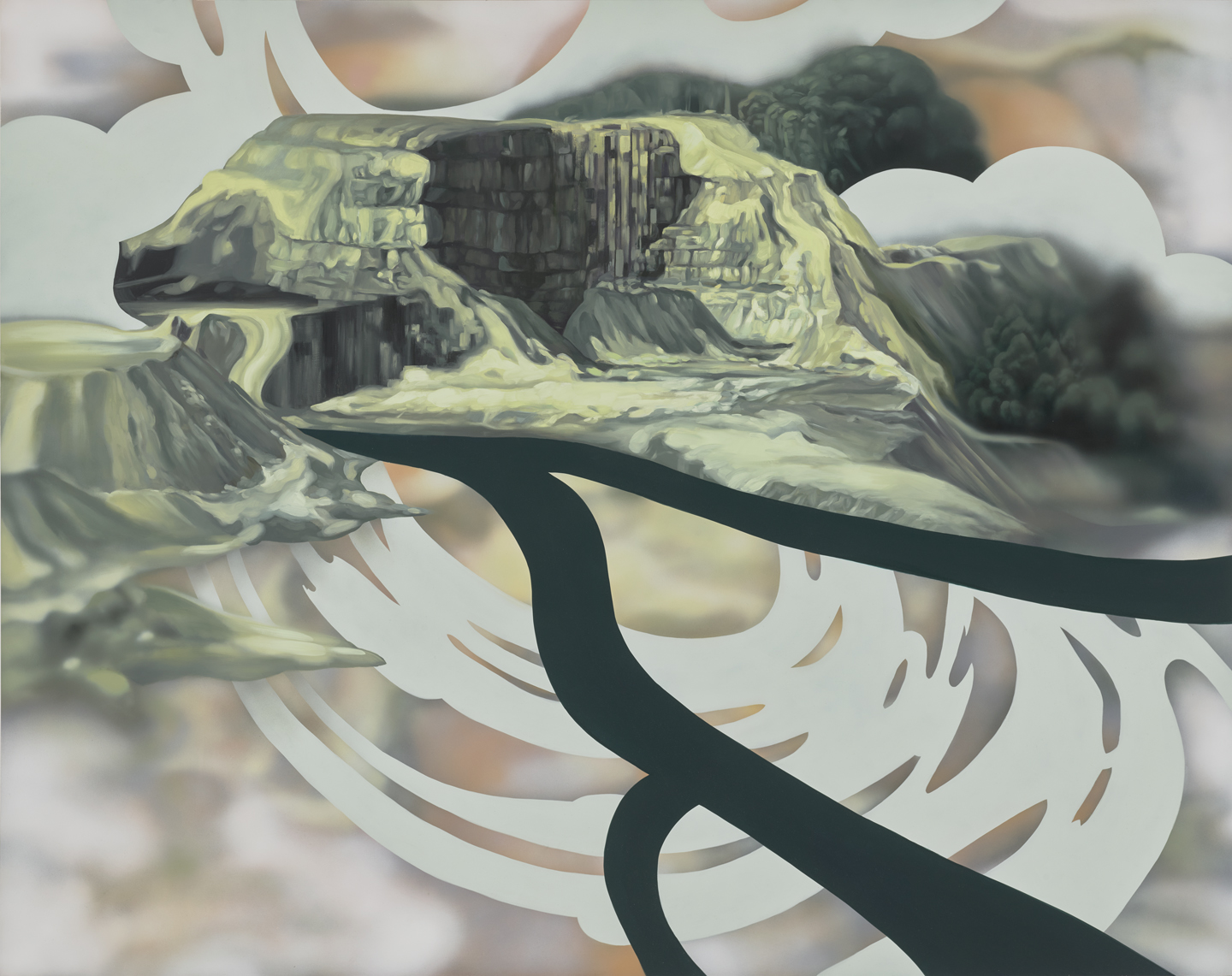
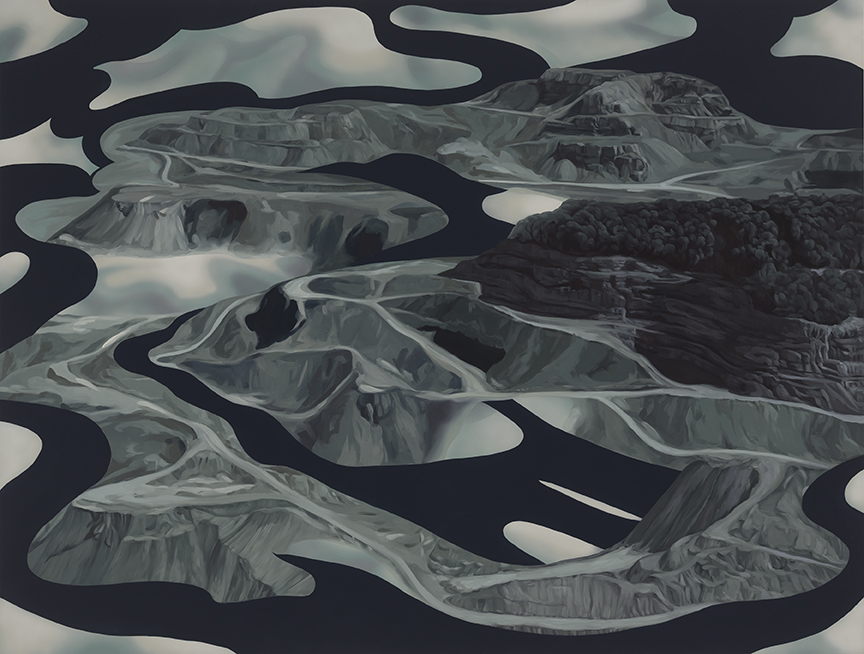
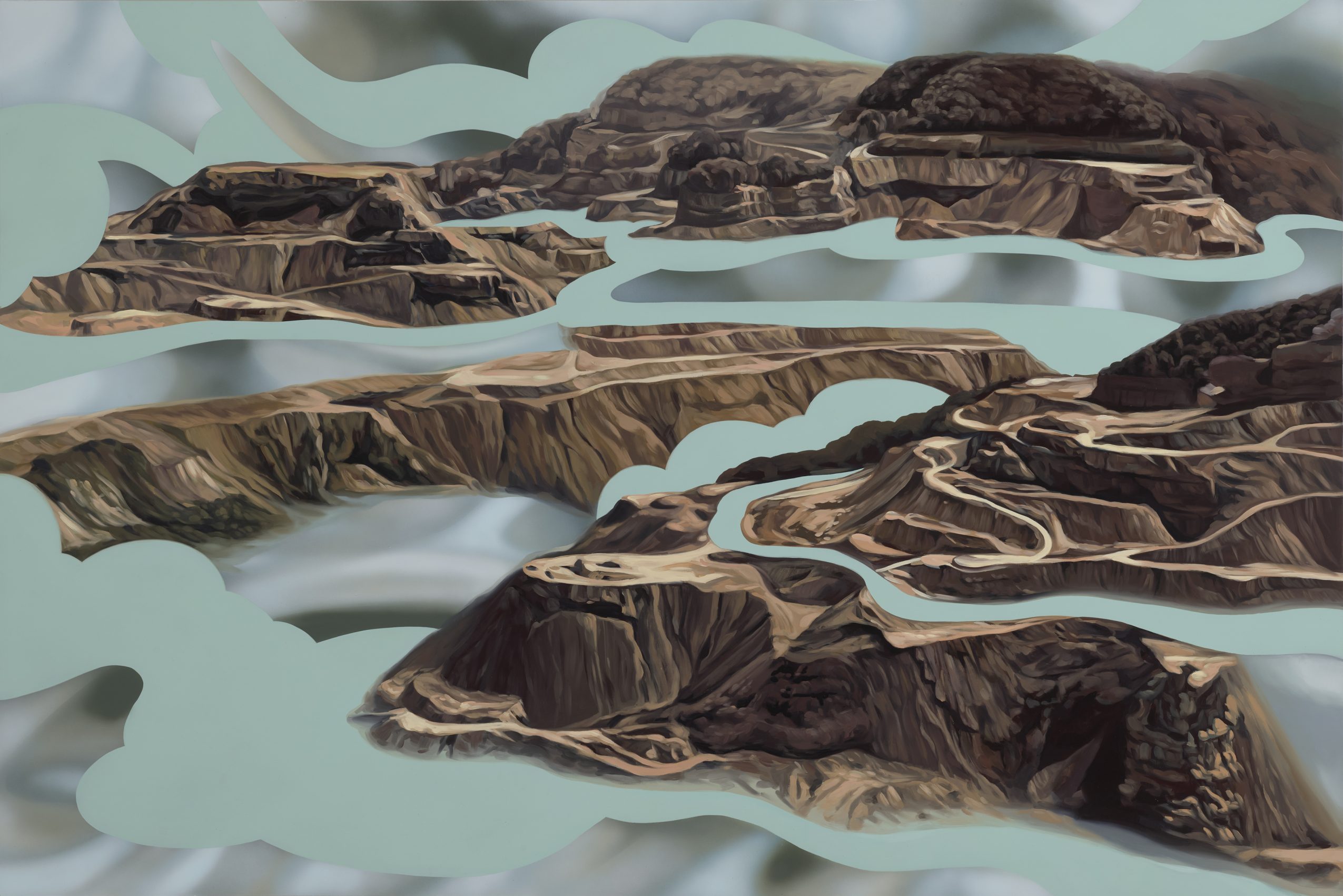
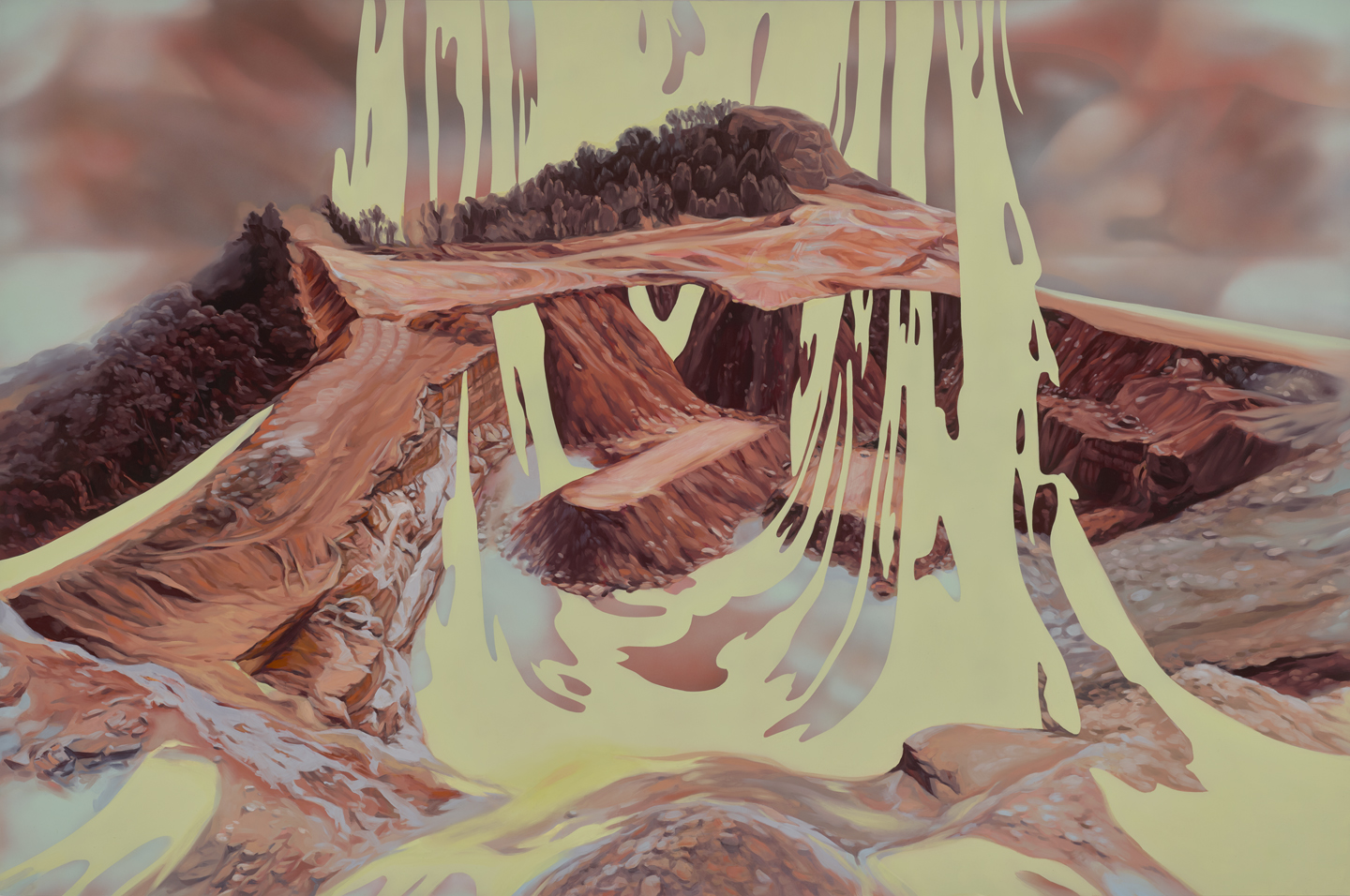
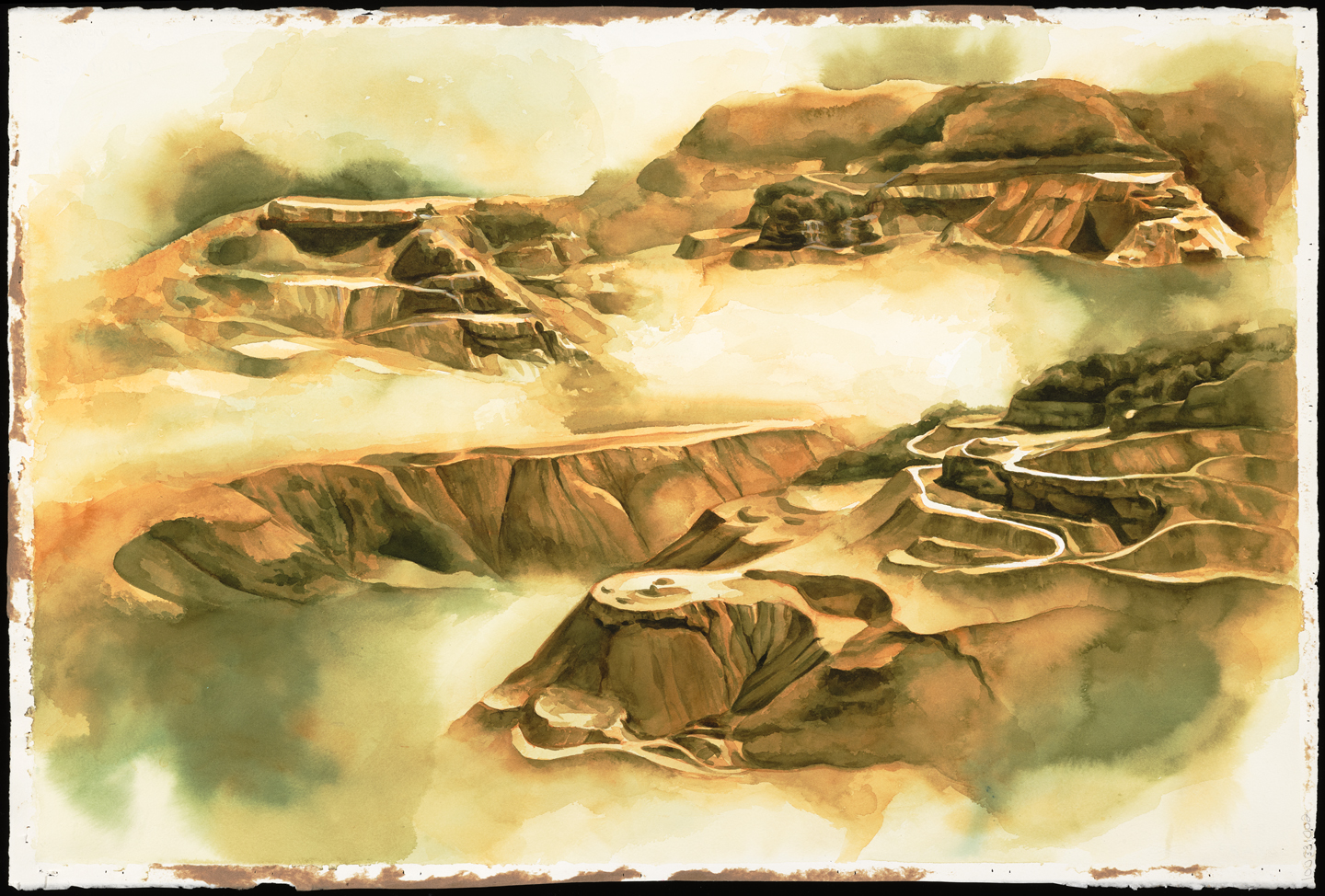 Image Credit:
Image credit: Stewart Clements, Will Howcroft
Getting in touch: BostonVoyager is built on recommendations from the community; it’s how we uncover hidden gems, so if you know someone who deserves recognition please let us know here.