





Today we’d like to introduce you to Elizabeth Kirby Sullivan.
Every artist has a unique story. Can you briefly walk us through yours?
Raised by artistically bent parents, I started seriously painting when I was 15. By age 17 I was studying with Parsons Paris school, working on both realist and abstracted work. While there I became obsessed with the local graffiti scene, and upon returning to the States I began painting graffiti as well. A lot of my contemporaries are more graffiti-writer-turned-artist, but I’ve always considered myself to be an artist-turned-graffiti-writer. I am drawn to the gestural abstraction in both graffiti and modern art, I’d even argue graffiti to be a blend of pop art and abstract expressionism. The violence and velocity in this kind of mark making is what makes graffiti and abstract expression worth looking at. I like to tease out aspects of my graffiti work and bring it into my gallery work-the wild immediacy of graffiti is quickly lost when transported into a gallery space fully formed. My latest body of work look to tie in my latest interest in cave painting and how it relates to modern graffiti sensibilities.
Please tell us about your art.
My latest body of work investigates the similarities between ancient cave wall art and modern-day graffiti. I’m fascinated by the fact people’s first artistic impulse was made directly on the walls of their sacred spaces. We don’t really know why paleolithic people painted what they did, and where they did it, but most theories involve the idea of creating a transformative spiritual space where boys were brought to ritualistically shift them into adults. Graffiti I’d argue, has a similar transformative function. We’ve lost the ability in modern times to ritualistically transform and signal to our children they’ve become adults.
While women have a built-in ritual of physically getting their periods to signal we have arrived at adulthood, spiritually we are still just as lost. Graffiti is way to rebel against perceived authoritative structures, by responding directly to one’s surroundings by writing your name. It’s a way of declaring “I’m here, and I matter”, and is in line with the paleolithic habit of signing their work by blowing pigment over their hands and leaving a handprint. My tag is my handprint. Graffiti is my way of shouting into the abyss, of circumventing societal standards I don’t agree with and can’t measure up to. The tools are few and the act very primitive in its way. You don’t need a gallery, you don’t need an audience, it’s really just you, a few cans of paint and where ever you find yourself.
Graffiti is a male dominated field, with classic machoismo being the undercurrent for the motivation to do it. It can dangerous, and filthy, and is completely ego driven. As a woman it’s been very difficult to find my place in this world. I’ve been writing since 2001, and the graffiti scene has definitely shifted in the past ten years to be more “female friendly”, especially with the popularity of street art vs graffiti. Another aspect of the cave paintings that changed my thinking of being a female writer (and as a woman artist in general) is that scientist now think it was mostly women who had painted these first paintings.
They’ve discovered this by examining the hand prints themselves. 20,000 years ago, there was more of a sharp distinction between the sexes. On a women’s hand, the ring and pointer finger would have been the same size, while the male hand had a shorter index finger in comparison to the ring finger. Most of the handprints they’ve been finding in the caves are female. It just goes to show that modern day sensibilities of what a woman is and what she’s capable of is malleable, and at times totally bullshit. As I like to say, you don’t need a penis to work a spray can. Just some nimble fingers.
What do you think is the biggest challenge facing artists today?
I think the biggest challenge facing artists today is how the internet has changed the relationship of the artist with not only their audience but also their galleries and agents. The gallery system was how things worked for over a 100 years-you needed to find a brick and mortar space to show your work, and also promote you, and develop relationships with clients. While that’s still an important aspect of being an artist, the ability to directly engage with your audience and potential clients has made that less important in a way.
Though I’d say the down side of that is now that you can directly engage, there’s a lot of pressure to develop yourself into a brand which brings in a level of artificialness. People respond to authenticity, and the very nature of social media is to chop down big ideas and concepts into quickly consumable bites. You lose a lot if you don’t have the time and room to reflect and experience something. People’s attention spans shorten and there is pressure to devolve and streamline an idea.
How or where can people see your work? How can people support your work?
I show at Lot of gallery in Boston, and have a studio in Salem called ZBY. The best way to see my work currently is on my website: EKSullivanstudio.com or my Instagram: E.K. Sully.
Contact Info:
- Address: 7 Lloyd st
Gloucester MA - Website: EKSullivanstudio.com
- Phone: 7815883889
- Email: zbygallery@gmail.com
- Instagram: e.k.sully
- Facebook: facebook is evil
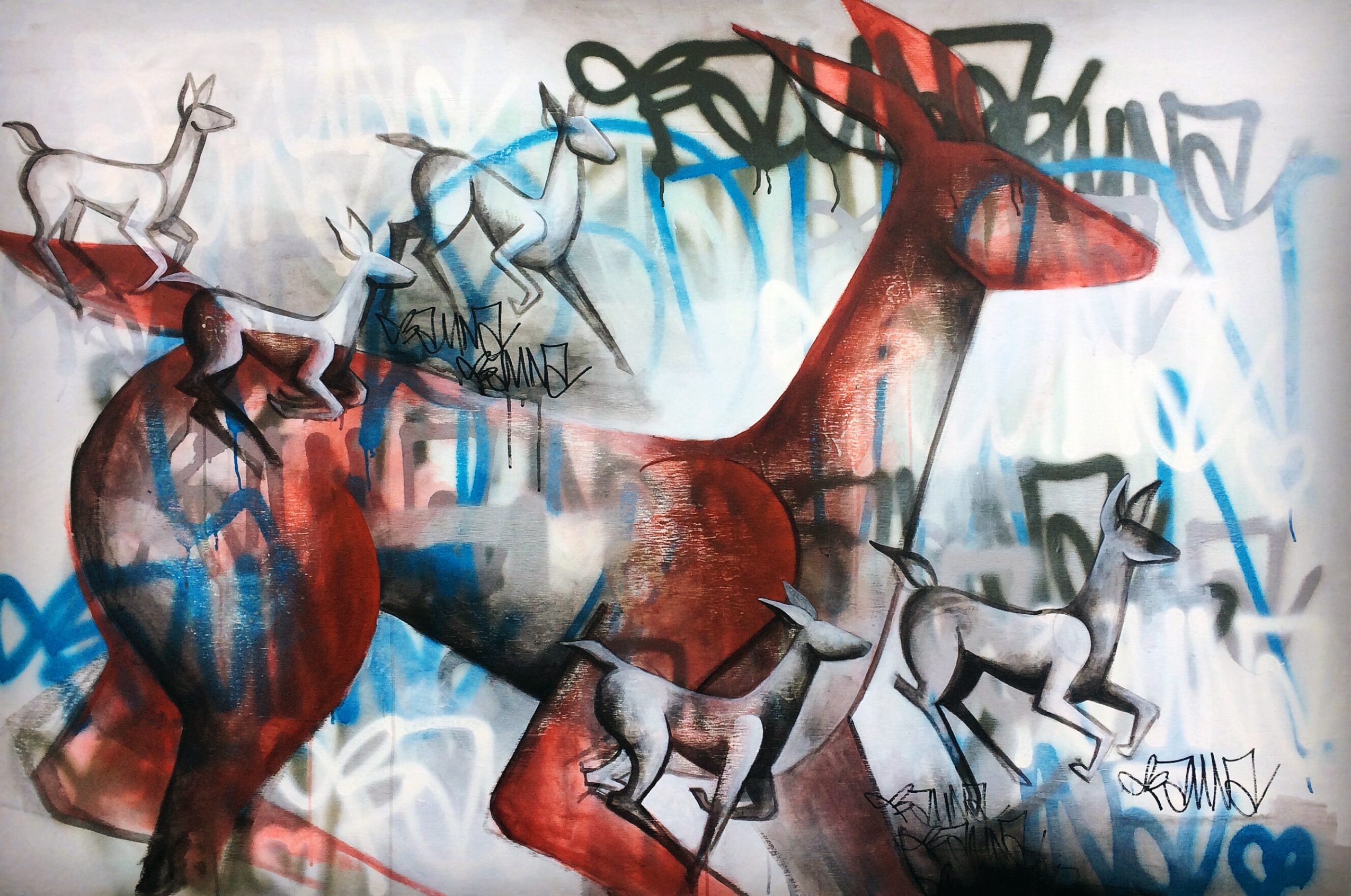
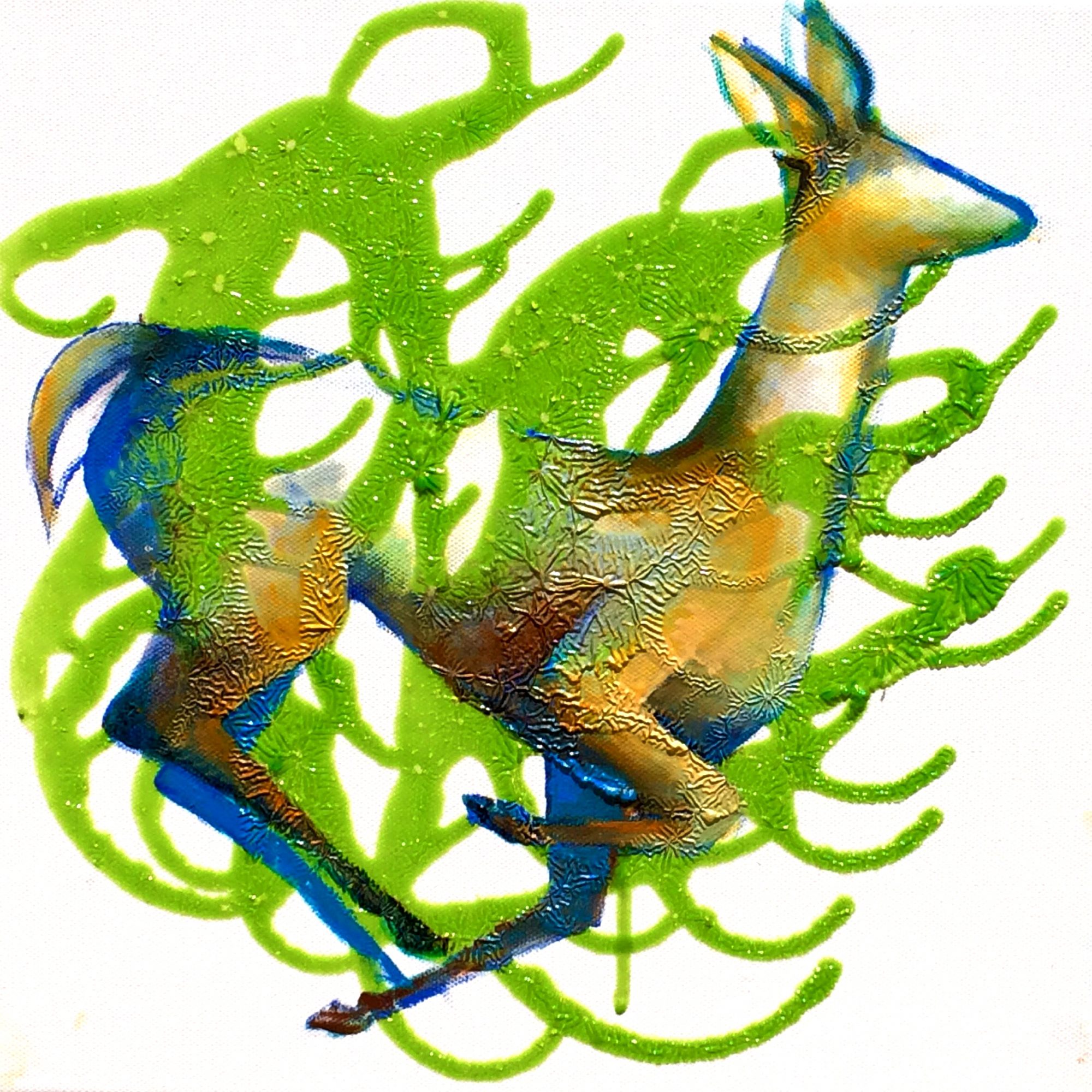
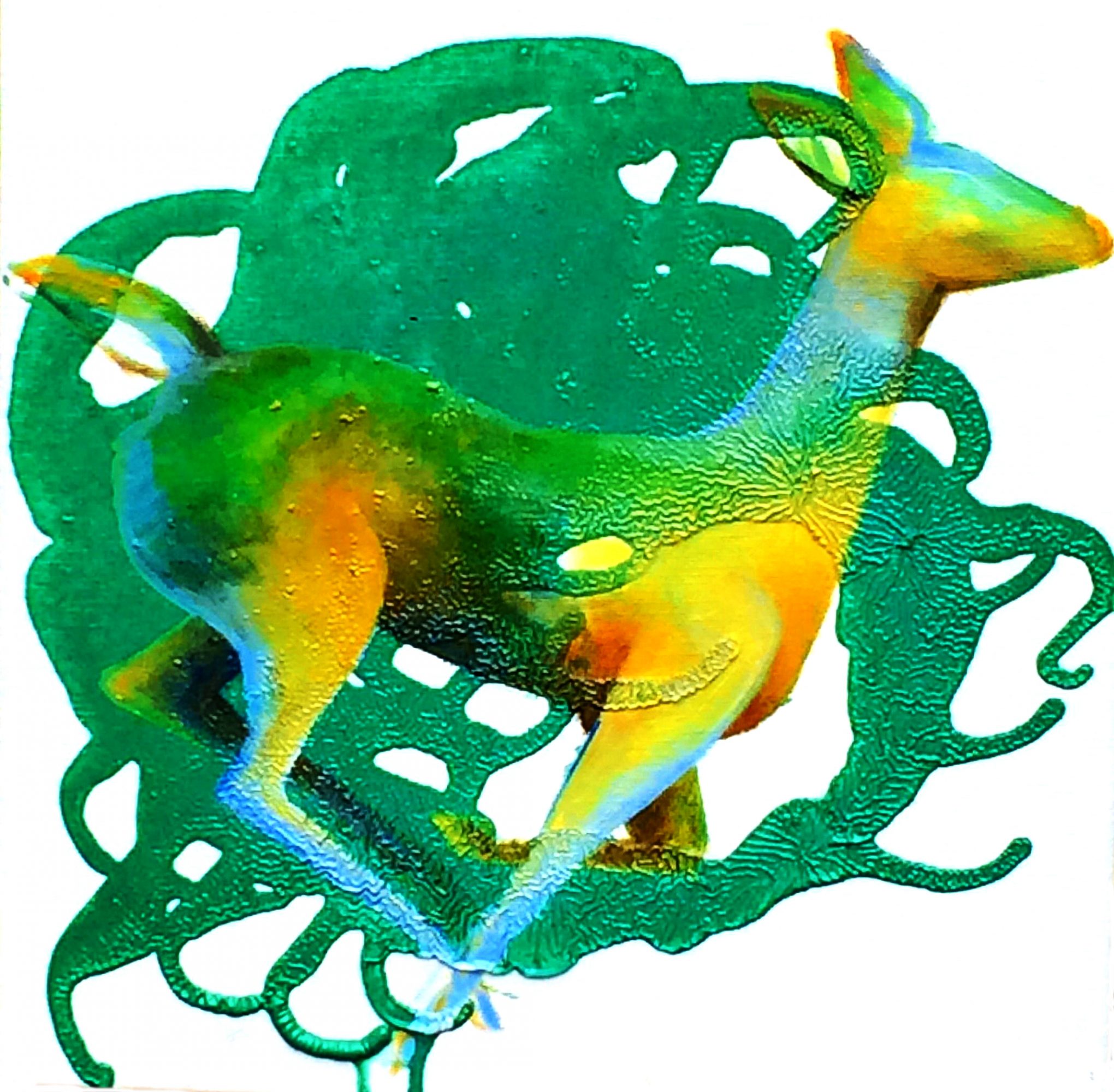
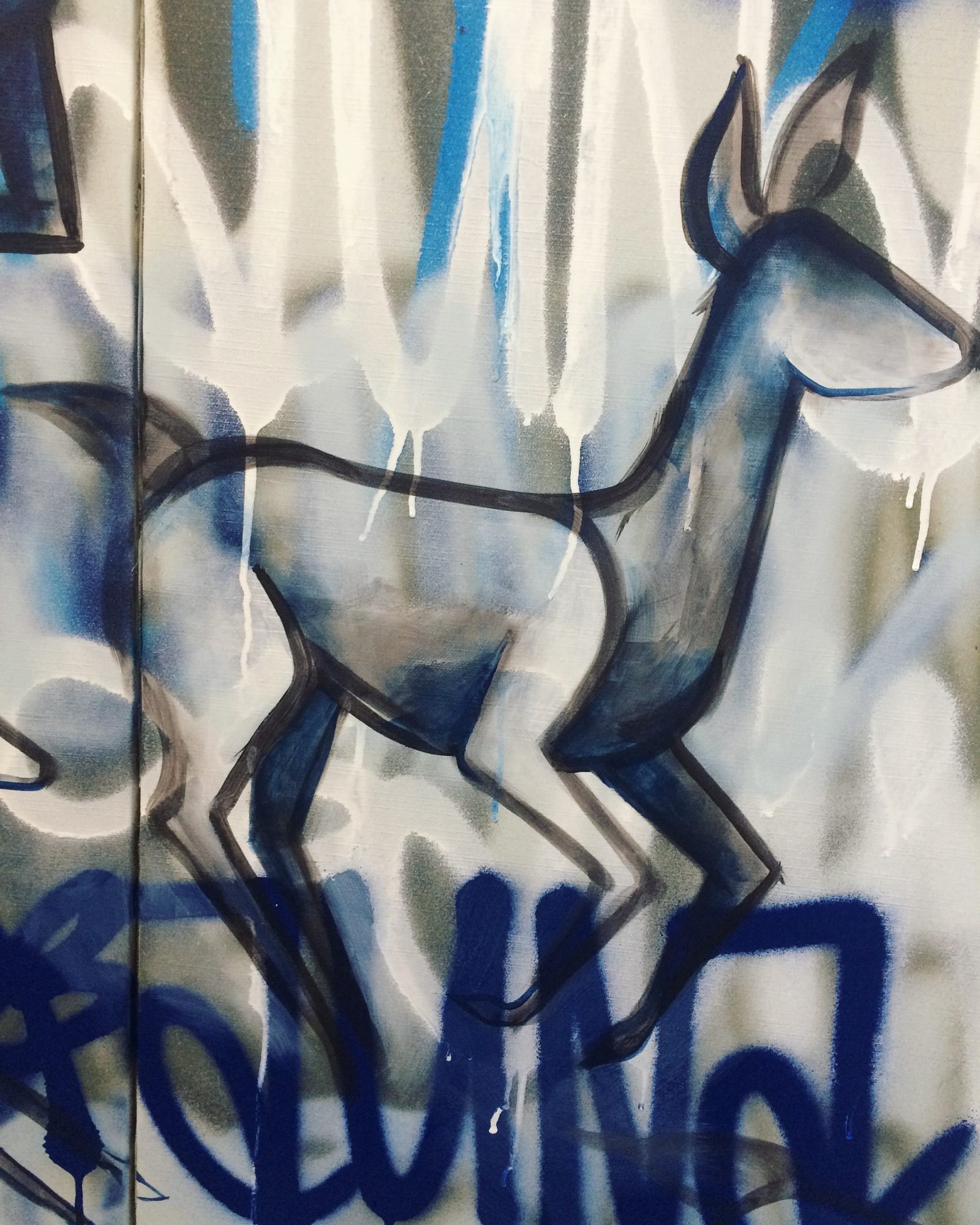
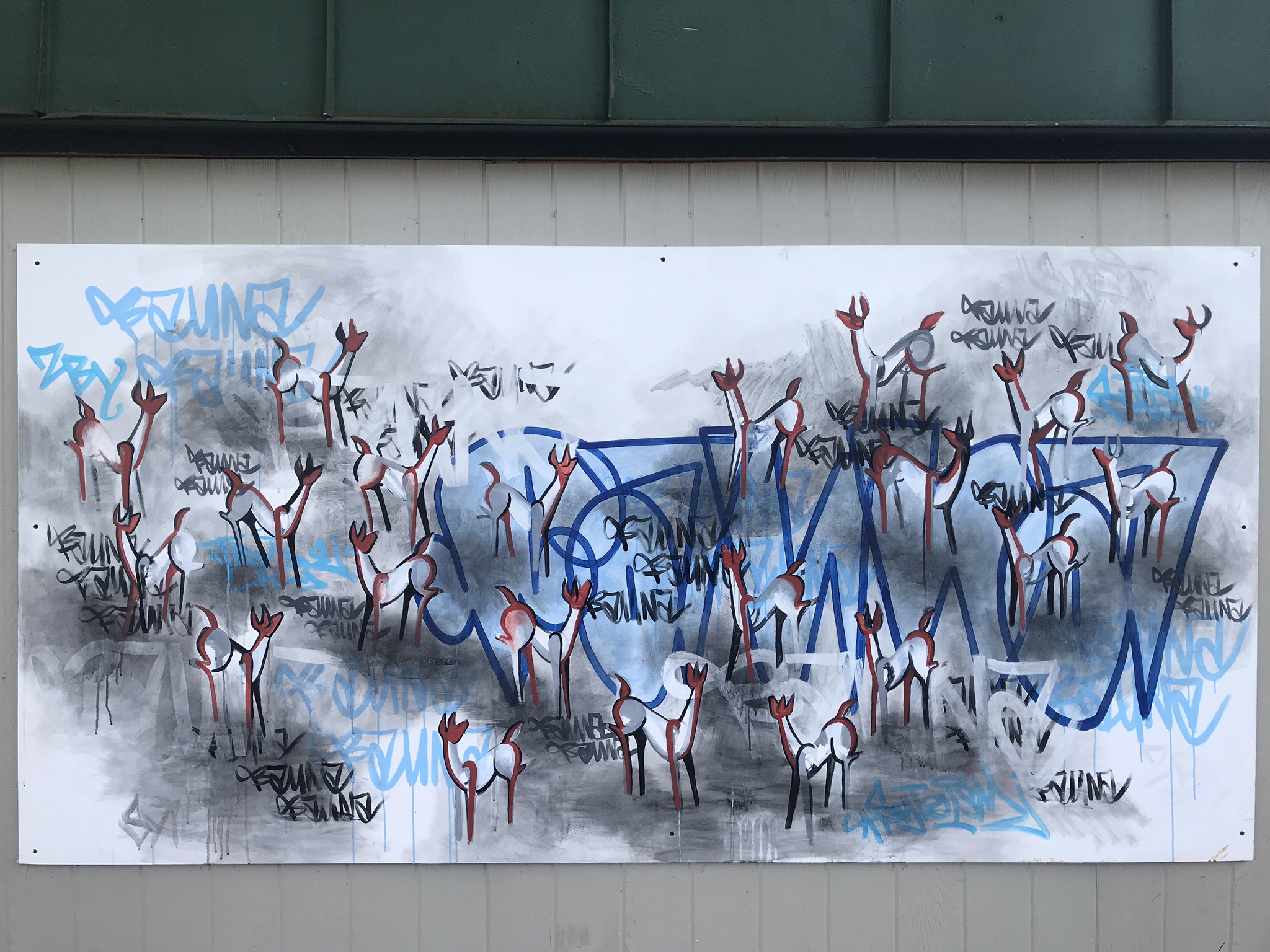
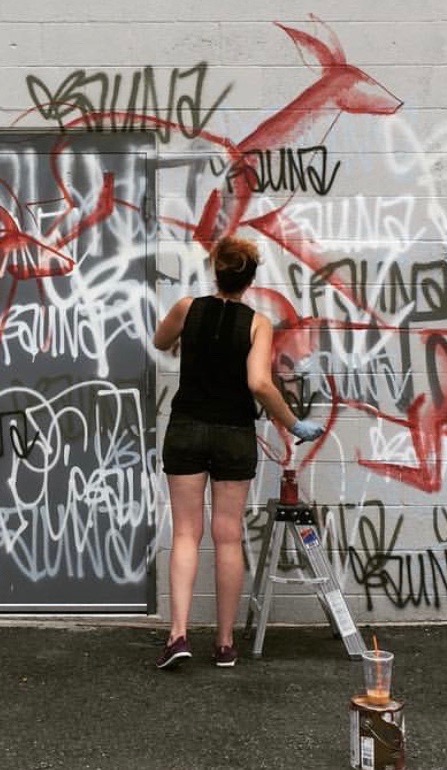
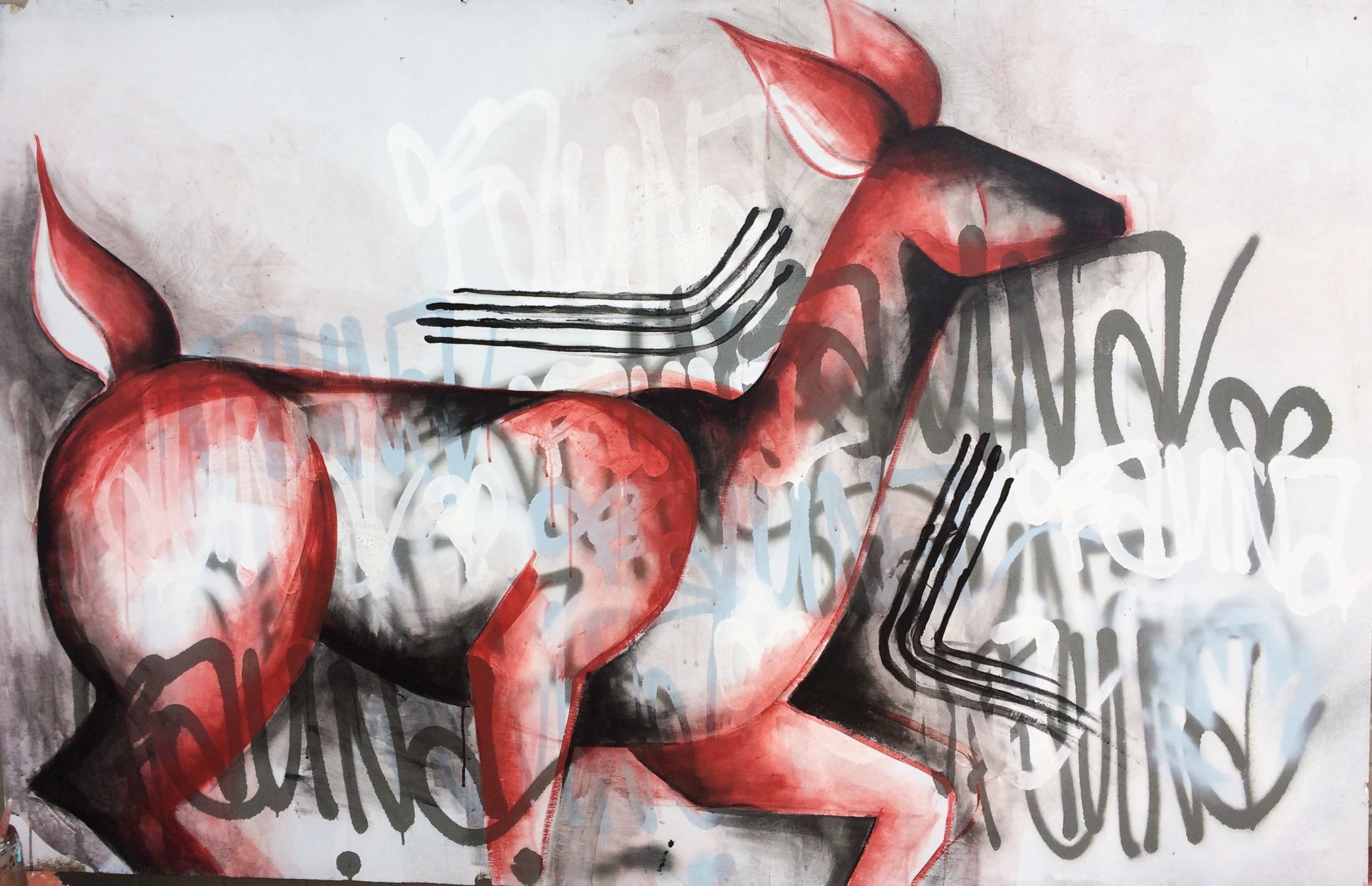
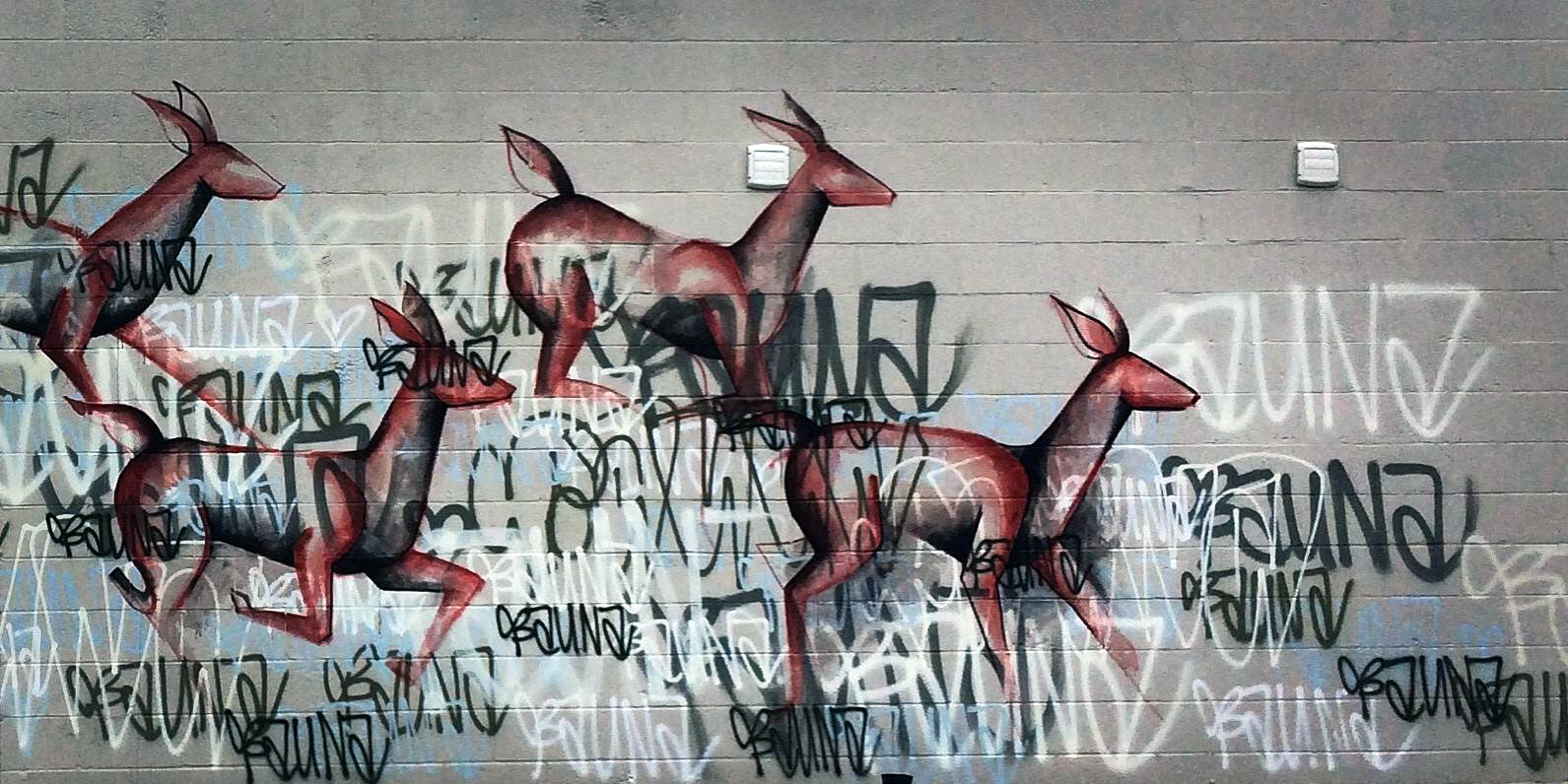 Image Credit:
Most are by me, the last one was taken by a friend, john hayes.
Getting in touch: BostonVoyager is built on recommendations from the community; it’s how we uncover hidden gems, so if you know someone who deserves recognition please let us know here.