





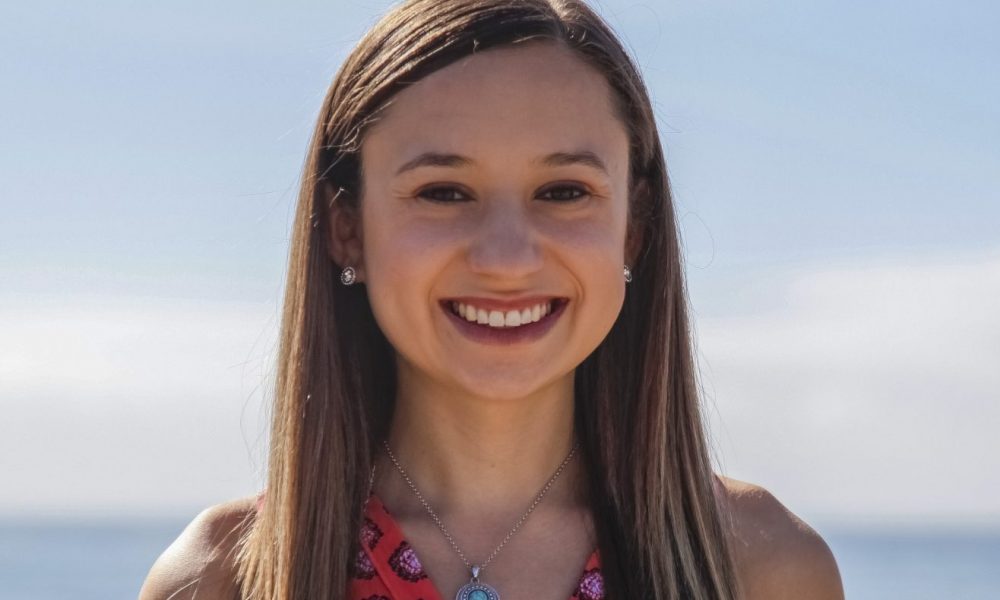
Today we’d like to introduce you to Eliza Lanzillo.
Thanks for sharing your story with us Eliza. So, let’s start at the beginning and we can move on from there.
My struggles with anorexia began as a high school student studying at an international school in Wales, UK. The school was academically rigorous and I quickly questioned my own abilities, leading to a downward spiral of feelings of inadequacy and loss of control. I discovered that the one thing I could control, and do so successfully, was what I ate and how much I exercised. I continued to struggle for several months before receiving treatment back in the United States. When I began college at Brown University in the fall of 2012, I believed I was in a stable place and viewed college as an opportunity to leave my eating disorder identify behind. Reflecting back, I recognize that I had not yet fully dealt with my ED, which likely contributed to my relapse during my freshman year. At this point in time, nearly 6 years later, I can finally say with confidence that I am in recovery. I still experience my share of setbacks, but with the skills I have acquired through years of therapy, coupled with an incredible support network, I am confident I will continue my upward journey to sustained recovery.
My own experience with an ED and the many challenges I faced during my treatment led me to become involved in the ED advocacy scene. I began working as the Program Director of Advocacy Initiatives for Hynes Recovery Services (HRS) in the fall of 2016.
Has it been a smooth road?
I encountered many obstacles during my own recovery journey that I know are not unique to my experience. One of the greatest challenges I faced was deciding whether to take a medical leave during college. I had heard several horror stories from peers who had faced great difficulty being readmitted to school after taking a medical leave of absence for a mental health issue, a challenge that those taking medical leave for physical health concerns did not seem to face to the same extent. Personally, I would have benefited from taking a semester leave to focus on my health and recovery, but fear of not being permitted to return to school inhibited me from doing so.
Another issue I encountered, and one that is not unique to EDs, is experiencing long wait times to be seen at a university counseling center. After requesting an appointment, a step that in and of itself can be difficult to take, many students are told they need to wait two weeks or more before the next available appointment. This problem highlights the lack of resources dedicated to mental health needs on university campuses nationwide.
Speaking on behalf of HRS, the biggest challenge the organization has experienced is identifying eating disorder experts who are available to work with clients that have limited financial resources.
So let’s switch gears a bit and go into the Hynes Recovery Services (Founder: Dawn Hynes, MSW) story. Tell us more about the business.
Hynes Recovery Services offers clients the opportunity to be fully supported in their recovery from an eating disorder. We are equipped to handle clients in both the early stages of an eating disorder, as well as those that may have been living with the devastating effects of this illness for some time. Clients and their families will receive not only information and education regarding all aspects of a loved one’s eating disorder, they will also have the opportunity to be connected to the top eating disorder experts in their geographical area.
At Hynes Recovery Services, we truly understand how overwhelming it can be for families to deal with a loved one who is struggling with an eating disorder. And it is not just parents who suffer in silence; siblings are also at a loss as to how they can best support their brother or sister who is in need of support. Unfortunately, there isn’t always a clear answer as to what should be done – for example, should we wait until our loved one is ready for treatment, or is it best to look into planning an intervention in order to maximize our chances of securing treatment?
We will take the time to listen to a family member’s concerns and guide them in prioritizing next steps for treatment. This can be a difficult process, but becomes much more manageable when provided with information and advice as to which level of care is most appropriate based on one’s current medical and/or psychological symptoms. In addition, we can also effectively guide families in identifying evidence- based treatment resources, and if needed, referrals for family coaching and/or family therapy.
Hynes Recovery Services is most known for the support it provides to campuses across Massachusetts seeking guidance on how to best support a student in crisis. Our team has created numerous resources for health care practitioners in the role of treating students with body image and/or eating concerns. These resources include, but are not limited to, campus awareness poster, National Eating Disorder Treatment Directory, Resource Guide for Collegiate Athletes with Eating Disorders, Addiction Treatment Directory, Eating Disorder Screening Webinar Series, Advocacy Toolkit and a University Clinical Guide (for administrators seeking to develop/expand upon current support system for students with eating disorders). – A Support Group Outline for on-campus support group leaders will also be launched soon. This guide (as well as the above resources) will all be available (at no cost) as a free download on our website.
Our team is most proud of the over 2,000 students that we have supported thus far. The services offered have included provider consults, interventions, transition support post-discharge from a higher level of care, and on-going clinical case management.
What most sets us apart from similar organizations is the fact that all of these comprehensive services have been pro bono since the inception of this organization.
If you had to start over, what would you have done differently?
Looking back, it would have been ideal if we focused more on establishing collaborations with other non-profit organizations, not just those entities which worked primarily with this eating disorder population.
Contact Info:
- Address: 396 Washington Street, Suite 392, Wellesley, MA. 02481
- Website: www.hynesrecovery.com
- Phone: (339) 222-1947
- Email: elizabeth_lanzillo@alumni.brown.edu
- Other: https://www.youtube.com/channel/UClYmTnWaiEDUex5Q6CGHuDA
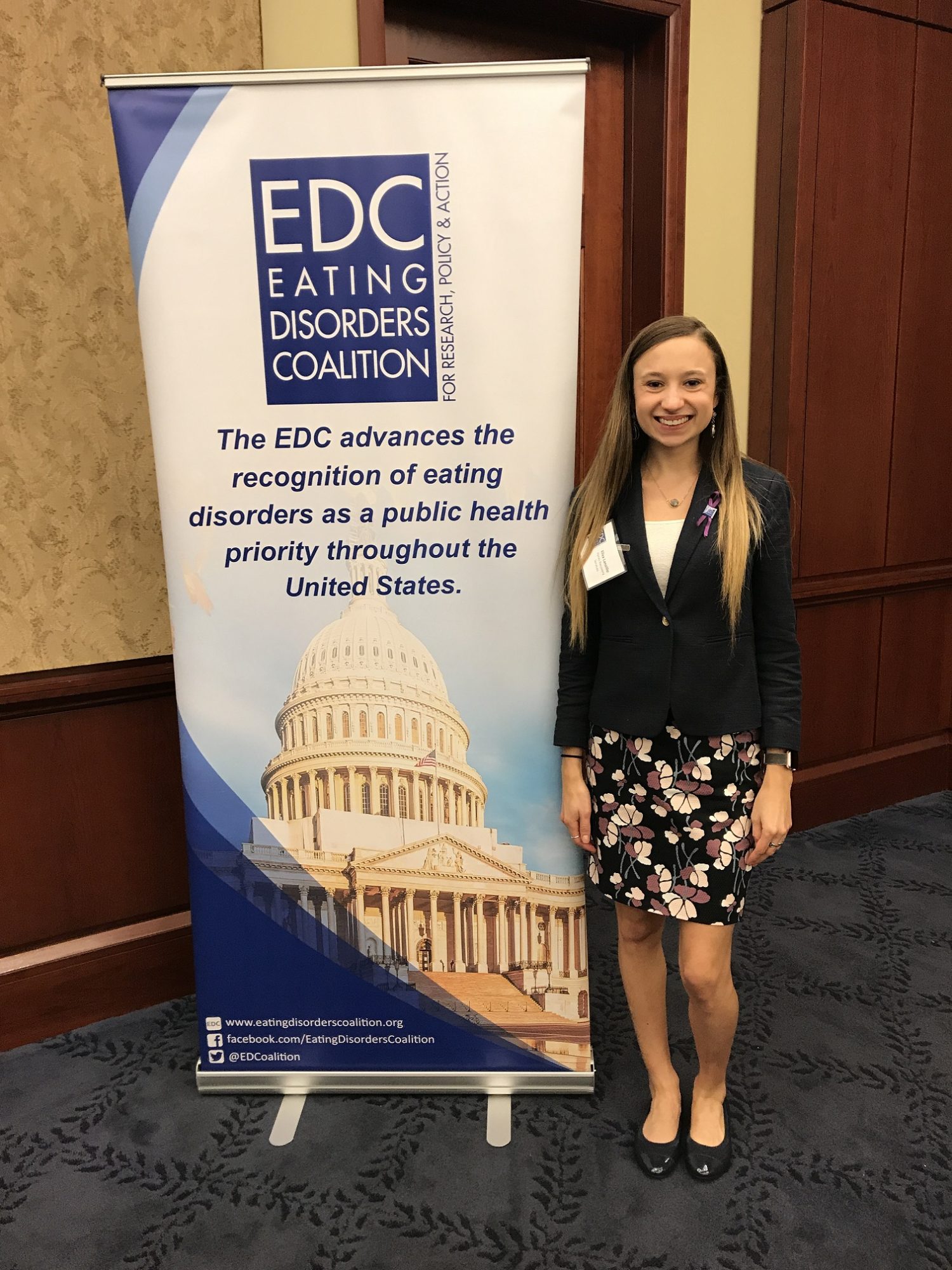
Image Credit:
Brittany Comunale (Eliza’s headshot), Courtney Chase
Getting in touch: BostonVoyager is built on recommendations from the community; it’s how we uncover hidden gems, so if you know someone who deserves recognition please let us know here.




JoAnn Lanzillo
July 24, 2018 at 4:16 pm
Wow!! I am so proud of you. The inspiration you provide to others through your story is so very valuable.
Dawn Hynes
July 25, 2018 at 6:06 pm
Thanks Eliza for being part of this interview for Boston Voyager Magazine. HRS is so honored to have you as part of our team and I want to let you know how much we appreciate you sharing this recovery story within our eating disorder community.
Mary Orear
July 26, 2018 at 12:18 pm
I am so grateful to you, Eliza, and to Boston Voyager Magazine, for this factual, accurate, and detailed explanation of all that you, Dawn Hynes, and Hynes Recovery Services offer to those struggling with eating disorders in MA! Dawn has over the years, step-by-step, created and continues to build an organization that provides a plethora of resources for families and friends, schools and colleges, to use so to recognize and support those who suffer with these illnesses. MA is so fortunate to have you and Dawn leading the way. Oh that all states had such leadership and resources!